
UrvannUrvann is your one-stop online nursery for plants, planters, gardening accessories, and tools. Order fresh plants and get free home delivery on the next day!https://www.urvann.com/s/6176774ef575bbd2b3331c8a/61db06dd744e78df7592f6d9/final-logo-01-1-_cropped-1-480x480.png
E-176110060DelhiIN
Urvann
E-176Delhi, IN
+919599585773https://www.urvann.com/s/6176774ef575bbd2b3331c8a/61db06dd744e78df7592f6d9/final-logo-01-1-_cropped-1-480x480.png"[email protected]
Vegetable Seeds<p>Organic vegetable seeds exude a natural charm. Their appeal comes from the promise they hold: sustainability, purity, and better flavour.</p> <p>Organic vegetable seeds, such as Tomato seeds, Palak, Coriander, Chilli, and Brinjal seeds, are free from synthetic chemicals, giving you cleaner and healthier produce. In a world filled with adulteration, choosing sustainable gardening is your safest path.&nbsp;</p> <p>Urvann provides options suited for beginners, home gardeners, and urban growers. Shop Seedlings at Urvann.</p> <p></p> <h2>Best Vegetables to Grow Throughout the Year in India</h2> <p>Different vegetables thrive in different seasons, but some adapt well across the year.</p> <h3>Year-round Favorites</h3> <ul> <li>Tomatoes</li> <li>Brinjal</li> <li>Cucumber</li> <li>Spinach</li> <li>Beans</li> <li>Chillies</li> </ul> <h3>Summer Vegetables</h3> <ul> <li>Kakdi</li> <li>Kheera</li> <li>Bhindi</li> <li>Lauki</li> </ul> <h3>Winter Vegetables</h3> <ul> <li>Patta gobhi</li> <li>Phool gobhi</li> <li>Broccoli</li> <li>Methi</li> <li>Carrots</li> <li>Peas</li> </ul> <h3>Monsoon Vegetables</h3> <ul> <li>Tinda</li> <li>Gilki</li> <li>Saag varieties</li> </ul> <h2></h2> <h2>Easiest Garden Vegetables to Grow (and Why They&rsquo;re So Beginner-Friendly)</h2> <h3>Tomato (Tamatar / Tamatar in English)</h3> <p>Tomatoes are one of the most forgiving plants. They germinate quickly, adapt to pots or open soil, and thrive in India&rsquo;s long warm season.</p> <p><strong>Why easy: </strong>High germination success, grows from seed or sapling, minimal pests with basic care.</p> <h3>Bottle Gourd (Lauki / Ghiya / Kaddu / Bottle Gourd Vegetable)</h3> <p>Whether you call it loki vegetable, ghiya vegetable, or kaddu vegetable, it grows aggressively on vines and loves Indian climates.</p> <p><strong>Why easy: </strong>Fast-growing climber, tolerates heat well, needs only regular watering and space to trail.</p> <h3>Okra (Bhindi / Lady Finger Vegetable)</h3> <p>Bhindi is one of India&rsquo;s most commonly grown home vegetables.<br /><strong></strong></p> <p><strong>Why easy: </strong>Germinates fast, grows well even in modest soil, and continuous harvesting encourages more pods.</p> <h3>Cucumber (Kakdi / Khira in English / Kakdi in English)</h3> <p>If you're looking for something quick and refreshing, cucumber varieties in India are incredibly easy to grow.<br /><strong></strong></p> <p><strong>Why easy: </strong>Rapid germination, ideal for hot weather, and needs only regular watering.</p> <h3>Spinach (Palak / Palak Vegetable / Palak Ka Saag)</h3> <p>Leafy vegetables like palak, poi saag, and methi ka saag are perfect for beginners.<br /><strong></strong></p> <p><strong>Why easy: </strong>Grows in any pot, regrows after cutting, and matures in as little as 30&ndash;45 days.</p> <h3>Coriander (Dhaniya Patta / Hari Dhaniya / Dhaniya Patta in English)</h3> <p>Coriander is one of the most popular and very much needed home-garden herbs.<br /><strong></strong></p> <p><strong>Why easy: </strong>Germinates easily when seeds are lightly crushed, grows well in partial sun, and needs very little maintenance.</p> <h3>Radish (Mooli / Mooli in English)</h3> <p>Radish is one of the fastest vegetables to grow at home.<br /><strong></strong></p> <p><strong>Why easy: </strong>Matures in 30&ndash;40 days, handles cool weather well, and thrives even in balcony containers.</p> <h3>Beetroot (Chukandar / Chukandar in English)</h3> <p>Beetroot is a colourful root crop that grows in most Indian soils.<br /><strong></strong></p> <p><strong>Why easy: </strong>Minimal pests, quick to sprout, suitable for small pots, and produces greens plus roots.</p> <h3>Brinjal (Baingan / Brinjal Plant / Brinjal Vegetable)</h3> <p>Varieties like small brinjal or Bangalore brinjal are adaptable and hardy.<br /><strong></strong></p> <p><strong>Why easy: </strong>Heat-tolerant, long fruiting season, and thrives in pots or ground.</p> <h3>Capsicum (Shimla Mirch / Shimla Mirch in English)</h3> <p>Also known as capsicum vegetable or shimla mirchi, it&rsquo;s ideal for terrace gardens.</p> <p><strong>Why easy: </strong>Compact plant, long harvest window, and grows well from hybrid seeds.</p> <h3>Fenugreek (Methi / Methi Ka Saag)</h3> <p>Methi is a no-stress, no-skill crop anyone can grow.</p> <p><strong>Why easy: </strong>Seeds germinate in under 3 days, grows in shallow trays, and matures in 20&ndash;30 days.</p> <h3>Beans (Cluster Beans / Chawli Beans in English)</h3> <p>Indian beans are fast growers and extremely productive.</p> <p><strong>Why easy: </strong>Quick climbers, nitrogen-fixing plants, and minimal pest issues.</p> <h3>Bitter Gourd (Karela Vegetable / Bitter Gourd Vegetable)</h3> <p>A classic Indian home-garden climber.</p> <p><strong>Why easy: </strong>Handles heat well, grows vigorously, and yields heavily with full sun.</p> <p>Bring home fast-growing vegetable plants today. Shop Seedlings at Urvann.</p> <p></p> <h2>How to Grow Vegetable Seeds in Different Garden Types</h2> <p>Growing vegetable seeds in India becomes easier when you follow the right method for your space.</p> <h3>Traditional Outdoor Gardens</h3> <ul> <li>Loosen and prepare well-drained soil.</li> <li>Dig a 1-inch deep hole for sowing.</li> <li>Water lightly and ensure full sunlight.</li> <li>deal for vegetables like bhindi, kaddu, kakdi, gobhi, and tomatoes.</li> </ul> <h3>Raised Bed Gardening</h3> <ul> <li>Fill beds with nutrient-rich <a href="https://www.urvann.com/browse/potting-mixes/">potting mix</a>.</li> <li>Space seeds evenly.</li> <li>Water using a spray bottle.</li> <li>Ensures faster growth with fewer soil-borne problems.</li> </ul> <h3>Container or Balcony Gardens</h3> <ul> <li>Choose pots with proper drainage.</li> <li>Keep containers in a bright, airy spot.</li> <li>Suitable for palak, dhania, ghiya, cherry tomatoes, and peppers.</li> </ul> <p>Grow fresh vegetables even in small spaces. Order Seeds for Terrace and Balcony Gardens.</p> <p></p> <h2>Tips for Storing and Saving Vegetable Seeds</h2> <p>These tips help maintain the quality of seeds such as tamatar ke beej, palak ke beej, dhania seeds, kaddu ke beej, and more.</p> <ul> <li>Dry seeds completely before storage.</li> <li>Use airtight containers like jars or zip pouches.</li> <li>Keep seeds in a cool, dark space away from temperature changes.</li> <li>Label them with the date and name.</li> <li>Store separately to avoid moisture contamination.</li> </ul> <h2>Why More Indians Are Growing Vegetables at Home</h2> <p>Home gardening is rising rapidly because:</p> <ul> <li>Access to fresh organic vegetables.</li> <li>Zero chemicals and safer produce.</li> <li>Cost-effective alternative to store-bought greens.</li> <li>Easy availability of vegetable seeds online.</li> <li>Works even in compact balconies and terraces.</li> <li>Encourages sustainable living.</li> </ul> <p>To buy organic <a href="https://www.urvann.com/browse/herb-seeds">herb seeds</a>, flower seeds, and vegetable seeds online in India, explore Urvann, where you&rsquo;ll find a curated selection of high-quality, budget-friendly plants and seeds. Start growing chemical-free food at home.</p> <h2></h2> <h2>Why Choose Vegetable Seeds Online from Urvann</h2> <p>Urvann is known as one of India&rsquo;s most trusted online plant nurseries. Gardeners love it because:<br />Free next-day delivery across major cities.</p> <ul> <li>Fresh, healthy plants and high-quality seeds.</li> <li>Regular discounts and seasonal offers.</li> <li>Availability of both hybrid vegetable seeds and organic vegetable seeds.</li> <li>Verified varieties suitable for Indian climate zones.</li> </ul> <p>Whether you&rsquo;re searching for tomato seeds, bhindi seeds, kaddu seeds, dhania seeds, leafy vegetable seeds, or exotic varieties, you can bring home these plants today.&nbsp;</p> <p></p> <h2>Frequently Asked Questions About Vegetable Seeds</h2> <h3>1. What are the best vegetable seeds to plant over the year?</h3> <p>The best vegetable seeds to plant throughout the year are tomato, brinjal, cucumber, and other climate-flexible varieties. They adapt well across different seasons, making them reliable options for home gardeners.</p> <h3>2. Which vegetable seeds grow faster?</h3> <p>Fast-growing vegetables include radishes, carrots, spinach, and beans. These varieties sprout quickly and are perfect for beginners or quick harvest cycles.</p> <h3>3. Which vegetable is best to grow in the winter season?</h3> <p>Winter-friendly vegetables include cabbage, chilli, beans, coriander, onion, and okra. They thrive in cooler temperatures and produce healthier yields during the cold months.</p> <h3>4. What is the typical shelf life of vegetable seeds?</h3> <p>Most vegetable seeds last two to three years, depending on storage conditions. Keeping them cool, dark, and dry helps extend their viability.</p> <h3>5. How deep should I plant vegetable seeds for optimal growth?</h3> <p>Plant seeds at a depth of 1.5 to 2 inches for the best germination results. This helps them stay moist while still receiving enough warmth and airflow.</p> <h3>6. How long does it take to grow bottle gourd?</h3> <p>Bottle gourd usually takes 50 to 70 days from sowing to harvest. The timeline varies slightly based on climate, watering, and sunlight.</p> <h3>7. In which month can we grow cucumbers?</h3> <p>Cucumber grows best when sown from February to June, and again during the early monsoon. These warm and humid conditions support vigorous growth.</p> <h3>8. Which month is best to grow broccoli?</h3> <p>The ideal time to grow broccoli in India is from September to November. Cooler weather helps the plant form firm and healthy heads.</p> <h3>9. What is the most common disease in okra?</h3> <p>The most common okra disease is yellow vein mosaic virus. It causes leaf yellowing and reduced yield, especially in warm, humid climates.</p> <h3>10. What fruits and vegetables are good for the rainy season?</h3> <p>Rain-friendly vegetables include cucumber, gourds, spinach, and beans, while fruits like papaya, pineapple, and jamun also perform well. These crops tolerate monsoon moisture and thrive in rainy conditions.</p> <h3>11. What is the best month to plant coriander?</h3> <p>Coriander grows best when planted between October and January. The cooler temperatures help the plant stay lush and prevent early flowering.</p> <h3>12. What vegetables can grow in 2 months?</h3> <p>Fast growers include radish, spinach, lettuce, fenugreek, beans, and coriander. These vegetables mature within 30 to 60 days, offering quick and satisfying harvests.</p>//:0

Shop

Vegetable Seeds

Organic vegetable seeds exude a natural charm. Their appeal comes from the promise they hold: susta...
Organic vegetable seeds exude a natural charm. Their appeal comes from the promise they hold: sustainability, purity, and better flavour.

Organic vegetable seeds, such as Tomato seeds, Palak, Coriander, Chilli, and Brinjal seeds, are free from synthetic chemicals, giving you cleaner and healthier produce. In a world filled with adulteration, choosing sustainable gardening is your safest path. 

Urvann provides options suited for beginners, home gardeners, and urban growers. Shop Seedlings at Urvann.

Best Vegetables to Grow Throughout the Year in India

Different vegetables thrive in different seasons, but some adapt well across the year.

Year-round Favorites

  • Tomatoes
  • Brinjal
  • Cucumber
  • Spinach
  • Beans
  • Chillies

Summer Vegetables

  • Kakdi
  • Kheera
  • Bhindi
  • Lauki

Winter Vegetables

  • Patta gobhi
  • Phool gobhi
  • Broccoli
  • Methi
  • Carrots
  • Peas

Monsoon Vegetables

  • Tinda
  • Gilki
  • Saag varieties

Easiest Garden Vegetables to Grow (and Why They’re So Beginner-Friendly)

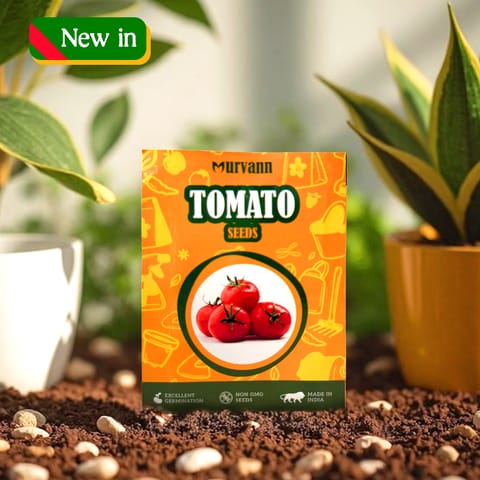
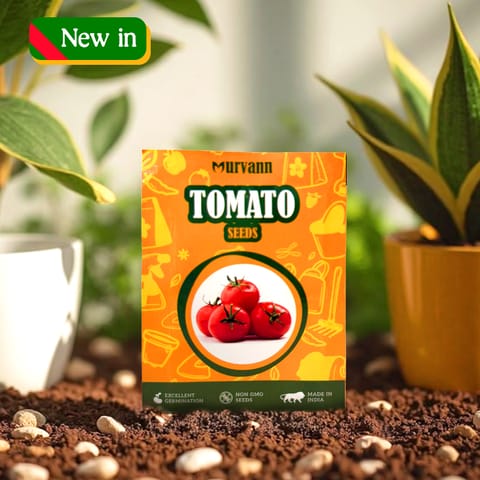
Tomato (Tamatar / Tamatar in English)

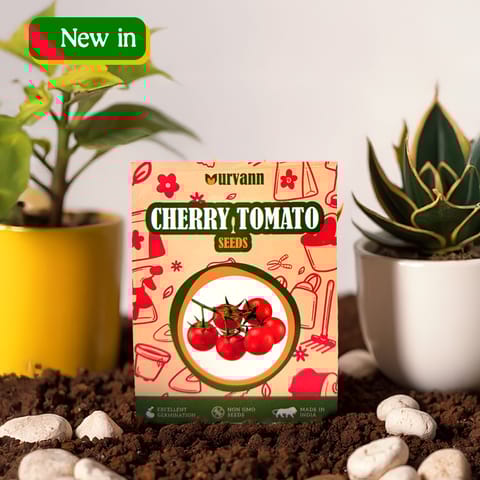
Tomatoes are one of the most forgiving plants. They germinate quickly, adapt to pots or open soil, and thrive in India’s long warm season.

Why easy: High germination success, grows from seed or sapling, minimal pests with basic care.

Bottle Gourd (Lauki / Ghiya / Kaddu / Bottle Gourd Vegetable)

Whether you call it loki vegetable, ghiya vegetable, or kaddu vegetable, it grows aggressively on vines and loves Indian climates.

Why easy: Fast-growing climber, tolerates heat well, needs only regular watering and space to trail.

Okra (Bhindi / Lady Finger Vegetable)

Bhindi is one of India’s most commonly grown home vegetables.

Why easy: Germinates fast, grows well even in modest soil, and continuous harvesting encourages more pods.

Cucumber (Kakdi / Khira in English / Kakdi in English)

If you're looking for something quick and refreshing, cucumber varieties in India are incredibly easy to grow.

Why easy: Rapid germination, ideal for hot weather, and needs only regular watering.

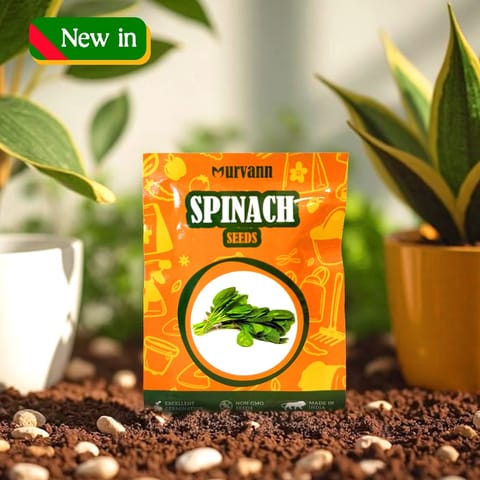
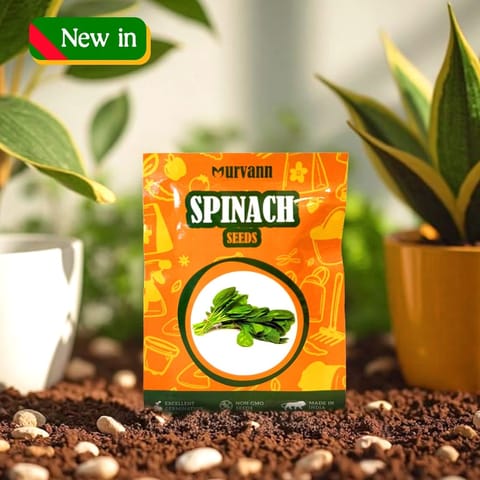
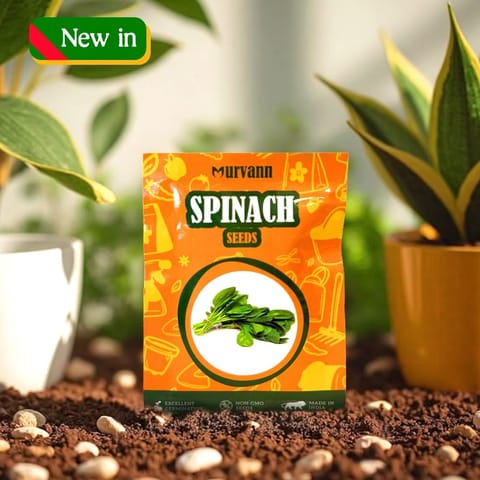
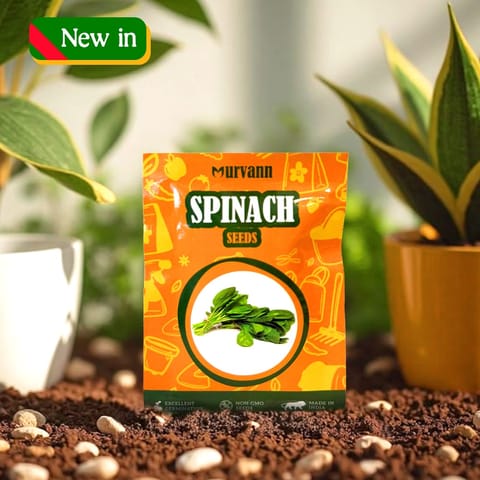
Spinach (Palak / Palak Vegetable / Palak Ka Saag)

Leafy vegetables like palak, poi saag, and methi ka saag are perfect for beginners.

Why easy: Grows in any pot, regrows after cutting, and matures in as little as 30–45 days.

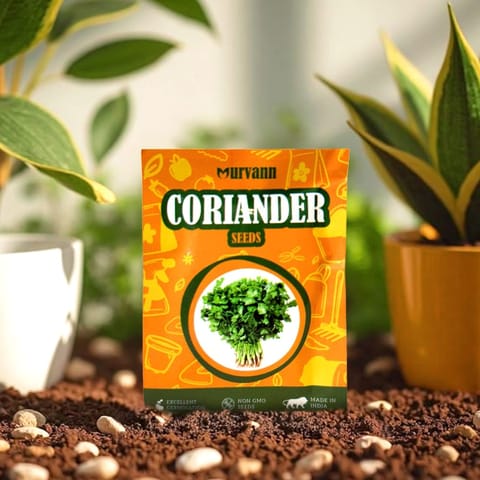
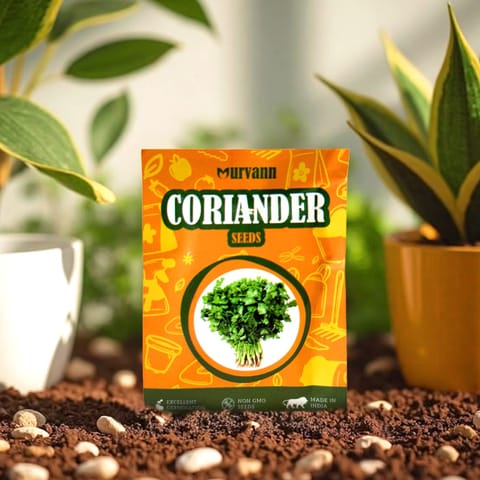
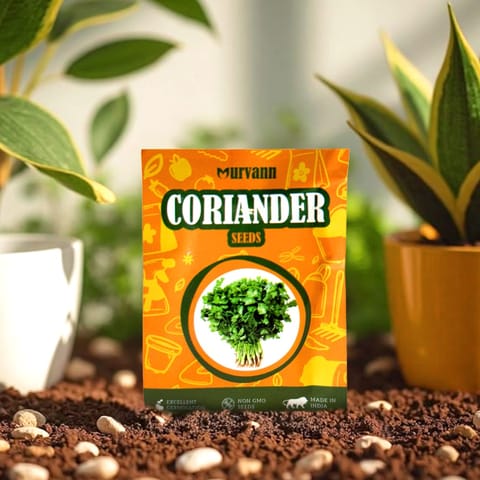
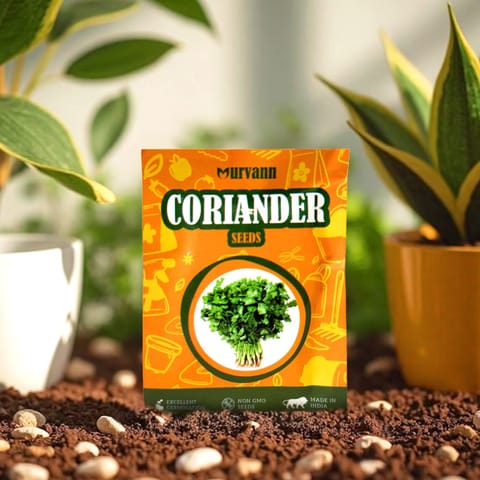
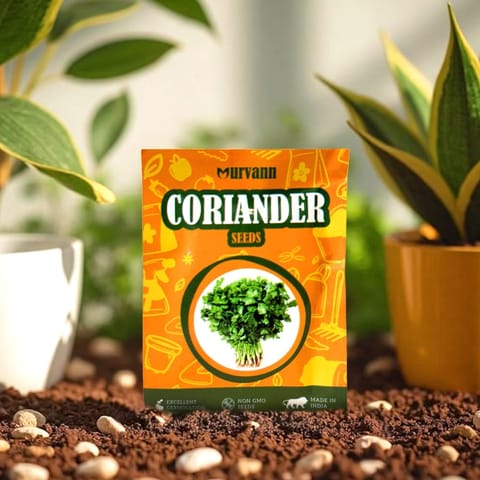
Coriander (Dhaniya Patta / Hari Dhaniya / Dhaniya Patta in English)

Coriander is one of the most popular and very much needed home-garden herbs.

Why easy: Germinates easily when seeds are lightly crushed, grows well in partial sun, and needs very little maintenance.

Radish (Mooli / Mooli in English)

Radish is one of the fastest vegetables to grow at home.

Why easy: Matures in 30–40 days, handles cool weather well, and thrives even in balcony containers.

Beetroot (Chukandar / Chukandar in English)

Beetroot is a colourful root crop that grows in most Indian soils.

Why easy: Minimal pests, quick to sprout, suitable for small pots, and produces greens plus roots.

Brinjal (Baingan / Brinjal Plant / Brinjal Vegetable)

Varieties like small brinjal or Bangalore brinjal are adaptable and hardy.

Why easy: Heat-tolerant, long fruiting season, and thrives in pots or ground.

Capsicum (Shimla Mirch / Shimla Mirch in English)

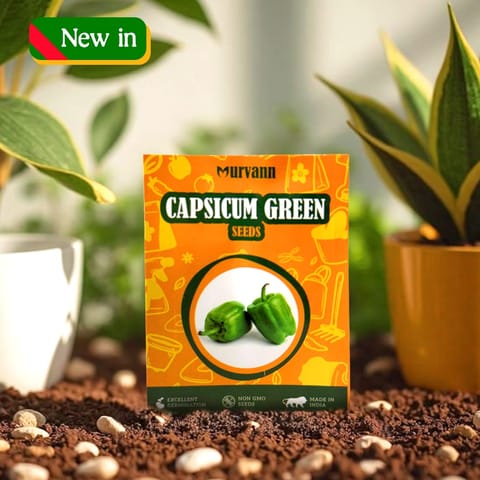
Also known as capsicum vegetable or shimla mirchi, it’s ideal for terrace gardens.

Why easy: Compact plant, long harvest window, and grows well from hybrid seeds.

Fenugreek (Methi / Methi Ka Saag)

Methi is a no-stress, no-skill crop anyone can grow.

Why easy: Seeds germinate in under 3 days, grows in shallow trays, and matures in 20–30 days.

Beans (Cluster Beans / Chawli Beans in English)

Indian beans are fast growers and extremely productive.

Why easy: Quick climbers, nitrogen-fixing plants, and minimal pest issues.

Bitter Gourd (Karela Vegetable / Bitter Gourd Vegetable)

A classic Indian home-garden climber.

Why easy: Handles heat well, grows vigorously, and yields heavily with full sun.

Bring home fast-growing vegetable plants today. Shop Seedlings at Urvann.

How to Grow Vegetable Seeds in Different Garden Types

Growing vegetable seeds in India becomes easier when you follow the right method for your space.

Traditional Outdoor Gardens

  • Loosen and prepare well-drained soil.
  • Dig a 1-inch deep hole for sowing.
  • Water lightly and ensure full sunlight.
  • deal for vegetables like bhindi, kaddu, kakdi, gobhi, and tomatoes.

Raised Bed Gardening

  • Fill beds with nutrient-rich potting mix.
  • Space seeds evenly.
  • Water using a spray bottle.
  • Ensures faster growth with fewer soil-borne problems.

Container or Balcony Gardens

  • Choose pots with proper drainage.
  • Keep containers in a bright, airy spot.
  • Suitable for palak, dhania, ghiya, cherry tomatoes, and peppers.

Grow fresh vegetables even in small spaces. Order Seeds for Terrace and Balcony Gardens.

Tips for Storing and Saving Vegetable Seeds

These tips help maintain the quality of seeds such as tamatar ke beej, palak ke beej, dhania seeds, kaddu ke beej, and more.

  • Dry seeds completely before storage.
  • Use airtight containers like jars or zip pouches.
  • Keep seeds in a cool, dark space away from temperature changes.
  • Label them with the date and name.
  • Store separately to avoid moisture contamination.

Why More Indians Are Growing Vegetables at Home

Home gardening is rising rapidly because:

  • Access to fresh organic vegetables.
  • Zero chemicals and safer produce.
  • Cost-effective alternative to store-bought greens.
  • Easy availability of vegetable seeds online.
  • Works even in compact balconies and terraces.
  • Encourages sustainable living.

To buy organic herb seeds, flower seeds, and vegetable seeds online in India, explore Urvann, where you’ll find a curated selection of high-quality, budget-friendly plants and seeds. Start growing chemical-free food at home.

Why Choose Vegetable Seeds Online from Urvann

Urvann is known as one of India’s most trusted online plant nurseries. Gardeners love it because:
Free next-day delivery across major cities.

  • Fresh, healthy plants and high-quality seeds.
  • Regular discounts and seasonal offers.
  • Availability of both hybrid vegetable seeds and organic vegetable seeds.
  • Verified varieties suitable for Indian climate zones.

Whether you’re searching for tomato seeds, bhindi seeds, kaddu seeds, dhania seeds, leafy vegetable seeds, or exotic varieties, you can bring home these plants today. 

Frequently Asked Questions About Vegetable Seeds

1. What are the best vegetable seeds to plant over the year?

The best vegetable seeds to plant throughout the year are tomato, brinjal, cucumber, and other climate-flexible varieties. They adapt well across different seasons, making them reliable options for home gardeners.

2. Which vegetable seeds grow faster?

Fast-growing vegetables include radishes, carrots, spinach, and beans. These varieties sprout quickly and are perfect for beginners or quick harvest cycles.

3. Which vegetable is best to grow in the winter season?

Winter-friendly vegetables include cabbage, chilli, beans, coriander, onion, and okra. They thrive in cooler temperatures and produce healthier yields during the cold months.

4. What is the typical shelf life of vegetable seeds?

Most vegetable seeds last two to three years, depending on storage conditions. Keeping them cool, dark, and dry helps extend their viability.

5. How deep should I plant vegetable seeds for optimal growth?

Plant seeds at a depth of 1.5 to 2 inches for the best germination results. This helps them stay moist while still receiving enough warmth and airflow.

6. How long does it take to grow bottle gourd?

Bottle gourd usually takes 50 to 70 days from sowing to harvest. The timeline varies slightly based on climate, watering, and sunlight.

7. In which month can we grow cucumbers?

Cucumber grows best when sown from February to June, and again during the early monsoon. These warm and humid conditions support vigorous growth.

8. Which month is best to grow broccoli?

The ideal time to grow broccoli in India is from September to November. Cooler weather helps the plant form firm and healthy heads.

9. What is the most common disease in okra?

The most common okra disease is yellow vein mosaic virus. It causes leaf yellowing and reduced yield, especially in warm, humid climates.

10. What fruits and vegetables are good for the rainy season?

Rain-friendly vegetables include cucumber, gourds, spinach, and beans, while fruits like papaya, pineapple, and jamun also perform well. These crops tolerate monsoon moisture and thrive in rainy conditions.

11. What is the best month to plant coriander?

Coriander grows best when planted between October and January. The cooler temperatures help the plant stay lush and prevent early flowering.

12. What vegetables can grow in 2 months?

Fast growers include radish, spinach, lettuce, fenugreek, beans, and coriander. These vegetables mature within 30 to 60 days, offering quick and satisfying harvests.


Showing 24 of 177 products

Organic vegetable seeds exude a natural charm. Their appeal comes from the promise they hold: sustainability, purity, and better flavour.

Organic vegetable seeds, such as Tomato seeds, Palak, Coriander, Chilli, and Brinjal seeds, are free from synthetic chemicals, giving you cleaner and healthier produce. In a world filled with adulteration, choosing sustainable gardening is your safest path. 

Urvann provides options suited for beginners, home gardeners, and urban growers. Shop Seedlings at Urvann.

Best Vegetables to Grow Throughout the Year in India

Different vegetables thrive in different seasons, but some adapt well across the year.

Year-round Favorites

  • Tomatoes
  • Brinjal
  • Cucumber
  • Spinach
  • Beans
  • Chillies

Summer Vegetables

  • Kakdi
  • Kheera
  • Bhindi
  • Lauki

Winter Vegetables

  • Patta gobhi
  • Phool gobhi
  • Broccoli
  • Methi
  • Carrots
  • Peas

Monsoon Vegetables

  • Tinda
  • Gilki
  • Saag varieties

Easiest Garden Vegetables to Grow (and Why They’re So Beginner-Friendly)

Tomato (Tamatar / Tamatar in English)

Tomatoes are one of the most forgiving plants. They germinate quickly, adapt to pots or open soil, and thrive in India’s long warm season.

Why easy: High germination success, grows from seed or sapling, minimal pests with basic care.

Bottle Gourd (Lauki / Ghiya / Kaddu / Bottle Gourd Vegetable)

Whether you call it loki vegetable, ghiya vegetable, or kaddu vegetable, it grows aggressively on vines and loves Indian climates.

Why easy: Fast-growing climber, tolerates heat well, needs only regular watering and space to trail.

Okra (Bhindi / Lady Finger Vegetable)

Bhindi is one of India’s most commonly grown home vegetables.

Why easy: Germinates fast, grows well even in modest soil, and continuous harvesting encourages more pods.

Cucumber (Kakdi / Khira in English / Kakdi in English)

If you're looking for something quick and refreshing, cucumber varieties in India are incredibly easy to grow.

Why easy: Rapid germination, ideal for hot weather, and needs only regular watering.

Spinach (Palak / Palak Vegetable / Palak Ka Saag)

Leafy vegetables like palak, poi saag, and methi ka saag are perfect for beginners.

Why easy: Grows in any pot, regrows after cutting, and matures in as little as 30–45 days.

Coriander (Dhaniya Patta / Hari Dhaniya / Dhaniya Patta in English)

Coriander is one of the most popular and very much needed home-garden herbs.

Why easy: Germinates easily when seeds are lightly crushed, grows well in partial sun, and needs very little maintenance.

Radish (Mooli / Mooli in English)

Radish is one of the fastest vegetables to grow at home.

Why easy: Matures in 30–40 days, handles cool weather well, and thrives even in balcony containers.

Beetroot (Chukandar / Chukandar in English)

Beetroot is a colourful root crop that grows in most Indian soils.

Why easy: Minimal pests, quick to sprout, suitable for small pots, and produces greens plus roots.

Brinjal (Baingan / Brinjal Plant / Brinjal Vegetable)

Varieties like small brinjal or Bangalore brinjal are adaptable and hardy.

Why easy: Heat-tolerant, long fruiting season, and thrives in pots or ground.

Capsicum (Shimla Mirch / Shimla Mirch in English)

Also known as capsicum vegetable or shimla mirchi, it’s ideal for terrace gardens.

Why easy: Compact plant, long harvest window, and grows well from hybrid seeds.

Fenugreek (Methi / Methi Ka Saag)

Methi is a no-stress, no-skill crop anyone can grow.

Why easy: Seeds germinate in under 3 days, grows in shallow trays, and matures in 20–30 days.

Beans (Cluster Beans / Chawli Beans in English)

Indian beans are fast growers and extremely productive.

Why easy: Quick climbers, nitrogen-fixing plants, and minimal pest issues.

Bitter Gourd (Karela Vegetable / Bitter Gourd Vegetable)

A classic Indian home-garden climber.

Why easy: Handles heat well, grows vigorously, and yields heavily with full sun.

Bring home fast-growing vegetable plants today. Shop Seedlings at Urvann.

How to Grow Vegetable Seeds in Different Garden Types

Growing vegetable seeds in India becomes easier when you follow the right method for your space.

Traditional Outdoor Gardens

  • Loosen and prepare well-drained soil.
  • Dig a 1-inch deep hole for sowing.
  • Water lightly and ensure full sunlight.
  • deal for vegetables like bhindi, kaddu, kakdi, gobhi, and tomatoes.

Raised Bed Gardening

  • Fill beds with nutrient-rich potting mix.
  • Space seeds evenly.
  • Water using a spray bottle.
  • Ensures faster growth with fewer soil-borne problems.

Container or Balcony Gardens

  • Choose pots with proper drainage.
  • Keep containers in a bright, airy spot.
  • Suitable for palak, dhania, ghiya, cherry tomatoes, and peppers.

Grow fresh vegetables even in small spaces. Order Seeds for Terrace and Balcony Gardens.

Tips for Storing and Saving Vegetable Seeds

These tips help maintain the quality of seeds such as tamatar ke beej, palak ke beej, dhania seeds, kaddu ke beej, and more.

  • Dry seeds completely before storage.
  • Use airtight containers like jars or zip pouches.
  • Keep seeds in a cool, dark space away from temperature changes.
  • Label them with the date and name.
  • Store separately to avoid moisture contamination.

Why More Indians Are Growing Vegetables at Home

Home gardening is rising rapidly because:

  • Access to fresh organic vegetables.
  • Zero chemicals and safer produce.
  • Cost-effective alternative to store-bought greens.
  • Easy availability of vegetable seeds online.
  • Works even in compact balconies and terraces.
  • Encourages sustainable living.

To buy organic herb seeds, flower seeds, and vegetable seeds online in India, explore Urvann, where you’ll find a curated selection of high-quality, budget-friendly plants and seeds. Start growing chemical-free food at home.

Why Choose Vegetable Seeds Online from Urvann

Urvann is known as one of India’s most trusted online plant nurseries. Gardeners love it because:
Free next-day delivery across major cities.

  • Fresh, healthy plants and high-quality seeds.
  • Regular discounts and seasonal offers.
  • Availability of both hybrid vegetable seeds and organic vegetable seeds.
  • Verified varieties suitable for Indian climate zones.

Whether you’re searching for tomato seeds, bhindi seeds, kaddu seeds, dhania seeds, leafy vegetable seeds, or exotic varieties, you can bring home these plants today. 

Frequently Asked Questions About Vegetable Seeds

1. What are the best vegetable seeds to plant over the year?

The best vegetable seeds to plant throughout the year are tomato, brinjal, cucumber, and other climate-flexible varieties. They adapt well across different seasons, making them reliable options for home gardeners.

2. Which vegetable seeds grow faster?

Fast-growing vegetables include radishes, carrots, spinach, and beans. These varieties sprout quickly and are perfect for beginners or quick harvest cycles.

3. Which vegetable is best to grow in the winter season?

Winter-friendly vegetables include cabbage, chilli, beans, coriander, onion, and okra. They thrive in cooler temperatures and produce healthier yields during the cold months.

4. What is the typical shelf life of vegetable seeds?

Most vegetable seeds last two to three years, depending on storage conditions. Keeping them cool, dark, and dry helps extend their viability.

5. How deep should I plant vegetable seeds for optimal growth?

Plant seeds at a depth of 1.5 to 2 inches for the best germination results. This helps them stay moist while still receiving enough warmth and airflow.

6. How long does it take to grow bottle gourd?

Bottle gourd usually takes 50 to 70 days from sowing to harvest. The timeline varies slightly based on climate, watering, and sunlight.

7. In which month can we grow cucumbers?

Cucumber grows best when sown from February to June, and again during the early monsoon. These warm and humid conditions support vigorous growth.

8. Which month is best to grow broccoli?

The ideal time to grow broccoli in India is from September to November. Cooler weather helps the plant form firm and healthy heads.

9. What is the most common disease in okra?

The most common okra disease is yellow vein mosaic virus. It causes leaf yellowing and reduced yield, especially in warm, humid climates.

10. What fruits and vegetables are good for the rainy season?

Rain-friendly vegetables include cucumber, gourds, spinach, and beans, while fruits like papaya, pineapple, and jamun also perform well. These crops tolerate monsoon moisture and thrive in rainy conditions.

11. What is the best month to plant coriander?

Coriander grows best when planted between October and January. The cooler temperatures help the plant stay lush and prevent early flowering.

12. What vegetables can grow in 2 months?

Fast growers include radish, spinach, lettuce, fenugreek, beans, and coriander. These vegetables mature within 30 to 60 days, offering quick and satisfying harvests.

Load More