
Shop

Downalod our app

Please provide your delivery pincode to see products available in your area
Plants by Season
Plants don’t follow a calendar, but they do follow seasons.
And when you choose ...
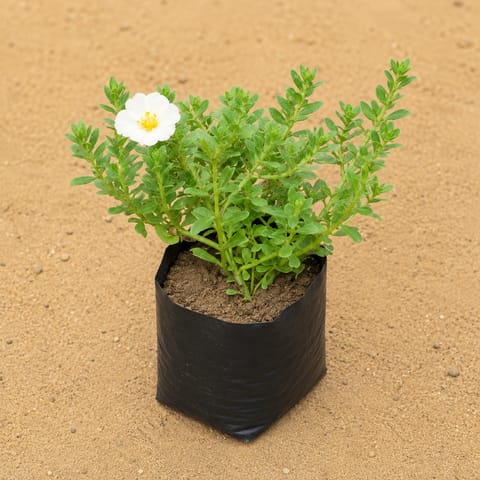
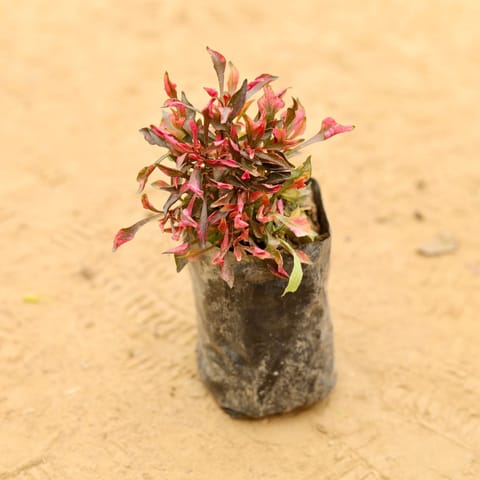
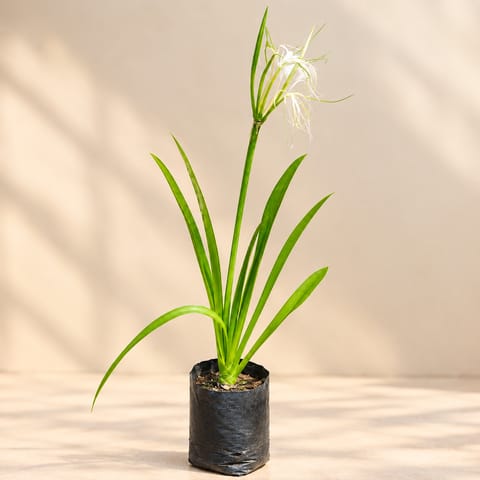
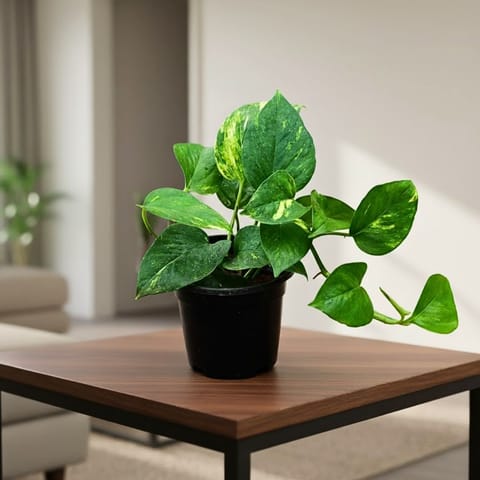
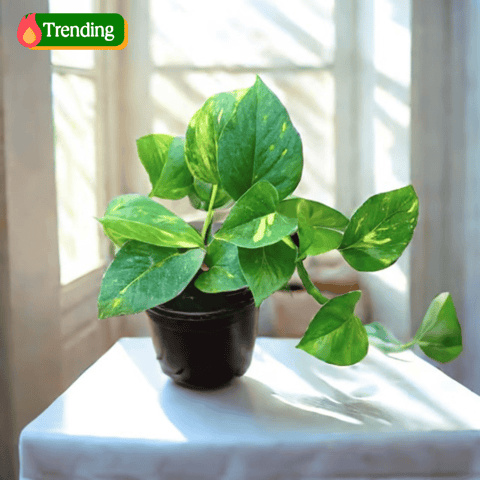
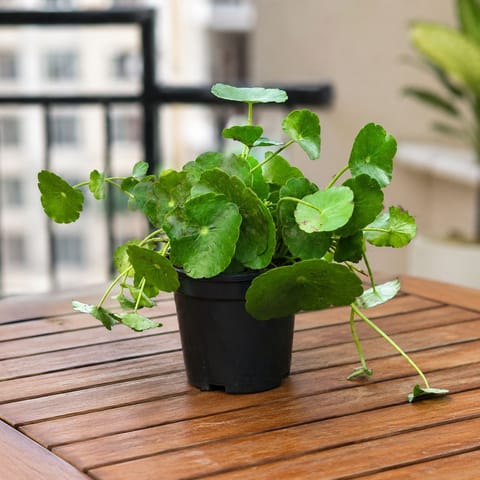
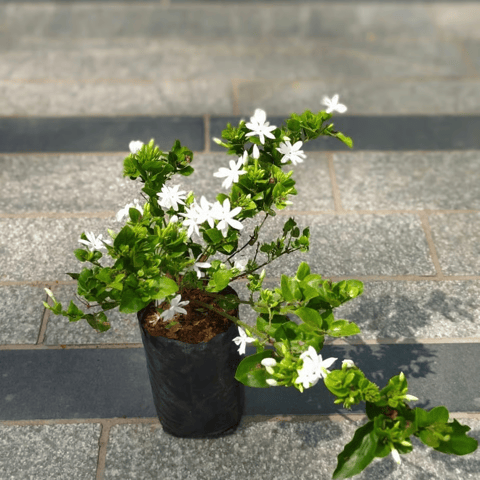
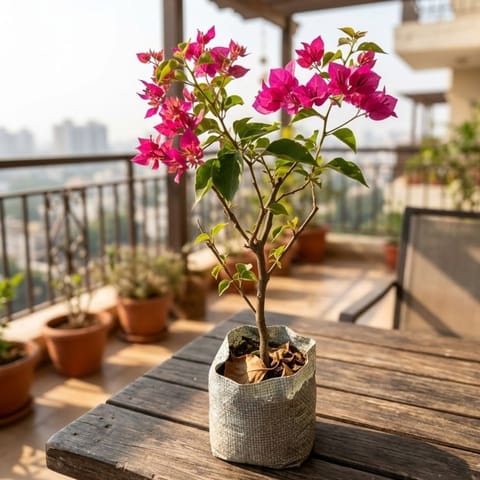
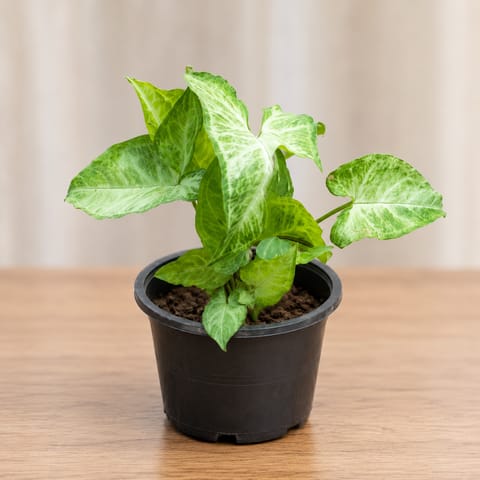
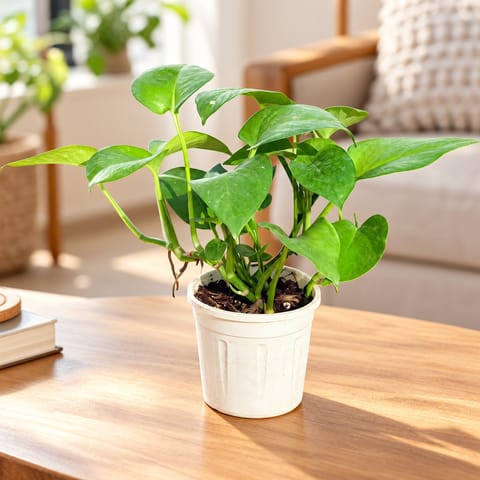
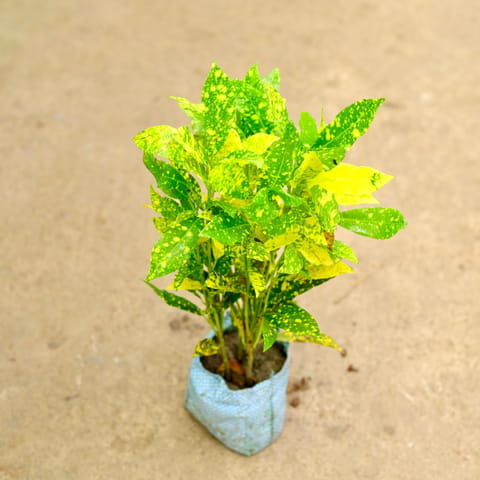
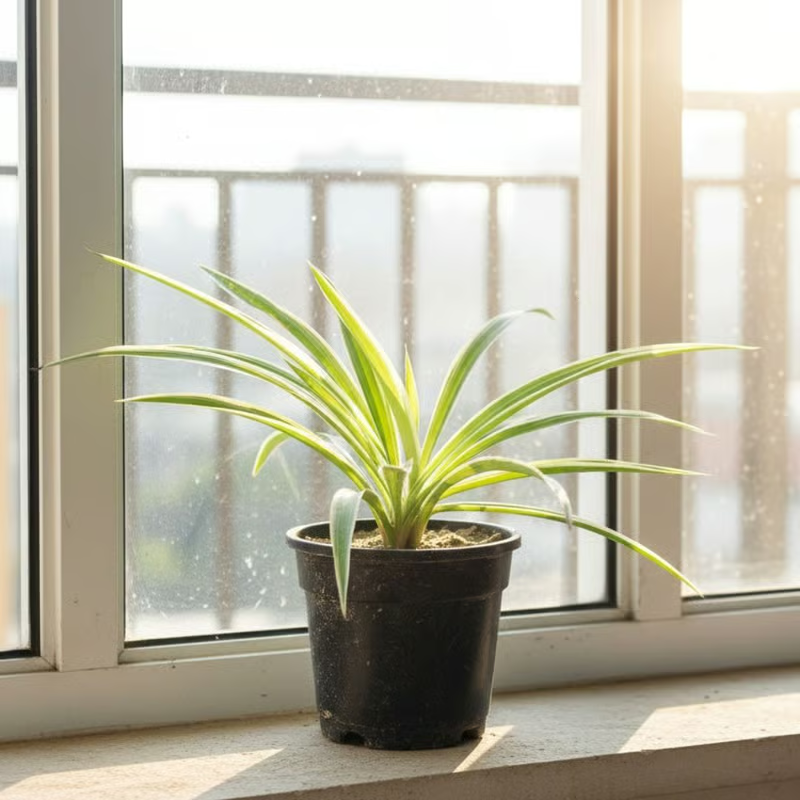
Plants don’t follow a calendar, but they do follow seasons.
And when you choose the right plants at the right time, gardening becomes easier, cheaper, and way more satisfying.
Welcome to Urvann’s Plants by Season collection to understand what to plant, when to plant, and what will thrive naturally.
Whether you are a beginner or “I have killed a few plants but I am trying again” kind of plant parent, this is your shortcut to success.
Buy Plants by Season online in India starting at ₹1.
Why 50,000+ Indian Plant Parents Choose Urvann’s Plants By Season
At Urvann, plants aren’t just shipped; they’re cared for.
⭐ Rated 4.8/5 by 12,340+ verified buyers
✓ Free Next-Day Delivery - We provide free next-day delivery for all orders placed by 7 PM in Delhi-NCR and Bengaluru
✓ Pan India Deliveries - We’re expanding deliveries across India; timelines vary by location
✓ Hassle-Free Replacement - We offer a 2-day replacement window if the product arrives damaged or incorrect
✓ Indian Climate-Matched Care – Expert guidance for your region's humidity, water hardness & seasons
✓ Real Photos from Indian Homes – No stock images, see actual customer plants
✓ Everything for Gifting, All in One Place - 5,000+ varieties of plants, pots, soil, seeds & tools for a complete garden
Why Shop Plants by Season?
Gardening becomes simpler (and more successful) when you work with nature. Here is why choosing plants by season is beneficial:
- Improve plant survival and growth
- Get better blooms and foliage
- Reduce watering and maintenance stress
- Avoid seasonal plant failures
- Grow confidently, even as a beginner
If you are new to gardening, gardening by season is the easiest way to start.
A Simple Seasonal Planting Guide For India
India’s climate varies by region, but most home gardeners follow the same seasonal rhythm. Here is the guide to help you choose the right plants at the right time.
Spring Plants (Feb-Mar)
Spring is ideal for fresh starts, including gentle sun, active root growth, and early blooms.
Best Plants For Spring:
- Flowering Plants: Marigold(गेंदा), Petunia(पेटुनिया), Alyssum(एलिसम), Verbena(वर्बेना), Calendula(औषधीय गेंदा), Aster(एस्टर का पौधा)
- Early Bloomers: Dahlia (डाहलिया), Geranium(जेरेनियम)
- Herbs & Edibles: Tomato seedlings, Spinach(पालक), Coriander(धनिया), Parsley(अजमोद)
- Balcony-Friendly Herbs: Mint(पुदीना), Tulsi(तुलसी), Rosemary (गुलमेंहदी)
Great time to plant seedlings and establish roots before the summer heat.
Summer Garden Plants (Apr-Jun)
Summer needs heat-tolerant plants, good sunlight, and smart watering.
Try These Summer-Friendly Plants:
- Hardy flowering plants: Bougainvillea(कागज़ फूल), Portulaca (पोर्टुलाका) (if added later), Cuphea(कुफिया), Salvia(साल्विया फूल)
- Herbs & kitchen plants: Mint(पुदीना), Tulsi(तुलसी), Curry Patta(कड़ी पत्ता), Ajwain (अजवाइन)
- Heat-tolerant vegetables: Tomato(टमाटर), Chilli (Mirchi), Methi(मेथी)
- Indoor & semi-shade plants: Snake Plant(स्नेक प्लांट), Money Plant(मनी प्लांट), Spider Plant(मकड़ी का पौधा), ZZ Plant(जी जी प्लांट), Aglaonema(एग्लोनिमा)
Rainy Season Plants (Jun-Sep)
Monsoon boosts growth but also increases the risk of fungus and root rot.
Best Plants For The Rainy Season:
- Fast-growing flowering plants: Balsam (बालसम) (Impatiens), Cuphea, Verbena, Chrysanthemum
- Leafy greens (with airflows): Spinach, Coriander
- Moisture-loving plants: Ferns(फर्न), Brahmi (ब्राह्मी) (Pennywort), Patharchatta(पत्थरचट्टा)
- Climbers & foliage: Money Plant(मनी प्लांट), English Ivy(आईवी लता), Syngonium (सिंगोनियम)
Fall/Autumn Planting (Oct-Nov)
This is one of the best planting windows with pleasant weather and fewer extremes.
What To Plant in Autumn:
- Winter flower seedlings: Petunia, Pansy(पैंसी/पैन्सी), Antirrhinum (डॉग फ्लावर), Alyssum(एलिसम)
- Vegetables: Spinach, Coriander, Tomato (early winter crop)
- Herbs: Parsley, Rosemary, Tulsi
- Indoor plants (repotting time): Snake Plant, Aglaonema, Philodendron(फिलोडेंड्रोन), Rubber Plant (रबर का पौधा)
Plants get comfortable now, which means stronger roots and better winter blooms later.
Winter Flowers (Nov-Feb)
Winter is the peak bloom season in most Indian cities.
Best Winter Flowering Plants In India:
- Petunia
- Pansy
- Antirrhinum (Dog Flower)
- Chrysanthemum
- Calendula
- Sweet Alyssum
- Phlox/Dianthus (if added later)
Also grows in winter:
- Leafy greens: Spinach, Methi
- Fragrance favourites: Jasmine (चमेली), Harsingar(हरसिंगार), Roses
Beginner Tips: Gardening By Season
Gardening by season for beginners can be simple if you remember these basics:
- Summer: Water early morning, protect from harsh afternoon sun
- Rainy Season: Prioritise drainage + avoid daily watering
- Winter: Give maximum sunlight + reduce watering
- Any Season: Healthy soil + drainage holes = fewer plant problems
Buy Plants by Season From Urvann At Affordable Prices
If you have been searching for what to plant each season, the best plants for summer or winter, you are in the right place.
Urvann brings a helpful collection of plants by season that actually want to grow right now.
Scroll up, choose plants that suit your season, and bring home fresh greenery — delivered fast, planted right, and ready to grow.
Frequently Asked Questions (FAQs)
1. What are seasonal plants?
Seasonal plants complete their life cycles in a specific season. They grow, flower, and sometimes produce fruit only during favourable weather conditions such as summer, winter, or the rainy season.
2. Which plants grow best in the summer season in India?
Common summer season plants in India include sunflower, portulaca, balsam, cosmos, hibiscus, bottle gourd, bitter gourd, watermelon, cucumber, tomato, and heat-tolerant indoor plants like snake plant and aloe vera.
3. Which plants grow well in the rainy season?
Rainy season plants thrive in high humidity and regular rainfall. Popular rainy season plants include marigold, balsam, zinnia, cosmos, hibiscus, bougainvillea, cucumber, pumpkin, chilli, and leafy greens like spinach and coriander.
4. What are the best plants to grow in the winter season?
Winter season plants include petunia, pansy, phlox, verbena, dianthus, calendula, sweet pea, cabbage, cauliflower, beetroot, carrot, spinach, and herbs like parsley and rosemary.
5. Are there any plants that flower all year round?
Yes, some plants are known as all-season or near year-round flowering plants in India. Examples include bougainvillea, hibiscus, ixora, vinca (sadabahar), adenium, kalanchoe, and certain varieties of roses.
6. Which plants are suitable for all seasons in pots or balconies?
Plants suitable for all seasons in pots include snake plant, money plant, jade plant, ZZ plant, spider plant, tulsi, aloe vera, and hardy flowering plants like sadabahar and kalanchoe.
7. When is the planting season for sunflowers?
Sunflower planting season in India is typically January–February and June–July. It grows best in warm weather with full sunlight.
8. What is the best season to plant tomatoes in India?
Tomatoes can be planted in January–February, June–July, and September–October, depending on your region. This makes tomato one of the most flexible seasonal vegetable plants.
9. When should marigolds be planted?
Marigold planting season is June–July for rainy season flowering and September–October for winter blooms.
10. What is the strawberry planting season in India?
Strawberries are usually planted between September and October, especially in cooler regions. They flower and fruit during winter.
11. Which plants grow fastest during the rainy season?
Plants like spinach, cucumber, pumpkin, gourds, marigold, balsam, hibiscus, and leafy herbs grow rapidly during the rainy season due to high moisture and warmth.
12. What are some winter-season flowering plants in India?
Popular winter flowering plants include petunia, pansy, phlox, verbena, dianthus, calendula, alyssum, sweet pea, stock, and larkspur.
13. Are there plants that grow in all seasons?
Yes. These are called non-seasonal or perennial plants. Examples include hibiscus, bougainvillea, jade plant, snake plant, money plant, ZZ plant, aloe vera, and certain roses.
14. Which plants lose their leaves in a particular season?
Deciduous plants shed their leaves mainly in autumn or winter. Examples include gulmohar, peepal, maple, and some fruit trees.
15. Are seasonal plants good for beginners?
Yes. Seasonal plants are often easier to grow because they naturally match the weather conditions, making them ideal for beginner gardeners.