
Shop


Please provide your delivery pincode to see products available in your area
Recent Search
Plastic Planters
Plastic planters and plastic pots for plants are among the most practical and versatile container o...
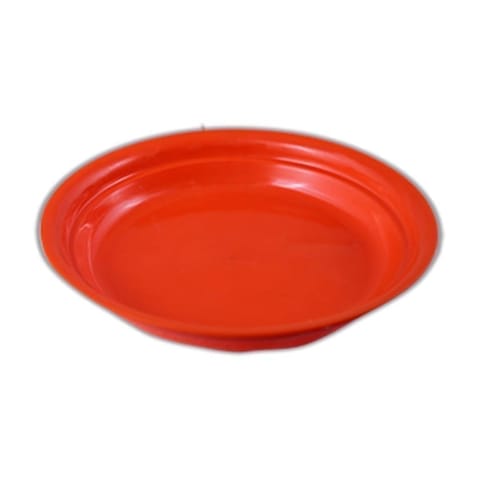
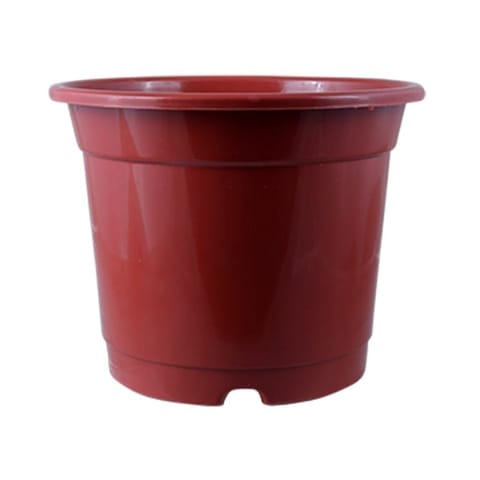
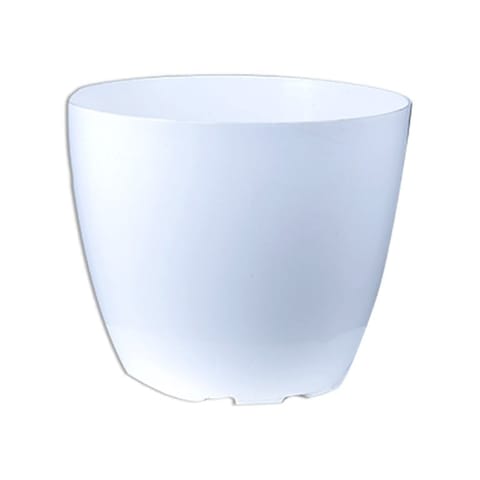
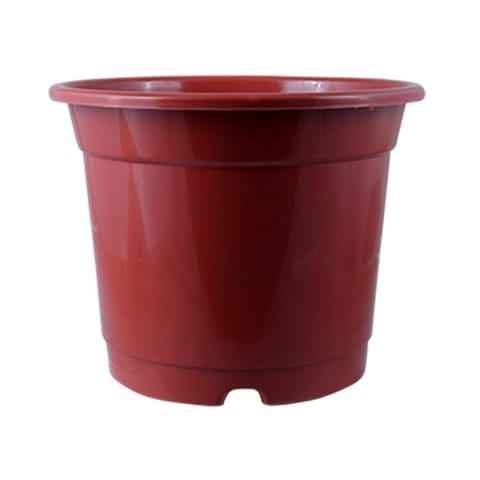
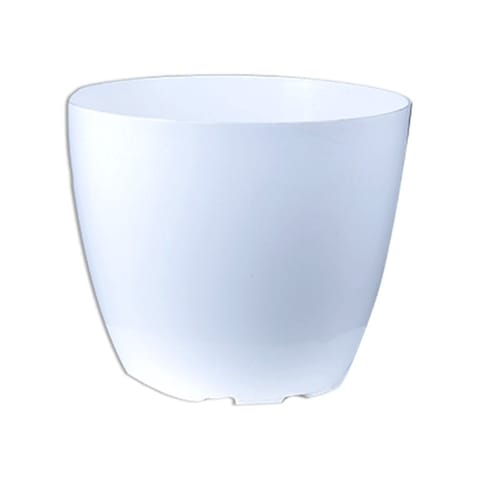
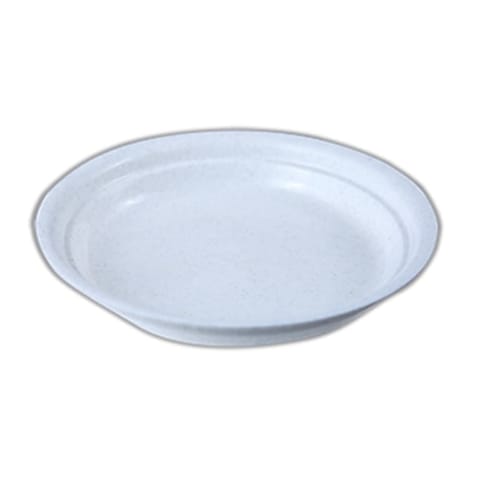
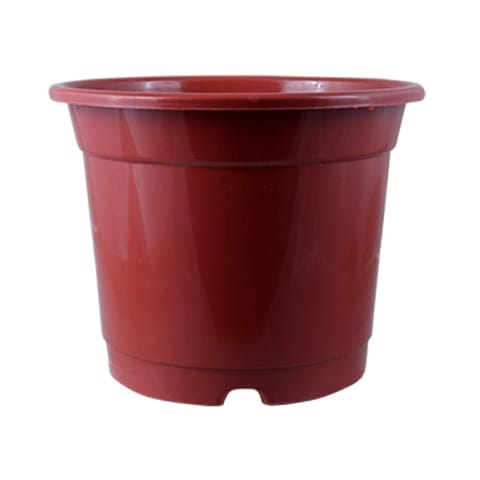
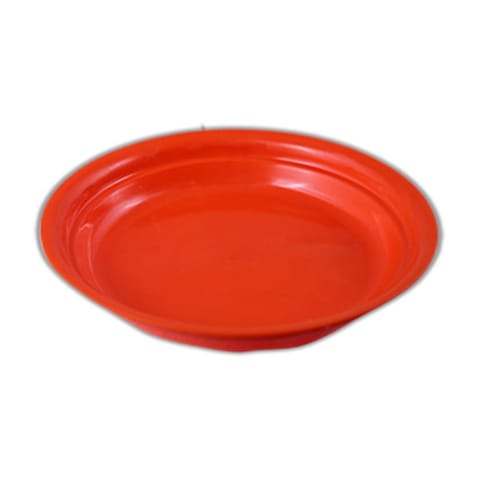
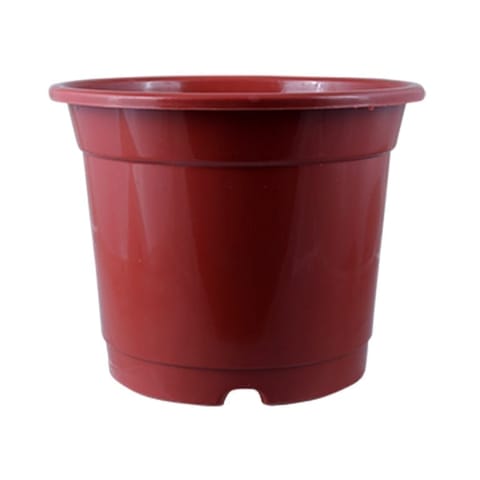
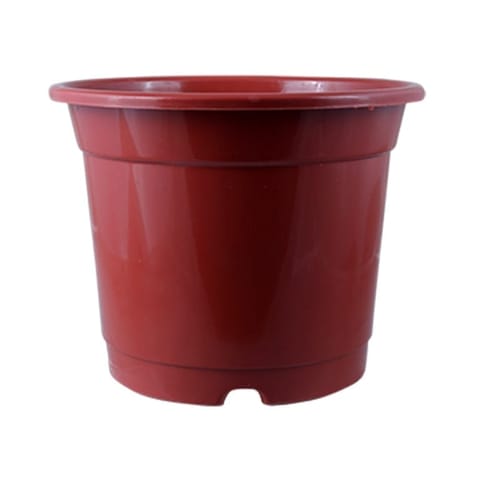
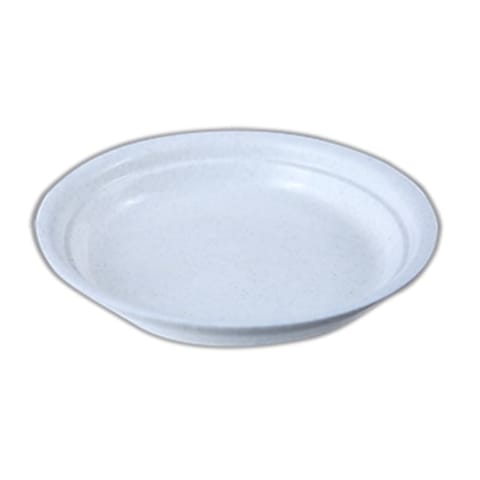
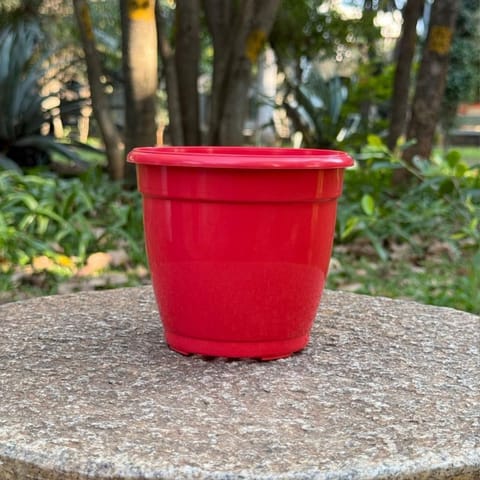
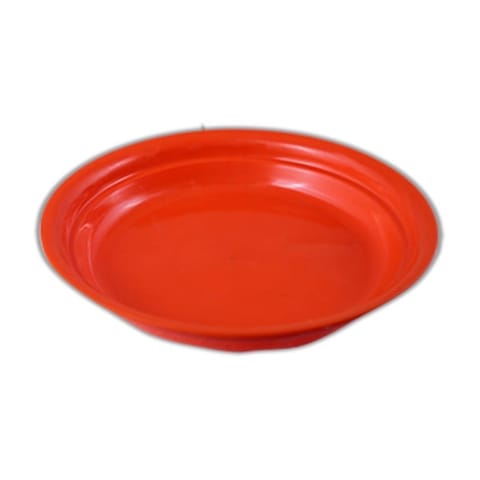
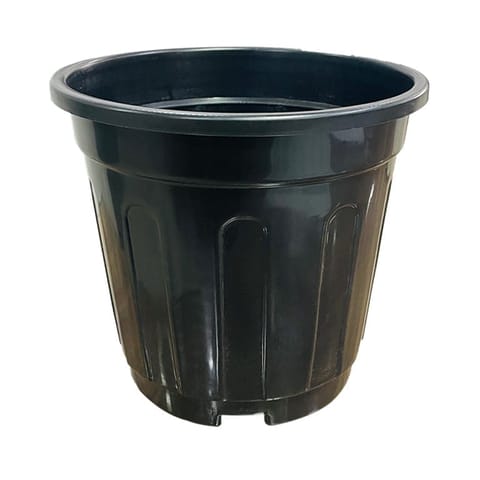
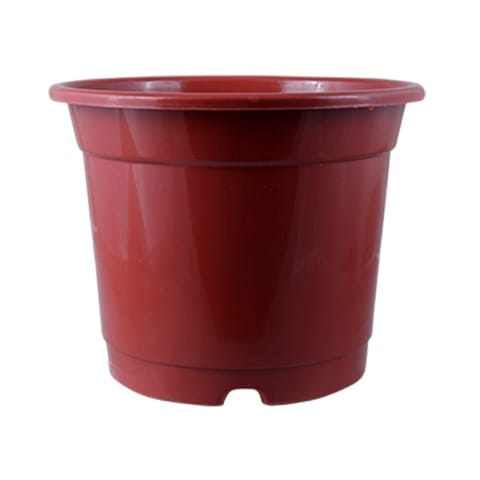
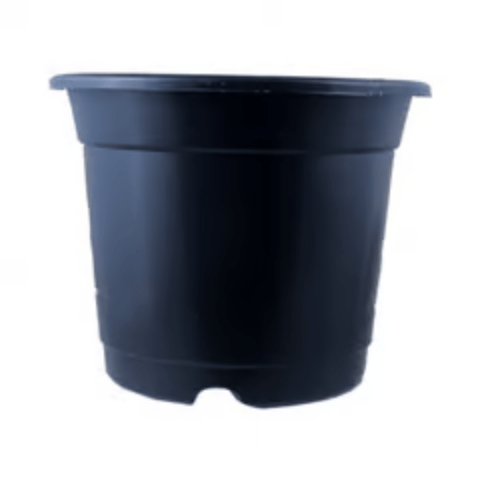
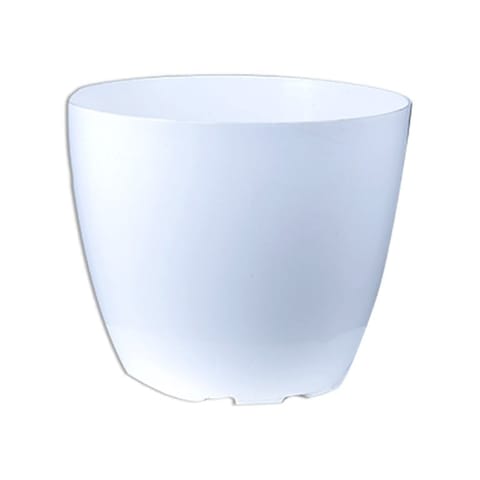
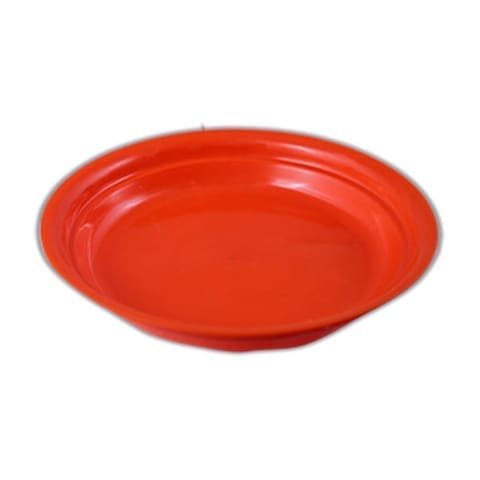
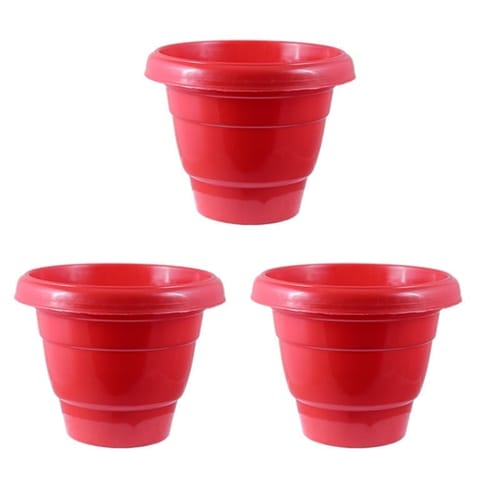
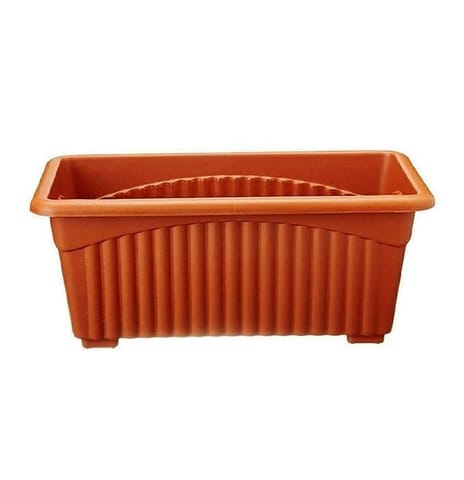
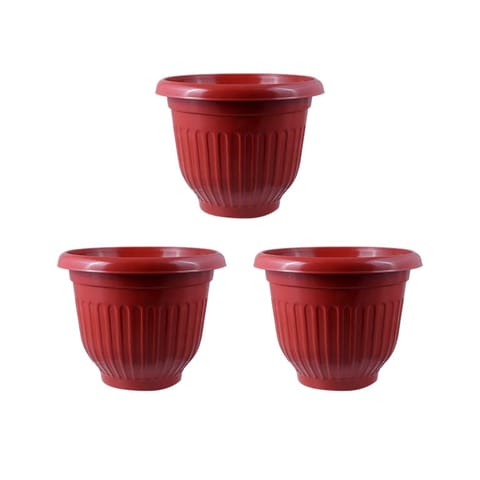
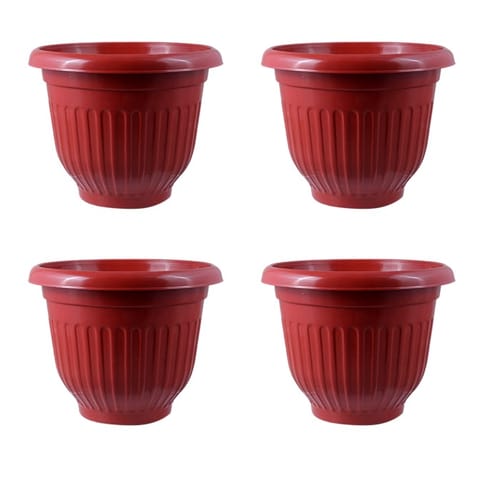
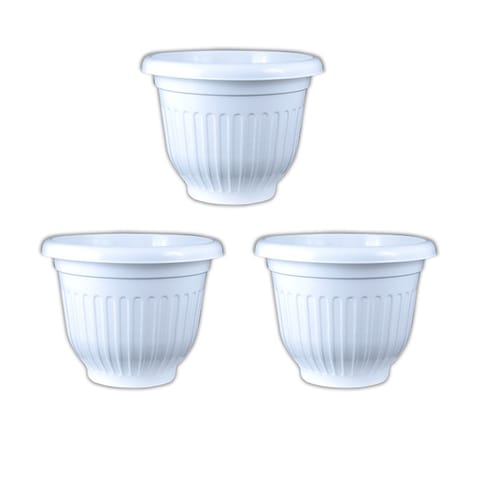
Plastic planters and plastic pots for plants are among the most practical and versatile container options for gardeners across India. From small plastic plant pots for seedlings and indoor herbs to large and extra-large plastic plant pots for trees and landscaping, plastic planters deliver durability, variety, and affordability.
At Urvann, we have a wide range of plastic planters like round plant pots, square plastic pots, rectangular planters, hanging pots, tubs, and decorative finishes, all suited to balconies, terraces, rooftop gardens, nurseries, and commercial landscapes.
Why Choose Plastic Planters for Plants?
Plastic pots have several advantages that make them a go-to choice for modern container gardening:
- Lightweight and portable: Easy to lift and rearrange for light, seasonal care or indoor/outdoor transitions. This makes plastic especially useful for rented homes, balconies, and rooftop gardens where moving pots is common.
- Wide size range: Available from 4‑inch and 6‑inch plant pots for seedlings and succulents to 12‑inch, 14‑inch and 24 inch planter pots for shrubs, trees and large feature plants.
- Variety of shapes and styles: Round plant pots for single specimens, square plastic pots for space efficiency, rectangular plastic planters for borders and railings, and plastic hanging plant pots for vertical displays.
Why 15 Lakh+ Plant Parents Trust Urvann
Rated 4.8/5 by 12,340+ verified buyers
✓ Plastic pots online - Easy browsing, secure checkout, reliable delivery.
✓ Free next-day delivery in select cities for orders placed by 7 PM.
✓ Wide selection - small plastic pots, large plastic plant pots, hanging planters, square plastic pots and more.
✓ Hassle-free replacement - 2-day replacement window for damaged or incorrect items.
✓ Climate-tested products - choices suited to Indian weather, from monsoon-safe designs to UV-stable outdoor pots.
✓ Wholesale options - competitive pricing for bulk purchases and landscaping projects.
Pick by Goal
I Want Small Plastic Plant Pots for Seedlings or Herbs
Small plastic plant pots (4-inch, 6-inch, 8-inch plant pot sizes) are perfect for propagating cuttings, growing herbs, and creating compact indoor displays. Their lightweight nature makes them easy to handle, rearrange, and transplant. Look for small plastic flower pots with drainage holes or pair them with trays for indoor use.
I Want Large Plastic Pots for Trees and Big Plants
Large plastic pots and big plastic pots for plants are ideal for container trees, large shrubs, and feature plants on patios. Durable HDPE pot options and thick-walled polymer planters provide stability and longevity while keeping weight manageable compared to terracotta. Consider 12-inch, 14-inch, or 24-inch planter pots depending on the rootball and the plant’s mature size.
I Want Plastic Pots with Drainage
Always favour plastic pots for plants with drainage holes unless you’re using a self-watering or dual-layer system. Good drainage prevents waterlogging and root rot. For indoor displays, use a saucer or decorative outer pot to catch excess water.
I Want Outdoor Plastic Pots for Plants
Outdoor plastic pots are made from UV-stabilized plastics and heavy-duty HDPE to withstand sun, rain, and temperature swings. Use them for patio plants, garden decorations, big garden pots, and trees; large plastic plant pots and extra-large plastic pots are especially suited for outdoor use.
I Want Plastic Hanging Plant Pots
Plastic hanging plant pots are lightweight, easy to install, and available in decorative finishes. They’re great for trailing plants, hanging succulents, and balcony displays. Choose models with built-in drainage and a compatible tray to avoid water dripping onto floors.
What are the Benefits of Plastic Planters?
1. Lightweight and Easy to Move
One of the biggest advantages of plastic planters is their lightweight design. Unlike heavy terracotta, ceramic, or cement pots, plastic pots are much easier to lift, carry, and rearrange. This becomes especially important in urban homes where balconies, terraces, and rooftops often need flexible plant placement depending on sunlight, weather, or decor changes.
Also, lightweight planters are particularly useful for balconies and rooftop gardens where structural weight matters. Heavy ceramic or concrete containers can place unnecessary load on upper floors, while plastic planters provide a safer and more practical alternative for large-scale balcony gardening. Even larger plastic plant pots remain easier to handle than similar-sized stone or clay containers.
2. Durable and Weather-Resistant
Modern plastic planters are designed to withstand different weather conditions, making them highly suitable for Indian climates. Good-quality HDPE pots and polymer planters resist cracking, chipping, and breaking much better than fragile ceramic or terracotta alternatives. This makes them ideal for outdoor use on balconies, terraces, patios, and gardens.
Plastic pots also handle humidity and monsoon conditions effectively. Terracotta pots tend to absorb moisture, which may weaken them over time or lead to cracks during seasonal temperature changes. Plastic, on the other hand, is non-porous and remains structurally stable even during heavy rains or prolonged humidity.
3. Cost-Effective
Plastic planters are among the most budget-friendly gardening containers available today. Their affordable pricing allows gardeners to create larger plant collections without spending excessively on pots alone. This makes them ideal for home gardeners, plant nurseries, landscapers, and commercial gardening projects.
For people growing multiple plants, buying plastic pots for plants wholesale significantly lowers the cost per unit. Nurseries and landscaping businesses often prefer plastic pots because they are economical, lightweight to transport, and easy to store in large quantities. Bulk purchasing also helps maintain consistency in garden layouts and planter designs.
4. Good Water Management Options
Proper drainage is one of the most important aspects of healthy gardening, and plastic planters are available with many water-management features that support plant health. Most plastic pots come with built-in drainage holes that allow excess water to escape easily, helping prevent root rot and waterlogging.
Some designs include multiple drainage outlets for improved airflow and water movement, especially beneficial for moisture-sensitive plants like succulents and cacti. Others feature detachable trays or saucers that help collect excess water and keep indoor spaces clean.
5. Affordable Decorative Options
Decorative plastic planters have improved significantly in appearance over the years. Modern designs imitate textures like stone, cement, marble, wicker, or terracotta while remaining lightweight and affordable. This allows homeowners to achieve premium-looking garden decor without the heavy cost or maintenance associated with natural materials.
White plastic pots, textured planters, matte finishes, and colourful decorative containers help complement modern interiors and outdoor themes. Gardeners can easily match planters with furniture, wall colours, balcony flooring, or overall home aesthetics.
Because they are affordable, decorative plastic planters also make it easier to refresh decor styles regularly. Homeowners can experiment with different colours, patterns, and layouts without making expensive long-term investments.
How To Choose the Right Plastic Pot?
1. Consider the Plant Size
A plastic pot that is around 1–2 inches larger than the plant’s current rootball usually works best because it gives roots enough room to grow gradually without holding excessive moisture. Very large pots for small plants may lead to waterlogging, while undersized pots can restrict growth. For bigger plants, shrubs, or small trees, extra-large plastic pots provide the soil depth and stability needed for long-term growth.
2. Check for Proper Drainage
Good drainage is essential for preventing root rot and unhealthy soggy soil. Always choose plastic pots with drainage holes so excess water can escape easily after watering. For plants that dislike excess moisture, multiple drainage holes can improve airflow around the roots. You can also place a thin layer of coarse material like pebbles or broken pot pieces at the bottom to support better water movement and reduce soil compaction.
3. Pick the Right Shape
Different planter shapes work better for different gardening styles. Square plastic pots help save space and fit neatly in rows, making them useful for balconies, terrace gardens, and nurseries. Round plant pots are more commonly used for decorative indoor plants and larger specimen plants because they allow more even root spread and create a softer visual appearance. Rectangular planters work well for railing gardens, herbs, and flowering borders.
4. Choose the Right Material
The quality of plastic matters, especially for outdoor gardening. For balconies, terraces, and rooftop gardens, HDPE pots and UV-stabilized plastic planters are better choices because they resist cracking, fading, and heat damage caused by sunlight and changing weather conditions. For indoor spaces, decorative lightweight plastic planters are often preferred because they are easier to move, stylish, and available in many colours and textures.
5. Think About Weight and Portability
If you frequently move plants for sunlight, cleaning, seasonal rotation, or decor changes, lightweight plastic flower pots are a practical option. They are far easier to lift and rearrange compared to heavy ceramic, cement, or terracotta planters. This is especially useful for balcony gardens, rented homes, rooftop setups, and indoor spaces where flexibility and portability are important.
Care Tips for Plants in Plastic Pots
Watering Requirements
Plants growing in plastic pots usually retain moisture for a longer time compared to terracotta or clay pots because plastic is non-porous and does not absorb water. This means the soil dries more slowly, especially indoors or during humid weather. Overwatering is one of the most common problems with plastic planters, so always check the soil before watering again.
A simple rule is to touch the top 1–2 cm of soil. If it feels dry, the plant usually needs water. If the soil still feels moist, wait before watering again.
Summer:
Plants may need more frequent watering during hot weather, especially on sunny balconies and terraces. However, plastic pots still hold moisture better than clay pots, so avoid watering too often.
Monsoon:
Reduce watering because humidity remains high and soil takes longer to dry. Always check the soil carefully during rainy weather to avoid root rot and fungus problems.
Winter:
Most plants need less water during cooler months because growth slows down. Water only when necessary and avoid keeping the soil constantly wet.
Signs of underwatering:
- Dry soil
- Drooping leaves
- Dry leaf edges
- Faded foliage
- Slow growth
Signs of overwatering:
- Yellow leaves
- Soft stems
- Bad smell from soil
- Root rot
- Fungus or algae on soil surface
- Leaf drop
Avoid leaving plastic pots standing in collected water unless they are specially designed self-watering planters.
Soil Requirements
Good soil is extremely important for plants growing in plastic pots because moisture stays inside the container longer. Heavy or compact soil may hold too much water and reduce airflow around the roots.
The best potting mix for plastic planters should be:
- Loose
- Well-draining
- Lightweight
- Airy
- Slightly moisture-retentive
A good mix can include:
- Garden soil
- Cocopeat
- Perlite
- River sand
- Compost
- Vermicompost in small amounts
Cocopeat helps retain balanced moisture, while perlite or sand improves drainage and aeration. This combination helps roots stay healthy and reduces the chances of waterlogging.
Avoid:
- Sticky clay soil
- Overly compact mixes
- Soil that remains soggy for long periods
- Heavy garden mud without aeration material
Well-draining soil is especially important for indoor plants, succulents, flowering plants, and herbs grown in plastic pots.
Fertilizer Requirements
Plants in plastic pots benefit from regular but balanced feeding because container plants gradually use up available nutrients from the soil. Since plastic pots retain moisture well, excess fertiliser can sometimes build up in the soil and damage the roots.
You can use:
- Balanced liquid fertilizer
- Organic compost
- Vermicompost
- Seaweed solution
- Mild organic manure
- Indoor plant food
During the active growing season, feed plants every 3–6 weeks depending on the plant type. Flowering plants may need slightly more feeding compared to foliage plants.
Avoid over-fertilising small plastic pots because excess salts can collect quickly in limited soil volume.
This may lead to:
- Brown leaf tips
- Weak growth
- Salt buildup on soil surface
- Root stress
After fertilising, water the soil lightly so nutrients spread evenly around the roots.
Repotting Requirements
Plants growing in plastic pots eventually become root-bound as roots fill the container. Repotting helps refresh the soil, improve drainage, and give roots more space to grow properly.
You may need to repot when:
- Roots come out of drainage holes
- Water drains too quickly
- Growth becomes slow
- The plant dries out very fast
- Roots circle tightly inside the pot
- Soil becomes compacted
- The plant becomes top-heavy
Always move up only one pot size larger than the current container. A very oversized pot may hold excess moisture and increase the risk of root rot.
For large plastic plant pots, repotting every couple of years usually helps maintain healthy root growth and replenishes old soil nutrients. While repotting, gently loosen compact roots and remove damaged or rotting sections if necessary.
Fresh potting mix also improves aeration and helps plants establish healthier growth.
Heat and Winter Care
Plastic pots react differently to changing temperatures, so seasonal care becomes important for maintaining healthy plants.
During extreme summer heat:
Dark-coloured plastic pots may absorb more heat and warm the root zone quickly. Light-coloured plastic pots reflect sunlight better and help keep roots cooler during hot weather. In strong summer conditions, placing pots in partially shaded areas can also prevent excessive soil heating and moisture loss.
For balconies and terraces:
Avoid placing plastic pots directly on extremely hot concrete floors for long hours because root temperatures may rise significantly.
During winter:
In colder regions, protect sensitive plants from frost and freezing winds by shifting them indoors, near windows, or into covered spaces. While plastic pots provide slight insulation compared to terracotta, very cold conditions can still stress plant roots.
If temperatures drop heavily:
- Reduce watering
- Avoid over-fertilising
- Protect tropical plants from cold drafts
- Keep plants in bright locations with airflow
Bring Stylish Plastic Planters Home Today!
Looking for lightweight, durable, and affordable planters for your home garden? Plastic planters are a practical choice for balconies, terraces, indoor spaces, railing gardens, and outdoor plant setups. Their versatile designs, easy maintenance, and weather-resistant nature make them suitable for both beginner and experienced gardeners.
At Urvann, you can explore a wide range of plastic planters in different colours, shapes, sizes, and styles to match your gardening and decor needs. Whether you need compact nursery pots, decorative indoor planters, hanging pots, railing planters, or large plastic pots for bigger plants, Urvann’s collection offers simple and functional options for every space.
Ready to organise your plants in stylish and easy-to-maintain containers? Choose your favourite plastic planters today and create a greener, more beautiful space with ease.
For more gardening essentials, explore our collections of ceramic pots, grow bags, plant stands, indoor plants, and more.
Frequently Asked Questions (FAQs)
Q1. Are plastic pots harmful to plants?
No, plastic pots are not inherently harmful. Good-quality plastic planters provide a safe, durable environment for roots. The key is ensuring proper drainage, appropriate pot size, and a well-draining soil mix. Avoid cheap, brittle plastics that may leach when new; rinse or air out new pots if concerned.
Q2. Which plants grow in plastic pots?
Almost any container plant can grow in plastic pots: herbs (tulsi, mint), flowering plants (marigold, zinnia), succulents, vegetables (chillies, tomatoes in larger pots), houseplants (pothos, snake plant), and even small trees in extra-large plastic pots.
Q3. पौधों के लिए प्लास्टिक या सिरेमिक गमला कौन बेहतर है?
दोनों के अपने फायदे हैं। प्लास्टिक के गमले हल्के, किफायती और आसानी से इधर-उधर रखे जा सकते हैं, जबकि सिरेमिक और टेराकोटा गमले ज्यादा breathable होते हैं और अतिरिक्त नमी जल्दी बाहर निकालते हैं। अगर आपको हल्के और कम मेंटेनेंस वाले पॉट्स चाहिए तो प्लास्टिक बेहतर विकल्प हो सकता है।
Q4. क्या प्लास्टिक के गमले आउटडोर उपयोग के लिए सही हैं?
हाँ, कई outdoor plastic pots UV-stabilized और weather-resistant होते हैं, जिससे वे धूप, बारिश और बदलते मौसम को बेहतर तरीके से संभाल पाते हैं। ये बालकनी, टैरेस, गार्डन और आउटडोर बैठने की जगहों के लिए अच्छे विकल्प हैं।
Q5. Which is better for balcony gardens: plastic or ceramic pots?
Plastic pots are often preferred for balcony gardens because they are lighter, more affordable, and easier to handle. Ceramic pots look decorative but are heavier and more fragile.
Q6. Can vegetables grow in plastic pots?
Yes, many vegetables grow successfully in plastic pots, including tomatoes, chillies, spinach, coriander, mint, and other herbs. Larger plastic containers work well for terrace vegetable gardening.
Q7. Can succulents grow in plastic pots?
Yes, succulents can grow in plastic pots if the container has proper drainage holes and fast-draining soil. Avoid overwatering because plastic pots retain moisture longer.