
Shop

Downalod our app

Please provide your delivery pincode to see products available in your area
Recent Search
Chandni Flowering Plant
Chandni is a popular evergreen flowering shrub known for its glossy green leaves, white pinwheel-sh...
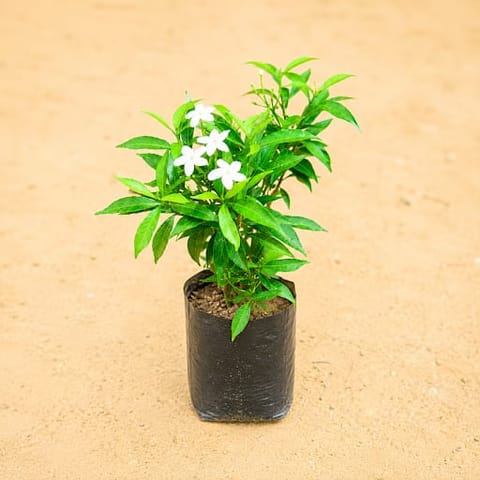
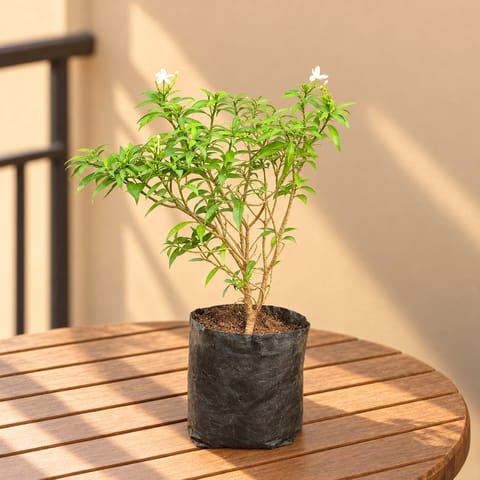
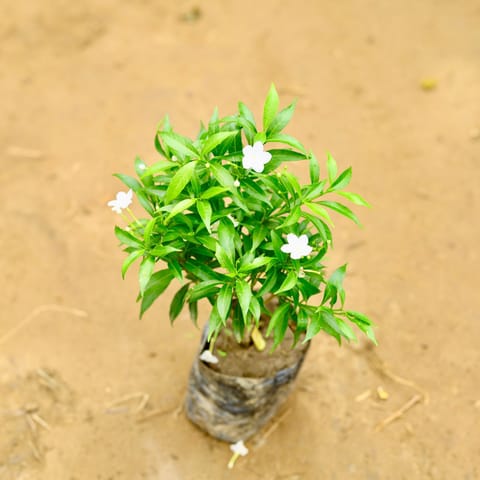
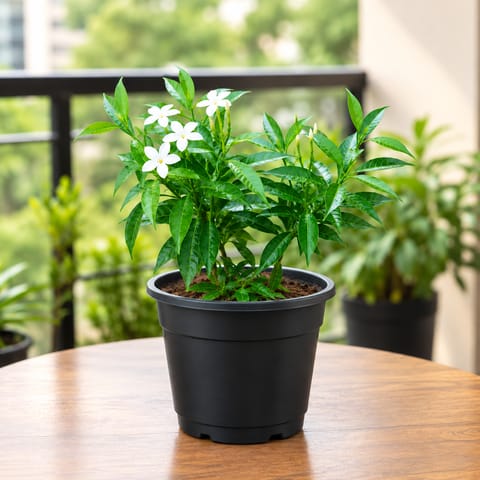
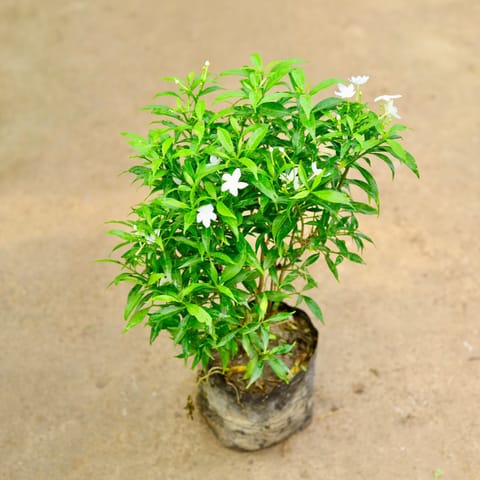
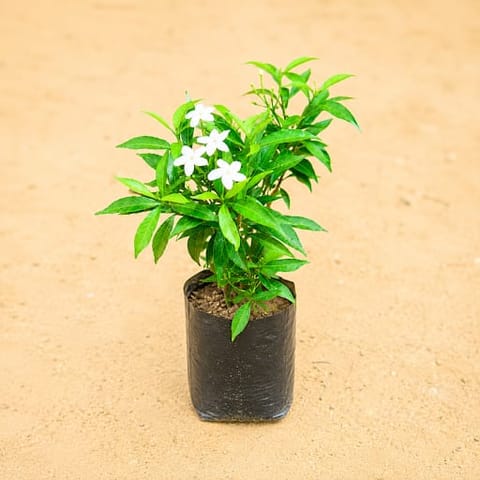
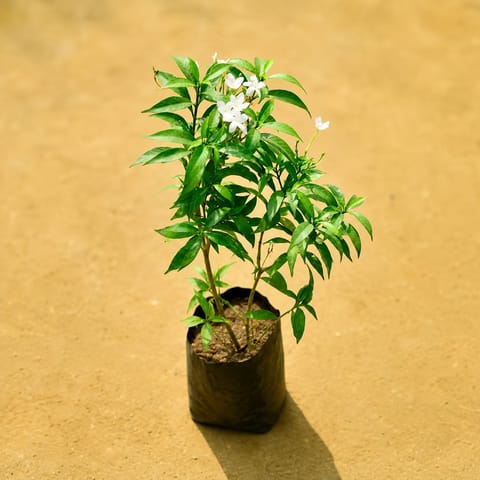
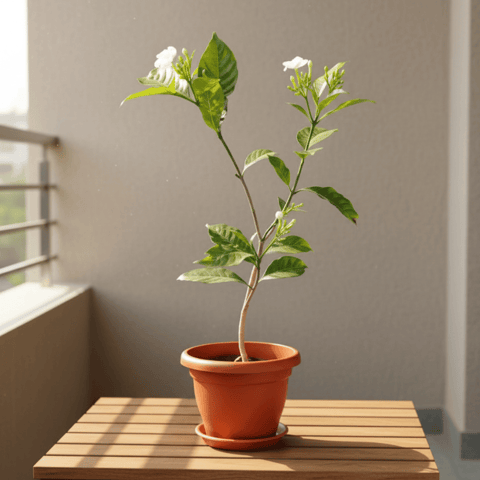
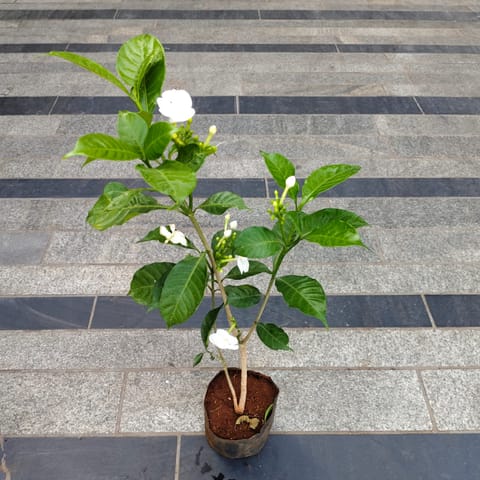
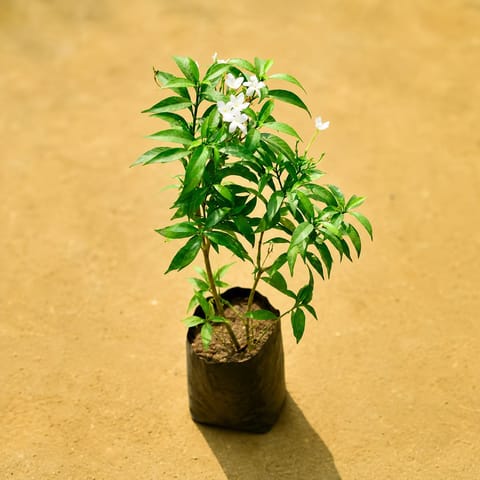
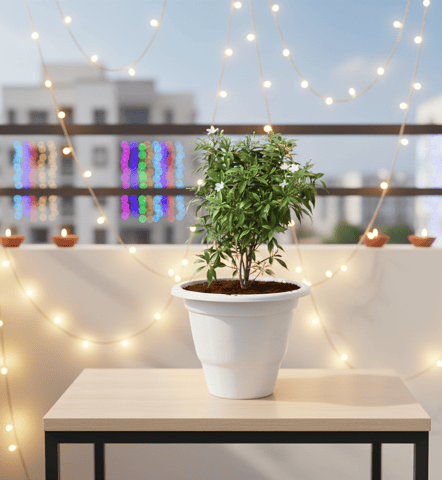
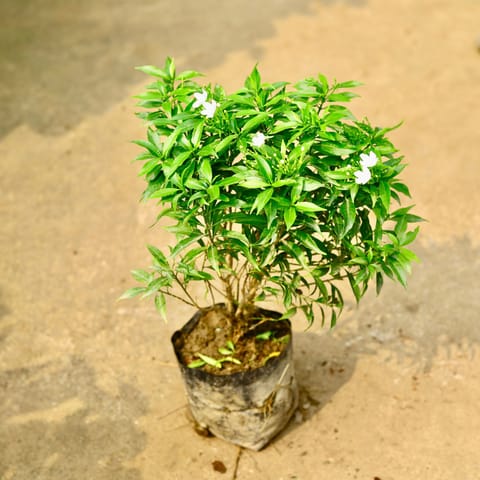
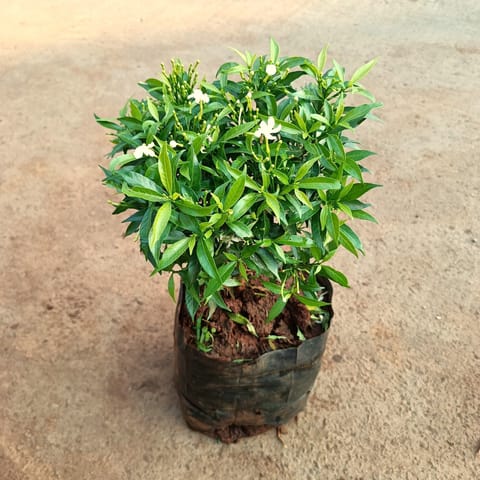
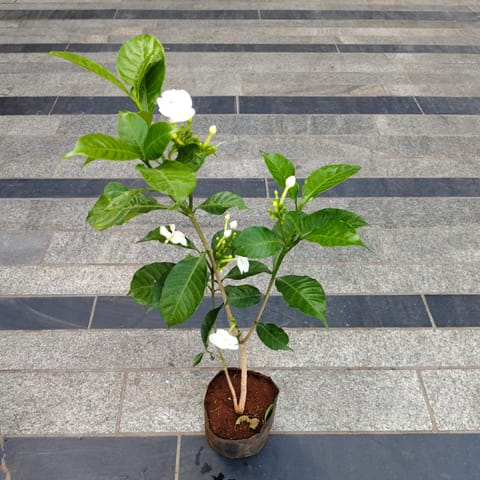
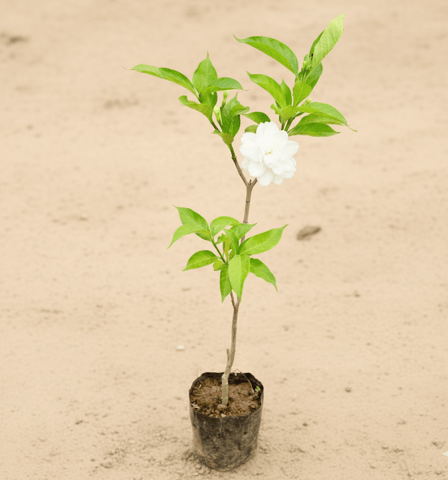
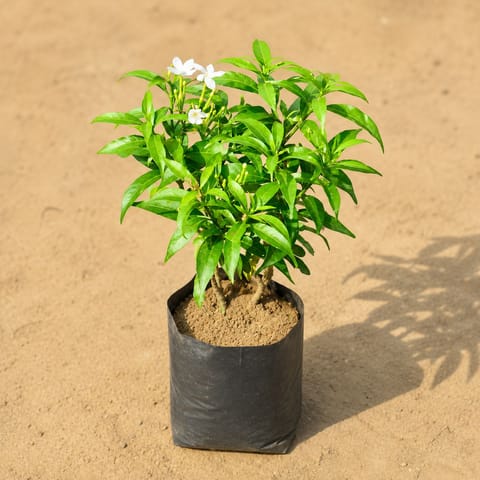
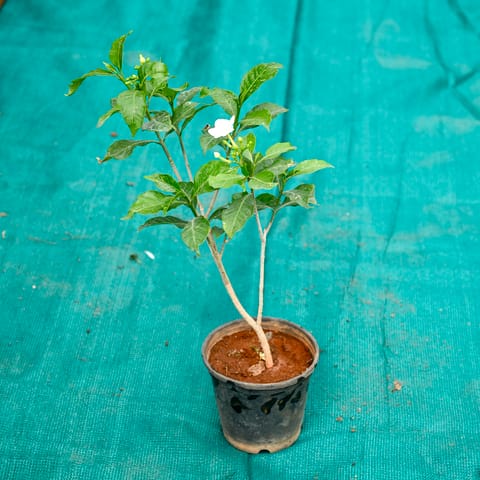
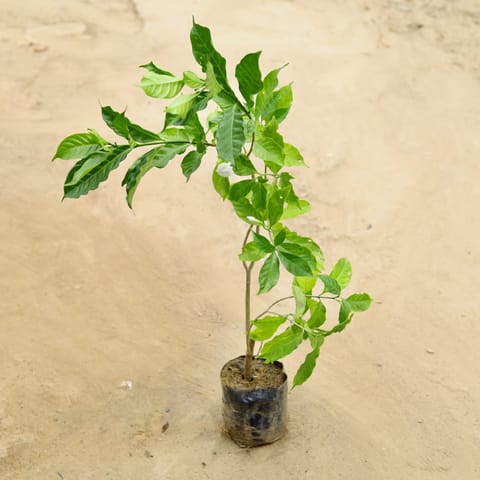
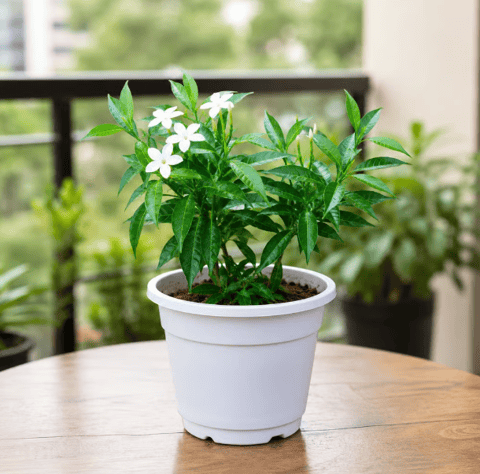
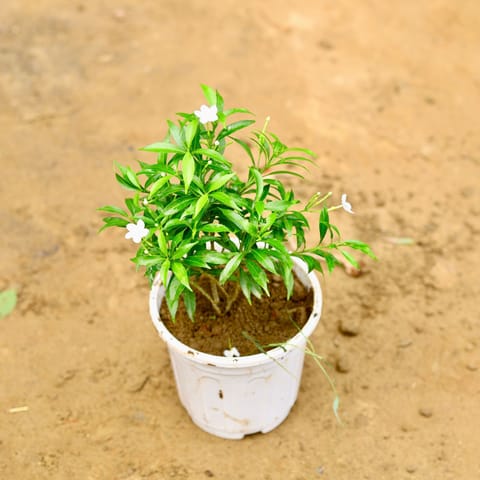
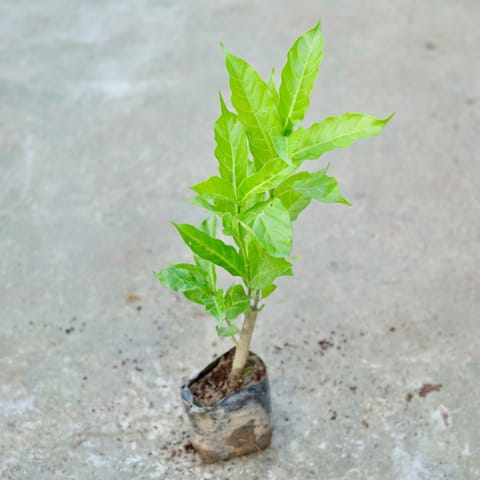
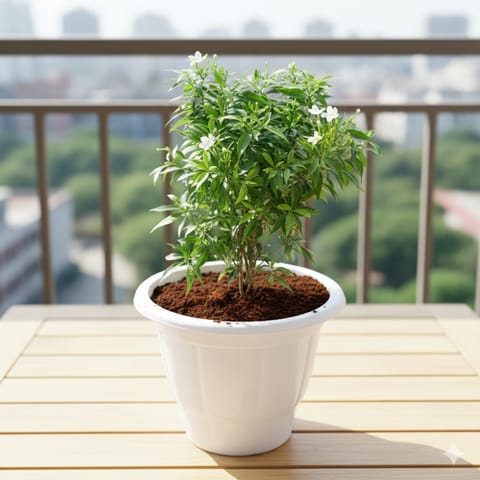
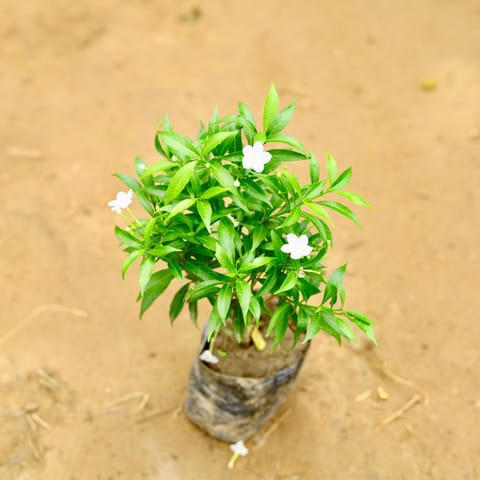
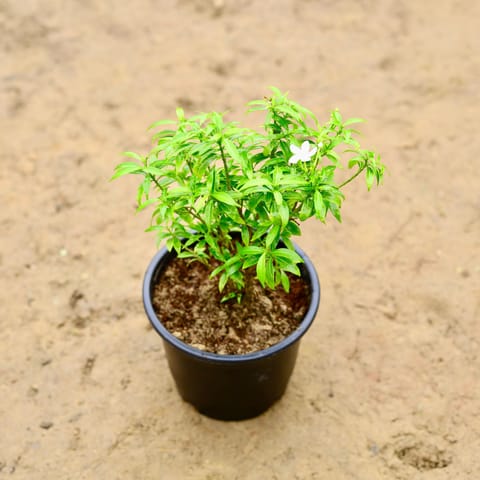
Chandni is a popular evergreen flowering shrub known for its glossy green leaves, white pinwheel-shaped flowers, and pleasant fragrance. Its botanical name is Tabernaemontana divaricata, and it is commonly known in English as Crape Jasmine or Pinwheel Flower.
Chandni is widely grown in Indian gardens, balconies, terraces, and other sunny outdoor spaces. It is available in varieties such as single-petal, double-petal, mini, and dwarf Chandni.
At Urvann, explore a range of Chandni flowering plants available in 4-inch and 5-inch pots, including single-petal, double-petal, and colourful varieties for balconies, home gardens, and outdoor spaces.
NOTE: Prices of the products may vary as per the location. Please check the final price based on your delivery address.
Why 15 Lakh+ Plant Parents Trust Urvann
⭐ Rated 4.8/5 by 12,340+ verified buyers
✓ Free Next-Day Delivery - Available on orders placed by 7 PM in Delhi-NCR and Bengaluru.
✓ Pan India Deliveries - Delivery timelines vary by location.
✓ Hassle-Free Replacement - 2-day replacement window if the plant arrives damaged or incorrect.
✓ Healthy, Blooming Plants - Every Chandni is nursery-grown with an established root system and dispatched in active growth.
✓ Named Varieties Available - Single petal, double petal, and any-colour Chandni plants clearly labelled.
✓ Complete Garden Care in One Place - Pair your Chandni plants with quality pots, nutrient-rich soil, fertilizers, and gardening tools.
What Is the Chandni Plant?
Chandni (Tabernaemontana divaricata), also known as Pinwheel Flower or Crape Jasmine, is a popular evergreen flowering shrub grown in Indian home gardens. It is loved for its glossy green leaves, pure white flowers, and pleasant evening fragrance.
The flowers have a distinctive pinwheel shape and bloom throughout much of the year in warm climates. Because of its compact growth and low-maintenance nature, Chandni is commonly grown on balconies, terraces, garden borders, and near entrances.
Is Chandni the Same as Jasmine?
No. Chandni and true jasmine are not the same plant, although Chandni is commonly called Crape Jasmine or Crepe Jasmine in English.
Chandni's botanical name is Tabernaemontana divaricata, and it belongs to the Apocynaceae family. True jasmines belong to the genus Jasminum and the Oleaceae family.
The confusion mainly comes from their white flowers and fragrance. However, Chandni is usually recognised by its glossy leaves and distinctive white flowers with petals arranged in a pinwheel-like shape. Another identifying feature is its milky latex, which may appear when the stem is damaged.
| Feature | Chandni | True Jasmine |
|---|---|---|
| Botanical name | Tabernaemontana divaricata | Species in the Jasminum genus |
| Plant family | Apocynaceae | Oleaceae |
| Common English name | Crape Jasmine, Pinwheel Flower | Jasmine |
| Flower appearance | Often white and pinwheel-shaped | Varies by jasmine species |
| Stem sap | May release milky latex when damaged | Not a characteristic used to identify true jasmine |
Benefits of the Chandni Flowering Plant
The Chandni flowering plant, also known as the Pinwheel flower, offers a range of benefits both aesthetically and medicinally.
Fragrant Night Blooms
Chandni adds white flowers and a pleasant fragrance to balconies, terraces, gardens, and other well-lit growing spaces. Its sweet, jasmine-like fragrance intensifies after sunset and carries across an entire balcony or courtyard, making it one of India's most cherished evening-fragrance plants.
Near Year-Round Flowering
Chandni blooms almost continuously in Indian conditions, with the heaviest flush from February to April and again after the monsoon. Unlike many seasonal flowering plants, Chandni provides consistent colour and fragrance across most of the year.
Easy to Grow for Beginners
The Chandni plant is relatively easy to care for, making it an ideal choice for novice gardeners seeking beauty and health benefits in their green spaces. It tolerates Indian summer heat, monsoon humidity and is forgiving of occasional missed waterings once established.
Attracts Butterflies and Pollinators
Chandni flowers attract butterflies and evening-flying moths, particularly drawn to its night fragrance. Growing Chandni on a balcony or terrace supports local pollinator biodiversity.
Chandni Plant Care and Maintenance
Chandni is an easy-to-grow flowering plant. Follow these simple care tips to keep it healthy and blooming.
Does Chandni Plant Need Sunlight?
Chandni plants need regular sunlight to grow well and flower. Aim to provide around 4 to 6 hours of direct sunlight a day for healthy growth and better flowering.
Chandni can tolerate partial shade, but plants grown in lower light may produce fewer flowers. Avoid keeping the plant in deep or full shade for long periods, as insufficient light can lead to weaker growth and reduced blooming.
For potted Chandni plants, a sunny balcony, terrace, or garden location is usually suitable. An east-facing spot that receives morning sunlight can also be a practical option, especially in areas with very intense afternoon heat.
Is Chandni an Indoor or Outdoor Plant?
Chandni is primarily an outdoor flowering shrub and generally grows and flowers best in a sunny balcony, terrace, garden, or other outdoor location where it receives adequate natural light.
Compact varieties such as mini or dwarf Chandni may tolerate a bright indoor location for some time, but Chandni is not typically considered a low-light indoor plant. If it is kept indoors without enough sunlight, growth may become weaker and flowering may reduce.
For the best results, keep Chandni in a location that receives around 4 to 6 hours of sunlight a day. If you place it indoors temporarily, choose a bright spot close to a sunny window and monitor whether the plant is receiving sufficient light.
Watering
Water the plant regularly and keep the soil slightly moist. Do not let the soil stay soggy or waterlogged. Water when the top layer of soil feels dry. During winter, reduce watering. Avoid leaving the pot in standing water.
Soil
Chandni grows well in fertile, well-draining soil. A mix of garden soil, cocopeat, and vermicompost works well. This soil mix supports healthy root growth and good flowering.
Fertilizer
Feed the plant during the growing season from February to October. Use a balanced fertilizer once every few weeks. Organic options such as mustard cake fertilizer can also encourage more flowers.
Pruning
Remove dried flowers regularly to encourage new blooms. Trim long or leggy branches after a flowering cycle. This helps the plant stay compact and bushy.
Pest and Disease Control
Check the plant regularly for pests such as aphids. If needed, spray diluted neem oil on the affected areas. During the monsoon season, ensure good airflow around the plant to reduce the risk of fungal diseases.
Winter Care for Chandni and Mini Chandni Plants
Chandni and mini Chandni plants may grow more slowly during cooler weather, so their watering and general care needs can change. The exact impact depends on your local winter temperatures and whether the plant is growing outdoors or in a protected location.
Give the Plant Adequate Light
Place the Chandni plant where it can receive the strongest suitable natural light available during winter. If the plant is grown in a pot, move it to a bright location if necessary. Protect it from frost, prolonged cold exposure, and strong cold drafts where these conditions occur.
Water Less Frequently
Cooler weather can cause the soil to stay moist for longer. Instead of watering on a fixed schedule, check the soil before watering and allow the upper layer to dry before watering again. Avoid keeping the potting mix constantly wet, as excessive moisture can increase the risk of root problems.
Reduce Heavy Feeding
When growth slows significantly, avoid heavy or frequent fertilizer applications. Resume a regular feeding routine when the plant returns to active growth, based on its condition and local growing season.
Avoid Major Pruning or Unnecessary Repotting
Avoid heavy pruning or unnecessary repotting when the plant is under seasonal stress. Remove only damaged or unhealthy growth unless there is another clear reason for pruning.
Does Mini Chandni Need Different Winter Care?
Mini or dwarf Chandni generally follows the same basic winter care principles as regular Chandni. Because smaller potted plants can dry out or cool down differently depending on their pot size and location, monitor the soil and growing conditions rather than following a fixed watering schedule.
How to Grow a Chandni Plant
Chandni can be grown from a healthy stem cutting or from an established nursery plant. For healthy growth, use well-draining soil, provide adequate sunlight, water regularly without allowing the roots to remain waterlogged, and feed the plant during its active growing period.
How to Grow Chandni From a Stem Cutting
- Choose a healthy stem: Select a healthy, disease-free stem from a mature Chandni plant.
- Prepare the cutting: Cut a suitable section of the stem using a clean, sharp tool. Remove the leaves from the lower part of the cutting.
- Prepare a well-draining growing medium: Use a light growing medium that holds some moisture while allowing excess water to drain away.
- Plant the cutting: Insert the lower part of the cutting into the growing medium and gently firm the soil around it.
- Keep the growing medium moderately moist: Do not allow it to dry out completely, but avoid overwatering or leaving the cutting in standing water.
- Provide bright, indirect light while the cutting establishes: Keep the cutting away from harsh direct sunlight during the initial rooting stage.
- Move the established plant gradually into more sunlight: Once it develops roots and shows healthy new growth, gradually acclimatize it to a location with adequate sunlight for continued growth and flowering.
Growing an Established Chandni Plant
For a nursery-grown Chandni plant, choose a sunny outdoor location, use fertile and well-draining soil, and water when the top layer of soil begins to dry. Provide around 4 to 6 hours of sunlight for healthy growth and better flowering. Prune the plant occasionally to maintain a compact shape and encourage fresh growth.
Is Chandni Plant Good for Home Vastu?
In some Vastu traditions, the Chandni plant is considered auspicious for the home. Its white flowers and pleasant fragrance are often associated with peace, positivity, and a calm living environment.
However, Vastu recommendations can vary depending on the tradition or practitioner. Rather than treating one direction or placement rule as universal, consider your preferred Vastu guidance alongside the plant's practical growing needs.
Chandni generally grows best in a location with adequate sunlight, so if you choose a Vastu-recommended area, make sure it also provides suitable light, space, and growing conditions. A balcony, terrace, garden, or other well-lit outdoor area can be a practical choice.
What if the Preferred Vastu Location Has Poor Light?
If a Vastu-recommended location does not provide suitable growing conditions, consider a nearby position that better balances your Vastu preferences with the plant's need for adequate sunlight, space, and airflow.
A Chandni plant is more likely to grow and flower well when its practical care requirements are also met. If a preferred location remains very dark or unsuitable for long-term growth, choosing a brighter nearby position may be more practical.
Chandni Varieties at Urvann
Single Petal Chandni (Pinwheel Flower)
This is the classic Chandni variety. It has five white petals arranged in a pinwheel shape. The flowers are highly fragrant, especially in the evening. The plant grows as a compact shrub and is suitable for garden beds, large pots, and hedges.
Double Petal Chandni (Carnation of India)
This variety produces layered white flowers with a fuller appearance. The blooms resemble small gardenias and have a pleasant fragrance. It is a popular choice for balconies, patios, and decorative planters.
Chandni / Nandi Batalu
Nandi Batalu (నంది బట్టలు) is the Telugu name for Chandni. It refers to the same plant species, Tabernaemontana divaricata. The name is commonly used in Andhra Pradesh and Telangana. All Nandi Batalu plants at Urvann are authentic Chandni plants.
Chandni Combo Sets
Chandni is also available in flowering plant combo sets. These combinations may include plants such as Moses in the Cradle, Zinnia, Begonia, Marigold, Chrysanthemum, and Gardenia. They are ideal for creating a colourful balcony, terrace, or home garden display.
Frequently Asked Questions (FAQs)
1. What is the Chandni flower called in English?
Chandni is known as Pinwheel Flower or Crape Jasmine in English. Its botanical name is Tabernaemontana divaricata. It is also called East India Rosebay and Carnation of India for the double-petalled variety.
2. What is Chandni called in Telugu?
In Telugu, Chandni is called Nandi Batalu (నంది బట్టలు). It is the same plant, Tabernaemontana divaricata, known by different regional names across India.
3. What is Chandni ka phool?
Chandni ka phool (चाँदनी का फूल) refers to the white flower of the Chandni plant. It has a sweet fragrance that is strongest in the evening and at night.
4. What are the benefits of the Chandni plant?
Chandni adds beauty and fragrance to gardens, balconies, and outdoor spaces. It is also used in traditional medicine and is known for its anti-inflammatory and antioxidant properties.
5. Is the Chandni flower fragrant?
Yes. Chandni is known for its pleasant fragrance. The scent becomes stronger after sunset, making it a popular choice for balconies, windows, and seating areas.
6. How big does the Chandni plant get?
In open ground, Chandni can grow up to 5 to 6 feet tall. When grown in pots, regular pruning can keep it compact at around 2 to 3 feet.
7. What is the difference between single petal and double petal Chandni?
Single-petal Chandni has five white petals arranged in a pinwheel shape. Double-petal Chandni has fuller flowers with layered petals. Both varieties are fragrant and need similar care.
8. What is the Chandni plant price online?
Chandni plants are available at Urvann starting from ₹59 for a 4-inch nursery bag. Prices may vary depending on the variety, pot size, and delivery location.
9. What is the flowering season of the Chandni plant?
Chandni can flower for much of the year in warm growing conditions. The amount and frequency of flowering can vary depending on factors such as climate, sunlight, plant maturity, watering, and overall plant care.
10. Can Chandni be grown in a pot?
Yes. Chandni grows well in pots. Use a well-draining potting mix, provide 4 to 6 hours of sunlight, and water regularly. Prune the plant occasionally to keep it bushy and encourage more flowers.
11. What is Chandni ka paudha?
Chandni ka paudha (चाँदनी का पौधा) is the Hindi name for the Chandni plant, Tabernaemontana divaricata. It is a popular flowering shrub grown in home gardens, balconies, and terraces across India.