Please provide your delivery pincode to see products available in your area
Your current session will end and you'll need to sign in again to access your account.
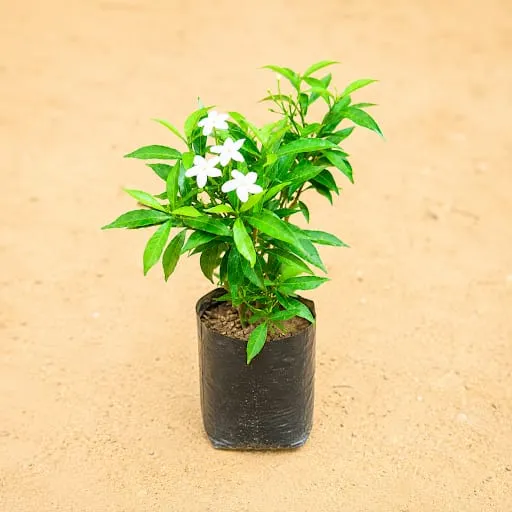
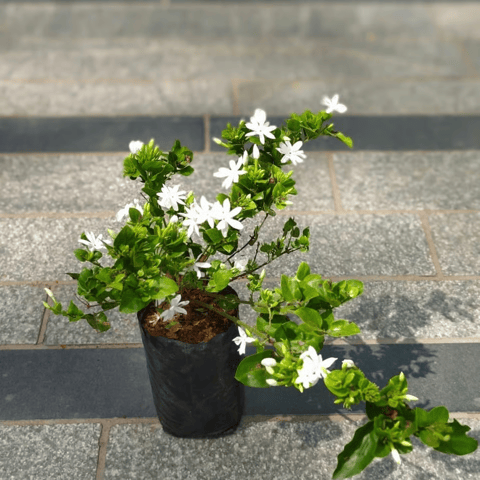
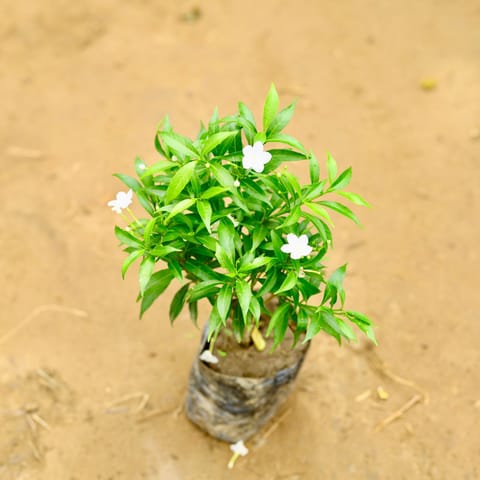
Chandni is a charming flowering plant celebrated for its delicate white blooms and sweet fragrance....
Chandni is a charming flowering plant celebrated for its delicate white blooms and sweet fragrance.
Native to Southeast Asia, it serves as an ornamental addition to gardens, balconies, and landscapes, attracting pollinators like butterflies. Also known as Pinwheel Flower, Crape Jasmine, Nandi Batalu, and Tabernaemontana divaricata, Chandni is prized across India for its sweet night-time fragrance and near year-round blooming.
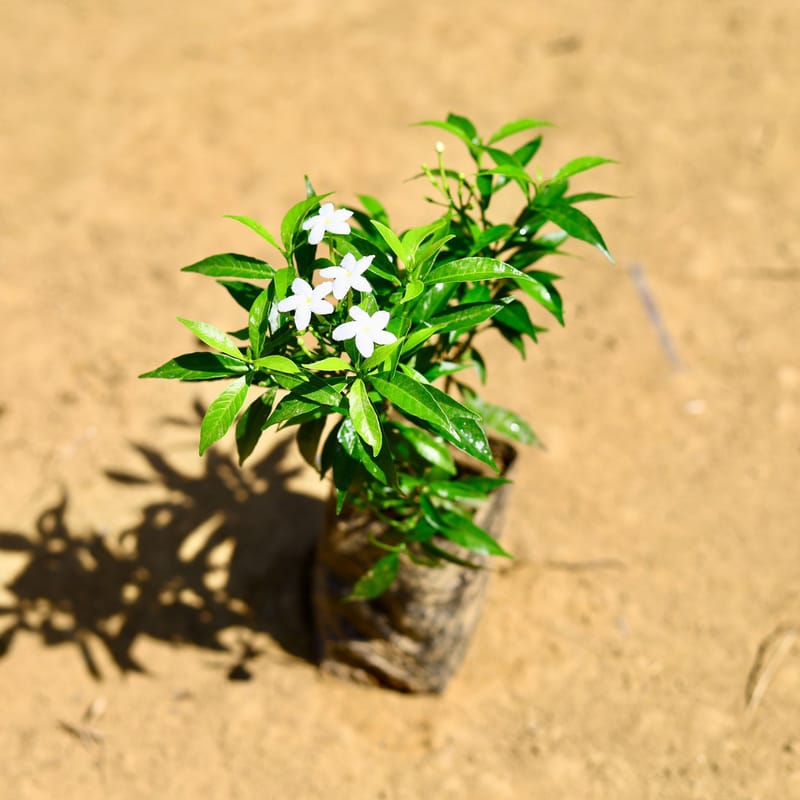
At Urvann, explore a range of Chandni flowering plants available in 4-inch and 5-inch pots, including single-petal, double-petal, and colourful varieties for balconies, home gardens, and outdoor spaces.
NOTE: Prices of the products may vary as per the location. Please check the final price based on your delivery address.
⭐ Rated 4.8/5 by 12,340+ verified buyers
✓ Free Next-Day Delivery - Available on orders placed by 7 PM in Delhi-NCR and Bengaluru.
✓ Pan India Deliveries - Delivery timelines vary by location.
✓ Hassle-Free Replacement - 2-day replacement window if the plant arrives damaged or incorrect.
✓ Healthy, Blooming Plants - Every Chandni is nursery-grown with an established root system and dispatched in active growth.
✓ Named Varieties Available - Single petal, double petal, and any-colour Chandni plants clearly labelled.
✓ Complete Garden Care in One Place - Pair your Chandni plants with quality pots, nutrient-rich soil, fertilizers, and gardening tools.
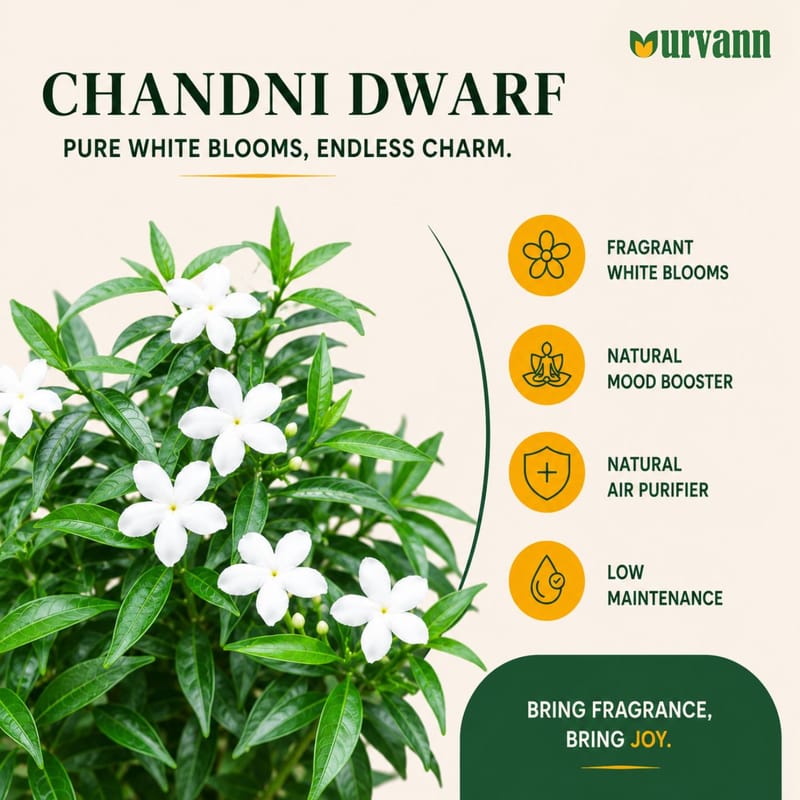
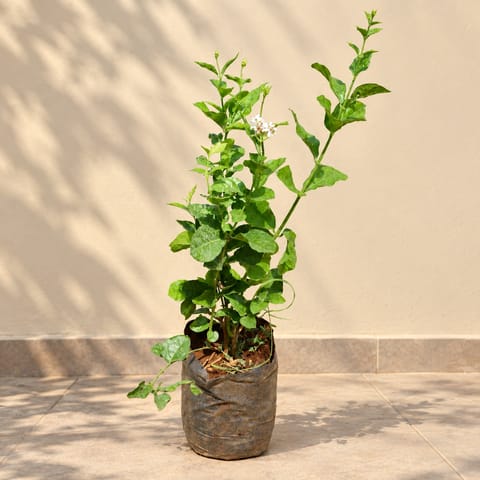
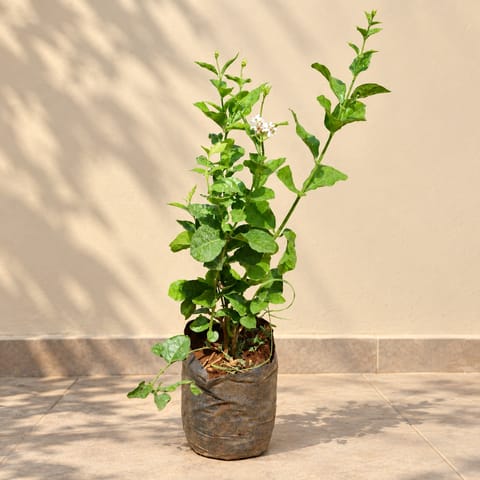
Chandni (Tabernaemontana divaricata), also known as Pinwheel Flower or Crape Jasmine, is a popular evergreen flowering shrub grown in Indian home gardens. It is loved for its glossy green leaves, pure white flowers, and pleasant evening fragrance.
The flowers have a distinctive pinwheel shape and bloom throughout much of the year in warm climates. Because of its compact growth and low-maintenance nature, Chandni is commonly grown on balconies, terraces, garden borders, and near entrances.
The Chandni flowering plant, also known as the Pinwheel flower, offers a range of benefits both aesthetically and medicinally.
Renowned for its stunning night-blooming flowers, Chandni adds elegance to any garden or indoor space. Its sweet, jasmine-like fragrance intensifies after sunset and carries across an entire balcony or courtyard, making it one of India's most cherished evening-fragrance plants.
Chandni blooms almost continuously in Indian conditions, with the heaviest flush from February to April and again after the monsoon. Unlike many seasonal flowering plants, Chandni provides consistent colour and fragrance across most of the year.
Beyond its visual appeal, the Chandni plant boasts medicinal properties, with its extracts used in traditional medicine for their anti-inflammatory and antioxidant effects. It holds a documented place in Ayurvedic and folk medicine traditions across India and Southeast Asia.
The Chandni plant is relatively easy to care for, making it an ideal choice for novice gardeners seeking beauty and health benefits in their green spaces. It tolerates Indian summer heat, monsoon humidity and is forgiving of occasional missed waterings once established.
Chandni flowers attract butterflies and evening-flying moths, particularly drawn to its night fragrance. Growing Chandni on a balcony or terrace supports local pollinator biodiversity.
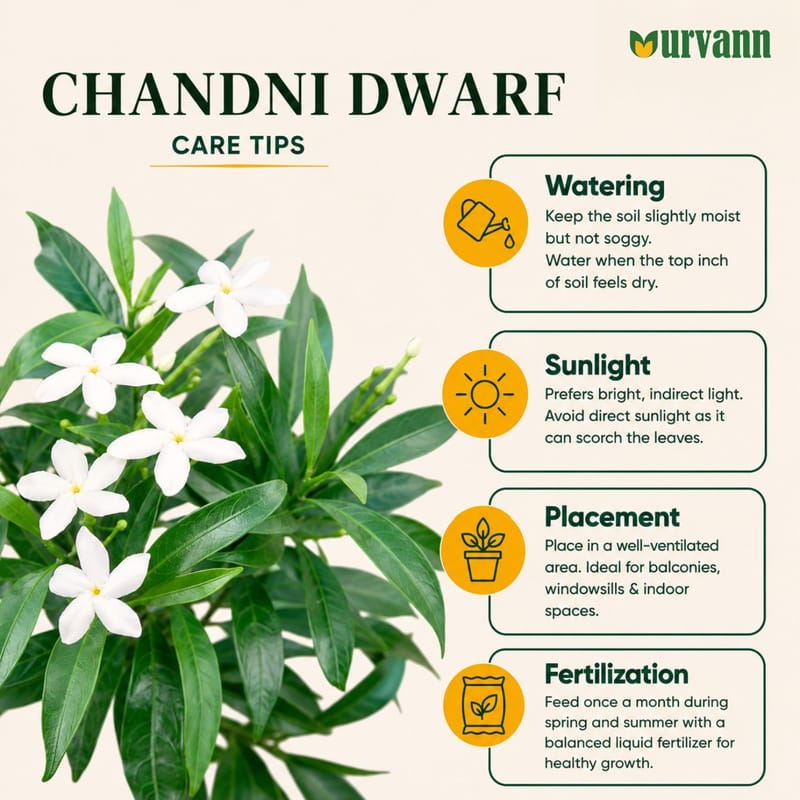
Chandni is an easy-to-grow flowering plant. Follow these simple care tips to keep it healthy and blooming.
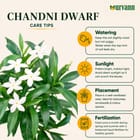
Chandni grows best in full sun or partial shade. Give it 4 to 6 hours of direct sunlight every day. A south-facing or east-facing balcony, terrace, or garden spot is ideal. Too little sunlight can reduce flowering.
Water the plant regularly and keep the soil slightly moist. Do not let the soil stay soggy or waterlogged. Water when the top layer of soil feels dry. During winter, reduce watering. Avoid leaving the pot in standing water.
Chandni grows well in fertile, well-draining soil. A mix of garden soil, cocopeat, and vermicompost works well. This soil mix supports healthy root growth and good flowering.
Feed the plant during the growing season from February to October. Use a balanced fertilizer once every few weeks. Organic options such as mustard cake fertilizer can also encourage more flowers.
Remove dried flowers regularly to encourage new blooms. Trim long or leggy branches after a flowering cycle. This helps the plant stay compact and bushy.
Check the plant regularly for pests such as aphids. If needed, spray diluted neem oil on the affected areas. During the monsoon season, ensure good airflow around the plant to reduce the risk of fungal diseases.
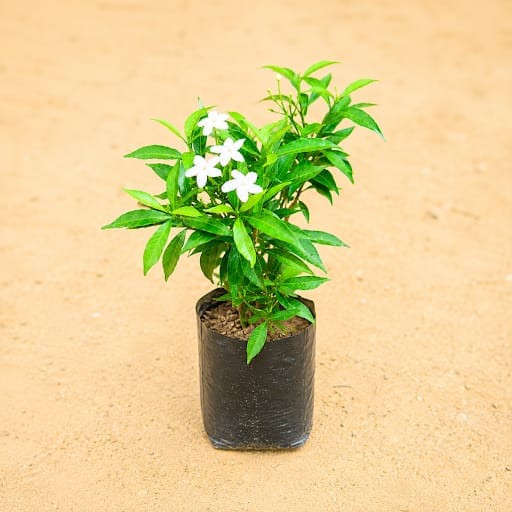
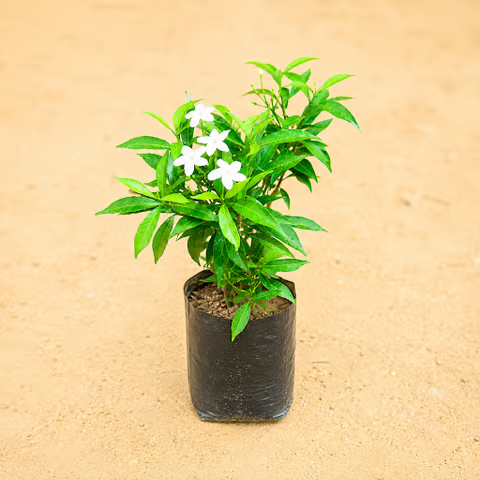
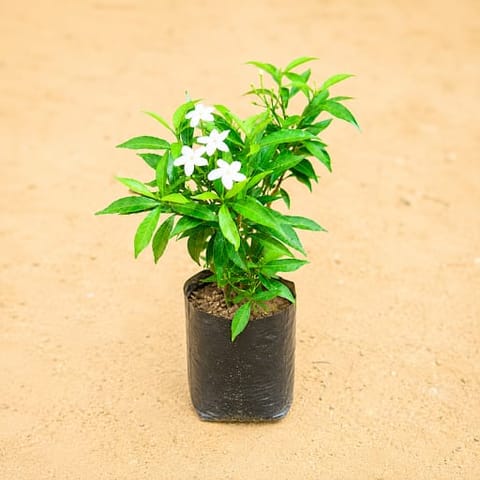
This is the classic Chandni variety. It has five white petals arranged in a pinwheel shape. The flowers are highly fragrant, especially in the evening. The plant grows as a compact shrub and is suitable for garden beds, large pots, and hedges.
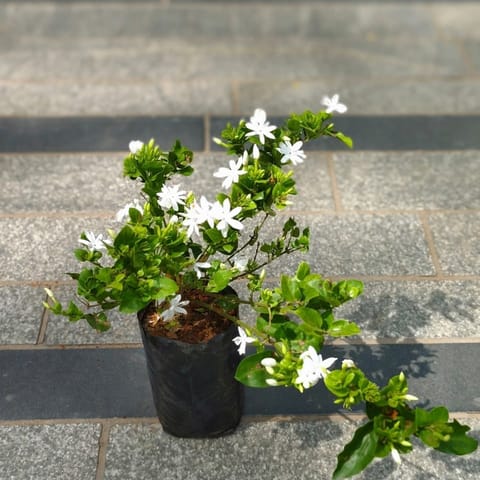
This variety produces layered white flowers with a fuller appearance. The blooms resemble small gardenias and have a pleasant fragrance. It is a popular choice for balconies, patios, and decorative planters.
Nandi Batalu (నంది బట్టలు) is the Telugu name for Chandni. It refers to the same plant species, Tabernaemontana divaricata. The name is commonly used in Andhra Pradesh and Telangana. All Nandi Batalu plants at Urvann are authentic Chandni plants.
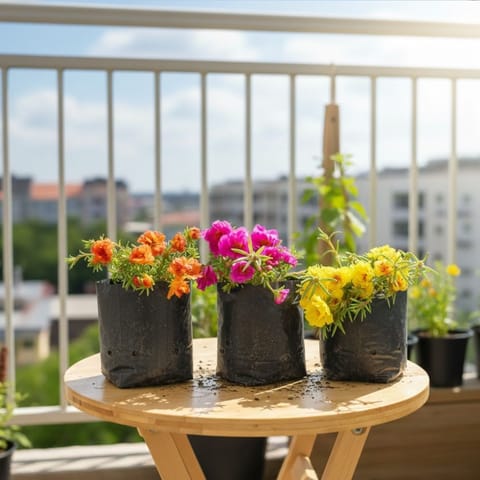
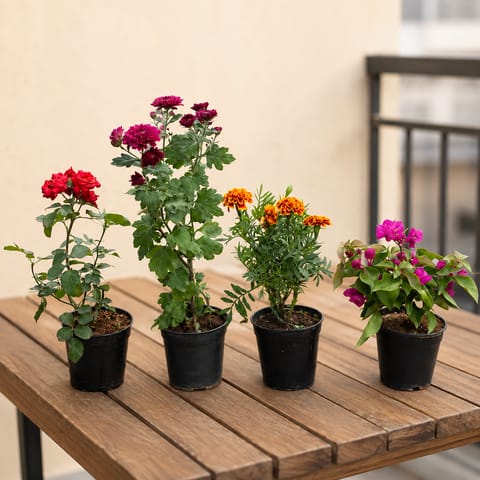
Chandni is also available in flowering plant combo sets. These combinations may include plants such as Moses in the Cradle, Zinnia, Begonia, Marigold, Chrysanthemum, and Gardenia. They are ideal for creating a colourful balcony, terrace, or home garden display.
Chandni is known as Pinwheel Flower or Crape Jasmine in English. Its botanical name is Tabernaemontana divaricata. It is also called East India Rosebay and Carnation of India for the double-petalled variety.
In Telugu, Chandni is called Nandi Batalu (నంది బట్టలు). It is the same plant, Tabernaemontana divaricata, known by different regional names across India.
Chandni ka phool (चाँदनी का फूल) refers to the white flower of the Chandni plant. It has a sweet fragrance that is strongest in the evening and at night.
Yes. Chandni plants need 4 to 6 hours of direct sunlight every day for healthy growth and flowering. Too little sunlight can reduce the number of flowers. A sunny balcony, terrace, or garden spot works best.
Chandni adds beauty and fragrance to gardens, balconies, and outdoor spaces. It is also used in traditional medicine and is known for its anti-inflammatory and antioxidant properties.
Yes. Chandni is known for its pleasant fragrance. The scent becomes stronger after sunset, making it a popular choice for balconies, windows, and seating areas.
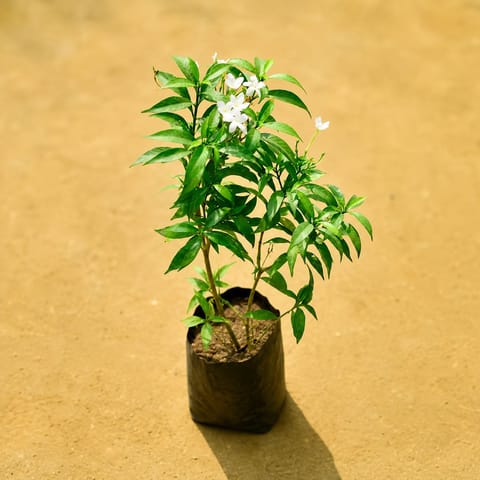
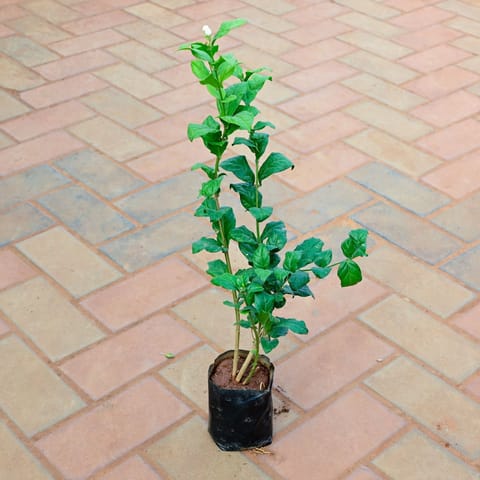
In open ground, Chandni can grow up to 5 to 6 feet tall. When grown in pots, regular pruning can keep it compact at around 2 to 3 feet.
Single-petal Chandni has five white petals arranged in a pinwheel shape. Double-petal Chandni has fuller flowers with layered petals. Both varieties are fragrant and need similar care.
Chandni plants are available at Urvann starting from ₹59 for a 4-inch nursery bag. Prices may vary depending on the variety, pot size, and delivery location.
Chandni can flower throughout the year in most parts of India. Flowering is usually heaviest from February to April and from September to November.
Yes. Chandni grows well in pots. Use a well-draining potting mix, provide 4 to 6 hours of sunlight, and water regularly. Prune the plant occasionally to keep it bushy and encourage more flowers.
Chandni ka paudha (चाँदनी का पौधा) is the Hindi name for the Chandni plant, Tabernaemontana divaricata. It is a popular flowering shrub grown in home gardens, balconies, and terraces across India.
Chandni is a charming flowering plant celebrated for its delicate white blooms and sweet fragrance.
Native to Southeast Asia, it serves as an ornamental addition to gardens, balconies, and landscapes, attracting pollinators like butterflies. Also known as Pinwheel Flower, Crape Jasmine, Nandi Batalu, and Tabernaemontana divaricata, Chandni is prized across India for its sweet night-time fragrance and near year-round blooming.
At Urvann, explore a range of Chandni flowering plants available in 4-inch and 5-inch pots, including single-petal, double-petal, and colourful varieties for balconies, home gardens, and outdoor spaces.
NOTE: Prices of the products may vary as per the location. Please check the final price based on your delivery address.
⭐ Rated 4.8/5 by 12,340+ verified buyers
✓ Free Next-Day Delivery - Available on orders placed by 7 PM in Delhi-NCR and Bengaluru.
✓ Pan India Deliveries - Delivery timelines vary by location.
✓ Hassle-Free Replacement - 2-day replacement window if the plant arrives damaged or incorrect.
✓ Healthy, Blooming Plants - Every Chandni is nursery-grown with an established root system and dispatched in active growth.
✓ Named Varieties Available - Single petal, double petal, and any-colour Chandni plants clearly labelled.
✓ Complete Garden Care in One Place - Pair your Chandni plants with quality pots, nutrient-rich soil, fertilizers, and gardening tools.
Chandni (Tabernaemontana divaricata), also known as Pinwheel Flower or Crape Jasmine, is a popular evergreen flowering shrub grown in Indian home gardens. It is loved for its glossy green leaves, pure white flowers, and pleasant evening fragrance.
The flowers have a distinctive pinwheel shape and bloom throughout much of the year in warm climates. Because of its compact growth and low-maintenance nature, Chandni is commonly grown on balconies, terraces, garden borders, and near entrances.
The Chandni flowering plant, also known as the Pinwheel flower, offers a range of benefits both aesthetically and medicinally.
Renowned for its stunning night-blooming flowers, Chandni adds elegance to any garden or indoor space. Its sweet, jasmine-like fragrance intensifies after sunset and carries across an entire balcony or courtyard, making it one of India's most cherished evening-fragrance plants.
Chandni blooms almost continuously in Indian conditions, with the heaviest flush from February to April and again after the monsoon. Unlike many seasonal flowering plants, Chandni provides consistent colour and fragrance across most of the year.
Beyond its visual appeal, the Chandni plant boasts medicinal properties, with its extracts used in traditional medicine for their anti-inflammatory and antioxidant effects. It holds a documented place in Ayurvedic and folk medicine traditions across India and Southeast Asia.
The Chandni plant is relatively easy to care for, making it an ideal choice for novice gardeners seeking beauty and health benefits in their green spaces. It tolerates Indian summer heat, monsoon humidity and is forgiving of occasional missed waterings once established.
Chandni flowers attract butterflies and evening-flying moths, particularly drawn to its night fragrance. Growing Chandni on a balcony or terrace supports local pollinator biodiversity.
Chandni is an easy-to-grow flowering plant. Follow these simple care tips to keep it healthy and blooming.
Chandni grows best in full sun or partial shade. Give it 4 to 6 hours of direct sunlight every day. A south-facing or east-facing balcony, terrace, or garden spot is ideal. Too little sunlight can reduce flowering.
Water the plant regularly and keep the soil slightly moist. Do not let the soil stay soggy or waterlogged. Water when the top layer of soil feels dry. During winter, reduce watering. Avoid leaving the pot in standing water.
Chandni grows well in fertile, well-draining soil. A mix of garden soil, cocopeat, and vermicompost works well. This soil mix supports healthy root growth and good flowering.
Feed the plant during the growing season from February to October. Use a balanced fertilizer once every few weeks. Organic options such as mustard cake fertilizer can also encourage more flowers.
Remove dried flowers regularly to encourage new blooms. Trim long or leggy branches after a flowering cycle. This helps the plant stay compact and bushy.
Check the plant regularly for pests such as aphids. If needed, spray diluted neem oil on the affected areas. During the monsoon season, ensure good airflow around the plant to reduce the risk of fungal diseases.
This is the classic Chandni variety. It has five white petals arranged in a pinwheel shape. The flowers are highly fragrant, especially in the evening. The plant grows as a compact shrub and is suitable for garden beds, large pots, and hedges.
This variety produces layered white flowers with a fuller appearance. The blooms resemble small gardenias and have a pleasant fragrance. It is a popular choice for balconies, patios, and decorative planters.
Nandi Batalu (నంది బట్టలు) is the Telugu name for Chandni. It refers to the same plant species, Tabernaemontana divaricata. The name is commonly used in Andhra Pradesh and Telangana. All Nandi Batalu plants at Urvann are authentic Chandni plants.
Chandni is also available in flowering plant combo sets. These combinations may include plants such as Moses in the Cradle, Zinnia, Begonia, Marigold, Chrysanthemum, and Gardenia. They are ideal for creating a colourful balcony, terrace, or home garden display.
Chandni is known as Pinwheel Flower or Crape Jasmine in English. Its botanical name is Tabernaemontana divaricata. It is also called East India Rosebay and Carnation of India for the double-petalled variety.
In Telugu, Chandni is called Nandi Batalu (నంది బట్టలు). It is the same plant, Tabernaemontana divaricata, known by different regional names across India.
Chandni ka phool (चाँदनी का फूल) refers to the white flower of the Chandni plant. It has a sweet fragrance that is strongest in the evening and at night.
Yes. Chandni plants need 4 to 6 hours of direct sunlight every day for healthy growth and flowering. Too little sunlight can reduce the number of flowers. A sunny balcony, terrace, or garden spot works best.
Chandni adds beauty and fragrance to gardens, balconies, and outdoor spaces. It is also used in traditional medicine and is known for its anti-inflammatory and antioxidant properties.
Yes. Chandni is known for its pleasant fragrance. The scent becomes stronger after sunset, making it a popular choice for balconies, windows, and seating areas.
In open ground, Chandni can grow up to 5 to 6 feet tall. When grown in pots, regular pruning can keep it compact at around 2 to 3 feet.
Single-petal Chandni has five white petals arranged in a pinwheel shape. Double-petal Chandni has fuller flowers with layered petals. Both varieties are fragrant and need similar care.
Chandni plants are available at Urvann starting from ₹59 for a 4-inch nursery bag. Prices may vary depending on the variety, pot size, and delivery location.
Chandni can flower throughout the year in most parts of India. Flowering is usually heaviest from February to April and from September to November.
Yes. Chandni grows well in pots. Use a well-draining potting mix, provide 4 to 6 hours of sunlight, and water regularly. Prune the plant occasionally to keep it bushy and encourage more flowers.
Chandni ka paudha (चाँदनी का पौधा) is the Hindi name for the Chandni plant, Tabernaemontana divaricata. It is a popular flowering shrub grown in home gardens, balconies, and terraces across India.