Shop

Downalod our app

Please provide your delivery pincode to see products available in your area
Recent Search

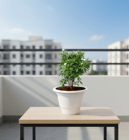
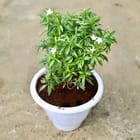
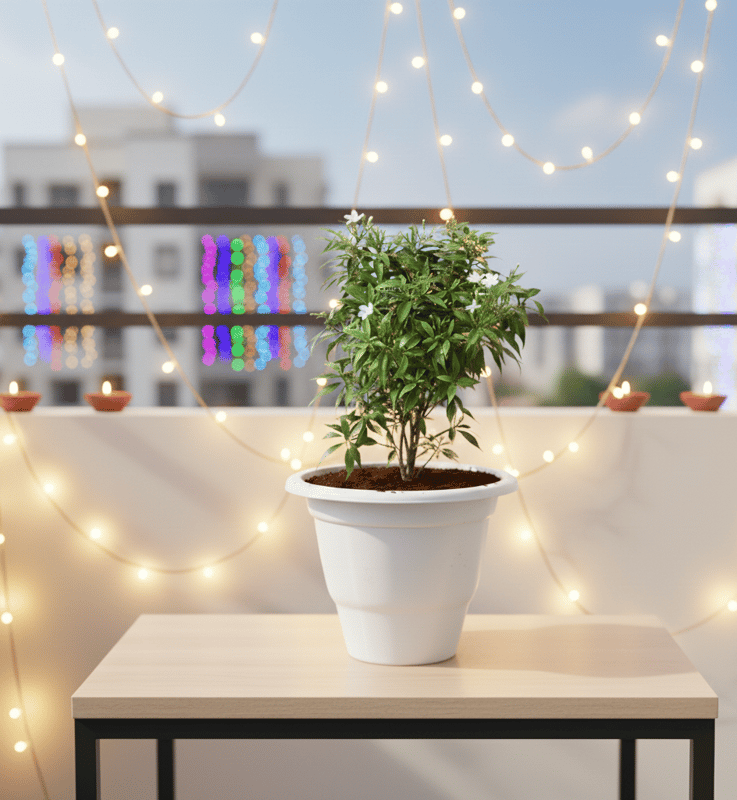
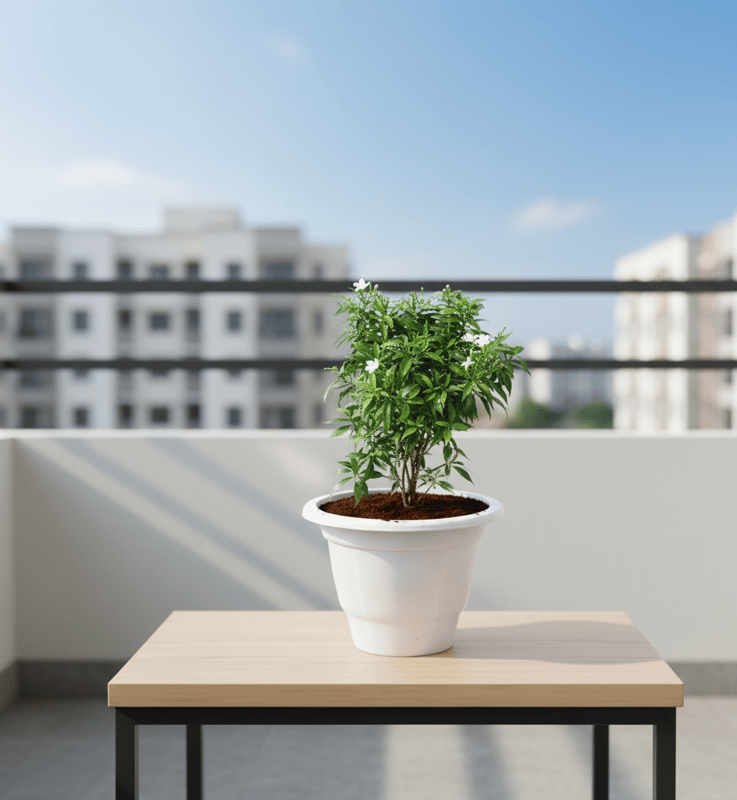
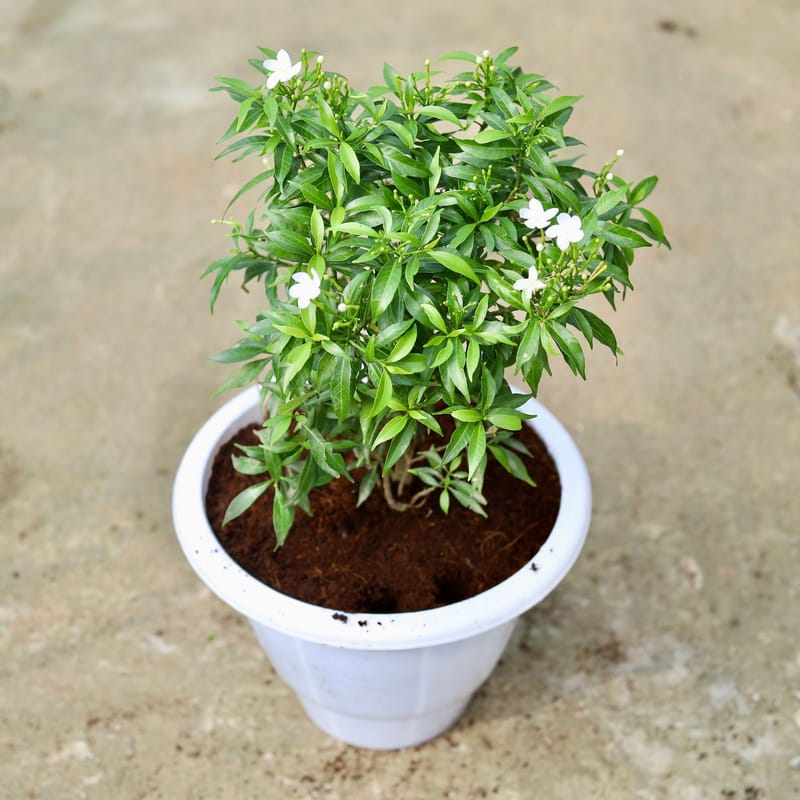
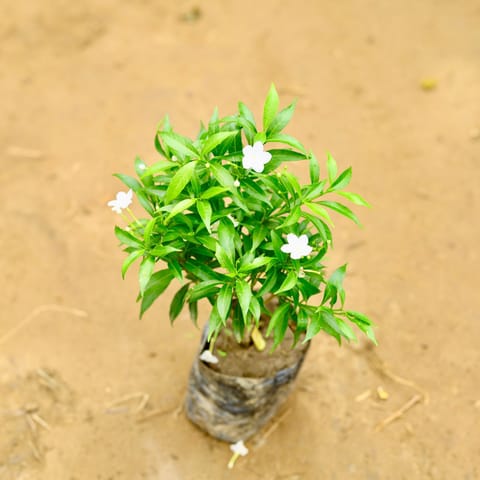
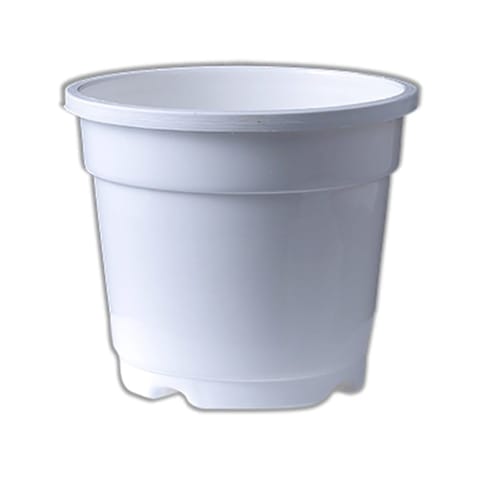
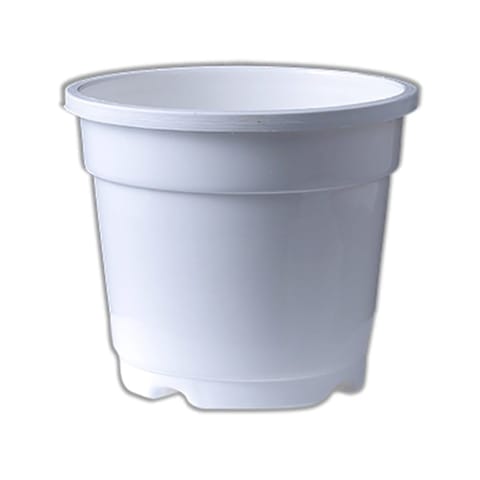
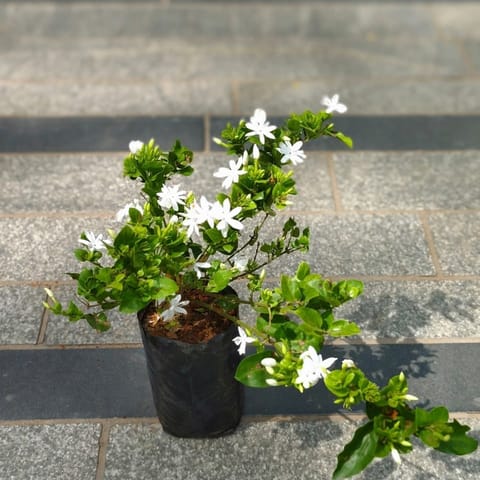
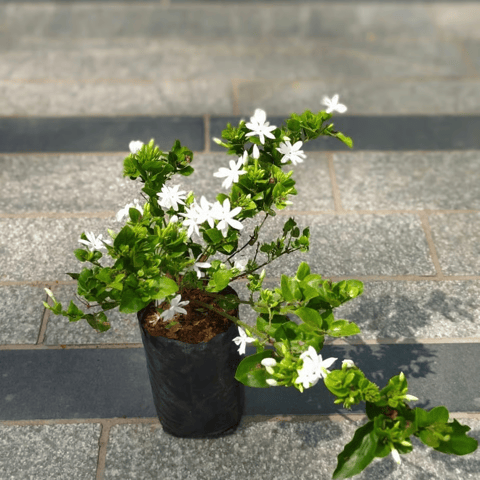
Chandni White in 10 Inch Classy White Plastic Pot
₹189 ( 64% OFF )
MRP ₹539 Inclusive of all taxes
Features
- Strikingly fragrant flowers
- Loved by Pollinators
- Low-maintenance
- Big green leaves
- Beginner- friendly
Product Information
Chandni is a tropical flowering shrub admired for its elegant, creamy-white blooms and lush green foliage. Known for its night-blooming flowers and long flowering season, this hardy yet graceful plant thrives in warm climates and makes a beautiful addition to balconies, terraces, and home gardens.
Benefits of Chandni Plant
 Fragrance
The delicate fragrance of the Chandni flowers can perfume the surrounding area, creating a pleasant atmosphere in gardens and outdoor spaces.
 Pollinator attraction
The vibrant flowers of the Chandni plant attract pollinators such as bees and butterflies, contributing to biodiversity and ecosystem health.
 Low maintenance
Chandni plants are generally easy to care for, requiring minimal maintenance once established, making them suitable for both experienced and novice gardeners.
Care Tips For Chandni Plant
 Watering
Keep the soil evenly moist but never waterlogged. Ensure proper drainage to prevent bud drop and root damage.
 Light
Light
Requires 6-7 hours of direct sunlight daily for healthy growth and abundant flowering.
Placement
Chandni is an outdoor plant. It must be kept in an area receiving bright sunlight.
 Fertilization
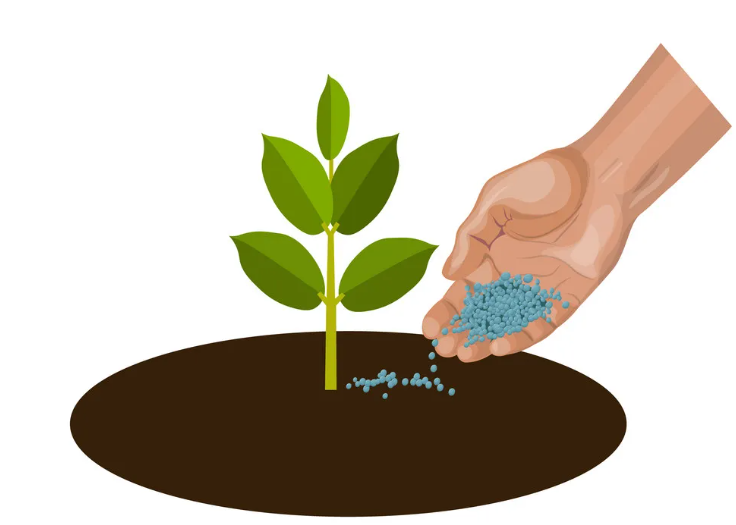
Feed with well-decomposed cow dung manure during the growing season. Water thoroughly after fertilizing for better nutrient absorption.
 Ideal Soil Mix
Use a well-draining, slightly acidic soil mix for healthy growth and flowering.
Ideal Mix: Garden Soil (50%) + Sand (30%) + Organic Compost (20%) to prevent waterlogging and support strong roots.
 Pruning
Prune during rainy or cooler seasons to encourage dense growth and increased flowering.
 Pest Control
Keep spraying the plant with neem spray every 2 weeks to help with pest control.
Frequently Asked Questions About Chandni Plant
1. How much sunlight does Chandani need?
Chandani requires 6-7 hours of direct sunlight daily for healthy growth and good flowering.
2. Can Chandani grow indoors?
It performs best outdoors in balconies, terraces, or gardens with proper sunlight and air circulation.
3. Why is my Chandani not flowering?
Insufficient sunlight, overwatering, poor drainage, or lack of nutrients can reduce flowering.
4. How often should I water the plant?
Water when the topsoil feels slightly dry. Avoid waterlogging as it may cause bud drop and root problems.
5. Which fertilizer is best for Chandani?
Use well-decomposed cow dung manure or vermicompost once a month during the growing season.
6. Where can I buy Chandni plants?
Head over to Urvann, India’s favorite online nursery, and browse from their extensive collection of plants.
.


.
Related Products

Customer Review
5
67 reviews
Add images from your gallery