
Shop

Downalod our app

Please provide your delivery pincode to see products available in your area
Recent Search
Religious and Sacred Plants
India is known for its rich cultural and religious heritage, and plants play an important role in v...
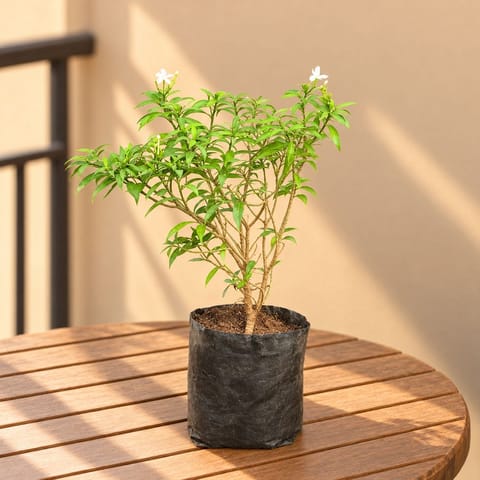

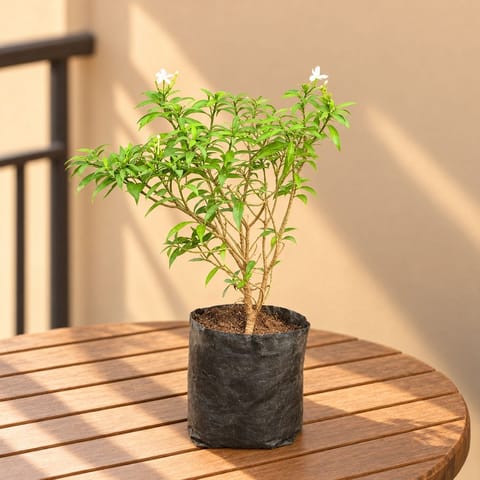
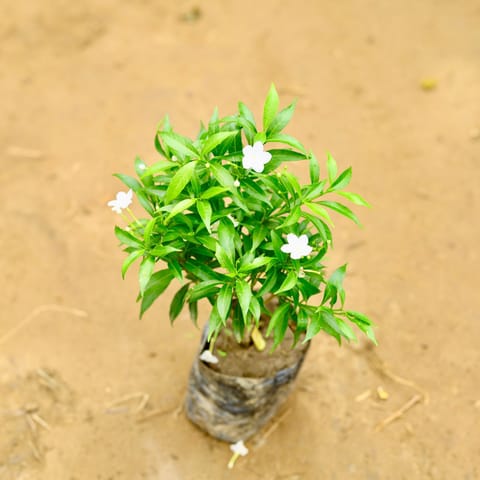
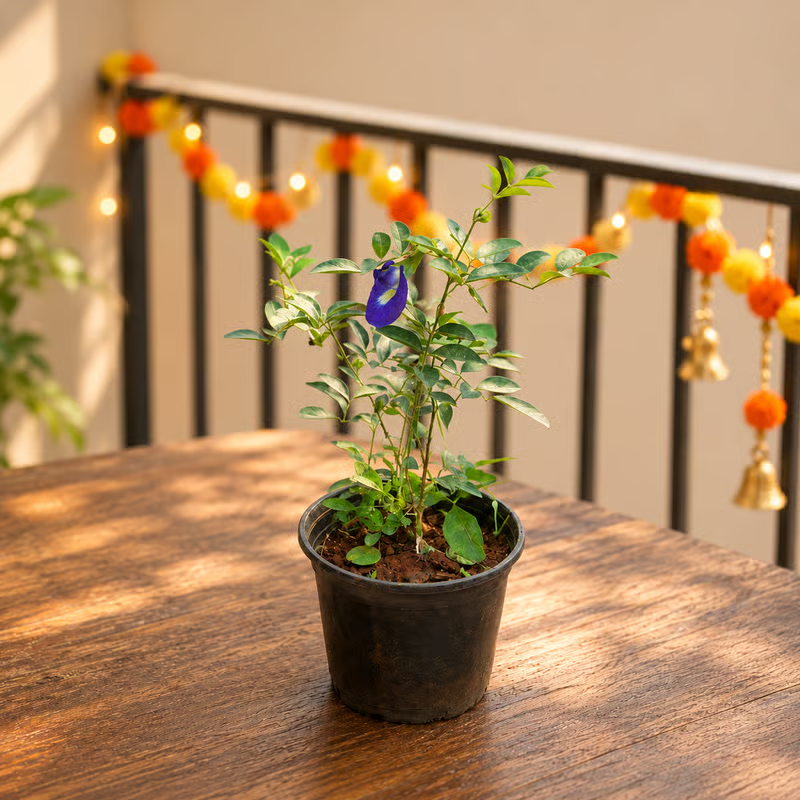
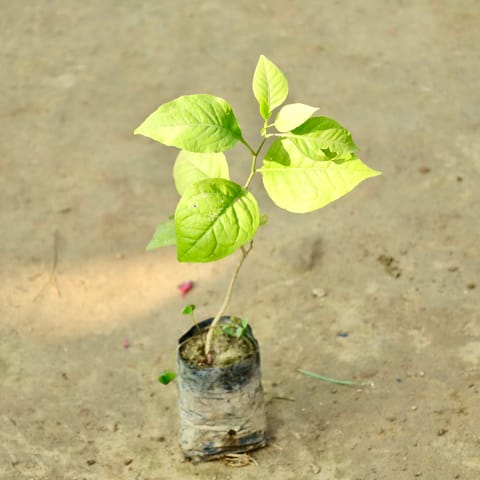
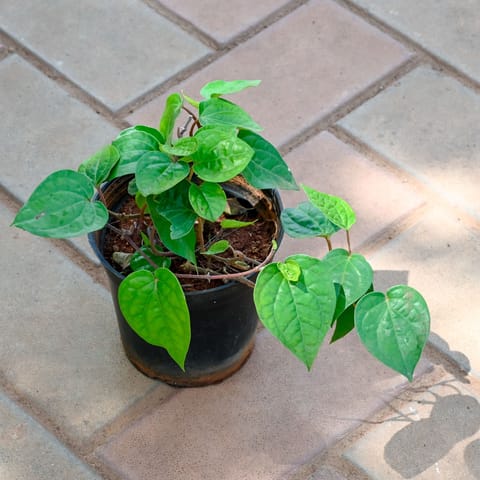
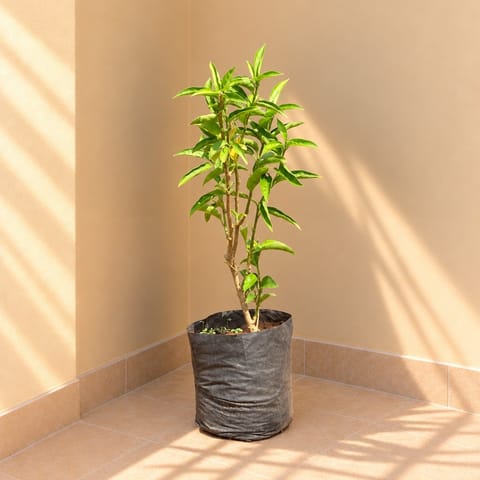
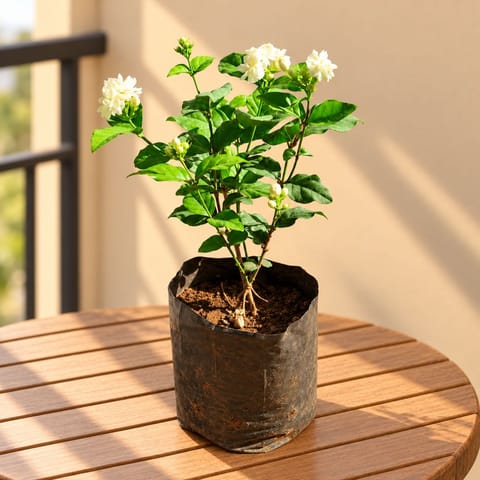
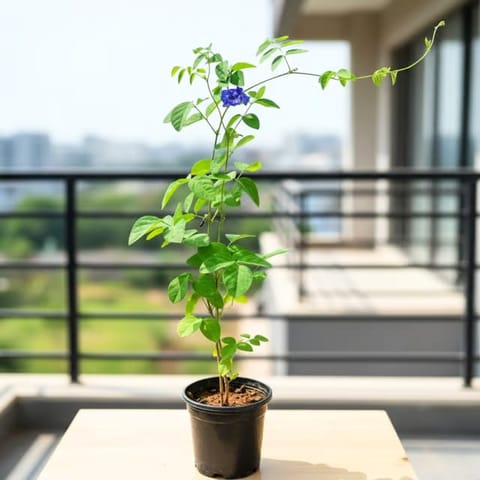
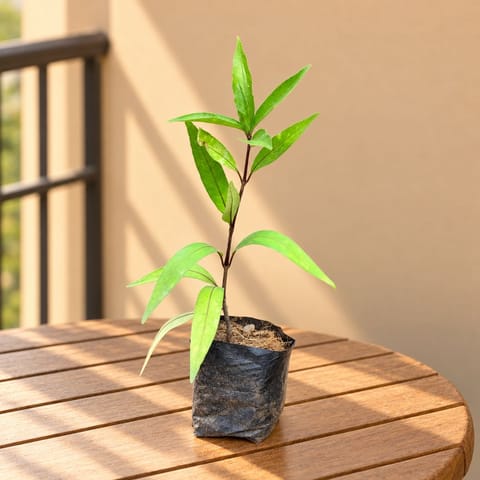
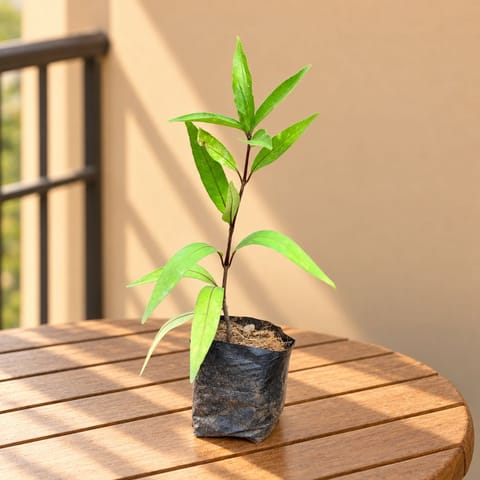
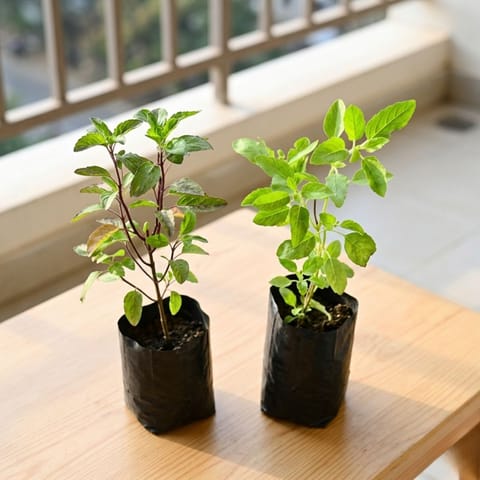
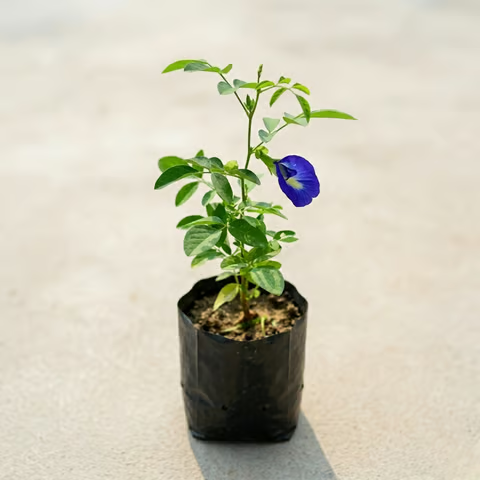
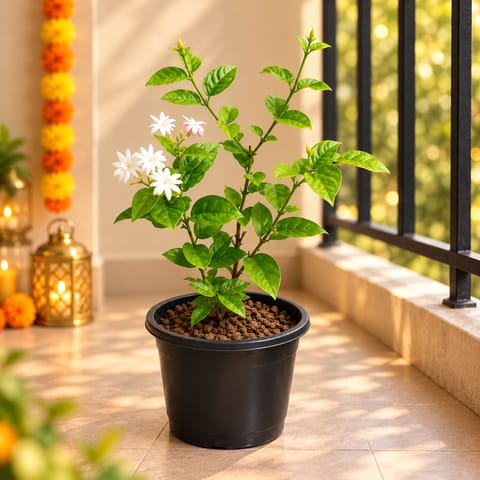
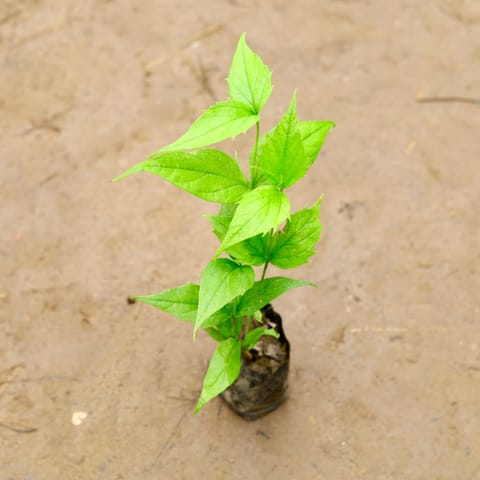


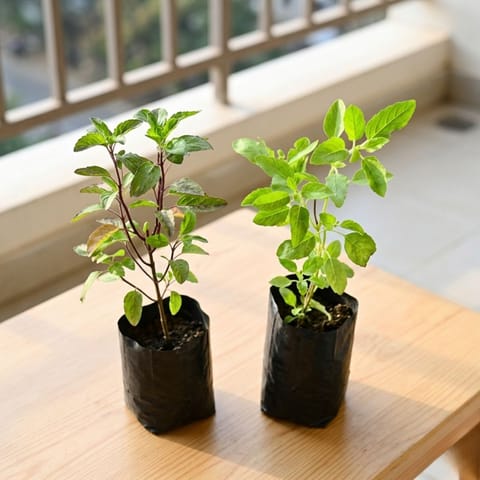
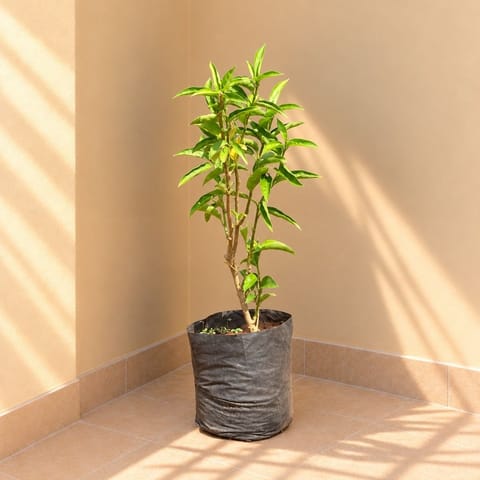
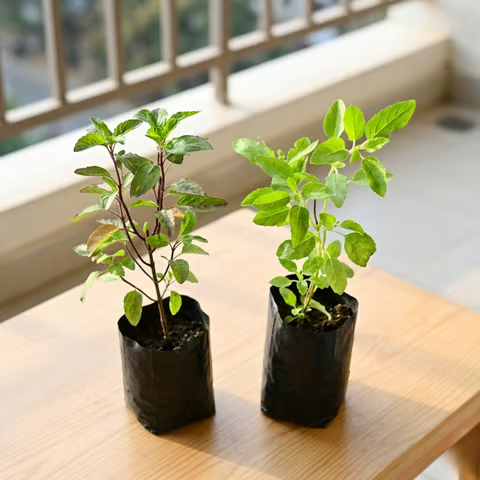
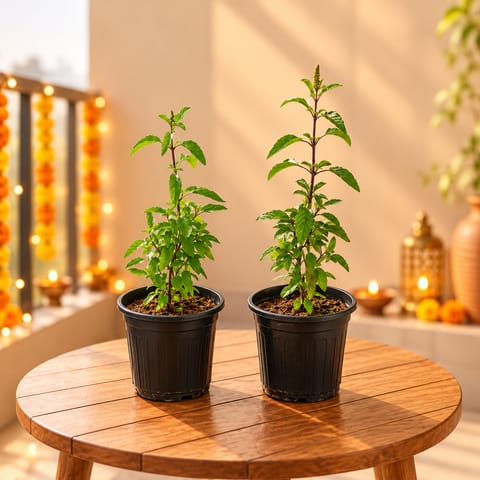

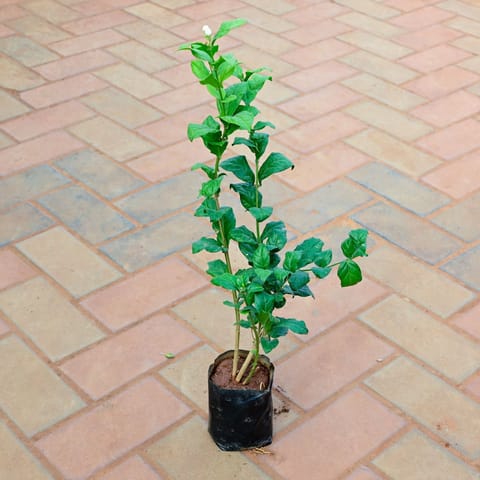
India is known for its rich cultural and religious heritage, and plants play an important role in various rituals and traditions.
These plants hold deep significance and are considered sacred by many.
Buy Religious and Sacred Plants India
For centuries, Indians have worshipped plants and trees. By bringing them into your home, you can create a spiritually uplifting environment. You can get religious plants online at Urvann. According to Vastu, these plants have a positive impact on the energy and vibrations within a space. Placing these plants at the entrance or in the vicinity of the main door is believed to ward off negative influences and bring in positivity.
Types of Religious and Sacred Plants in India
Tulsi (Holy Basil): Tulsi is considered the most sacred plant in India. It is believed to be the incarnation of the goddess Tulsi and is associated with Lord Vishnu. Tulsi is grown in many households and is worshipped daily.
Peepal: The Peepal tree holds immense religious significance and is considered sacred in Hinduism. It is associated with Lord Shiva and is believed to be a symbol of immortality.
Bael: Bael is considered a sacred tree and is associated with Lord Shiva. Its leaves, fruits, and roots are used in religious rituals and offerings.
Ashoka: The Ashoka tree is highly revered in Buddhism and is associated with the Buddha's birth. It is known for its beautiful flowers and is considered auspicious.
Importance of Religious Plants for Home
Spiritual upliftment: Having religious plants in your home creates a sacred atmosphere and enhances your spiritual well-being.
Symbolic representation: These plants represent the divine and act as a constant reminder of our connection to spirituality.
Purification: Many religious plants, like Tulsi, are known for their purifying properties. They help cleanse the air and create a positive energy flow.
Health Benefits: Trees like Ashoka tree have numerous health benefits and their extracts are used to reduce blood sugar levels and to treat multiple female hormonal issues.
Tradition and rituals: Religious plants are used in various religious ceremonies, festivals, and prayers, keeping our cultural traditions alive.
Tips to Take Care of Religious Plants in India
Light and temperature: Most religious plants thrive in well-lit areas with indirect sunlight. Ensure they are kept at optimal temperatures suitable for their growth. A balcony that gets 4-5 hours of filtered sunlight is an ideal spot.
Watering and soil: Follow specific watering schedules for each plant and use well-draining soil to prevent waterlogging. As a rule, you can water these plants once the top soil is dry to touch.
Pruning and fertilizing: Regularly prune your plants to maintain their shape and remove any dead or damaged leaves. Use appropriate fertilizers to promote healthy growth.
Protection from pests: Monitor your plants for any signs of pests or diseases. Take preventive measures and treat them promptly if necessary. You can use neem oil to remove pests from sacred plants.
By nurturing these religious plants with love and care, you can create a serene and sacred environment in your home. You can also explore other varieties of plants like indoor plants and mango plants , tulsi plant from Urvann.
FAQ About Religious and Sacred Plants
1. What are religious plants?
Religious plants are plants that hold religious or spiritual significance in various cultures and traditions. They are considered sacred and are often used in rituals, worship, and spiritual practices.
2. Which plant has religious value in India?
Tulsi, also known as Holy Basil, holds great religious value in India. It is considered the most sacred plant and is associated with Lord Vishnu.
3. Why are these plants considered sacred?
These plants are considered sacred due to their association with deities, religious legends, and their ability to purify and uplift the spiritual atmosphere. They symbolise divinity and are highly respected in religious practices.
4. Which are the most commonly used religious plants in India?
Some of the most commonly used religious plants in India include Tulsi, Peepal, Bael , and Ashoka.
5. What are the five sacred plants of India?
The five sacred plants of India are Tulsi, Peepal, Bael, Ashoka, and Lotus. These plants hold immense religious and cultural significance in India.