Shop

Downalod our app

Please provide your delivery pincode to see products available in your area
Recent Search

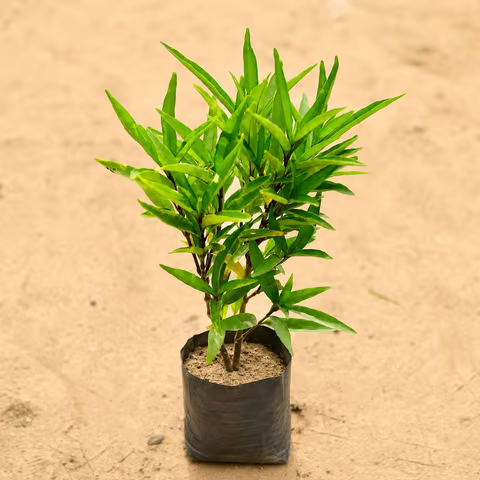




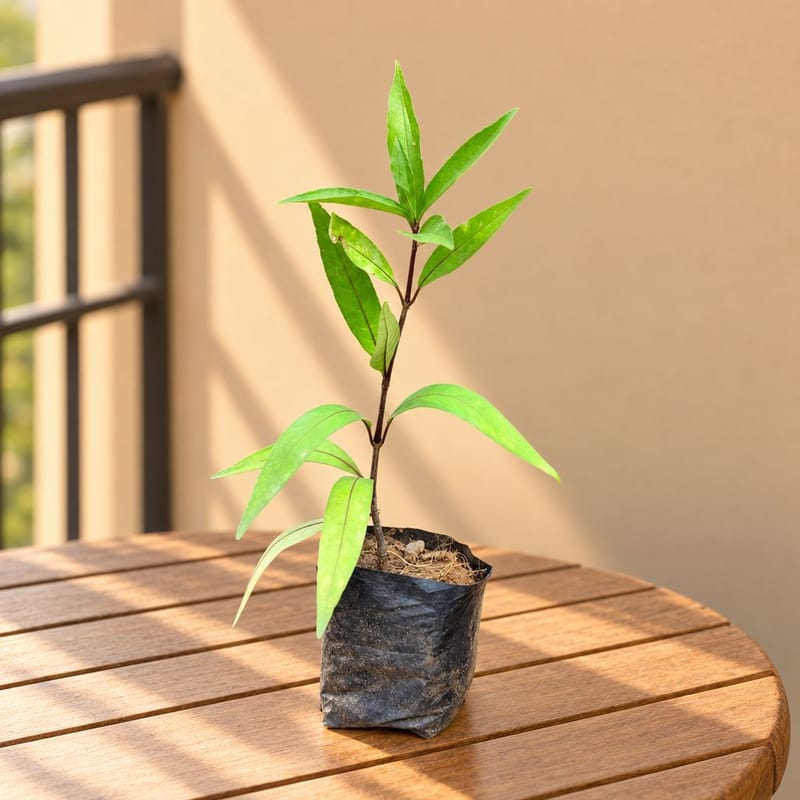



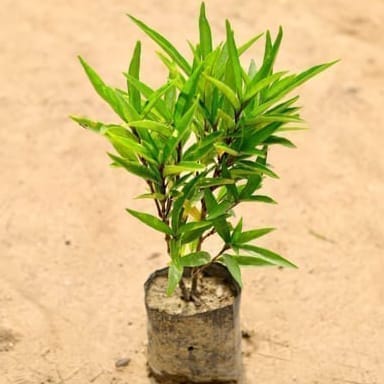
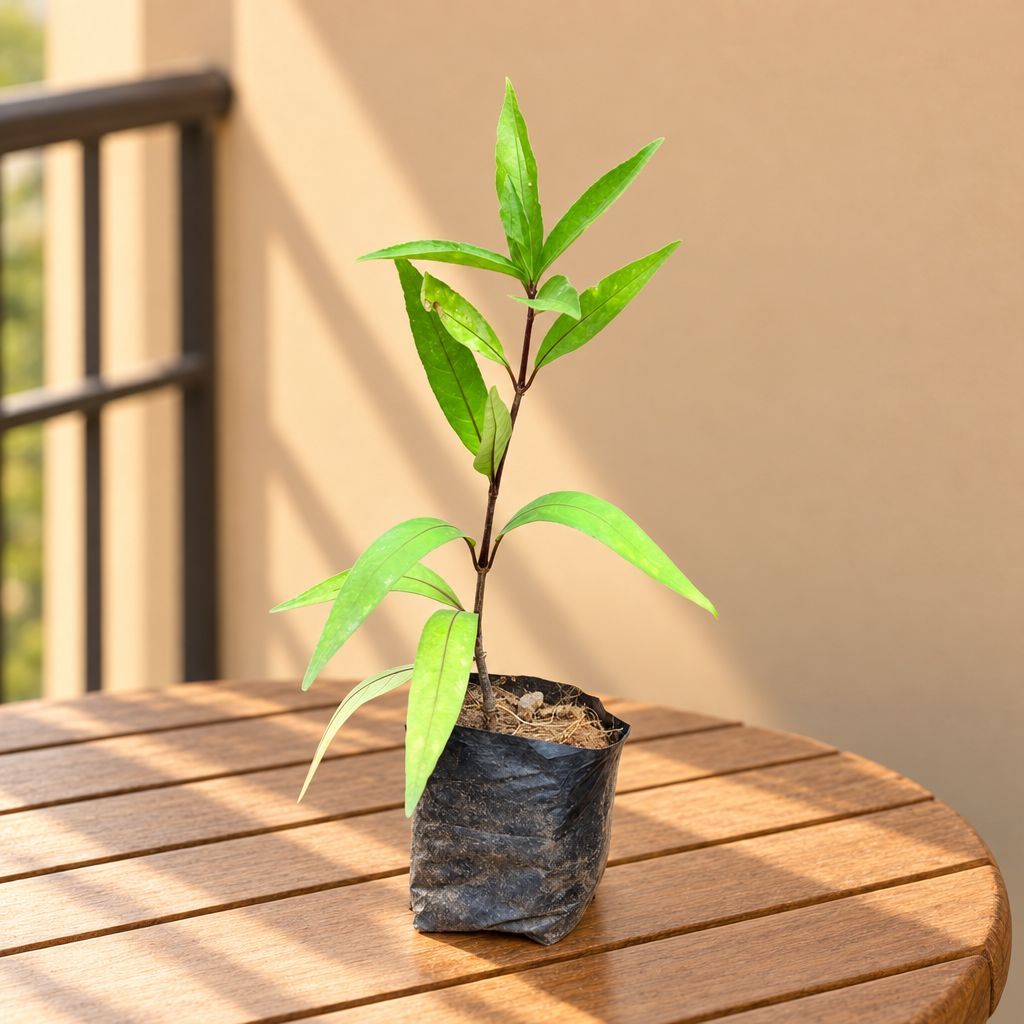
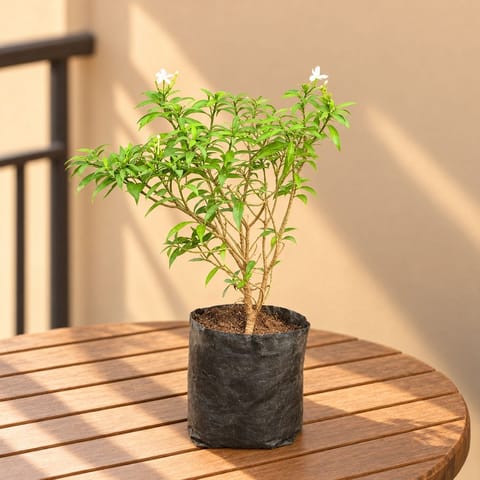
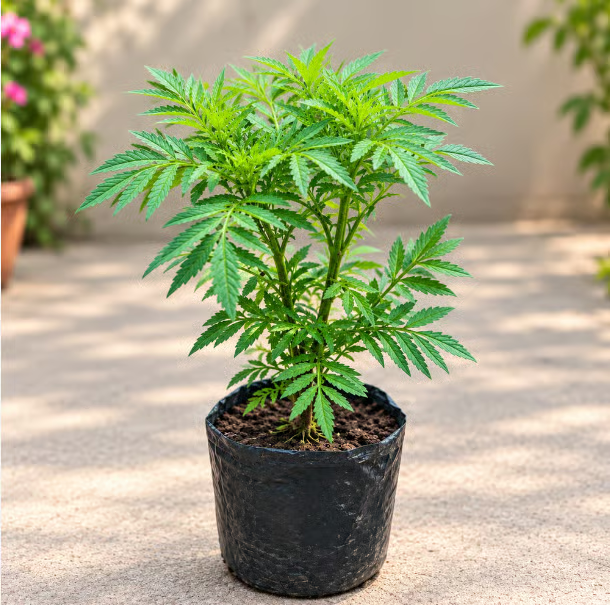
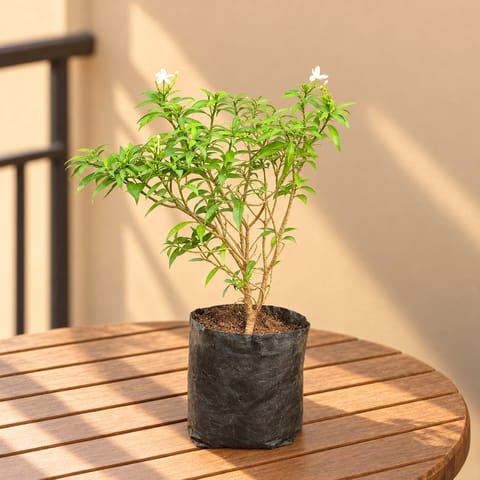
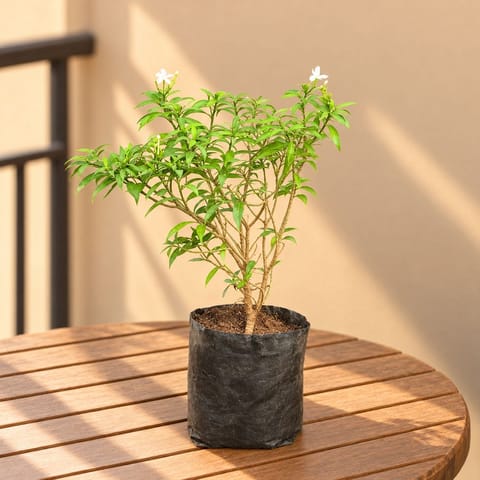
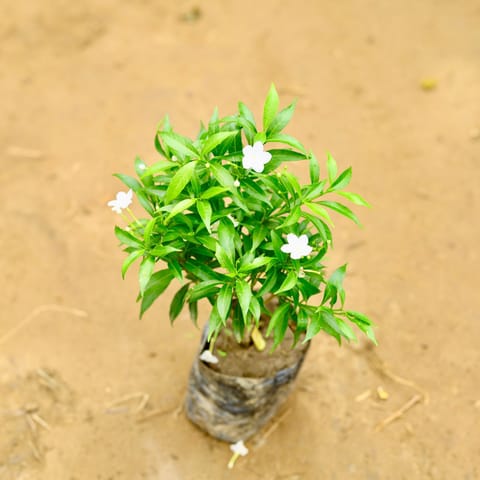
Bring Peace Sukh Shanti in 3 Inch Nursery Bag
₹35 ( 74% OFF )
MRP ₹139 Inclusive of all taxes
Features
- Elegant White Blooms
- Lush Green Foliage
- Beginner Friendly
- Easy Plant Care
- Long Lasting Beauty
- Creates Calm Spaces
Product Information
The Sukh Shanti Plant is admired for its elegant white flowers, lush green foliage, and calming presence. A hardy, easy-to-grow ornamental plant, it adds freshness and serenity to both indoor and outdoor spaces. Its delicate blooms and soothing fragrance create a peaceful ambience, making it a perfect choice for homes, gardens, balconies, and meditation areas. Beyond its beauty, the Sukh Shanti Plant is valued for promoting a relaxing and refreshing environment, bringing a touch of nature and peace to any space.
Benefits of Sukh Shanti Plant
 Low maintenance :
Sukh Shanti Plants are relatively easy to care for and require minimal maintenance, making them ideal for busy individuals or those with limited gardening experience.
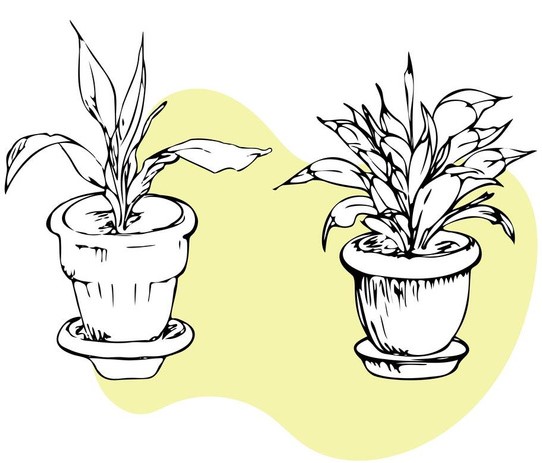 Aesthetic appeal :
With its glossy green leaves and elegant white flowers, the Sukh Shanti Plant adds a touch of beauty and tranquility to any room, making it a popular choice for home and office decor.
 Peaceful ambiance :
The Sukh Shanti Plant is often associated with peace and tranquility, making it a symbol of harmony and relaxation. Having one in your space can help create a calming atmosphere and promote a sense of well-being.
Care Tips for Sukh Shanti Plant
 Watering :
The Sukh Shanti Plant must be watered periodically. As soon as the top one inch of the soil gets dry, you must water it.
 Light :
The Sukh Shanti thrives in bright, indirect sunlight. Avoid direct sunlight, as it can scorch its lush green leaves.
 Placement :
The Sukh Shanti Plant is an outdoor plant and loves the sunlight.
 Fertilisation :
The Sukh Shanti is not a very demanding plant. You can use vermicompost or cow dung compost every 15 days to maintain its nutrition balance. It can easily be propagated from seeds or cuttings.
 Ideal Soil Mix :
The Sukh Shanti Plant requires porous, well-draining soil. The ideal soil mix for this plant is Garden Soil (50%) + Cocopeat (30%) + Vermicompost (20%).
 Pruning :
It is very important to consistently prune the Sukh Shanti Plant to give it a better shape and encourage rapid growth.
 Pest Control :
The Sukh Shanti Plant is susceptible to mealybugs and aphids. Control the pests by using neem spray every week on the leaves.
Frequently Asked Questions about Sukh Shanti Plant
1. Is the Sukh Shanti Plant good for home?
Yes, the Sukh Shanti Plant is very easy to grow and is beautiful to have around.
2. What is the Sukh Shanti Plant called in English?
The plant is known as Justicia Gendarussa scientifically.
3. Where should the Sukh Shanti Plant be placed in the home?
Place your plant in a location where it receives at least 4-5 hours of sunlight.
4. Is Sukh Shanti good for the environment?
Yes, the Sukh Shanti Plant helps to prevent soil erosion and desertification by holding the soil strong with its root system.
5. Where can I buy Sukh Shanti Plants?
Head over to Urvann, the most trusted online nursery, which has an extensive selection of plants.
.


.
Frequently bought together
Related Products


Customer Review
5
48 reviews
Add images from your gallery