Shop

Downalod our app

Please provide your delivery pincode to see products available in your area
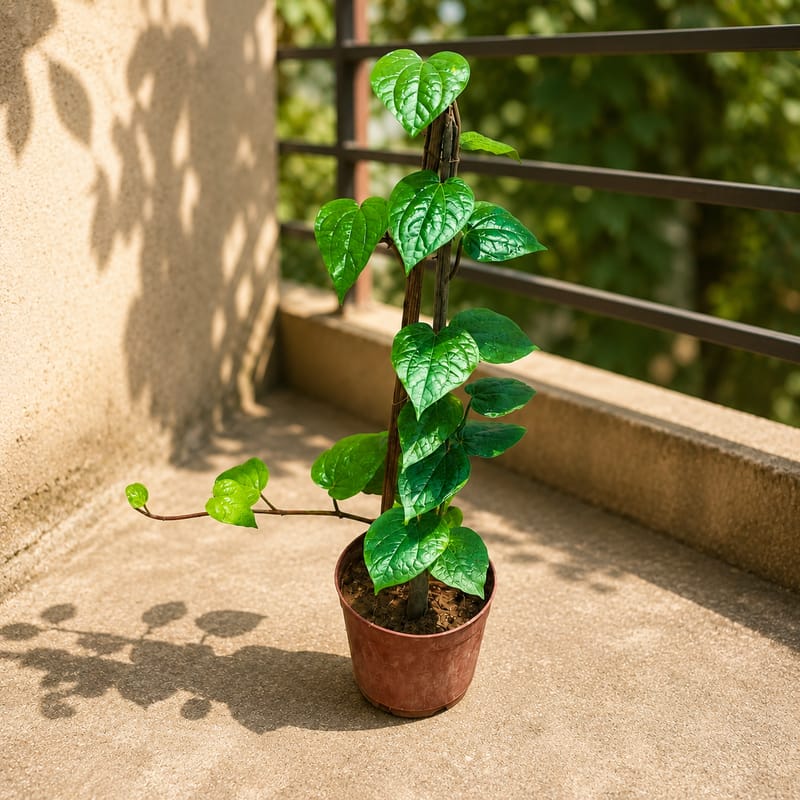
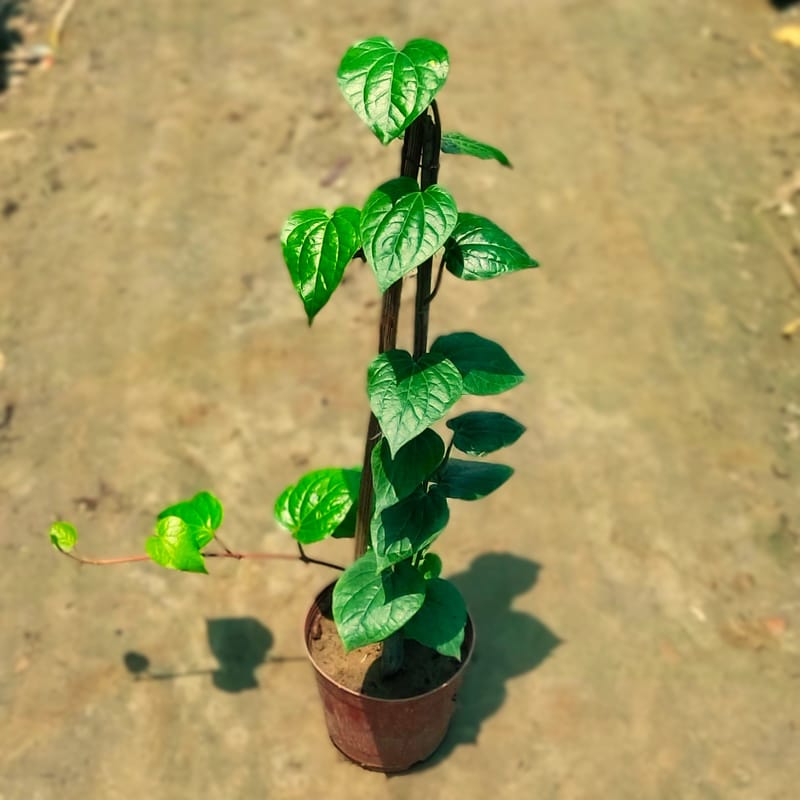
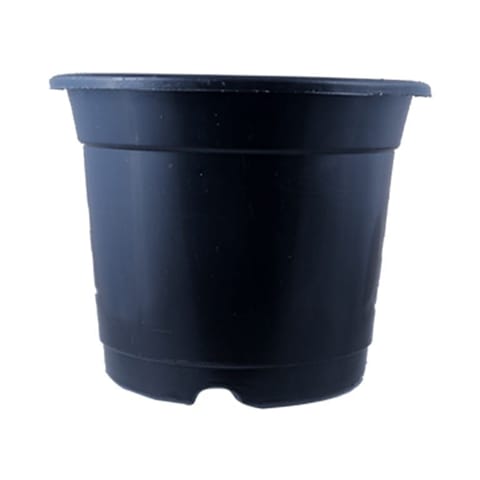
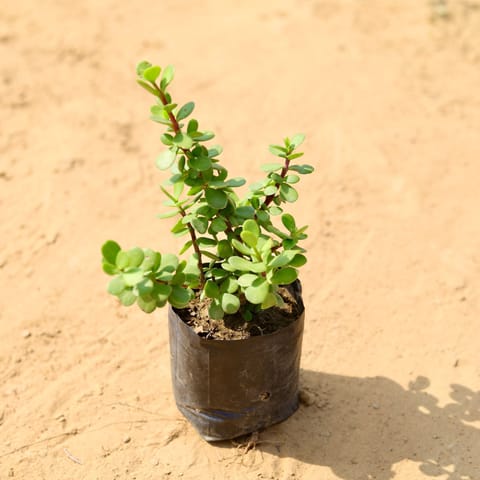
Paan in 6 Inch Nursery Pot
₹199 ( 69% OFF )
MRP ₹659 Inclusive of all taxes
Features
- Evergreen Climbing Vine
- Edible Betel Leaf (Paan) Plant
- Heart-Shaped Glossy Leaves
- Organic Gardening Friendly
- Low Maintenance Edible Plant
Product Information
The Betel Leaf Plant belongs to the Piperaceae family and is a popular evergreen vine widely grown for its edible, aromatic leaves. Known as "Paan", this culturally significant plant has been used for centuries in rituals, traditional preparations, and herbal uses.
This fast-growing climber thrives in warm, humid conditions and prefers partial sunlight. With proper support and regular pruning, the plant produces lush, glossy green leaves throughout the year, making it perfect for balconies, terraces, and home gardens.
Benefits of Beetel Leaf Or Paan
 Edible & Traditional Use
Leaves are widely used in paan preparation, cooking, and religious rituals.
 Medicinal Properties
Known for digestive benefits and traditional therapeutic uses.
 Low Chemical Requirement
Thrives well with organic compost and minimal fertilizers.
Care Tips For Beetel Leaf or Paan
 Watering
Keep the soil consistently moist but not waterlogged. Water more frequently in summer and reduce during monsoon or winter.
 Light
Light
Provide 2-4 hours of indirect morning or evening sunlight. Avoid harsh afternoon sun and complete shade.
 Support
Provide a moss stick, stake, or trellis to help the vine climb properly and prevent stem damage.
 Fertilization
Feed with organic compost every 3 months. Avoid chemical fertilizers as the leaves are edible.
 Ideal Soil Mix
Use light, well-draining, slightly acidic soil.
Ideal Soil Mix: Garden Soil (50%) + Cocopeat (30%) + Compost (20%) + Sand (optional for drainage).
 Pruning
Regularly trim the tips and harvest leaves to encourage bushier growth and increase leaf production.
 Pest Control
If affected by aphids or mealybugs, spray neem oil solution in the evening and remove infected leaves.
Frequently Asked Questions About Beetel Leaf or Paan
1. How much sunlight does a Paan plant need?
It needs 2-4 hours of indirect morning or evening sunlight. Avoid harsh afternoon sun and complete deep shade.
2. How often should I water the Betel Leaf plant?
Keep the soil consistently moist but not waterlogged. Water more frequently in summer and reduce watering during monsoon and winter.
3. Does Betel Leaf require chemical fertilizers?
No. Since the leaves are edible, organic compost or vermicompost every 3 months is recommended. Avoid chemical fertilizers.
4. How do I control pests on Betel Leaf?
For aphids or mealybugs, spray a neem oil solution in the evening and remove heavily infected leaves to prevent spread.
5. Why are my Betel/Paan Leaf leaves turning yellow??
Yellowing may occur due to underwatering, poor drainage, or fungal issues from overwatering.
6. Where can I buy Beetel Leaf Or Paan?
Head over to Urvann, India’s favorite online nursery, and browse from their extensive collection of plants.
.


.
Frequently bought together
Related Products



Customer Review
4.8
35 reviews
Add images from your gallery