Shop


Please provide your delivery pincode to see products available in your area



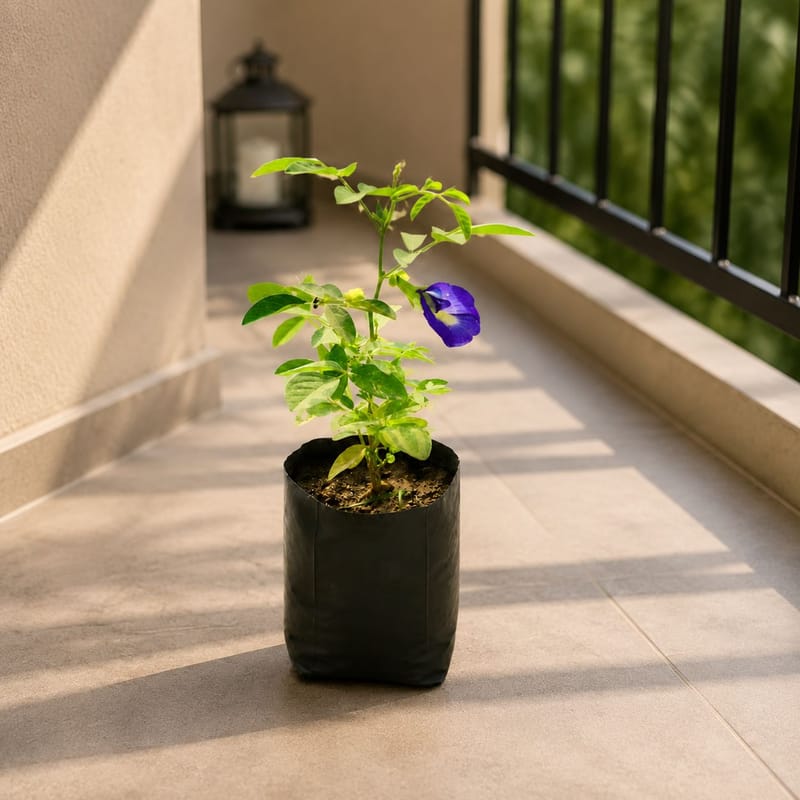
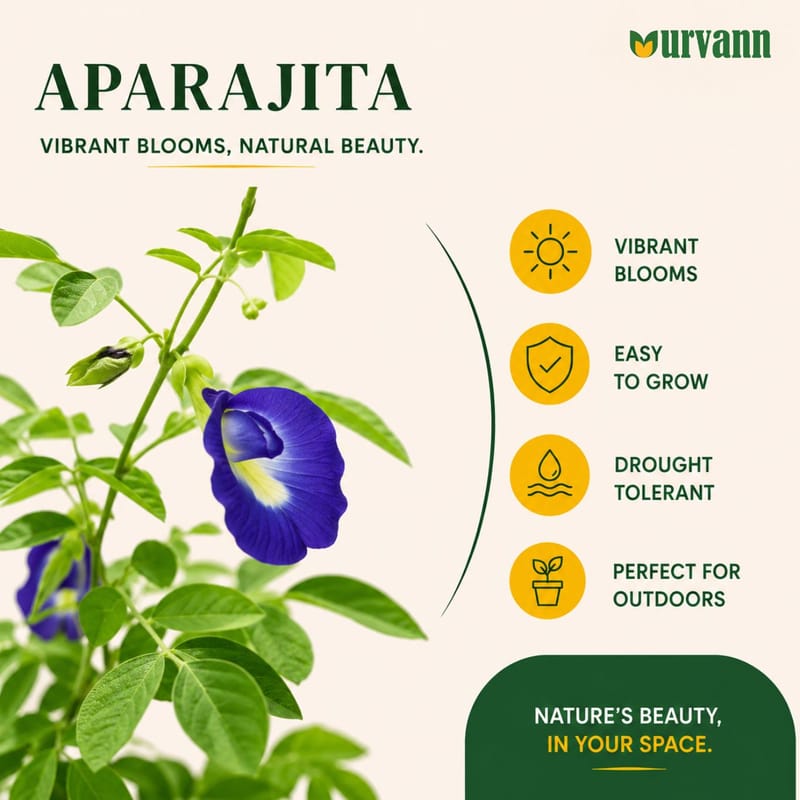

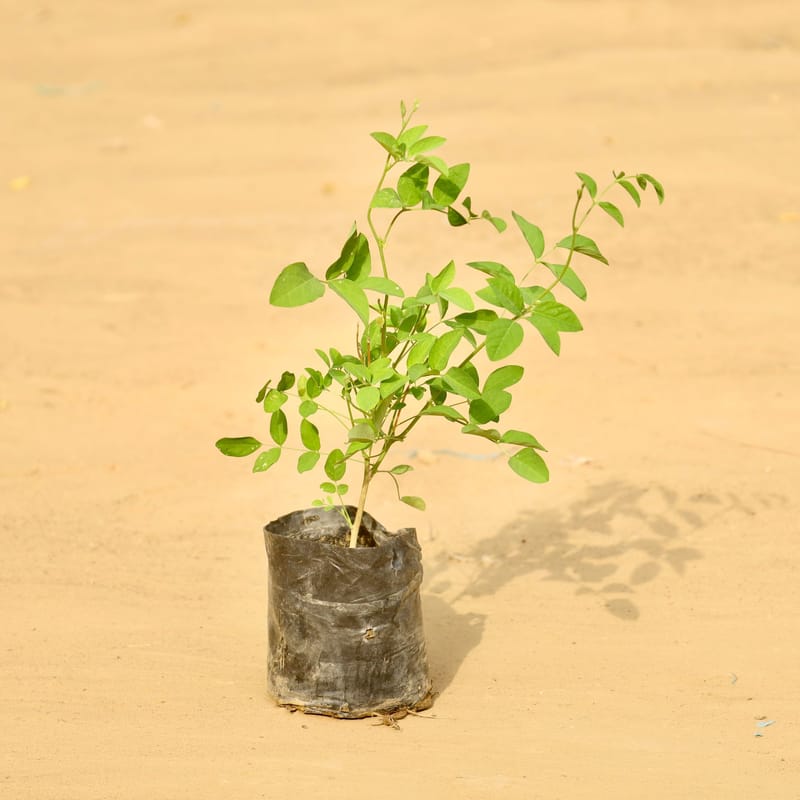
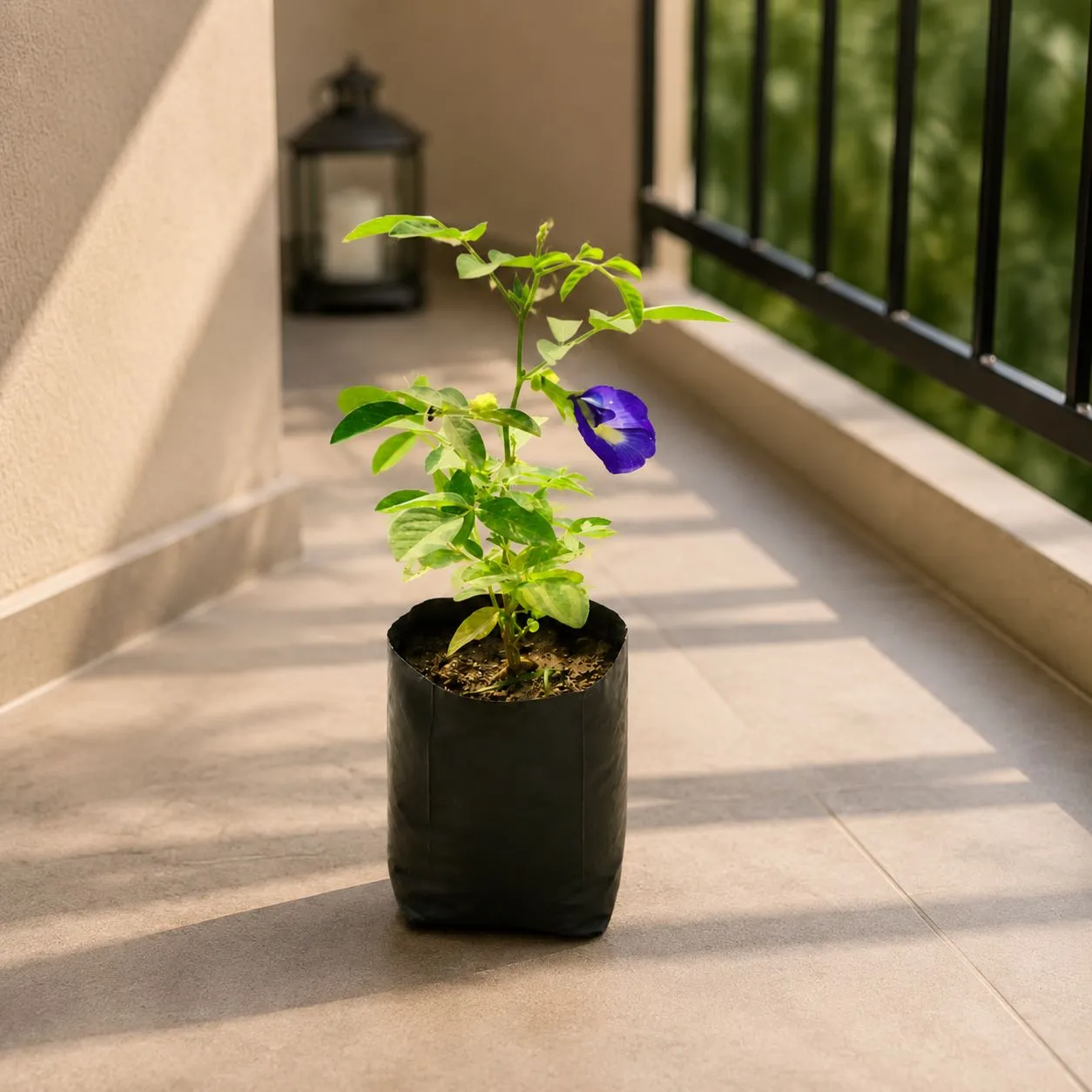
Aparajita / Asian Pigeonwings Blue in 3 Inch Nursery Bag
₹39 ( 75% OFF )
MRP ₹159 Inclusive of all taxes
Sold Out
Features
- Vibrant Blue Blooms
- Pollinator Friendly
- Fast Growing Climber
- Beginner Friendly
- Butterfly Pea Plant
- Moderate Water Needs
Product Information
The Aparajita Plant (Clitoria ternatea) belongs to the Fabaceae family and is a fast-growing perennial flowering climber admired for its vibrant blue or white butterfly-shaped blooms. Native to South Asia, this easy-to-grow plant flourishes in warm climates and blooms abundantly throughout the growing season. Ideal for balconies, terraces, fences, and garden trellises, Aparajita adds a striking splash of colour while attracting butterflies and bees, making it a beautiful and eco-friendly addition to any outdoor space.
Benefits of Aparajita Plant
 Skin and Hair Care
Aparajita flowers are rich in natural antioxidants and are widely used in traditional hair and skincare preparations. Their extracts are commonly found in herbal oils, shampoos, conditioners, and skincare products.
 Natural Food Colorant
The vibrant blue flowers of the Aparajita plant are widely used as a natural food colour in herbal teas, desserts, rice dishes, and beverages across Southeast Asia.
 Herbal Tea Plant
Aparajita flowers are popularly used to prepare butterfly pea herbal tea, a naturally caffeine-free drink known for its soothing properties and vibrant blue colour. It is often enjoyed for relaxation and overall wellness.
 Biodiversity and Pollinators
The nectar-rich flowers of the Aparajita plant attract butterflies, bees, and other beneficial pollinators, helping support biodiversity and encouraging a healthier garden ecosystem.
Care Tips for an Aparajita Plant
 Sunlight
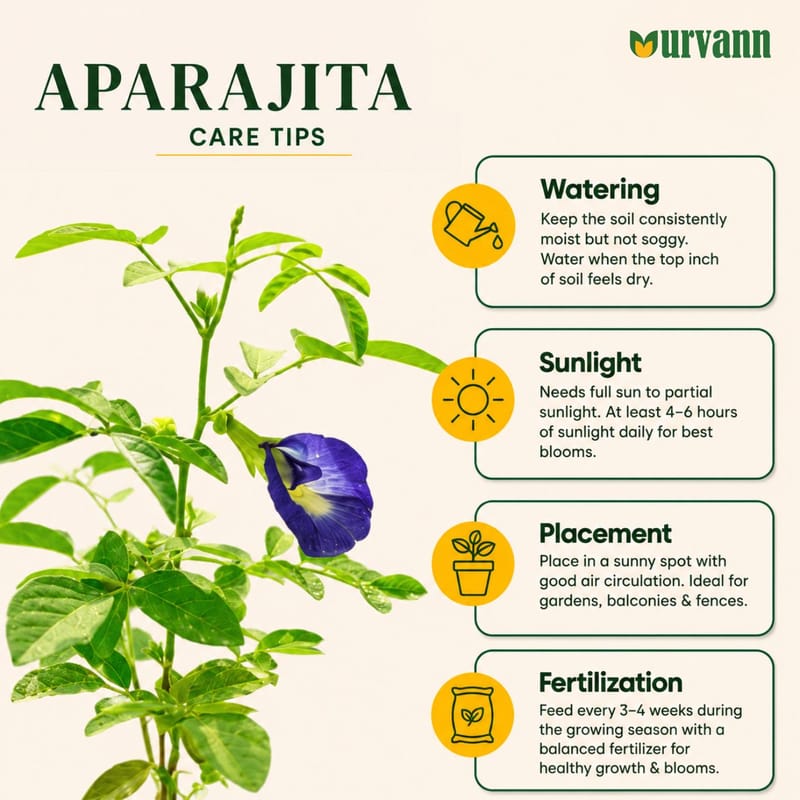
Aparajita plants thrive in full sunlight. Make sure to place your plant in a location that receives at least 4-6 hours of sunlight per day.
 Ideal Soil Mix
The Aparajita plants love a well-draining soil mix that is rich in organic matter. Apply another layer of organic mulch around the base of the plant stem to conserve moisture, suppress weeds to maintain an ideal soil temperature.
The ideal soil mix should be, Garden Soil (35%) + Cocopeat (30%) + Vermicompost (30%) + Neem Khali (5%)
 Watering
Keep the soil consistently moist but not waterlogged. Water your aparajita plant regularly, especially during the growing season.
 Placement
Place your Aparajita plant in a location that receives full sunlight. This is an outdoor plant.
 Fertilization
Use vermicompost as fertilizer for the Aparajita plant.
 Pruning
Regular pruning of Aparajita plants will encourage branching and make plants bushier.
 Pest Control
The Aparajita plant is prone to mite and aphid attacks. Keep spraying the plant with neem oil as pest control. Alternatively, you can also use fungicides.
Frequently Asked Questions about an Aparajita Plant
1. Are Aparajita plants hardy?
Aparajita plants are relatively hardy and can tolerate various environmental stresses. However, they are sensitive to frost and cold temperatures, so protection may be necessary in colder climates.
2. What type of soil does Aparajita prefer?
Aparajita prefers well-draining soil rich in organic matter. It can tolerate many types of soil mixes.
3. How do I propagate Aparajita plants?
Aparajita can be propagated through stem cuttings. Take 4-6-inch semi-hardwood cuttings, remove lower leaves, and root them in a well-draining rooting medium. Seeds can also be used for propagation.
4. Can I use Aparajita flowers for culinary purposes?
Yes, Aparajita flowers are sometimes used as a natural food colorant in certain cuisines, especially in Southeast Asian dishes.
5. Where can I buy Aparajita plants?
Head over to Urvann, India’s favorite online nursery, and browse from their extensive collection of plants.



.
Frequently bought together
Related Products



















Customer Review
4.6
43 reviews
Add images from your gallery