

Please provide your delivery pincode to see products available in your area
Your current session will end and you'll need to sign in again to access your account.
Bring the unmistakable evening fragrance of Raat Ki Rani to your home with healthy plants from Urva...
Bring the unmistakable evening fragrance of Raat Ki Rani to your home with healthy plants from Urvann.
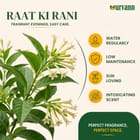
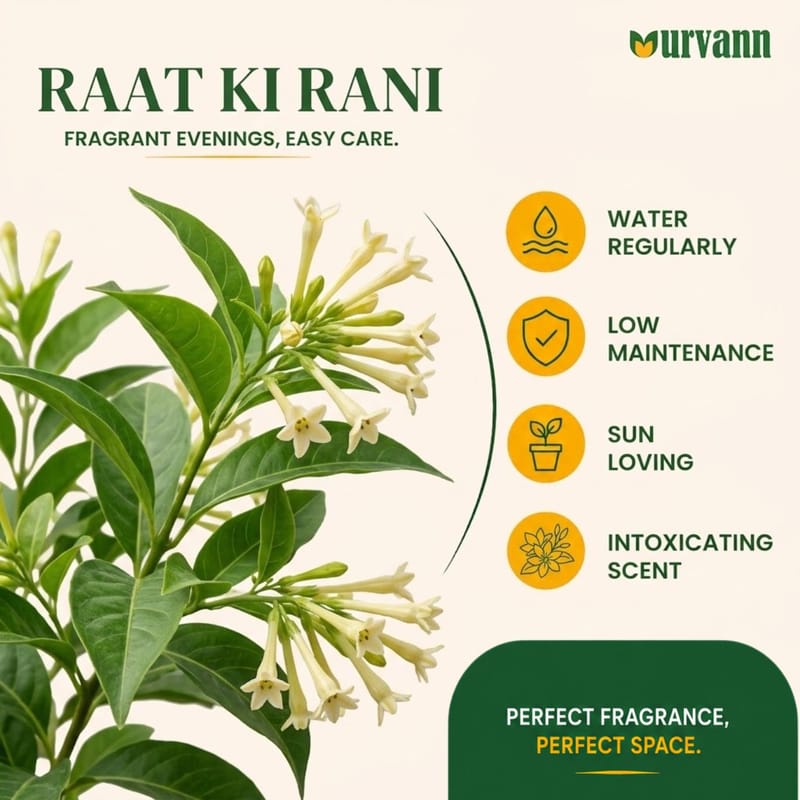
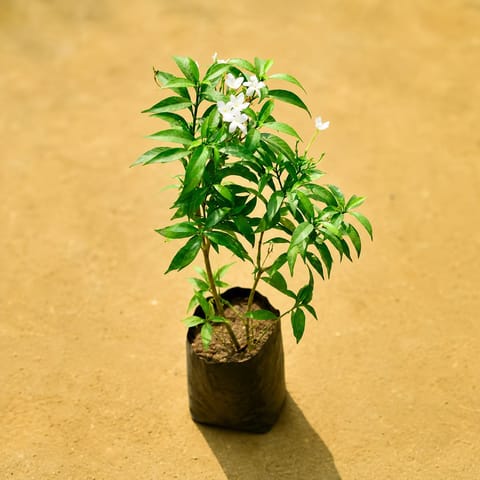
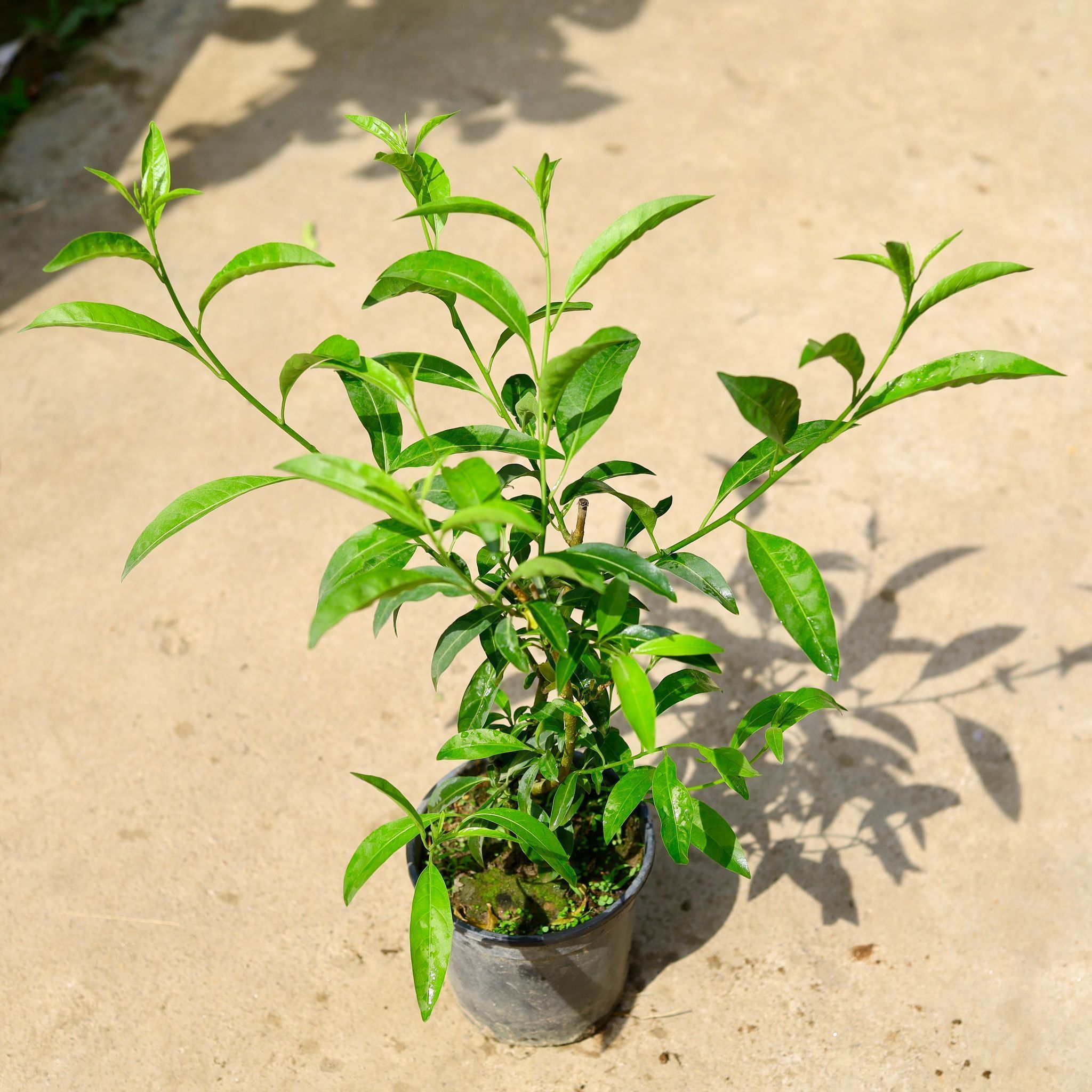
Raat Ki Rani also known as Night-Blooming Jasmine or night-blooming jessamine, Cestrum nocturnum is a fast-growing flowering shrub. Its small, pale greenish-white, tubular flowers open after sunset and release a strong, sweet fragrance that can travel across a balcony, terrace or garden.
Raat Ki Rani is a good choice when you want to enjoy fragrance where you actually spend your evenings—near an outdoor seating area, along a garden path or on a sunny, well-ventilated balcony. Despite its common name, it is not a true jasmine and it is not a climber.
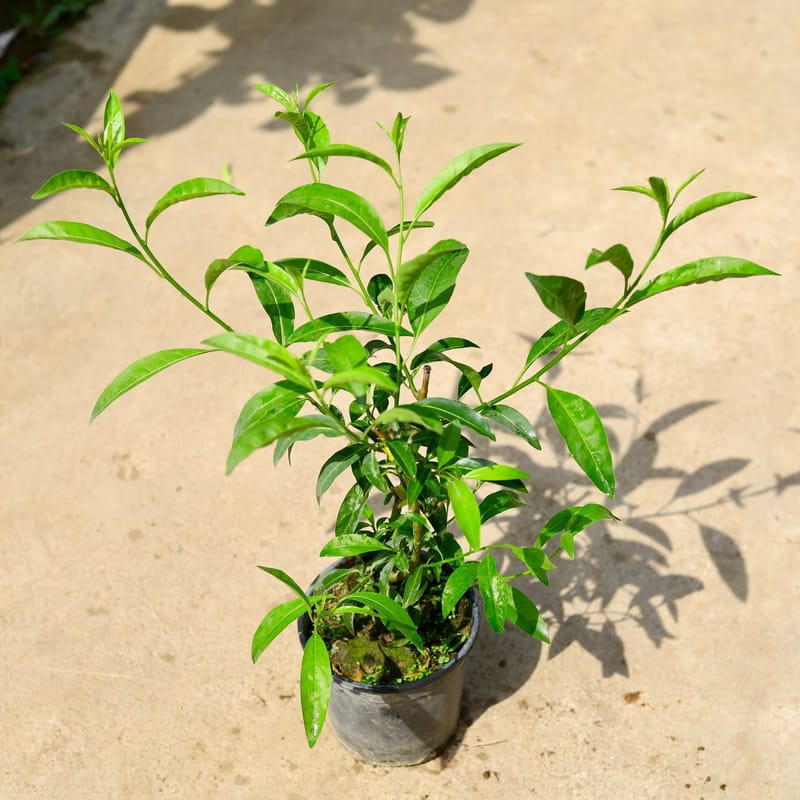
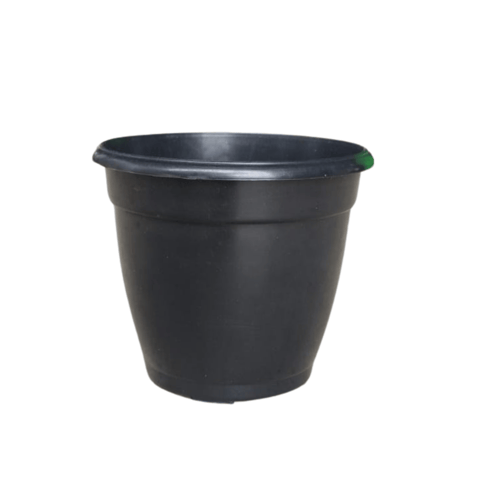
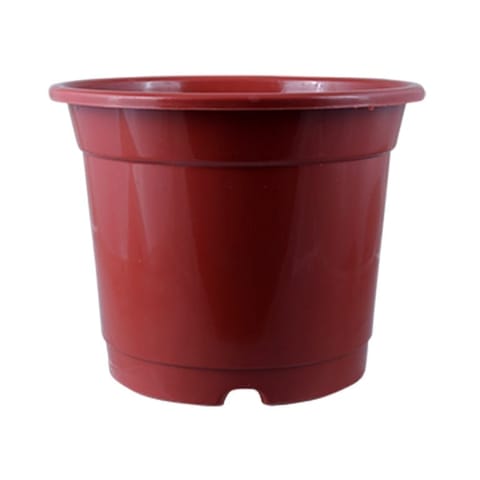
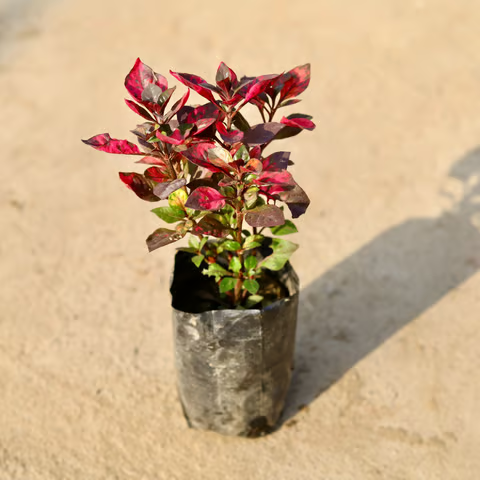
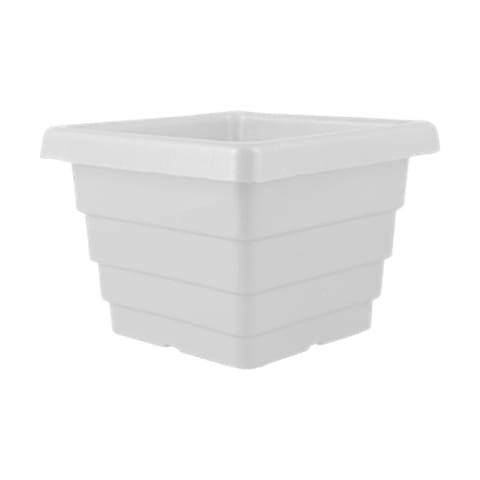
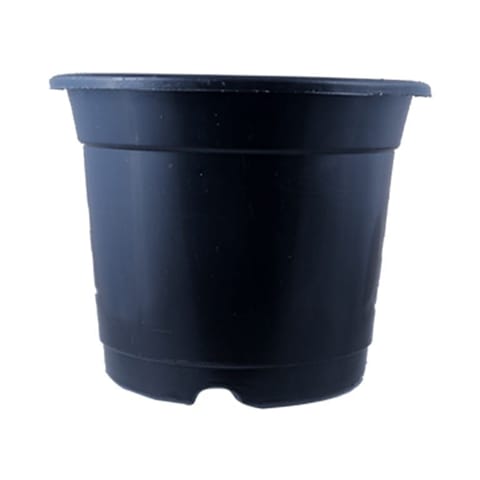
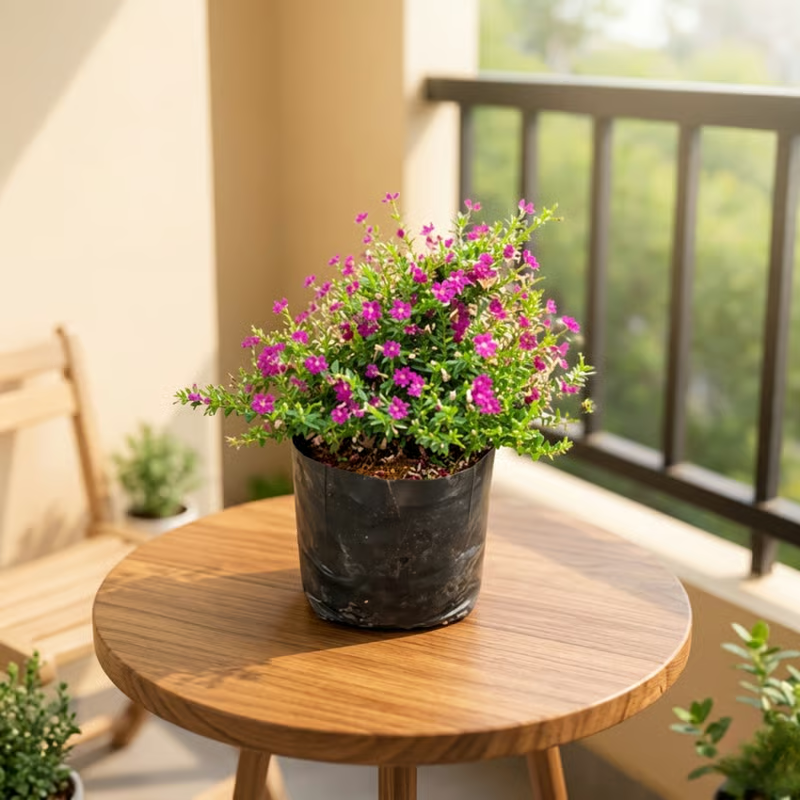
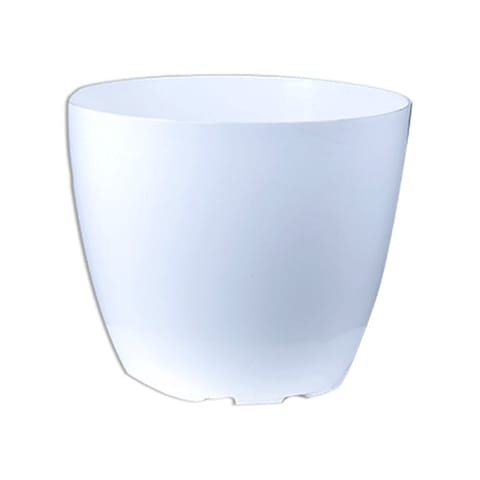
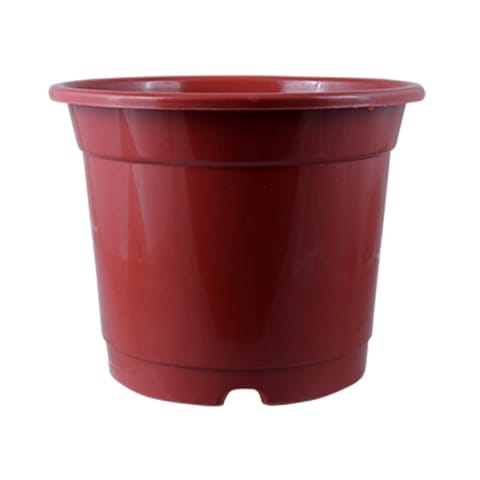
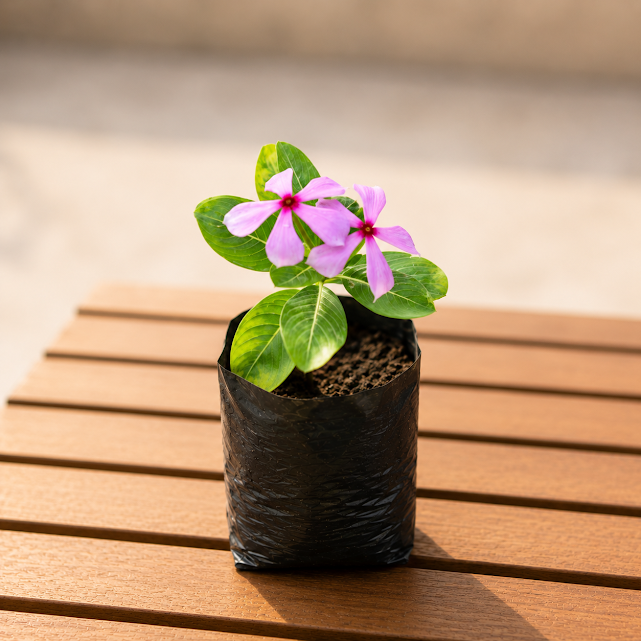
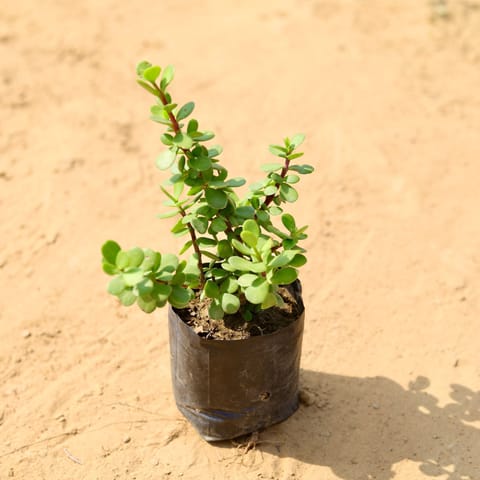
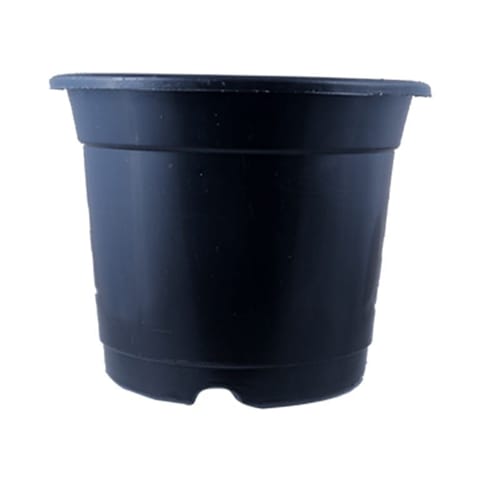
The current catalogue includes young plants in 3- and 4-inch nursery bags, a 5-inch nursery pot, and 7-inch red or white decorative plastic pots.
Note: Prices of the products may vary as per the location. Please check the final price based on your delivery address.
Raat Ki Rani is also searched as Raat Rani, Rat Rani, Ratrani, and Raat Ki Raani. In English, it is commonly called Night-Blooming Jasmine or night-blooming jessamine. If the botanical name is Cestrum nocturnum, it is the same plant.
| Language/Region | Common Name |
|---|---|
| Hindi | Raat Ki Rani, Rat Rani |
| English | Night-Blooming Jasmine |
| Bengali | Hasna Hana |
| Marathi/Konkani | Raatrani |
| Kannada | Raatri Raani |
⭐ Rated 4.8/5 by 12,340+ verified buyers
✓ Free Next-Day Delivery - Available on orders placed by 7 PM in Delhi-NCR and Bengaluru.
✓ Pan India Deliveries - Delivery timelines vary by location.
✓ Hassle-Free Replacement - 2-day replacement window if the plant arrives damaged or incorrect.
✓ Healthy, Well-Rooted Plants - Every Raat ki Rani plant is grown at Urvann Farms in the best conditions.
✓ Authentic Flowering Varieties - We stock single-petal, double-petal, and colour-specific Madhumalti Bel varieties.
✓ Complete Garden Care in One Place - Along with Raat ki Rani plants, shop for pots, fertilizers, tools, and other garden care products.
Raat Ki Rani is the Indian common name most often used for Cestrum nocturnum, a woody flowering shrub. It is commonly called Night-Blooming Jasmine or night-blooming jessamine because of its strong fragrance, although it is not a true jasmine.
It produces clusters of narrow, pale greenish-white tubular flowers that open after dusk and release an intense fragrance. The plant grows as an arching shrub and can be grown in a container or directly in well-draining soil.
Because common names can be confusing, check the botanical name Cestrum nocturnum when buying Raat Ki Rani.
Raat Ki Rani and Harsingar are both fragrant, night-blooming plants, but they are different species.
| Feature | Raat ki Rani | Harsingar (Parijat) |
|---|---|---|
| Botanical name | Cestrum nocturnum | Nyctanthes arbor-tristis |
| Flowers | Greenish-white and tubular | White with an orange centre |
| Growth habit | Arching shrub | Small tree or shrub |
| Flower behaviour | Remain on the plant | Small tree or shrub |
Raat Ki Rani is best known for its strong, sweet fragrance, which becomes more noticeable after dusk when the flowers open.
It can be grown in a large pot or directly in the ground, making it suitable for balconies, terraces, gardens, and outdoor spaces with adequate sunlight.
A healthy, mature plant can produce flowers in multiple flushes during the warmer months when grown in suitable conditions.
With regular pruning and a suitable pot, Raat Ki Rani can be maintained at a manageable size for balconies and terraces.
Once established, Raat Ki Rani can grow quickly. Light pruning helps maintain a compact shape and encourages healthy new growth.
Raat Ki Rani usually flowers during the warmer months, with climate and local temperatures affecting the exact flowering period. In mild, frost-free regions, mature plants may bloom for a longer part of the year.
In Delhi-NCR, growth and flowering generally slow during winter, while Bengaluru's milder climate can support a longer active season. Young plants may also need time to establish before flowering.
The main factors affecting flowering include:
The flowers normally begin releasing their strongest fragrance after sunset. The scent remains noticeable through the evening and night, then fades as the flowers close and morning temperatures rise. A flowering flush may continue across several nights, but the exact duration and strength vary with the number of open flowers, weather, airflow and plant health.
| Option | Best for | What to know |
|---|---|---|
| 3-inch nursery bag | Buyers who want a small starter plant | Give it time to acclimatise, then move it into a slightly larger pot with drainage |
| 4-inch nursery bag | A budget-friendly young plant for a balcony or garden | Some listings are marked “any colour”; confirm the product details before ordering |
| 5-inch nursery pot | Buyers who prefer a young plant already supplied in a nursery pot | Keep it in the original pot briefly after delivery and repot only when needed |
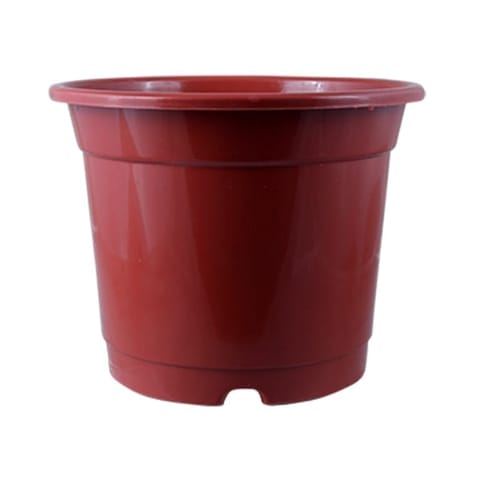
| 7-inch red plastic pot with tray | A more display-ready option for a balcony, entrance or gift | Check that the tray is emptied after watering so the roots do not remain wet |
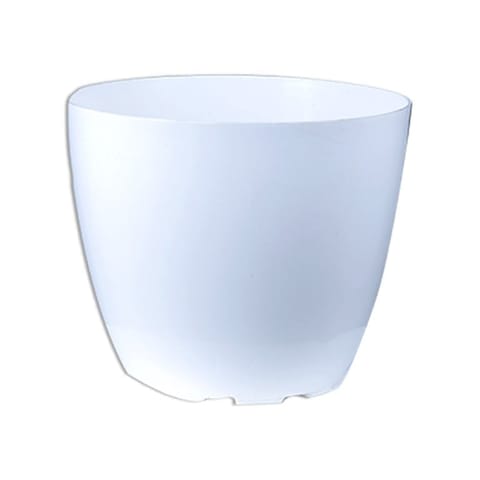
| 7-inch white plastic pot | A neutral decorative option for a balcony or terrace | Place outdoors in adequate sunlight; the decorative pot does not make the plant suitable for a low-light room |
Before you buy: Raat Ki Rani has a powerful fragrance. Keep it outdoors or in a bright, ventilated space, and avoid placing it beside a bedroom window if anyone at home is sensitive to strong scents. The plant is toxic if eaten, so keep it away from children and pets that may chew leaves or berries.
Choose the position by asking two questions: will the plant receive enough light, and where do you want to experience the fragrance?
| Space | Is Raat ki Rani Suitable? | What It Needs |
|---|---|---|
| Balcony | Yes | About 4–6 hours of sun, ventilation and room for pruning |
| Terrace | Yes | A stable, well-draining pot and more frequent summer moisture checks |
| Garden | Yes | Well-draining soil and space for a 2–4 m shrub if left unpruned |
| Near an entrance | Yes | Sufficient light and enough clearance for branches |
| Near an outdoor seating area | Yes | Place close enough to enjoy the fragrance, but not so close that it becomes overpowering |
| Near a window | Sometimes | Good outdoor light and airflow; avoid bedroom windows if anyone is scent-sensitive |
| Indoors | Usually not ideal | Strong light and ventilation are difficult to provide, and the scent can be excessive in an enclosed room |
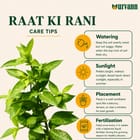
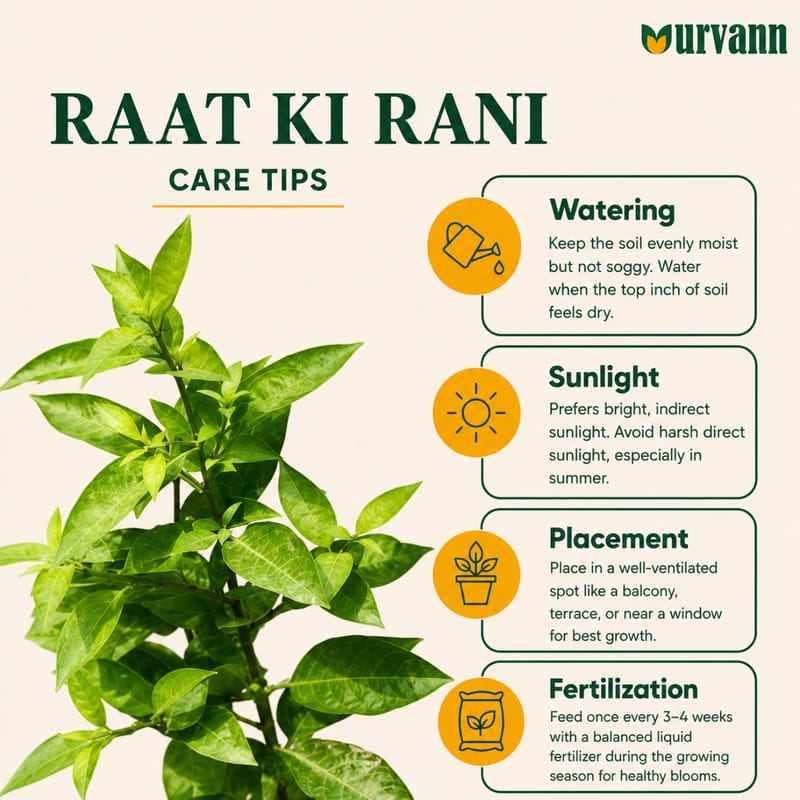
Raat Ki Rani grows best with around 4–6 hours of direct sunlight daily. Morning sunlight is ideal, while some protection from harsh afternoon sun can be helpful during extremely hot summers.
Water when the top layer of soil feels dry. Keep the soil lightly moist but avoid overwatering or leaving the pot in standing water.
Use a fertile, well-draining potting mix enriched with compost or vermicompost. The soil should retain some moisture without becoming waterlogged.
Feed the plant with compost or a balanced fertiliser during the growing season. Avoid excessive nitrogen, as it can encourage more leaves and fewer flowers.
Remove dry or weak branches and lightly prune after a flowering cycle to encourage fresh growth and maintain a compact shape.
Repot the plant when it becomes root-bound or outgrows its container. Move it gradually into a slightly larger pot with good drainage.
Raat Ki Rani prefers warm conditions and growth may slow during winter, especially in North India. Reduce watering during colder months and protect the plant from frost. Resume regular feeding when fresh growth appears in spring.
Raat Ki Rani is a shrub, not a climber. In the ground, it can grow around 2–4 metres tall under favourable conditions.
When grown in a pot and pruned regularly, it can be kept more compact, often around 1–2 metres, making it suitable for balconies, terraces, and gardens. For long-term growth, move the plant gradually into a larger pot with good drainage.
To encourage more flowers, focus on these key factors:
1. Provide enough sunlight: Aim for around 4–6 hours of direct sunlight daily.
2. Water properly: Keep the soil lightly moist but avoid overwatering.
3. Avoid excess nitrogen: Too much nitrogen can encourage leafy growth instead of flowers.
4. Prune at the right time: Light pruning after a flowering cycle can encourage fresh growth and branching.
5. Check root health: Use well-draining soil and move the plant to a larger pot if it becomes severely root-bound.
6. Be patient with young plants: A newly purchased or young plant may need time to establish before flowering heavily.
Common reasons include insufficient sunlight, a young or recently moved plant, excessive nitrogen, incorrect pruning, or poor root health. Ensure the plant receives a few hours of direct sunlight and grows in well-draining soil.
Yellow leaves can result from overwatering, poor drainage, low light, or nutrient issues. Allow the top layer of soil to dry slightly before watering again.
Drooping can happen due to dry soil, heat, or overwatering. Check the soil before watering, as adding more water to an already wet pot can worsen the problem.
The fragrance is strongest when the flowers open after sunset. Young plants with fewer blooms, cool or windy weather, and unopened buds may also make the scent seem less noticeable.
Yes. Constantly wet soil can lead to yellow leaves, wilting, and root problems. Always use a pot with proper drainage and avoid keeping the soil continuously wet.
Common pests include aphids, mealybugs, whiteflies, and spider mites. Check the leaves regularly and treat infestations early with an appropriate neem-based or horticultural product.
Choose from 3- and 4-inch nursery-bag plants, a 5-inch nursery-pot plant, or a 7-inch red or white decorative plastic pot. If you want the lowest-entry-price option and are comfortable repotting later, start with a nursery bag. If presentation matters, compare the 7-inch decorative-pot products.
Browse the available Raat Ki Rani plants above and choose the size that fits your balcony, terrace, or garden.
Raat Ki Rani is a fragrant, night-flowering woody shrub with the botanical name Cestrum nocturnum. It produces clusters of small, pale tubular flowers that open and smell strongest after sunset.
Its flowers open after dusk and release more scent at night to attract night-active pollinators. The fragrance usually weakens after morning as the flowers close and temperatures rise.
Yes. Start with a pot slightly larger than the nursery container and gradually move to a sturdy 35–45 cm (14–18 inch) pot for long-term growth. Drainage, regular moisture checks and pruning are essential in containers.
For good flowering, aim for about 4–6 hours of direct sunlight. Morning sun is ideal. In very hot summer locations, light shade during the harshest late-afternoon hours can help prevent stress.
Water when the top 2–3 cm of soil feels dry, then soak the mix thoroughly and let it drain. The interval may be short in summer and much longer in cool or rainy weather, so check the soil instead of following a fixed schedule.
Insufficient sunlight, excess nitrogen, poor drainage, recent hard pruning, root crowding or plant immaturity can delay flowers. Correct the most likely cause first and give the plant time to produce healthy new growth.
Provide 4–6 hours of sun, water only when the surface begins to dry, feed lightly with a balanced fertiliser and prune after a flowering flush rather than when buds are forming. Healthy roots and plant maturity matter as much as fertiliser.
In the ground, it can commonly grow about 2–4 m tall and spread widely. In a large pot, regular pruning can usually keep it closer to 1–2 m, depending on climate and care.
No part of the plant should be eaten. Cestrum species are considered toxic, with the berries posing a particular risk. Keep the plant out of reach of young children and pets that chew plants, and seek medical or veterinary advice if ingestion is suspected.
Some Indian households consider Raat Ki Rani auspicious because of its fragrant flowers. However, beliefs associated with the night-blooming “queen of the night” are sometimes linked to Parijat/Harsingar rather than Cestrum nocturnum. Whether you grow it for fragrance, vastu, or both is a personal choice.
No, there is no scientific evidence that Raat Ki Rani attracts snakes. Its fragrance mainly attracts night-flying moths and other pollinators. Snakes may occasionally visit areas with dense vegetation or rodents, but they are not attracted by the flower's scent.
Raat Ki Rani can bloom in several flushes during the warmer months rather than following a fixed schedule. Flowering usually slows or stops during winter, while young plants may take time to establish before blooming heavily.
Raat Ki Rani (Cestrum nocturnum) releases its fragrance mainly at night, while Din Ka Raja (Cestrum diurnum) is fragrant during the day. Both belong to the same genus and are grown for their fragrant flowers.
Bring the unmistakable evening fragrance of Raat Ki Rani to your home with healthy plants from Urvann.
Raat Ki Rani also known as Night-Blooming Jasmine or night-blooming jessamine, Cestrum nocturnum is a fast-growing flowering shrub. Its small, pale greenish-white, tubular flowers open after sunset and release a strong, sweet fragrance that can travel across a balcony, terrace or garden.
Raat Ki Rani is a good choice when you want to enjoy fragrance where you actually spend your evenings—near an outdoor seating area, along a garden path or on a sunny, well-ventilated balcony. Despite its common name, it is not a true jasmine and it is not a climber.
The current catalogue includes young plants in 3- and 4-inch nursery bags, a 5-inch nursery pot, and 7-inch red or white decorative plastic pots.
Note: Prices of the products may vary as per the location. Please check the final price based on your delivery address.
Raat Ki Rani is also searched as Raat Rani, Rat Rani, Ratrani, and Raat Ki Raani. In English, it is commonly called Night-Blooming Jasmine or night-blooming jessamine. If the botanical name is Cestrum nocturnum, it is the same plant.
| Language/Region | Common Name |
|---|---|
| Hindi | Raat Ki Rani, Rat Rani |
| English | Night-Blooming Jasmine |
| Bengali | Hasna Hana |
| Marathi/Konkani | Raatrani |
| Kannada | Raatri Raani |
⭐ Rated 4.8/5 by 12,340+ verified buyers
✓ Free Next-Day Delivery - Available on orders placed by 7 PM in Delhi-NCR and Bengaluru.
✓ Pan India Deliveries - Delivery timelines vary by location.
✓ Hassle-Free Replacement - 2-day replacement window if the plant arrives damaged or incorrect.
✓ Healthy, Well-Rooted Plants - Every Raat ki Rani plant is grown at Urvann Farms in the best conditions.
✓ Authentic Flowering Varieties - We stock single-petal, double-petal, and colour-specific Madhumalti Bel varieties.
✓ Complete Garden Care in One Place - Along with Raat ki Rani plants, shop for pots, fertilizers, tools, and other garden care products.
Raat Ki Rani is the Indian common name most often used for Cestrum nocturnum, a woody flowering shrub. It is commonly called Night-Blooming Jasmine or night-blooming jessamine because of its strong fragrance, although it is not a true jasmine.
It produces clusters of narrow, pale greenish-white tubular flowers that open after dusk and release an intense fragrance. The plant grows as an arching shrub and can be grown in a container or directly in well-draining soil.
Because common names can be confusing, check the botanical name Cestrum nocturnum when buying Raat Ki Rani.
Raat Ki Rani and Harsingar are both fragrant, night-blooming plants, but they are different species.
| Feature | Raat ki Rani | Harsingar (Parijat) |
|---|---|---|
| Botanical name | Cestrum nocturnum | Nyctanthes arbor-tristis |
| Flowers | Greenish-white and tubular | White with an orange centre |
| Growth habit | Arching shrub | Small tree or shrub |
| Flower behaviour | Remain on the plant | Small tree or shrub |
Raat Ki Rani is best known for its strong, sweet fragrance, which becomes more noticeable after dusk when the flowers open.
It can be grown in a large pot or directly in the ground, making it suitable for balconies, terraces, gardens, and outdoor spaces with adequate sunlight.
A healthy, mature plant can produce flowers in multiple flushes during the warmer months when grown in suitable conditions.
With regular pruning and a suitable pot, Raat Ki Rani can be maintained at a manageable size for balconies and terraces.
Once established, Raat Ki Rani can grow quickly. Light pruning helps maintain a compact shape and encourages healthy new growth.
Raat Ki Rani usually flowers during the warmer months, with climate and local temperatures affecting the exact flowering period. In mild, frost-free regions, mature plants may bloom for a longer part of the year.
In Delhi-NCR, growth and flowering generally slow during winter, while Bengaluru's milder climate can support a longer active season. Young plants may also need time to establish before flowering.
The main factors affecting flowering include:
The flowers normally begin releasing their strongest fragrance after sunset. The scent remains noticeable through the evening and night, then fades as the flowers close and morning temperatures rise. A flowering flush may continue across several nights, but the exact duration and strength vary with the number of open flowers, weather, airflow and plant health.
| Option | Best for | What to know |
|---|---|---|
| 3-inch nursery bag | Buyers who want a small starter plant | Give it time to acclimatise, then move it into a slightly larger pot with drainage |
| 4-inch nursery bag | A budget-friendly young plant for a balcony or garden | Some listings are marked “any colour”; confirm the product details before ordering |
| 5-inch nursery pot | Buyers who prefer a young plant already supplied in a nursery pot | Keep it in the original pot briefly after delivery and repot only when needed |
| 7-inch red plastic pot with tray | A more display-ready option for a balcony, entrance or gift | Check that the tray is emptied after watering so the roots do not remain wet |
| 7-inch white plastic pot | A neutral decorative option for a balcony or terrace | Place outdoors in adequate sunlight; the decorative pot does not make the plant suitable for a low-light room |
Before you buy: Raat Ki Rani has a powerful fragrance. Keep it outdoors or in a bright, ventilated space, and avoid placing it beside a bedroom window if anyone at home is sensitive to strong scents. The plant is toxic if eaten, so keep it away from children and pets that may chew leaves or berries.
Choose the position by asking two questions: will the plant receive enough light, and where do you want to experience the fragrance?
| Space | Is Raat ki Rani Suitable? | What It Needs |
|---|---|---|
| Balcony | Yes | About 4–6 hours of sun, ventilation and room for pruning |
| Terrace | Yes | A stable, well-draining pot and more frequent summer moisture checks |
| Garden | Yes | Well-draining soil and space for a 2–4 m shrub if left unpruned |
| Near an entrance | Yes | Sufficient light and enough clearance for branches |
| Near an outdoor seating area | Yes | Place close enough to enjoy the fragrance, but not so close that it becomes overpowering |
| Near a window | Sometimes | Good outdoor light and airflow; avoid bedroom windows if anyone is scent-sensitive |
| Indoors | Usually not ideal | Strong light and ventilation are difficult to provide, and the scent can be excessive in an enclosed room |
Raat Ki Rani grows best with around 4–6 hours of direct sunlight daily. Morning sunlight is ideal, while some protection from harsh afternoon sun can be helpful during extremely hot summers.
Water when the top layer of soil feels dry. Keep the soil lightly moist but avoid overwatering or leaving the pot in standing water.
Use a fertile, well-draining potting mix enriched with compost or vermicompost. The soil should retain some moisture without becoming waterlogged.
Feed the plant with compost or a balanced fertiliser during the growing season. Avoid excessive nitrogen, as it can encourage more leaves and fewer flowers.
Remove dry or weak branches and lightly prune after a flowering cycle to encourage fresh growth and maintain a compact shape.
Repot the plant when it becomes root-bound or outgrows its container. Move it gradually into a slightly larger pot with good drainage.
Raat Ki Rani prefers warm conditions and growth may slow during winter, especially in North India. Reduce watering during colder months and protect the plant from frost. Resume regular feeding when fresh growth appears in spring.
Raat Ki Rani is a shrub, not a climber. In the ground, it can grow around 2–4 metres tall under favourable conditions.
When grown in a pot and pruned regularly, it can be kept more compact, often around 1–2 metres, making it suitable for balconies, terraces, and gardens. For long-term growth, move the plant gradually into a larger pot with good drainage.
To encourage more flowers, focus on these key factors:
1. Provide enough sunlight: Aim for around 4–6 hours of direct sunlight daily.
2. Water properly: Keep the soil lightly moist but avoid overwatering.
3. Avoid excess nitrogen: Too much nitrogen can encourage leafy growth instead of flowers.
4. Prune at the right time: Light pruning after a flowering cycle can encourage fresh growth and branching.
5. Check root health: Use well-draining soil and move the plant to a larger pot if it becomes severely root-bound.
6. Be patient with young plants: A newly purchased or young plant may need time to establish before flowering heavily.
Common reasons include insufficient sunlight, a young or recently moved plant, excessive nitrogen, incorrect pruning, or poor root health. Ensure the plant receives a few hours of direct sunlight and grows in well-draining soil.
Yellow leaves can result from overwatering, poor drainage, low light, or nutrient issues. Allow the top layer of soil to dry slightly before watering again.
Drooping can happen due to dry soil, heat, or overwatering. Check the soil before watering, as adding more water to an already wet pot can worsen the problem.
The fragrance is strongest when the flowers open after sunset. Young plants with fewer blooms, cool or windy weather, and unopened buds may also make the scent seem less noticeable.
Yes. Constantly wet soil can lead to yellow leaves, wilting, and root problems. Always use a pot with proper drainage and avoid keeping the soil continuously wet.
Common pests include aphids, mealybugs, whiteflies, and spider mites. Check the leaves regularly and treat infestations early with an appropriate neem-based or horticultural product.
Choose from 3- and 4-inch nursery-bag plants, a 5-inch nursery-pot plant, or a 7-inch red or white decorative plastic pot. If you want the lowest-entry-price option and are comfortable repotting later, start with a nursery bag. If presentation matters, compare the 7-inch decorative-pot products.
Browse the available Raat Ki Rani plants above and choose the size that fits your balcony, terrace, or garden.
Raat Ki Rani is a fragrant, night-flowering woody shrub with the botanical name Cestrum nocturnum. It produces clusters of small, pale tubular flowers that open and smell strongest after sunset.
Its flowers open after dusk and release more scent at night to attract night-active pollinators. The fragrance usually weakens after morning as the flowers close and temperatures rise.
Yes. Start with a pot slightly larger than the nursery container and gradually move to a sturdy 35–45 cm (14–18 inch) pot for long-term growth. Drainage, regular moisture checks and pruning are essential in containers.
For good flowering, aim for about 4–6 hours of direct sunlight. Morning sun is ideal. In very hot summer locations, light shade during the harshest late-afternoon hours can help prevent stress.
Water when the top 2–3 cm of soil feels dry, then soak the mix thoroughly and let it drain. The interval may be short in summer and much longer in cool or rainy weather, so check the soil instead of following a fixed schedule.
Insufficient sunlight, excess nitrogen, poor drainage, recent hard pruning, root crowding or plant immaturity can delay flowers. Correct the most likely cause first and give the plant time to produce healthy new growth.
Provide 4–6 hours of sun, water only when the surface begins to dry, feed lightly with a balanced fertiliser and prune after a flowering flush rather than when buds are forming. Healthy roots and plant maturity matter as much as fertiliser.
In the ground, it can commonly grow about 2–4 m tall and spread widely. In a large pot, regular pruning can usually keep it closer to 1–2 m, depending on climate and care.
No part of the plant should be eaten. Cestrum species are considered toxic, with the berries posing a particular risk. Keep the plant out of reach of young children and pets that chew plants, and seek medical or veterinary advice if ingestion is suspected.
Some Indian households consider Raat Ki Rani auspicious because of its fragrant flowers. However, beliefs associated with the night-blooming “queen of the night” are sometimes linked to Parijat/Harsingar rather than Cestrum nocturnum. Whether you grow it for fragrance, vastu, or both is a personal choice.
No, there is no scientific evidence that Raat Ki Rani attracts snakes. Its fragrance mainly attracts night-flying moths and other pollinators. Snakes may occasionally visit areas with dense vegetation or rodents, but they are not attracted by the flower's scent.
Raat Ki Rani can bloom in several flushes during the warmer months rather than following a fixed schedule. Flowering usually slows or stops during winter, while young plants may take time to establish before blooming heavily.
Raat Ki Rani (Cestrum nocturnum) releases its fragrance mainly at night, while Din Ka Raja (Cestrum diurnum) is fragrant during the day. Both belong to the same genus and are grown for their fragrant flowers.