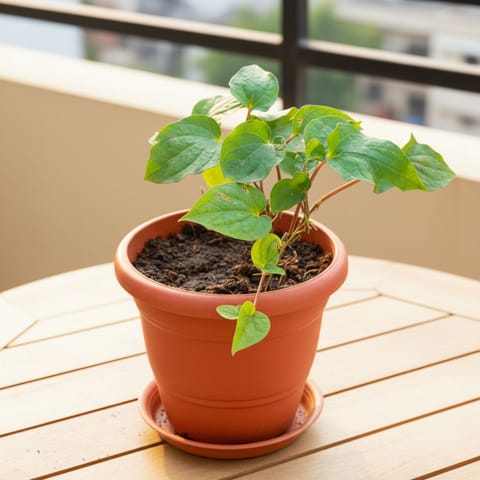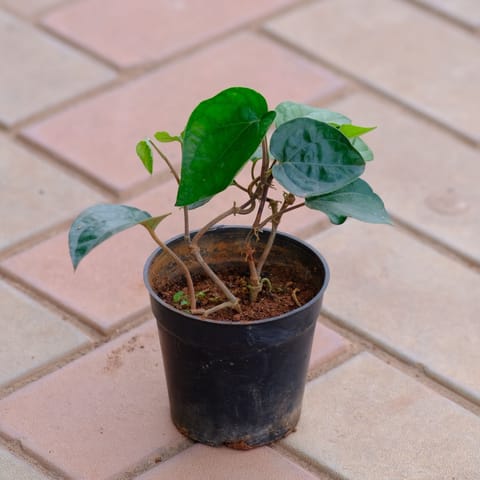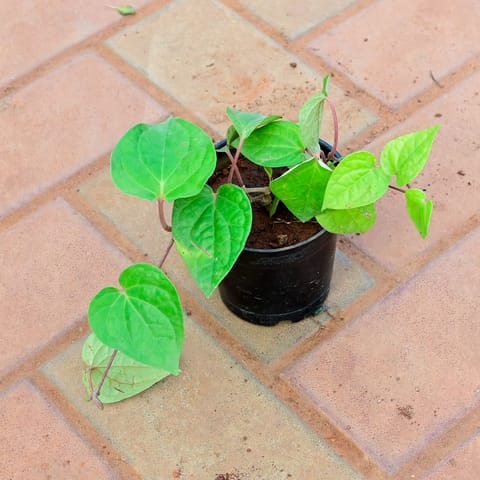

UrvannUrvann is your one-stop online nursery for plants, planters, gardening accessories, and tools. Order fresh plants and get free home delivery on the next day!https://www.urvann.com/s/6176774ef575bbd2b3331c8a/61db06dd744e78df7592f6d9/final-logo-01-1-_cropped-1-480x480.png
E-176110060DelhiIN
Urvann
E-176Delhi, IN
+919599585773https://www.urvann.com/s/6176774ef575bbd2b3331c8a/61db06dd744e78df7592f6d9/final-logo-01-1-_cropped-1-480x480.png"[email protected]
Paan Betel Collection<p>Grow your own fresh paan leaves at home with Urvann's range of betel leaf plants.</p> <p>Paan (Piper betle), also known as the betel leaf plant, is a popular tropical vine grown across India for its edible leaves. The leaves are commonly used in preparing paan, religious ceremonies, and traditional celebrations. The plant is easy to grow and thrives on balconies, terraces, and in home gardens.</p> <p>At Urvann, you can choose from Banarasi Paan, Maghai Paan, Desi Paan, and other betel leaf varieties available in nursery pots, nursery bags, and hanging planters.</p> <div style="background: #f6eddc; border: 1px solid #e2c27b; padding: 15px 20px; border-radius: 8px; margin: 25px 0;"> <p style="margin: 0;"><strong>NOTE:</strong> Prices may vary by location. Please check the final price based on your delivery address.</p> </div> <h2>Why 50,000+ Indian Plant Parents Buy Paan Plants from Urvann</h2> <p>⭐ Rated 4.8/5 by 12,340+ verified buyers</p> <p><strong>✓ Free Next-Day Delivery -&nbsp;</strong>Available on orders placed by 7 PM in Delhi-NCR and Bengaluru.<br><strong>✓ Pan India Deliveries -</strong> Delivery timelines vary by location.<br><strong>✓ Hassle-Free Replacement - </strong>2-day replacement window if the plant arrives damaged or incorrect.<br><strong>✓ Fresh, Healthy Plants - </strong>Every paan plant is nursery-grown with established roots and healthy foliage, packed carefully to retain moisture during delivery.<br><strong>✓ Multiple Paan Varieties- </strong>Multiple Paan Varieties &ndash; Banarasi, Maghai, Desi, and Big Leaf Betel plants are available with clear variety information.<br><strong>✓ Complete Garden Care in One Place - </strong>Along with paan plants, you can also get pots, cocopeat, fertilizers, and gardening tools in one place.</p> <h2><br>What Is the Paan Plant?</h2> <p>Paan (Piper betle), also known as the Betel Leaf Plant, is a fast-growing vine grown for its edible, heart-shaped leaves. It is widely used across India in paan, religious ceremonies, and traditional celebrations.</p> <p>The plant has glossy green leaves and grows well in warm, humid conditions. It can be grown in pots, hanging planters, balconies, terraces, and home gardens with proper support.</p> <h2><br>Types of Paan Plants Available at Urvann</h2> <p>There are many varieties of betel leaf plants grown across India. Each variety differs in leaf size, flavour, and regional popularity.</p> <h3>1. Banarasi Paan Plant</h3> <p>Banarasi Paan is one of the most popular paan varieties in India. It is known for its large, soft leaves and mild flavour. This variety is commonly used to prepare meetha paan and is widely grown in Uttar Pradesh. It is available at Urvann as a potted plant for home gardens and balconies.</p> <h3>2. Maghai Paan Plant</h3> <p>Maghai Paan, also known as Magahi Paan, comes from the Magadh region of Bihar. It is known for its aromatic leaves and stronger flavour. The leaves are usually smaller than Banarasi Paan leaves. This variety is popular across North and East India. In some regions, it is also known as Naagar Vel or Vidyache Paan.</p> <h3>3. Desi Paan Plant</h3> <p>Desi Paan refers to locally grown betel leaf varieties that grow well in Indian conditions. These plants are vigorous growers and adapt easily to pots, balconies, and home gardens. The leaves generally have a stronger flavour than Banarasi Paan.</p> <h3>4. Kolkata Paan Plant</h3> <p>Kolkata Paan, also known as Calcutta Paan, is a large-leaf variety popular in West Bengal. It is valued for its mild and slightly sweet flavour. In Bengali, the betel plant is called Pan Gach. The leaves are also commonly used in traditional Bengali ceremonies and weddings.</p> <h3>5. Big Leaf and Small Leaf Betel Varieties</h3> <p>Urvann also offers betel leaf plants selected for leaf size. Large-leaf varieties are commonly used for culinary and traditional purposes. Small-leaf varieties are ideal for compact spaces, pots, and ornamental growing.</p> <h2><br>Paan Leaf Benefits and Uses</h2> <h3>1. Cultural and Religious Significance</h3> <p>Betel leaves have an important place in Indian culture and traditions. They are commonly used in Hindu poojas and offered to deities. Betel leaves are also used in many wedding ceremonies and traditional celebrations.</p> <p>In Assam, paan and betel nut are often offered at marriage functions. In Bengali weddings, the bride traditionally enters the mandap holding betel leaves. Across South India, paan and supari are commonly included in return gifts during festivals and religious events.</p> <h3>2. Mouth Freshener and Digestive Aid</h3> <p>Paan leaves have been used as a natural mouth freshener for generations. They contain essential oils, including eugenol, which give the leaves their distinctive flavour and aroma. Betel leaves are also traditionally consumed to support digestion.</p> <h3>3. Antioxidants and Traditional Uses</h3> <p>Betel leaves contain antioxidants, phenols, and essential oils. They have been studied for their antibacterial and anti-inflammatory properties. In Ayurveda, betel leaves have traditionally been used in remedies related to oral health, skin care, and digestion. Any medicinal use should be explored under proper guidance.</p> <h3>4. Edible Vine for Home Gardens</h3> <p>The paan plant is an edible climbing vine that grows well in Indian home gardens. It can be grown in pots, hanging planters, on moss poles, or along balcony railings. Home-grown leaves are often fresher, more aromatic, and free from preservatives.</p> <h2><br>Paan Plant Care Guide</h2> <h3>Light</h3> <p>Paan plants grow best in bright indirect light or partial shade. Place them in an east-facing or north-facing balcony, window, or garden area where they receive a few hours of morning sunlight. Avoid strong afternoon sun, as it can damage the leaves. In outdoor gardens, paan plants grow well under the shade of larger plants or trees.</p> <h3>Watering</h3> <p>Water the plant regularly and keep the soil evenly moist. Do not allow the soil to dry out completely. At the same time, avoid waterlogging, as it can lead to root rot.</p> <p>During summer, the plant may need daily watering depending on weather conditions and pot size. In winter and monsoon, water only when the top layer of soil starts to dry. Always empty excess water from the drainage tray after watering.</p> <p>If the soil becomes very dry, water slowly in two or three rounds so the potting mix can absorb moisture properly.</p> <h3>Soil</h3> <p>Use a rich, well-draining potting mix. A blend of garden soil, cocopeat, and compost works well for paan plants grown in containers. Make sure the pot has enough drainage holes to prevent excess water from collecting around the roots.</p> <h3>Fertilizing</h3> <p>Feed the plant every 3 to 4 weeks during the active growing season. Use a balanced organic fertilizer or liquid plant food. Regular feeding helps produce larger leaves and encourages healthy vine growth.</p> <h3>Support Structure</h3> <p>Paan is a climbing vine and grows best with support. Use a moss stick, trellis, bamboo stake, or balcony railing to guide the plant upward. Providing support encourages faster growth and a fuller plant.</p> <h3>Pruning</h3> <p>Prune the plant regularly to maintain a bushy shape. Pinch the growing tips to encourage new branches and increase leaf production.</p> <h3>Pest Control</h3> <p>Paan plants can occasionally attract red spider mites. Remove any visible pests and spray the plant with diluted neem oil if needed.</p> <p>Leaf blight may sometimes appear as brown or black spots on the leaves. Remove affected leaves and improve air circulation around the plant to help prevent the problem from spreading.</p> <h2><br>How to Propagate Paan Plants at Home</h2> <p>Betel leaf plants are very easy to propagate at home from stem cuttings.</p> <ul> <li>Take a healthy stem cutting of 5 to 6 inches with 2 to 3 leaf nodes.</li> <li>Remove the lowest leaves, retaining only the top 1 to 2 leaves.</li> <li>Place the cutting in a glass of water in a well-lit, warm location.</li> <li>Roots will typically emerge within 10 to 14 days.</li> <li>Once roots are 2 to 3 cm long, transplant into a pot with moist, well-draining potting mix.</li> </ul> <p>Stem cuttings from healthy Banarasi, Maghai, or Desi paan plants root readily and can be used to expand your collection or share with family members.</p> <h2><br>How To Keep Paan Leaves Fresh at Home</h2> <p>If you are harvesting leaves from your home paan plant for immediate use, pick leaves in the morning when they are most hydrated.</p> <p>To store fresh paan leaves for longer: wrap harvested leaves loosely in a damp newspaper or cloth and refrigerate. Stored this way, paan leaves stay fresh for 2 to 3 days. For longer storage, keep the entire plant healthy and harvest leaves as needed rather than storing large quantities at once.</p> <h2><br>Buy Paan Plant Online from Urvann</h2> <p>Buying a paan plant online from Urvann gives you access to healthy, nursery-grown betel leaf plants in multiple varieties, including Banarasi, Maghai, Desi, and both large- and small-leaf types, delivered directly to your doorstep.</p> <p>All plants are available for free next-day delivery in Delhi-NCR and Bengaluru on orders placed by 7 PM. Pan India delivery is also available.</p> <h2><br>Frequently Asked Questions (FAQs)</h2> <h3>1. What is the paan plant?</h3> <p>The paan plant (Piper betle) is an evergreen tropical vine grown for its large, glossy, heart-shaped leaves. It is widely used in India as a mouth freshener, in religious ceremonies and wedding rituals, and in traditional Ayurvedic practices.</p> <h3>2. What is the paan plant called in English?</h3> <p>The paan plant is called the Betel Leaf Plant or Betel Vine in English. Its botanical name is Piper betle, and it belongs to the pepper family (Piperaceae).</p> <h3>3. What are the types of betel leaf (paan) available?</h3> <p>Popular varieties include Banarasi Paan, Maghai Paan, Desi Paan, and Kolkata Paan. Banarasi Paan is known for its large, mild-flavoured leaves. Maghai Paan is aromatic and stronger in flavour. Desi Paan is hardy and fast-growing, while Kolkata Paan is valued for its large leaves and mild taste. Urvann offers Banarasi, Maghai, Desi, and big and small leaf betel varieties.</p> <h3>4. What is paan called in Marathi?</h3> <p>In Marathi, the paan plant is called Nagarvel or Naagar Vel (नागरवेल). The Maghai variety is also known as Vidyache Paan in some regions.</p> <h3>5. What is paan called in Telugu?</h3> <p>In Telugu, the betel leaf plant is called Tamalapaku (తమలపాకు). The plant is also referred to as Tamalapaku Chettu.</p> <h3>6. What is paan called in Bengali?</h3> <p>In Bengali, the paan plant is called Pan Gach (পান গাছ), and the leaf is known as Pan Pata. Kolkata Paan is one of the most popular varieties grown in West Bengal.</p> <h3>7. Can paan plants be grown at home?</h3> <p>Yes. Paan plants grow well in pots, hanging planters, and balcony containers. They prefer bright indirect light, moist soil, and a support structure for climbing.</p> <h3>8. How do you care for a paan plant?</h3> <p>Paan plants need bright indirect light, moist but well-draining soil, regular feeding every 3 to 4 weeks, and support for climbing. Water more frequently during summer and prune regularly to encourage bushy growth.</p> <h3>9. Do paan plants need direct sunlight?</h3> <p>No. Paan plants grow best in bright indirect light or gentle morning sunlight. Strong afternoon sun can damage the leaves. An east-facing or north-facing balcony is usually ideal.</p> <h3>10. How long does a paan leaf last after harvesting?</h3> <p>Freshly harvested paan leaves usually last 2 to 3 days at room temperature. When wrapped in a damp cloth or newspaper and stored in the refrigerator, they can stay fresh for up to 3 to 4 days.</p> <h3>11. How do I propagate a paan plant at home?</h3> <p>To propagate a plant at home, take a 5 to 6-inch stem cutting with 2 to 3 nodes. Remove the lower leaves and place the cutting in water. Once roots develop, transfer it to a pot filled with moist potting mix.</p> <h3>12. What is Banarasi paan plant?</h3> <p>Banarasi Paan is a betel leaf variety known for its large, soft, and mildly flavoured leaves. It is commonly used to prepare sweet paan and is widely grown in Uttar Pradesh.</p> <h3>13. What is Maghai paan plant?</h3> <p>Maghai Paan, also called Magahi Paan, comes from the Magadh region of Bihar. It is known for its aromatic leaves and stronger flavour and is considered one of the finest paan varieties in India.</p>

Shop

Paan Betel Collection

Grow your own fresh paan leaves at home with Urvann's range of betel leaf plants.

Paan (Pipe...
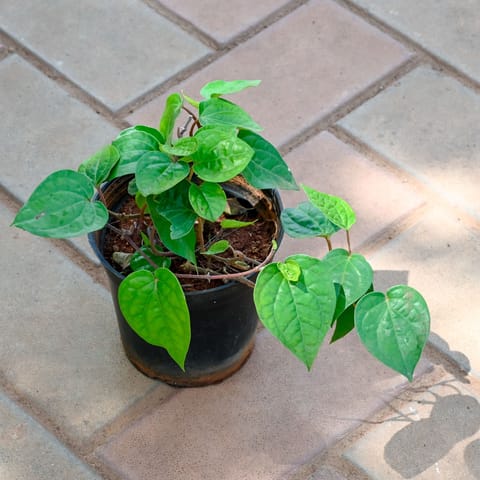
Grow your own fresh paan leaves at home with Urvann's range of betel leaf plants.

Paan (Piper betle), also known as the betel leaf plant, is a popular tropical vine grown across India for its edible leaves. The leaves are commonly used in preparing paan, religious ceremonies, and traditional celebrations. The plant is easy to grow and thrives on balconies, terraces, and in home gardens.

At Urvann, you can choose from Banarasi Paan, Maghai Paan, Desi Paan, and other betel leaf varieties available in nursery pots, nursery bags, and hanging planters.

NOTE: Prices may vary by location. Please check the final price based on your delivery address.

Why 50,000+ Indian Plant Parents Buy Paan Plants from Urvann

⭐ Rated 4.8/5 by 12,340+ verified buyers

✓ Free Next-Day Delivery - Available on orders placed by 7 PM in Delhi-NCR and Bengaluru.
✓ Pan India Deliveries - Delivery timelines vary by location.
✓ Hassle-Free Replacement - 2-day replacement window if the plant arrives damaged or incorrect.
✓ Fresh, Healthy Plants - Every paan plant is nursery-grown with established roots and healthy foliage, packed carefully to retain moisture during delivery.
✓ Multiple Paan Varieties- Multiple Paan Varieties – Banarasi, Maghai, Desi, and Big Leaf Betel plants are available with clear variety information.
✓ Complete Garden Care in One Place - Along with paan plants, you can also get pots, cocopeat, fertilizers, and gardening tools in one place.


What Is the Paan Plant?

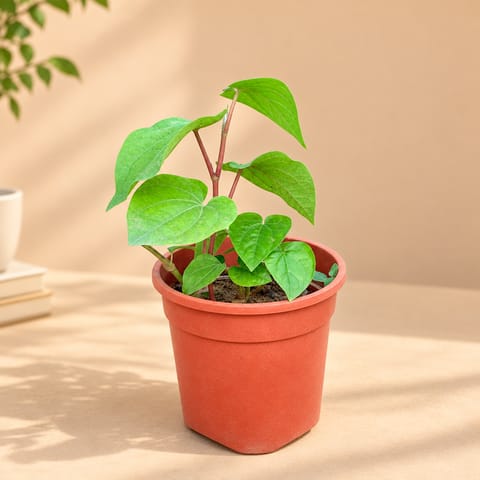
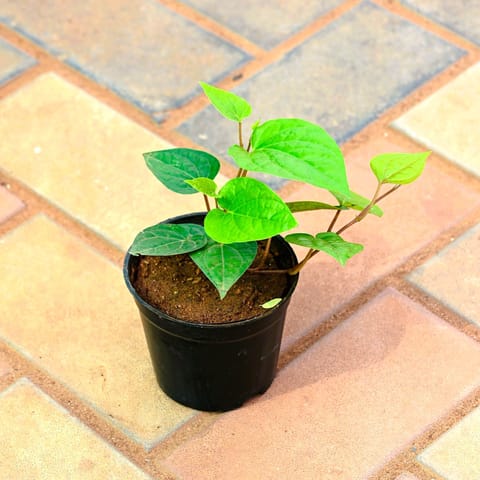
Paan (Piper betle), also known as the Betel Leaf Plant, is a fast-growing vine grown for its edible, heart-shaped leaves. It is widely used across India in paan, religious ceremonies, and traditional celebrations.

The plant has glossy green leaves and grows well in warm, humid conditions. It can be grown in pots, hanging planters, balconies, terraces, and home gardens with proper support.


Types of Paan Plants Available at Urvann

There are many varieties of betel leaf plants grown across India. Each variety differs in leaf size, flavour, and regional popularity.

1. Banarasi Paan Plant

Banarasi Paan is one of the most popular paan varieties in India. It is known for its large, soft leaves and mild flavour. This variety is commonly used to prepare meetha paan and is widely grown in Uttar Pradesh. It is available at Urvann as a potted plant for home gardens and balconies.

2. Maghai Paan Plant

Maghai Paan, also known as Magahi Paan, comes from the Magadh region of Bihar. It is known for its aromatic leaves and stronger flavour. The leaves are usually smaller than Banarasi Paan leaves. This variety is popular across North and East India. In some regions, it is also known as Naagar Vel or Vidyache Paan.

3. Desi Paan Plant

Desi Paan refers to locally grown betel leaf varieties that grow well in Indian conditions. These plants are vigorous growers and adapt easily to pots, balconies, and home gardens. The leaves generally have a stronger flavour than Banarasi Paan.

4. Kolkata Paan Plant

Kolkata Paan, also known as Calcutta Paan, is a large-leaf variety popular in West Bengal. It is valued for its mild and slightly sweet flavour. In Bengali, the betel plant is called Pan Gach. The leaves are also commonly used in traditional Bengali ceremonies and weddings.

5. Big Leaf and Small Leaf Betel Varieties

Urvann also offers betel leaf plants selected for leaf size. Large-leaf varieties are commonly used for culinary and traditional purposes. Small-leaf varieties are ideal for compact spaces, pots, and ornamental growing.


Paan Leaf Benefits and Uses

1. Cultural and Religious Significance

Betel leaves have an important place in Indian culture and traditions. They are commonly used in Hindu poojas and offered to deities. Betel leaves are also used in many wedding ceremonies and traditional celebrations.

In Assam, paan and betel nut are often offered at marriage functions. In Bengali weddings, the bride traditionally enters the mandap holding betel leaves. Across South India, paan and supari are commonly included in return gifts during festivals and religious events.

2. Mouth Freshener and Digestive Aid

Paan leaves have been used as a natural mouth freshener for generations. They contain essential oils, including eugenol, which give the leaves their distinctive flavour and aroma. Betel leaves are also traditionally consumed to support digestion.

3. Antioxidants and Traditional Uses

Betel leaves contain antioxidants, phenols, and essential oils. They have been studied for their antibacterial and anti-inflammatory properties. In Ayurveda, betel leaves have traditionally been used in remedies related to oral health, skin care, and digestion. Any medicinal use should be explored under proper guidance.

4. Edible Vine for Home Gardens

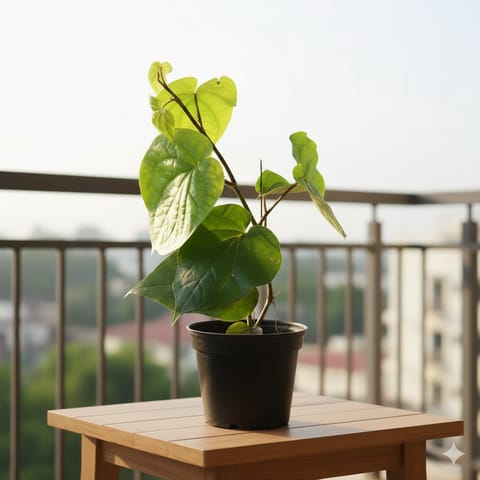
The paan plant is an edible climbing vine that grows well in Indian home gardens. It can be grown in pots, hanging planters, on moss poles, or along balcony railings. Home-grown leaves are often fresher, more aromatic, and free from preservatives.


Paan Plant Care Guide

Light

Paan plants grow best in bright indirect light or partial shade. Place them in an east-facing or north-facing balcony, window, or garden area where they receive a few hours of morning sunlight. Avoid strong afternoon sun, as it can damage the leaves. In outdoor gardens, paan plants grow well under the shade of larger plants or trees.

Watering

Water the plant regularly and keep the soil evenly moist. Do not allow the soil to dry out completely. At the same time, avoid waterlogging, as it can lead to root rot.

During summer, the plant may need daily watering depending on weather conditions and pot size. In winter and monsoon, water only when the top layer of soil starts to dry. Always empty excess water from the drainage tray after watering.

If the soil becomes very dry, water slowly in two or three rounds so the potting mix can absorb moisture properly.

Soil

Use a rich, well-draining potting mix. A blend of garden soil, cocopeat, and compost works well for paan plants grown in containers. Make sure the pot has enough drainage holes to prevent excess water from collecting around the roots.

Fertilizing

Feed the plant every 3 to 4 weeks during the active growing season. Use a balanced organic fertilizer or liquid plant food. Regular feeding helps produce larger leaves and encourages healthy vine growth.

Support Structure

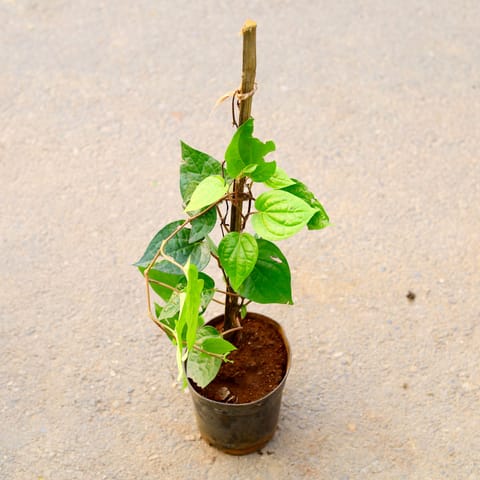
Paan is a climbing vine and grows best with support. Use a moss stick, trellis, bamboo stake, or balcony railing to guide the plant upward. Providing support encourages faster growth and a fuller plant.

Pruning

Prune the plant regularly to maintain a bushy shape. Pinch the growing tips to encourage new branches and increase leaf production.

Pest Control

Paan plants can occasionally attract red spider mites. Remove any visible pests and spray the plant with diluted neem oil if needed.

Leaf blight may sometimes appear as brown or black spots on the leaves. Remove affected leaves and improve air circulation around the plant to help prevent the problem from spreading.


How to Propagate Paan Plants at Home

Betel leaf plants are very easy to propagate at home from stem cuttings.

  • Take a healthy stem cutting of 5 to 6 inches with 2 to 3 leaf nodes.
  • Remove the lowest leaves, retaining only the top 1 to 2 leaves.
  • Place the cutting in a glass of water in a well-lit, warm location.
  • Roots will typically emerge within 10 to 14 days.
  • Once roots are 2 to 3 cm long, transplant into a pot with moist, well-draining potting mix.

Stem cuttings from healthy Banarasi, Maghai, or Desi paan plants root readily and can be used to expand your collection or share with family members.


How To Keep Paan Leaves Fresh at Home

If you are harvesting leaves from your home paan plant for immediate use, pick leaves in the morning when they are most hydrated.

To store fresh paan leaves for longer: wrap harvested leaves loosely in a damp newspaper or cloth and refrigerate. Stored this way, paan leaves stay fresh for 2 to 3 days. For longer storage, keep the entire plant healthy and harvest leaves as needed rather than storing large quantities at once.


Buy Paan Plant Online from Urvann

Buying a paan plant online from Urvann gives you access to healthy, nursery-grown betel leaf plants in multiple varieties, including Banarasi, Maghai, Desi, and both large- and small-leaf types, delivered directly to your doorstep.

All plants are available for free next-day delivery in Delhi-NCR and Bengaluru on orders placed by 7 PM. Pan India delivery is also available.


Frequently Asked Questions (FAQs)

1. What is the paan plant?

The paan plant (Piper betle) is an evergreen tropical vine grown for its large, glossy, heart-shaped leaves. It is widely used in India as a mouth freshener, in religious ceremonies and wedding rituals, and in traditional Ayurvedic practices.

2. What is the paan plant called in English?

The paan plant is called the Betel Leaf Plant or Betel Vine in English. Its botanical name is Piper betle, and it belongs to the pepper family (Piperaceae).

3. What are the types of betel leaf (paan) available?

Popular varieties include Banarasi Paan, Maghai Paan, Desi Paan, and Kolkata Paan. Banarasi Paan is known for its large, mild-flavoured leaves. Maghai Paan is aromatic and stronger in flavour. Desi Paan is hardy and fast-growing, while Kolkata Paan is valued for its large leaves and mild taste. Urvann offers Banarasi, Maghai, Desi, and big and small leaf betel varieties.

4. What is paan called in Marathi?

In Marathi, the paan plant is called Nagarvel or Naagar Vel (नागरवेल). The Maghai variety is also known as Vidyache Paan in some regions.

5. What is paan called in Telugu?

In Telugu, the betel leaf plant is called Tamalapaku (తమలపాకు). The plant is also referred to as Tamalapaku Chettu.

6. What is paan called in Bengali?

In Bengali, the paan plant is called Pan Gach (পান গাছ), and the leaf is known as Pan Pata. Kolkata Paan is one of the most popular varieties grown in West Bengal.

7. Can paan plants be grown at home?

Yes. Paan plants grow well in pots, hanging planters, and balcony containers. They prefer bright indirect light, moist soil, and a support structure for climbing.

8. How do you care for a paan plant?

Paan plants need bright indirect light, moist but well-draining soil, regular feeding every 3 to 4 weeks, and support for climbing. Water more frequently during summer and prune regularly to encourage bushy growth.

9. Do paan plants need direct sunlight?

No. Paan plants grow best in bright indirect light or gentle morning sunlight. Strong afternoon sun can damage the leaves. An east-facing or north-facing balcony is usually ideal.

10. How long does a paan leaf last after harvesting?

Freshly harvested paan leaves usually last 2 to 3 days at room temperature. When wrapped in a damp cloth or newspaper and stored in the refrigerator, they can stay fresh for up to 3 to 4 days.

11. How do I propagate a paan plant at home?

To propagate a plant at home, take a 5 to 6-inch stem cutting with 2 to 3 nodes. Remove the lower leaves and place the cutting in water. Once roots develop, transfer it to a pot filled with moist potting mix.

12. What is Banarasi paan plant?

Banarasi Paan is a betel leaf variety known for its large, soft, and mildly flavoured leaves. It is commonly used to prepare sweet paan and is widely grown in Uttar Pradesh.

13. What is Maghai paan plant?

Maghai Paan, also called Magahi Paan, comes from the Magadh region of Bihar. It is known for its aromatic leaves and stronger flavour and is considered one of the finest paan varieties in India.


Showing 24 of 56 products
Trending
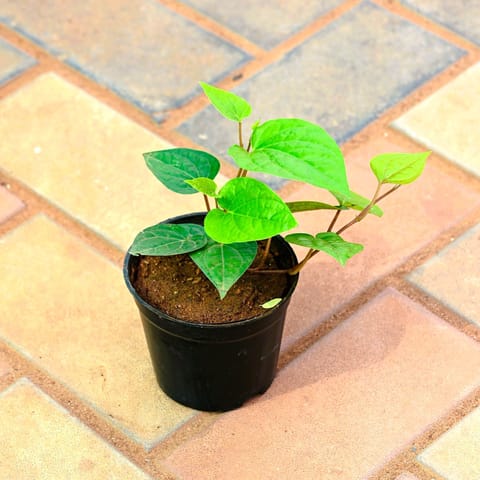
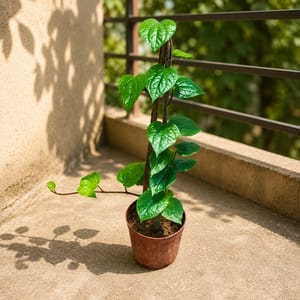
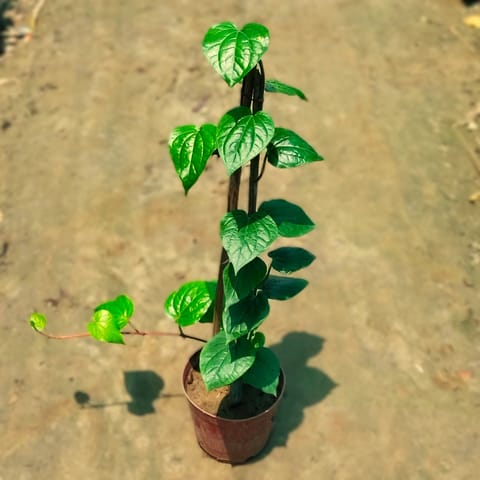
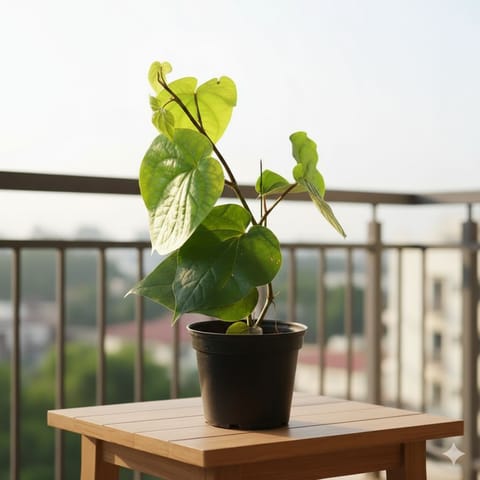
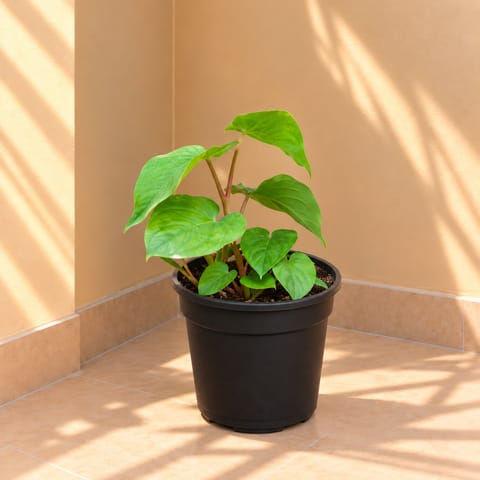
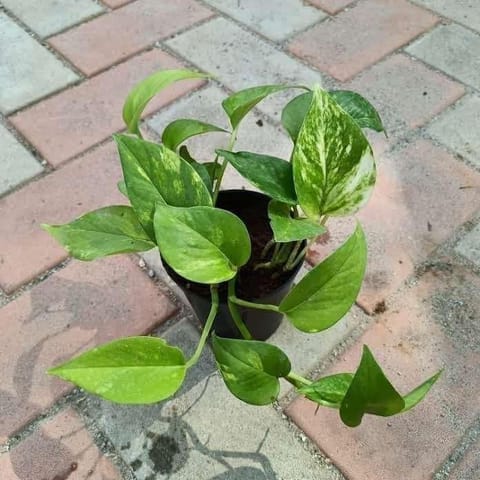
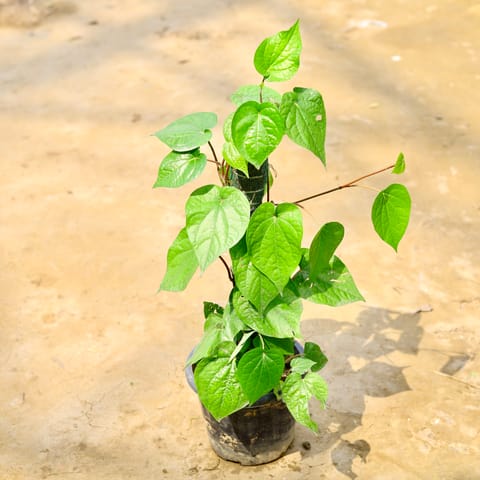
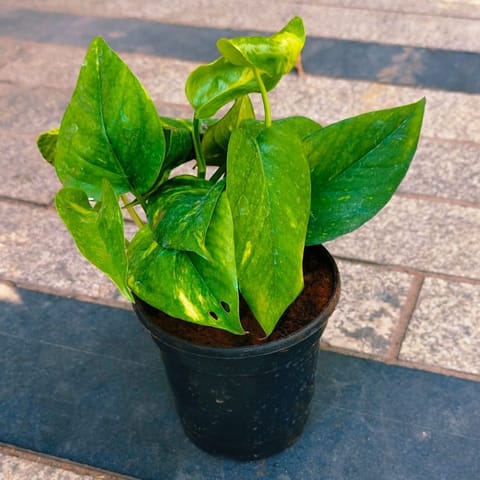
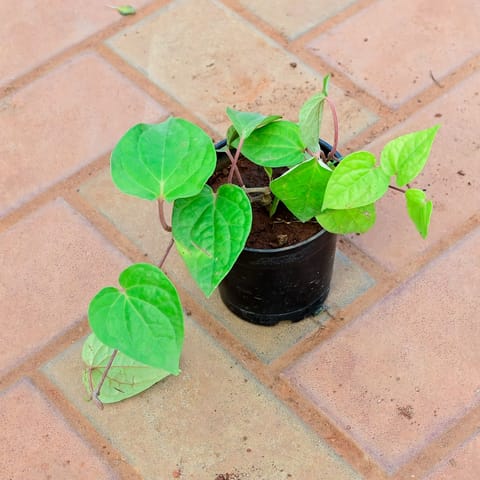
Paan / Betel Leaf in 4 Inch Nursery Pot
(25)
₹139₹659 -78%
(30)
₹79₹239 -66%
(51)
₹79₹329 -75%

Grow your own fresh paan leaves at home with Urvann's range of betel leaf plants.

Paan (Piper betle), also known as the betel leaf plant, is a popular tropical vine grown across India for its edible leaves. The leaves are commonly used in preparing paan, religious ceremonies, and traditional celebrations. The plant is easy to grow and thrives on balconies, terraces, and in home gardens.

At Urvann, you can choose from Banarasi Paan, Maghai Paan, Desi Paan, and other betel leaf varieties available in nursery pots, nursery bags, and hanging planters.

NOTE: Prices may vary by location. Please check the final price based on your delivery address.

Why 50,000+ Indian Plant Parents Buy Paan Plants from Urvann

⭐ Rated 4.8/5 by 12,340+ verified buyers

✓ Free Next-Day Delivery - Available on orders placed by 7 PM in Delhi-NCR and Bengaluru.
✓ Pan India Deliveries - Delivery timelines vary by location.
✓ Hassle-Free Replacement - 2-day replacement window if the plant arrives damaged or incorrect.
✓ Fresh, Healthy Plants - Every paan plant is nursery-grown with established roots and healthy foliage, packed carefully to retain moisture during delivery.
✓ Multiple Paan Varieties- Multiple Paan Varieties – Banarasi, Maghai, Desi, and Big Leaf Betel plants are available with clear variety information.
✓ Complete Garden Care in One Place - Along with paan plants, you can also get pots, cocopeat, fertilizers, and gardening tools in one place.


What Is the Paan Plant?

Paan (Piper betle), also known as the Betel Leaf Plant, is a fast-growing vine grown for its edible, heart-shaped leaves. It is widely used across India in paan, religious ceremonies, and traditional celebrations.

The plant has glossy green leaves and grows well in warm, humid conditions. It can be grown in pots, hanging planters, balconies, terraces, and home gardens with proper support.


Types of Paan Plants Available at Urvann

There are many varieties of betel leaf plants grown across India. Each variety differs in leaf size, flavour, and regional popularity.

1. Banarasi Paan Plant

Banarasi Paan is one of the most popular paan varieties in India. It is known for its large, soft leaves and mild flavour. This variety is commonly used to prepare meetha paan and is widely grown in Uttar Pradesh. It is available at Urvann as a potted plant for home gardens and balconies.

2. Maghai Paan Plant

Maghai Paan, also known as Magahi Paan, comes from the Magadh region of Bihar. It is known for its aromatic leaves and stronger flavour. The leaves are usually smaller than Banarasi Paan leaves. This variety is popular across North and East India. In some regions, it is also known as Naagar Vel or Vidyache Paan.

3. Desi Paan Plant

Desi Paan refers to locally grown betel leaf varieties that grow well in Indian conditions. These plants are vigorous growers and adapt easily to pots, balconies, and home gardens. The leaves generally have a stronger flavour than Banarasi Paan.

4. Kolkata Paan Plant

Kolkata Paan, also known as Calcutta Paan, is a large-leaf variety popular in West Bengal. It is valued for its mild and slightly sweet flavour. In Bengali, the betel plant is called Pan Gach. The leaves are also commonly used in traditional Bengali ceremonies and weddings.

5. Big Leaf and Small Leaf Betel Varieties

Urvann also offers betel leaf plants selected for leaf size. Large-leaf varieties are commonly used for culinary and traditional purposes. Small-leaf varieties are ideal for compact spaces, pots, and ornamental growing.


Paan Leaf Benefits and Uses

1. Cultural and Religious Significance

Betel leaves have an important place in Indian culture and traditions. They are commonly used in Hindu poojas and offered to deities. Betel leaves are also used in many wedding ceremonies and traditional celebrations.

In Assam, paan and betel nut are often offered at marriage functions. In Bengali weddings, the bride traditionally enters the mandap holding betel leaves. Across South India, paan and supari are commonly included in return gifts during festivals and religious events.

2. Mouth Freshener and Digestive Aid

Paan leaves have been used as a natural mouth freshener for generations. They contain essential oils, including eugenol, which give the leaves their distinctive flavour and aroma. Betel leaves are also traditionally consumed to support digestion.

3. Antioxidants and Traditional Uses

Betel leaves contain antioxidants, phenols, and essential oils. They have been studied for their antibacterial and anti-inflammatory properties. In Ayurveda, betel leaves have traditionally been used in remedies related to oral health, skin care, and digestion. Any medicinal use should be explored under proper guidance.

4. Edible Vine for Home Gardens

The paan plant is an edible climbing vine that grows well in Indian home gardens. It can be grown in pots, hanging planters, on moss poles, or along balcony railings. Home-grown leaves are often fresher, more aromatic, and free from preservatives.


Paan Plant Care Guide

Light

Paan plants grow best in bright indirect light or partial shade. Place them in an east-facing or north-facing balcony, window, or garden area where they receive a few hours of morning sunlight. Avoid strong afternoon sun, as it can damage the leaves. In outdoor gardens, paan plants grow well under the shade of larger plants or trees.

Watering

Water the plant regularly and keep the soil evenly moist. Do not allow the soil to dry out completely. At the same time, avoid waterlogging, as it can lead to root rot.

During summer, the plant may need daily watering depending on weather conditions and pot size. In winter and monsoon, water only when the top layer of soil starts to dry. Always empty excess water from the drainage tray after watering.

If the soil becomes very dry, water slowly in two or three rounds so the potting mix can absorb moisture properly.

Soil

Use a rich, well-draining potting mix. A blend of garden soil, cocopeat, and compost works well for paan plants grown in containers. Make sure the pot has enough drainage holes to prevent excess water from collecting around the roots.

Fertilizing

Feed the plant every 3 to 4 weeks during the active growing season. Use a balanced organic fertilizer or liquid plant food. Regular feeding helps produce larger leaves and encourages healthy vine growth.

Support Structure

Paan is a climbing vine and grows best with support. Use a moss stick, trellis, bamboo stake, or balcony railing to guide the plant upward. Providing support encourages faster growth and a fuller plant.

Pruning

Prune the plant regularly to maintain a bushy shape. Pinch the growing tips to encourage new branches and increase leaf production.

Pest Control

Paan plants can occasionally attract red spider mites. Remove any visible pests and spray the plant with diluted neem oil if needed.

Leaf blight may sometimes appear as brown or black spots on the leaves. Remove affected leaves and improve air circulation around the plant to help prevent the problem from spreading.


How to Propagate Paan Plants at Home

Betel leaf plants are very easy to propagate at home from stem cuttings.

  • Take a healthy stem cutting of 5 to 6 inches with 2 to 3 leaf nodes.
  • Remove the lowest leaves, retaining only the top 1 to 2 leaves.
  • Place the cutting in a glass of water in a well-lit, warm location.
  • Roots will typically emerge within 10 to 14 days.
  • Once roots are 2 to 3 cm long, transplant into a pot with moist, well-draining potting mix.

Stem cuttings from healthy Banarasi, Maghai, or Desi paan plants root readily and can be used to expand your collection or share with family members.


How To Keep Paan Leaves Fresh at Home

If you are harvesting leaves from your home paan plant for immediate use, pick leaves in the morning when they are most hydrated.

To store fresh paan leaves for longer: wrap harvested leaves loosely in a damp newspaper or cloth and refrigerate. Stored this way, paan leaves stay fresh for 2 to 3 days. For longer storage, keep the entire plant healthy and harvest leaves as needed rather than storing large quantities at once.


Buy Paan Plant Online from Urvann

Buying a paan plant online from Urvann gives you access to healthy, nursery-grown betel leaf plants in multiple varieties, including Banarasi, Maghai, Desi, and both large- and small-leaf types, delivered directly to your doorstep.

All plants are available for free next-day delivery in Delhi-NCR and Bengaluru on orders placed by 7 PM. Pan India delivery is also available.


Frequently Asked Questions (FAQs)

1. What is the paan plant?

The paan plant (Piper betle) is an evergreen tropical vine grown for its large, glossy, heart-shaped leaves. It is widely used in India as a mouth freshener, in religious ceremonies and wedding rituals, and in traditional Ayurvedic practices.

2. What is the paan plant called in English?

The paan plant is called the Betel Leaf Plant or Betel Vine in English. Its botanical name is Piper betle, and it belongs to the pepper family (Piperaceae).

3. What are the types of betel leaf (paan) available?

Popular varieties include Banarasi Paan, Maghai Paan, Desi Paan, and Kolkata Paan. Banarasi Paan is known for its large, mild-flavoured leaves. Maghai Paan is aromatic and stronger in flavour. Desi Paan is hardy and fast-growing, while Kolkata Paan is valued for its large leaves and mild taste. Urvann offers Banarasi, Maghai, Desi, and big and small leaf betel varieties.

4. What is paan called in Marathi?

In Marathi, the paan plant is called Nagarvel or Naagar Vel (नागरवेल). The Maghai variety is also known as Vidyache Paan in some regions.

5. What is paan called in Telugu?

In Telugu, the betel leaf plant is called Tamalapaku (తమలపాకు). The plant is also referred to as Tamalapaku Chettu.

6. What is paan called in Bengali?

In Bengali, the paan plant is called Pan Gach (পান গাছ), and the leaf is known as Pan Pata. Kolkata Paan is one of the most popular varieties grown in West Bengal.

7. Can paan plants be grown at home?

Yes. Paan plants grow well in pots, hanging planters, and balcony containers. They prefer bright indirect light, moist soil, and a support structure for climbing.

8. How do you care for a paan plant?

Paan plants need bright indirect light, moist but well-draining soil, regular feeding every 3 to 4 weeks, and support for climbing. Water more frequently during summer and prune regularly to encourage bushy growth.

9. Do paan plants need direct sunlight?

No. Paan plants grow best in bright indirect light or gentle morning sunlight. Strong afternoon sun can damage the leaves. An east-facing or north-facing balcony is usually ideal.

10. How long does a paan leaf last after harvesting?

Freshly harvested paan leaves usually last 2 to 3 days at room temperature. When wrapped in a damp cloth or newspaper and stored in the refrigerator, they can stay fresh for up to 3 to 4 days.

11. How do I propagate a paan plant at home?

To propagate a plant at home, take a 5 to 6-inch stem cutting with 2 to 3 nodes. Remove the lower leaves and place the cutting in water. Once roots develop, transfer it to a pot filled with moist potting mix.

12. What is Banarasi paan plant?

Banarasi Paan is a betel leaf variety known for its large, soft, and mildly flavoured leaves. It is commonly used to prepare sweet paan and is widely grown in Uttar Pradesh.

13. What is Maghai paan plant?

Maghai Paan, also called Magahi Paan, comes from the Magadh region of Bihar. It is known for its aromatic leaves and stronger flavour and is considered one of the finest paan varieties in India.

Load More