
Shop

Downalod our app

Please provide your delivery pincode to see products available in your area
Recent Search
Amla Gooseberry Plant
This remarkable Indian gooseberry plant offers fresh, vitamin-rich fruits r...
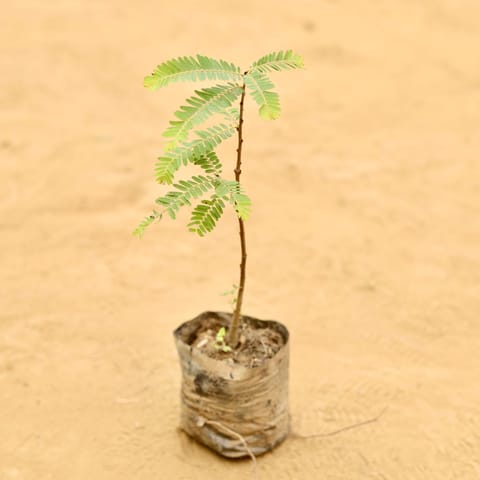
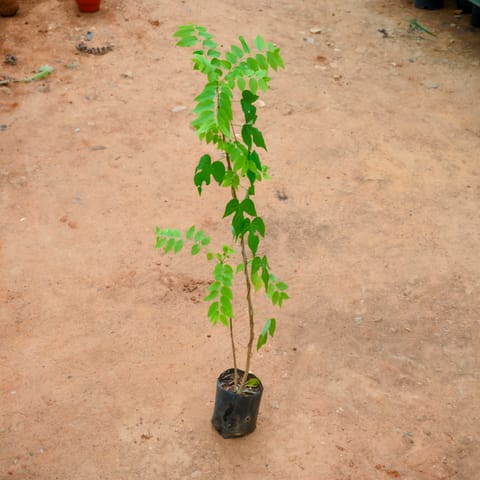
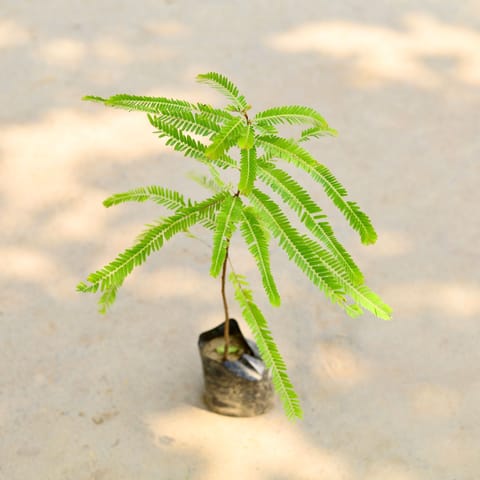
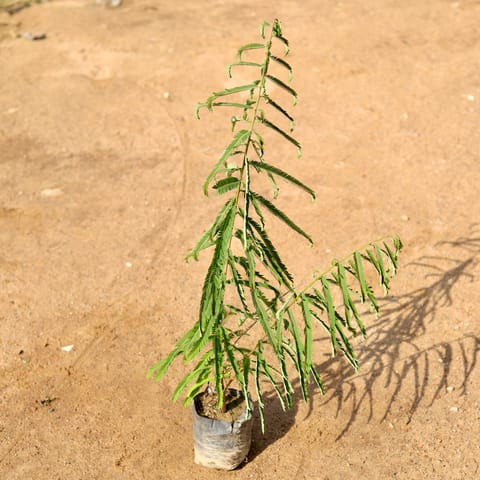
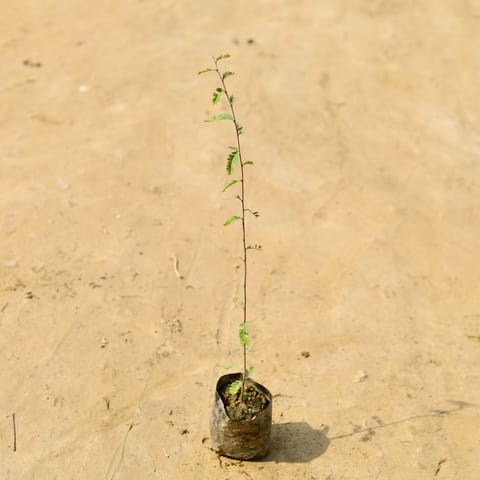
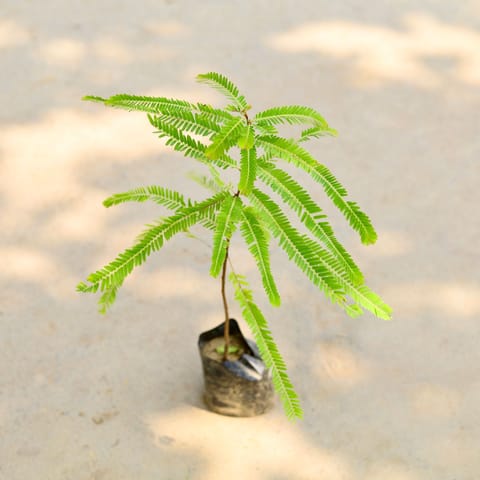
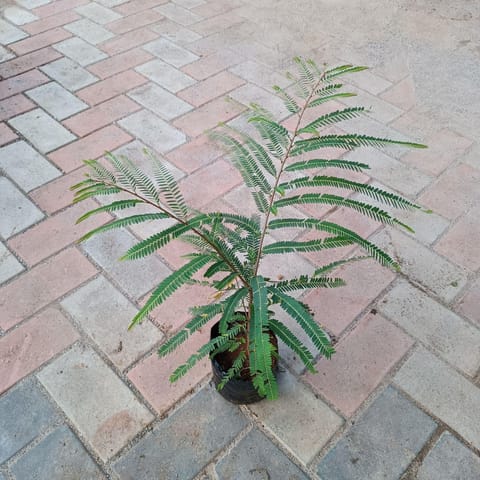
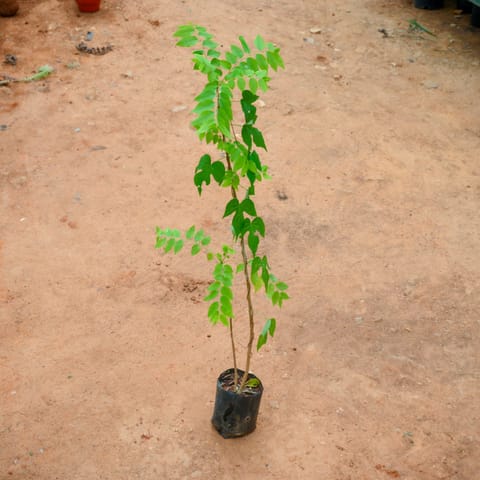
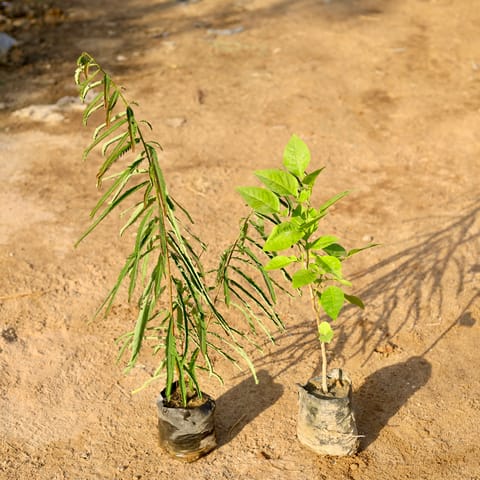
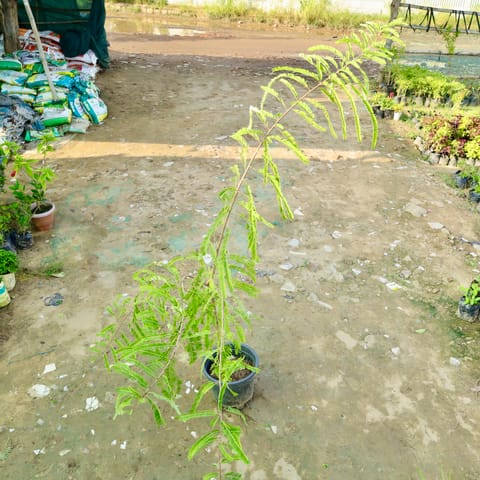
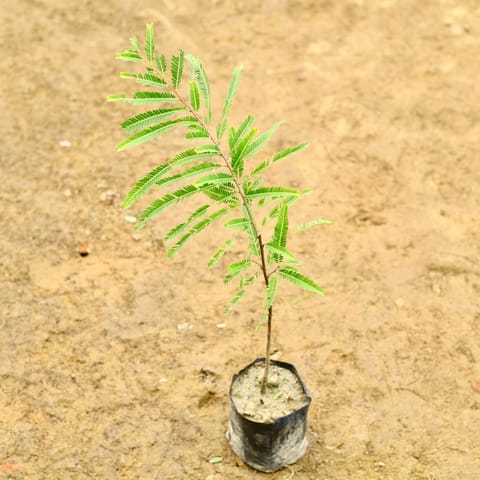
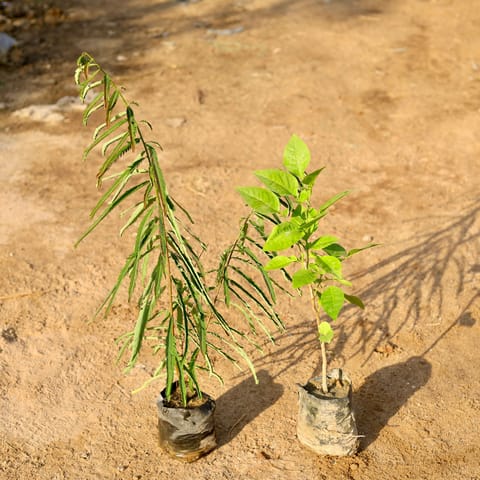
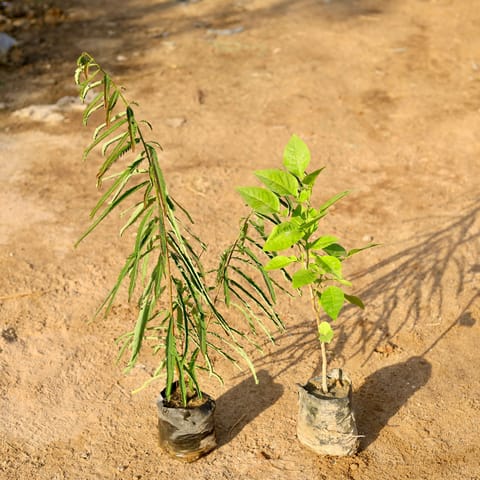
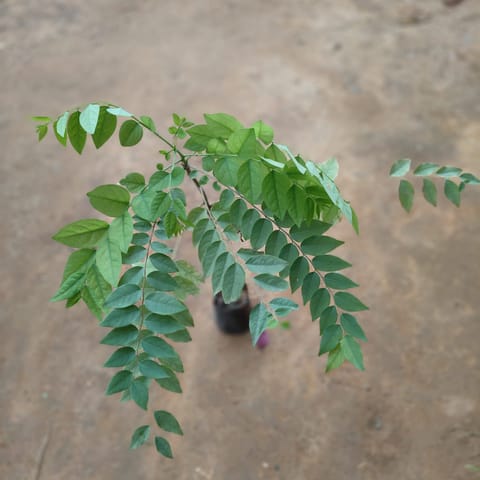
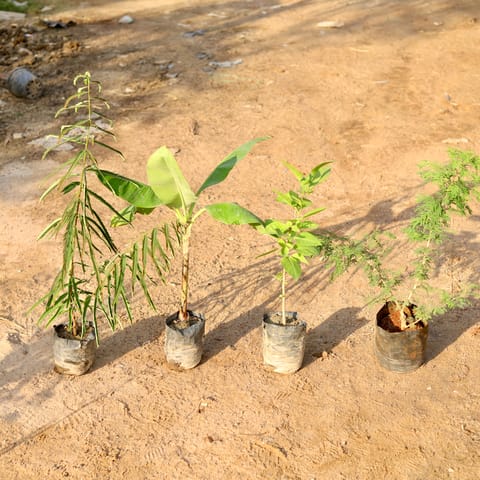
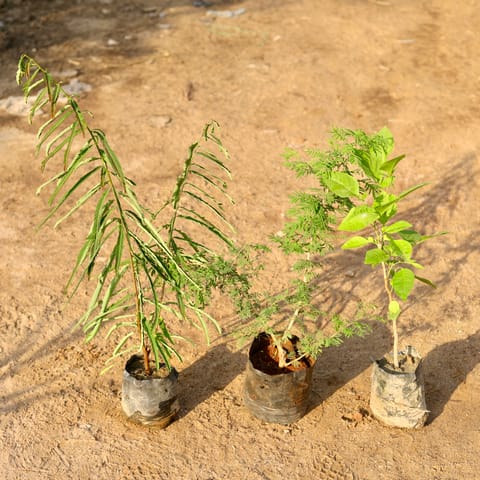
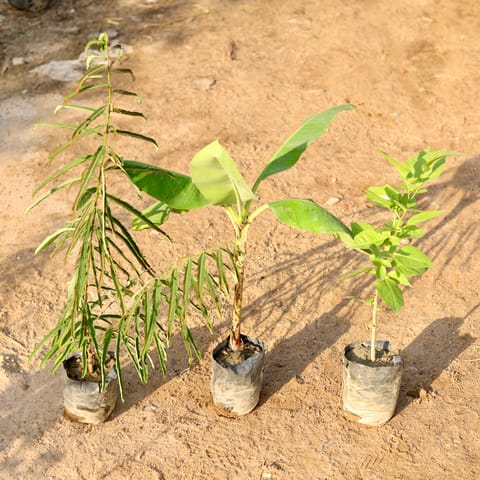
This remarkable Indian gooseberry plant offers fresh, vitamin-rich fruits right from your garden, whilst adding natural beauty and deep spiritual significance to your outdoor space. Get it from ₹149 onwards only at Urvann.
Why 50,000+ Indian Families Choose Urvann's Amla Trees:
⭐ Rated 4.8/5 by 12,340+ verified buyers
✓ Hassle-Free Replacement - We offer a 2-day replacement window if the product arrives damaged or incorrect
✓ Free Next-Day Delivery - We provide free next day delivery for all orders placed by 7 PM in
Delhi-NCR and Bengaluru.
✓ Authentic Ayurvedic Varieties – Genuine medicinal Indian gooseberry plants
✓ Real Photos from Indian Gardens – See actual customer plants, not stock images
Indian Gooseberry: Nature's Most Nutritious Gift
Growing an amla tree at home brings you wonderfully closer to nature's most nutritious gift that has been treasured in Indian tradition for thousands of years. The amla tree, known as Amalaki in Sanskrit and revered as a sacred Rasayana in Ayurveda, is a living connection to ancient healing wisdom that brings health, prosperity, and positive energy to your home.
Why Grow an Amla Tree at Home?
If there were an award for the most low-drama, high-reward fruit tree, the amla tree would take it home and still show up next year with gifts. Tough, generous, and quietly powerful, the Indianoos geberry is one of those rare plants that gives more than it asks for.
Easy to Grow and Built to Last
The amla tree adapts beautifully to India’s wildly different climates.
Why gardeners love it
- Tolerates different soil types without complaints
- Handles droughts and heavy monsoons with ease
- Stays strong through temperature swings
- Requires minimal maintenance once mature
Deep Cultural and Spiritual Roots
For thousands of years, the amla tree has held a sacred place in Indian households. It is closely associated with Lord Vishnu and believed to embody Goddess Lakshmi, making it a symbol of prosperity, purity, and positive energy.
Sacred traditions connected to amla
- Commonly planted near temples and home courtyards
- Worshipped during Amla Navami and Kartik Purnima
- Leaves and fruits are offered in pujas and rituals
- Believed to purify the environment and ward off negativity
A Natural Health Powerhouse
Just one fresh amla delivers more vitamin C than several oranges combined, around 300 mg per 100 grams. Unlike citrus fruits, amla’s vitamin C remains stable even after drying or cooking, making it a year round immunity ally.
Great For Skin And Hair
From glowing skin to stronger, shinier hair, amla has earned its place in countless beauty rituals. It boosts collagen, reduces pigmentation, strengthens hair follicles, and supports scalp health naturally.
How to Take Care of an Indian Gooseberry Plant?
Following these simple guidelines will help your gooseberry tree thrive vigorously and produce abundant, vitamin-rich fruit for decades to come.
Pick the right spot: Plant your amla tree in a sunny location with well-draining soil. It needs at least six to eight hours of sunlight daily and should never sit in waterlogged areas.
Plant at the right time: The best time to plant is during the monsoon from June to September or early winter from October to November, when temperatures are mild and natural moisture helps quick establishment.
Water wisely: Water young plants deeply every three to four days in the first year. Mature trees need far less watering and are drought-tolerant, except during flowering and fruiting seasons.
Feed it naturally: Add well-rotted cow manure or compost once a year in spring. A small dose of vermicompost after the monsoon keeps the tree healthy and productive.
Prune for productivity: Prune lightly in late winter to remove dead, diseased, or crossing branches and keep the canopy open for sunlight and airflow.
Harvest at the right stage: Pick fruits when they turn pale green to yellowish green and feel firm. A healthy mature tree can reward you with a heavy harvest year after year.
Different Amla Varieties for Indian Gardens | Urvann’s Collection
Easy to Grow & Long-Lasting
The amla tree is wonderfully resilient and adapts well to various growing conditions. Once established, your Indian gooseberry tree will provide fresh fruit for decades with minimal maintenance. These hardy plants tolerate different soil types and weather conditions, making them perfect for both beginners and experienced gardeners.
Cultural & Spiritual Significance
In Indian tradition, the amla tree holds deep cultural importance and is considered sacred in many households. Having an Indian gooseberry plant at home connects you to centuries of herbal wisdom and brings positive energy to your living space.
Health Benefits of Amla (Indian Gooseberry)
The amla fruit is packed with essential nutrients that support overall wellness. Regular consumption of fresh amla from your home-grown tree provides numerous health advantages for the entire family.
Boosts Immunity
Amla contains exceptionally high levels of vitamin C, which strengthens your immune system naturally. Just one fresh amla fruit provides more vitamin C than many citrus fruits, helping your body fight off infections and seasonal illnesses.
Supports Healthy Digestion
The natural fibre and enzymes in amla help maintain digestive health. Regular consumption aids in better nutrient absorption and supports a healthy gut, making it an excellent addition to your daily diet.
Good for Skin & Hair
The antioxidants in amla promote healthy, glowing skin and strong hair. Many people notice improved skin texture and hair strength when they include fresh amla in their routine.
Regulates Blood Sugar
Studies suggest that amla may help maintain healthy blood sugar levels when consumed as part of a balanced diet. This makes the Indian gooseberry tree a valuable addition to health-conscious households.
Heart Health & Weight Management
The natural compounds in amla support cardiovascular health and may assist in maintaining a healthy weight. The fruit's low calorie content and high nutrient density make it an excellent choice for those focusing on wellness.
How to Take Care of an Indian Gooseberry Plant?
Caring for your amla plant is straightforward with the right knowledge. Following these simple guidelines will help your gooseberry tree thrive and produce abundant fruit.
Planting Tips
Choose a sunny location with well-draining soil for your amla tree. Plant during the monsoon season or early winter for best results. Ensure adequate spacing if planting multiple trees, as mature amla trees can spread considerably.
Watering & Fertilisation
Water your Indian gooseberry plant regularly during the first year to help establish strong roots. Mature trees are drought-tolerant but benefit from consistent moisture during flowering and fruiting seasons. Apply organic compost or well-rotted manure annually to promote healthy growth.
Pruning & Harvesting
Prune your amla tree during winter to remove dead or diseased branches and maintain shape. Harvest the fruit when it turns light green and feels firm to touch, typically between October and February depending on your location.
Why Choose Urvann for Buying Amla?
At Urvann, we understand the importance of quality plants for your home garden. Our commitment to excellence ensures you receive the best Indian gooseberry plants that will flourish in your space.
Healthy, Live Plants
Every amla plant we deliver is carefully selected for health and vitality. Our plants arrive with strong root systems and are ready to establish quickly in your garden.
Affordable Pricing
We believe everyone should have access to quality plants without breaking the bank. Our competitive pricing makes it easy to start your home orchard with genuine Indian gooseberry trees.
Wide Selection of Seasonal Plants
Beyond amla trees, we offer an extensive range of seasonal plants to complete your garden. Whether you're looking for fruit trees, flowering plants, or herbs, we have everything you need.
Doorstep Service
Our free next-day delivery service ensures your plants arrive safely and conveniently at your home without you having to worry about going to nurseries and picking a healthy, live plant.
FAQ About Amla
How long does an amla tree take to bear fruit?
An amla tree typically begins producing fruit within 3 to 5 years of planting. Young trees may produce small quantities initially, with full production achieved after 6 to 8 years. The exact timing depends on growing conditions and plant variety.
Can I grow an amla tree in a pot?
Yes, you can successfully grow an amla tree in a large pot or container. Choose a pot that's at least 20-25 inches wide and deep. Container-grown trees may remain smaller than ground-planted ones but will still produce fruit with proper care.
How much sunlight does an Indian gooseberry tree need?
Indian gooseberry trees prefer full sun exposure, ideally 6-8 hours of direct sunlight daily. They can tolerate partial shade but may produce fewer fruits and grow more slowly in lower light conditions.
When is the best time to plant amla?
The best time to plant amla is during the monsoon season (June to September) or early winter (October to November). These periods provide optimal conditions for root establishment before the harsh summer months.
| Variety / Plant Type | Key Benefits | Approx. Price (INR) |
|---|---|---|
| Amla / Indian Gooseberry (~1 ft) in 4-Inch Nursery Bag | Easy to grow, nutrient-rich fruits, great starter size for small gardens | ₹139 onwards |
| Amla Plant in 6-Inch Nursery Bag | Larger root system, stronger establishment, ideal for containers or ground | ₹139 onwards |
| Amla / Indian Gooseberry (~2 ft) in Sets | More established sapling, quicker fruiting potential | ₹179 onwards |
Don’t wait, pick your favourite variety, plant it today, and watch as your garden transforms into a wellness haven with a tree that keeps on giving for decades! Shop the collection now.
How to Enjoy Amla – Your Easy Guide
- Make pickle: Turn your amla into Amla Ka Achaar. It’s tangy, spicy, and lasts for months, perfect for enjoying the health benefits all year round.
- Try murabba: Cook amla in sugar syrup to make a sweet-tart preserve. Give it to kids or enjoy as a daily immunity booster; you get taste and wellness in one jar.
- Drink juice: Blend fresh amla with water and honey and drink it first thing in the morning. It’s a simple, natural tonic for digestion, immunity, and overall energy.
- Use powder: Grind dried amla into churna. Sprinkle it in smoothies, yoghurt, or warm water, or use it in DIY hair and face packs for beauty benefits.
- Massage with amla oil: Infuse amla in coconut or sesame oil and massage into your scalp. This strengthens roots, prevents greying, and keeps hair shiny and healthy.
Urvann’s 5-Step Amla Quality Promise
Every Amla plant we send goes through a careful, love-filled prep before it reaches your garden.
Step 1: Genuine Variety Selection
We only source authentic Indian gooseberry varieties. No weaklings, no lookalikes—just healthy, fruit-bearing plants that will thrive for decades.
Step 2: Health Inspection
Every plant gets a full check-up—roots, stems, and leaves inspected for pests, diseases, and overall strength. Only the strongest make the cut.
Step 3: Climate Matching
Before shipping, we acclimatise your amla for 7–10 days to match your city’s temperature and humidity. That way, it steps into your garden stress-free and ready to grow.
Step 4: Safe Packaging
Your amla travels in eco-friendly, breathable packaging that protects roots and leaves during transit. It arrives fresh, happy, and ready to flourish.
Step 5: Ongoing Support
After delivery, we check in to make sure your tree is thriving. Questions? WhatsApp our plant care experts anytime for tips, tricks, and encouragement.
Urvann’s Complete Promise to You
✅ Authentic Varieties – Only genuine, fruiting amla plants, no decorative lookalikes
✅ Transparent Pricing – What you see is what you pay, no surprises
✅ Next-Day Delivery – Order today, start planting tomorrow
✅ 30-Day Guarantee – Not happy? We replace it free, no questions asked
✅ Real Photos – Every listing shows actual customer plants
✅ Expert Support – WhatsApp our team anytime for personalised guidance
✅ Sustainable Packaging – Protecting both your plant and the planet
Join 50,000+ Indian gardens already enjoying home-grown amla. Order today and welcome a long-living, vitamin-packed tree into your life, ready to bless your family for decades!
FAQs About Amla Indian Gooseberry Plants
1. How long does it take for an amla tree to bear fruit?
Amla trees typically start producing fruit within 3–5 years of planting. Early yields may be modest—around 5–10 kg—but mature trees (6–8 years old) can give 50–100 kg per season. Sunlight, soil quality, watering, and fertilisation all affect how quickly and abundantly your tree will fruit.
2. Can you grow an amla tree in a pot or container?
Yes! Amla grows well in a large pot (20–25 inches wide and deep). Container-grown trees stay smaller—6–8 ft compared to 15–20 ft in the ground—but with proper care, they still produce healthy, vitamin-rich fruits.
3. How much sunlight does an amla tree need?
Amla thrives in full sun, ideally 6–8 hours per day. Partial shade (4–5 hours) is tolerable but may reduce fruit yield and slow growth. Plant it in the sunniest spot available for best results.
4. When is the best time to plant amla in India?
The ideal planting periods are monsoon (June–September) or early winter (October–November). These seasons provide moderate temperatures, natural rainfall, and high humidity, perfect for young trees to establish strong roots.
5. How much space does an amla tree require?
A mature amla tree can reach 15–20 ft in height with a canopy spreading 10–15 ft wide. Plant trees at least 10–15 ft apart from buildings or other plants to allow room for growth, air circulation, and easy harvesting.
6. Is amla suitable for small gardens?
Yes! Choose compact varieties like Kanchan or grow your tree in a container. Regular pruning can keep the tree manageable at 8–10 ft while still yielding nutritious fruits.
7. Do you need more than one tree for pollination?
Not necessarily. Most amla varieties are self-fertile, meaning a single tree can produce fruit. Planting multiple trees can slightly increase yields through better insect pollination.
8. How to protect young amla trees from pests?
Young trees may face aphids, mealybugs, or fruit flies. Prevent problems with regular inspection, neem oil sprays (5 ml per litre of water), and good garden hygiene. Remove affected leaves or fruits immediately.
9. Can amla trees survive droughts?
Once established (2–3 years), amla trees are highly drought-tolerant. However, watering during flowering and fruiting seasons improves yield and fruit quality.
10. What soil pH is best for amla cultivation?
Amla prefers slightly acidic to neutral soil (pH 6–7.5) but can tolerate up to pH 8. Extreme acidity or alkalinity should be corrected for optimal growth.
11. How often should you fertilise your amla tree?
Fertilise twice a year, early spring (February) before flowering and post-monsoon (September–October). Young trees need 2–5 kg of well-rotted cow manure, while mature trees benefit from 5–10 kg plus balanced NPK fertiliser.
12. Can you grow amla from seeds?
Yes, but seed-grown trees take 7–10 years to fruit and may differ from the parent tree if it’s a hybrid. Grafted saplings from nurseries like Urvann fruit faster (3–5 years) and retain desirable traits.
13. Are amla leaves and bark useful?
Absolutely. In Ayurveda, leaves and bark have medicinal uses—leaves for astringent properties, bark in decoctions, but consult a qualified practitioner before use.
14. How long do amla trees live?
Amla trees are long-lived perennials, often surviving and producing fruits for 50–100 years or more, making them a true legacy tree for generations.