

UrvannUrvann is your one-stop online nursery for plants, planters, gardening accessories, and tools. Order fresh plants and get free home delivery on the next day!https://www.urvann.com/s/6176774ef575bbd2b3331c8a/61db06dd744e78df7592f6d9/final-logo-01-1-_cropped-1-480x480.png
E-176110060DelhiIN
Urvann
E-176Delhi, IN
+919599585773https://www.urvann.com/s/6176774ef575bbd2b3331c8a/61db06dd744e78df7592f6d9/final-logo-01-1-_cropped-1-480x480.png"[email protected]
Zinnia Collection<p>Transforming your outdoor space into a vibrant sanctuary is effortless with the Zinnia plant, a true champion of the Indian summer garden. These cheerful blooms are a favourite for balconies and terraces because they pack a massive punch of colour, ranging from fiery oranges and deep reds to delicate pastels. Often sought out by names like zinia, jiniya, or xenia, the Zinnia elegans is prized for its sturdy, upright stems and iconic daisy-like shape that stays fresh for weeks.&nbsp;</p> <p>Beyond their beauty, these plants serve a vital role in your home ecosystem by acting as a natural magnet for butterflies and bees, turning any sunny corner into a bustling hub for pollinators. Whether you&rsquo;re looking to line your garden borders or fill up decorative planters, Zinnias provide a continuous parade of flowers from the warmth of spring through the cool of fall.</p> <p>At Urvann, you can buy these healthy, nursery-grown (at Urvann farms) Zinnia flower plants online that are fresh and well-suited for Indian weather conditions, ensuring that your journey from unboxing to full bloom is simple, successful, and full of joy.&nbsp;</p> <h2><br>Why 50,000+ Indian Plant Parents Trust Urvann for Zinnia Plants</h2> <p>Rated 4.8/5 by 12,340+ verified buyers</p> <p><strong>✓ Free Next-Day Delivery -&nbsp;</strong>We provide free next-day delivery for all orders placed by 7 PM in Delhi-NCR and Bengaluru.<br><strong>✓ Pan India Deliveries - </strong>We're expanding deliveries across India; timelines vary by location.<br><strong>✓ Hassle-Free Replacement - </strong>We offer a 2-day replacement window if the product arrives damaged or incorrect.<br><strong>✓ Indian Climate-Matched Care -</strong> Expert guidance for your region's humidity, water hardness &amp; seasons.<br><strong>✓ Real Photos from Indian Homes - </strong>No stock images; see actual customer plants.<br><strong>✓ Everything for Gifting, All in One Place - </strong>5,000+ varieties of plants, pots, soil, seeds &amp; tools for a complete garden.</p> <h2><br>Pick by Goal</h2> <p></p> <h3>I Want a Bright Flowering Plant for My Balcony</h3> <p>Bring home a Zinnia plant in a nursery pot to add instant colour and charm to your balcony, terrace, or garden. With its bright blooms and compact growth, the Zinnia flower plant is perfect for sunny balconies, railing planters, window ledges, and small outdoor spaces. It also pairs beautifully with other seasonal flowering plants to create a vibrant garden display.</p> <p>Choose from colourful options like Zinnia orange in a 5 Inch nursery pot, Zinnia white hybrid in a 5 Inch nursery pot, and more to match your space and style.</p> <h3>I Want a Colourful Flower Set for My Garden</h3> <p>Choose a mixed Zinnia set if you want instant colour in your garden. The Set of 4 - Zinnia pink, white, yellow &amp; orange in a 5 Inch nursery pot is a good option for plant lovers who want multiple colours together.</p> <p>This type of set works well for terrace edges, garden corners, pathway borders, and front-door spaces where you want a bright, happy display.&nbsp;</p> <h3>I Want a Budget-Friendly Flowering Plant</h3> <p>The Zinnia plant is affordable, easy to maintain, and perfect for beginner gardeners.<br>Its price usually depends on the pot size, flower colour, plant maturity, and seasonal availability. You can enjoy long-lasting blooms and a vibrant garden look without spending too much.</p> <h3>I Want Flowering Plants for a Sunny Terrace</h3> <p>Zinnias love sunlight, so they are perfect for sunny terraces. If your terrace receives 5 to 6 hours of sunlight daily, Zinnia plants can grow well and produce bright blooms during the growing season. Place them in medium-sized pots, wide planters, or grow bags with well-draining soil. They look beautiful when grown in groups.</p> <h3>I Want a Pollinator-Friendly Garden</h3> <p>Choose Zinnia flowers if you want to attract butterflies and bees to your garden. Their open, colourful blooms make it easy for pollinators to visit. This makes them a lovely addition to kitchen gardens, terrace gardens, and natural outdoor spaces.<br>If you enjoy watching butterflies in your garden, Zinnia is one of the best flowering plants to grow.</p> <h2><br>Benefits of the Zinnia Flower Plant</h2> <p></p> <h3>Bright and Colourful Blooms for Indian Homes</h3> <p>The biggest attraction of the Zinnia flower plant is its bright and cheerful blooms that instantly make any space look lively and welcoming. Zinnia flowers are available in a wide range of vibrant colours like orange, yellow, pink, red, white, purple, and even mixed shades, making them perfect for Indian balconies, terraces, home gardens, and outdoor spaces.&nbsp;</p> <p>Their bold, daisy-like flowers bloom beautifully in sunny weather and continue flowering for a long time with basic care.</p> <h3>Easy to Grow and Beginner Friendly</h3> <p>Zinnia plants are considered easy flowering plants for beginners. They do not need complicated care when grown in the right conditions. Give them sunlight, well-draining soil, moderate watering, and regular deadheading, and they can reward you with colourful blooms.&nbsp;</p> <p>This makes them suitable for new gardeners, busy plant parents, and anyone who wants a low-fuss flowering plant.</p> <h3>Perfect for Sunny Balconies and Terrace Gardens</h3> <p>Zinnia flowers thrive in bright sunlight, making them an excellent choice for Indian homes with sunny balconies, terrace gardens, open patios, and outdoor flower beds. These flowering plants love warm weather and bloom best when they receive plenty of direct sunlight throughout the day.</p> <p>Unlike many delicate flowering plants, Zinnias are quite hardy and can handle Indian summer conditions well when watered properly. Their strong growth, vibrant blooms, and long flowering season make them ideal for adding colour to spaces that receive intense sunlight.</p> <h3>Attracts Butterflies and Bees</h3> <p>Zinnia flowers are loved not only for their bright colours but also for their ability to attract butterflies, bees, and other beneficial pollinators to the garden. Their nectar-rich blooms naturally draw pollinators, making your balcony, terrace, or outdoor garden space feel more lively, colourful, and full of movement.</p> <p>These pollinators help support healthy flowering and contribute to a more balanced garden ecosystem. Watching butterflies visit blooming Zinnias also adds a peaceful and refreshing touch to home gardens.</p> <h3>Long-Lasting Blooms Throughout the Season</h3> <p>One of the best features of the Zinnia flower plant is its long flowering period. With the right care, Zinnias can produce bright, colourful blooms for several weeks during their active growing season, keeping your balcony, terrace, or garden looking fresh and vibrant.</p> <p>With simple maintenance, Zinnia plants can continue rewarding you with continuous flowers, making them a great choice for gardeners who want long-lasting colour with minimal effort.</p> <h2><br>Zinnia Plant Care Guide</h2> <p></p> <table style="border: 1px solid #ccc; border-collapse: collapse; width: 100%; text-align: left;"> <thead> <tr style="background-color: #2b703a; color: white; font-weight: bold;"> <th style="border: 1px solid #ccc; padding: 10px; text-align: center;">Care Factor</th> <th style="border: 1px solid #ccc; padding: 10px; text-align: center;">Requirement</th> </tr> </thead> <tbody> <tr> <td style="border: 1px solid #ccc; padding: 10px; font-weight: bold; text-align: center;">Sunlight</td> <td style="border: 1px solid #ccc; padding: 10px;">Full sun; 5-6 hours of direct sunlight is ideal</td> </tr> <tr> <td style="border: 1px solid #ccc; padding: 10px; font-weight: bold; text-align: center;">Watering</td> <td style="border: 1px solid #ccc; padding: 10px;">Water when the topsoil feels dry; avoid overwatering</td> </tr> <tr> <td style="border: 1px solid #ccc; padding: 10px; font-weight: bold; text-align: center;">Soil</td> <td style="border: 1px solid #ccc; padding: 10px;">Loose, fertile, well-draining soil with compost</td> </tr> <tr> <td style="border: 1px solid #ccc; padding: 10px; font-weight: bold; text-align: center;">Best Use</td> <td style="border: 1px solid #ccc; padding: 10px;">Balcony pots, terrace gardens, flower beds, borders, gifting, seed growing</td> </tr> <tr> <td style="border: 1px solid #ccc; padding: 10px; font-weight: bold; text-align: center;">Maintenance</td> <td style="border: 1px solid #ccc; padding: 10px;">Low to moderate</td> </tr> <tr> <td style="border: 1px solid #ccc; padding: 10px; font-weight: bold; text-align: center;">Flowering</td> <td style="border: 1px solid #ccc; padding: 10px;">Bright seasonal blooms in warm months</td> </tr> <tr> <td style="border: 1px solid #ccc; padding: 10px; font-weight: bold; text-align: center;">Best Pot Type</td> <td style="border: 1px solid #ccc; padding: 10px;">5-inch nursery pots, medium pots, grow bags, railing planters, garden beds</td> </tr> <tr> <td style="border: 1px solid #ccc; padding: 10px; font-weight: bold; text-align: center;">Ideal Climate</td> <td style="border: 1px solid #ccc; padding: 10px;">Warm, sunny Indian weather</td> </tr> <tr> <td style="border: 1px solid #ccc; padding: 10px; font-weight: bold; text-align: center;">Propagation</td> <td style="border: 1px solid #ccc; padding: 10px;">Mostly through seeds</td> </tr> <tr> <td style="border: 1px solid #ccc; padding: 10px; font-weight: bold; text-align: center;">Temperature</td> <td style="border: 1px solid #ccc; padding: 10px;">Prefers warm conditions; grows best in frost-free weather</td> </tr> </tbody> </table> <h2><br>How To Grow and Maintain Zinnia at Home</h2> <p></p> <h3>Sunlight Requirements</h3> <p>Zinnia plants grow best in full sunlight. A place that receives at least 5 to 6 hours of direct sun is ideal for healthy growth and flowering.</p> <p><strong>Good placement options include:</strong></p> <ul> <li>East-facing balcony with strong morning sun</li> <li>South-facing balcony with good light</li> <li>Sunny terrace corner</li> <li>Open garden bed</li> <li>Outdoor railing planter</li> <li>Patio space with direct sunlight</li> <li>Flower border near a walkway</li> </ul> <p>Avoid placing Zinnia plants in dark corners or deep shade. If the plant does not receive enough sunlight, it may become weak, leggy, and produce fewer flowers.</p> <p>During peak Indian summer, make sure the plant is watered properly, and the pot does not dry out completely for too long.</p> <h3>Watering Requirements</h3> <p>Zinnia plants like regular watering, but they do not like soggy soil. Water only when the top layer of soil feels dry to the touch.</p> <p><strong>Summer: </strong>During hot months, Zinnia plants may need watering every 1-2 days, depending on sunlight, pot size, and local weather. Always check the soil before watering.</p> <p><strong>Monsoon:</strong> During rainy weather, reduce watering. Too much moisture can cause fungal issues, yellow leaves, and root problems. Keep the plant in a place with good airflow.</p> <p><strong>Winter: </strong>Growth may slow down in cooler months. Water less frequently and keep the plant in a sunny spot.</p> <p><strong>Signs your Zinnia needs water:</strong></p> <ul> <li>Leaves look droopy</li> <li>Soil feels dry</li> <li>Flowers look dull</li> <li>Stems look weak</li> <li>The plant loses freshness</li> </ul> <p><strong>Signs of overwatering:</strong></p> <ul> <li>Yellowing leaves</li> <li>Mushy stem base</li> <li>Bad smell from soil</li> <li>Fungal growth on soil</li> <li>Weak roots</li> <li>Plant suddenly collapsing</li> </ul> <p>Always use a pot with drainage holes so extra water can escape easily.</p> <h3>Soil Requirements</h3> <p>Zinnia plants grow best in soil that drains well and does not stay sticky or waterlogged.</p> <p><strong>A good potting mix can include:</strong></p> <ul> <li>Garden soil</li> <li>Compost</li> <li>Cocopeat</li> <li>Vermicompost</li> <li>Sand or perlite for drainage</li> </ul> <p><strong>The best soil for Zinnia is:</strong></p> <ul> <li>Loose</li> <li>Fertile</li> <li>Well-draining</li> <li>Rich in organic matter</li> <li>Light enough for root growth</li> </ul> <p>Avoid heavy clay soil in pots because it can hold too much water and may damage the roots.</p> <h3>Pot Selection</h3> <p>Zinnia plants can grow well in nursery pots, medium planters, grow bags, and garden beds. For single plants, a 5-inch nursery pot can work in the beginning. As the plant grows, you can shift it to a slightly bigger pot for better root space.</p> <p><strong>Good options include:</strong></p> <ul> <li>5-inch nursery pots</li> <li>Medium plastic pots</li> <li>Terracotta pots</li> <li>Grow bags</li> <li>Rectangular railing planters</li> <li>Wide flower planters</li> <li>Garden beds</li> </ul> <p>Always choose a pot with proper drainage holes.</p> <h3>Fertilizer Requirements</h3> <p>Zinnia plants do not need very heavy feeding, but regular light nutrition helps them bloom better.</p> <p><strong>You can feed them with:</strong></p> <ul> <li>Vermicompost</li> <li>Compost</li> <li>Organic manure</li> <li>Diluted liquid fertilizer</li> <li>Balanced flowering plant fertilizer</li> </ul> <p>Feed once every 3 to 4 weeks during active growth. Avoid over-fertilizing because too much feeding may lead to leafy growth with fewer flowers.</p> <h3>Deadheading and Pruning</h3> <p>Deadheading means removing old, dry, or faded flowers. This is very useful for Zinnia plants because it encourages fresh flowering.</p> <p><strong>Trim:</strong></p> <ul> <li>Dry flowers</li> <li>Yellow leaves</li> <li>Weak stems</li> <li>Damaged foliage</li> <li>Overcrowded growth</li> <li>Diseased leaves</li> </ul> <p>Use clean scissors or pruning shears. Regular trimming keeps the plant fresh and helps it produce more blooms.</p> <h2><br>How To Grow Zinnias from Seed and Care for Them</h2> <p></p> <p>If you are growing Zinnia from seeds, choose a sunny place and a light, well-draining seed mix. Urvann&rsquo;s Zinnia Mixed Seeds and Zinnia Double Mix Seeds are good options for gardeners who enjoy growing flowering plants from the beginning.</p> <p><strong>Steps to grow Zinnia from seeds:</strong></p> <ul> <li>Fill a seed tray or small pot with light potting mix.</li> <li>Sow the seeds gently on the soil surface.</li> <li>Cover lightly with a thin layer of soil.</li> <li>Mist with water and keep the soil slightly moist.</li> <li>Place the pot in a warm, bright location.</li> </ul> <p>Once seedlings grow a few true leaves, move them to bigger pots or garden beds.<br>Zinnia seedlings need sunlight, airflow, and careful watering. Do not keep the soil too wet, as young seedlings can rot easily.</p> <h2><br>Common Zinnia Pests and Diseases</h2> <p></p> <p>Zinnia plants are fairly easy to grow, but they may face some pest and disease issues, especially in humid weather.</p> <p><strong>Common pests include:</strong></p> <ul> <li>Aphids</li> <li>Mealybugs</li> <li>Spider mites</li> <li>Caterpillars</li> <li>Leaf-eating insects</li> </ul> <p><strong>Common diseases include:</strong></p> <ul> <li>Powdery mildew</li> <li>Leaf spots</li> <li>Stem rot</li> <li>Root rot</li> <li>Fungal patches on leaves</li> </ul> <p><strong>To protect your plant:</strong></p> <ul> <li>Keep good airflow around the plant.</li> <li>Avoid watering the leaves from above.</li> <li>Remove infected leaves quickly.</li> <li>Do not overcrowd many plants in one pot.</li> <li>Use neem oil spray when needed.</li> <li>Keep the soil moist but not soggy.</li> </ul> <h2><br>What Should Not Be Planted Near Zinnias?</h2> <p></p> <p>Avoid planting Zinnias too close to plants that need constant wet soil or deep shade. Zinnia plants prefer sunlight and airflow, so they may not grow well beside plants that create too much shade or moisture.</p> <p><strong>Avoid placing them very close to:</strong></p> <ul> <li>Large leafy plants that block sunlight</li> <li>Water-loving plants that need soggy soil</li> <li>Very dense creepers</li> <li>Plants with heavy fungal issues</li> <li>Overcrowded herb patches</li> <li>Zinnias grow best when they have enough space around them.</li> </ul> <h2><br>Buy Zinnia Flower Plants Online from Urvann</h2> <p></p> <p>Looking for a bright flowering plant that is easy to grow, colourful, and perfect for Indian homes? The Zinnia plant is a great choice. Its bold blooms, sunny personality, and beginner-friendly care make it suitable for balconies, terraces, garden beds, borders, and gifting.</p> <p>So, whether you are looking for a single Zinnia plant for your balcony, Zinnia seedlings for your garden, or colourful flowering plant sets for gifting and decoration, Urvann&rsquo;s Zinnia collection is a great place to start.</p> <p>For more options, explore our other collections like <a href="https://www.urvann.com/collection/roses-collection">rose</a>, <a href="https://www.urvann.com/collection/jasmine-plant-collection">jasmine</a>, <a href="https://www.urvann.com/collection/periwinkle-collection">periwinkle</a>, and more.</p> <h2><br>Frequently Asked Questions (FAQs)</h2> <p></p> <h3>Q1. Is Zinnia an all-season flower?</h3> <p>Zinnia is not exactly an all-season flower. It is mainly a warm-season flowering plant that grows best in sunny and frost-free weather. In many parts of India, Zinnia flowers grow well from spring to autumn, especially when the weather is warm and bright.<br>In very cold regions or during harsh winters, the plant may slow down or stop flowering. In warmer Indian cities, it may last longer with proper care.</p> <h3>Q2. Do Zinnias attract pests?</h3> <p>Yes, Zinnias can sometimes attract pests like aphids, spider mites, mealybugs, caterpillars, and leaf-eating insects. However, they are not very difficult to manage.&nbsp;Check the leaves regularly, especially the underside. If you notice pests, remove damaged parts and use a mild neem oil spray when needed.</p> <h3>Q3. What animal is eating my Zinnias?</h3> <p>If your Zinnia leaves or flowers are being eaten, the common reason may be caterpillars, grasshoppers, snails, slugs, or other garden insects. In some outdoor gardens, birds or small animals may also disturb young plants.<br>Look for bite marks, holes in leaves, droppings, or insects hiding under the leaves. Once you identify the cause, you can protect the plant with netting, hand-picking, neem spray, or better garden hygiene.</p> <h3>Q4. What are the characteristics of a Zinnia plant?</h3> <p>Zinnia plants are colourful, upright, seasonal flowering plants. They usually have green, slightly rough leaves and bright flowers in shades like orange, yellow, pink, red, white, and mixed colours.</p> <p><strong>Main characteristics include:</strong></p> <ul> <li>Bright daisy-like flowers</li> <li>Upright stems</li> <li>Green textured leaves</li> <li>Sun-loving nature</li> <li>Long blooming habit</li> <li>Pollinator-friendly flowers</li> <li>Easy seed propagation</li> <li>Good use in pots and flower beds</li> </ul> <h3>Q5. Are Zinnia flowers good for beginners?</h3> <p>Yes, Zinnia flowers are very good for beginners. They grow well in sunlight, do not need very complicated care, and can be grown in pots, planters, garden beds, or from seeds. For best results, give them full sun, well-draining soil, moderate watering, and regular deadheading.</p> <h3>Q6. झिननिया फूल किस महीने में होता है?</h3> <p>भारत में झिननिया फूल आमतौर पर मार्च से नवंबर तक खिल सकता है। इसका सबसे अच्छा फूलने का समय गर्म और धूप वाला मौसम होता है। अगर पौधे को अच्छी धूप, सही पानी, और पुराने फूलों की नियमित कटाई मिलती रहे, तो यह कई हफ्तों तक लगातार फूल दे सकता है।</p> <h3>Q7. What is the Zinnia scientific name?</h3> <p>The scientific name of the Common Zinnia is Zinnia elegans. It belongs to the Asteraceae family, which is also known as the sunflower family.<br>This is one of the most popular Zinnia types grown in home gardens for its colourful and long-lasting flowers.</p> <h3>Q8. Why are Zinnias considered a dirty flower?</h3> <p>Some gardeners call Zinnias &ldquo;dirty flowers&rdquo; because older leaves and flowers can develop mildew, spots, or dried petals if the plant is overcrowded or kept in humid conditions. This does not mean the flower is bad or unclean. With good airflow, proper spacing, sunlight, and regular pruning, Zinnia plants stay fresh and healthy.</p>

Shop

Zinnia Collection

Transforming your outdoor space into a vibrant sanctuary is effortless with the Zinnia plant, a tru...
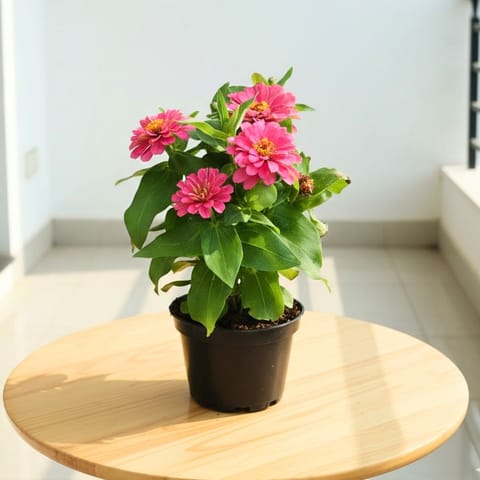
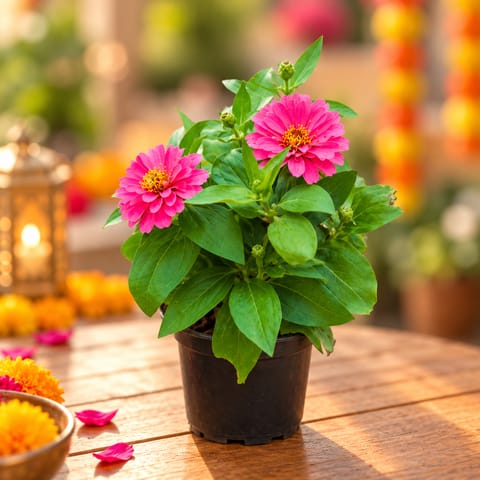
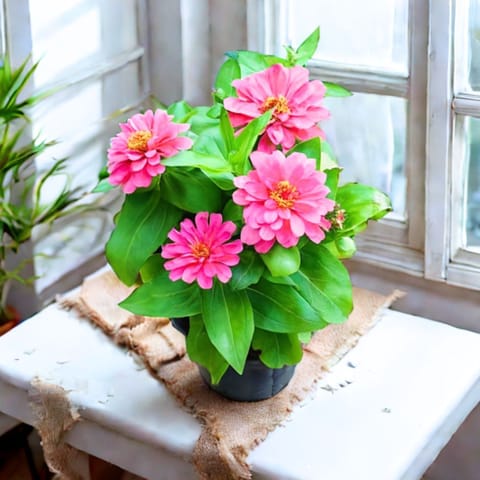
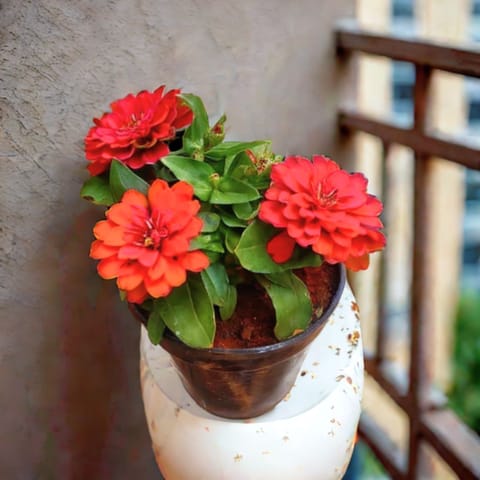
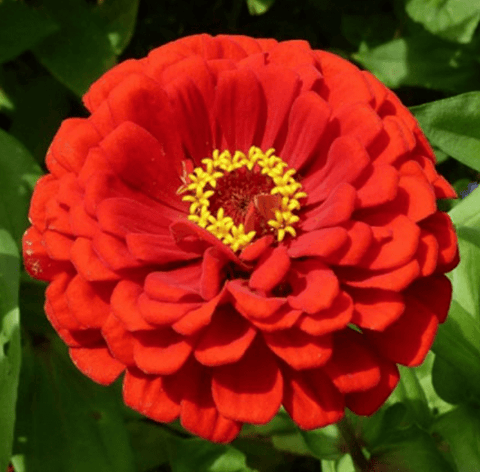
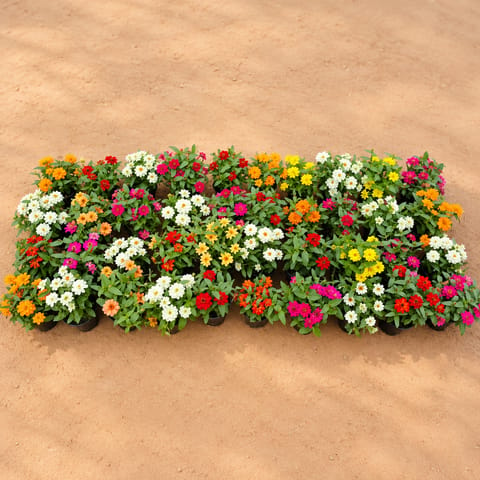
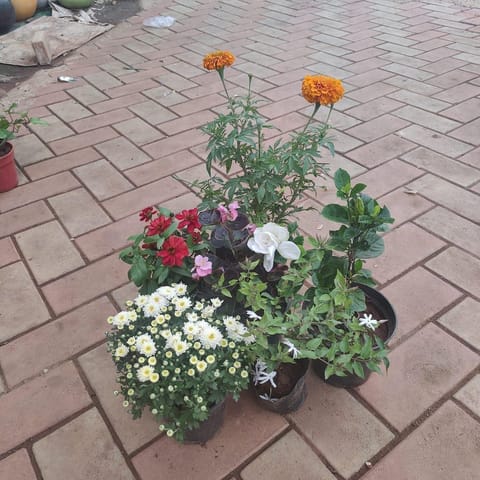
Transforming your outdoor space into a vibrant sanctuary is effortless with the Zinnia plant, a true champion of the Indian summer garden. These cheerful blooms are a favourite for balconies and terraces because they pack a massive punch of colour, ranging from fiery oranges and deep reds to delicate pastels. Often sought out by names like zinia, jiniya, or xenia, the Zinnia elegans is prized for its sturdy, upright stems and iconic daisy-like shape that stays fresh for weeks. 

Beyond their beauty, these plants serve a vital role in your home ecosystem by acting as a natural magnet for butterflies and bees, turning any sunny corner into a bustling hub for pollinators. Whether you’re looking to line your garden borders or fill up decorative planters, Zinnias provide a continuous parade of flowers from the warmth of spring through the cool of fall.

At Urvann, you can buy these healthy, nursery-grown (at Urvann farms) Zinnia flower plants online that are fresh and well-suited for Indian weather conditions, ensuring that your journey from unboxing to full bloom is simple, successful, and full of joy. 


Why 50,000+ Indian Plant Parents Trust Urvann for Zinnia Plants

Rated 4.8/5 by 12,340+ verified buyers

✓ Free Next-Day Delivery - We provide free next-day delivery for all orders placed by 7 PM in Delhi-NCR and Bengaluru.
✓ Pan India Deliveries - We're expanding deliveries across India; timelines vary by location.
✓ Hassle-Free Replacement - We offer a 2-day replacement window if the product arrives damaged or incorrect.
✓ Indian Climate-Matched Care - Expert guidance for your region's humidity, water hardness & seasons.
✓ Real Photos from Indian Homes - No stock images; see actual customer plants.
✓ Everything for Gifting, All in One Place - 5,000+ varieties of plants, pots, soil, seeds & tools for a complete garden.


Pick by Goal

I Want a Bright Flowering Plant for My Balcony

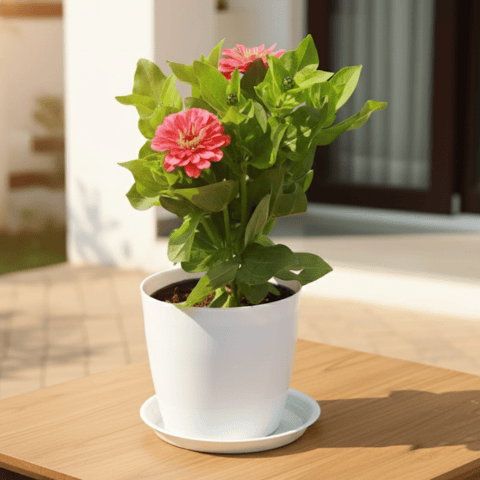
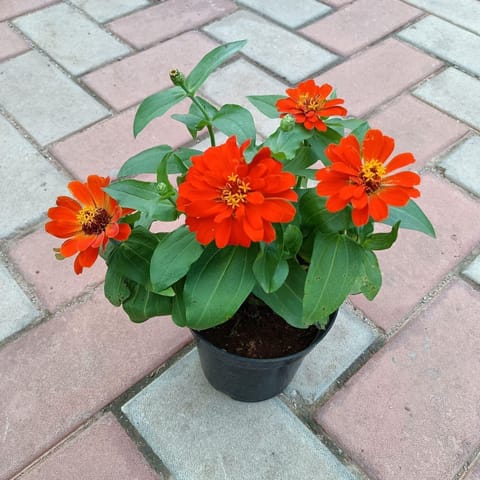
Bring home a Zinnia plant in a nursery pot to add instant colour and charm to your balcony, terrace, or garden. With its bright blooms and compact growth, the Zinnia flower plant is perfect for sunny balconies, railing planters, window ledges, and small outdoor spaces. It also pairs beautifully with other seasonal flowering plants to create a vibrant garden display.

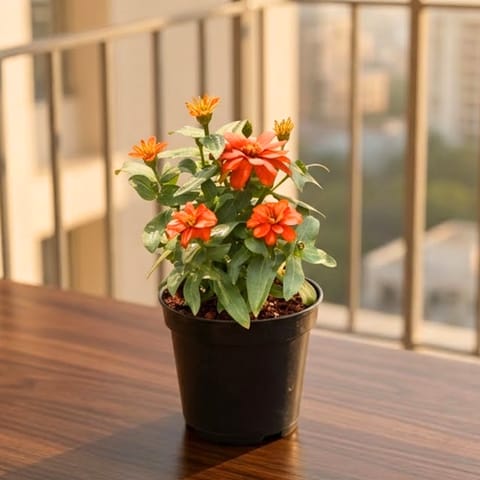
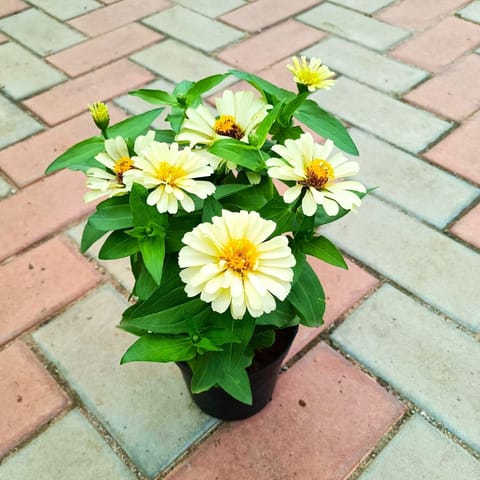
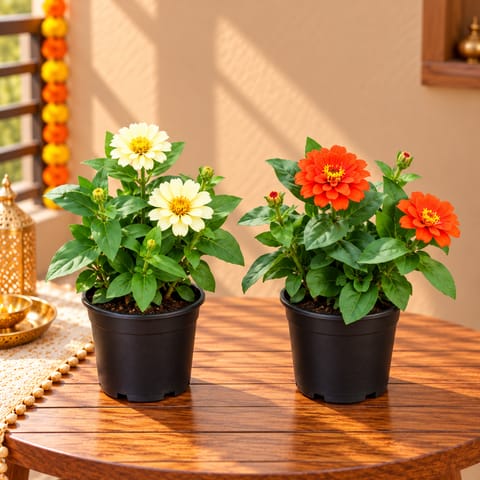
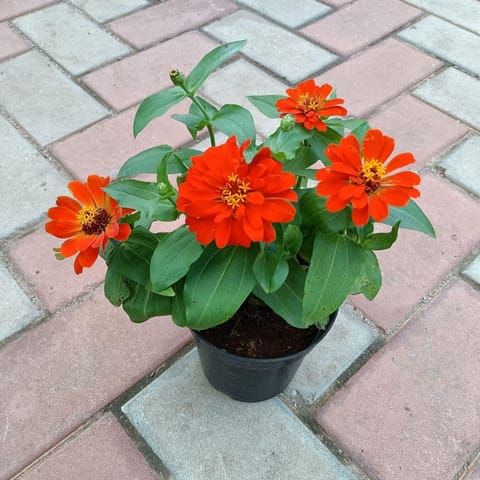
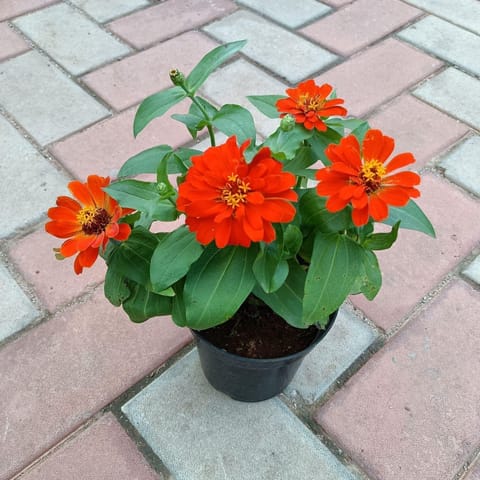
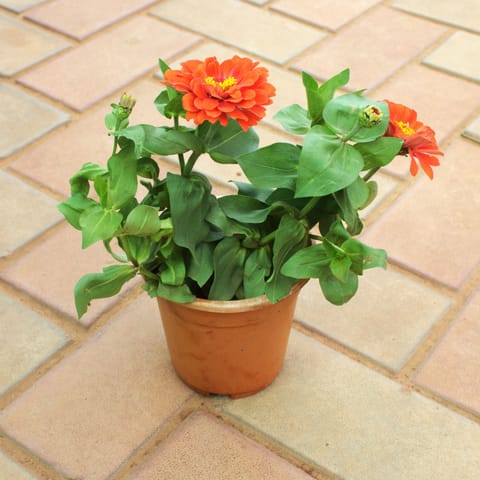
Choose from colourful options like Zinnia orange in a 5 Inch nursery pot, Zinnia white hybrid in a 5 Inch nursery pot, and more to match your space and style.

I Want a Colourful Flower Set for My Garden

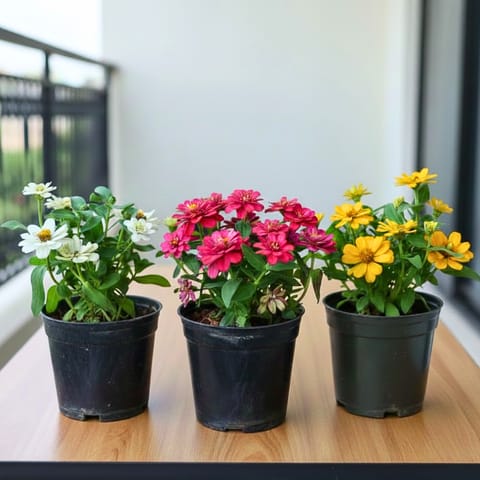
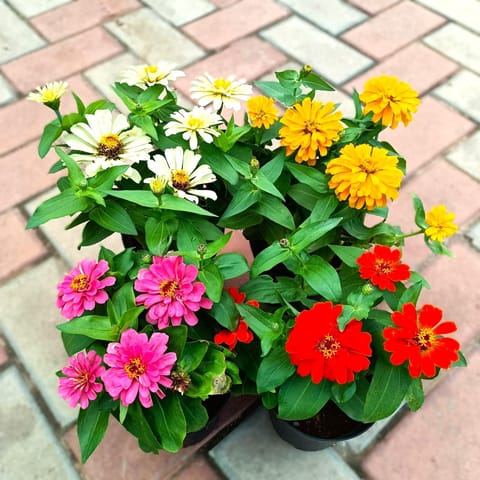
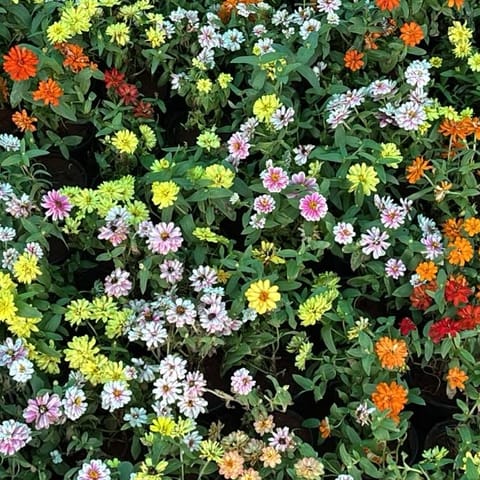
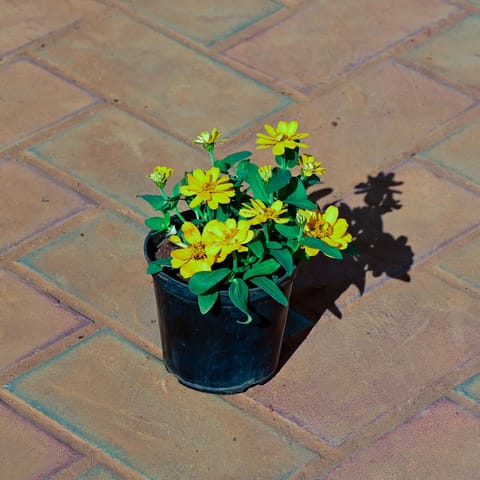
Choose a mixed Zinnia set if you want instant colour in your garden. The Set of 4 - Zinnia pink, white, yellow & orange in a 5 Inch nursery pot is a good option for plant lovers who want multiple colours together.

This type of set works well for terrace edges, garden corners, pathway borders, and front-door spaces where you want a bright, happy display. 

I Want a Budget-Friendly Flowering Plant

The Zinnia plant is affordable, easy to maintain, and perfect for beginner gardeners.
Its price usually depends on the pot size, flower colour, plant maturity, and seasonal availability. You can enjoy long-lasting blooms and a vibrant garden look without spending too much.

I Want Flowering Plants for a Sunny Terrace

Zinnias love sunlight, so they are perfect for sunny terraces. If your terrace receives 5 to 6 hours of sunlight daily, Zinnia plants can grow well and produce bright blooms during the growing season. Place them in medium-sized pots, wide planters, or grow bags with well-draining soil. They look beautiful when grown in groups.

I Want a Pollinator-Friendly Garden

Choose Zinnia flowers if you want to attract butterflies and bees to your garden. Their open, colourful blooms make it easy for pollinators to visit. This makes them a lovely addition to kitchen gardens, terrace gardens, and natural outdoor spaces.
If you enjoy watching butterflies in your garden, Zinnia is one of the best flowering plants to grow.


Benefits of the Zinnia Flower Plant

Bright and Colourful Blooms for Indian Homes

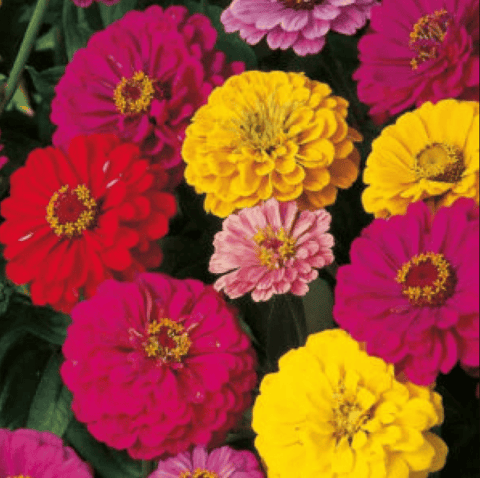
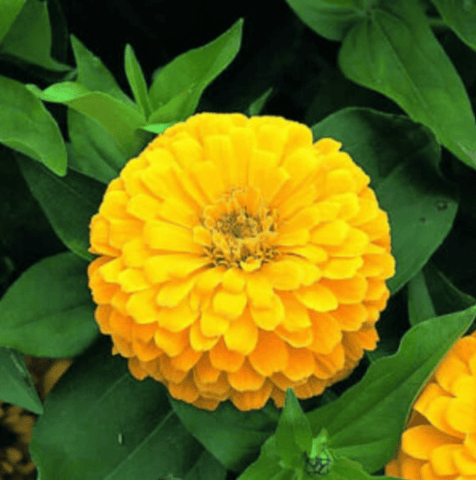
The biggest attraction of the Zinnia flower plant is its bright and cheerful blooms that instantly make any space look lively and welcoming. Zinnia flowers are available in a wide range of vibrant colours like orange, yellow, pink, red, white, purple, and even mixed shades, making them perfect for Indian balconies, terraces, home gardens, and outdoor spaces. 

Their bold, daisy-like flowers bloom beautifully in sunny weather and continue flowering for a long time with basic care.

Easy to Grow and Beginner Friendly

Zinnia plants are considered easy flowering plants for beginners. They do not need complicated care when grown in the right conditions. Give them sunlight, well-draining soil, moderate watering, and regular deadheading, and they can reward you with colourful blooms. 

This makes them suitable for new gardeners, busy plant parents, and anyone who wants a low-fuss flowering plant.

Perfect for Sunny Balconies and Terrace Gardens

Zinnia flowers thrive in bright sunlight, making them an excellent choice for Indian homes with sunny balconies, terrace gardens, open patios, and outdoor flower beds. These flowering plants love warm weather and bloom best when they receive plenty of direct sunlight throughout the day.

Unlike many delicate flowering plants, Zinnias are quite hardy and can handle Indian summer conditions well when watered properly. Their strong growth, vibrant blooms, and long flowering season make them ideal for adding colour to spaces that receive intense sunlight.

Attracts Butterflies and Bees

Zinnia flowers are loved not only for their bright colours but also for their ability to attract butterflies, bees, and other beneficial pollinators to the garden. Their nectar-rich blooms naturally draw pollinators, making your balcony, terrace, or outdoor garden space feel more lively, colourful, and full of movement.

These pollinators help support healthy flowering and contribute to a more balanced garden ecosystem. Watching butterflies visit blooming Zinnias also adds a peaceful and refreshing touch to home gardens.

Long-Lasting Blooms Throughout the Season

One of the best features of the Zinnia flower plant is its long flowering period. With the right care, Zinnias can produce bright, colourful blooms for several weeks during their active growing season, keeping your balcony, terrace, or garden looking fresh and vibrant.

With simple maintenance, Zinnia plants can continue rewarding you with continuous flowers, making them a great choice for gardeners who want long-lasting colour with minimal effort.


Zinnia Plant Care Guide

Care Factor Requirement
Sunlight Full sun; 5-6 hours of direct sunlight is ideal
Watering Water when the topsoil feels dry; avoid overwatering
Soil Loose, fertile, well-draining soil with compost
Best Use Balcony pots, terrace gardens, flower beds, borders, gifting, seed growing
Maintenance Low to moderate
Flowering Bright seasonal blooms in warm months
Best Pot Type 5-inch nursery pots, medium pots, grow bags, railing planters, garden beds
Ideal Climate Warm, sunny Indian weather
Propagation Mostly through seeds
Temperature Prefers warm conditions; grows best in frost-free weather


How To Grow and Maintain Zinnia at Home

Sunlight Requirements

Zinnia plants grow best in full sunlight. A place that receives at least 5 to 6 hours of direct sun is ideal for healthy growth and flowering.

Good placement options include:

  • East-facing balcony with strong morning sun
  • South-facing balcony with good light
  • Sunny terrace corner
  • Open garden bed
  • Outdoor railing planter
  • Patio space with direct sunlight
  • Flower border near a walkway

Avoid placing Zinnia plants in dark corners or deep shade. If the plant does not receive enough sunlight, it may become weak, leggy, and produce fewer flowers.

During peak Indian summer, make sure the plant is watered properly, and the pot does not dry out completely for too long.

Watering Requirements

Zinnia plants like regular watering, but they do not like soggy soil. Water only when the top layer of soil feels dry to the touch.

Summer: During hot months, Zinnia plants may need watering every 1-2 days, depending on sunlight, pot size, and local weather. Always check the soil before watering.

Monsoon: During rainy weather, reduce watering. Too much moisture can cause fungal issues, yellow leaves, and root problems. Keep the plant in a place with good airflow.

Winter: Growth may slow down in cooler months. Water less frequently and keep the plant in a sunny spot.

Signs your Zinnia needs water:

  • Leaves look droopy
  • Soil feels dry
  • Flowers look dull
  • Stems look weak
  • The plant loses freshness

Signs of overwatering:

  • Yellowing leaves
  • Mushy stem base
  • Bad smell from soil
  • Fungal growth on soil
  • Weak roots
  • Plant suddenly collapsing

Always use a pot with drainage holes so extra water can escape easily.

Soil Requirements

Zinnia plants grow best in soil that drains well and does not stay sticky or waterlogged.

A good potting mix can include:

  • Garden soil
  • Compost
  • Cocopeat
  • Vermicompost
  • Sand or perlite for drainage

The best soil for Zinnia is:

  • Loose
  • Fertile
  • Well-draining
  • Rich in organic matter
  • Light enough for root growth

Avoid heavy clay soil in pots because it can hold too much water and may damage the roots.

Pot Selection

Zinnia plants can grow well in nursery pots, medium planters, grow bags, and garden beds. For single plants, a 5-inch nursery pot can work in the beginning. As the plant grows, you can shift it to a slightly bigger pot for better root space.

Good options include:

  • 5-inch nursery pots
  • Medium plastic pots
  • Terracotta pots
  • Grow bags
  • Rectangular railing planters
  • Wide flower planters
  • Garden beds

Always choose a pot with proper drainage holes.

Fertilizer Requirements

Zinnia plants do not need very heavy feeding, but regular light nutrition helps them bloom better.

You can feed them with:

  • Vermicompost
  • Compost
  • Organic manure
  • Diluted liquid fertilizer
  • Balanced flowering plant fertilizer

Feed once every 3 to 4 weeks during active growth. Avoid over-fertilizing because too much feeding may lead to leafy growth with fewer flowers.

Deadheading and Pruning

Deadheading means removing old, dry, or faded flowers. This is very useful for Zinnia plants because it encourages fresh flowering.

Trim:

  • Dry flowers
  • Yellow leaves
  • Weak stems
  • Damaged foliage
  • Overcrowded growth
  • Diseased leaves

Use clean scissors or pruning shears. Regular trimming keeps the plant fresh and helps it produce more blooms.


How To Grow Zinnias from Seed and Care for Them

If you are growing Zinnia from seeds, choose a sunny place and a light, well-draining seed mix. Urvann’s Zinnia Mixed Seeds and Zinnia Double Mix Seeds are good options for gardeners who enjoy growing flowering plants from the beginning.

Steps to grow Zinnia from seeds:

  • Fill a seed tray or small pot with light potting mix.
  • Sow the seeds gently on the soil surface.
  • Cover lightly with a thin layer of soil.
  • Mist with water and keep the soil slightly moist.
  • Place the pot in a warm, bright location.

Once seedlings grow a few true leaves, move them to bigger pots or garden beds.
Zinnia seedlings need sunlight, airflow, and careful watering. Do not keep the soil too wet, as young seedlings can rot easily.


Common Zinnia Pests and Diseases

Zinnia plants are fairly easy to grow, but they may face some pest and disease issues, especially in humid weather.

Common pests include:

  • Aphids
  • Mealybugs
  • Spider mites
  • Caterpillars
  • Leaf-eating insects

Common diseases include:

  • Powdery mildew
  • Leaf spots
  • Stem rot
  • Root rot
  • Fungal patches on leaves

To protect your plant:

  • Keep good airflow around the plant.
  • Avoid watering the leaves from above.
  • Remove infected leaves quickly.
  • Do not overcrowd many plants in one pot.
  • Use neem oil spray when needed.
  • Keep the soil moist but not soggy.


What Should Not Be Planted Near Zinnias?

Avoid planting Zinnias too close to plants that need constant wet soil or deep shade. Zinnia plants prefer sunlight and airflow, so they may not grow well beside plants that create too much shade or moisture.

Avoid placing them very close to:

  • Large leafy plants that block sunlight
  • Water-loving plants that need soggy soil
  • Very dense creepers
  • Plants with heavy fungal issues
  • Overcrowded herb patches
  • Zinnias grow best when they have enough space around them.


Buy Zinnia Flower Plants Online from Urvann

Looking for a bright flowering plant that is easy to grow, colourful, and perfect for Indian homes? The Zinnia plant is a great choice. Its bold blooms, sunny personality, and beginner-friendly care make it suitable for balconies, terraces, garden beds, borders, and gifting.

So, whether you are looking for a single Zinnia plant for your balcony, Zinnia seedlings for your garden, or colourful flowering plant sets for gifting and decoration, Urvann’s Zinnia collection is a great place to start.

For more options, explore our other collections like rose, jasmine, periwinkle, and more.


Frequently Asked Questions (FAQs)

Q1. Is Zinnia an all-season flower?

Zinnia is not exactly an all-season flower. It is mainly a warm-season flowering plant that grows best in sunny and frost-free weather. In many parts of India, Zinnia flowers grow well from spring to autumn, especially when the weather is warm and bright.
In very cold regions or during harsh winters, the plant may slow down or stop flowering. In warmer Indian cities, it may last longer with proper care.

Q2. Do Zinnias attract pests?

Yes, Zinnias can sometimes attract pests like aphids, spider mites, mealybugs, caterpillars, and leaf-eating insects. However, they are not very difficult to manage. Check the leaves regularly, especially the underside. If you notice pests, remove damaged parts and use a mild neem oil spray when needed.

Q3. What animal is eating my Zinnias?

If your Zinnia leaves or flowers are being eaten, the common reason may be caterpillars, grasshoppers, snails, slugs, or other garden insects. In some outdoor gardens, birds or small animals may also disturb young plants.
Look for bite marks, holes in leaves, droppings, or insects hiding under the leaves. Once you identify the cause, you can protect the plant with netting, hand-picking, neem spray, or better garden hygiene.

Q4. What are the characteristics of a Zinnia plant?

Zinnia plants are colourful, upright, seasonal flowering plants. They usually have green, slightly rough leaves and bright flowers in shades like orange, yellow, pink, red, white, and mixed colours.

Main characteristics include:

  • Bright daisy-like flowers
  • Upright stems
  • Green textured leaves
  • Sun-loving nature
  • Long blooming habit
  • Pollinator-friendly flowers
  • Easy seed propagation
  • Good use in pots and flower beds

Q5. Are Zinnia flowers good for beginners?

Yes, Zinnia flowers are very good for beginners. They grow well in sunlight, do not need very complicated care, and can be grown in pots, planters, garden beds, or from seeds. For best results, give them full sun, well-draining soil, moderate watering, and regular deadheading.

Q6. झिननिया फूल किस महीने में होता है?

भारत में झिननिया फूल आमतौर पर मार्च से नवंबर तक खिल सकता है। इसका सबसे अच्छा फूलने का समय गर्म और धूप वाला मौसम होता है। अगर पौधे को अच्छी धूप, सही पानी, और पुराने फूलों की नियमित कटाई मिलती रहे, तो यह कई हफ्तों तक लगातार फूल दे सकता है।

Q7. What is the Zinnia scientific name?

The scientific name of the Common Zinnia is Zinnia elegans. It belongs to the Asteraceae family, which is also known as the sunflower family.
This is one of the most popular Zinnia types grown in home gardens for its colourful and long-lasting flowers.

Q8. Why are Zinnias considered a dirty flower?

Some gardeners call Zinnias “dirty flowers” because older leaves and flowers can develop mildew, spots, or dried petals if the plant is overcrowded or kept in humid conditions. This does not mean the flower is bad or unclean. With good airflow, proper spacing, sunlight, and regular pruning, Zinnia plants stay fresh and healthy.


Showing 24 of 114 products

Transforming your outdoor space into a vibrant sanctuary is effortless with the Zinnia plant, a true champion of the Indian summer garden. These cheerful blooms are a favourite for balconies and terraces because they pack a massive punch of colour, ranging from fiery oranges and deep reds to delicate pastels. Often sought out by names like zinia, jiniya, or xenia, the Zinnia elegans is prized for its sturdy, upright stems and iconic daisy-like shape that stays fresh for weeks. 

Beyond their beauty, these plants serve a vital role in your home ecosystem by acting as a natural magnet for butterflies and bees, turning any sunny corner into a bustling hub for pollinators. Whether you’re looking to line your garden borders or fill up decorative planters, Zinnias provide a continuous parade of flowers from the warmth of spring through the cool of fall.

At Urvann, you can buy these healthy, nursery-grown (at Urvann farms) Zinnia flower plants online that are fresh and well-suited for Indian weather conditions, ensuring that your journey from unboxing to full bloom is simple, successful, and full of joy. 


Why 50,000+ Indian Plant Parents Trust Urvann for Zinnia Plants

Rated 4.8/5 by 12,340+ verified buyers

✓ Free Next-Day Delivery - We provide free next-day delivery for all orders placed by 7 PM in Delhi-NCR and Bengaluru.
✓ Pan India Deliveries - We're expanding deliveries across India; timelines vary by location.
✓ Hassle-Free Replacement - We offer a 2-day replacement window if the product arrives damaged or incorrect.
✓ Indian Climate-Matched Care - Expert guidance for your region's humidity, water hardness & seasons.
✓ Real Photos from Indian Homes - No stock images; see actual customer plants.
✓ Everything for Gifting, All in One Place - 5,000+ varieties of plants, pots, soil, seeds & tools for a complete garden.


Pick by Goal

I Want a Bright Flowering Plant for My Balcony

Bring home a Zinnia plant in a nursery pot to add instant colour and charm to your balcony, terrace, or garden. With its bright blooms and compact growth, the Zinnia flower plant is perfect for sunny balconies, railing planters, window ledges, and small outdoor spaces. It also pairs beautifully with other seasonal flowering plants to create a vibrant garden display.

Choose from colourful options like Zinnia orange in a 5 Inch nursery pot, Zinnia white hybrid in a 5 Inch nursery pot, and more to match your space and style.

I Want a Colourful Flower Set for My Garden

Choose a mixed Zinnia set if you want instant colour in your garden. The Set of 4 - Zinnia pink, white, yellow & orange in a 5 Inch nursery pot is a good option for plant lovers who want multiple colours together.

This type of set works well for terrace edges, garden corners, pathway borders, and front-door spaces where you want a bright, happy display. 

I Want a Budget-Friendly Flowering Plant

The Zinnia plant is affordable, easy to maintain, and perfect for beginner gardeners.
Its price usually depends on the pot size, flower colour, plant maturity, and seasonal availability. You can enjoy long-lasting blooms and a vibrant garden look without spending too much.

I Want Flowering Plants for a Sunny Terrace

Zinnias love sunlight, so they are perfect for sunny terraces. If your terrace receives 5 to 6 hours of sunlight daily, Zinnia plants can grow well and produce bright blooms during the growing season. Place them in medium-sized pots, wide planters, or grow bags with well-draining soil. They look beautiful when grown in groups.

I Want a Pollinator-Friendly Garden

Choose Zinnia flowers if you want to attract butterflies and bees to your garden. Their open, colourful blooms make it easy for pollinators to visit. This makes them a lovely addition to kitchen gardens, terrace gardens, and natural outdoor spaces.
If you enjoy watching butterflies in your garden, Zinnia is one of the best flowering plants to grow.


Benefits of the Zinnia Flower Plant

Bright and Colourful Blooms for Indian Homes

The biggest attraction of the Zinnia flower plant is its bright and cheerful blooms that instantly make any space look lively and welcoming. Zinnia flowers are available in a wide range of vibrant colours like orange, yellow, pink, red, white, purple, and even mixed shades, making them perfect for Indian balconies, terraces, home gardens, and outdoor spaces. 

Their bold, daisy-like flowers bloom beautifully in sunny weather and continue flowering for a long time with basic care.

Easy to Grow and Beginner Friendly

Zinnia plants are considered easy flowering plants for beginners. They do not need complicated care when grown in the right conditions. Give them sunlight, well-draining soil, moderate watering, and regular deadheading, and they can reward you with colourful blooms. 

This makes them suitable for new gardeners, busy plant parents, and anyone who wants a low-fuss flowering plant.

Perfect for Sunny Balconies and Terrace Gardens

Zinnia flowers thrive in bright sunlight, making them an excellent choice for Indian homes with sunny balconies, terrace gardens, open patios, and outdoor flower beds. These flowering plants love warm weather and bloom best when they receive plenty of direct sunlight throughout the day.

Unlike many delicate flowering plants, Zinnias are quite hardy and can handle Indian summer conditions well when watered properly. Their strong growth, vibrant blooms, and long flowering season make them ideal for adding colour to spaces that receive intense sunlight.

Attracts Butterflies and Bees

Zinnia flowers are loved not only for their bright colours but also for their ability to attract butterflies, bees, and other beneficial pollinators to the garden. Their nectar-rich blooms naturally draw pollinators, making your balcony, terrace, or outdoor garden space feel more lively, colourful, and full of movement.

These pollinators help support healthy flowering and contribute to a more balanced garden ecosystem. Watching butterflies visit blooming Zinnias also adds a peaceful and refreshing touch to home gardens.

Long-Lasting Blooms Throughout the Season

One of the best features of the Zinnia flower plant is its long flowering period. With the right care, Zinnias can produce bright, colourful blooms for several weeks during their active growing season, keeping your balcony, terrace, or garden looking fresh and vibrant.

With simple maintenance, Zinnia plants can continue rewarding you with continuous flowers, making them a great choice for gardeners who want long-lasting colour with minimal effort.


Zinnia Plant Care Guide

Care Factor Requirement
Sunlight Full sun; 5-6 hours of direct sunlight is ideal
Watering Water when the topsoil feels dry; avoid overwatering
Soil Loose, fertile, well-draining soil with compost
Best Use Balcony pots, terrace gardens, flower beds, borders, gifting, seed growing
Maintenance Low to moderate
Flowering Bright seasonal blooms in warm months
Best Pot Type 5-inch nursery pots, medium pots, grow bags, railing planters, garden beds
Ideal Climate Warm, sunny Indian weather
Propagation Mostly through seeds
Temperature Prefers warm conditions; grows best in frost-free weather


How To Grow and Maintain Zinnia at Home

Sunlight Requirements

Zinnia plants grow best in full sunlight. A place that receives at least 5 to 6 hours of direct sun is ideal for healthy growth and flowering.

Good placement options include:

  • East-facing balcony with strong morning sun
  • South-facing balcony with good light
  • Sunny terrace corner
  • Open garden bed
  • Outdoor railing planter
  • Patio space with direct sunlight
  • Flower border near a walkway

Avoid placing Zinnia plants in dark corners or deep shade. If the plant does not receive enough sunlight, it may become weak, leggy, and produce fewer flowers.

During peak Indian summer, make sure the plant is watered properly, and the pot does not dry out completely for too long.

Watering Requirements

Zinnia plants like regular watering, but they do not like soggy soil. Water only when the top layer of soil feels dry to the touch.

Summer: During hot months, Zinnia plants may need watering every 1-2 days, depending on sunlight, pot size, and local weather. Always check the soil before watering.

Monsoon: During rainy weather, reduce watering. Too much moisture can cause fungal issues, yellow leaves, and root problems. Keep the plant in a place with good airflow.

Winter: Growth may slow down in cooler months. Water less frequently and keep the plant in a sunny spot.

Signs your Zinnia needs water:

  • Leaves look droopy
  • Soil feels dry
  • Flowers look dull
  • Stems look weak
  • The plant loses freshness

Signs of overwatering:

  • Yellowing leaves
  • Mushy stem base
  • Bad smell from soil
  • Fungal growth on soil
  • Weak roots
  • Plant suddenly collapsing

Always use a pot with drainage holes so extra water can escape easily.

Soil Requirements

Zinnia plants grow best in soil that drains well and does not stay sticky or waterlogged.

A good potting mix can include:

  • Garden soil
  • Compost
  • Cocopeat
  • Vermicompost
  • Sand or perlite for drainage

The best soil for Zinnia is:

  • Loose
  • Fertile
  • Well-draining
  • Rich in organic matter
  • Light enough for root growth

Avoid heavy clay soil in pots because it can hold too much water and may damage the roots.

Pot Selection

Zinnia plants can grow well in nursery pots, medium planters, grow bags, and garden beds. For single plants, a 5-inch nursery pot can work in the beginning. As the plant grows, you can shift it to a slightly bigger pot for better root space.

Good options include:

  • 5-inch nursery pots
  • Medium plastic pots
  • Terracotta pots
  • Grow bags
  • Rectangular railing planters
  • Wide flower planters
  • Garden beds

Always choose a pot with proper drainage holes.

Fertilizer Requirements

Zinnia plants do not need very heavy feeding, but regular light nutrition helps them bloom better.

You can feed them with:

  • Vermicompost
  • Compost
  • Organic manure
  • Diluted liquid fertilizer
  • Balanced flowering plant fertilizer

Feed once every 3 to 4 weeks during active growth. Avoid over-fertilizing because too much feeding may lead to leafy growth with fewer flowers.

Deadheading and Pruning

Deadheading means removing old, dry, or faded flowers. This is very useful for Zinnia plants because it encourages fresh flowering.

Trim:

  • Dry flowers
  • Yellow leaves
  • Weak stems
  • Damaged foliage
  • Overcrowded growth
  • Diseased leaves

Use clean scissors or pruning shears. Regular trimming keeps the plant fresh and helps it produce more blooms.


How To Grow Zinnias from Seed and Care for Them

If you are growing Zinnia from seeds, choose a sunny place and a light, well-draining seed mix. Urvann’s Zinnia Mixed Seeds and Zinnia Double Mix Seeds are good options for gardeners who enjoy growing flowering plants from the beginning.

Steps to grow Zinnia from seeds:

  • Fill a seed tray or small pot with light potting mix.
  • Sow the seeds gently on the soil surface.
  • Cover lightly with a thin layer of soil.
  • Mist with water and keep the soil slightly moist.
  • Place the pot in a warm, bright location.

Once seedlings grow a few true leaves, move them to bigger pots or garden beds.
Zinnia seedlings need sunlight, airflow, and careful watering. Do not keep the soil too wet, as young seedlings can rot easily.


Common Zinnia Pests and Diseases

Zinnia plants are fairly easy to grow, but they may face some pest and disease issues, especially in humid weather.

Common pests include:

  • Aphids
  • Mealybugs
  • Spider mites
  • Caterpillars
  • Leaf-eating insects

Common diseases include:

  • Powdery mildew
  • Leaf spots
  • Stem rot
  • Root rot
  • Fungal patches on leaves

To protect your plant:

  • Keep good airflow around the plant.
  • Avoid watering the leaves from above.
  • Remove infected leaves quickly.
  • Do not overcrowd many plants in one pot.
  • Use neem oil spray when needed.
  • Keep the soil moist but not soggy.


What Should Not Be Planted Near Zinnias?

Avoid planting Zinnias too close to plants that need constant wet soil or deep shade. Zinnia plants prefer sunlight and airflow, so they may not grow well beside plants that create too much shade or moisture.

Avoid placing them very close to:

  • Large leafy plants that block sunlight
  • Water-loving plants that need soggy soil
  • Very dense creepers
  • Plants with heavy fungal issues
  • Overcrowded herb patches
  • Zinnias grow best when they have enough space around them.


Buy Zinnia Flower Plants Online from Urvann

Looking for a bright flowering plant that is easy to grow, colourful, and perfect for Indian homes? The Zinnia plant is a great choice. Its bold blooms, sunny personality, and beginner-friendly care make it suitable for balconies, terraces, garden beds, borders, and gifting.

So, whether you are looking for a single Zinnia plant for your balcony, Zinnia seedlings for your garden, or colourful flowering plant sets for gifting and decoration, Urvann’s Zinnia collection is a great place to start.

For more options, explore our other collections like rose, jasmine, periwinkle, and more.


Frequently Asked Questions (FAQs)

Q1. Is Zinnia an all-season flower?

Zinnia is not exactly an all-season flower. It is mainly a warm-season flowering plant that grows best in sunny and frost-free weather. In many parts of India, Zinnia flowers grow well from spring to autumn, especially when the weather is warm and bright.
In very cold regions or during harsh winters, the plant may slow down or stop flowering. In warmer Indian cities, it may last longer with proper care.

Q2. Do Zinnias attract pests?

Yes, Zinnias can sometimes attract pests like aphids, spider mites, mealybugs, caterpillars, and leaf-eating insects. However, they are not very difficult to manage. Check the leaves regularly, especially the underside. If you notice pests, remove damaged parts and use a mild neem oil spray when needed.

Q3. What animal is eating my Zinnias?

If your Zinnia leaves or flowers are being eaten, the common reason may be caterpillars, grasshoppers, snails, slugs, or other garden insects. In some outdoor gardens, birds or small animals may also disturb young plants.
Look for bite marks, holes in leaves, droppings, or insects hiding under the leaves. Once you identify the cause, you can protect the plant with netting, hand-picking, neem spray, or better garden hygiene.

Q4. What are the characteristics of a Zinnia plant?

Zinnia plants are colourful, upright, seasonal flowering plants. They usually have green, slightly rough leaves and bright flowers in shades like orange, yellow, pink, red, white, and mixed colours.

Main characteristics include:

  • Bright daisy-like flowers
  • Upright stems
  • Green textured leaves
  • Sun-loving nature
  • Long blooming habit
  • Pollinator-friendly flowers
  • Easy seed propagation
  • Good use in pots and flower beds

Q5. Are Zinnia flowers good for beginners?

Yes, Zinnia flowers are very good for beginners. They grow well in sunlight, do not need very complicated care, and can be grown in pots, planters, garden beds, or from seeds. For best results, give them full sun, well-draining soil, moderate watering, and regular deadheading.

Q6. झिननिया फूल किस महीने में होता है?

भारत में झिननिया फूल आमतौर पर मार्च से नवंबर तक खिल सकता है। इसका सबसे अच्छा फूलने का समय गर्म और धूप वाला मौसम होता है। अगर पौधे को अच्छी धूप, सही पानी, और पुराने फूलों की नियमित कटाई मिलती रहे, तो यह कई हफ्तों तक लगातार फूल दे सकता है।

Q7. What is the Zinnia scientific name?

The scientific name of the Common Zinnia is Zinnia elegans. It belongs to the Asteraceae family, which is also known as the sunflower family.
This is one of the most popular Zinnia types grown in home gardens for its colourful and long-lasting flowers.

Q8. Why are Zinnias considered a dirty flower?

Some gardeners call Zinnias “dirty flowers” because older leaves and flowers can develop mildew, spots, or dried petals if the plant is overcrowded or kept in humid conditions. This does not mean the flower is bad or unclean. With good airflow, proper spacing, sunlight, and regular pruning, Zinnia plants stay fresh and healthy.

Load More