


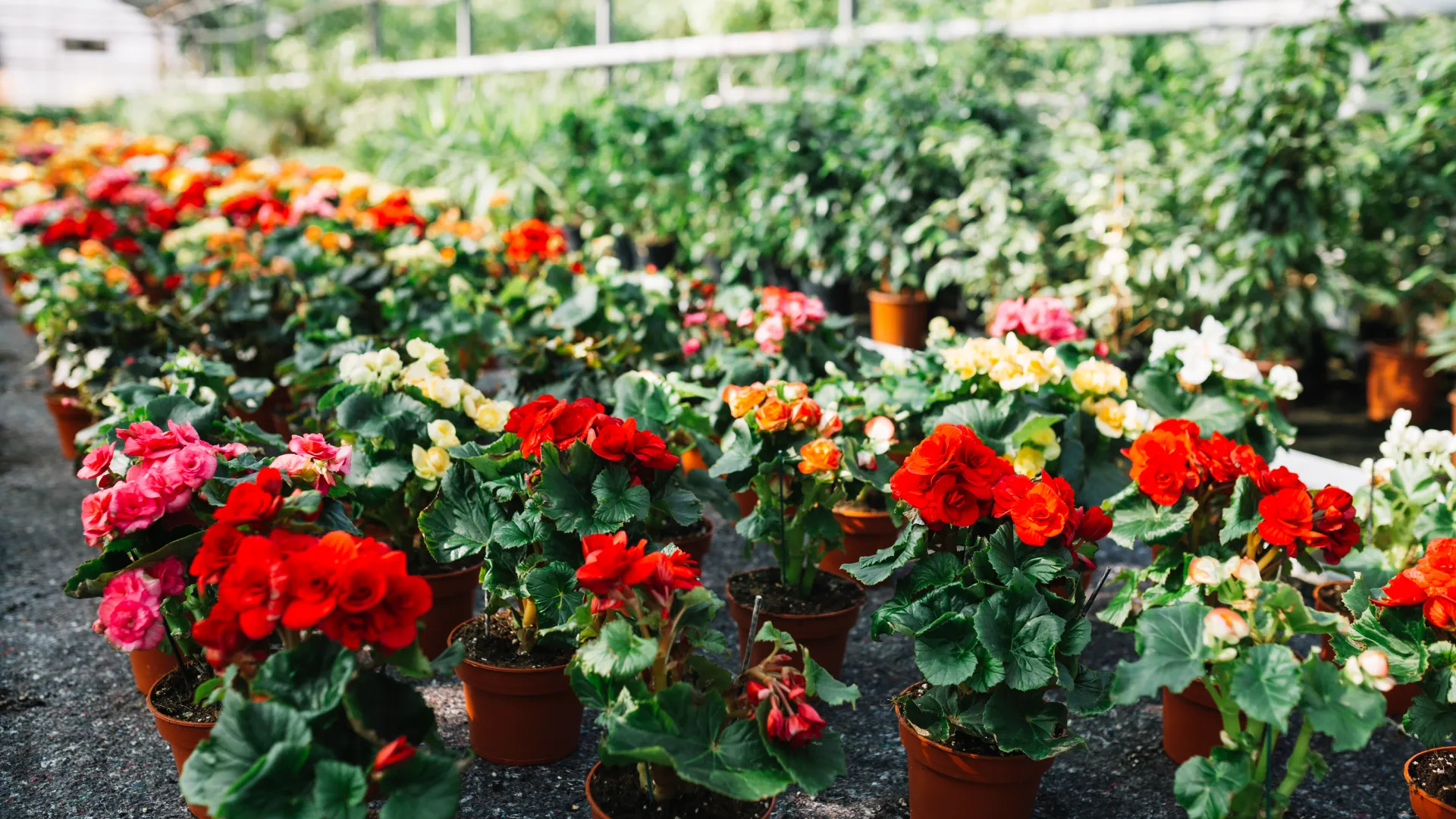
If there’s one flower that feels almost universal in Indian homes, it’s the rose. Known as Gulab (गुलाब), this timeless bloom is far more than just ornamental; it’s part of our everyday life.
Key Takeaways
- India’s climate, especially from October to March, is ideal for growing most rose varieties in gardens, terraces, and balconies.
- Beginner-friendly options like Desi Gulab, Button Rose, Miniature Rose, and Floribunda Rose are easy to grow and require minimal care.
- Consistent sunlight, proper watering, well-draining soil, and seasonal pruning are essential for healthy growth and frequent flowering.
From temple offerings and festive decor to wedding mandaps and home gardens, roses bring colour, fragrance, and emotion into every space they touch.
But here’s something many people don’t know: a “rose” isn’t just one kind of plant. There are dozens of rose varieties, each with its own look, fragrance, growth pattern, and care needs. Some are perfect for compact balconies, while others flourish in open gardens.
So, whether you’re gardening in a cosy apartment in Bengaluru or have a spacious backyard in Delhi, there’s a rose variety that fits your space and lifestyle.
In this guide, we’ll explore the most popular types of rose plants in India, along with easy care tips, beginner-friendly ratings, and practical advice on which varieties truly thrive in Indian conditions.
Quick Answer
The most popular types of roses you can grow in India include:- The Indian Rose (Desi Gulab)
- Kashmiri Rose
- Button Rose
- English Rose
- Celestial Large Rose
- Miniature Rose
- Hybrid Tea Rose
- Floribunda Rose
- Climbing Rose
About The Rose Plant - Quick Facts
| Facts | Details |
|---|---|
| Scientific Name | Rosa (genus) · Family: Rosaceae |
| Common Names | Rose, Gulab, Golap, गुलाब |
| Origin | Asia (primarily China and Persia) |
| Colours Available | Red, pink, yellow, white, orange, purple, peach, cream, blue, bicolours, and more |
| Blooming Season | October to March (peak in India); some varieties bloom year-round |
| Plant Type | Deciduous/semi-evergreen shrub |
| Fragrance | Ranges from strong to mild, depending on the variety |
| Uses | Garden/balcony decor, cut flowers, rose water, perfumery, Ayurvedic use |
Roses belong to the genus Rosa in the family Rosaceae and have been cultivated for thousands of years. In India, they have long been an inseparable part of culture, from Mughal gardens to modern-day bouquets.
Different Types of Roses You Can Grow in India
1. Indian Rose (Desi Gulab)
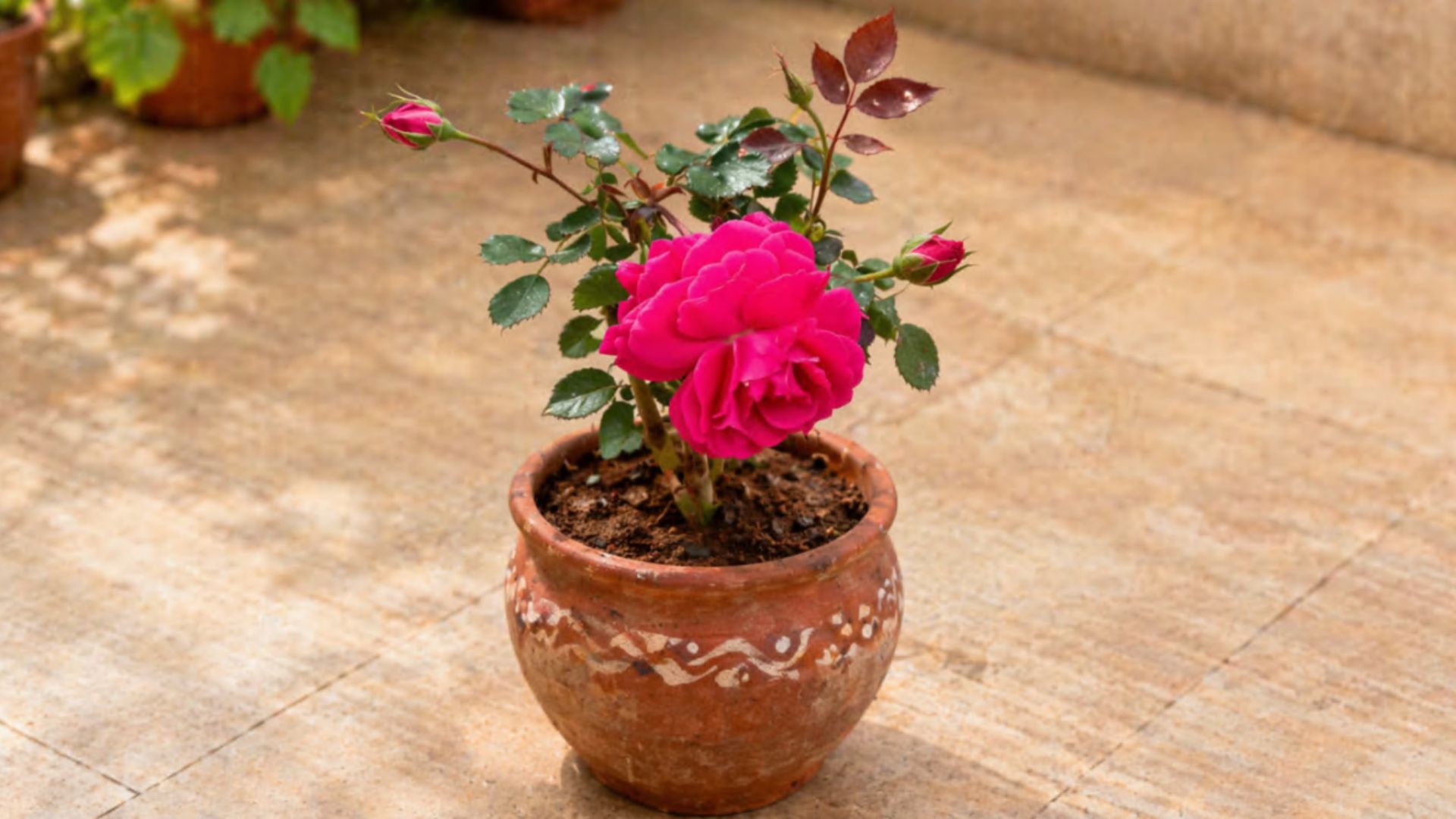
NATIVE VARIETY · TRADITIONAL
Also known as the Desi Rose or Country Rose, this is one of the oldest and most cherished rose varieties found in Indian homes. Passed down through generations, it holds a strong connection to traditional gardens and cultural practices. This variety is especially valued for its rich, natural fragrance, often used in making rose water, gulkand, and attar.
Unlike many hybrid roses, Indian rose/desi gulab adapts well to heat, fluctuating weather, and basic soil conditions, making it an excellent choice for beginners as well as experienced gardeners. With its soft, layered petals and classic charm, it remains an all-time favourite for anyone looking to grow a truly authentic and low-maintenance rose plant.
Small dense blooms; famous colours - red, pink, and white
Very strong; the classic gulab scent
Full sun, well-draining soil
Garden, terrace pots, ground planting
Buy Indian Rose (Desi Gulab) on Urvann.
2. Kashmiri Rose
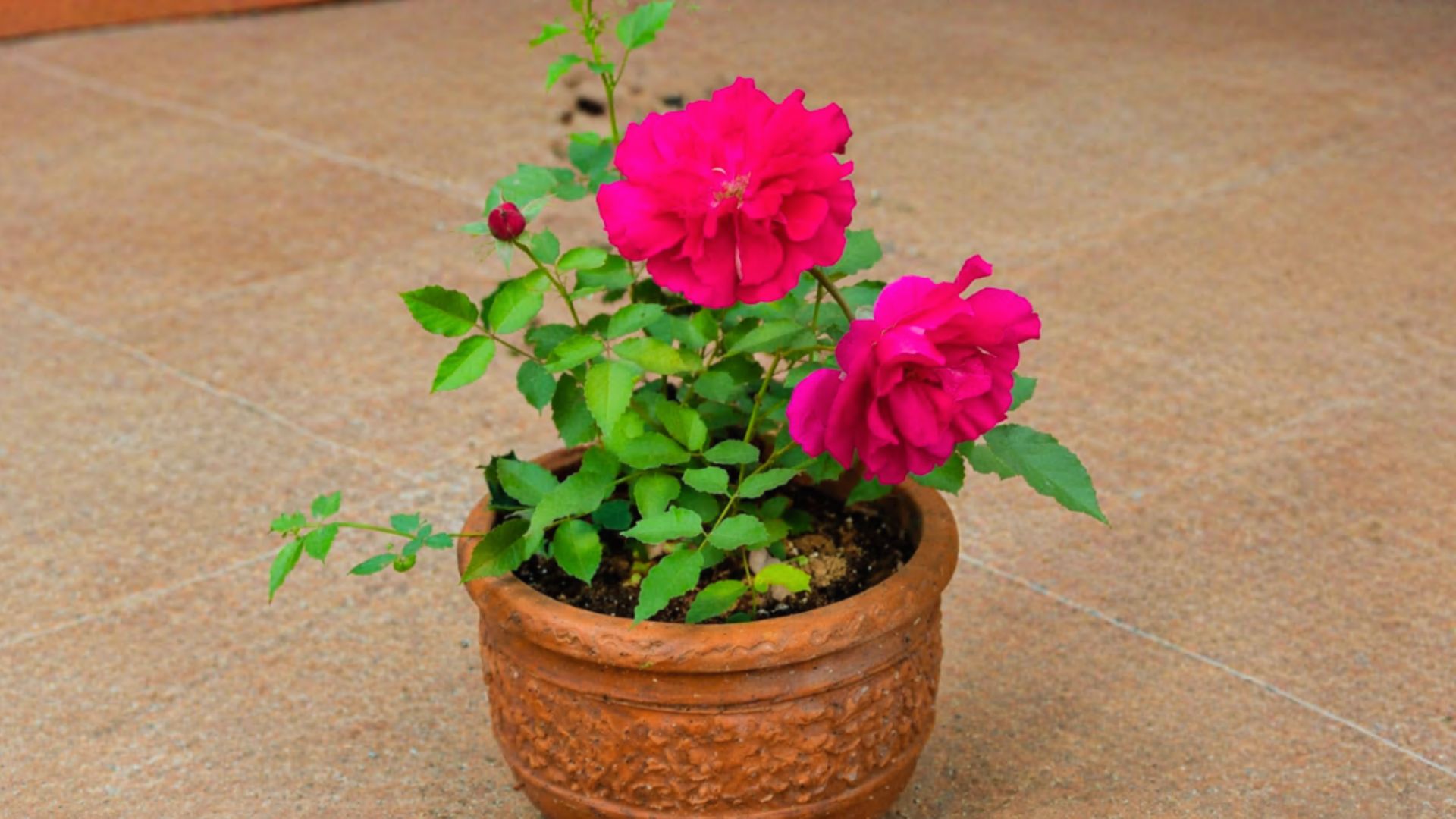
NATIVE VARIETY · NORTH INDIA
Prized for its exceptionally rich fragrance, the Kashmiri Rose is one of the most aromatic rose varieties you can grow. These roses are used to create premium rose water and attar, which makes them highly valued not just for their beauty, but also for their natural essence.
This variety thrives best in cooler climates and performs especially well during North Indian winters. The flowers are typically soft, full, and deeply fragrant, often blooming in shades of pink that add a delicate elegance to any garden.
Light to deep pink, white, multi-petalled blooms
Intensely rich fragrance
Cool to moderate; Ideal for North Indian winters
Open gardens, large terrace containers
Buy Kashmiri Rose on Urvann.
3. Button Rose (Miniature Cluster Rose)
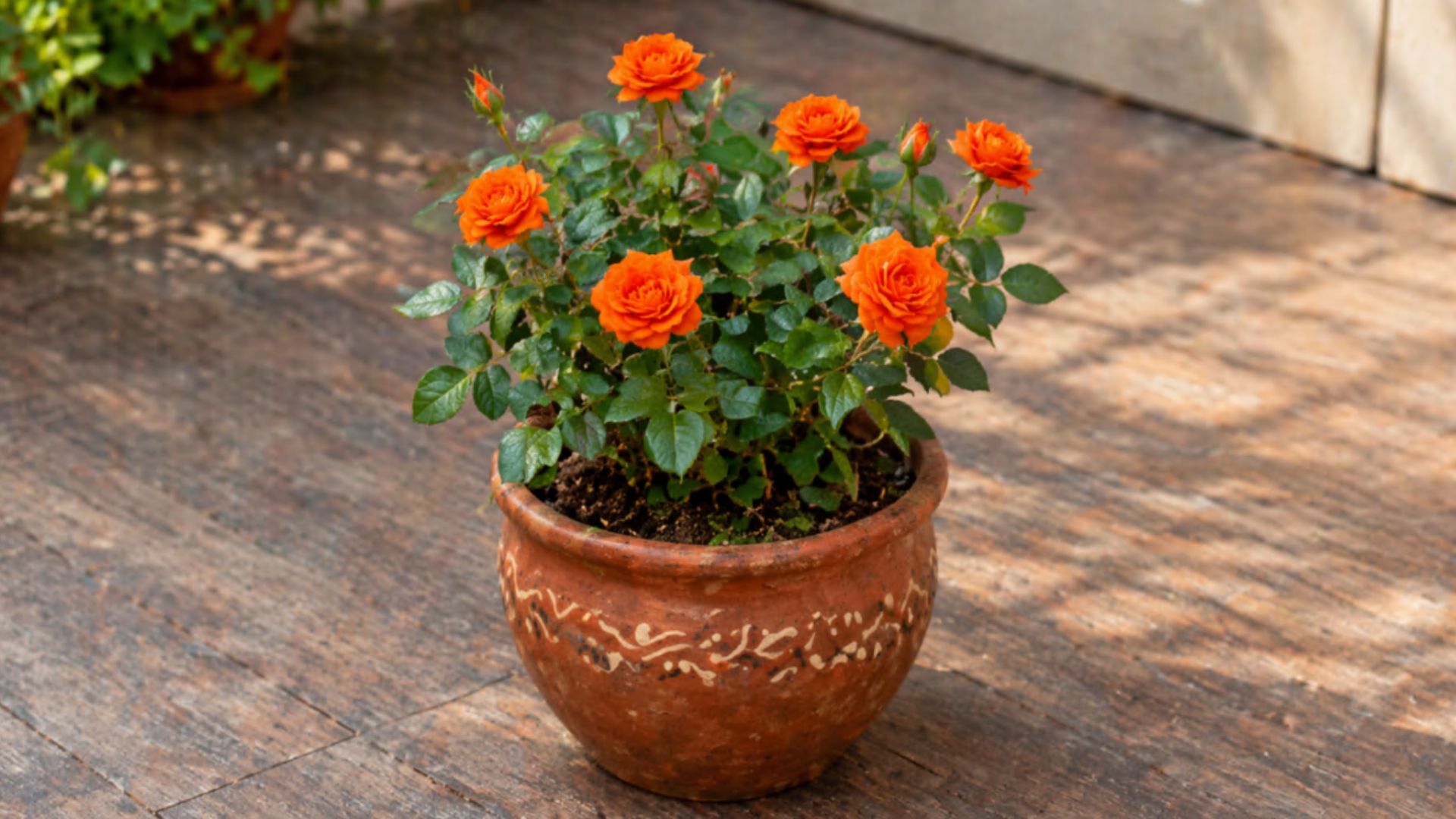
COMPACT VARIETY · URBAN FAVOURITE
Small in size but big on charm, the Button Rose is loved for its tiny, vibrant blooms that grow in dense, eye-catching clusters. These cheerful flowers often bloom continuously, adding a lively pop of colour to any space without demanding too much attention.
Despite its delicate appearance, the Button Rose is fairly easy to grow and rewards even minimal care with frequent flowering.
If you’re looking for a low-maintenance, space-friendly rose that brings constant colour and charm, the Button Rose is an absolute crowd pleaser.
Small, button-shaped cluster flowers; Colours - white, pink, red, orange, yellow, and more
Light to mild
Partial to full sun; adapts well to containers
Balconies, window boxes, small pots
Buy Button Rose on Urvann.
4. English Rose
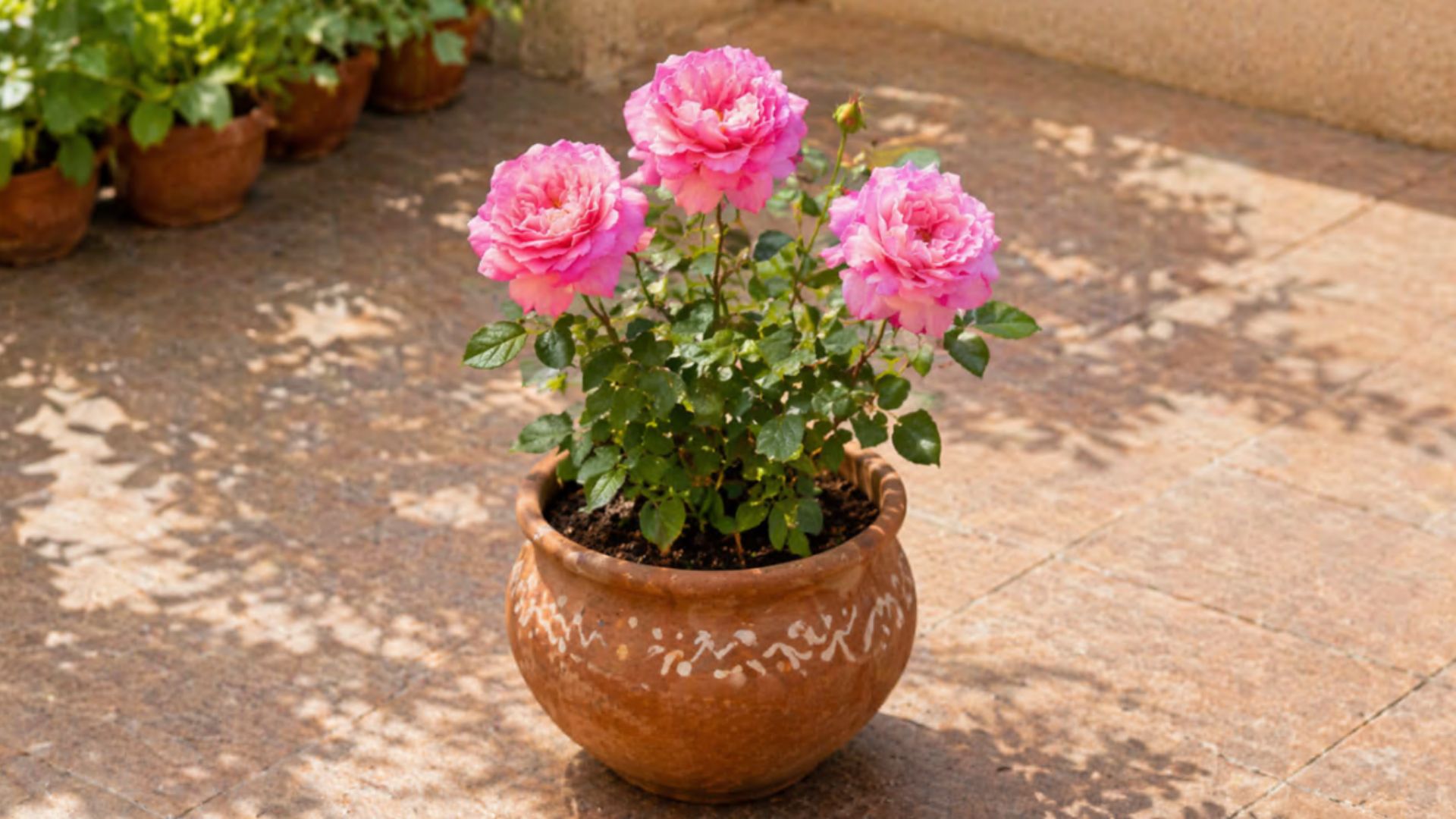
ROMANTIC VARIETY · GARDEN SHOWPIECE
A perfect blend of classic beauty and modern performance, the English Rose combines old-world charm with reliable repeat flowering. Known for its full, cupped blooms and soft, romantic form, it brings a timeless elegance to any garden.
These roses often bloom in delicate shades of blush, peach, apricot, and cream, with petals arranged in a way that feels almost handcrafted. Many varieties are also pleasantly fragrant, adding to their appeal.
Compared to desi and button roses, English roses require slightly more care, but they offer extended flowering cycles and exceptionally refined, visually striking blooms.
Full cupped petals in shades of blush, peach, apricot, white, and more
Strong, fruity, or myrrh fragrance
Prefers well-drained, fertile soil with at least 6 hours of sunlight
Garden beds, large terrace containers
Buy English Rose on Urvann.
5. Celestial Large Rose
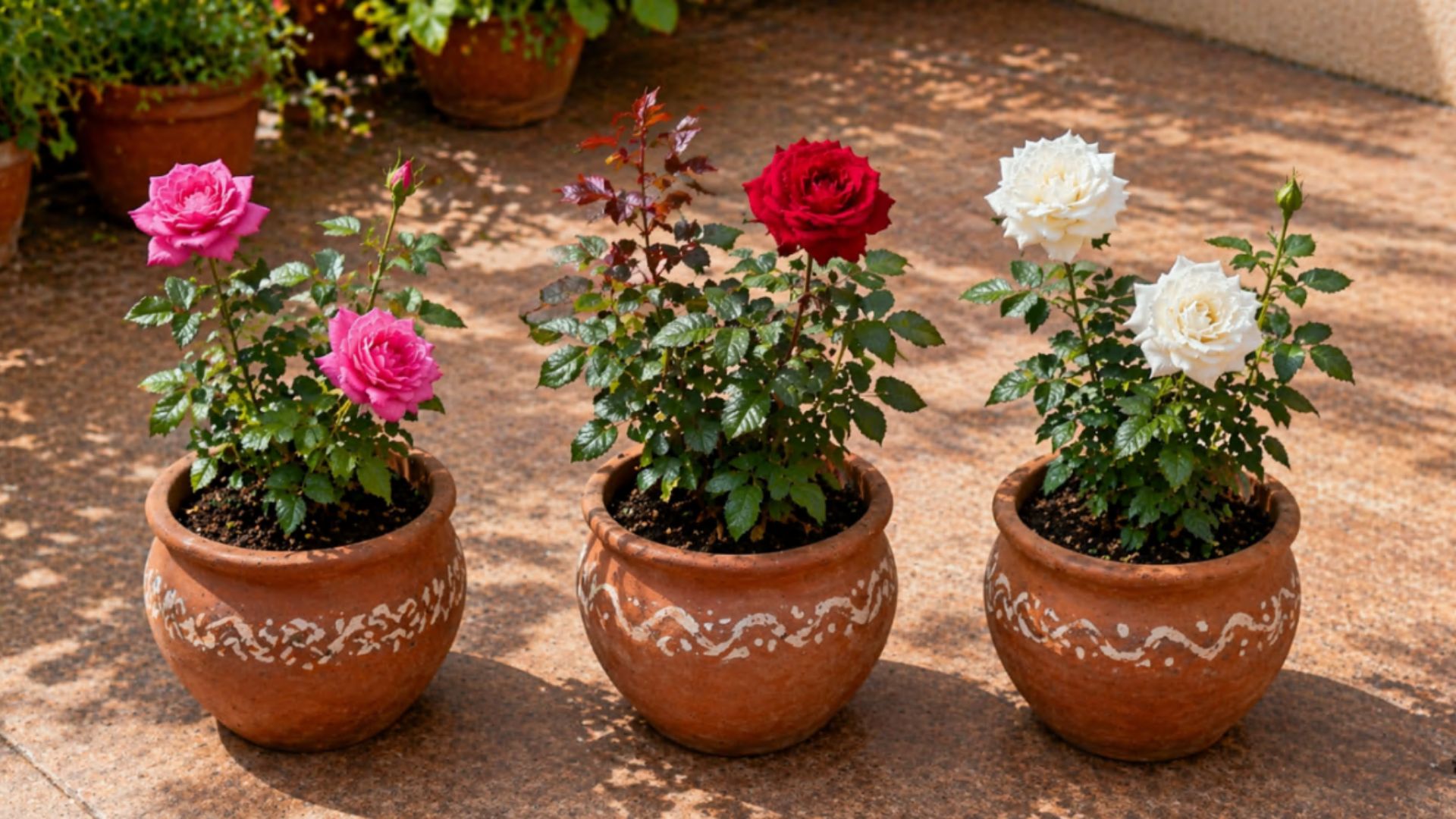
LARGE VARIETY · STATEMENT FLOWER
The Celestial Large Rose is a premium variety distinguished by its large, well-formed blooms and strong, upright stems. Its impressive flower size and structured form make it a standout choice for creating a refined and visually striking garden display.
Well-suited for feature planting, this variety adds depth and elegance to outdoor spaces. It is also highly valued as a cut flower due to its long stems and lasting visual appeal.
Under adequate sunlight and consistent care, the Celestial Large Rose sustains its strong visual presence. This makes them a preferred choice for gardeners seeking high-impact statement blooms.
Large, high centred blooms in crimson, peach, and white shades
Moderate to strong
Grows best in full sun, rich loamy soil, and regular feeding
Ideal for open gardens and cut flower arrangements
Buy Celestial Large Rose on Urvann.
6. Miniature Rose
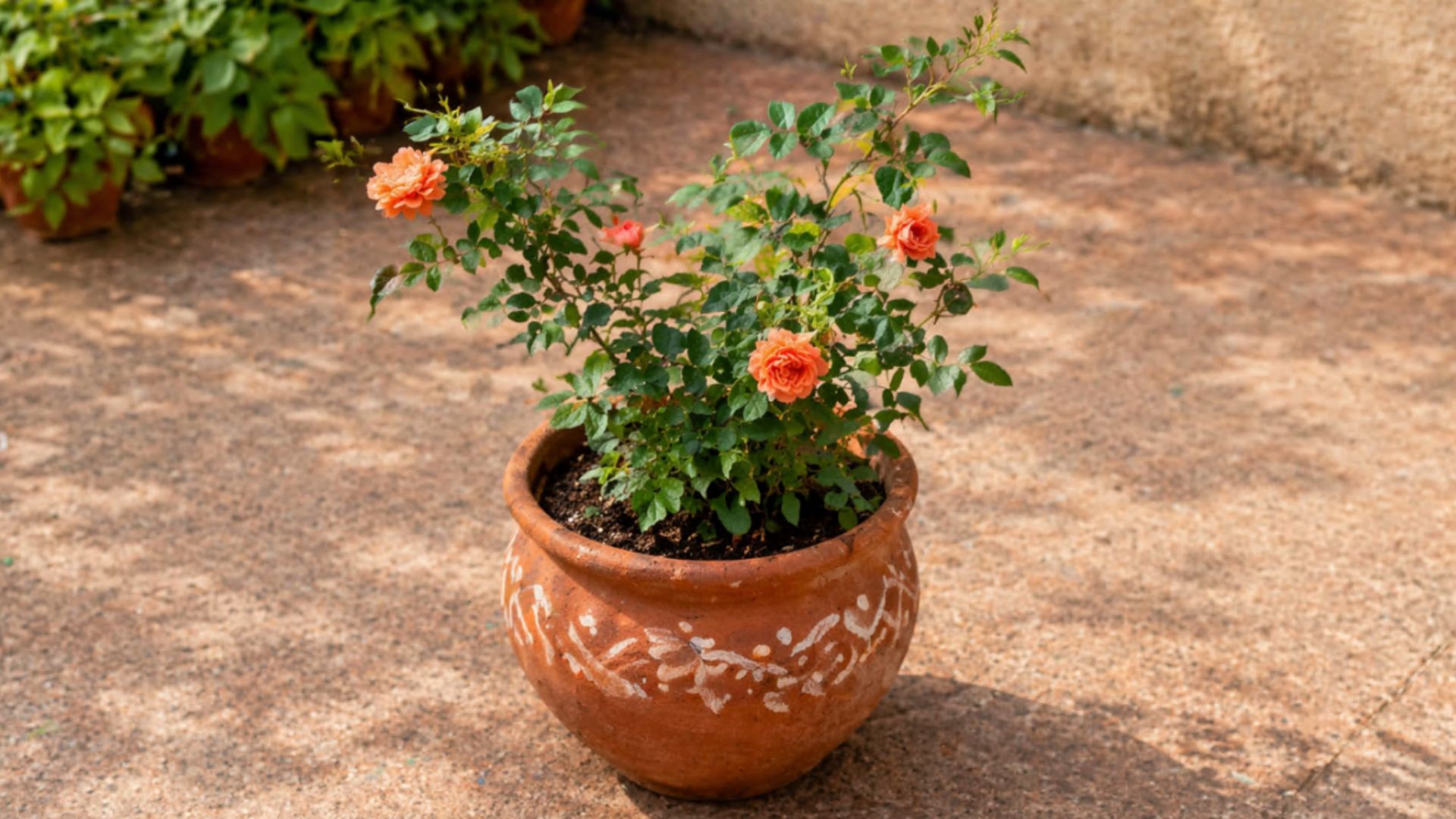
MINIATURE VARIETY · URBAN ESSENTIAL
Miniature roses are compact versions of standard rose plants, bred to maintain the same flower structure and form in a smaller size. Despite their reduced scale, they produce well-shaped blooms and retain the visual appeal of full-sized roses.
This variety is particularly well-suited for urban homes, where space may be limited. It grows well in pots and containers, making it ideal for balconies, windowsills, and indoor placements with adequate sunlight.
Miniature roses are relatively easy to maintain and can flower regularly under proper care. Their manageable size, adaptability, and consistent blooming make them a practical choice for gardeners looking to grow roses in small or confined spaces.
Small, well-formed blooms that come in a wide range of colours
Mild to moderate
Requires 4 to 6 hours of sunlight and grows well in containers
Windowsills, balconies, small pots
Buy Miniature Rose on Urvann.
7. Hybrid Tea Rose
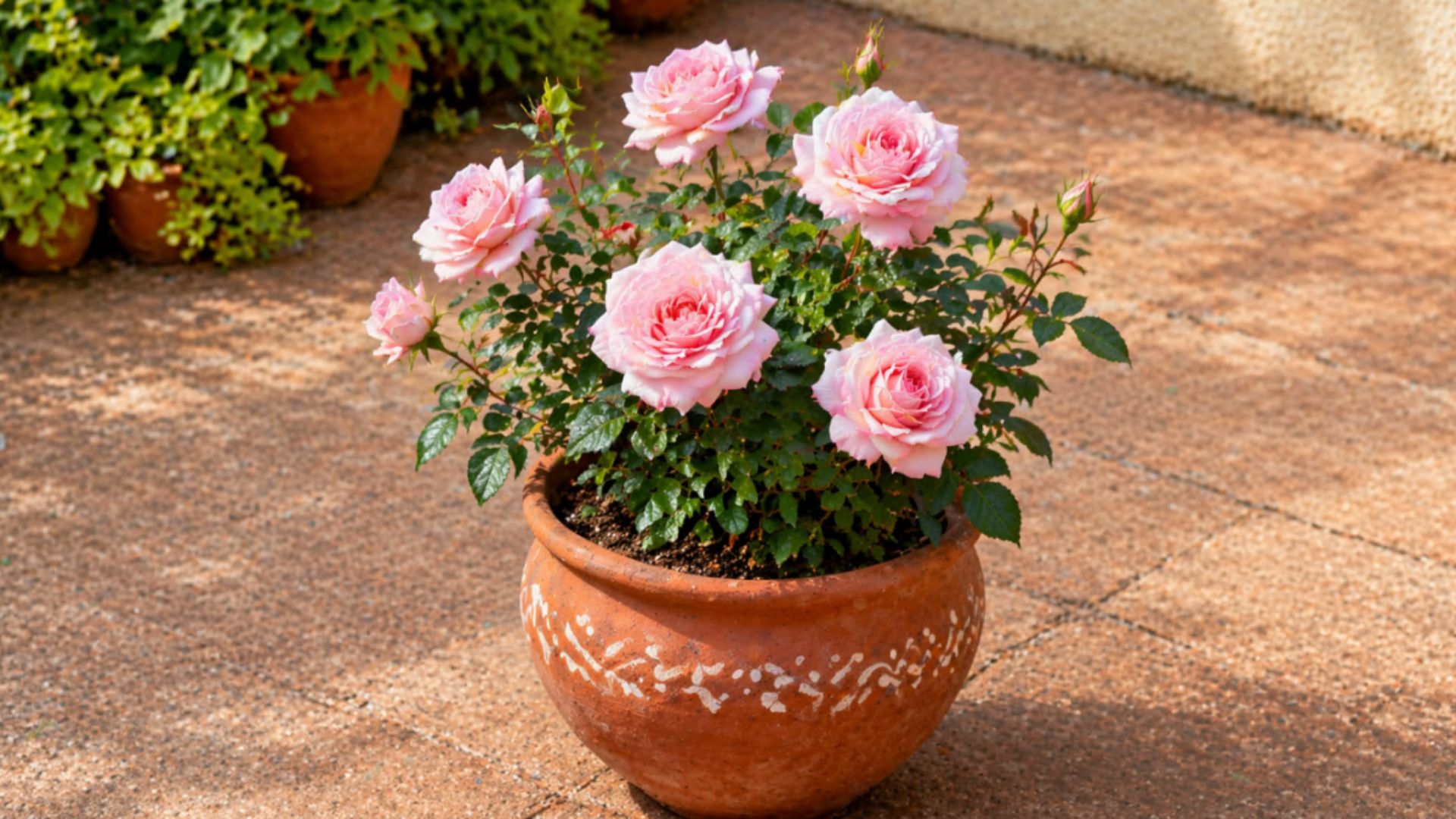
CLASSIC VARIETY · FLORIST'S CHOICE
The Hybrid Tea Rose is considered the classic rose variety. It is widely known for its elegant form, featuring long, straight stems and large, high centred blooms.
Each flower typically grows as a single bloom per stem, with neatly arranged petals that can range from 30 to 50 in number. This structured appearance makes them especially popular in bouquets and floral arrangements.
Hybrid Tea roses are commonly grown in gardens for their refined look and are also the preferred choice of florists due to their long stems and long-lasting blooms. With proper sunlight, regular pruning, and consistent care, they produce high-quality flowers that are both visually appealing and suitable for cutting.
Elegant, pointed buds in shades of red, pink, yellow, blue, white, bicolours, and more
Sweet to spicy
Requires full sun, well-drained soil, and regular pruning
Open gardens, large terrace pots
8. Floribunda Rose
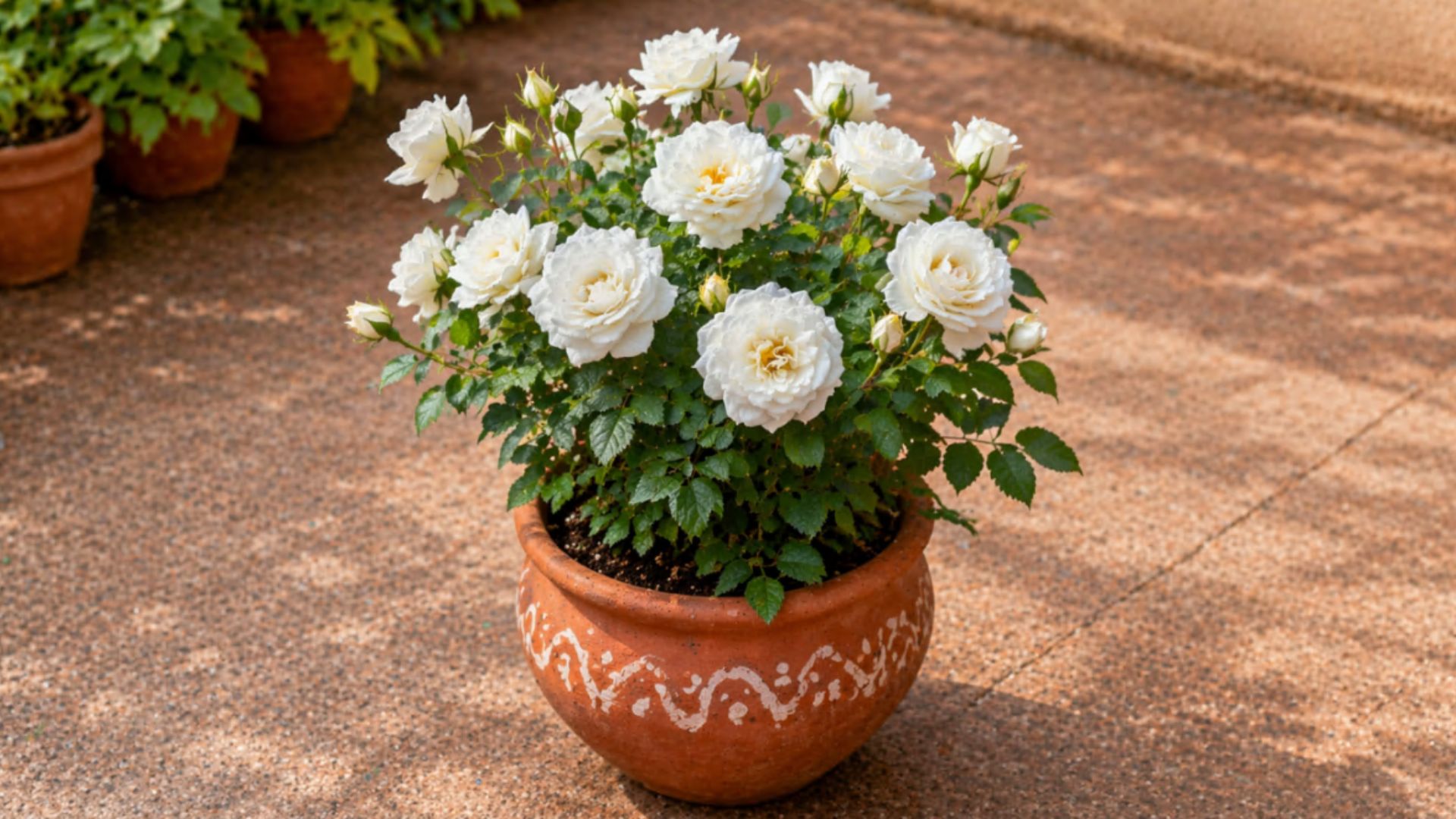
CLUSTER VARIETY · NEAR-CONTINUOUS BLOOMER
The Floribunda Rose is known as a reliable garden filler, valued for its ability to produce continuous clusters of blooms throughout the flowering season. Unlike single-stem varieties, it grows multiple flowers per stem, creating a fuller and more vibrant display.
This variety is especially well-suited for borders, hedges, and large containers, making it a practical choice for both home gardens and landscaped spaces. Its bushy growth habit helps it fill areas quickly with consistent colour.
Floribunda roses are also considered one of the more dependable varieties in Indian conditions. With regular sunlight, basic pruning, and routine care, they offer steady flowering and long-lasting garden appeal with relatively low maintenance.
Clusters of multiple blooms per stem in shades of pink, red, white, orange, and more
Light to moderate
Grows best in full sun and becomes drought-tolerant once established
Garden borders, hedges, large containers
9. Climbing Rose
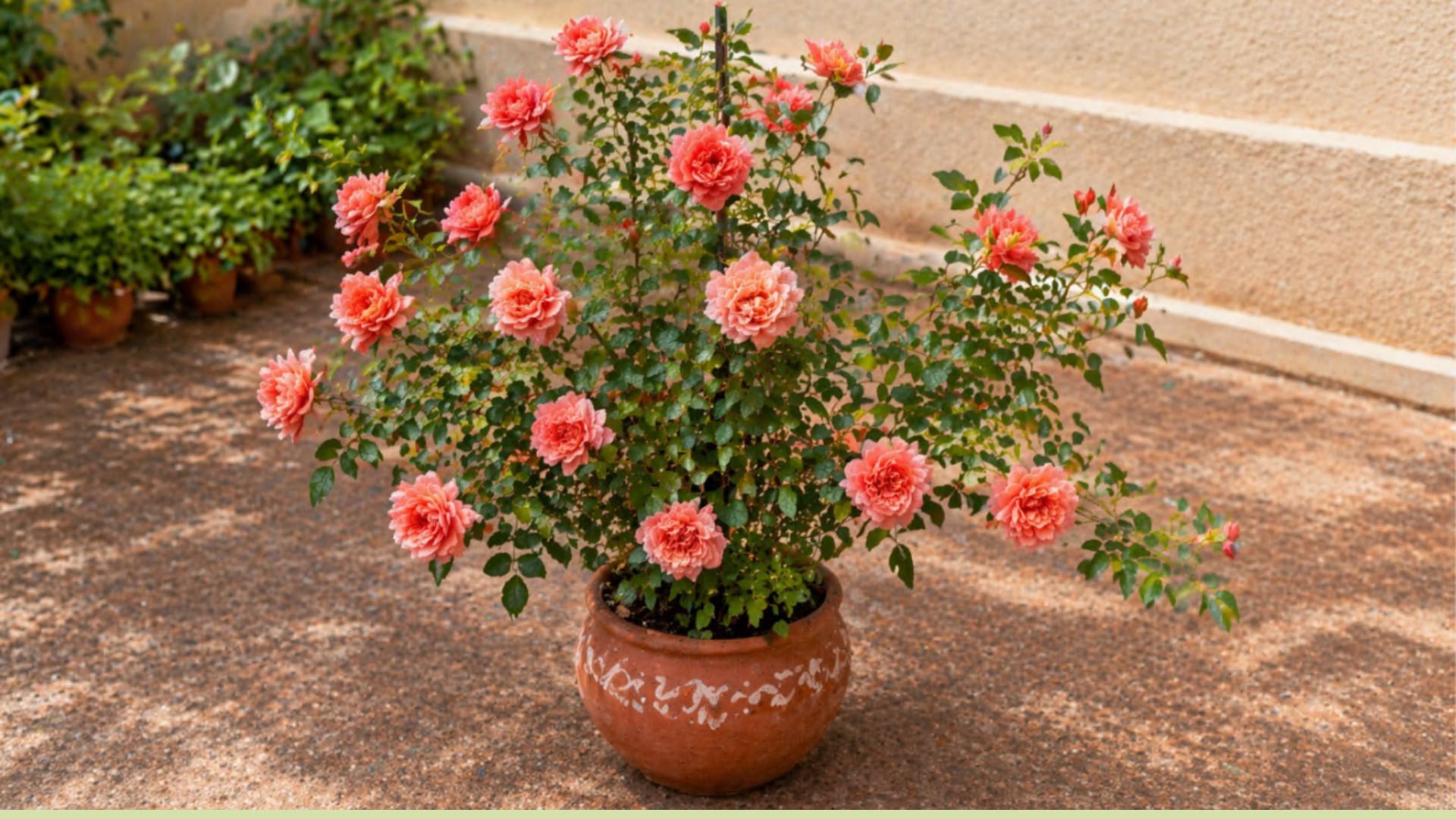
CLIMBING VARIETY · ARCHITECTURAL FEATURE
Climbing roses are vigorous, long-growing varieties designed to add height and structure to garden spaces. They are ideal for covering bare walls, fences, arches, and pergolas, turning plain structures into visually rich, flowering features.
Once established, these roses produce long canes that can be trained and supported to grow vertically. With proper guidance, they create a natural cascade of blooms that adds depth and elegance to any outdoor setting.
Climbing roses are valued for their ability to transform vertical spaces into lush, living displays. With adequate sunlight, regular training, and seasonal pruning, they offer impressive flowering and long-term garden impact.
Long arching canes with clustered blooms in shades of pink, red, white, coral, and more
Generally moderate to strong
Best grown in full sun, with sturdy support structures, and regular pruning after flowering
Walls, pergolas, courtyard fences
All Varieties At A Glance
| Rose Type | Size | Best For | Care Level | Flowering Season |
|---|---|---|---|---|
| Indian Rose (Desi Gulab) | Medium | Fragrance, traditional gardens | Easy | Oct–Mar |
| Kashmiri Rose | Medium | Fragrance, North India | Moderate | Nov–Feb |
| Button Rose | Small–Medium | Balconies, continuous clusters | Easy | Oct–Apr |
| English Rose | Medium–Large | Garden beds, luxury look | Moderate | Nov–Mar |
| Celestial Large Rose | Large | Showstopper, cut flowers | Moderate | Nov–Mar |
| Miniature Rose | Small | Windowsills, urban pots | Easy | Oct–Mar |
| Hybrid Tea Rose | Large | Classic roses, cut flowers | Moderate–Hard | Nov–Mar |
| Floribunda Rose | Medium | Borders, continuous bloom | Easy | Oct–Apr |
| Climbing Rose | Very Large | Walls, pergolas, fences | Moderate | Mar–May, Oct–Dec |
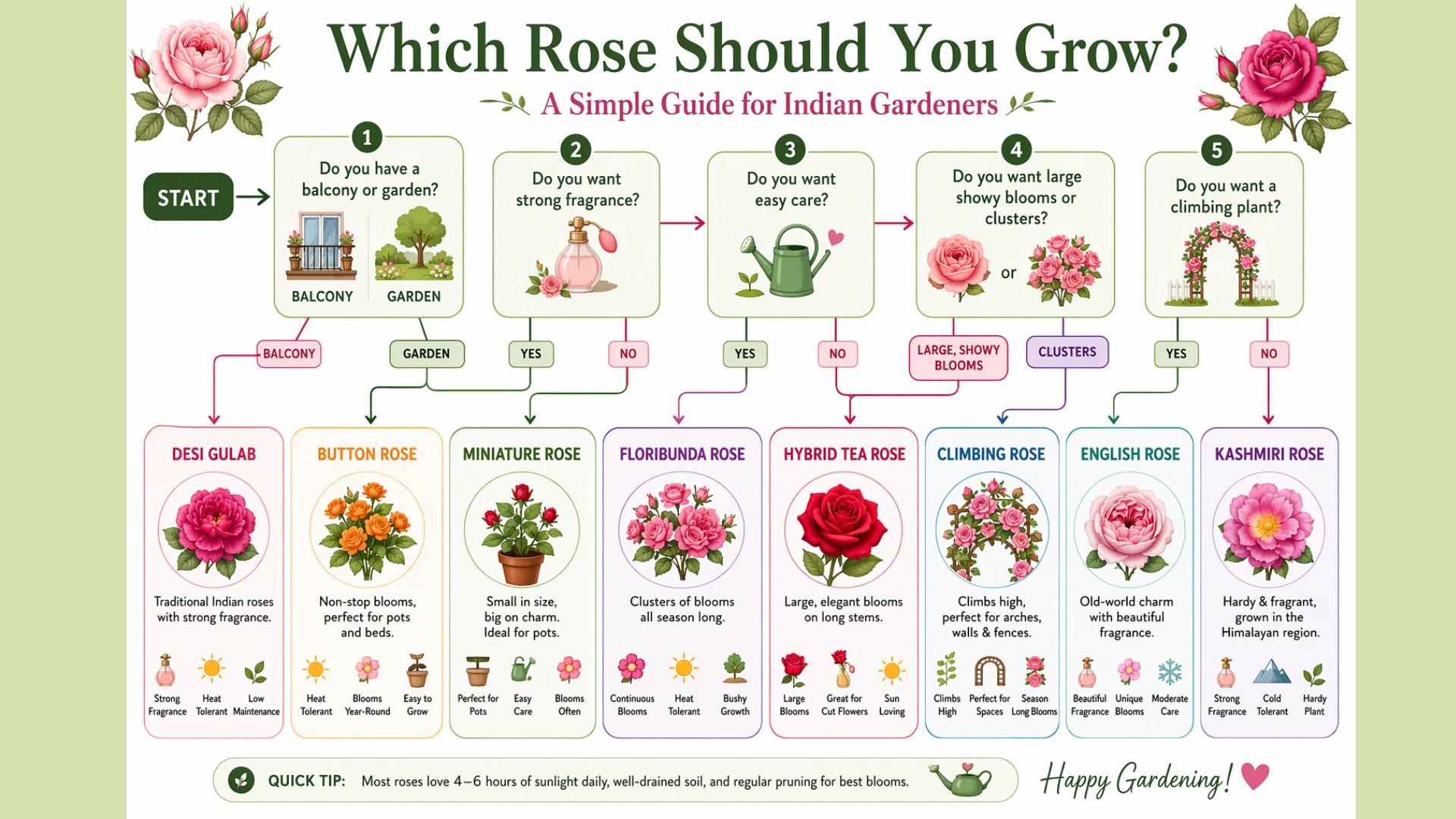
Choosing the Right One - Best Roses Based on Your Needs
Best for Beginners
- Indian Rose (Desi Gulab)
- Button Rose
- Miniature Rose
- Floribunda Rose
New To Gardening?
If you’re just starting out, you can also explore other easy plants like money plants, which are equally beginner-friendly and low-maintenance.
For a strong foundation, check out our guide on 16 gardening tips for beginners in India to get started the right way.
Best for Balconies & Pots
- Miniature Rose (windowsills too)
- Button Rose (near-constant blooms)
- Floribunda Rose (large containers)
Best for Year-Round Blooms
- Floribunda Rose
- Indian Rose (some varieties)
- Button Rose
Best by Colour
- Red → Hybrid Tea (First Red)
- Pink → Kashmiri / English Rose
- White → Iceberg Floribunda
- Yellow → Sunsprite / Golden Giant
- Purple → Angel Face Floribunda
Rose Care Tips for Indian Gardens
Roses are often considered high maintenance, but in reality, they grow well when given the right basic conditions. Here are the key factors to focus on -
Sunlight
Roses require at least 5 to 6 hours of direct sunlight daily. In peak Indian summers, light afternoon shade can help prevent stress and leaf burn.
Watering
Water plants 2 to 3 times a week under normal conditions, and increase frequency during extreme heat. Always water at the base of the plant, preferably in the morning, to avoid fungal issues.
Soil Mix
Use a well-draining soil mix made of 40 percent garden soil, 30 percent cocopeat, and 30 percent compost. Good drainage is essential to prevent root rot.
Fertiliser
Feed roses with organic compost every 3 to 4 weeks. Natural options like banana peel tea can help provide potassium and support healthy flowering.
Pruning
Remove spent blooms regularly to encourage continuous flowering. Carry out hard pruning in October to prepare the plant for a fresh growth cycle.
Pest Care
Use neem oil spray to manage common pests like aphids and to prevent fungal infections. Avoid wetting the leaves in the evening, as moisture overnight can lead to disease.
Seasonal Care Calendar for Roses
| Month(s) | What To Do |
|---|---|
| October to November | Best time for planting new roses. Prune existing plants by about one-third to encourage fresh, healthy growth. |
| December to February | Peak flowering season. Enjoy the blooms and regularly remove faded or dried flowers to encourage more buds. |
| March to April | Add a layer of mulch around the base of the plant to help retain moisture in the soil and keep the roots cool as temperatures begin to rise. |
| May to June | Water more frequently during extreme heat. Some roses may slow down flowering or show stress. Providing light afternoon shade can help. |
| July to August | High humidity can lead to fungal issues. Ensure proper drainage, avoid water stagnation, and do not wet the leaves while watering. |
| September | Add compost or organic fertiliser to replenish nutrients and prepare the plant for the next flowering cycle. |
Ready To Grow Your First Rose?
At Urvann, we source our rose plants directly from Urvann farms, ensuring you receive healthy, well-grown plants that are ready to thrive in your home.
Through our network of Urvann farms and trained delivery partners, every plant is handled with care and delivered in fresh, excellent condition.
Explore our rose plant collection online and bring home your first bloom today!
Frequently Asked Questions (FAQs) on Types of Roses
Q1. Which rose variety is best in India?
For most Indian gardeners, the Indian Rose (Desi Gulab), Floribunda Rose, and Hybrid Tea Rose are among the best choices, depending on your space and preference.
The Desi Gulab is the hardest and most fragrant, making it ideal for beginners and those looking for a low-maintenance, traditional variety. Floribunda roses are known for their continuous clusters of blooms and reliable performance, offering consistent colour with relatively minimal care. Hybrid Tea roses, on the other hand, are perfect if you prefer classic, long-stemmed roses with large, well-shaped blooms, commonly used for bouquets.
For smaller spaces like balconies or indoor settings, the Button Rose and Miniature Rose are excellent options. Their compact size, frequent flowering, and adaptability to containers make them well-suited for urban homes.
Q2. Is rose anti-inflammatory?
Yes, roses have natural anti-inflammatory properties. Rose petals, rosehips, and rose oil contain antioxidants and polyphenols that help reduce inflammation in the body. They are commonly used to soothe skin conditions like redness, irritation, eczema, and rosacea. Rosehips are also known to support joint health and may help reduce pain linked to inflammation.
Additionally, rose tea can aid digestion by calming the digestive tract and easing bloating or cramps. These benefits have been recognised in traditional systems like Ayurveda and Unani, where roses have long been used for their soothing and healing properties.
Q3. How do I make my rose plant bloom more?
To encourage your rose plant to produce more blooms, focus on a few key care practices that directly support flowering.
Regularly remove faded or dried flowers, as this helps the plant redirect its energy into producing new buds. Feed the plant every 3 to 4 weeks during the growing season with a potassium rich fertiliser, such as compost or banana peel water, to support healthy blooming. Ensure the plant receives at least 5 to 6 hours of direct sunlight daily, as roses depend heavily on sunlight for flower production.
Finally, carry out a hard pruning in October to stimulate fresh growth and encourage strong flowering stems for the upcoming season.
Q4. What are the top 10 varieties of roses in India?
If you’re looking for rose varieties that grow well in Indian climates, this list covers some of the most reliable options. These roses are commonly grown across the country and adapt well to both compact balconies and spacious gardens.
1. Indian Rose (Desi Gulab)
The most traditional and hardy variety. Known for its strong fragrance and ability to thrive in Indian climates with minimal care.
2. Kashmiri Rose
Highly aromatic and best suited for cooler regions. Popular for making rose water and attar.
3. Button Rose (Miniature Cluster Rose)
Compact, colourful, and perfect for balconies. Produces dense clusters of small blooms.
4. English Rose
Known for its full, cupped blooms and soft colours. Ideal for garden beds and premium landscape aesthetics.
5. Celestial Large Rose
Large, high centred blooms on strong stems. A great choice for statement planting and cut flowers.
6. Miniature Rose
Small, container-friendly plants that offer consistent blooms. Ideal for windowsills and compact spaces.
7. Hybrid Tea Rose
The classic long-stem rose with large, elegant blooms. Commonly used in bouquets and floral arrangements.
8. Floribunda Rose
Produces multiple flowers per stem and blooms continuously. One of the most reliable and low-maintenance garden roses.
9. Climbing Rose
Perfect for vertical spaces like walls, pergolas, and fences. Creates a cascading effect once established.
10. Damask Rose (Less Common)
Not as widely grown in home gardens, but valued for its intense fragrance and use in perfumery. Requires specific conditions and slightly more care, which makes it less popular among beginners.
Q5. What is the rarest color of rose?
The rarest colour of rose is generally considered to be true blue. Roses do not naturally produce the pigment required for a genuine blue colour, which is why you won’t find naturally occurring blue roses in nature. Most “blue roses” available are either dyed or genetically modified to achieve a bluish shade.
Other rare rose colours include black (very deep red), green, and purple, but these still occur naturally or through selective breeding to some extent. True blue remains the rarest because it does not naturally exist in traditional rose varieties.
Q6. Can you grow roses in India all year round?
Yes, roses can be grown in India throughout the year with the right care and variety selection. India’s climate, especially its warm winters and abundant sunlight, supports healthy rose growth.
The main flowering season is between October and March, when conditions are most favourable. However, certain varieties like Floribunda and Button Rose can continue to bloom for longer periods, even close to year-round, if they receive proper sunlight, watering, and regular care.
Q7. What are the easiest roses to grow at home?
The easiest roses to grow at home in India include the Indian Rose (Desi Gulab), Button Rose, Miniature Rose, and Floribunda Rose. These varieties are known for their resilience and adaptability, making them well-suited for beginners.
They grow well in pots as well as garden soil, tolerate minor inconsistencies in watering, and do not require intensive care. With basic sunlight and occasional feeding, these roses can produce consistent blooms, making them a practical and reliable choice for home gardeners.