


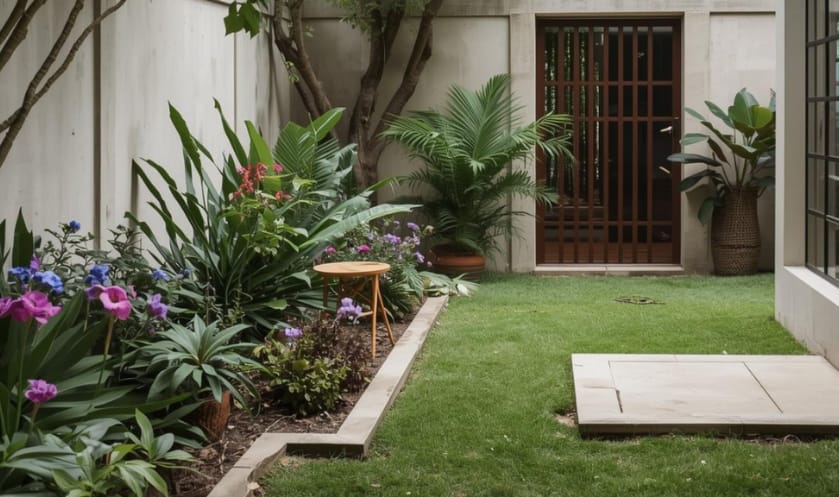
Dreaming of fresh herbs on your balcony or veggies from your terrace, but overwhelmed by India's scorching summers, heavy monsoons, and tricky soil?
Key Takeaways
If you want a simple “start today” plan:
- Pick a spot with 4–6 hours of light
- Start with 3–5 easy plants (Money Plant, Snake Plant, Aloe, Methi, Coriander)
- Use a light potting mix + pots with drainage
That’s it. You will learn the rest as you go.
You're not alone. Most beginners struggle with overwatering, wrong plants, and poor sunlight spots.
With a little guidance, gardening can feel simple and joyful, like bringing a small urban garden into your home.
This step-by-step guide shares 16 proven gardening tips for beginners in India, from choosing easy plants like Tulsi and Mint to smart watering in humid climates.
Whether you have a tiny apartment balcony or a backyard, you'll learn simple hacks to grow healthy plants without guesswork.
1. Pick the Perfect Spot
Look for a bright and comfortable corner like a balcony or terrace that gets around 4–6 hours of sunlight. A spot close to a water source makes plant care easier, and a little protection from strong, drying winds helps your plants feel settled and happy.
2. Start Small & Build Confidence
Begin with 3-5 resilient, low-maintenance plants in containers. Starting small makes gardening feel manageable instead of overwhelming. It gives you space to observe and understand what your plants truly need. Learn the basics first:
- Watering rhythm
- Sunlight patterns
- Pest spotting
- Growth changes
When you start small, mistakes feel smaller too. Your garden will expand naturally once you get the hang of it.
3. Choose Easy-to-Grow Plants
Start with plants that are hardy, low-maintenance, and adapt well to your local climate. These varieties are forgiving, grow steadily, and are perfect for beginners:
| Types | Examples |
|---|---|
| Indoor and Low Maintenance | Snake Plant (thrives on neglect), Money Plant (grows in water and soil), ZZ Plant (needs little light/water), Spider Plant (fast growing), Peace Lily |
| Succulents / Balcony | Aloe Vera (needs sunny spots), Jade Plant (low water), Cactus |
| Herbs (Kitchen Garden) | Tulsi (holy basil), Mint (pudina) |
| Flowers | Marigolds are one of the easiest to grow in India |
4. Use the Right Soil & Containers
Choose containers with proper drainage holes, whether ceramic pots, plastic pots, or grow bags. Ceramic pots are often preferred because they help regulate moisture and keep roots cooler, but grow bags also work well due to their excellent drainage and aeration. Always place pots on a saucer, and avoid letting water sit for long, as stagnant water can cause root rot.
5. Select the Right Potting Mix
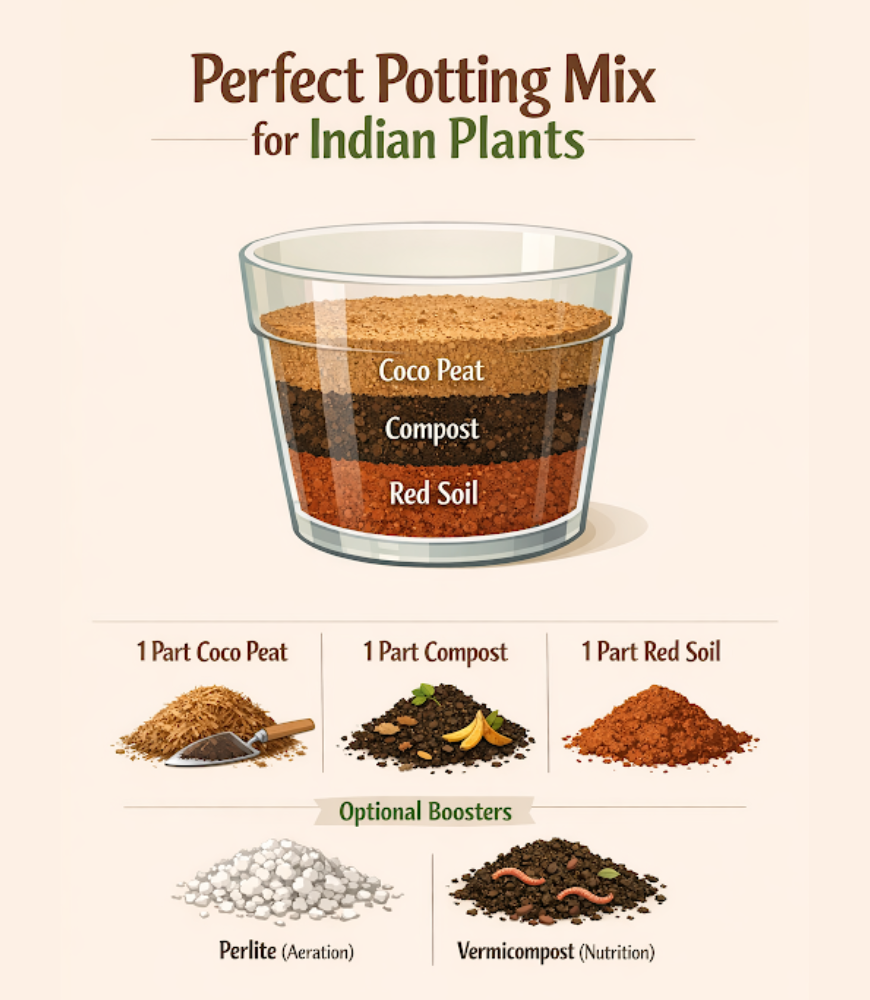
Avoid using raw garden soil in pots. It usually becomes hard and heavy after watering, which makes drainage difficult and affects root growth.
A simple, beginner-friendly soil mix is equal parts coco peat, compost, and red soil. It keeps the soil light, holds the right amount of moisture, and provides basic nutrients.
For even better results, a little perlite can improve aeration, and well-rotted cow dung or vermicompost can gently support plant growth over time.
6. Plant at Correct Depth & Spacing

.png "Garden Bed Layout")
Crowded plants = fungus + weak growth, especially in humid weather.
- Plant at the same depth as the nursery bag
- The root ball should be covered
- Don’t bury the stem too deep
Spacing Guidelines for Beginner Gardening
| Types of Plants | Spacing |
|---|---|
| Leafy Greens (Spinach, Methi, Coriander) | 3–6 inches apart |
| Root Vegetables (Radish, Carrot, Onion) | 3–4 inches between plants 9–12 inches between rows |
| Bushy Plants (Chilli, Brinjal, Bush Beans) | 18–24 inches apart |
| Vining Plants (Tomato, Bottle Gourd, Bitter Gourd) | 2–3 feet apart + trellis support |
7. Water Smartly
- Best time to water: early morning (or evening)
- Before watering:
- Check soil 2–3 inches deep
- Water only if it feels dry
- Always water the soil at the base, not the leaves.
8. Understand Sunlight Needs
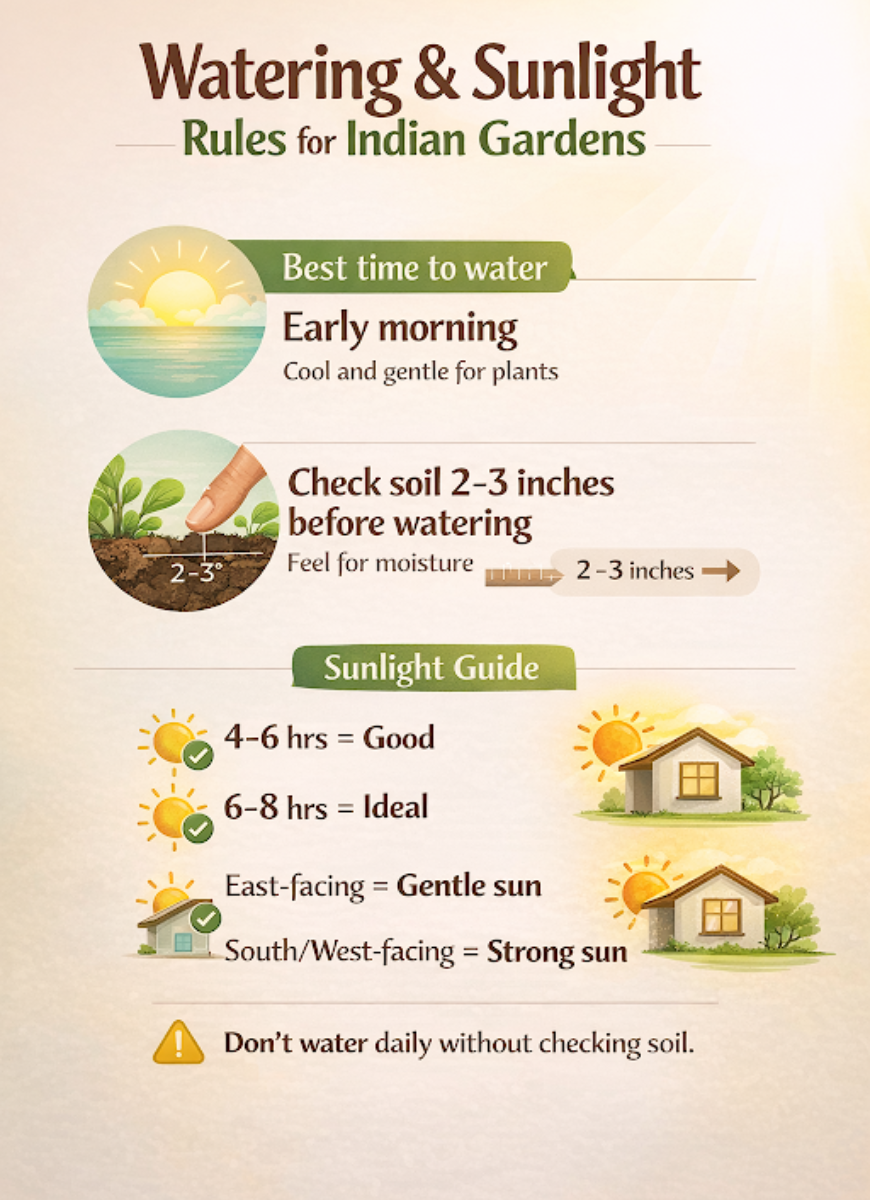
Sunlight decides how well your plants grow and produce in your home garden.
How Much Sun is Enough?
- 4-6 hours of direct morning sunlight is good.
- 6-8 hours is ideal for better growth and higher yield (especially vegetables).
Best Directions for the Sun
- South and west-facing spots get the most sun. This is best for veggies and flowering plants.
- East-facing areas get gentle morning sun. This is good for herbs and leafy greens.
9. Mulch for Health & Moisture
Mulching helps to keep plants healthy, especially in India’s heat. It helps:
- Retain soil moisture
- Keeps roots cool
- Reduces weeds
It also prevents soil from splashing onto leaves during rain, reducing the risk of fungal and bacterial diseases.
Best Mulch Options (Easy To Find In India)
| Mulch Type | Image | Why It is Good |
|---|---|---|
| Dry leaves |  |
Free and natural. Great for all plants. |
| Straw or hay | 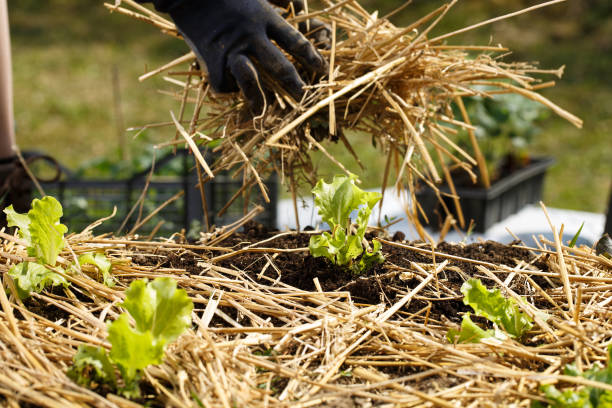 |
Excellent for vegetable gardens. Keep fruits clean, and they last a full season. |
| Coconut coir mats or husk chips | 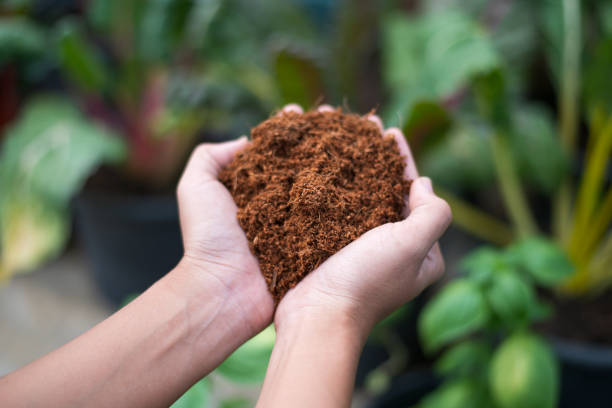 |
Perfect for pots. Long-lasting and very good at holding moisture. |
| Sugarcane waste | 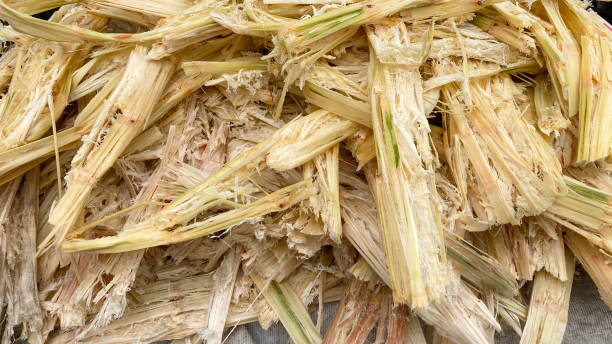 |
Common in many areas. Good organic mulch. |
| Grass clippings | 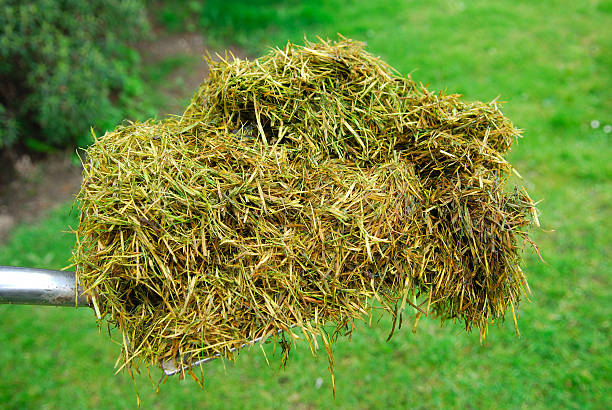 |
Use thin layers only. Thick layers can smell and block airflow. |
10. Fertilise Properly
- Start with slow, safe choices:
-
- Vermicompost
- Well-rotted cow dung
- Neem cake
When to apply: early morning or evening (avoid noon heat)
Important rules:
- Don’t fertilise bone-dry soil. Moisten first
- During heavy rain, reduce feeding (nutrients wash away)
11. Prune & Maintain
Pruning
- Remove the 3 D’s first: Dead, Damaged, Diseased
- Never remove more than 1/3 at once
- Use clean tools; cut above a node
Maintenance Rhythm
- Wipe dusty leaves
- Remove yellow leaves
- Keep airflow open
- Check pests weekly
12. Natural Pest Control
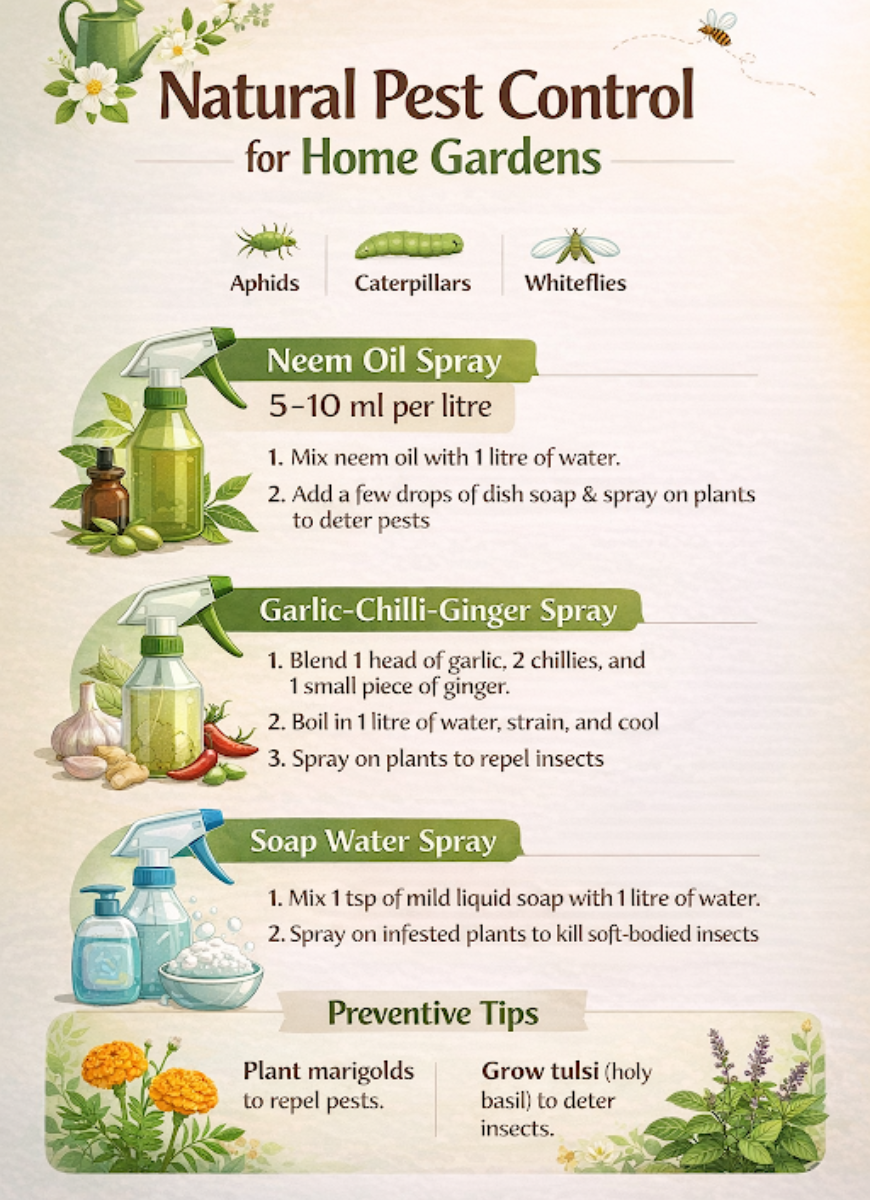
Here are the following methods to control pests in your home garden:
| Method | How It’s Used | Best For | Frequency / Notes |
|---|---|---|---|
| Neem Oil Spray (Main Solution) | Mix 5–10 ml of neem oil with 1 litre of water and a few drops of liquid soap. Spray on leaves. | General pest control | Every 7–10 days, preferably in the evening |
| Garlic–Chilli–Ginger Spray | Blend garlic, ginger, and green chillies. Soak in water overnight, strain, and spray. | Aphids, caterpillars, beetles | Use when pests appear |
| Soap Water Spray | Mix 1 tbsp mild liquid soap in 1 litre of water and spray directly on affected areas. | Mealybugs, whiteflies, mites | Repeat every few days if needed |
Ways To Prevent Pests Naturally
- Plant marigold, tulsi, mint, or lemongrass near vegetables.
- Sprinkle turmeric powder or wood ash to stop ants.
- Check under leaves often and remove infected parts.
- Let ladybugs and spiders stay as they eat pests.
13. Seasonal Planting Tips
Seasonal Planting Calendar for India
Here is a simple seasonal planting calendar to help you choose the right vegetables to grow in India throughout the year.
| Growing Season | Months | Best Vegetables to Grow (Balcony-Friendly) | Important Tip |
|---|---|---|---|
| Monsoon (Kharif) | June – September | Tomato, Bottle Gourd, Ridge Gourd, Cucumber, Okra, Beans | Ensure strong drainage in pots to prevent waterlogging. |
| Winter (Rabi) | October – February | Spinach, Methi, Lettuce, Carrot, Radish, Beetroot, Peas, Coriander | Needs mild sunlight. Ideal for leafy and root vegetables. |
| Summer (Zaid) | March – June | Okra, Brinjal, Chilli, Capsicum, Cucumber, Cluster Beans, Amaranthus | Mulch soil and water consistently to manage heat. |
| Year-Round (Easy Picks) | Almost All Months | Spinach, Methi, Coriander, Green Onions, Okra | Provide 4–6 hours of sunlight and regular care. |
14. Kitchen Garden Step-by-Step
Here are the easy steps to start a kitchen garden:
- Choose a spot with 3–6 hours of light
- Use vertical racks/hanging planters for small spaces
- Pots should be 10–12 inches deep for most vegetables
- Use 1:1:1 coco peat + compost + soil
- Keep basics ready: khurpi, watering can, gloves
- Start with easy veggies/herbs
- Sow seeds at recommended depth (usually 2× seed size)
- Add a thin layer of coco peat on top (helps germination)
- Water early morning/evening
- Add compost every 3–4 weeks
- Harvest leafy greens regularly for more growth
Best Time to Start in India
- Winter/spring is easiest for most cities
- Monsoon is great too if the drainage is strong
15. DIY Organic Fertiliser & Compost
Many plant parents consider direct fertiliser options, such as:
- Kitchen waste like eggshells (calcium)
- Dried tea leaves (nitrogen)
- Banana peels (potassium)
You can create a free, nutrient-rich compost by layering kitchen scraps (“greens”) with dried leaves/cardboard in a shaded pot.
16. Track & Observe Growth
.png "Track Your Garden Like a Pro")
Here are the options to track and observe the growth of your garden:
- Keep a Garden Journal: Document planting, germination, and first-harvest dates.
- Use Visual Tools: Take weekly photographs of your plants from the same angle to easily notice changes in size and health.
- Measure Growth: Measure plant height, width, and leaf count weekly.
- Use Labels: Label pots with the plant name and the seed-sowing date to track of growth stages.
- Monitor Soil & Water: Check for consistent moisture (avoid overwatering), ensuring the soil is moist but not waterlogged to prevent root rot.
- Pest and Disease Check: Regularly inspect leaves for discolouration, yellowing, or signs of pests.
Bonus: Tools for Hassle-Free Gardening
Here are some things that gardeners need:
| Type of Tools | Purpose |
|---|---|
| Hand Trowel and Transplanter | For potting and moving saplings |
| Hand Cultivator / Khurpi | Important for loosening soil in pots |
| Garden Gloves | Protects hands from thorns and soil contaminants |
| Pruning Shears / Secateurs | Crucial for trimming, cutting stems, and shaping plants |
| Watering Can | A medium-sized can with a shower nozzle to avoid washing away soil |
| Watering Spray Pump | Useful for gentle, mist-like watering |
Conclusion ( You’ve Got This)
Gardening in India is not about perfection. It is about learning tiny patterns:
- Sunlight
- Soil
- Watering
- A little patience
Start with a small setup, keep it simple, and your confidence will grow as your plants do.
Let your space slowly turn into a little urban वन — full of life, colour, and quiet joy.
Happy growing 🌱
Frequently Asked Questions (FAQs)
1. What common mistakes do beginner gardeners make in India?
Most beginner gardeners make these mistakes:
- Overwatering
- Using improper soil with poor drainage
- Ignoring sunlight requirements
2. How do I start a garden at home in India?
Here are simple steps to start a garden at home:
- Choose a sunny spot (balcony/terrace) with 5-6 hours of sunlight.
- Use pots with drainage holes.
- Fill them with a mixture of coco peat, vermicompost, and soil.
- Begin with easy, fast-growing plants like spinach, coriander, and methi.
3. Which plants are best for beginners in Indian homes?
Money Plant (Pothos), Snake Plant, ZZ Plant, and Aloe Vera are the best options. These plants are hardy, low-maintenance, and thrive in local conditions.
4. How often should I water plants in Indian climates?
Water plant based on soil moisture (top 1-2 inches) rather than a strict schedule. Water daily during harsh summers, every 2-3 days in spring/autumn, and once a week or less in winter. For pots, water when the top 1-2 inches are dry. Early morning or late evening is best to avoid evaporation.
5. Can I do balcony or apartment gardening in India?
Yes, you can do balcony or apartment gardening in India.
6. What tools and soil do beginners need for gardening?
Start with a basic 3-piece gardening tool kit (hand cultivator, trowel, and fork) for soil preparation and planting, along with lightweight planters or grow bags.
7. How do I grow plants year-round in India?
Consider these tips:
- Choose seasonal varieties
- Use well-drained soil
- Place pots where they get enough sunlight
- Water regularly, but adjust by season
- Add compost for nutrients and mulch to retain moisture
- Protect plants from extreme heat, heavy rain, and winter cold
Garima
4/16/2026, 10:11 AMPlease don't order you will only lose your money and mental health. You will never get your product. No customer support No COD facility because they wanted to ditch you only. You will only jot down your complaint and they will never respond you.