


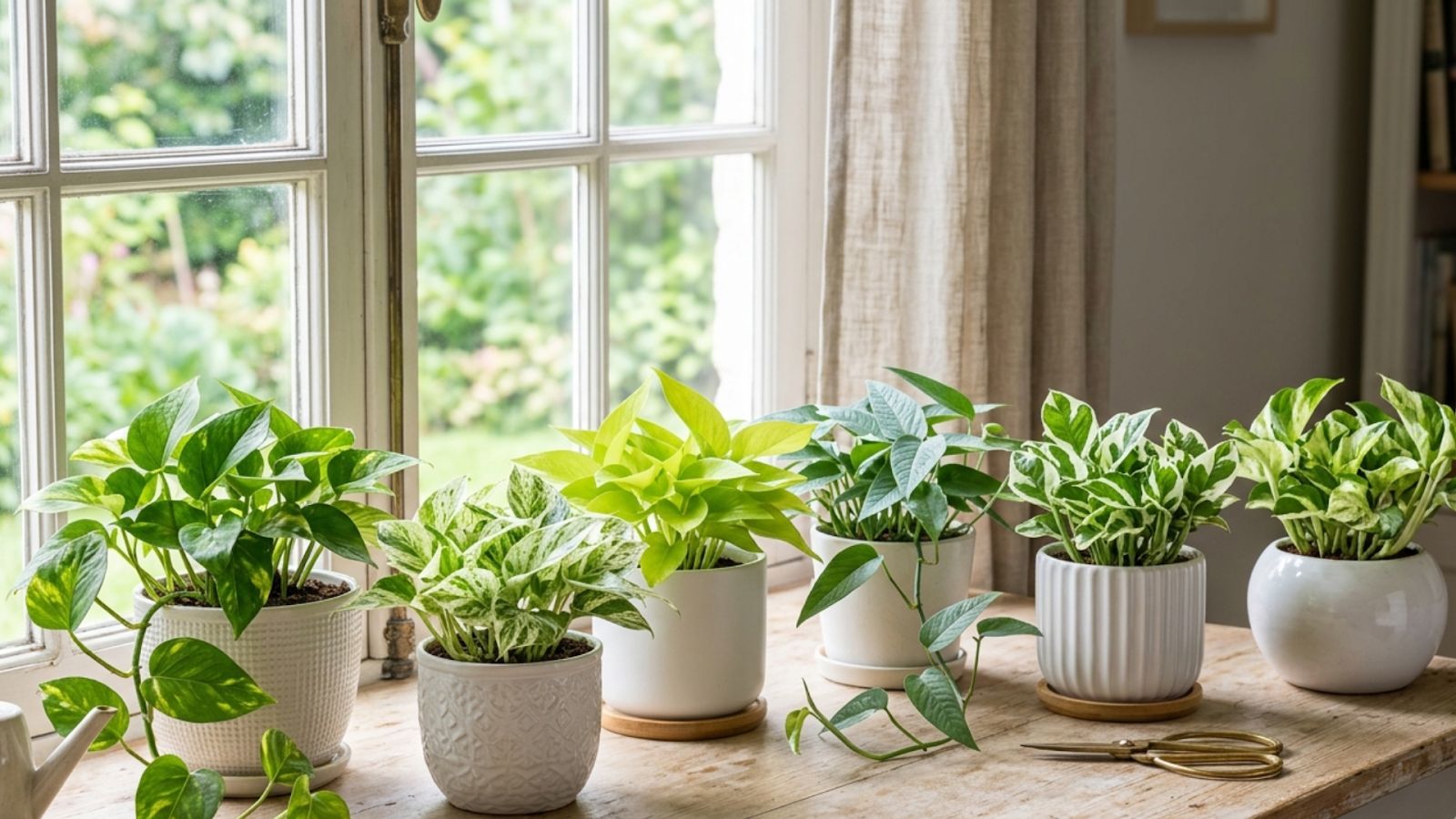
There’s no better time than now to enhance your living space with greenery that not only looks beautiful but also carries meaningful benefits.
Key Takeaway
- From trailing vines like Golden Pothos (Epipremnum aureum) to succulents like Jade (Crassula ovata), each variety of money plant brings lush greenery and easy care to your home.
- Feng Shui & Vastu Benefits: These plants are symbols of wealth and prosperity. Placing money plants in the southeast corner of your house (the wealth sector) is a traditional Vastu/Feng Shui tip for attracting good fortune. Even the number of leaves matters: a rare 7-leaf Pachira (money tree) is considered extra lucky.
- Indoor Air Purifiers: Many money plants are superb air purifiers. For example, Golden Pothos is known to remove formaldehyde and other toxins from indoor air, making your home healthier.
- Easy Care for Beginners: Most money plants tolerate low light and infrequent watering. Varieties like Golden Pothos and Jade thrive on neglect – they’re nearly unkillable houseplants. This makes them ideal for busy or first-time plant parents.
Money plants have long been admired for their ability to elevate indoor decor while being associated with prosperity, good luck, and positive energy in various cultural beliefs. Beyond symbolism, these hardy houseplants are also known for their air-purifying qualities and low-maintenance nature, making them ideal for both beginners and seasoned plant lovers.
In this guide, we’ll explore the 5 best money plant varieties you can grow at home, along with practical care tips and ideal placement suggestions, including insights from Vastu and Feng Shui principles. Whether you’re looking to brighten up a corner, improve indoor air quality, or invite positive vibes, there’s a perfect money plant waiting for you.
1. Golden Pothos (Epipremnum aureum) – The Classic Money Plant
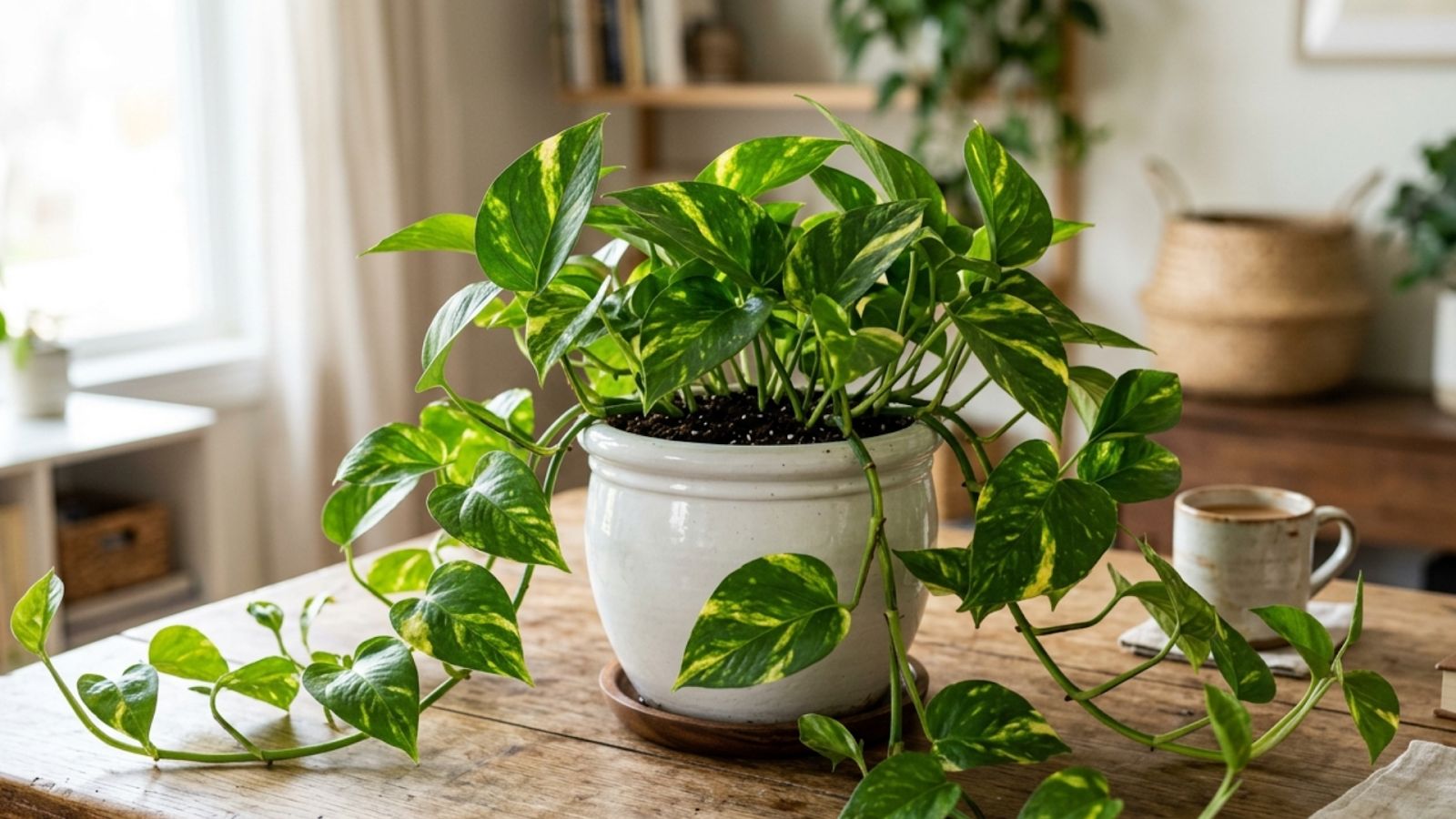
Also known as Devil’s Ivy or Money Ivy, Golden Pothos is widely known in India simply as the “money plant.”
It features attractive, heart-shaped leaves, often variegated with golden-yellow streaks. The vines trail beautifully, making it ideal for hanging baskets, shelves, or tabletops.
This plant is popular for its resilience and ease of care. It adapts well to low light and can tolerate occasional irregular watering. It also performs well in typical indoor and office environments.
With bright, indirect light and basic care, Golden Pothos grows quickly. It can reach lengths of 6–10 feet or even longer indoors, creating a lush, cascading display.
Epipremnum aureum
Low to bright indirect
Let top soil dry before watering
Air purifying
Ideal for beginners, very low-maintenance
Did You Know?
According to Feng Shui, the southeast corner of your home is associated with prosperity. A trailing money plant can be used to highlight this space, symbolising growth and abundance. Regular trimming helps maintain both its appearance and energy flow.
💡 Pro Tip: Golden Pothos grows fastest when kept near a bright window. The more light it gets, the more golden variegation appears on the leaves!
🛒 Buy Golden Pothos (Epipremnum aureum) on Urvann.
2. Jade Plant (Crassula ovata) — The Succulent "Money Tree"
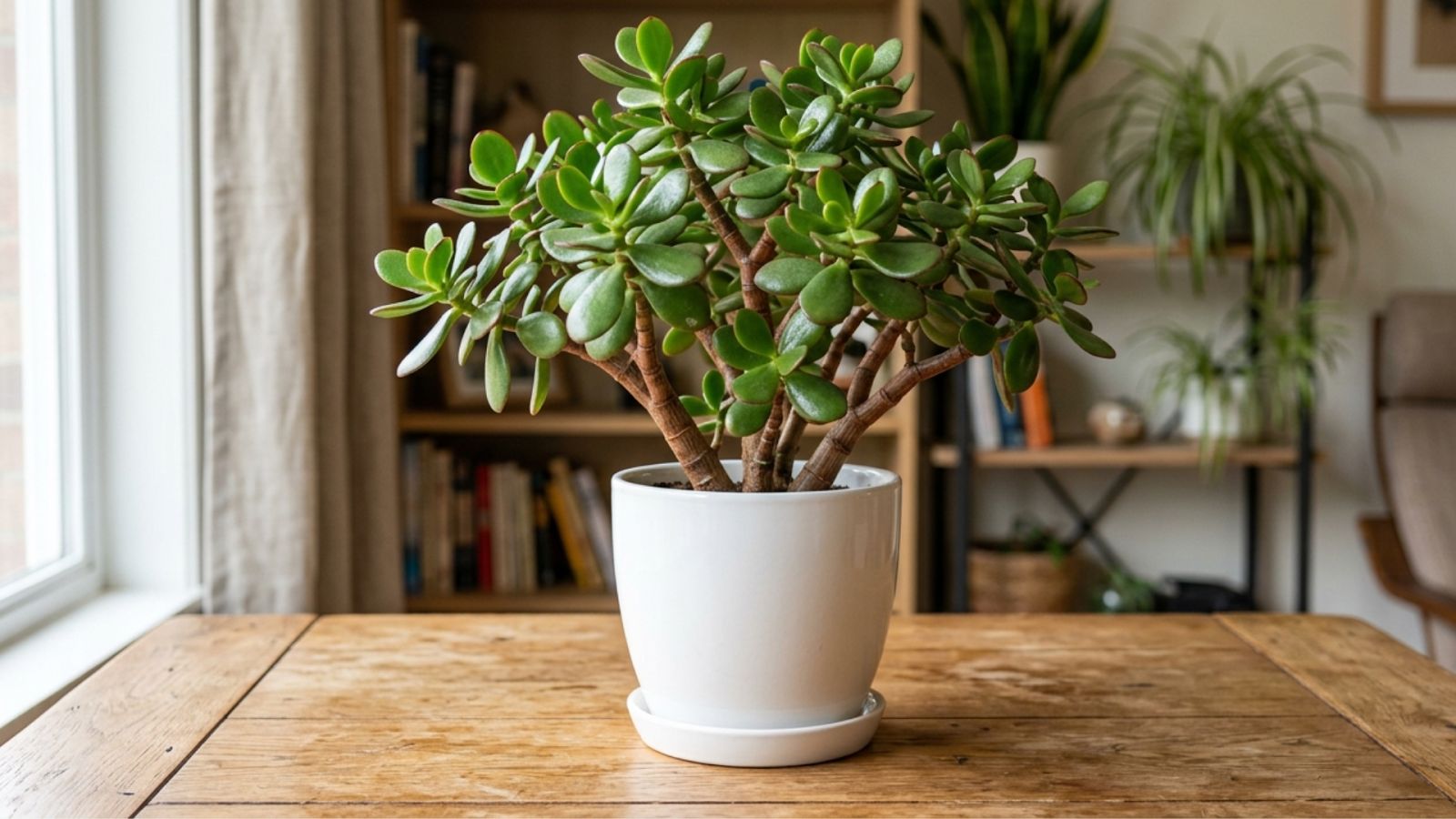
Jade is a popular succulent money plant with glossy, oval leaves. It’s often called the “Lucky Plant” or Money Tree for good reason. Jade’s coin-like leaves (which can even blush red at the edges in strong light) symbolise steady wealth growth. A mature jade can grow up to 2–3 feet indoors, with an upright, shrub-like form. It thrives in bright light and needs very little water (just as a succulent), perfect for the sunny windowsill.
Crassula ovata
Bright sunlight
Only when soil is completely dry
18°C – 35°C
Slow-growing (2–3 ft indoors)
Did You Know?
Jade plants are common in Vastu and Feng Shui arrangements. Like Pachira, each cluster of leaves can represent the five elements; intact pairs of leaves resemble coins. Its hardiness and bright green colour add a sense of prosperity to any room.
Important: Never overwater your Jade Plant – it's a succulent and root rot is its biggest enemy. Always use a well-draining potting mix and a pot with drainage holes.
🛒 Buy Jade Plant (Crassula ovata) on Urvann.
3. Marble Queen Money Plant (Epipremnum aureum ‘Marble Queen’) - The Elegant Variegated Beauty
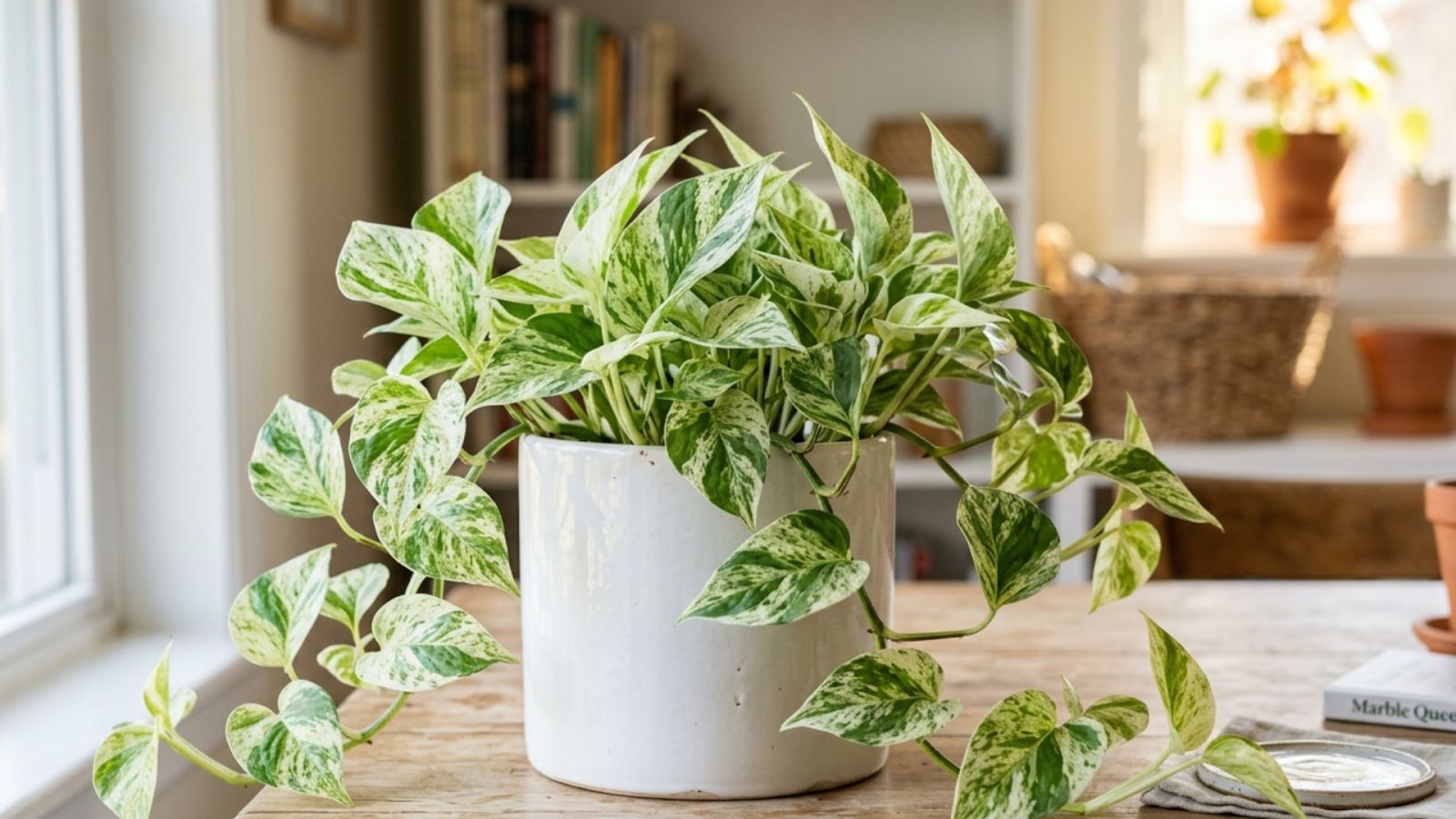
Marble Queen is a stunning variety of Money Plant, admired for its creamy white and green marbled leaves. Unlike the classic golden pothos, its foliage has a softer, more delicate look that instantly brightens indoor spaces. The trailing vines create a graceful, cascading effect, making it perfect for hanging baskets, shelves, or tabletops.
This variety grows slightly slower due to its high variegation, but it still develops long, attractive vines over time. It prefers bright, indirect light to maintain its beautiful patterns, as low light can reduce the white variegation. With minimal care, Marble Queen adds both elegance and freshness to any room.
Epipremnum aureum ‘Marble Queen’
Bright, indirect light (essential to maintain variegation).
Moderate, typically every 1–2 weeks; allow the topsoil to dry between watering.
Decorative, air-purifying, and ideal for stylish indoor decor.
Moderate; slower than other pothos, with trailing vines up to 5–8 ft indoors.(up to 5–8 ft vines)
Did You Know?
In Feng Shui and Vastu practices, variegated money plants like the Marble Queen are believed to attract positive energy and balance. The mix of green and creamy-white leaves is often seen as a symbol of harmony and growth.
Placing this plant in the southeast corner of your home is thought to support prosperity and financial well-being. Its lush, trailing vines also help soften spaces and create a calming, refreshing indoor environment.
Important: Never place your Marble Queen in direct sunlight — those white, chlorophyll-free sections of the leaf will scorch and turn brown very quickly. Bright but filtered light is the sweet spot.
🛒 Buy Marble Queen Money Plant(Epipremnum aureum ‘Marble Queen’) on Urvann.
4. N’Joy Money Plant (Epipremnum aureum ‘N’Joy’) – The Compact Variegated Charmer
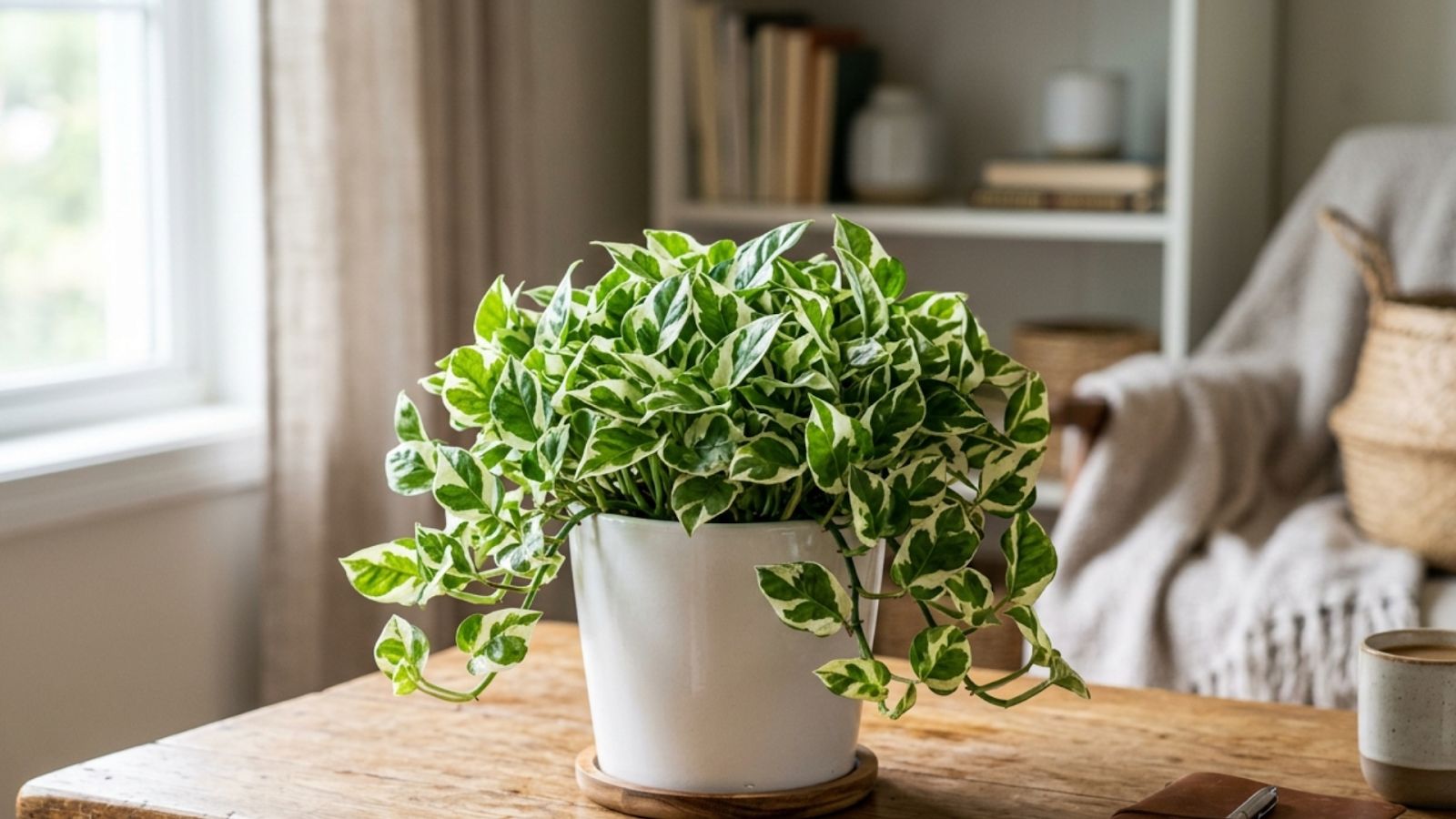
N’Joy is a compact and stylish variety of the money plant, loved for its crisp green leaves edged with bright white variegation. Unlike larger pothos varieties, N’Joy has a more controlled, bushy growth habit, making it perfect for desks, small shelves, and tabletops. Its neat appearance adds a modern decorative touch to any indoor space.
Though smaller in size, it is still easy to care for and adapts well to indoor conditions. The plant grows best in bright, indirect light, which helps maintain its sharp variegation. With proper care, it develops short trailing vines that enhance its compact, elegant look.
Epipremnum aureum ‘N’Joy’
Bright, indirect light (needed to preserve variegation).
Moderate; water when the topsoil feels dry. Avoid overwatering.
Ideal for small spaces; low-maintenance and highly decorative.
Compact and slow-growing; shorter vines compared to other pothos varieties.
Did You Know?
In Feng Shui and Vastu beliefs, variegated plants like the N’Joy Money Plant are associated with balance and clarity due to their contrasting leaf patterns.
Placing N’Joy in workspaces or near entryways is believed to invite fresh, positive energy while keeping the environment calm and organised.
Important: Never place your N’Joy in direct sunlight — those white, chlorophyll-free sections of the leaf will scorch and turn brown very quickly. Bright but filtered light is the sweet spot.
🛒 Buy N'Joy Money Plant on Urvann.
5. Silver Satin Pothos (Scindapsus pictus) – Variegated Vine of Fortune
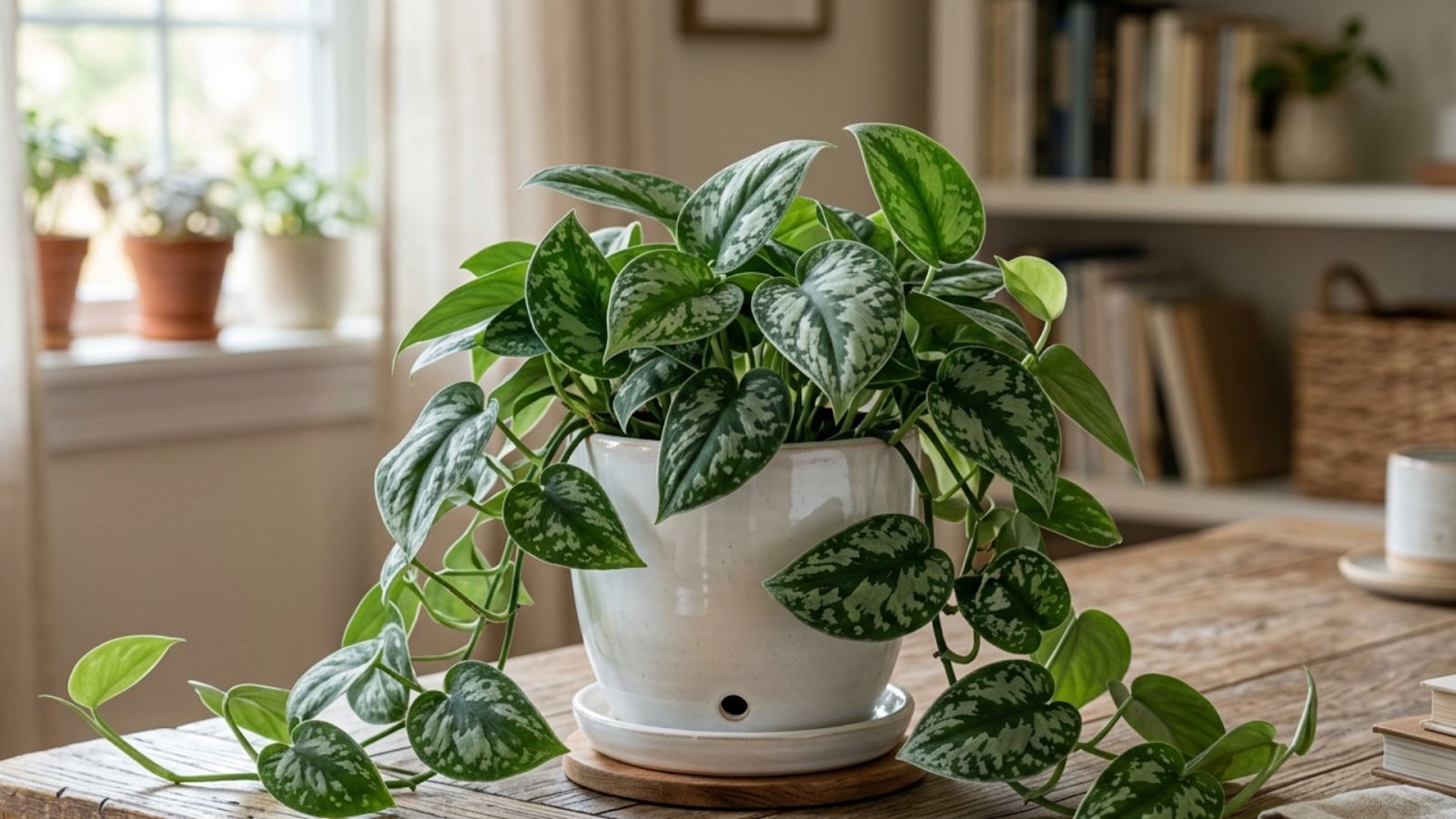
Silver Satin (Scindapsus pictus) is a relative of pothos with matte green leaves splashed with silvery blotches. Also known as “satin pothos” or silver money plant, it’s valued for its sparkling foliage. Like Golden Pothos, it likes bright indirect light and is easy to grow. Care: Allow topsoil to dry between waterings, and provide a moss pole or hang it so vines trail gracefully. Silver Satin repels negative energy in Feng Shui and fosters positive vibes.
Scindapsus pictus
Bright indirect (too much direct sun can scorch the silver variegation).
Moderate; don’t let the soil go bone dry for too long.
Air-purifying variegated foliage; attractive silvery sheen.
Vining; can trail several feet or climb.
Did You Know?
Though similar to pothos, Silver Satin’s leaves are thicker and more matte. Its calm, pewter-like spots add an elegant touch to indoor spaces.
As with other pothos varieties, it’s toxic if eaten, but otherwise a friendly, low-maintenance addition to your indoor green collection.
Important: Never place your Silver Satin in direct sunlight — those light, variegated sections of the leaf can scorch and turn brown quickly. Bright but filtered light works best.
Summary Table: Money Plant Varieties at a Glance
| Variety (Common Name) | Botanical Name | Light Requirements | Size (Indoor) | Key Care Tip |
|---|---|---|---|---|
| Golden Pothos | Epipremnum aureum | Low to bright indirect | Up to 6–10 ft (long vines) | Water when the topsoil is dry |
| Jade Plant | Crassula ovata | Bright light | 2–3 ft (slow grow) | Very drought-tolerant (succulent care) |
| Marble Money Plant | Epipremnum aureum ‘Marble Queen’ | Low to bright indirect | Up to 5–10 ft (trailing vines) | Water when the topsoil is dry |
| N’Joy Money Plant | Epipremnum aureum ‘N’Joy’ | Bright indirect light preferred | Up to 3–6 ft (compact trailing) | Water when the topsoil is dry |
| Silver Satin Pothos | Scindapsus pictus | Low to bright indirect | Trailing/vining several ft | Let the topsoil dry; trim for shape |
Conclusion: Cultivate Wealth and Greenery
Growing a money plant can add more than just decor to your home – it can symbolise your intent for growth, luck, and wellness. By placing them strategically (e.g. in the southeast corner for Vastu luck) and caring for them with the tips above, you’ll create a flourishing indoor garden.
Act now: pick your favourite money plant and watch it thrive! The sooner you start, the sooner you’ll enjoy cleaner air, a splash of green, and maybe even a little extra fortune in your life.
Frequently Asked Questions (FAQs)
Q1. Which type of money plant is best for a home?
For beginners, the toughest varieties are ideal. Golden Pothos and Snake Plant thrive on neglect (low light and infrequent watering). Jade and ZZ plants are also hardy choices. Ultimately, pick one suited to your light conditions – for low light, pothos or snake plant are unbeatable, while a sunny spot calls for jade or elephant bush.
Q2. What do 7 leaves on a money tree mean?
In Pachira (money tree) folklore, each leaf stem normally has 5 or 6 leaflets. A stem with 7 leaflets is considered exceptionally lucky, symbolising extra good fortune. So if your money tree sprouts a 7-leaf shoot, it’s a rare good omen according to tradition.
Q3. What are the indoor benefits of money plants?
Money plants offer real perks: most are air purifiers that filter indoor pollutants (e.g. pothos removes formaldehyde). They also boost humidity and have calming greenery that reduces stress. Culturally, they’re believed to attract prosperity and balance energy (especially in Feng Shui/Vastu practices).
Q4. Which money plant is best for home Vastu?
Pachira (money tree) and Jade are top picks for Vastu placement. Both symbolise wealth and longevity. Place your chosen money plant in the southeast corner of the living room or office – that’s the traditional wealth zone. (Bloombox even says: “pop it in the southeast corner of your house… just for good luck!”) A well-placed, healthy plant in this spot is thought to enhance financial luck.
Q5. Are there any disadvantages to money plants?
Generally, money plants are easy, but note a few drawbacks. Many (pothos, monstera, snake plant) are toxic to pets and children if chewed, so keep them out of reach. They can also outgrow spaces if not pruned (e.g., Monstera get huge). Finally, overwatering or neglect can still be an issue – even “hardy” plants need basic care. With attention to these points, however, money plants remain low-risk and highly rewarding houseplants.
Garima
4/16/2026, 10:07 AMPlease don't order you will only lose your money and mental health. You will never get your product. No customer support No COD facility because they wanted to ditch you only. You will only jot down your complaint and they will never respond you.