


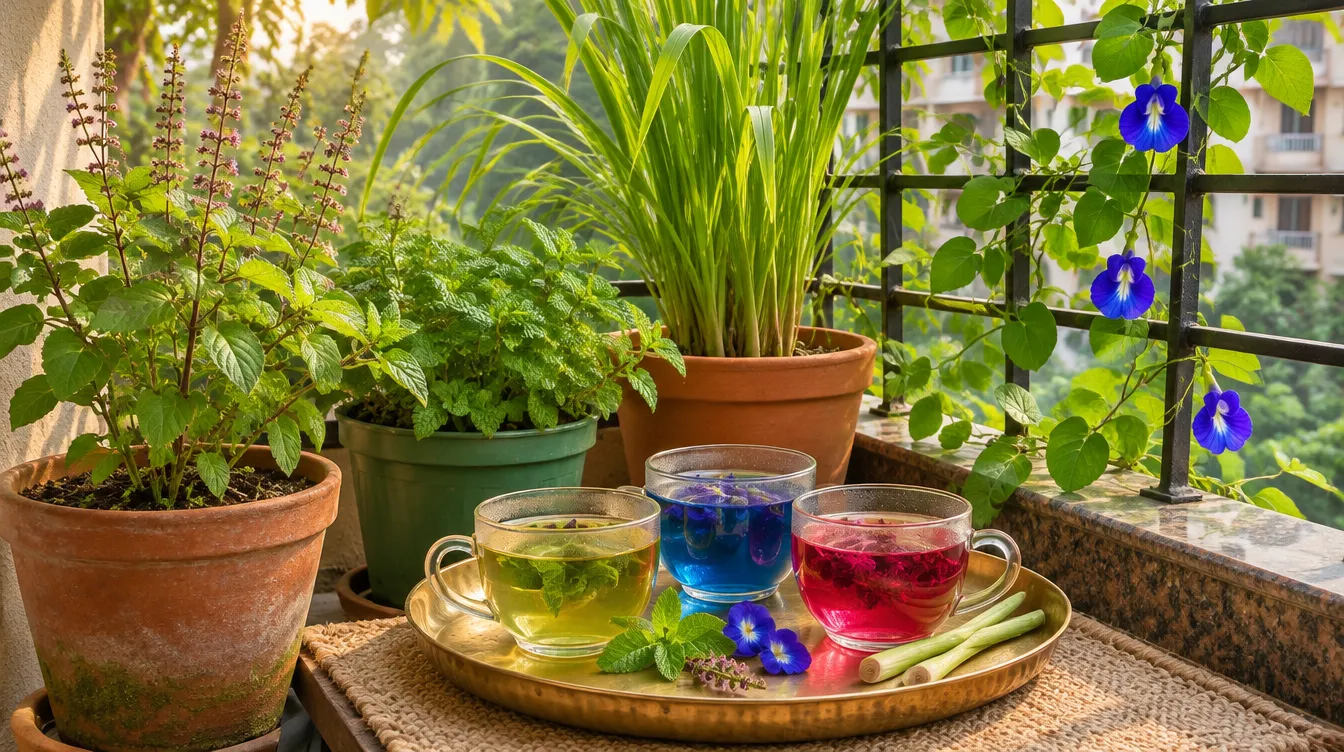
Herbal tea isn’t made from the tea bush. It is an infusion of leaves and flowers like Tulsi, Pudina, or Hibiscus, and many of these herbal infusions are naturally caffeine-free.
Key Takeaways
- Easy to grow at home. Unlike the tea bush, these plants thrive in pots on most Indian balconies.
- Start with Tulsi, Pudina, and Lemongrass. They grow fast and give you leaves within weeks.
- Pick by need. Tulsi for sardi-zukaam, Pudina after meals, and Lavender to unwind.
- Grow them chemical-free, and check with your doctor first if you are pregnant or on medication.
If you can't count how many cups of chai you had in the day, you are in good company!
Neend nahi aa rahi? Chai pee leta hu! Sir mein dard hai? Chai pee leta hu!
A real chai lover always finds an excuse for one more cup. Morning chai, office chai, evening chai, and sometimes chai just because you feel like it.
Before you know it, you've lost count of how many cups you've had.
And while your love for chai keeps growing, so does your caffeine intake.
But who says every cup has to come with caffeine? You can still enjoy a warm, comforting drink without reaching for another cup of regular chai.
That's where herbal tea comes in.
Many herbal teas are naturally caffeine-free and can be made using plants (Tulsi, Pudina) and flowers (Hibiscus) that you can easily grow on your balcony or in your kitchen garden.
Here, we will tell you about 10 herbs and flowers that are easy to grow, offer lovely flavours, and have health benefits.
In a Hurry? Take a Quick Look at 10 Herbal Tea Plants & Flowers
| Plant | Part You Brew | Taste |
|---|---|---|
| Tulsi (Rama, Shyama) | Leaves | Warm, peppery, clove-like |
| Mint (Pudina) | Leaves | Cool and fresh |
| Lemongrass | Leaves and stalks | Citrusy, lemony |
| Blue Pea (Aparajita) | Flowers | Mild, earthy |
| Hibiscus (Gudhal) | Flowers | Tangy, slightly sour |
| Rose (Gulab) | Petals | Soft and floral |
| Lavender | Flower buds | Floral; bitter if over-brewed |
| Stevia (Meethi patti) | Leaves | Very sweet |
| Indian Borage (Patharchur) | Leaves | Strong, ajwain-like |
| Rosemary | Leaves | Piney, woody |
10 Best Herb Plants and Flowers to Grow
Pick two or three from the list below to start. For each one, you will find how to grow it, when it is ready to pick, and how to brew your first cup. Tea bags are not the same thing. Fresh leaves from your own pot taste different, and you control what goes on the plant. Today is all about making your own cup of herbal tea, starting with the plant or flower.
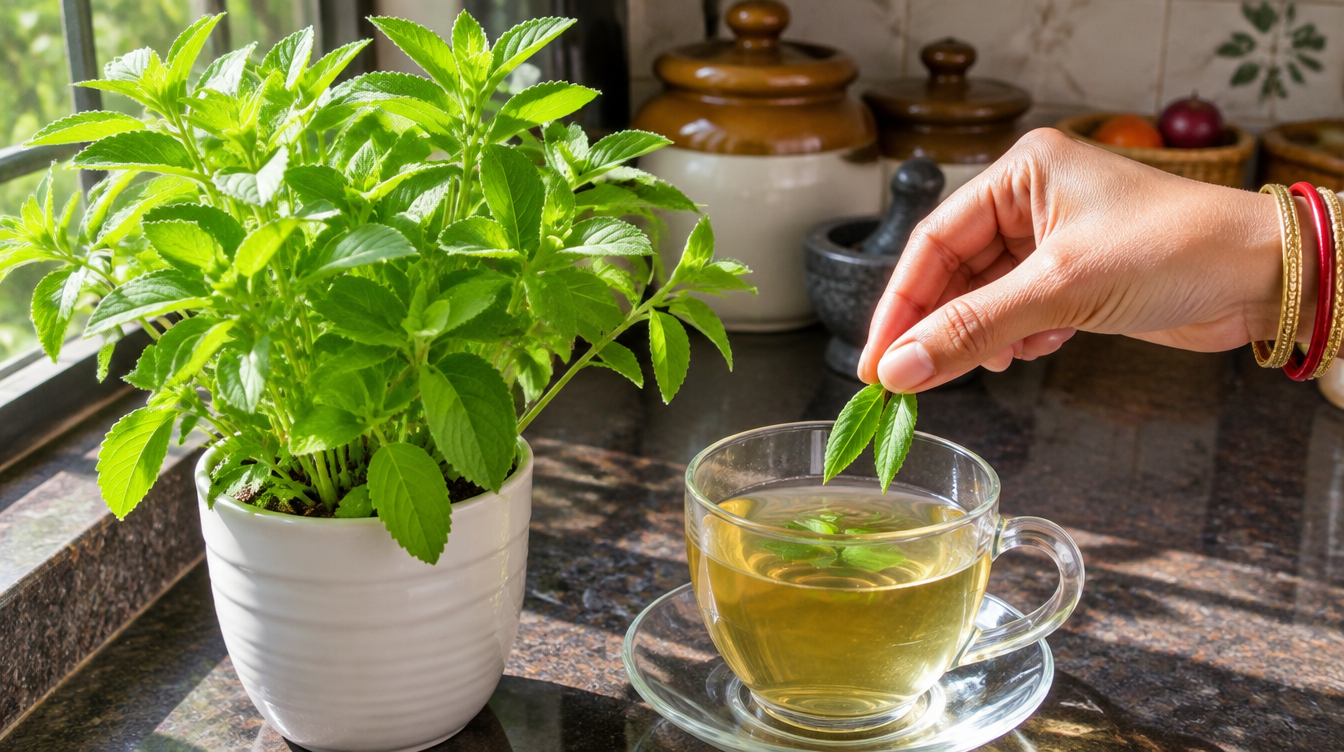
1. Tulsi (Holy Basil) (तुलसी / ತುಳಸಿ)
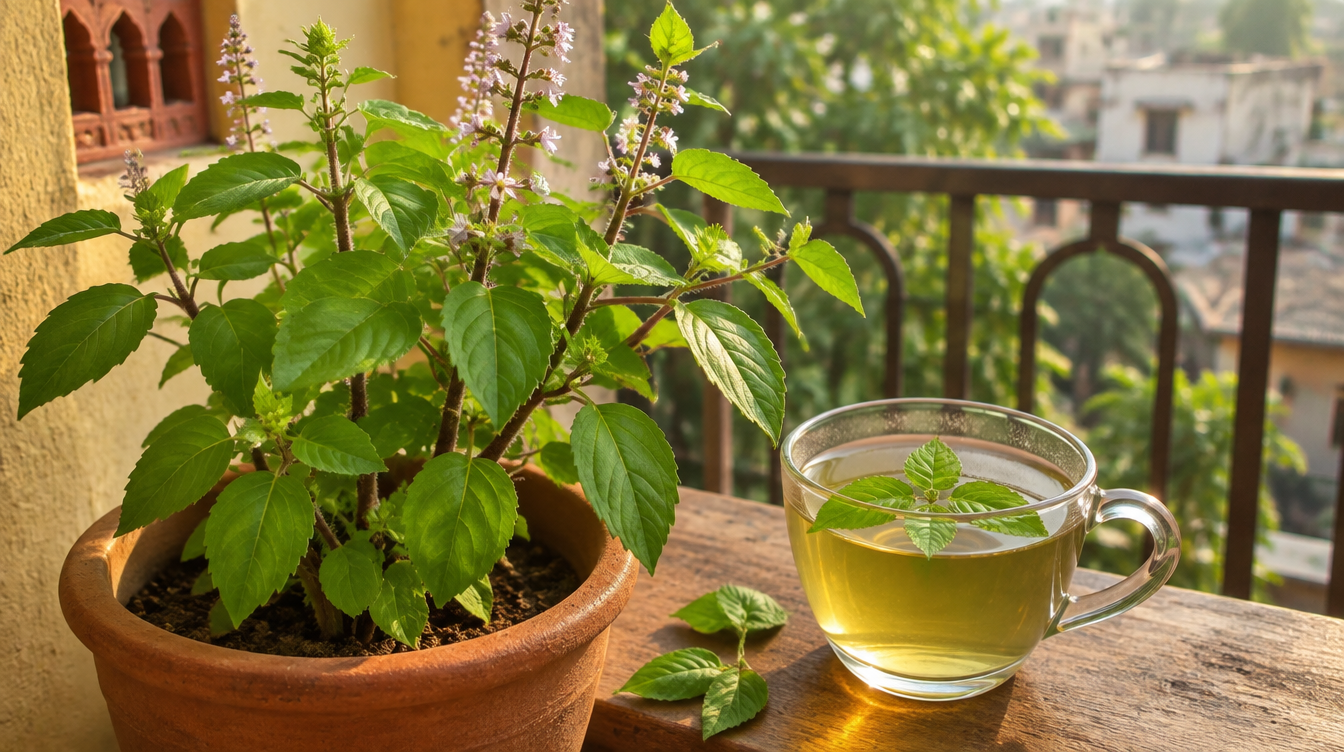
If you own only one plant on this list, chances are it is Tulsi. Rama Tulsi (green leaves) gives a milder cup, while Shyama Tulsi (purple leaves) tastes a little stronger and spicier.
How To Brew
1. Pluck 6–8 fresh leaves.
2. Wash them gently with water.
3. Drop them into a cup of just-boiled water, cover, and steep for 5 minutes.
4. Add a little honey once it cools slightly.
Benefits of Tulsi Tea
Tulsi is often called an adaptogen, a plant traditionally used to help the body cope with tiredness and stress. In many Indian homes, a cup of tulsi tea is also the first thing made on a sardi-zukaam day.
Tip to Grow a Tulsi Plant
1. Pinch off the flower spikes (manjari) so the plant keeps producing fresh leaves.
2. Water when the top layer of soil feels dry.
3. If you are based in a location like Delhi with dry winters, keep it in the sun and away from cold wind.
| Stress hai? Brewing a cup of tea counts as therapy. |
|---|
| Chai bnane ke liye tumhe apne plant pot (nature) ke paas jana padega. Touching a plant can give you a sense of calm. Boiling leaves in water releases the aroma, which stimulates your brain and releases good hormones. Sitting with a warm cup for five minutes allows you to have a small pause in a busy day and de-stress yourself. |
2. Pudina (पुदीना / ಪುದೀನಾ)
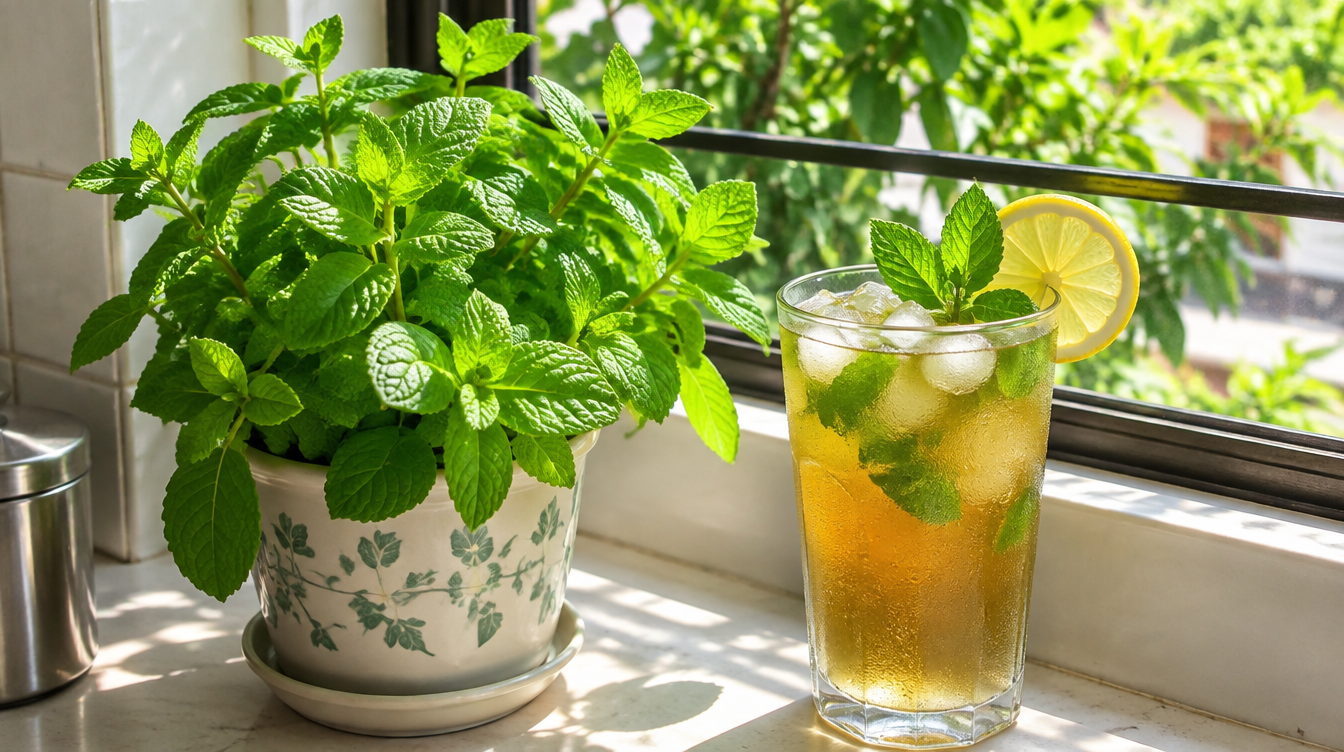
Pudina is the easiest tea plant to start with, and the most generous. One healthy pot gives you leaves almost every day.
How to Brew
1. Lightly crush 5-6 leaves.
2. Add hot water, cover, and steep for 5 minutes.
3. For iced mint tea, brew it double-strength, let it cool, then pour it over ice with a squeeze of lemon.
Why Tea Lovers Like it
It is cooling and refreshing, and many people find a cup of mint tea soothing after a heavy meal. Pet bhaari lag raha hai? A glass of thandi pudina chai is a smart way to complete your lunch and aid digestion.
Tip to Grow a Mint Plant
1. Mint spreads fast, so give it a pot of its own.
2. Pick from the top to keep it bushy.
3. From May to June, give your mint plant only morning sunlight to prevent the leaves from drying out in the harsh afternoon heat.
3. Lemongrass (लेमन ग्रास / ನಿಂಬೆ ಹುಲ್ಲು)
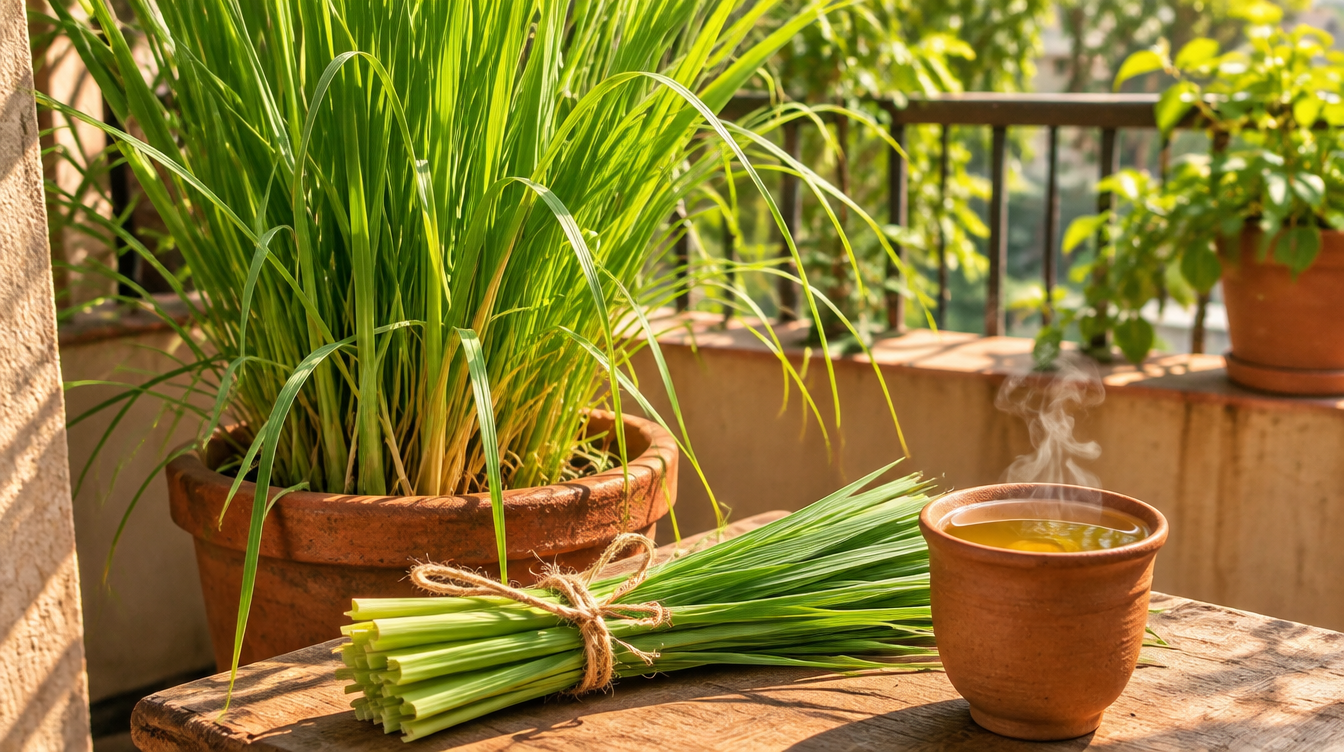
Lemongrass gives you a bright, citrusy cup without a single lemon. It is also one of the easiest plants to share with family and friends, because a mature clump can be split into many.
How to Brew
1. Cut 2–3 leaves of lemongrass.
2. Chop them into 2-inch pieces, and crush lightly.
3. Simmer in a cup of water for 4–5 minutes, then strain. It pairs beautifully with tulsi or mint.
Why Tea Lovers Like it
The fresh lemony smell instantly lifts a dull afternoon, and the tea is just as good iced as it is hot.
Tip to Grow Lemongrass
1. Give it full sun and regular water in summer.
2. Cut it back to about 6 inches in late winter, and it will grow back thicker.
For more information on the benefits, uses, and how to grow it at home, read our lemongrass growing guide.
4. Aparajita (Blue Pea or Butterfly Pea) (अपराजिता / ಅಪರಾಜಿತೆ)
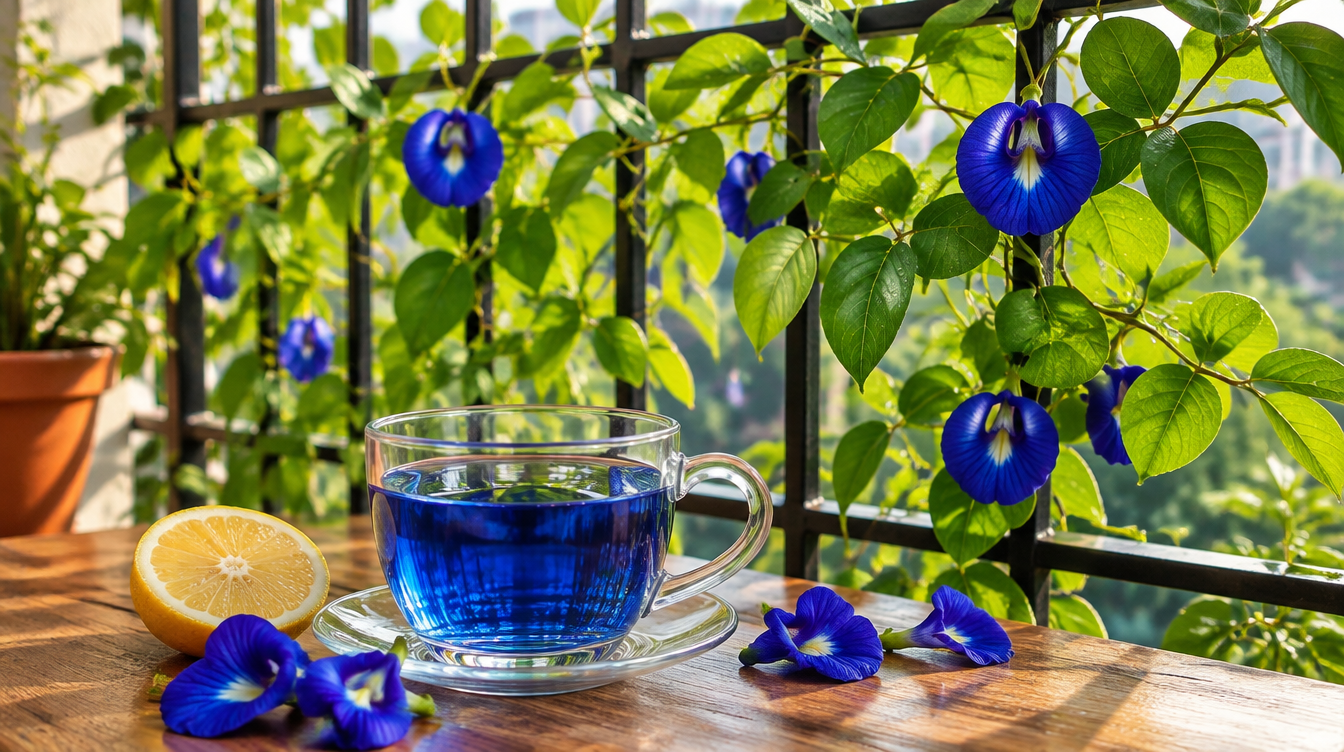
This is the tea that turns heads.
Don’t believe us? Next time, have a cup of blue pea tea in your office or home gathering. Almost everyone will ask you to share a sip. Fresh Aparajita flowers brew a deep blue cup, and the moment you add a squeeze of lemon, it turns purple. People love it, and so does your Instagram feed.
How to Brew
1. Remove the green base from 5–6 fresh flowers.
2. Add them to a cup of hot water, and steep for 3–5 minutes.
3. Add lemon at the end for the colour change, and honey if you like.
Why Tea Lovers Like it
The blue comes from anthocyanins, the same family of plant pigments found in berries. The flavour is mild and earthy, so it works well mixed with lemongrass or mint.'
Tip to Grow Aparajita
Aparajita is a fast-growing climber that loves heat and full sun. Give it a trellis or a balcony grill, and pick flowers in the morning when they are fully open.
5. Lal Gudhal (Red Hibiscus) (लाल गुड़हल / ಕೆಂಪು ದಾಸವಾಳ)
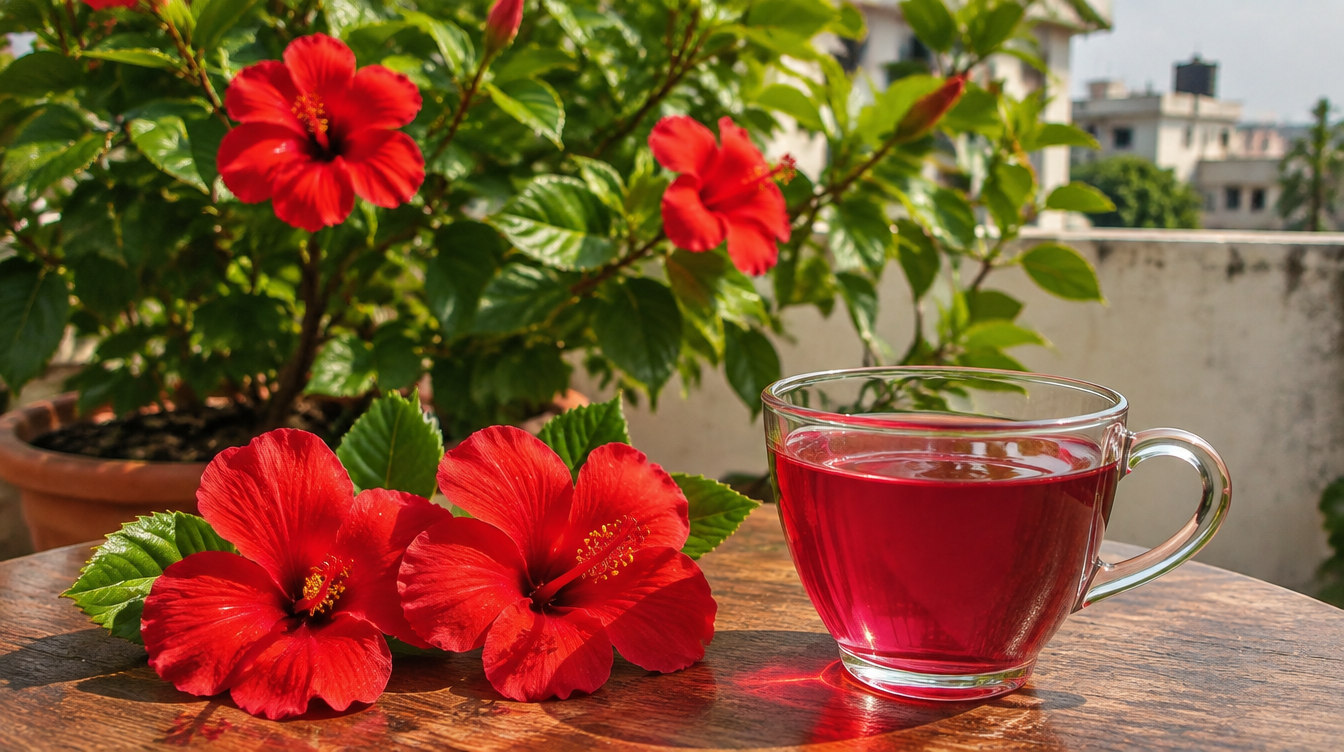
The bright red desi gudhal growing in so many Indian gardens can go straight into your teacup. Its flowers make a tangy, ruby-pink brew.
Good to know: The hibiscus tea sold in packets is usually made from the dried calyces of another hibiscus, roselle (Hibiscus sabdariffa). Garden gudhal (Hibiscus rosa-sinensis) gives a softer, milder cup.
How to Brew
1. Take 2 fresh single-petal red flowers.
2. Remove the green base and the stamen, rinse, and steep in hot water for 5 minutes.
3. Add lemon and watch the colour brighten.
Why Tea Lovers Like it
Gudhal has long been a part of desi hair-care routines, and a cup of hibiscus tea is a pretty, caffeine-free way to drink more water through the day.
A note of care: Hibiscus tea may lower blood pressure a little, so if you take blood pressure medicine or are pregnant, check with your doctor before making it a daily habit.
Tip to grow a Hibiscus plant: Keep it outdoors in full sun and water it regularly. In peak summer, it may need water every day.
| Pass Down the Good Old Nuskhe |
|---|
| Most precious knowledge transfer happens between people two generations apart. Your nani or dadi sure has a secret gudhal hair oil recipe to share with you. Pick a desi gudhal plant and share a cup of gudhal tea with them while listening to their nuskhe. Listen carefully, as you have to keep this generational knowledge flowing. Also read our Hibiscus care guide if you want to grow your own plant and surprise your grandparents. |
6. Desi Gulab (देसी गुलाब / ನಾಟಿ ಗುಲಾಬಿ)
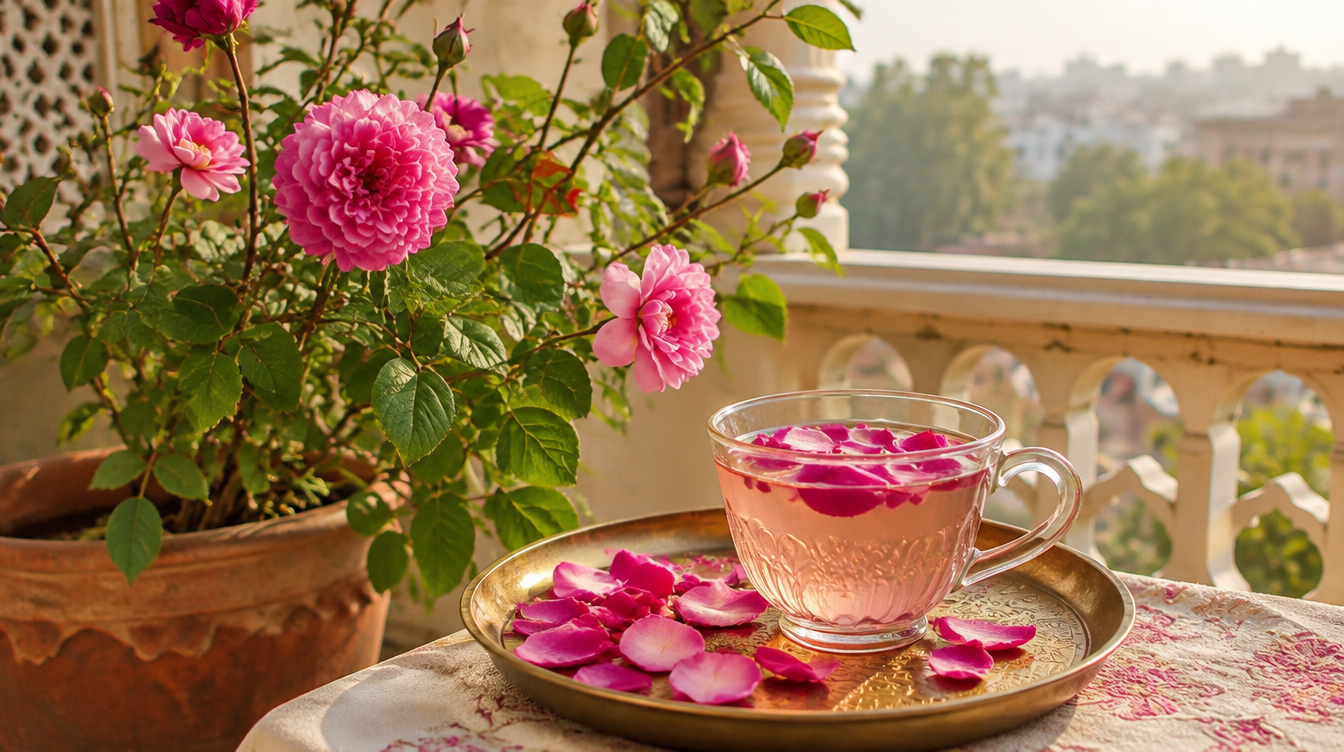
Gulkand ke shaukeen, this one is for you. Fragrant desi gulab petals make a soft, floral tea that feels like a little luxury.
Rose petals are rich in plant pigments, and they make it easier to drink more water. Glowing skin is still mostly about sleep, food, and hydration, so think of these teas as a tasty helper. However, the best way to know if it's true is to have a cup of rose tea for a few weeks and notice the difference.
Choose from our desi rose collection, or explore types of roses you can grow in India.
How to Brew
Take the petals of 1-2 fresh roses, rinse well, and steep in hot water for 5 minutes. Rose petals also make a lovely add-in for tulsi or green tea.
Why Tea Lovers Like it
It is gentle, fragrant, and calming, perfect for a slow evening cup
Important: Only use roses you have grown yourself without chemical sprays. Store-bought or temple roses are often sprayed, and whatever is sprayed on the plant ends up in your tea.
Grow tip: Roses need at least 6 hours of sun. Remove faded flowers and feed with compost to keep blooms coming.
7. Lavender (लैवेंडर / ಲ್ಯಾವೆಂಡರ್)
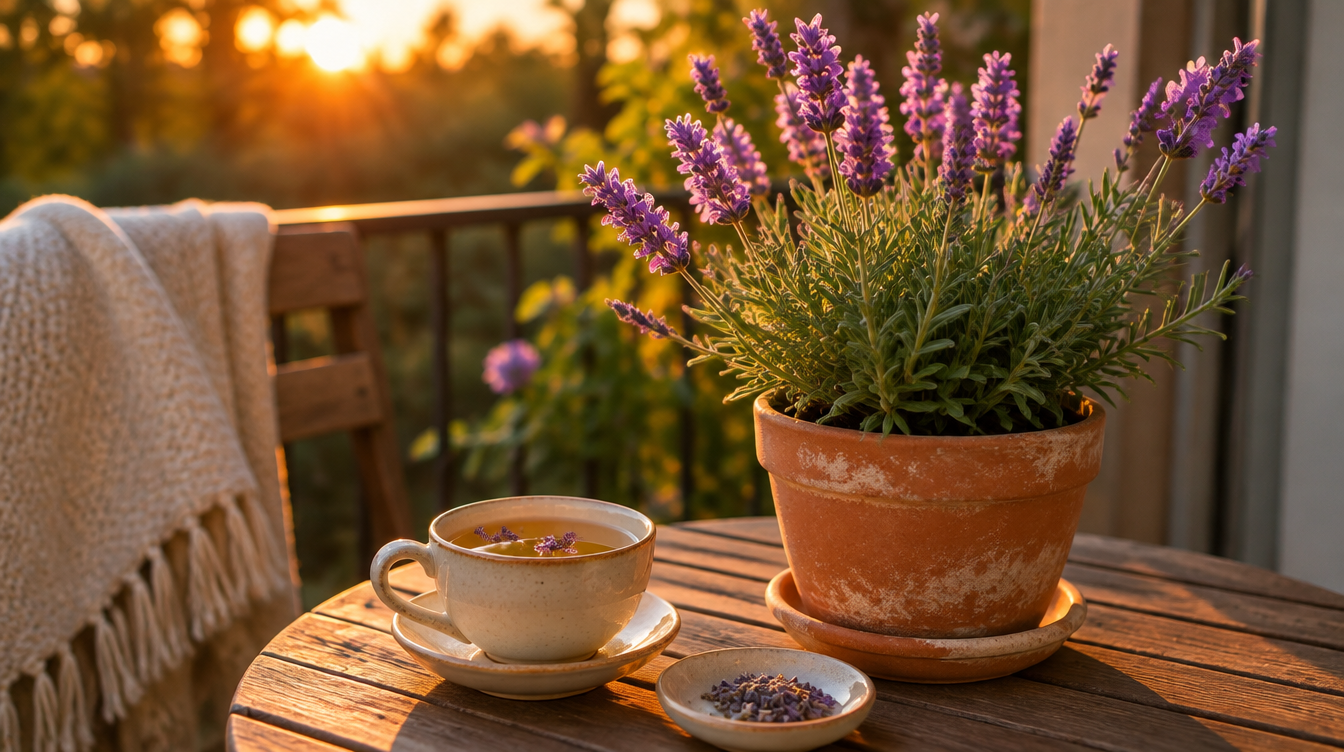
Lavender tea is your 'unwind' cup. Its fragrance is widely used for relaxation. A small cup in the evening feels like a pause button. Keeping a lavender plant in your bedroom keeps it fragrant, and you never need a room freshener.
Neend nahi aa rahi?
A cup of lavender tea and a few minutes away from the screen can feel good and help relax your body. Bring home a Lavender plant and read how to grow and care for Lavender.
Note: If sleepiness is frequent or severe, see a doctor.
How to Brew
Use 1 teaspoon of fresh flower buds (or half a teaspoon dried) per cup and steep for 5 minutes. Go easy; too much Lavender tastes soapy. It blends well with mint or rose.
Grow tip: Lavender needs 6–8 hours of direct sun and dry roots. Use a terracotta pot with gritty soil and water only when the soil is completely dry. In North India, winter is its happiest season for a lavender plant, while the humid monsoon is the trickiest.
8. Meethi Patti – Stevia (मीठी पत्ती / ಸಿಹಿ ತುಳಸಿ)
Want sweet tea without sugar? Grow your own sweetener. Stevia leaves are much sweeter than sugar, so one or two fresh leaves are enough to sweeten a cup of any herbal tea on this list.
How to Brew
Add 1–2 fresh leaves to your tea while it steeps, or brew them on their own for a sweet, slightly grassy cup.
Why Tea Lovers Like it
If you are trying to cut down on sugar, stevia lets you keep the sweetness and skip the cheeni.
Grow tip: Keep it in bright light, pinch the tips to keep it bushy, and do not overwater.
| Ghar Me Kisi Ko Sugar Hai? |
|---|
| A little sweetness doesn't always have to come from cheeni! Grow your own natural sweetener with a stevia plant and enjoy a naturally sweet cup of herbal tea without adding regular sugar. Note: Stevia can be used as a sugar substitute. It doesn't treat or help control diabetes. |
9. Ajwain Patta – Indian Borage (अजवाइन पत्ता / ದೊಡ್ಡಪತ್ರೆ)
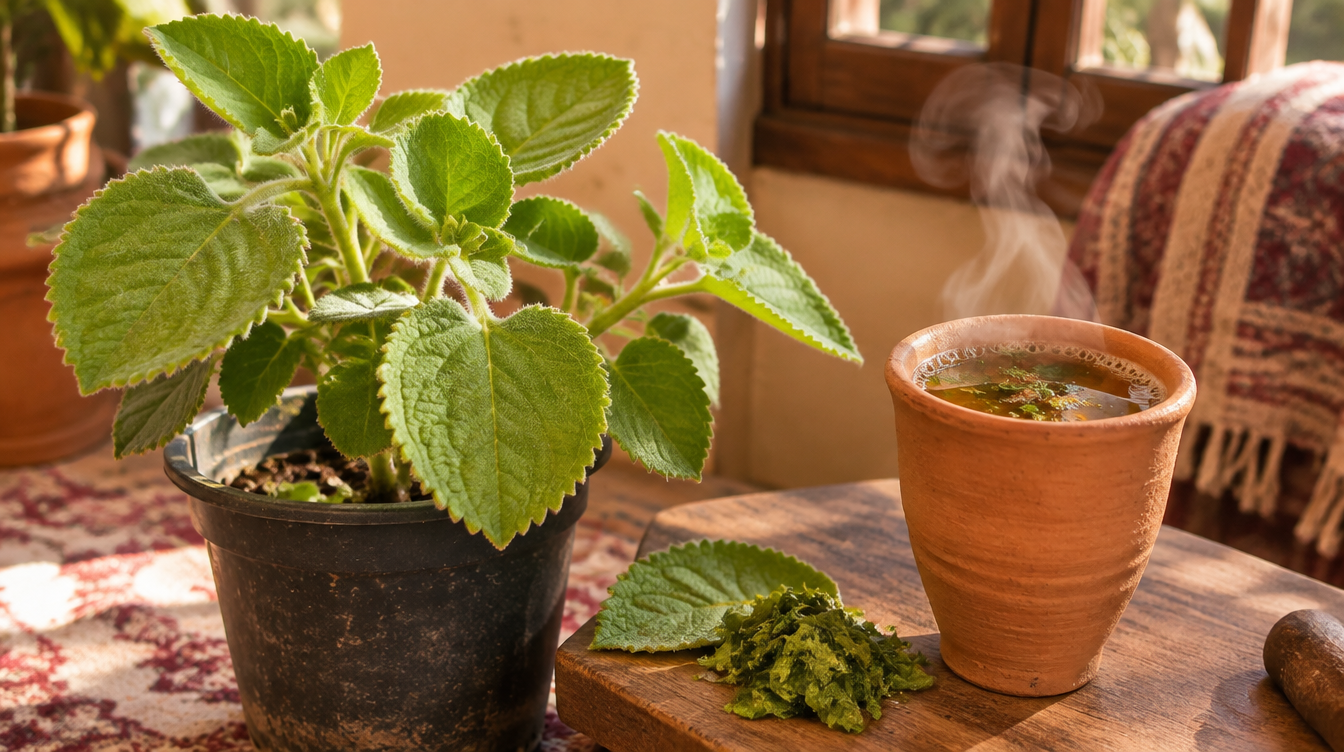
Those thick, fuzzy leaves that smell just like ajwain are from Indian borage, also known as patharchur and karpooravalli in South India. It has been a part of homemade kadha for generations.
How to Brew
Crush 2–3 leaves and simmer them in a cup of water for 3–4 minutes. The flavour is strong, so start small. Add tulsi leaves and honey for a warming winter cup.
Why Tea Lovers Like it
It is the classic warming cup for the sardi-khansi season and a nice digestive after a heavy meal.
Grow tip: It grows easily from cuttings. Keep it in bright light and let the soil dry between waterings, as its fleshy leaves store water.
10. Rosemary (रोज़मेरी / ರೋಸ್ಮೆರಿ)
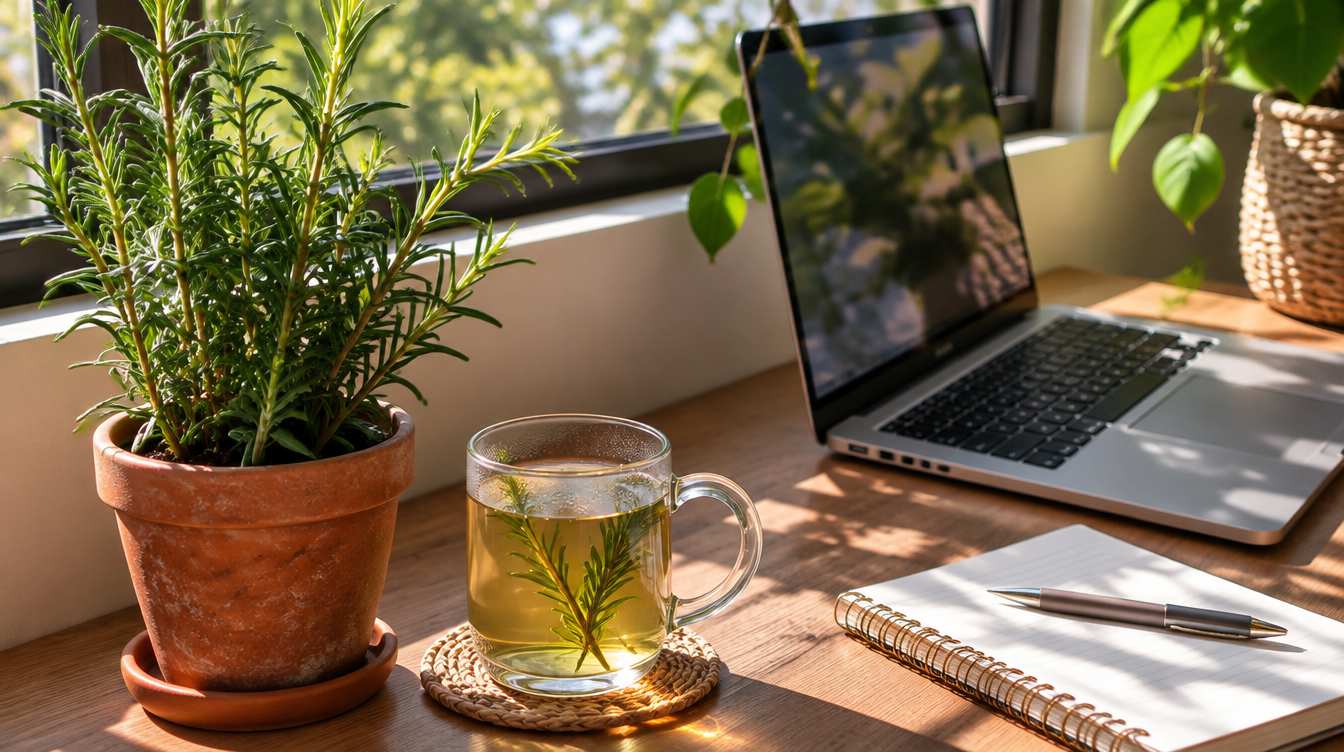
Rosemary is the cup for your work-from-home afternoon slump. Its piney aroma is one many people find wakes up the senses.
How to Brew
Steep a 2-inch sprig in hot water for 5 minutes. Add a slice of lemon or a few mint leaves for a brighter cup.
Grow tip: Rosemary needs full sun and soil that drains quickly. Overwatering is the most common way to lose it, so let the soil dry out between waterings.
Din me susti aati hai?
Make time for a refreshing tea break! Add a rosemary plant to your balcony garden and make your afternoon cup a little more special. Bring home a rosemary plant.
Steps to Set Up an Herbal Tea Garden on Your Balcony
Sunlight: Most tea plants need 4–6 hours of sun, so east- or south-facing balconies work best. See our plants for bright-light balconies.
Pots: Use 8–10 inch pots with drainage holes. Give mint its own pot, lemongrass a bigger one, and aparajita something to climb.
Group by water needs: Mint, lemongrass, and gudhal like regular water. Lavender, rosemary, stevia, and ajwain patta prefer to dry out between waterings.
No chemical sprays: You will be drinking these plants, so use neem oil and hand-picking for pests.
| Location-Wise Tips |
|---|
| Delhi NCR: Give tender herbs some shade in May-June and protect them from cold winds in December-January. Lavender and rosemary love Delhi winters. |
| Bangalore: The mild weather suits most tea plants all year. Watch out for soggy soil in the monsoon, especially for lavender and rosemary. |
| Browse all our herbs and medicinal plants to fill the rest of your tea corner. |
Safety Checklist Before You Brew
- Be sure you know the plant. Buy correctly labelled plants and only brew parts that are known to be edible.
- Only use plants that have not been sprayed with chemical pesticides.
- If you are pregnant or breastfeeding, take regular medicines (for example, for blood pressure or diabetes), or have a health condition, check with your doctor before drinking herbal teas daily. This matters most for hibiscus.
- Start with one cup a day and see how your body feels.
Herbal tea can be part of a healthy routine, but it does not replace medical treatment.
The Office Chai Hack: Pluck, Pack and Brew
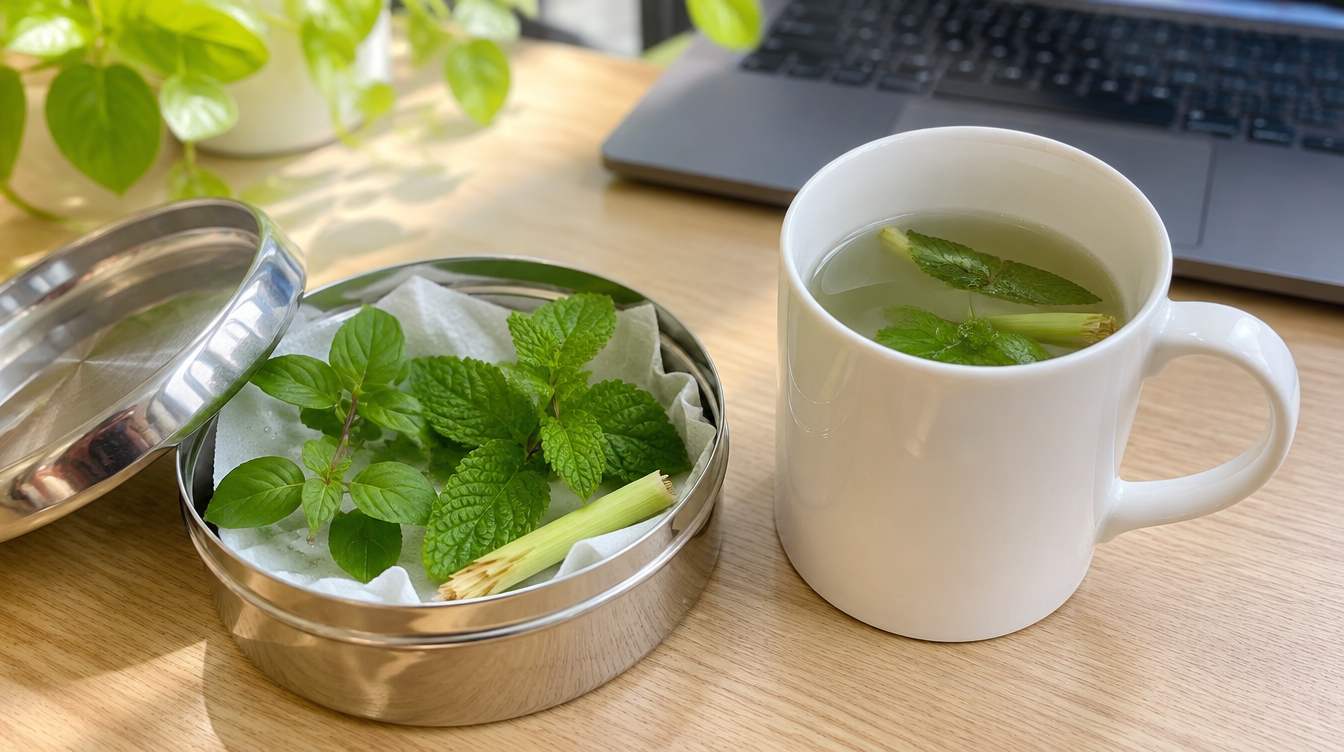
Here is our favourite way to take your tea garden to work. Office jaate hue, bas kuch patte tod lo.
- Pick in the morning: 6–8 tulsi leaves, a few pudina leaves and one lemongrass blade, or whatever your plants can spare.
- Pack them right: Wrap the leaves in a slightly damp tissue and put them in a small steel dabba or a zip pouch in your bag's side pocket, so they stay fresh till you reach.
- Brew at your desk: Pour hot water from the pantry into your mug, add the leaves, cover it with a lid or a plate, and wait 5 minutes.
- Sip and repeat: Garam paani daalo, and your fresh herbal chai is ready.
Try these combos: Tulsi and pudina for a fresh start, lemongrass and mint after lunch, and aparajita with lemon when you want your desk to look like a cafe.
How to Dry Herbs for Herbal Tea
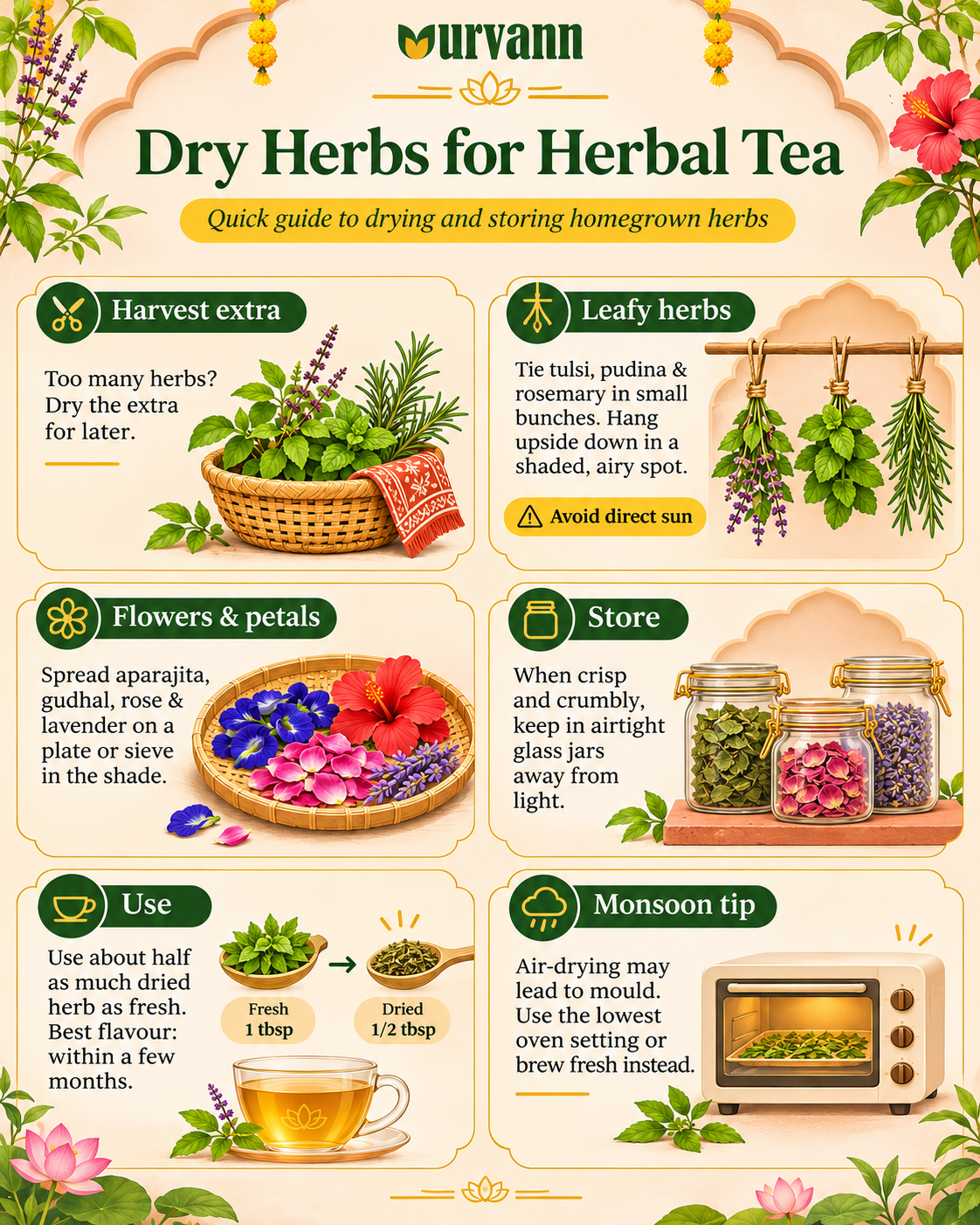
When your plants give more than you can drink, dry the extra for later.
- Tie leafy herbs like tulsi, pudina, and rosemary in small bunches and hang them upside down in a shaded, airy spot. Direct sun fades their colour and aroma.
- Spread flowers and petals (aparajita, gudhal, rose, lavender) on a plate or sieve in the shade.
- Once they are crisp and crumble easily, store them in airtight glass jars away from light.
- Use roughly half the quantity of dried herbs compared with fresh, and use them within a few months for the best flavour.
- In the monsoon, air-drying can lead to mould. Dry on the lowest oven setting or simply brew fresh instead.
Grow Your Next Cup on Your Balcony
A herbal tea garden does not need a farm or a big budget. Start with two or three pots, say Tulsi, Pudina, and Lemongrass, and add Aparajita or Gudhal when you want colour in your cup. Within a few weeks, your chai break will start right on your balcony.
At Urvann, all our plants are grown on Urvann farms in Delhi NCR and Bangalore. Check your pincode to see the plants available in your area. Order before 7 PM and get free next-day delivery.
Frequently Asked Questions (FAQs)
1. What herbs can I grow for herbal tea?
Easy herbs to grow for herbal tea in India are tulsi, pudina, lemongrass, stevia, ajwain patta, and rosemary. For flower teas, grow aparajita, gudhal, desi gulab, and lavender. All of them grow well in pots on a sunny balcony.
2. ಸಣ್ಣ ಬಾಲ್ಕನಿಯಲ್ಲಿ ಹರ್ಬಲ್ ಟೀ ಗಿಡಗಳನ್ನು ಬೆಳೆಸಬಹುದೇ?
ಹೌದು, ಸಣ್ಣ ಬಾಲ್ಕನಿಯಲ್ಲಿ ತುಳಸಿ, ಪುದೀನಾ, ಸ್ಟೀವಿಯಾ ಮತ್ತು ನಿಂಬೆ ಹುಲ್ಲು ಬೆಳೆಸಬಹುದು. ನೀರು ಹೊರಹೋಗಲು ರಂಧ್ರಗಳಿರುವ ಕುಂಡಗಳನ್ನು ಬಳಸಿ ಮತ್ತು ಗಿಡಗಳಿಗೆ ಅಗತ್ಯವಿರುವಷ್ಟು ಸೂರ್ಯನ ಬೆಳಕು ಒದಗಿಸಿ.
3. क्या मैं रोज़ हर्बल चाय पी सकता हूँ?
कुछ हर्बल चाय सीमित मात्रा में नियमित रूप से पी जा सकती हैं, लेकिन यह पौधे और आपकी सेहत पर निर्भर करता है। गर्भावस्था, स्तनपान या दवाएँ लेने की स्थिति में डॉक्टर से परामर्श लें।
4. How do I store fresh herbs for making tea?
Wrap freshly picked herbs in a slightly damp paper towel and keep them in a suitable container in the refrigerator. Alternatively, dry the herbs completely and store them in airtight jars.
5 ಹರ್ಬಲ್ ಟೀ ತಯಾರಿಸಲು ವಿವಿಧ ಗಿಡಮೂಲಿಕೆಗಳನ್ನು ಬೆರೆಸಬಹುದೇ?
ಹೌದು, ವಿಭಿನ್ನ ರುಚಿಗಾಗಿ ತುಳಸಿ ಮತ್ತು ಪುದೀನಾ ಅಥವಾ ನಿಂಬೆ ಹುಲ್ಲು ಮತ್ತು ಪುದೀನಾವನ್ನು ಬೆರೆಸಬಹುದು. ಆದರೆ ಬೆರೆಸುವ ಮೊದಲು ಪ್ರತಿಯೊಂದು ಪದಾರ್ಥವೂ ಸೇವನೆಗೆ ಸುರಕ್ಷಿತವೇ ಎಂದು ಪರಿಶೀಲಿಸಿ.
6. भारत के मौसम में कौन-से हर्बल चाय के पौधे अच्छे से उगते हैं?
तुलसी, पुदीना, लेमन ग्रास, अपराजिता और गुड़हल भारत के कई क्षेत्रों में अच्छी तरह उग सकते हैं। इनकी बढ़त स्थानीय तापमान, धूप, पानी और मौसम के अनुसार देखभाल पर निर्भर करती है।
7. Which flowers can be used to make herbal tea?
Butterfly pea (Aparajita), edible hibiscus, unsprayed roses, and culinary lavender can be used to prepare floral herbal teas.
8. Can I grow herbal tea plants on a small balcony?
Yes, tulsi, mint, stevia, and lemongrass can be grown in balcony pots. Choose containers with drainage holes and position them according to each plant's sunlight requirements.