


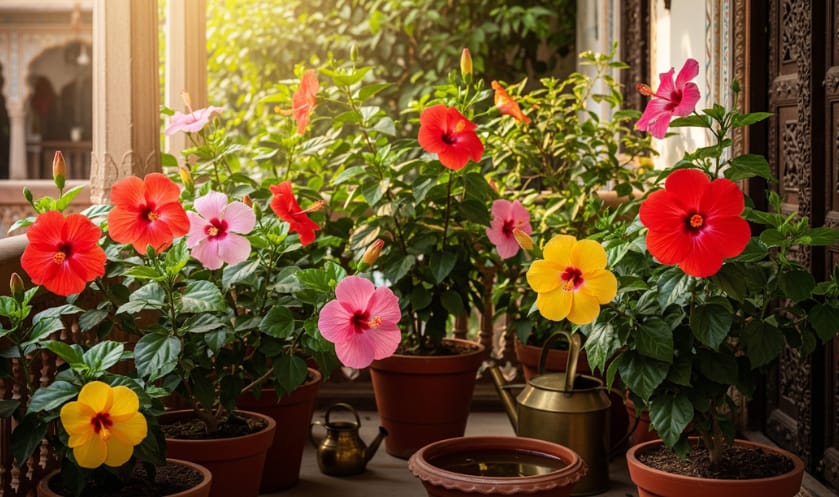
That bright red hibiscus (aka japa / jaswand or Gudhal) you brought home looked chef’s kiss for the first few weeks… and then suddenly: no buds, yellowing leaves, or dramatic leaf drop.
What You’ll Learn In This Blog
- Why hibiscus plants stop flowering in pots—and how to fix it without guesswork
- Which hibiscus varieties actually perform well on Indian balconies and apartments
- The exact sunlight, watering, and soil setup hibiscus needs in Indian weather
- How to prune hibiscus correctly so it flowers more and grows bushy, not leggy
- Common hibiscus problems like yellow leaves and bud drop—and how to reverse them fast
- A simple seasonal care routine for summer, monsoon, and winter
- How to propagate hibiscus at home using stem cuttings, step by step
Sound familiar?
Don’t worry. Hibiscus isn’t being nakhre‑wala. It’s just a little particular.
But the good news is that with the right pot, proper sunlight, a desi‑friendly watering routine, and timely pruning, hibiscus plants thrive beautifully even in Indian apartments and compact balconies.
This beginner‑friendly hibiscus plant care guide is specially written for urban India. Whether you’re growing hibiscus in pots, on a sunny balcony, or near a bright window.
Let’s help your plant bloom like it’s meant to.
Hibiscus Plant Overview: Why It’s Perfect For Indian Balconies
Known for its large, trumpet‑shaped blooms in red, pink, yellow, orange, and white, Hibiscus is loved in India for daily pooja use, hair care, and balcony beauty.
Is Hibiscus A Shrub Or A Tree?
Botanically, hibiscus is a woody shrub, not a tree. With pruning, it stays compact and bushy. Perfect for pots.
If left unpruned, it can grow tall and leggy (not ideal for apartments).
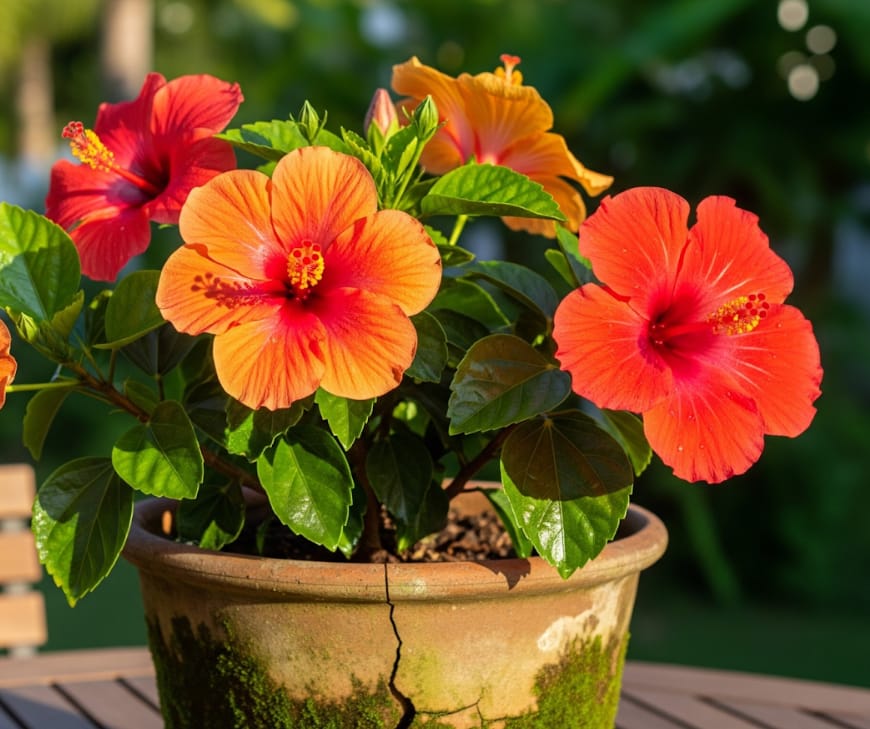
Does Hibiscus Grow Better In Pots Or The Ground?
For urban homes, hibiscus in pots actually works better:
- Easier to control soil, water, and pests
- Can be moved during harsh summers or winters
- Encourages better flowering when slightly root‑bound
So, why does hibiscus work for apartments?
- Thrives in pots when given enough sunlight
- Flowers multiple times a year in Indian climates
- Responds quickly to care changes, good or bad
- Can be pruned into a bushy, balcony-friendly shape
That’s why hibiscus is one of the most balcony‑friendly flowering plants for Indian cities.
Types Of Hibiscus Flowers In India (Balcony‑friendly Varieties)
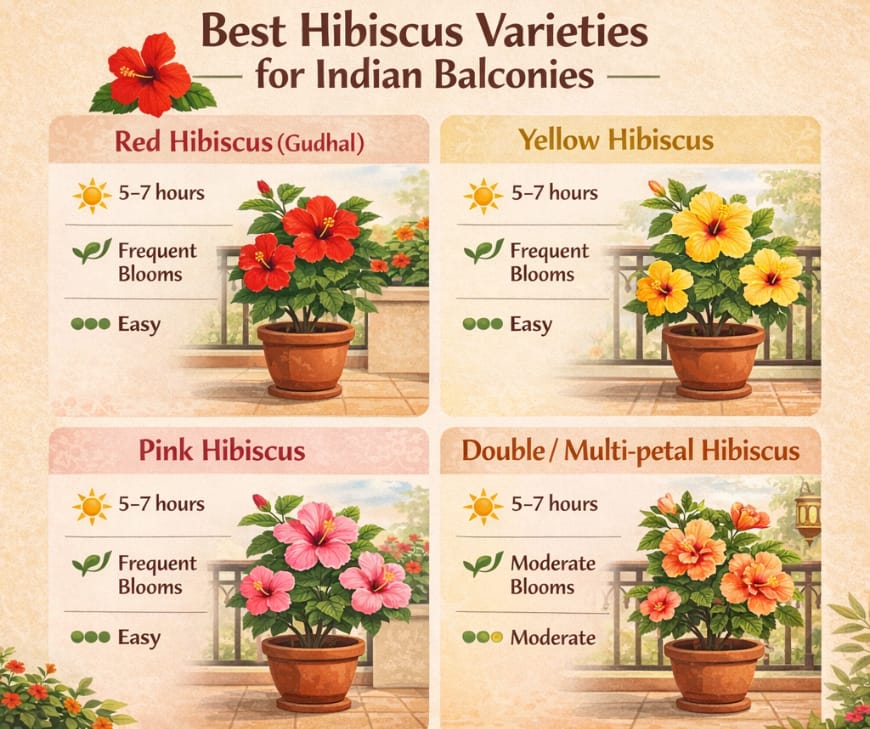
When growing hibiscus at home, choosing the right variety matters a lot. Here are popular hibiscus flower varieties commonly available for Indian balconies:
Red Hibiscus (Hibiscus rosa‑sinensis)
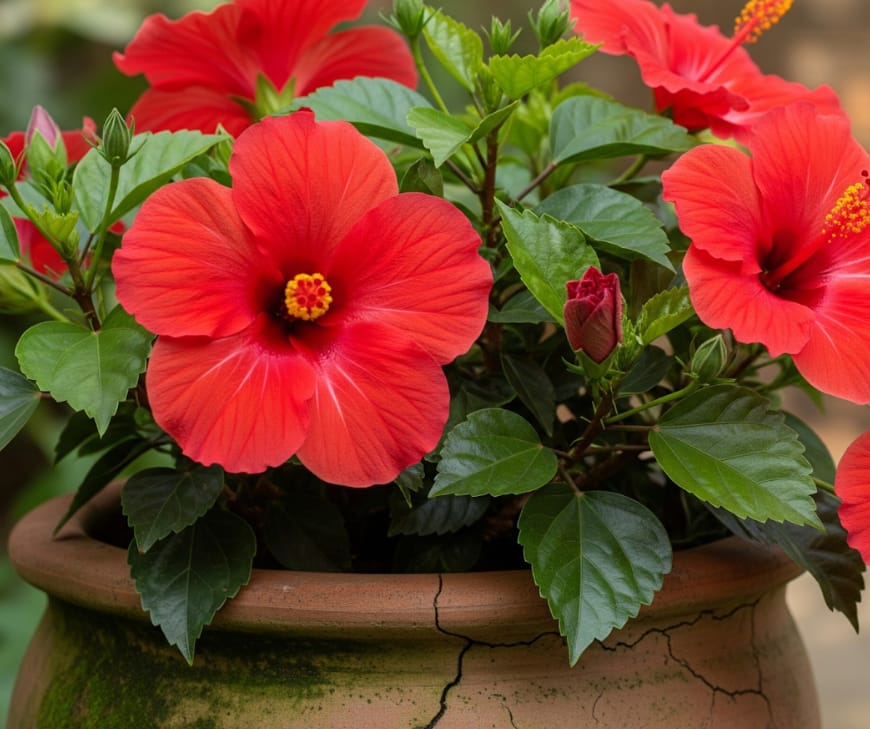
- Most common Gudhal plant
- Excellent for pots
- Blooms almost year‑round in warm climates
Buy a beautiful Hibiscus/Gudhal Dwarf Red in a 5 Inch Nursery pot for just ₹139 here.
Yellow Hibiscus
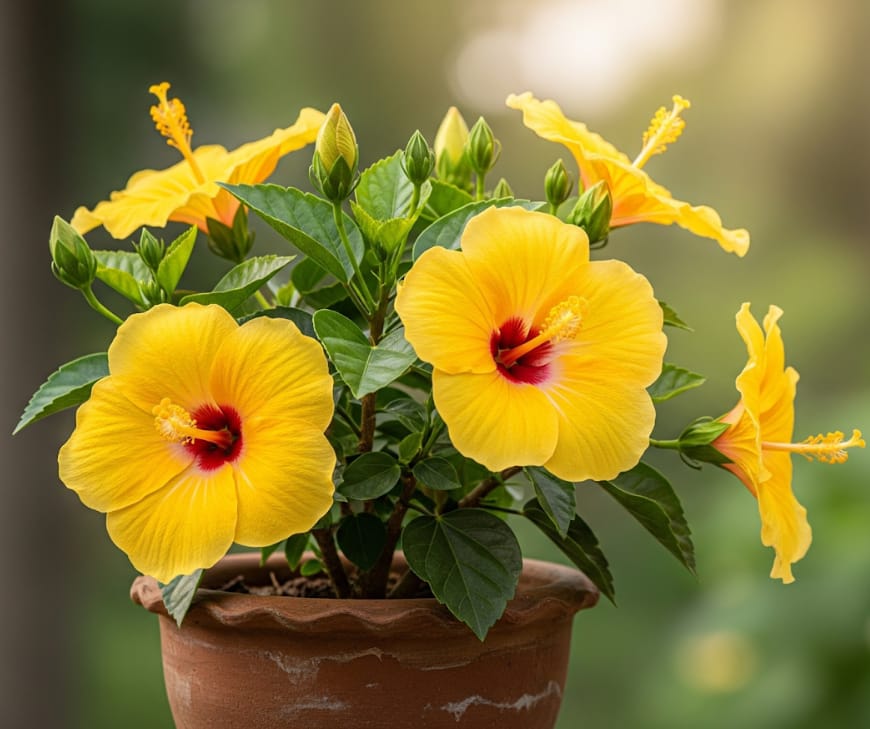
- Bright, cheerful blooms
- Slightly more sun‑loving
- Great for south‑ or west‑facing balconies
Buy a beginner-friendly Hibiscus/Gudhal Yellow in a 4 Inch Nursery bag for just ₹99 here.
Pink Hibiscus
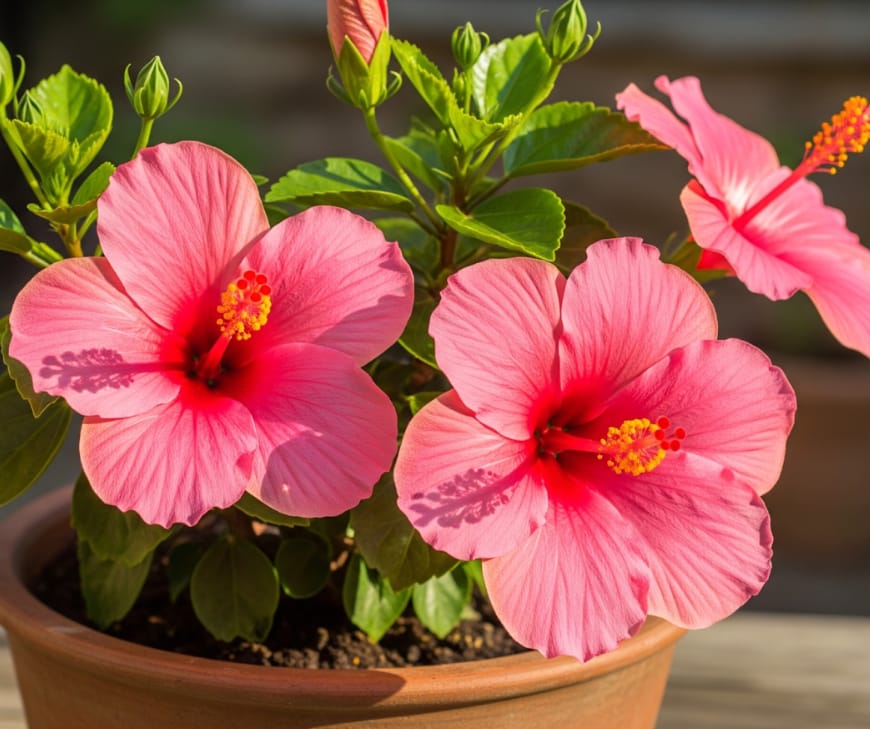
- Softer pastel look
- Perfect for home decor‑focused plant parents
Buy a big flower head Hibiscus / Gudhal Pink in a 7 Inch Classy Red Plastic Pot for just ₹174 here
Multi‑Petal / Double Hibiscus Varieties
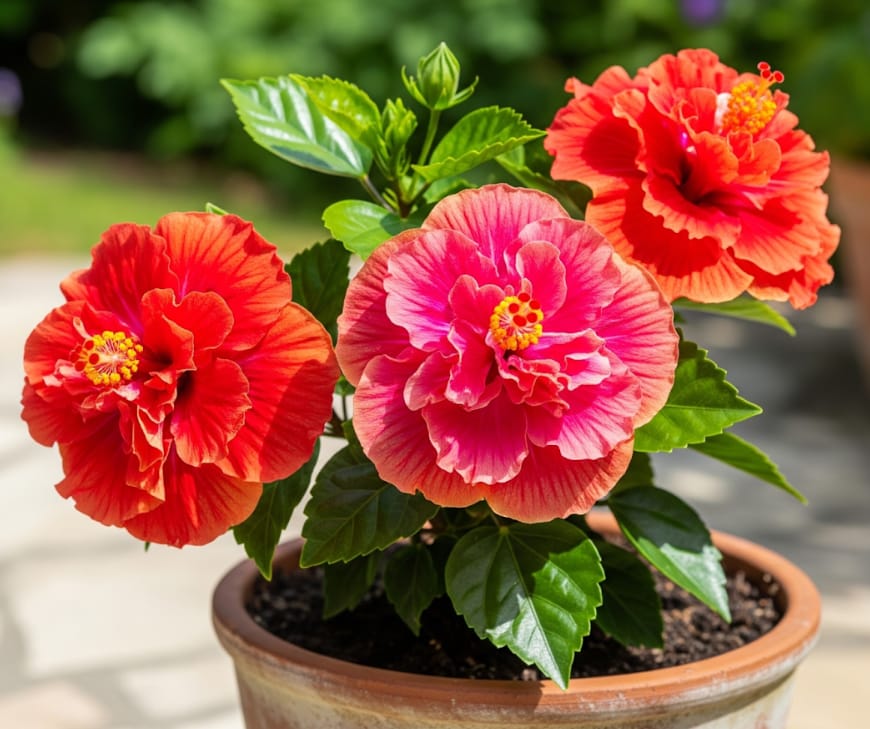
- Rose‑like, layered flowers
- Need a bit more feeding and sunlight
- Stunning statement plants for balconies
All these hibiscus varieties adapt well to containers and Indian weather, no fancy greenhouse drama required.
How To Grow Hibiscus in Pots (Apartment & Balcony Setup)
Growing hibiscus in pots is all about the right setup from day one.
Choosing The Right Pot
Minimum 10–12-inch pot for young plants
Upgrade to 14–16 inch as the plant grows
Always ensure drainage holes (non‑negotiable!)
Best Pot Placement
- Balcony, terrace, or window with strong sunlight
- Avoid cramped corners with no airflow
Repotting Tip (Important!)
If you’ve bought a nursery plant, don’t repot immediately. Let it settle for 7–10 days, then repot gently if needed.
Sunlight And Temperature Needs For Hibiscus In Indian Homes
Do Hibiscus Like Sun Or Shade?
Short answer: Sun, sun, and more sun.
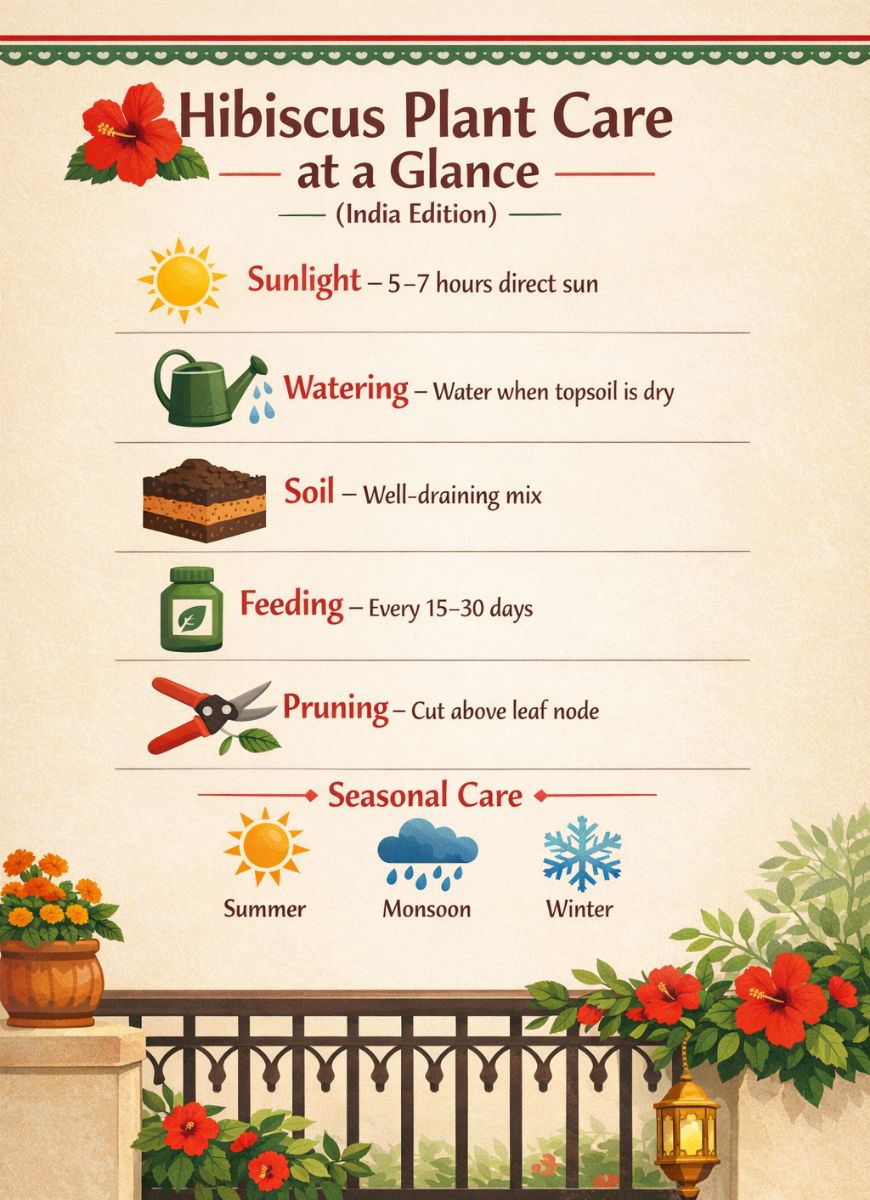
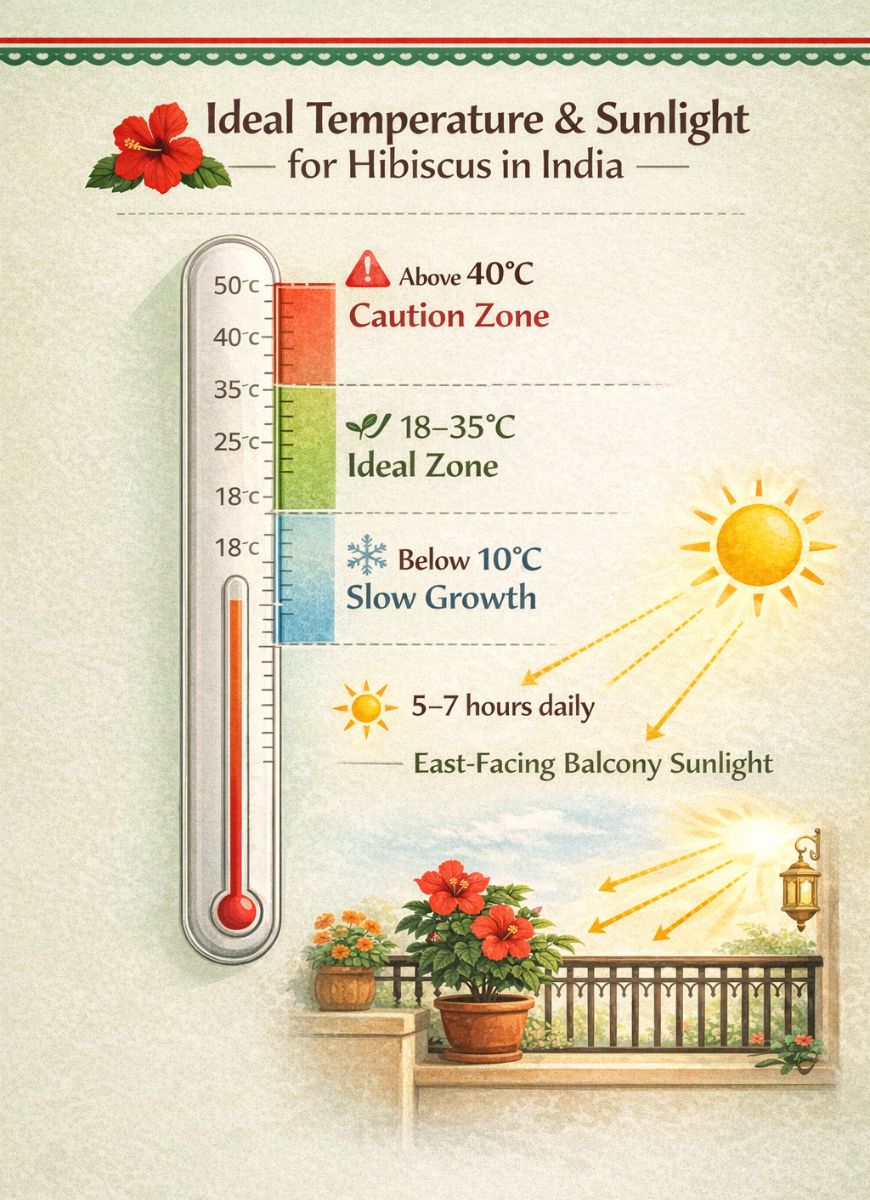
- Needs 5–7 hours of direct sunlight daily
- Morning sun is best (east‑facing balconies = jackpot)
- Afternoon sun is okay, but protect from the harsh May heat
Indian Temperature Sweet Spot
- Ideal: 18°C – 35°C
- Above 40°C: Flowers may drop. Use a light shade net
- Below 10–12°C: Growth slows, flowering pauses
Hibiscus loves Indian summers, but hates extremes.
Hibiscus Watering Guide (How Much, How Often, And When)
This is where most plant parents go wrong.
How Often Should I Water Hibiscus?
- Summer: Daily or alternate days<
- Monsoon: Only when the topsoil feels dry
- Winter: 2–3 times a week
How To Know If Hibiscus Needs Water
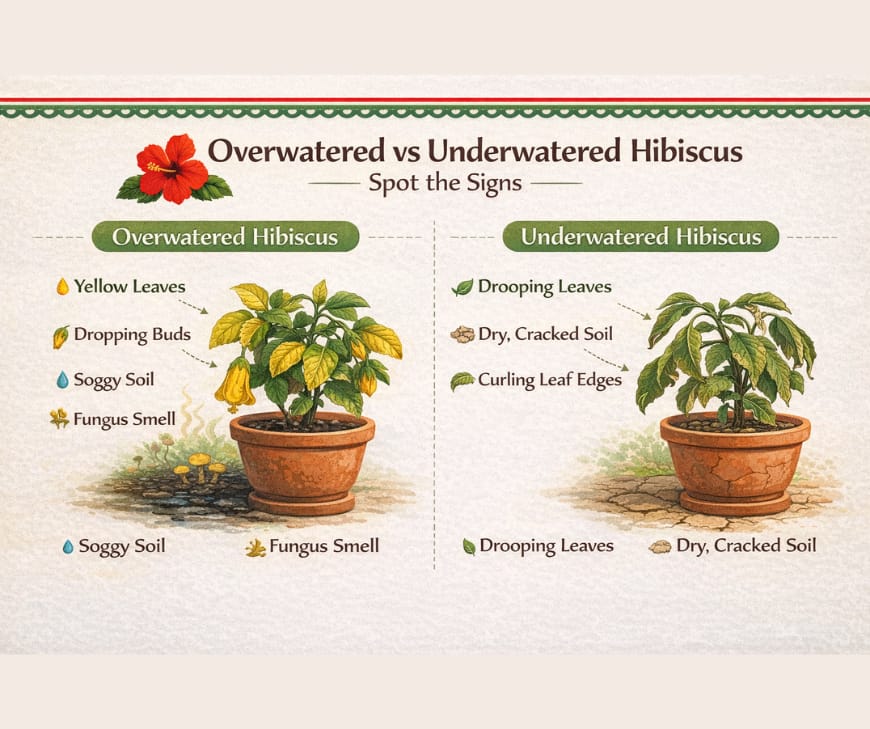
- Top 1–2 inches of soil dry = water
- Leaves drooping midday = thirsty
What Does An Overwatered Hibiscus Look Like?
- Yellow leaves
- Buds falling before blooming
- Soil smells funky
Golden rule: Moist soil, never soggy.
Best Soil And Fertilizer For Hibiscus Plants In Pots
Ideal Soil Mix For Hibiscus
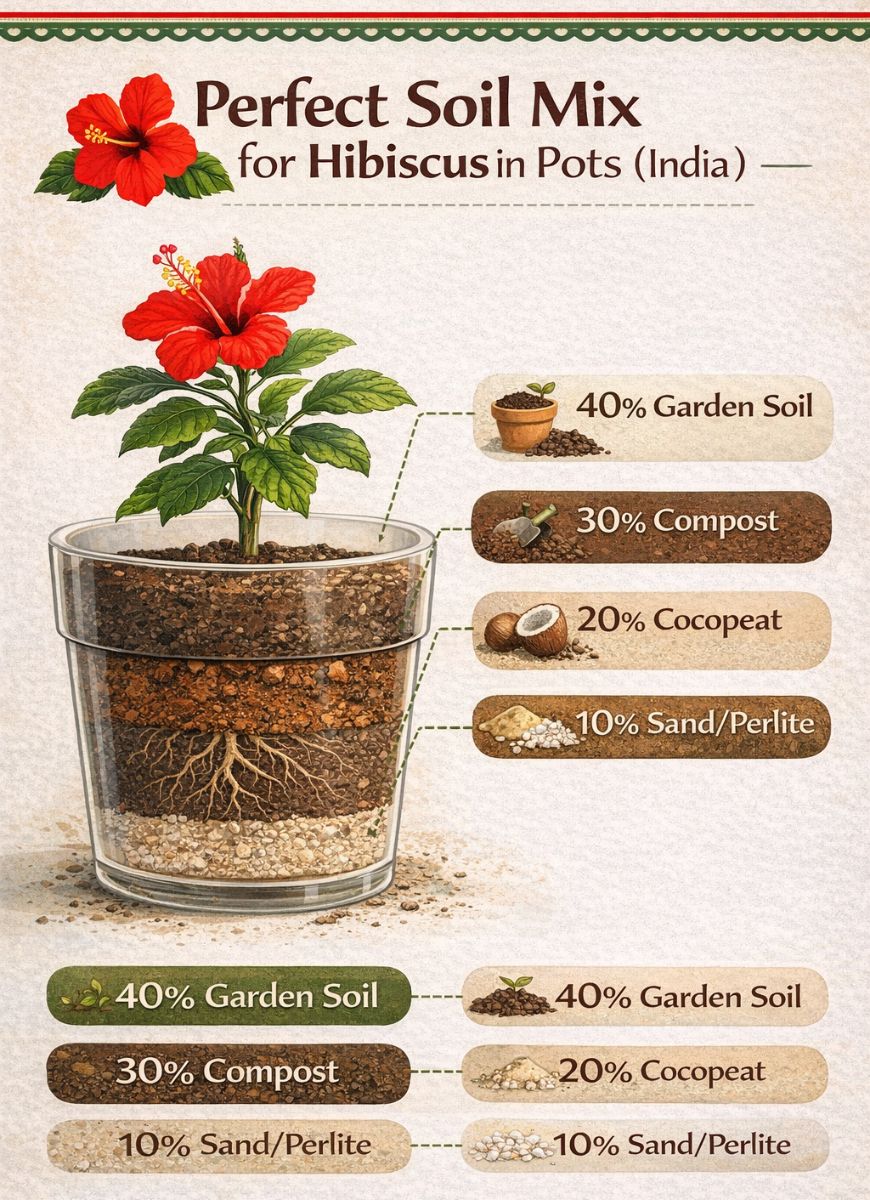
A simple, effective Indian soil mix:
- 40% garden soil
- 30% compost or vermicompost
- 20% cocopeat
- 10% sand or perlite
This supports the hibiscus root system while preventing waterlogging.
Best Fertilizer For Hibiscus Plants
For maximum flowering:
- Every 15 days: Liquid seaweed or vermicompost tea
- Monthly: Mustard cake liquid fertiliser
- Occasionally: Banana peel water (potassium boost)
Avoid raw coffee grounds. They increase acidity and attract fungus.
Pruning Hibiscus For More Flowers And Bushier Growth
Does Hibiscus Need Pruning?
YES. Hibiscus blooms on new growth.
When To Prune Hibiscus In India
- Best time: Late winter (Jan–Feb)
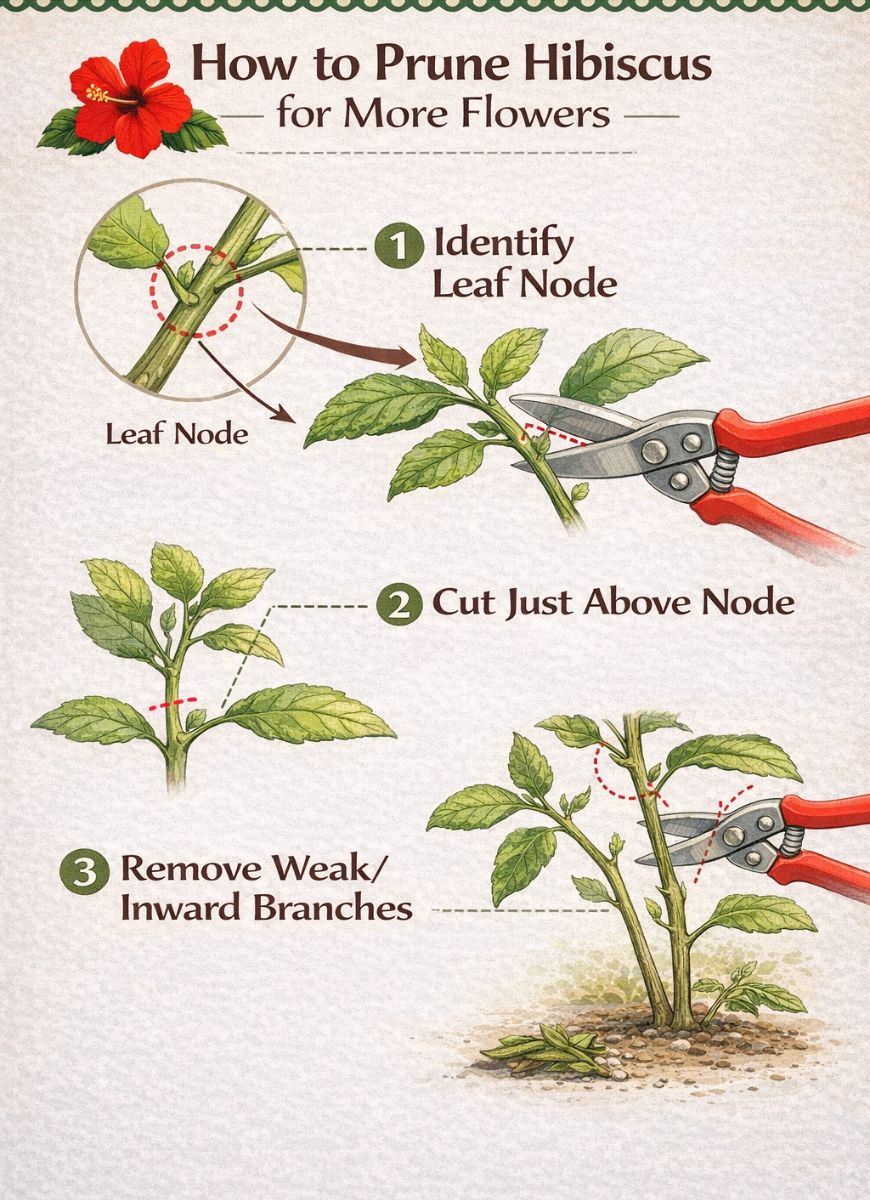
How To Prune Correctly
- Cut just above a leaf node
- Remove weak, leggy, inward‑growing branches
- Pinch tips regularly for bushy growth
No pruning = more leaves, fewer flowers.
Common Hibiscus Plant Problems And How To Fix Them
| Symptom You See | Likely Reason | What To Do Next |
|---|---|---|
| Yellow leaves | Too much water or poor drainage | Water less and loosen the soil |
| Buds drop before opening | Low sunlight or weak nutrition | Increase sun exposure and add potassium-rich fertilizer |
| Sticky leaves or tiny insects | Aphids, mealybugs, or spider mites | Neem oil weekly + gentle wipe with soapy water |
Quick reminder: Hibiscus plants are dramatic, not dying. Most issues are easy to reverse. Panic mat karo.
How To Propagate Hibiscus From Stem Cuttings At Home
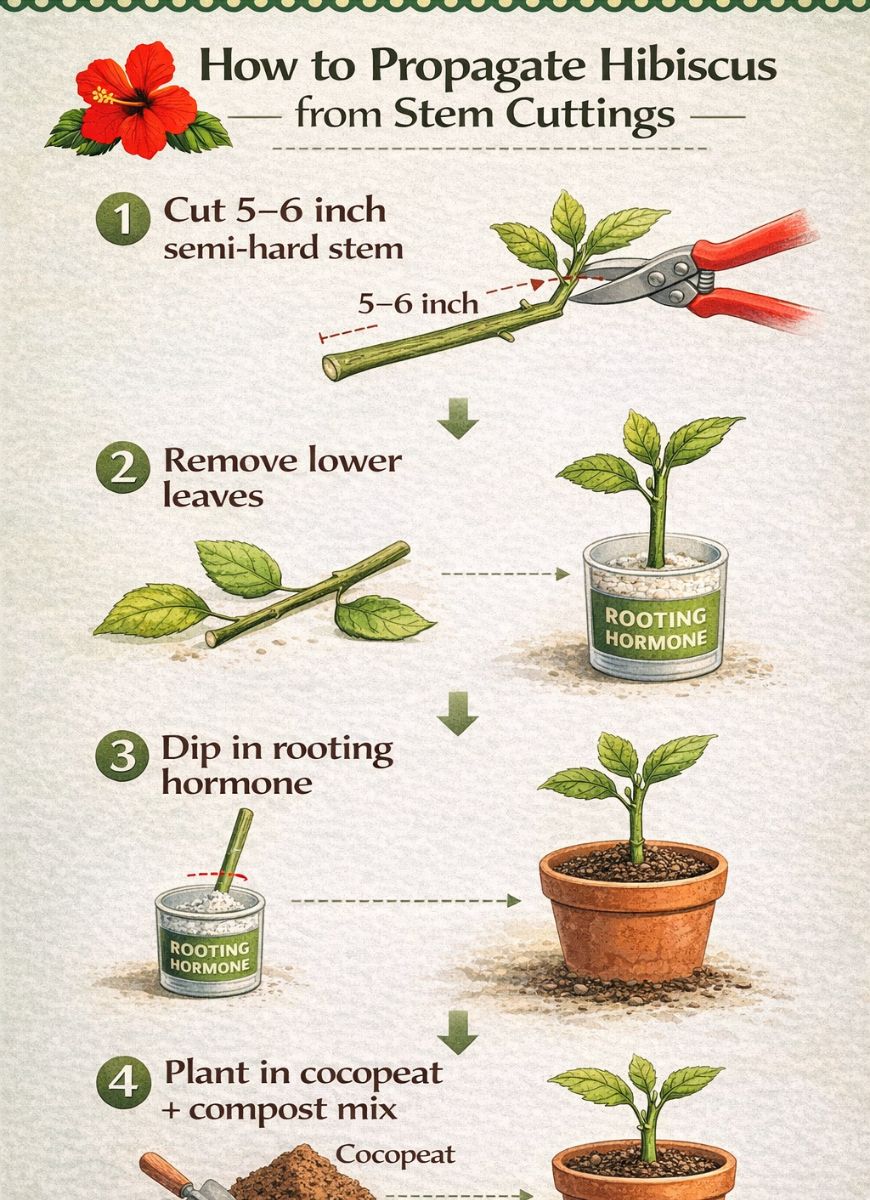
Want more hibiscus without spending extra? Easy!
Step‑by‑step Propagation
- Take a 5–6 inch semi‑hard stem cutting
- Remove lower leaves
- Dip in rooting hormone (optional)
- Plant in cocopeat + compost mix
- Keep in bright shade, soil slightly moist
Roots form in 3–4 weeks. Congrats, you’ve cloned your plant!
Seasonal Hibiscus Care In India (Summer, Monsoon, Winter)
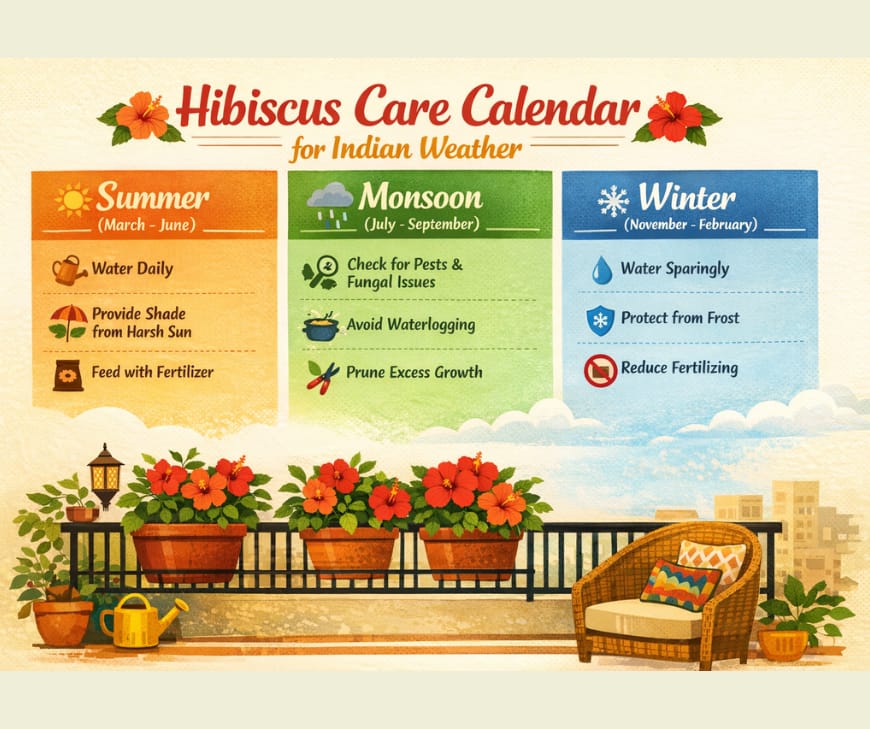
Summer Care
- Water early morning
- Mulch the soil to retain moisture
- Protect from harsh afternoon sun
Monsoon Care
- Reduce watering
- Watch for fungal infections
- Improve air circulation
Winter Care
- Move pots to sunnier spots
- Reduce feeding
- Light pruning only
Seasonal care = year‑round blooms.
Quick Hibiscus Care Checklist for Busy Urban Plant Parents
✔ 5–7 hours of sunlight daily
✔ Well‑draining soil mix
✔ Water only when the topsoil dries
✔ Feed every 15–30 days
✔ Prune lightly and regularl
✔ Neem oil for pest prevention
Stick to this, and your hibiscus will thank you with flowers, because this routine is what many Indian balcony gardeners follow to keep hibiscus blooming year-round.
Growing Hibiscus Successfully In Apartments
Hibiscus may look royal, but it’s surprisingly apartment‑friendly when you understand its rhythm.
With the right pot, sunshine, and a little patience, you can enjoy lush blooms right from your balcony. No bungalow required.
Plant parenthood doesn’t have to be complicated. Start small, stay consistent, and let your urban home bloom into a little vann (वन) of colour and joy.
Happy growing!
Questions People Also Ask About Hibiscus Plants
1. How many times does a hibiscus plant bloom in a year?
In Indian climates, tropical hibiscus can bloom multiple times a year, especially from spring to early winter. With proper sunlight, feeding, and pruning, many balcony hibiscus plants flower almost continuously with short rest periods.
2. Is hibiscus a perennial or an annual plant in India?
Hibiscus is a perennial plant in most parts of India. It doesn’t die after one season, though growth may slow down in winter or extreme heat; it bounces back strongly with the right care.
3. How long does a hibiscus plant live in a pot?
With regular repotting, pruning, and feeding, a hibiscus plant can live 5–10 years or more in a pot. Many urban gardeners keep the same hibiscus thriving on balconies for years.
4. Why do hibiscus flowers last only one day?
This is completely normal. Individual hibiscus flowers usually last one to two days, but healthy plants produce new buds continuously, so you’ll keep seeing fresh blooms if the plant is happy.
5. Can hibiscus plants be grown indoors without a balcony?
Hibiscus is not an ideal low-light indoor plant. However, it can survive indoors only if placed near a very bright window that gets strong direct sunlight for several hours. For best flowering, outdoor light is strongly recommended.
6. Do hibiscus plants attract butterflies or bees?
Yes! Hibiscus flowers are excellent pollinator-friendly plants. Growing them on balconies or terraces helps attract butterflies and bees, contributing to a healthier urban ecosystem
7. Are hibiscus plants safe for pets?
Hibiscus is considered mildly toxic to pets if ingested in large quantities. If you have cats or dogs that chew plants, it’s best to place hibiscus slightly out of reach.
8. Can hibiscus plants grow tall in pots?
Yes, hibiscus can grow tall even in pots if left unpruned. Regular pruning keeps the plant compact, bushy, and flower-focused, which is more suitable for apartment spaces.
9. Why does my hibiscus flower size reduce over time?
Smaller flowers usually indicate:
- Nutrient deficiency
- Old soil that needs refreshing
- Too many branches competing for energy
A light prune and regular feeding usually restore flower size.
10. Can I grow hibiscus from seeds at home?
Yes, but growing hibiscus from seeds is slow and unpredictable. Plants grown from seeds may not flower true to the parent plant. That’s why stem propagation is preferred for home gardeners.
11. Is hibiscus a good plant for beginners?
Absolutely. Hibiscus is a great beginner flowering plant as long as sunlight and watering are managed well. It’s expressive. Meaning it shows stress clearly, so plant parents learn quickly what works and what doesn’t.