


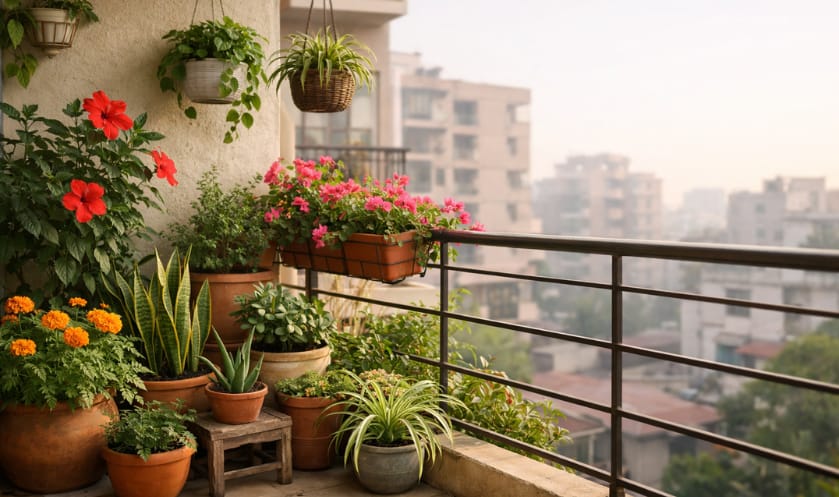
A practical guide for balcony gardeners who want low-effort greenery that actually survives
What You’ll Learn In This Blog
- Why plants fail in North India and how choosing climate-compatible plants solves issues caused by extreme heat, winter dips, and monsoon humidity
- A curated list of 15 low-maintenance plants that actually survive in apartments, balconies, and small urban spaces
- How to match plants to your exact home conditions, including indoor light, shaded balconies, and full-sun exposure
- The most common mistakes, like overwatering, wrong placement, and unrealistic expectations, and how to avoid them
- A simple, practical framework to help you choose plants based on your lifestyle, space, and care routine so they survive long-term
North India makes plant parenting look easier than it is.
Many people buy plants based on looks, bring them home, and then watch them struggle through harsh summer heat, cold winter spells, or a monsoon season that leaves pots soggy and roots stressed. In small apartments and balcony gardens, the cost of choosing wrong is real: wasted money, dead plants, cluttered corners, and that frustrating feeling that gardening “just isn’t for you.”
North India’s climate is more extreme than it appears at first glance. Summers in many cities regularly touch 40–45°C, winters can drop to 5–10°C, and monsoon humidity often leads to waterlogged soil and root stress. Plants that thrive here are not just “low maintenance” but climate-compatible.
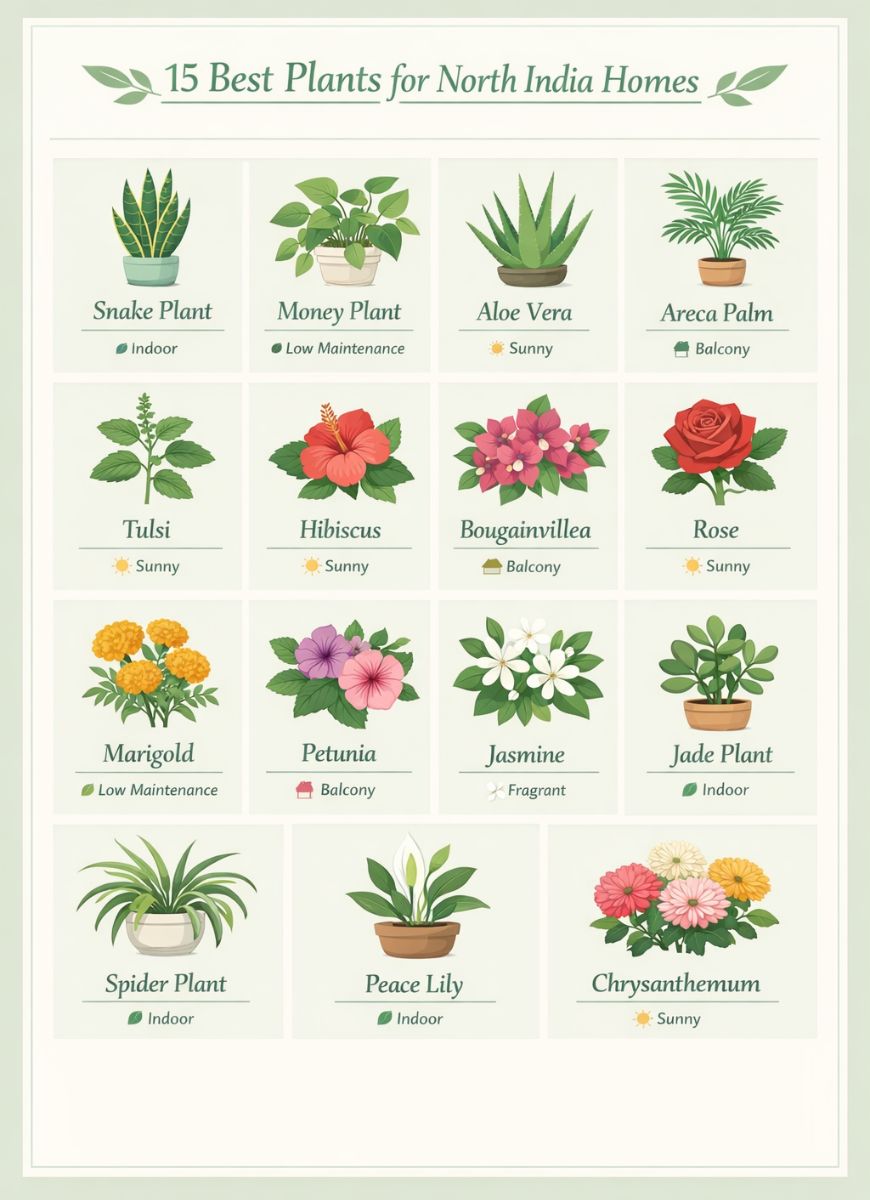
Snake Plant, Money Plant, Aloe Vera, Hibiscus, Bougainvillea, and Marigold are among the best plants for North India due to their ability to handle heat, seasonal shifts, and container growing.
In many urban homes across Delhi-NCR and similar North Indian cities, the biggest problem is usually not effort, but plant mismatch.
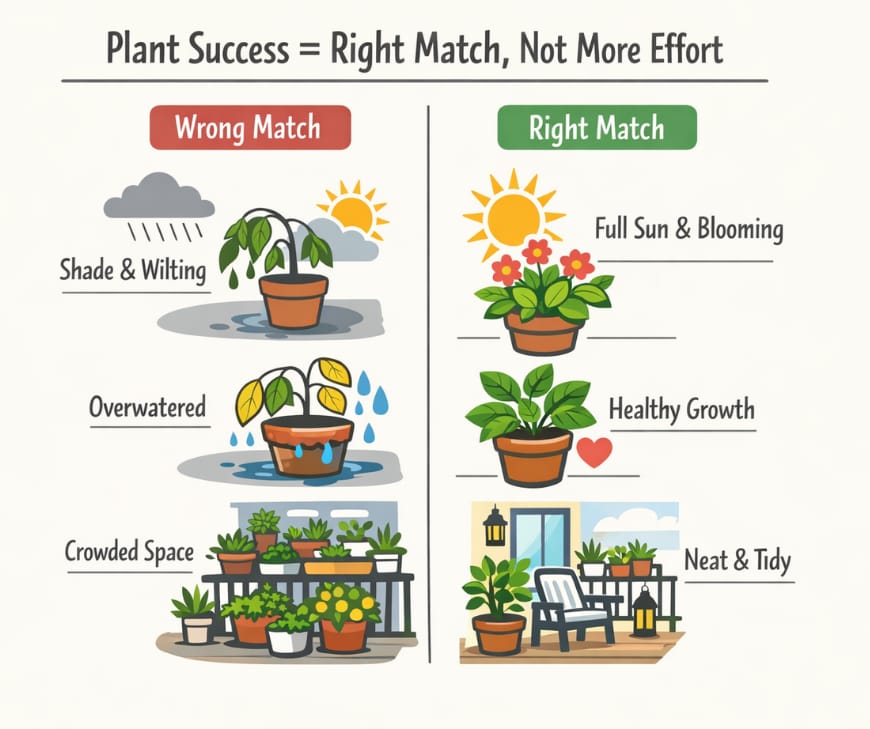
A balcony that gets fierce afternoon sun needs very different plants from a shaded apartment corner. And the plants that look lush on a product page are not always the ones that thrive through North India’s heat, winter dips, and seasonal swings.
This guide is built to help you make the right choice before you buy. It focuses on plants that make sense for the climate in North Indian urban homes, balconies, and small spaces.
Why Picking The Right Plant Matters More In North India
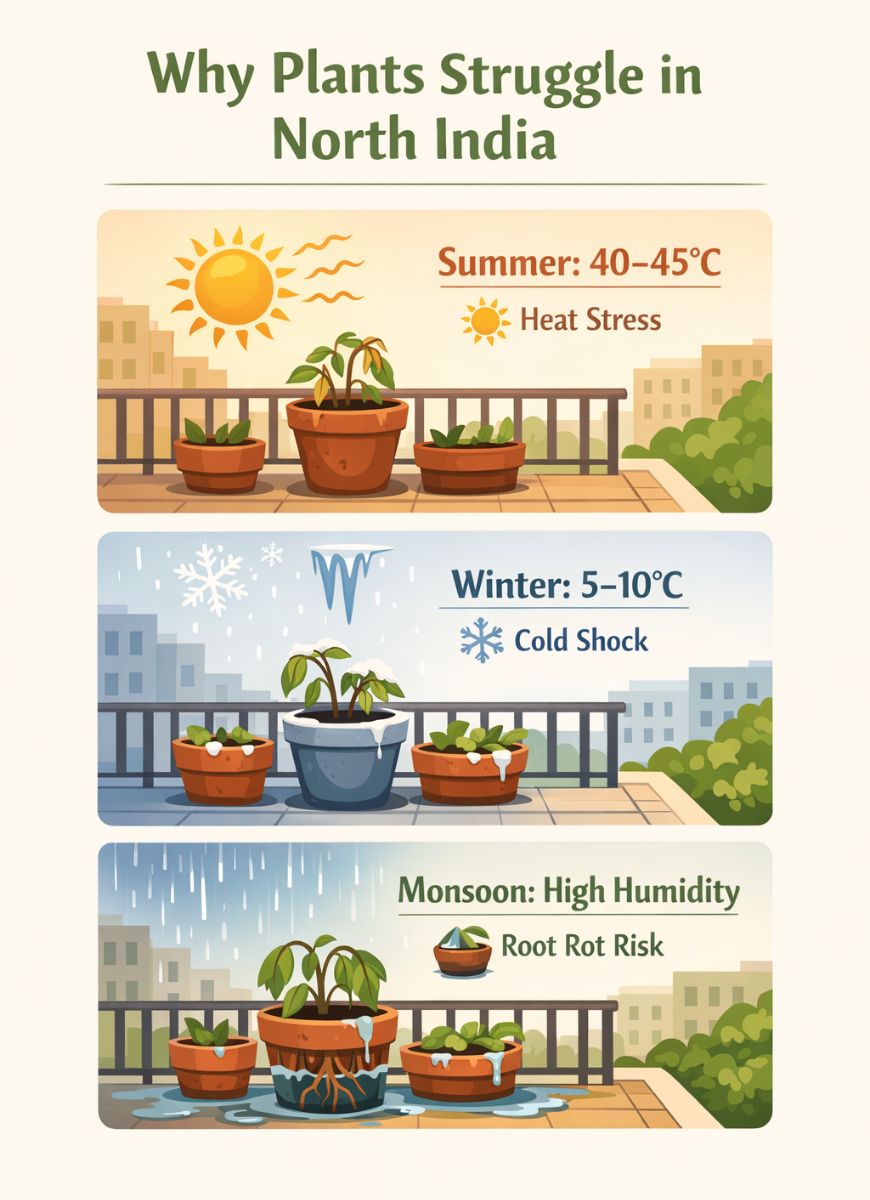
North India’s climate is not gentle on plants. Summer can be intensely hot, winter can turn surprisingly cold, and the monsoon brings humidity and drainage problems. That means a plant that performs beautifully in one season or one city corner can fail quickly in another if you place it wrong.
For apartment dwellers, the usual failure points are predictable:
- Buying a sun-loving plant for a shaded balcony
- Choosing delicate plants for exposed terraces
- Overwatering during the monsoon or winter
- Expecting outdoor bloomers to thrive indoors
- Filling small spaces with high-maintenance plants that demand constant care
The safest approach is not to ask, “What plant is pretty?” It is to ask, “What plant matches my light, my space, and my routine?”
How This List Is Curated
This list is based on a simple decision lens that matters to real home gardeners:
- Can the plant handle North India’s seasonal shifts?
- Is it practical for balconies, apartments, or limited-space homes?
- Is it relatively low effort for busy urban plant parents?
That matters because helpful advice should make a decision easier, not just add more options.
The 15 Best Balcony Plants For North India’s Climate
1) Snake Plant (साँप का पौधा)
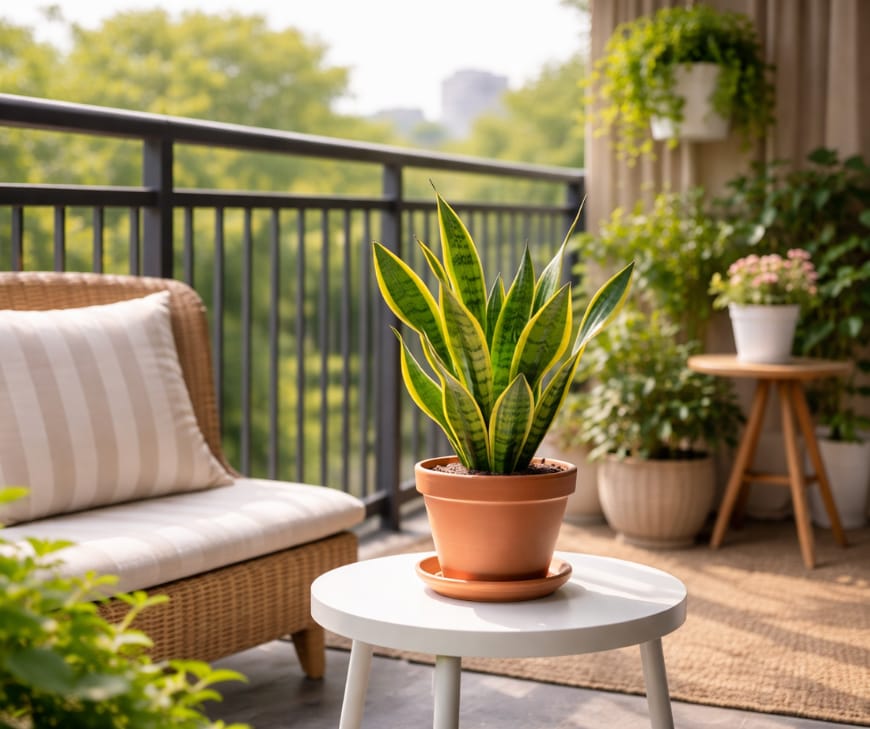
If you are worried about killing your first few plants, start here. Snake Plant is one of the safest choices for North Indian apartments because it also handles indoor conditions, occasional neglect, and irregular watering better than most houseplants.
It is especially useful in urban homes where balconies are limited or sunlight is inconsistent. It does not need daily attention and adapts well across seasonal changes.
What to confirm before buying
Choose Snake Plant if:
- Your home gets bright indirect light or partial indoor light
- You want a plant that does not need frequent watering
- You want greenery for bedrooms, corners, or workspaces
Reality check
Snake Plant is low maintenance, but not unkillable. The most common mistake is overwatering, especially in winter.
2) Money Plant (मनी प्लांट)
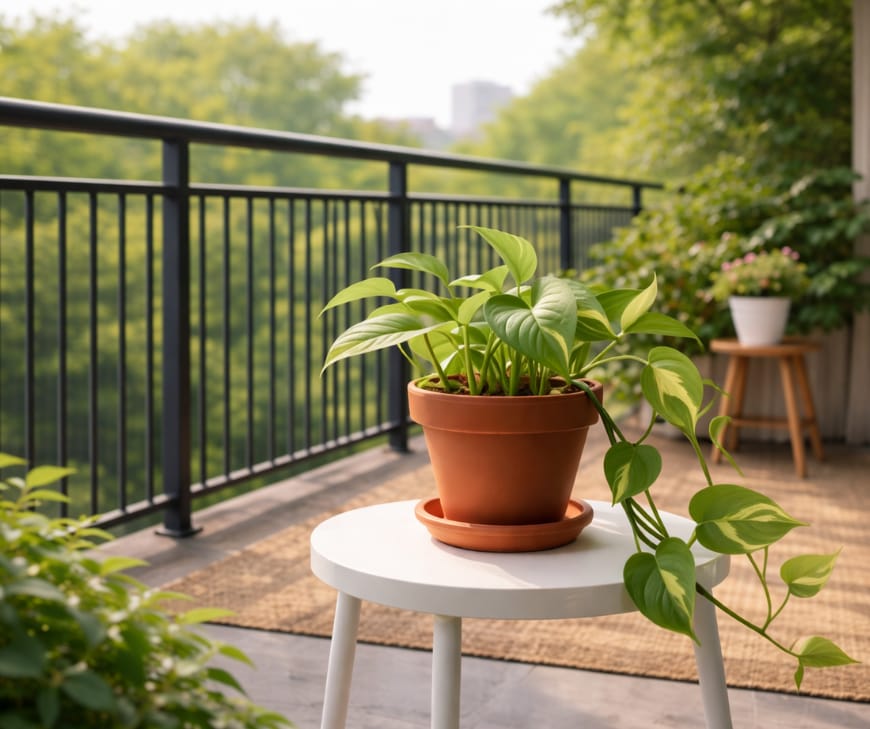
Money Plant is one of the easiest ways to make a compact home feel fuller and greener. If you want a plant that grows fast and softens a balcony or shelf, this one is a reliable choice.
It adapts well to apartment conditions and performs well in bright indoor spots as well as partially shaded balconies.
What to confirm before buying
Choose Money Plant if:
- You want a hanging or trailing plant
- You have bright indirect light
- You want a fuller look without high maintenance
Reality check
It grows best with decent light. In very dark corners, it may survive but look sparse.
3) Aloe Vera (घृतकुमारी)
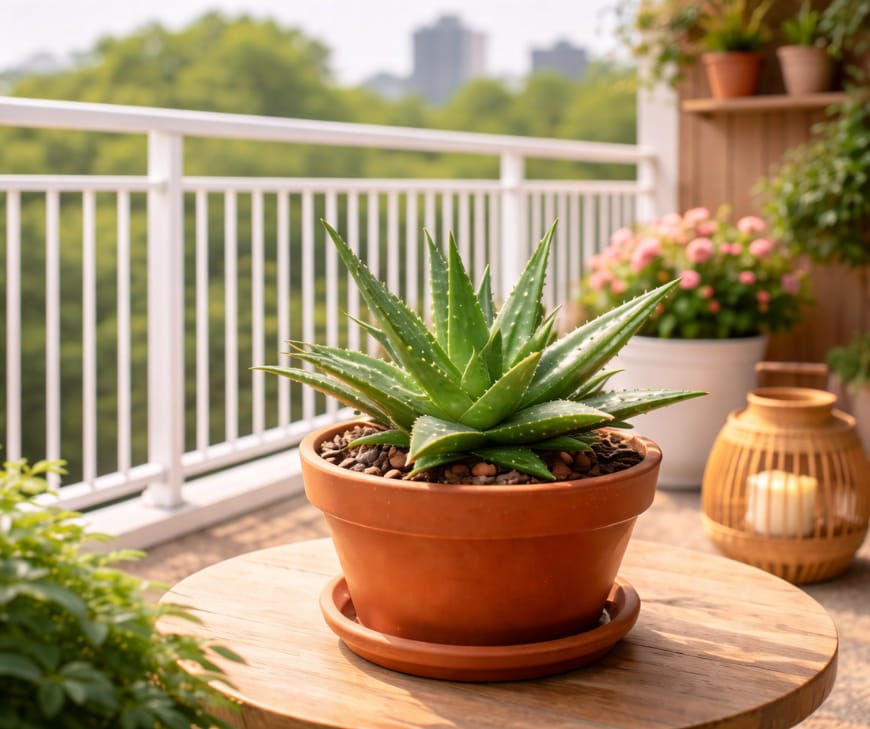
Aloe Vera is one of the most practical plants for North Indian homes because it is compact, tough, and comfortable in warmer conditions.
It handles heat better than many indoor plants and suits balconies that get consistent sunlight.
What to confirm before buying
Choose Aloe Vera if:
- Your balcony or window gets sun
- You prefer drought-tolerant plants
- You want something simple and space-efficient
Reality check
Too much water, especially during the monsoon, causes most problems.
4) Areca Palm (सुपारी का पाम)
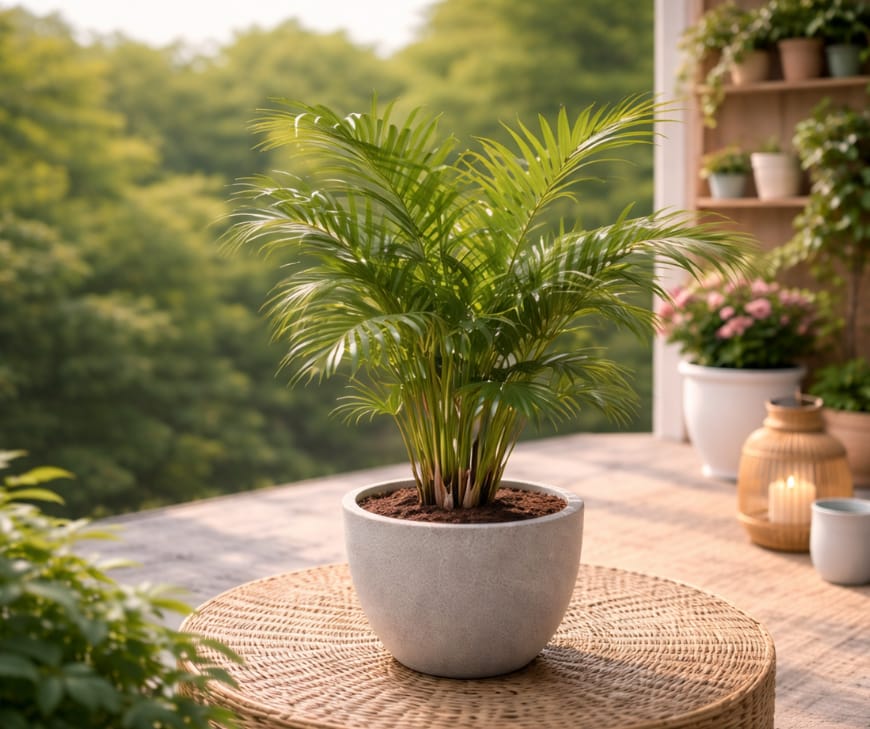
If your goal is to create a fuller, softer space, the Areca Palm adds height and texture without requiring highly specialised care.
It performs well both in bright indoor spaces and semi-shaded balconies and adapts reasonably well across seasons.
What to confirm before buying
Choose Areca Palm if:
- You have a bright corner or balcony with filtered light
- You want a larger statement plant
- You prefer a leafy, tropical look
Reality check
It struggles in very dark spaces or in harsh, direct afternoon sun.
5) Tulsi (तुलसी)
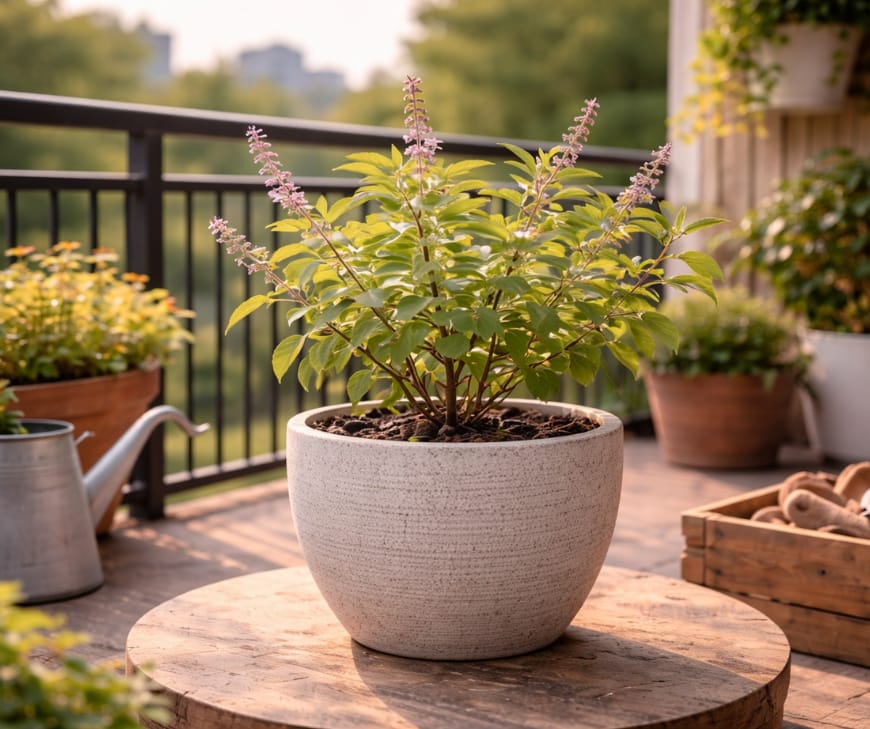
Tulsi is compact, familiar, and genuinely useful. It is a great starting point for people who want a plant that fits into daily life.
It responds well to container growing and suits small sunny balconies.
What to confirm before buying
Choose Tulsi if:
- You get a few hours of sunlight
- You want an herb that feels useful
- You prefer a plant that fits into your routine
Reality check
Tulsi needs consistency. Irregular light or watering shows quickly.
6) Hibiscus (गुड़हल)
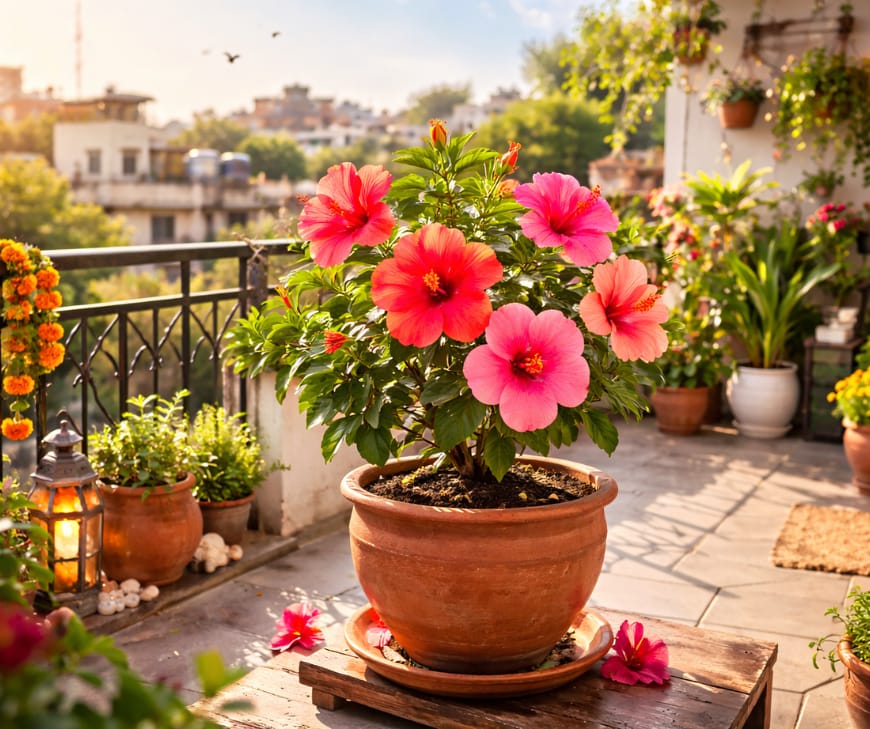
Hibiscus brings a strong visual impact and gives even a small balcony a proper garden feel.
It thrives in warm conditions and performs best in bright balcony environments.
What to confirm before buying
Choose Hibiscus if:
- Your balcony gets strong sunlight
- You want larger, visible flowers
- You are okay with moderate care
Reality check
Without enough sunlight, flowering drops quickly.
7) Bougainvillea (कागज़ के फूल)
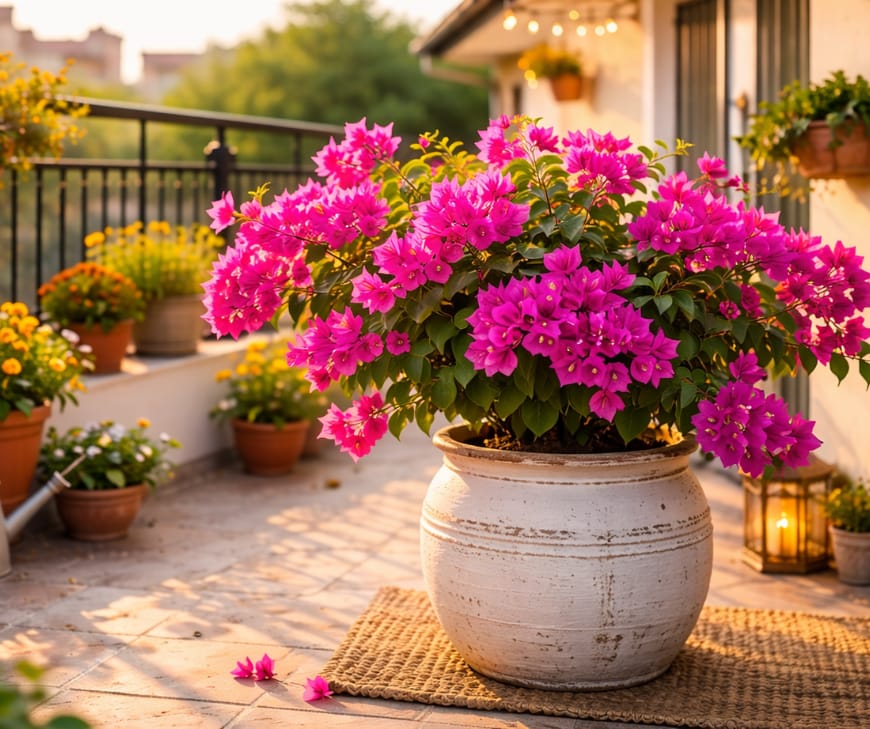
Bougainvillea is ideal for people who want colour without constant maintenance.
It handles intense heat and bright sun better than most flowering plants.
What to confirm before buying
Choose Bougainvillea if:
- Your space gets strong direct sun
- You want bold, dramatic colour
- You prefer low-intervention plants
Reality check
Overwatering or overfeeding often reduces flowering.
8) Rose (गुलाब)
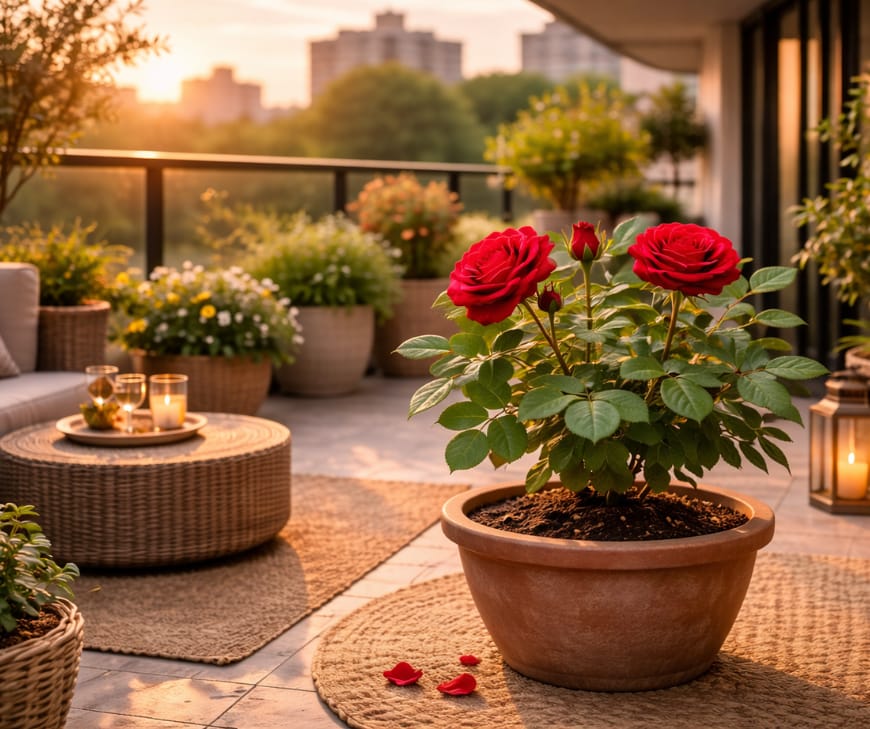
Roses add beauty and fragrance, giving a more traditional garden feel to small spaces.
They perform well with proper sunlight and seasonal care.
What to confirm before buying
Choose Rose if:
- Your balcony gets good sunlight
- You enjoy hands-on care
- You want decorative blooms
Reality check
This is not a low-effort plant compared to others on this list.
9) Marigold (गेंदे का फूल)
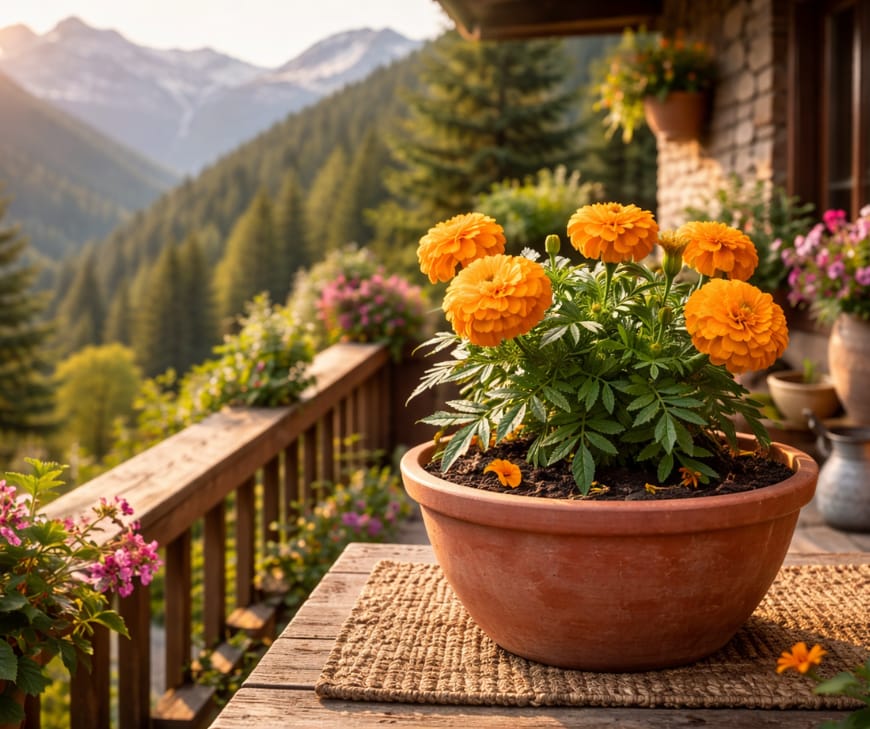
Marigolds are one of the easiest flowering plants for beginners.
It performs reliably in sunny conditions and adapts well to containers.
What to confirm before buying
Choose Marigold if:
- You want fast, visible colour
- Your space gets direct sun
- You are new to flowering plants
Reality check
In low light, it tends to underperform.
10) Petunia (पिटूनिया)
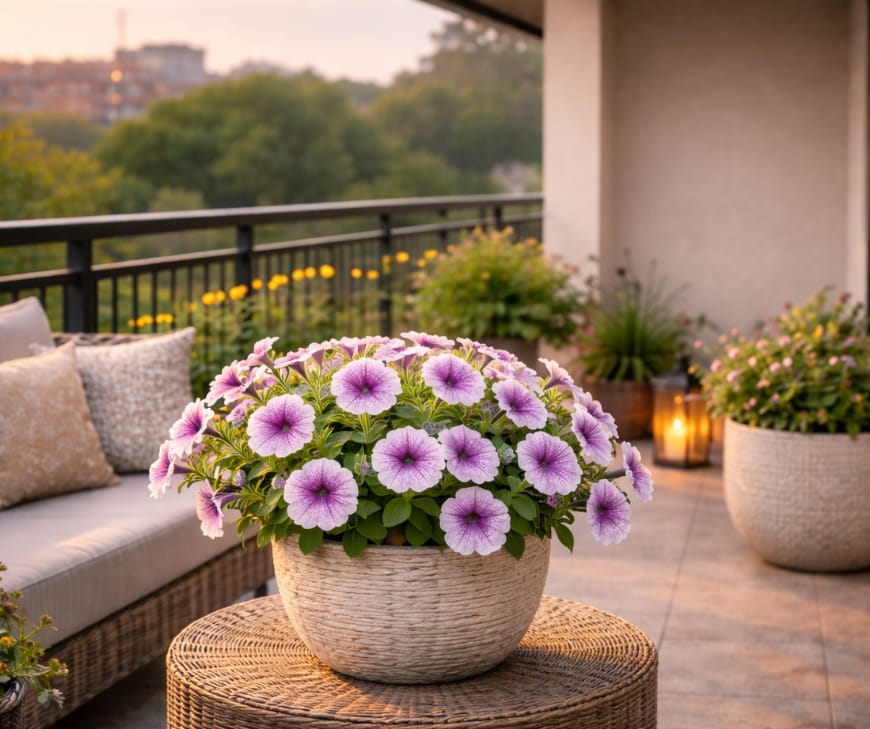
Petunias create a soft, colourful look, especially in hanging planters.
They perform best during the cooler season, making them ideal winter plants.
What to confirm before buying
Choose Petunia if:
- You want winter blooms
- You have a sunny balcony
- You like hanging displays
Reality check
They are seasonal and do not perform well in peak summer.
11) Jasmine (चमेली)
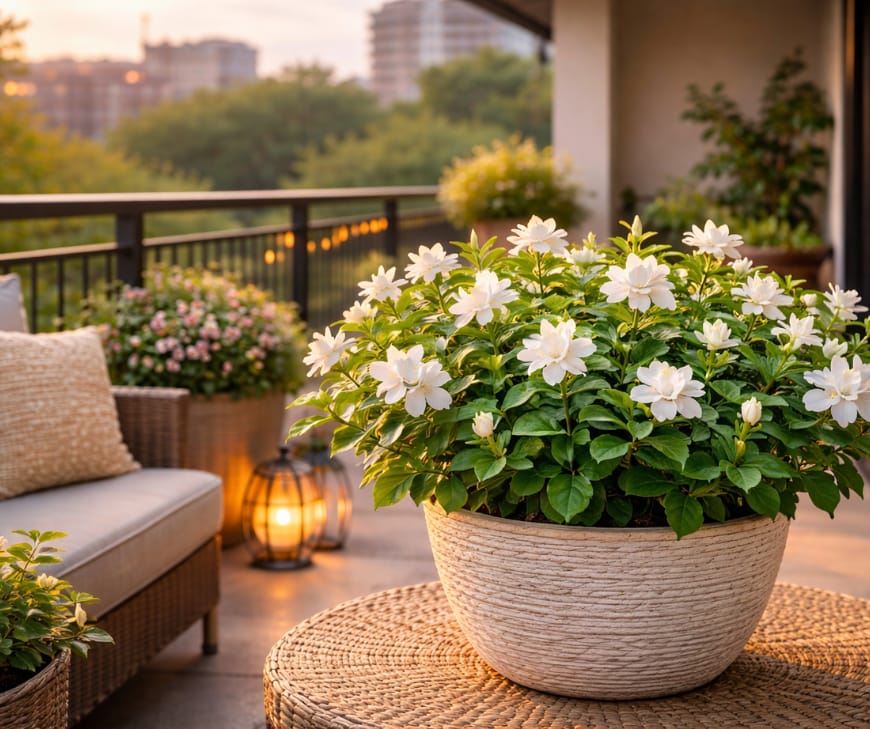
Jasmine adds mood and fragrance rather than just visual appeal.
It suits bright balconies and thrives with enough sunlight.
What to confirm before buying
Choose Jasmine if:
- Your balcony gets good light
- fragrance matters to you
- You want a calming outdoor space
Reality check
It needs occasional pruning to stay full.
12) Jade Plant (जेड पौधा)
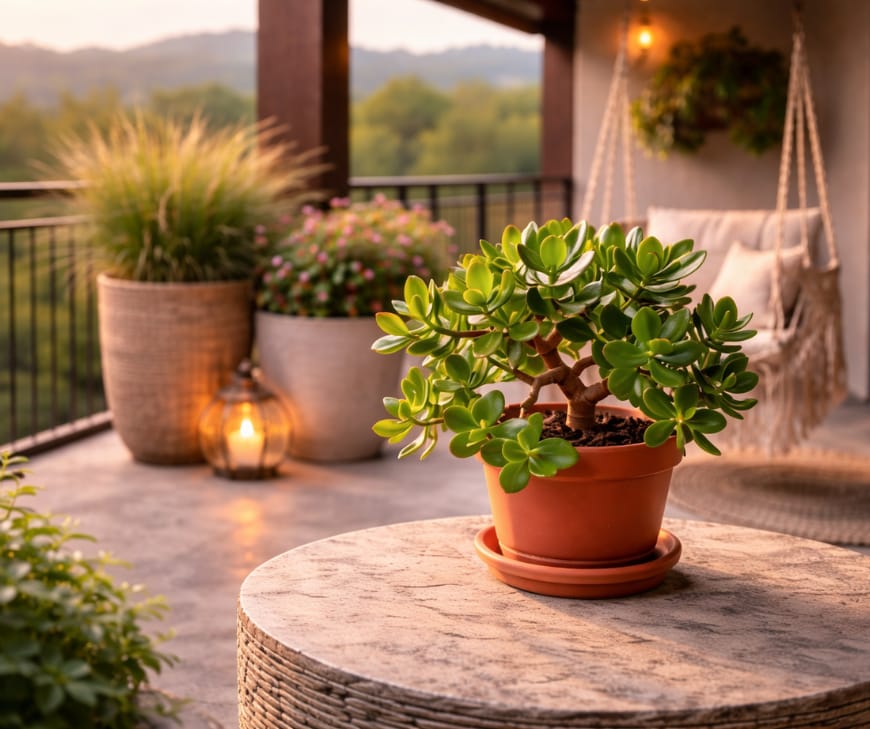
Jade Plant is neat, structured, and easy to maintain.
It adapts well to both balcony and indoor conditions, and does not require frequent care.
What to confirm before buying
Choose Jade Plant if:
- You want a small tabletop plant
- You like compact growth
- You prefer low maintenance
Reality check
Overwatering is the most common issue.
13) Spider Plant (मकड़ी का पौधा)
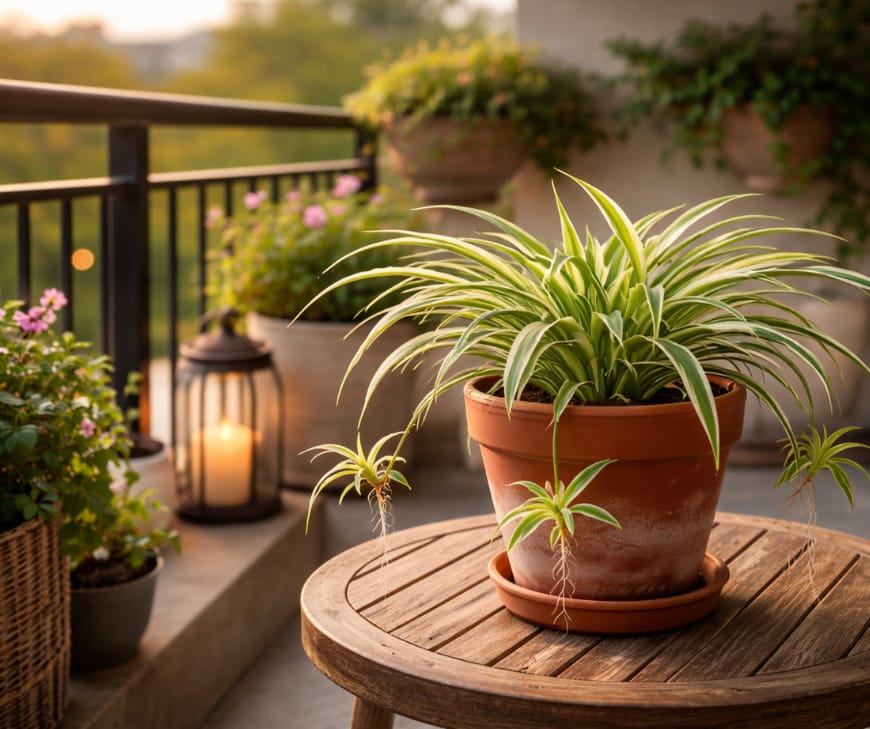
Spider Plant helps create a fuller urban garden look quickly.
It performs well in typical apartment conditions.
What to confirm before buying
Choose Spider Plant if:
- You want a forgiving, easy plant
- You like soft, leafy growth
- You want something for shelves or hangers
Reality check
It looks best with decent light, not very dark corners.
14) Peace Lily (शांति लिली)
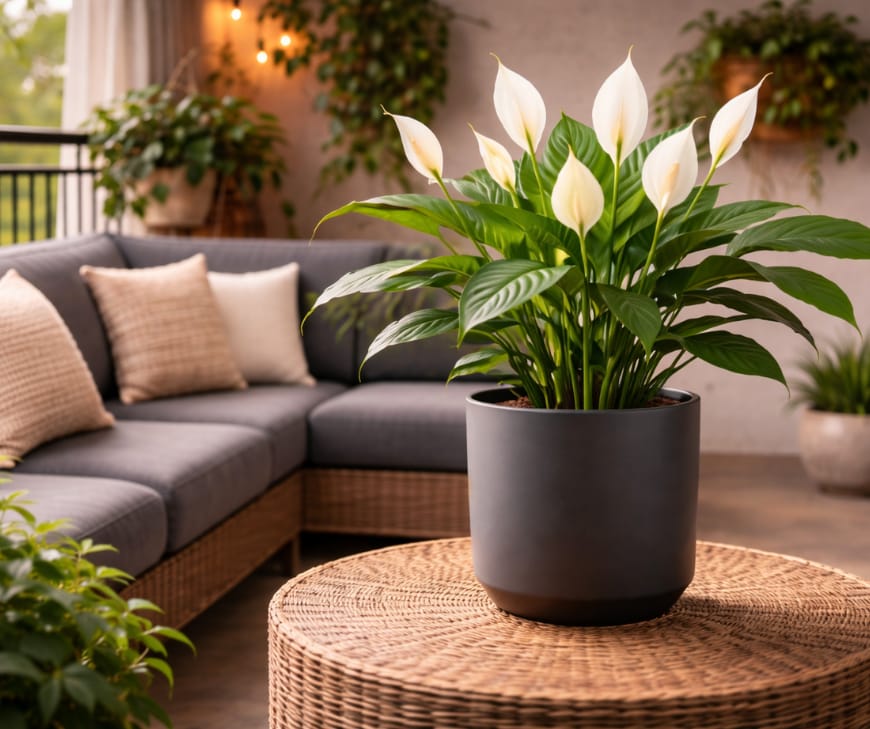
Peace Lily adds a softer, more refined feel.
It suits both partially shaded or indoor environments where direct sun is limited.
What to confirm before buying
Choose Peace Lily if:
- You want low-maintenance greenery with a polished look
- You have bright indirect light
- You prefer subtle blooms
Reality check
It is not suitable for very low-light spaces.
15) Chrysanthemum (गुलदाउदी)
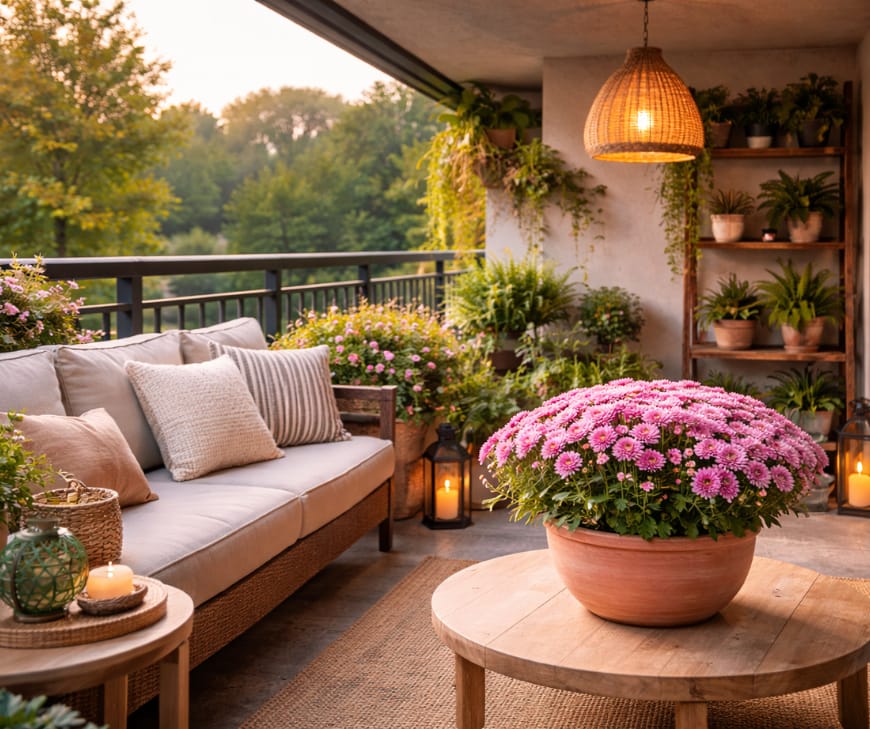
Chrysanthemum brings dense, festive blooms during cooler months.
It performs especially well in winter conditions.
What to confirm before buying
Choose Chrysanthemum if:
- You want winter flowers
- Your balcony gets sun in cooler months
- You prefer dense blooms
Reality check
Best treated as a seasonal plant, not year-round.
How To Choose The Right Plant Before You Buy
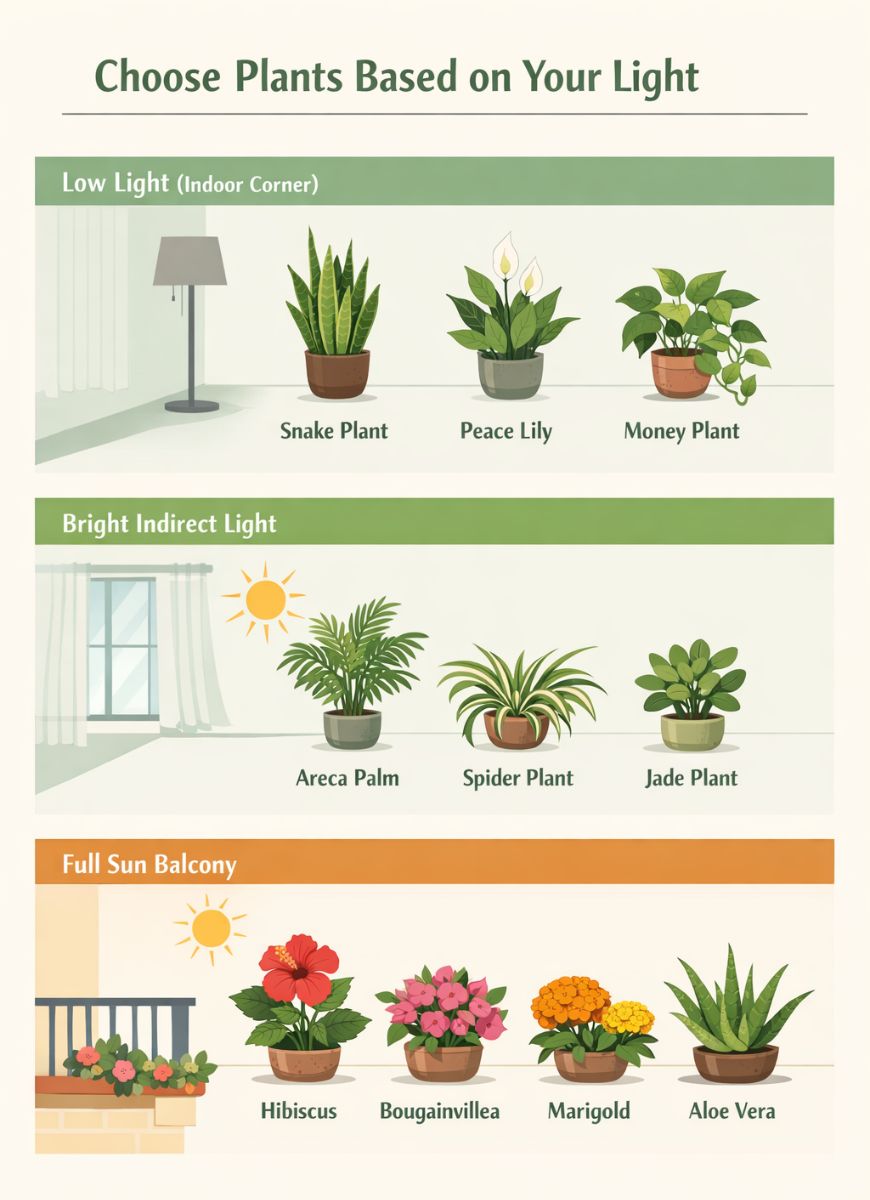
If you are deciding between options, use this simple filter.
Choose plants that also work indoors if your home has:
- Filtered sunlight
- Limited balcony exposure
- A low-maintenance routine
Best picks: Snake Plant, Money Plant, Peace Lily, Jade Plant, Spider Plant, Areca Palm
Choose balcony flowering plants if your space has:
- Strong sunlight
- Outdoor airflow
- Room for proper drainage
Best picks: Hibiscus, Bougainvillea, Rose, Marigold, Petunia, Jasmine, Chrysanthemum
Choose practical beginner plants if your main goal is survival
Best picks: Snake Plant, Money Plant, Aloe Vera, Tulsi, Jade Plant
Seasonal Care Realities For North Indian Gardeners
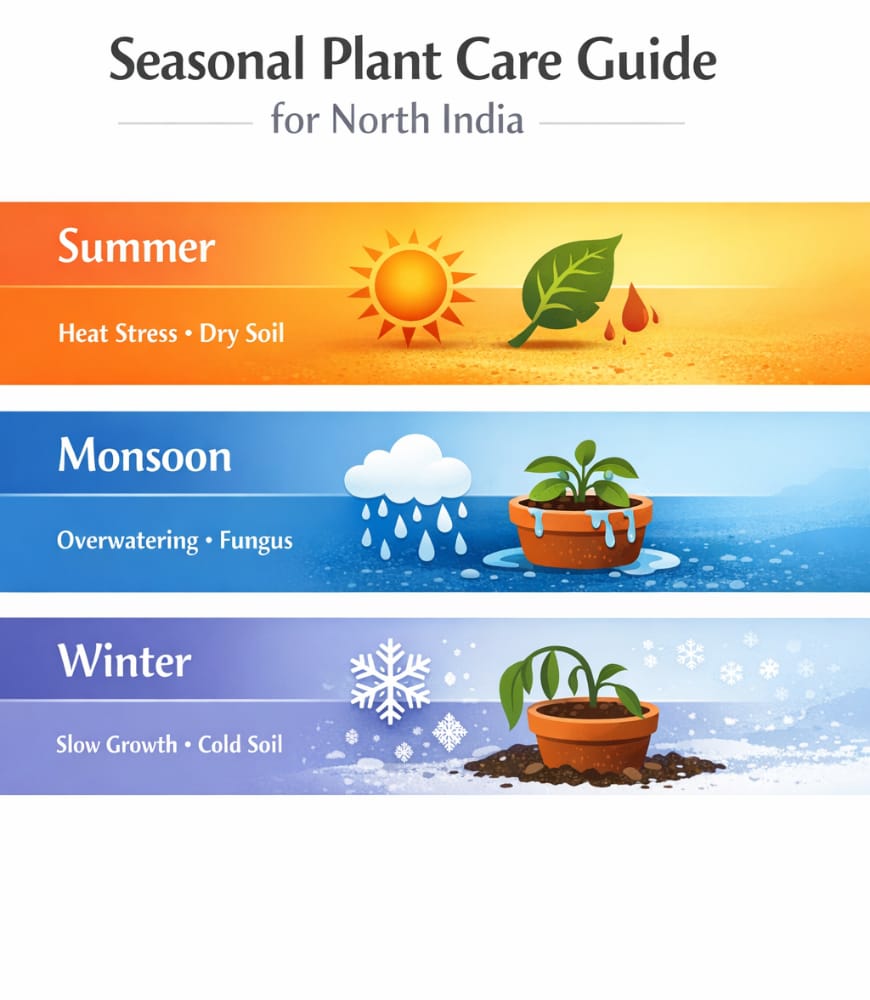
Summer: heat stress is the real test
What to watch for: crispy leaves, drooping, fast-drying soil
Monsoon: drainage matters more than watering
What to watch for: yellowing leaves, fungus, soggy soil
Winter: don’t keep watering like it’s summer
What to watch for: slow growth, cold, wet soil
What Most People Get Wrong When Building A Balcony Jungle
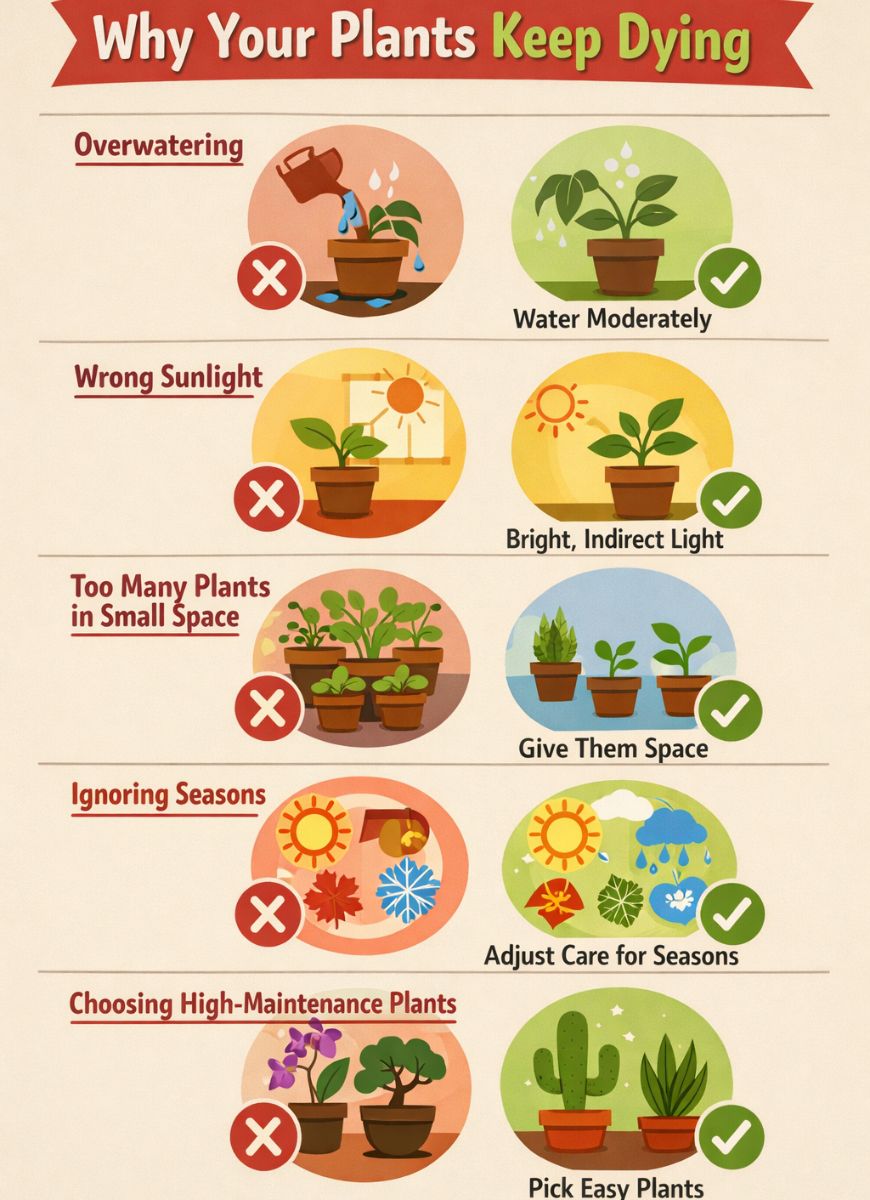
More plants do not mean a better setup. The healthiest spaces start with the right mix.
A smarter approach:
- Start with 2 to 4 reliable plants
- Match them to your light
- Mix indoor-friendly and balcony plants
- Observe before adding more
Final Thought: The Best Plant Is The One That Suits Your Life
You do not need the rarest or trendiest plant to build a beautiful green home in North India. You need the one that fits your sunlight, your space, and your routine.
If your home is mostly indoors, start with hardy greens like Snake Plant or Jade Plant. If you have a sunny balcony, choose stronger performers like Hibiscus or Bougainvillea. If you want both, mix dependable foliage with one seasonal bloomer.
A small balcony can absolutely become your little urban vann (forest). The trick is not choosing more plants. It is choosing better ones.
FAQs
Which plant is best for North India’s climate?
Snake Plant, Money Plant, Aloe Vera, Hibiscus, Bougainvillea, and Marigold are among the most reliable options.
Which plants survive North Indian summers?
Aloe Vera, Bougainvillea, Hibiscus, and Areca Palm perform well in heat.
Which are the best indoor plants for North Indian homes?
Snake Plant, Money Plant, Peace Lily, Jade Plant, and Spider Plant.
Which flowering plants grow well in North India?
Hibiscus, Bougainvillea, Rose, Marigold, Petunia, Jasmine, and Chrysanthemum.
Can I grow plants in a small apartment balcony in North India?
Yes. Many of these plants are container-friendly and work well in compact spaces when matched to light and season.
Sheena Varghese
3/26/2026, 02:00 PMThanks for the detailed startup guide for plant lovers. This is sure to help everyone beginners and seniors alike!