Shop

Downalod our app

Please provide your delivery pincode to see products available in your area


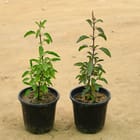
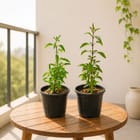
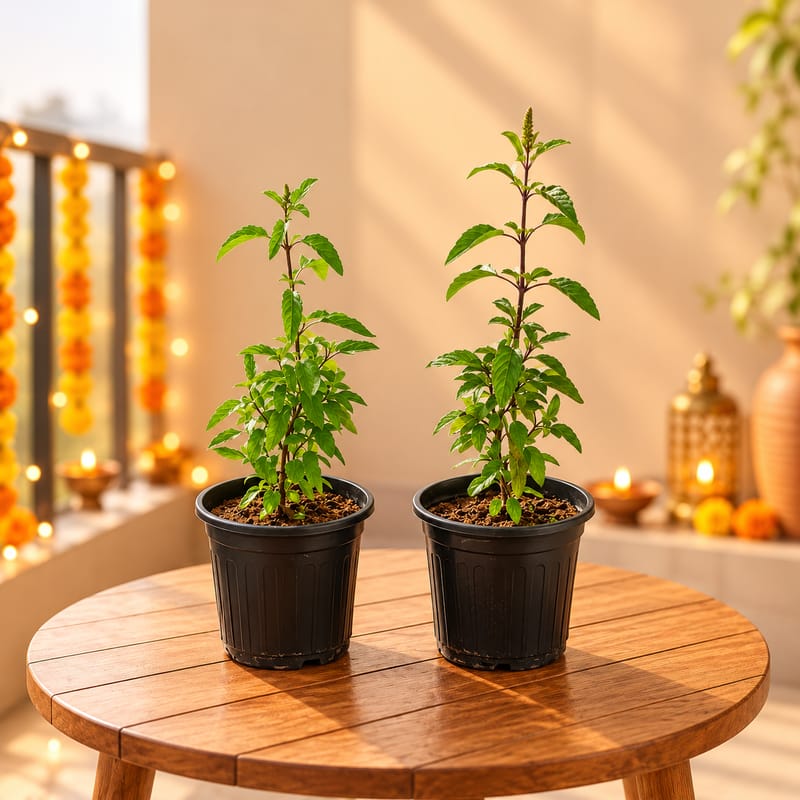

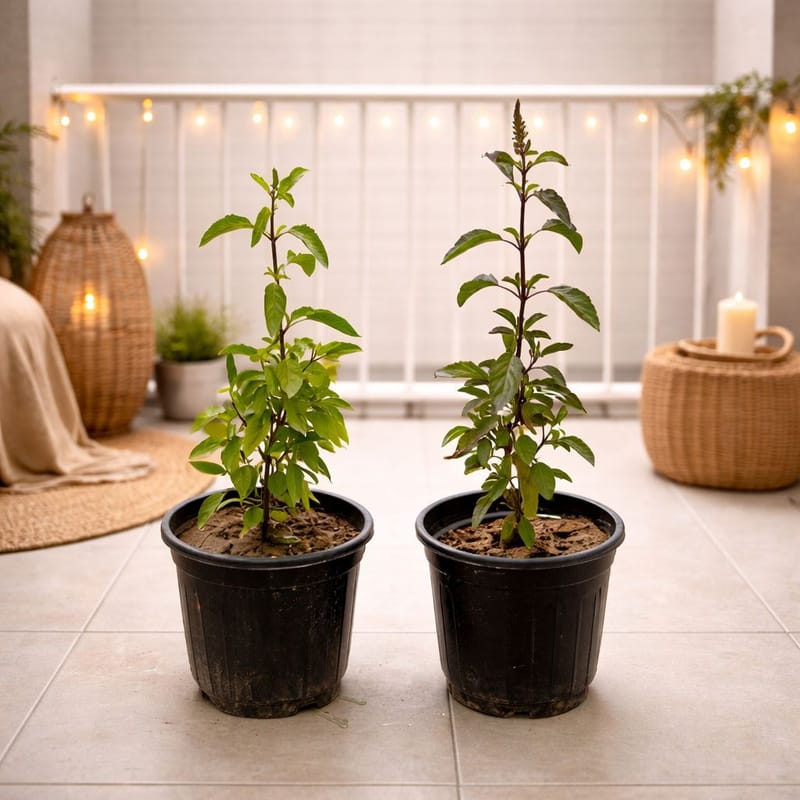
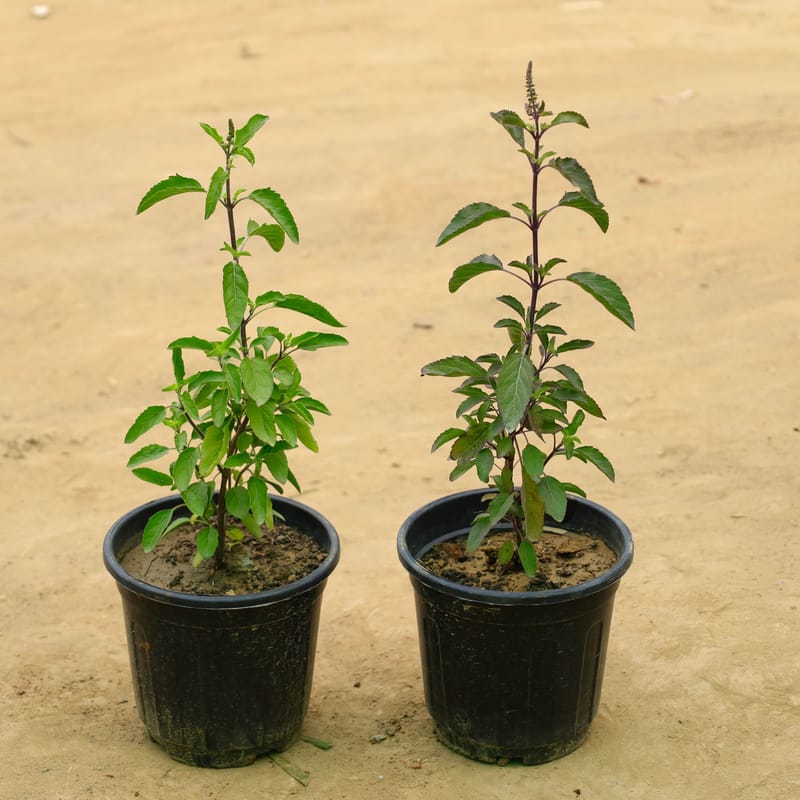
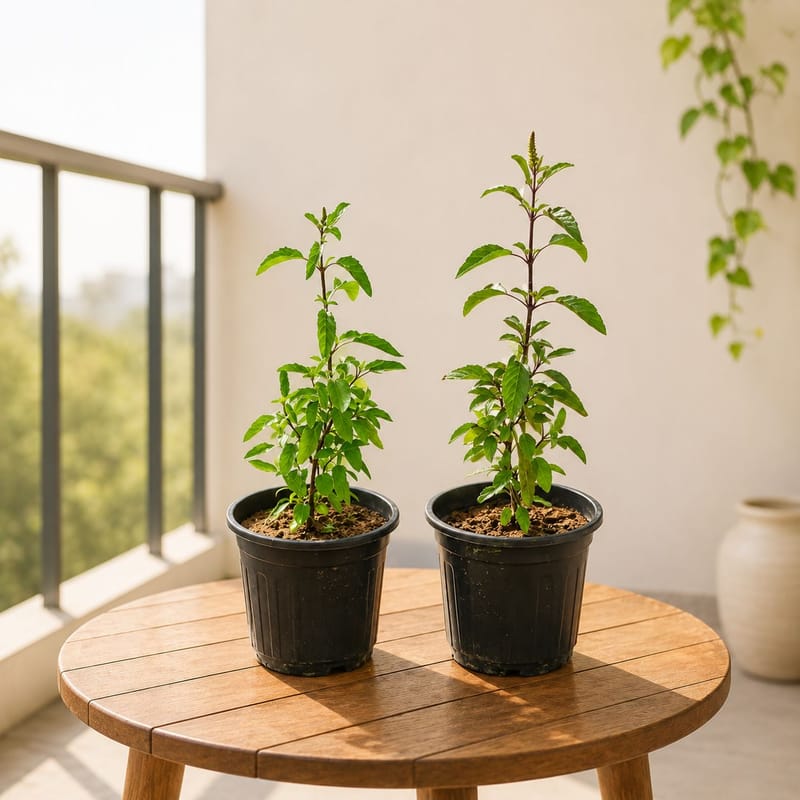
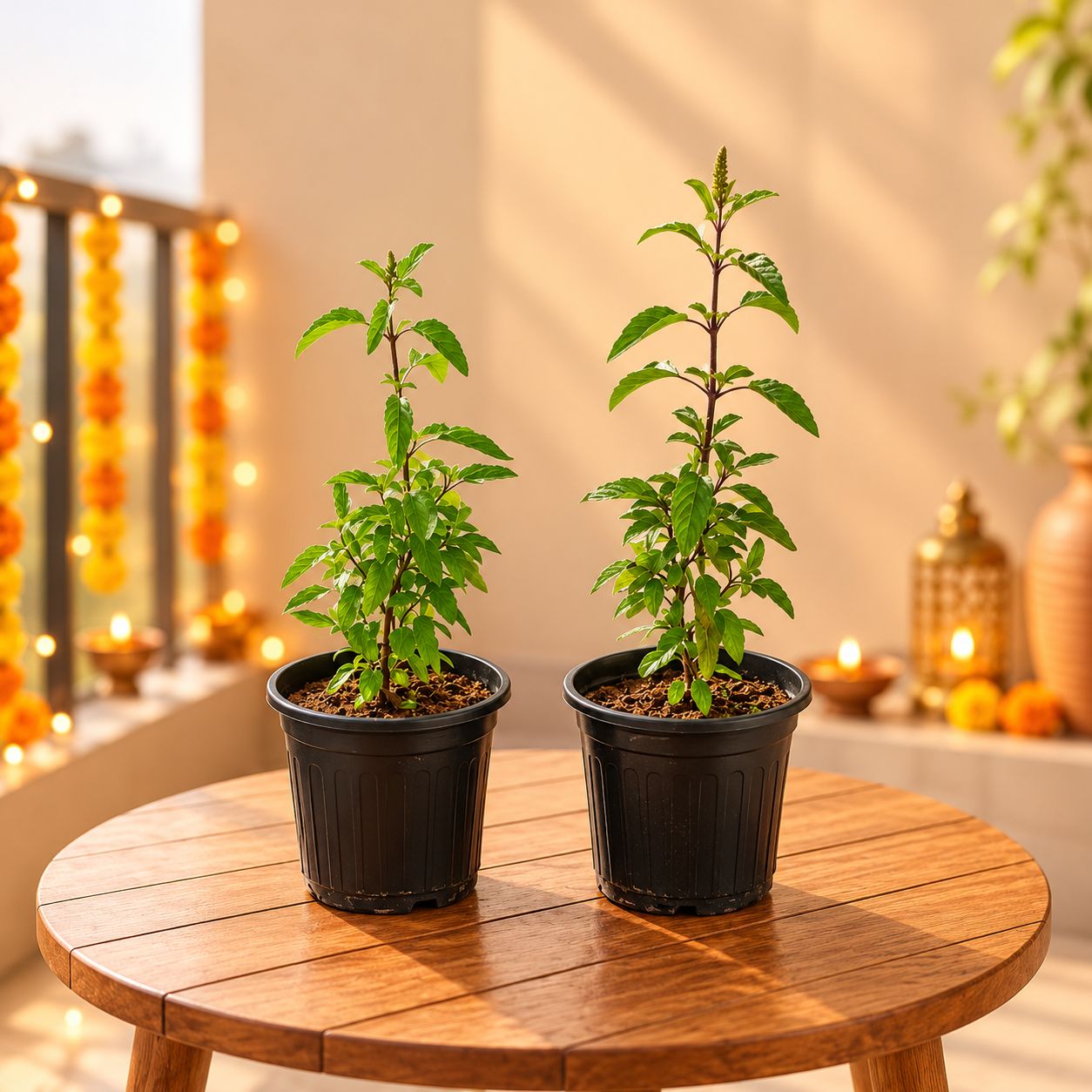
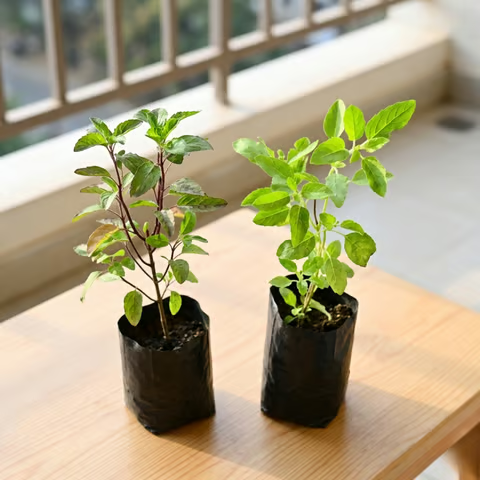
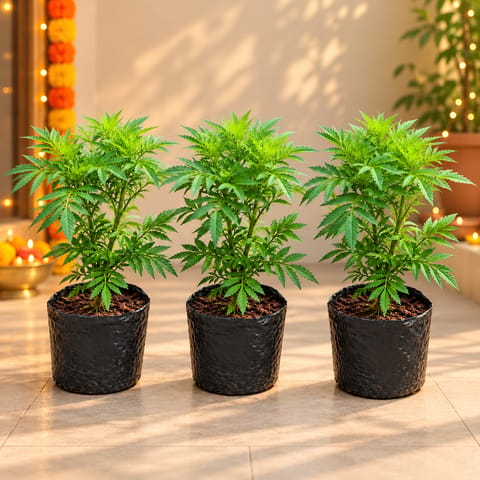
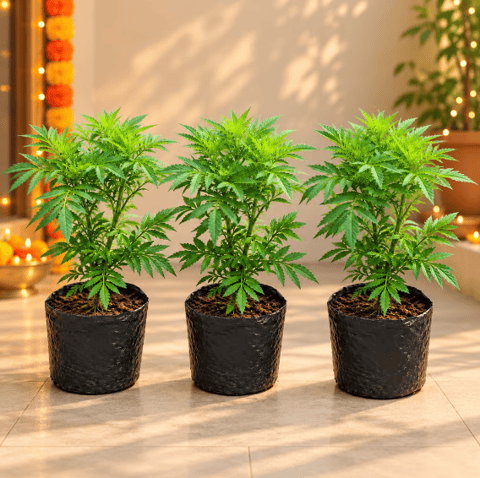
Tulsi Satvik Duo - Set of 2 - Tulsi (Rama & Shyama) in 6 Inch Nursery Pot
₹99 ( 81% OFF )
MRP ₹529 Inclusive of all taxes
Features
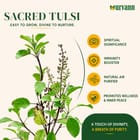
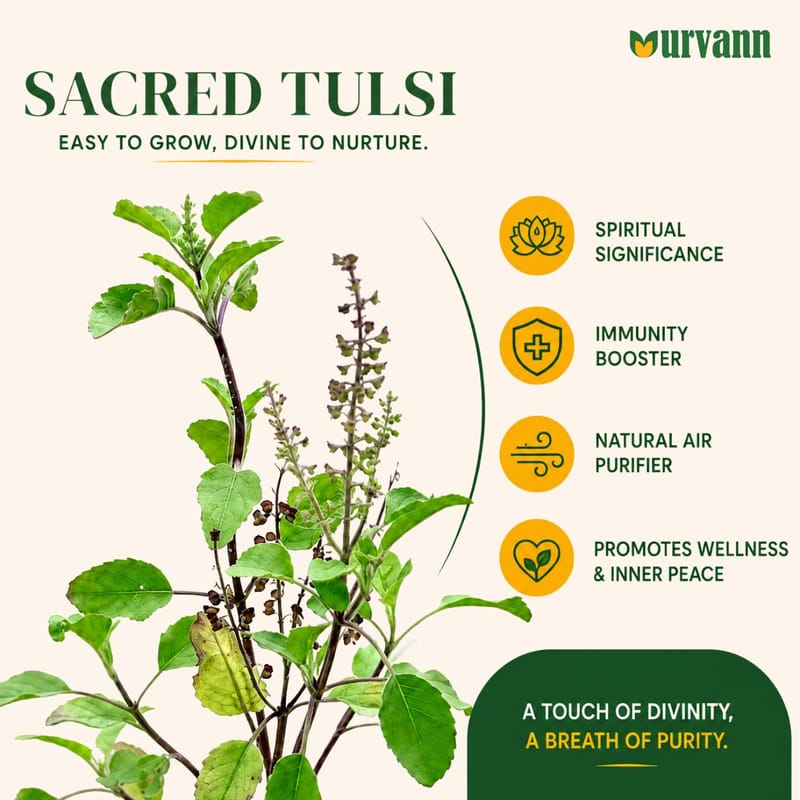
- Sacred & Auspicious
- Immunity Booster
- Air-Purifier
- Low Maintenance
- Stress Reliever
- Ayurvedic Herb
Product Information
Ocimum tenuiflorum, commonly known as Tulsi or Holy Basil, is one of the most revered plants in India. This special combo includes both Rama Tulsi (green-leaved variety) and Shyama Tulsi (purple-leaved variety), each known for its unique medicinal, spiritual, and aromatic qualities.
Tulsi has been cultivated for centuries for religious rituals, traditional medicine, and herbal remedies. Widely used in Ayurveda, both Rama and Shyama Tulsi are valued for their health benefits, pleasant fragrance, and ability to thrive in home gardens.
Benefits of Rama & Shyama Tulsi Plant
 Boosts Immunity :
Both Tulsi varieties are rich in antioxidants and natural compounds that help strengthen the body's immune system and support overall wellness.
 Stress Reduction :
Both varieties of Tulsi are known to help reduce stress and promote a sense of calm and well-being.
 Low Maintenance :
Rama and Shyama Tulsi are easy-to-grow plants that require minimal care, making them perfect for beginners.
 Respiratory Health :
Both Tulsi plants are known for their antimicrobial properties and are commonly used in traditional remedies to support respiratory health.
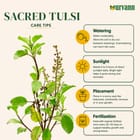
Care Tips for Rama & Shyama Tulsi Plant
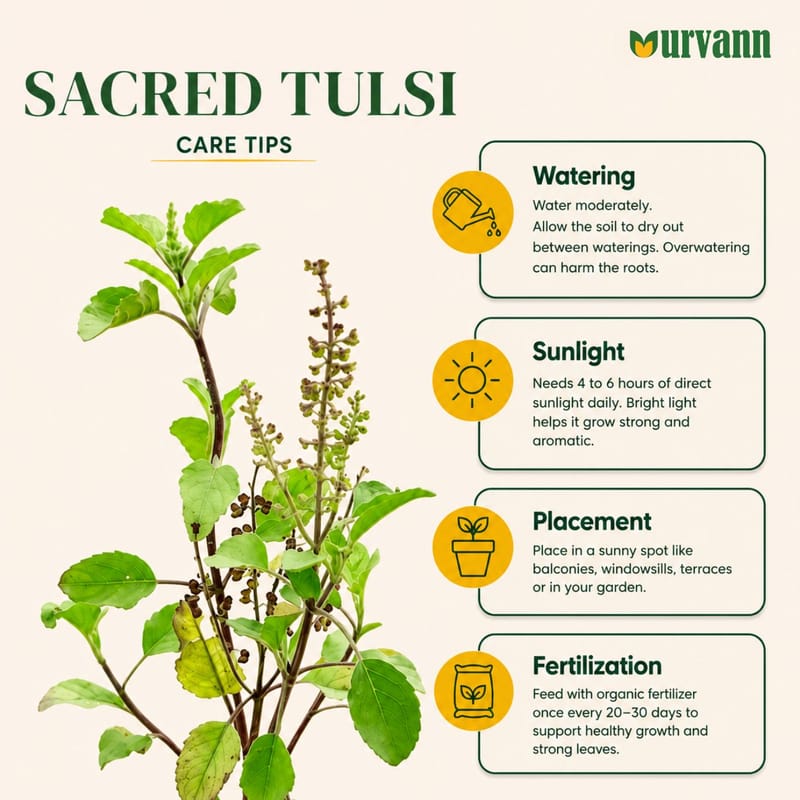
 Watering :
Water the Tulsi plants when the soil feels dry. Water during the early morning or late evening hours.
 Light :
Do not keep the Tulsi plants in harsh afternoon sunlight. Place them in a spot where they receive 4-5 hours of sunlight daily.
 Placement :
Place the Tulsi plants in the north or northeast direction so they can receive gentle morning sunlight.
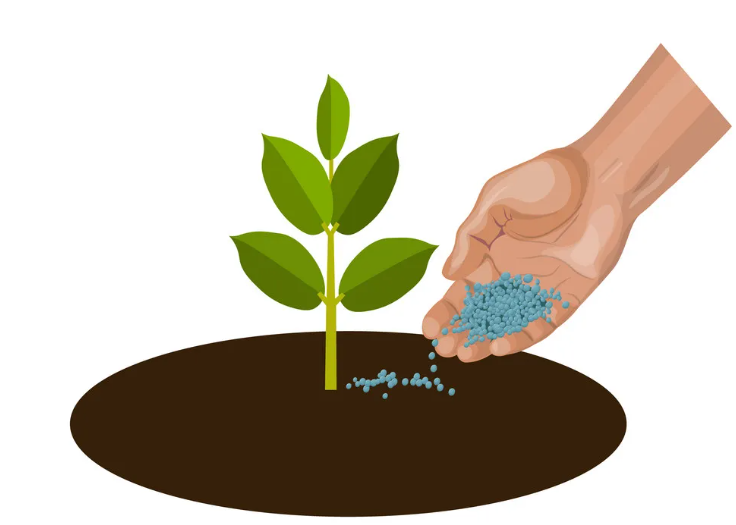 Fertilization :
Add vermicompost or any organic fertilizer every 2 months to provide essential nutrients. Loosen the soil occasionally to improve aeration.
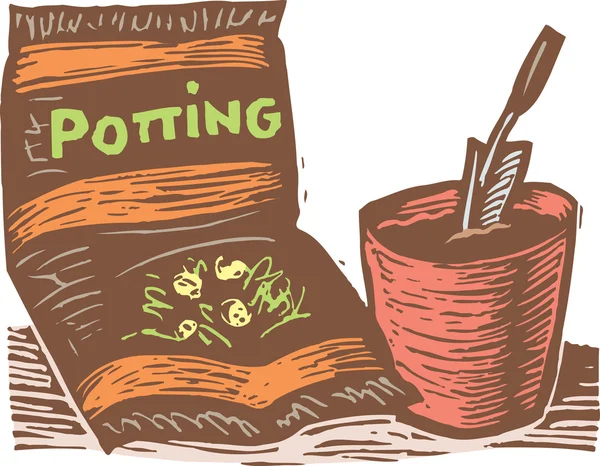 Ideal Soil Mix :
The Tulsi Plant requires well-draining soil rich in organic matter that does not retain much water. The ideal soil mix for this plant is, Cocopeat (50%) + Garden Soil (30%) + Vermicompost (20%)
 Pruning :
Regular pruning helps the Tulsi plants grow bushier and healthier. It also encourages fresh new growth.
 Pest Control :
Tulsi plants may occasionally attract aphids and other small insects. Spraying neem oil regularly can help keep pests away.
Frequently Asked Questions about Tulsi Plant
1. Is the Tulsi Plant a good outdoor plant?
Yes, both Rama and Shyama Tulsi grow well outdoors and help create a fresher and healthier environment.
2. What is the benefit of Tulsi plants?
Rama and Shyama Tulsi are known for their immunity-boosting, stress-relieving, and air-purifying properties. They are also widely used in traditional remedies.
3. Is the Tulsi plant lucky?
Yes, Tulsi is considered a sacred and auspicious plant in Indian culture and is believed to bring positivity and good energy to the home.
4. Can I keep the Tulsi plant indoors?
Tulsi plants prefer outdoor conditions and need a few hours of sunlight daily for healthy growth.
5. Where can I buy Tulsi Plants?
Head over to Urvann, India’s favorite online nursery, and browse from their extensive collection of plants.
.
.


.
Frequently bought together
Related Products
Customer Review
5
36 reviews
Add images from your gallery