
Shop

Downalod our app

Please provide your delivery pincode to see products available in your area
Tulsi Collection
The Tulsi plant, known as Holy Basil, has been a sacred part of Indian home...
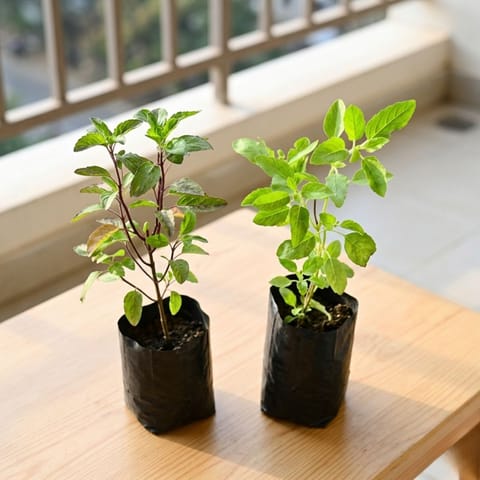
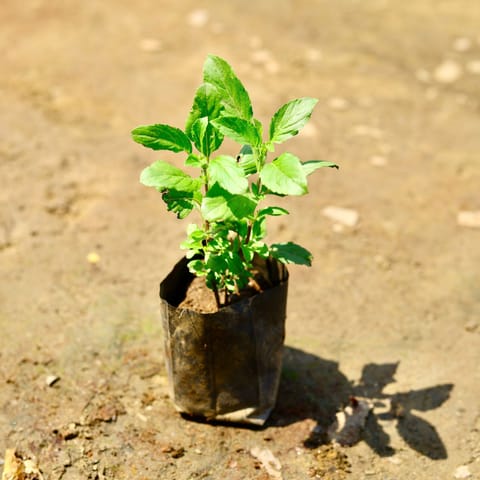
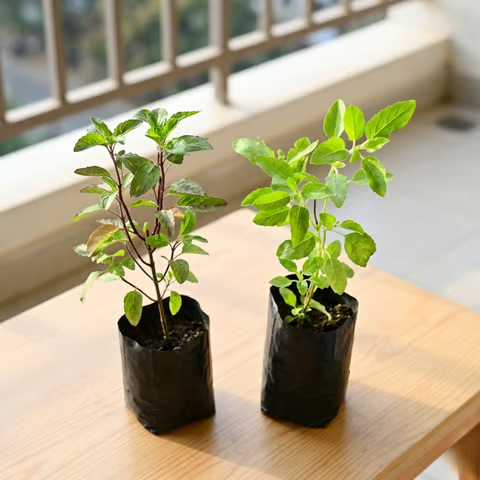
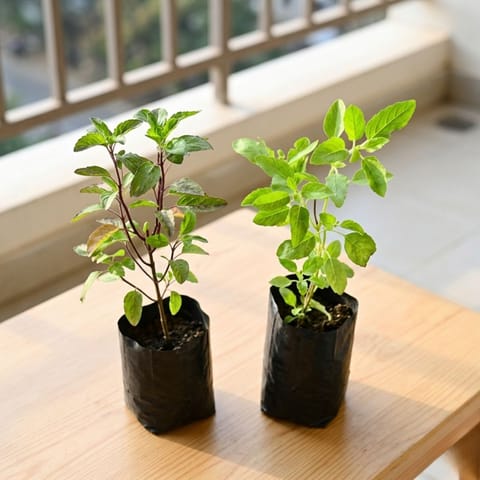
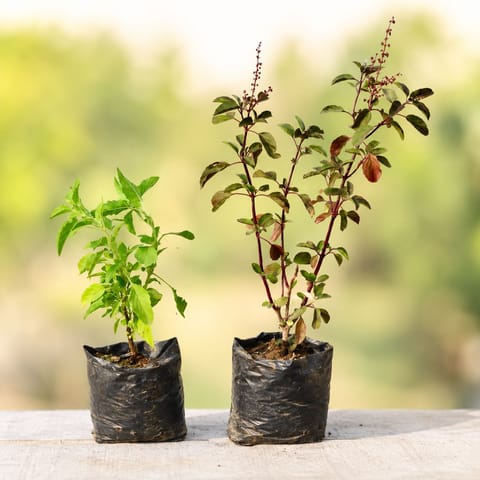
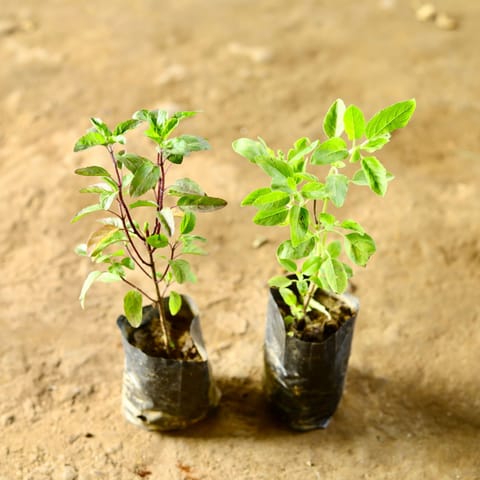
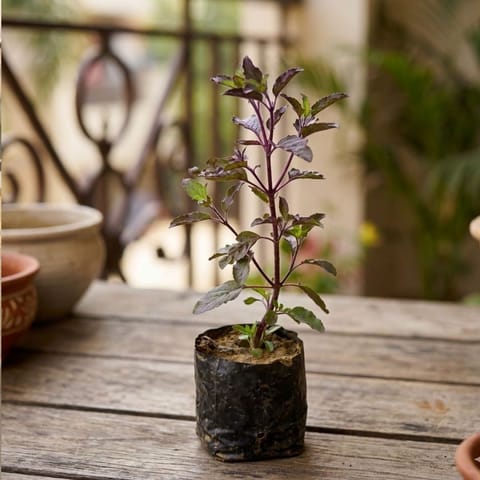
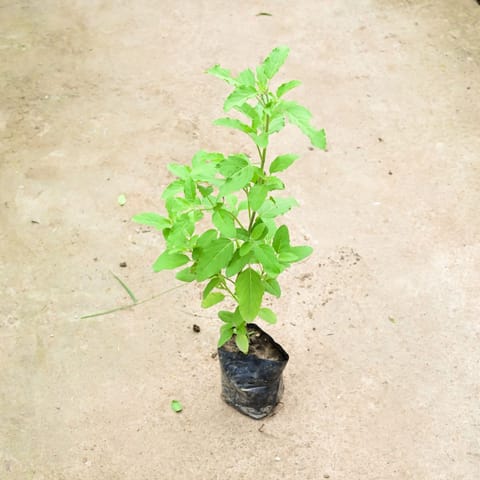
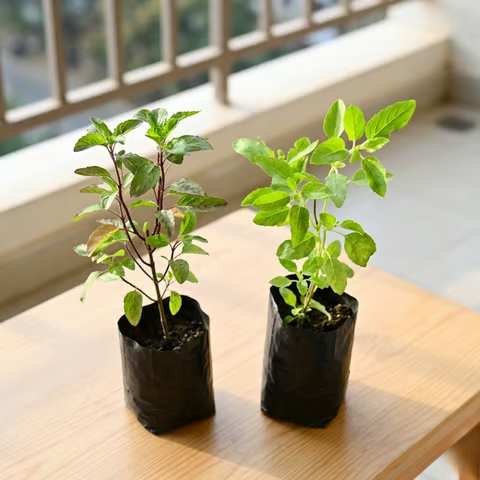
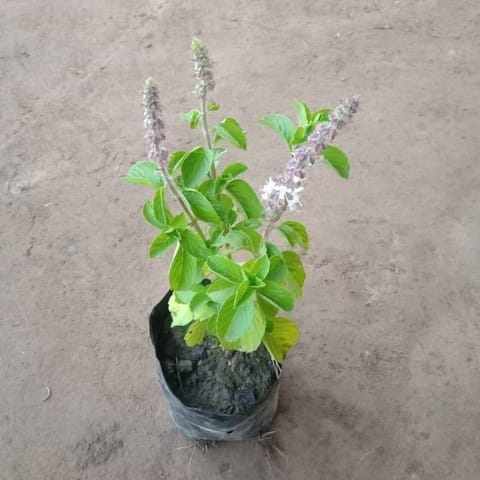
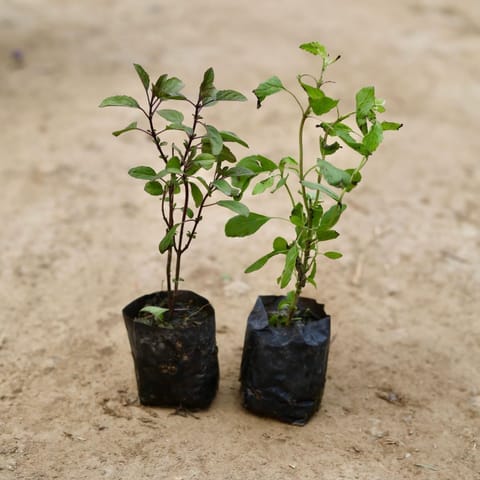
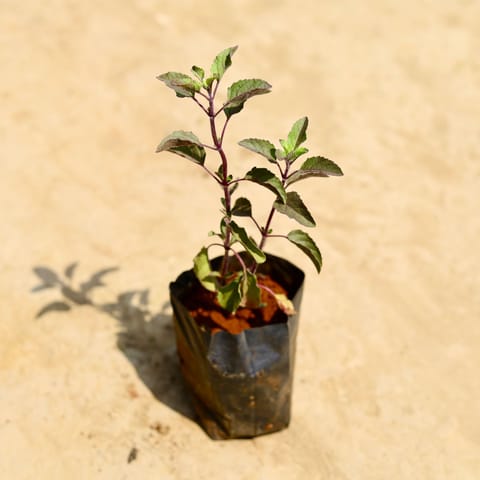
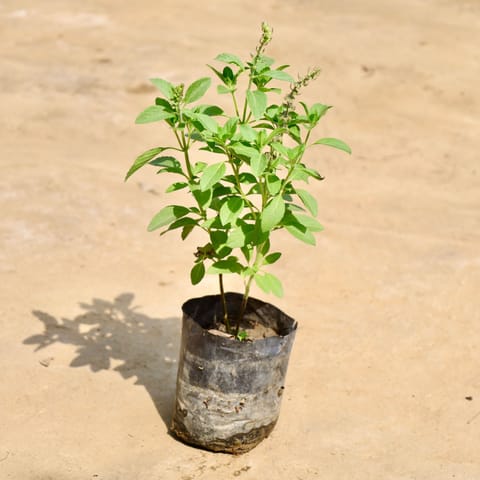
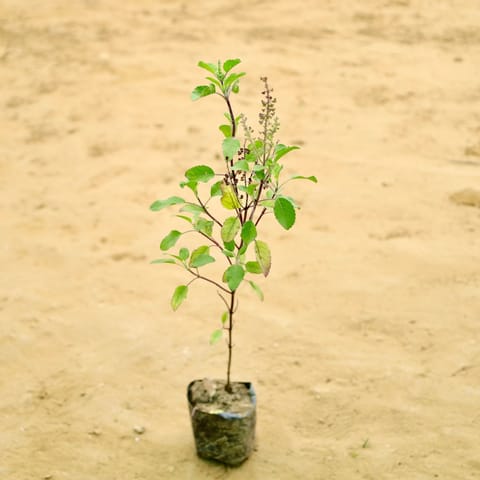
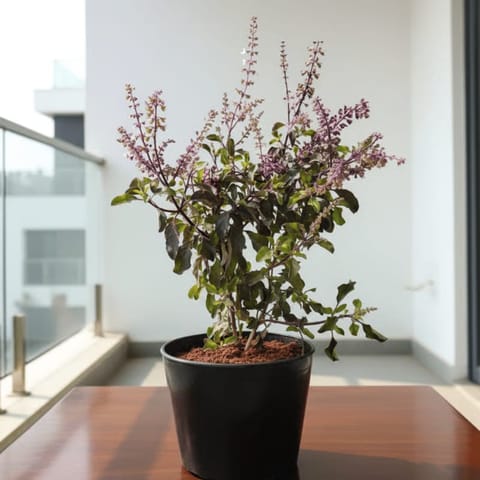
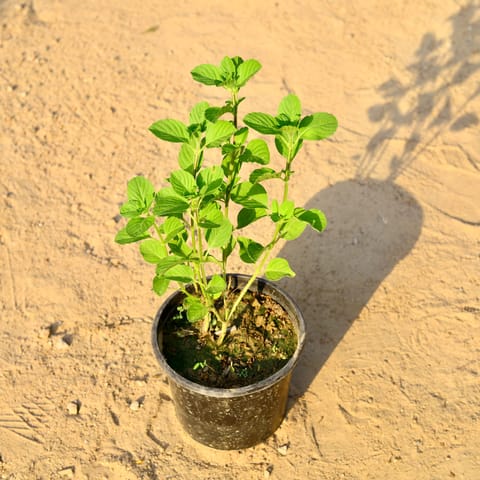
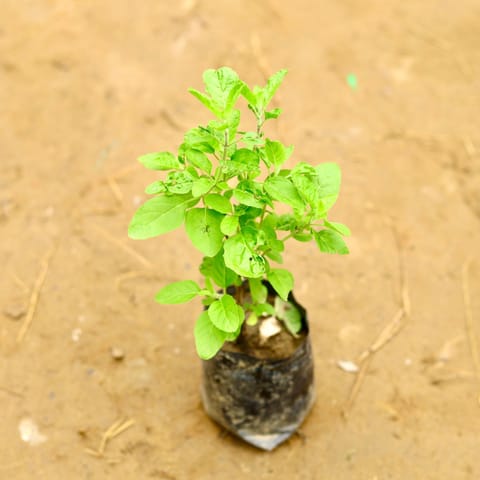
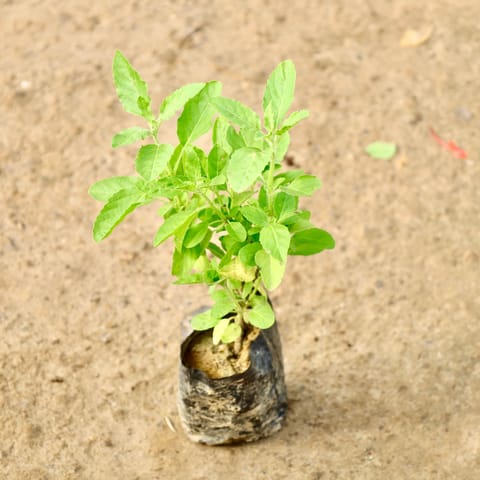
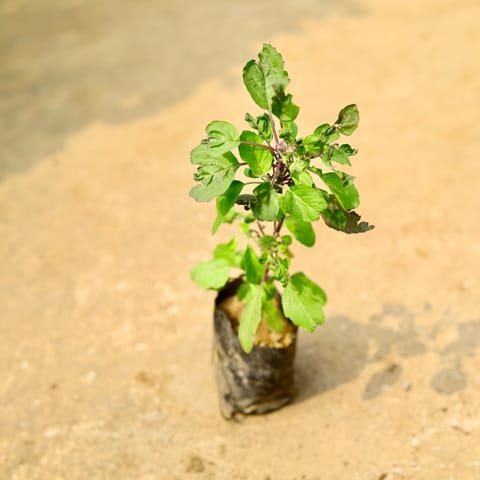
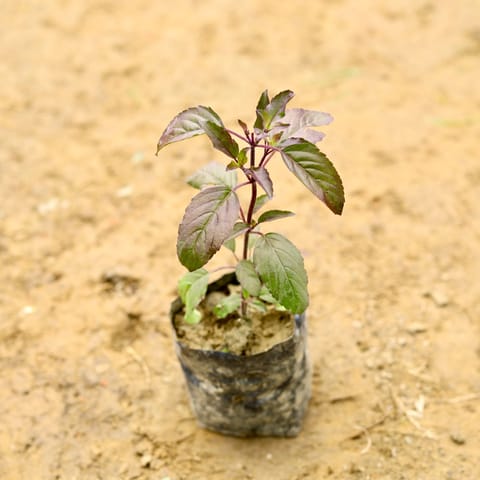
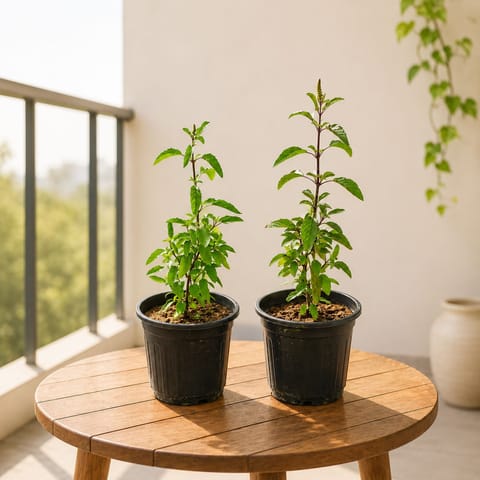
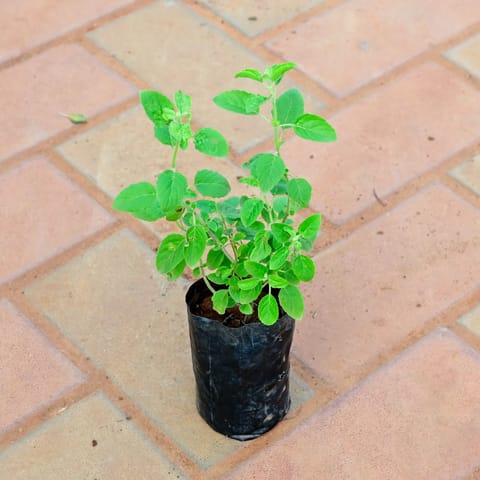
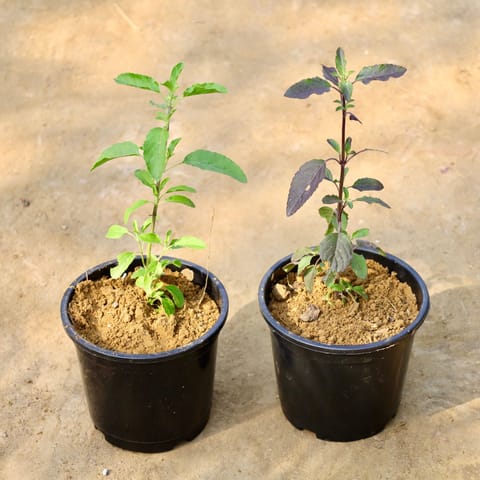
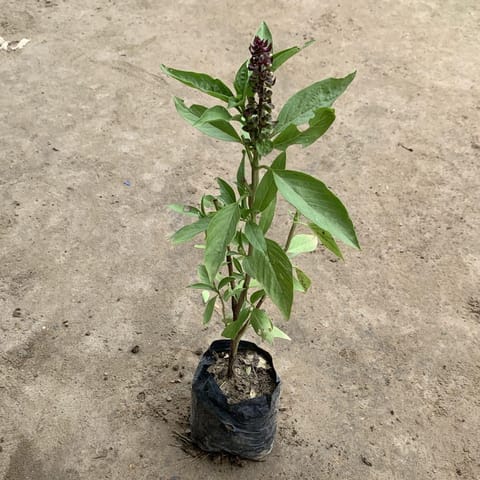
The Tulsi plant, known as Holy Basil, has been a sacred part of Indian homes for thousands of years. More than just a plant, Tulsi is worshipped as the living form of Goddess Lakshmi, offering spiritual blessings alongside incredible health benefits. From boosting immunity to purifying your home's air, this aromatic wonder brings ancient wisdom into modern life.
Why 50,000+ Indian Plant Parents Choose Urvann's Tulsi
⭐ Rated 4.8/5 by 12,340+ verified buyers
✓ Hassle-Free Replacement - We offer a 2-day replacement window if the product arrives damaged or incorrect
✓ Free Next-Day Delivery - We provide free next day delivery for all orders placed by 7 PM in
Delhi-NCR and Bengaluru.
✓ Authentic Sacred Varieties – Rama and Shyama Tulsi available
✓ Real Photos from Indian Homes – No stock images
✓ Beginner-Friendly – 92% survival rate, easy to grow
Tulsi Plant: India's Sacred Healing Herb
Tulsi, scientifically known as Ocimum tenuiflorum, is a perennial aromatic plant that grows 2-3 feet tall. In Hindu scriptures like the Padma Purana, Tulsi is described as Tulasi Devi, the earthly form of Goddess Lakshmi, who brings prosperity and protection.
This isn't just religious belief. Each leaf contains powerful compounds like eugenol, antioxidants, and adaptogens that fight infections, reduce stress, and strengthen your body naturally. Ancient families planted Tulsi at their doorsteps as a guardian. Today, whether in a Mumbai flat or a Delhi bungalow, Tulsi continues to protect and heal Indian families.
The Two Main Types of Tulsi
Rama Tulsi (Green Tulsi)
This most common variety has bright green leaves and a mild, sweet flavour, perfect for daily tea and gentle kadha. Widely used in North India.
Shyama Tulsi (Krishna/Purple Tulsi)
It has deep purple-green leaves with a stronger, spicier taste. More medicinally potent, this is most commonly used in devotional worship and powerful immunity kadhas.
Why Every Indian Home Needs a Tulsi Plant
1. Powerful Immunity Booster
Tulsi is nature's defence system for your family.
- Protects against seasonal colds, coughs, and flu.
- Rich in antioxidants that fight inflammation.
- Builds long-term immunity with daily use.
- Especially effective during monsoons and weather changes.
2. Natural Stress Reliever
Modern life is stressful. Tulsi helps you cope naturally.
- Adaptogens in Tulsi reduce cortisol (stress hormone) by up to 30%.
- Chewing fresh leaves calms the mind instantly.
- Helps with better sleep and reduces anxiety.
- No side effects, just natural balance.
3. Improves Digestion and Gut Health
Indian food is flavourful but can sometimes upset the stomach.
- Antimicrobial oils soothe gut problems.
- Reduces bloating and gas.
- Helps with IBS-like symptoms.
- Improves overall digestion.
4. Air Purifier for Urban Homes
Living in polluted cities? Tulsi actively cleans your air.
- Removes harmful VOCs (from traffic, paint, furniture).
- Absorbs carbon dioxide and releases oxygen, even at night.
- Reduces kitchen smoke and cooking odours.
- Natural mosquito repellent, especially the Kapoor variety.
Many Urvann customers place Tulsi in their kitchen. It gives fresh leaves for kadha, plus cleaner air where you cook.
5. Sacred Protection Through Vastu
In Vastu Shastra, Tulsi brings positive energy and removes negativity.
Best placement:
- Northeast direction (Ishaan Kon) to attract wealth and prosperity.
- Near the entrance to guard against negative energies.
- Courtyard or balcony with morning sunlight.
- East or North-facing windows for growth and blessings.
Avoid these spots:
- Southwest direction (creates instability)
- Dark corners or bathrooms
- Areas without any natural light
Important Vastu tip: A healthy, thriving Tulsi brings positive energy. A dying, neglected plant creates stagnant energy. So care for it with love!
Find Your Perfect Tulsi Plant
When you buy from Urvann, you get healthy, well-rooted plants in different sizes based on your needs.
Size and Price Guide
Also known as the Ocimum Tenuiflorum or the Holy Basil, it is commonly found in most Indian households. The plant is worshipped as the avatar of Goddess Lakshmi and is often planted in courtyards of homes and temples. Each evening, a ghee diy is lit near the Tulsi plant as a ritual and form of worship. Many people also wear Tulsi Mala, which is made from the seeds and wood of the plant as a form of devotion to Lord Krishna and Lord Vishnu. The Tulasi tree is a remarkable plant with many spiritual and medicinal benefits.
Why Should I Grow Tulsi Plants
Growing Tulsi in your garden, especially near the home entrance, is considered auspicious. Apart from that, there are many benefits to this miraculous plant. Here are some of them:
Rich In AntioxidantsTulsi, known as the ‘Queen of Herbs,’ is enriched with antioxidant and anti-inflammatory properties. It helps to relieve many minor ailments, such as colds and coughs, stomach discomfort, and skin infections. It also helps boost the immune system and has been found to significantly reduce stress and anxiety levels. We were frequently given teas and kadhas during childhood, with Tulsi leaves as the main ingredient.
Reduce Stress And AnxietyThe Tulsi plant contains Adaptogens, a natural substance that helps the body adapt to stressful situations and respond with balance. It helps manage cortisol levels, the stress hormone, helping you feel calmer and relaxed.
Boosts ImmunityChewing on Tulsi leaves or drinking water boiled with its leaves increases your immunity in the long term. The benefits start working from the grass root level in your body and help you build a strong immune system. Having this magical plant in your home is a blessing for you and your family.
Care Tips for Tulsi Plants
The Tulsi plant season in India lasts all year. Here are some essential care tips to ensure you get the most out of your Tulsi plants.
How much water makes my Tulsi Plants happy?
Water your plant when the top layer of soil is dry and slightly crumbly. To be certain, simply poke your finger into the soil to check for moisture! If you feel the soil is dry, it means that it is time to give it a drink.
How much sunshine makes my Tulsi Plant plants cheerful?
Tulsi is a cheerful herb plant that loves the sun. Ensure it gets about 6 to 7 hours of bright sunlight daily! During the winter season in North India, cover the plant with a cloth to protect it from extreme temperatures.
Which type of soil is best for growing the Tulsi Plant?
If you want to keep your Tulsi plants thriving, it’s important to use a soil mix that drains well and is packed with nutrients. Here’s a friendly recipe you can try:
- start with 20% perlite or vermiculite for great drainage,
- add 20% Garden Soil for good structure,
- then mix in 25% Cocopeat to help retain moisture,
- and 25% Vermicompost to provide essential nutrients
- Top it off with 10% Neem Khali for some natural pest control
When is the best time to fertilise my Tulsi Plant?
Adding vermicompost or homemade compost every month can do the trick. You can also add liquid fertilizers such as NPK for better growth. Check the instructions on your fertiliser packaging since different brands may have different guidelines.
Why Choose Urvann to Buy Tulsi Plants Online?
Urvann proudly presents an exceptional selection of plants, gardening tools, and accessories. If you wish to shop for Tulsi plants online for your home garden, you've found the right destination. Our collection features some of the happiest and healthiest plants available at the most affordable prices, and we offer free next-day delivery for your convenience. Our dedicated customer support team can always assist with plant-related inquiries or concerns. We are committed to ensuring your complete satisfaction with your plant choices!
FAQ About Tulsi Plants
1. How can I propagate Tulsi plants?
Tulsi plants can be propagated through stem cuttings and seeds, which are many in number. The seeds fall down around the parent plant, from where new plants sprout.
2. What is the best way to prune Tulsi plants?
Prune the plant to make it bushier. Trim the top leaves or otherwise shape them properly. Use a clean pair of scissors to avoid plant damage.
3. How do I repot Tulsi plants effectively?
Choose a large pot, fill it with fresh soil, and make a hole in the middle to place the plant. Gently dig around the old pot to remove the tulsi plant. Once the plant is removed, place it in its new home, cover it with soil to the top, and water gently.
4.How can I harvest Tulsi leaves properly?
Pluck mature Tulsi leaves during the morning. Pull out gently to not break the stem or any branched cluster of leaves.
5. What are the various types of Tulsi?
The various types of Tulsi are:
- Rama Tulsi
- Krishna Tulsi
- Vana Tulsi
- Kapoor Tulsi
6. Can Tulsi plants be grown from seeds?
Indeed. Tulsi grows exceptionally well from seeds that automatically fall around the parent plant. You can also take seeds from the plant and sow them in a new pot if you wish.
7. How do I protect Tulsi from pests?
Tulsi is mostly resistant to pest attacks due to its aromatic leaves. The mix of sweet and spicy fragrances keeps pests away.
8. How can I dry Tulsi leaves at home?
Harvest fresh leaves from the Tulsi plant. Wash them with water and pat them dry. Then, spread them on a clean surface in a large plant and put them out in the sun to dry. Once fully dried, store them in an airtight container.
9. What steps can I take to prevent root rot in Tulsi?
Avoid overwatering the plant, ensuring that the pot has proper drainage so excess water escapes.
| Size | Pot/Bag Size | Perfect For | Daily Leaf Yield | Price |
|---|---|---|---|---|
| Small Tulsi | 3–4 inch nursery bag | Puja shelves, small altars, beginners | 5–10 leaves | ₹19–₹79 |
| Medium Tulsi | 4-inch nursery pot/bag | Daily kadha, windowsills, moderate use | 10–15 leaves | ₹45–₹99 |
| Large Tulsi | 6-inch nursery pot | Family use, abundant harvesting | 20+ leaves | ₹99–₹139 |
| Combo Pack | Two 4-inch plants | Both varieties (Rama + Shyama) | Double benefit | ₹45–₹139 |
Urvann's 5-Step Tulsi Quality Promise
Every Tulsi plant goes through our careful preparation before reaching you.
Step 1: Authentic Variety Selection
We source only genuine Ocimum tenuiflorum, pure Rama and Shyama varieties. No weak hybrids, no decorative lookalikes.
Step 2: Health Inspection
100% root and stem inspection. We check for pests, diseases, and root health. Only the strongest plants qualify.
Step 3: Climate Matching
Your plant is acclimatised for 7-10 days to match your city's temperature and humidity before dispatch.
Step 4: Safe Packaging
Eco-friendly, breathable packaging that protects delicate leaves during 24-hour transit. Arrives fresh and ready for puja.
Step 5: Ongoing Support
After delivery, our team checks in with you. Questions about care? Message us anytime on WhatsApp.
Complete Tulsi Plant Care Guide
Tulsi is easy to grow, even for complete beginners. Just follow these simple guidelines.
Sunlight Requirements
Tulsi loves bright sunshine.
- Needs 4-6 hours of sunlight daily.
- Morning sun is best (East-facing windows or balconies).
- Can handle some afternoon sun but protect from harsh 12-3 pm rays in peak summer.
- In winter (North India), protect from frost with a thin cloth at night.
- Grows well outdoors—balconies, terraces, courtyards.
Important: Tulsi needs more sun than most indoor plants. A bright spot near a window works, but outdoor placement is ideal.
Watering Rules
The number one reason Tulsi plants die: overwatering.
Simple test: Stick your finger 1-2 inches into the soil. If it feels even slightly moist, don't water.
- Water only when the soil is completely dry.
- In summer, usually every 7-10 days.
- In winter, usually every 10-14 days.
- Water early morning or late evening, never in the afternoon heat.
- Always drain excess water—never let the pot sit in a tray of water.
New plant care: Don't water for the first 5-7 days after delivery. Let it settle into your home first.
Soil and Drainage
Use this simple, proven soil mix:
- 50% Cocopeat (holds moisture)
- 30% Garden soil (gives structure)
- 20% Vermicompost (natural nutrition)
- Optional: Add a handful of neem khali to prevent pests
Pot requirements:
- Must have drainage holes at the bottom
- Start with 3-4-inch pots for small plants
- Repot into a 2-inch larger pot every 1-2 years
Fertilising Schedule
Tulsi doesn't need much feeding.
- Add vermicompost every 2 months
- Or use diluted liquid fertiliser once a month
- In spring (February-March), add a handful of cow dung or compost
- Don't overfeed—makes stems weak
Pruning for Bushy Growth
Want a fuller, bushier Tulsi? Prune regularly.
- Pinch the top tips every week—this makes the plant branch out
- Remove old, yellowing leaves from the bottom
- Harvest leaves from the top and outer parts
- Never remove more than one-third of the plant at once
Urvann's Complete Promise to You
✅ Authentic Varieties – Pure Rama and Shyama Tulsi, medicinally potent
✅ Transparent Pricing – No hidden charges, what you see is what you pay
✅ Free Next-Day Delivery – Order today, worship tomorrow
✅ 30-Day Guarantee – Not thriving? We replace it free, no questions
✅ Real Photos – Every product page shows actual customer plants, no fake images
✅ Expert Support – WhatsApp our plant care team anytime for personalised guidance
✅ Sustainable Packaging – Eco-friendly materials that protect plants and planet
Join 50,000+ Indian families who trust Urvann for authentic, healthy plants. Order today and receive your fresh, healthy Tulsi plant tomorrow. Start your journey with nature's most sacred healer.
Tulsi Plant FAQs: Everything You Need to Know
1. How much sunlight does Tulsi really need?
4-6 hours of direct sunlight daily. Morning sun from 6-11 AM is ideal. Protect from harsh afternoon sun (12-3 PM) in peak summer.
2. What is the Tulsi plant price in India?
At Urvann, Tulsi plants start from ₹19 for small plants in 3-inch nursery bags. Medium plants (4-inch pots) cost ₹79-₹99. Large plants (6-inch pots) cost up to ₹149. All include free next-day delivery.
3. How do you care for Tulsi after buying online?
Don't water for the first 5-7 days. Place in bright sunlight. After settling in, water only when the soil is completely dry. Add vermicompost every 2 months.
4. What are the types of Tulsi plants available?
Main varieties are Rama Tulsi (green leaves, mild taste, common in North India) and Shyama/Krishna Tulsi (purple-green leaves, stronger taste, more medicinally potent). Both have similar care needs.
5. How to make Tulsi kadha at home?
Take 7-10 fresh Tulsi leaves. Add 2 cups of water with crushed ginger and 2-3 black peppercorns. Boil for 5-7 minutes. Strain, add honey if desired. Drink warm. Best consumed on an empty stomach in the morning.
6. How to dry Tulsi leaves for tea storage?
Harvest leaves in the morning after the dew dries. Wash gently and pat dry. Spread on a clean cloth in shade or indirect sunlight for 2-3 days until completely crispy. Store in an airtight jar for up to 6 months.
7. Can you use Tulsi leaves from your plant for worship daily?
Yes! That's one of the main reasons people grow Tulsi. Pluck 1-2 fresh leaves gently from the top in the morning for daily puja. The plant will grow more leaves.
8. Can you keep Tulsi in your bedroom?
According to Vastu, bedrooms are not ideal for Tulsi. Its sacred nature and the sharp-leaf plant energy may disturb sleep. Best kept in living areas, balconies, or near entrances where it receives sunlight.
9. Does the Tulsi plant repel mosquitoes?
Yes! Tulsi's strong aroma naturally repels mosquitoes and other insects. Keep it near windows or outdoor sitting areas. The Kapoor Tulsi variety has the strongest mosquito-repelling properties. Crushing a few leaves releases more fragrance.
10. What are some common Tulsi pests, and how to treat them?
Aphids and nymphs are the main pests, but uncommon due to Tulsi's aroma. If spotted: Spray diluted neem oil (1 tablespoon per litre of water) in the morning. Repeat every 5 days.
11. When should you repot your Tulsi plant?
Repot in spring (February-March) if: roots are coming out of drainage holes, the plant seems too big for the current pot, or it's been 1-2 years since last repotting. Choose a pot 2 inches larger with drainage holes.
12. How to harvest Tulsi leaves without killing the plant?
Pluck only mature outer leaves from the top part of the plant. Never remove more than one-third of leaves at once. Leave at least two-thirds of the plant intact. It will grow back quickly.
13. How long does a Tulsi plant live?
With proper care, Tulsi can live for several years as a perennial. In ideal conditions, it can continue growing for 3-5 years or more. However, most people replace it after 2-3 years as it becomes woody. You can also grow new plants from seeds or cuttings.
14. Is Tulsi safe around pets?
Tulsi leaves are generally considered safe around pets in small amounts. However, if pets consume large quantities, it may cause mild stomach upset. Best to keep it in an elevated spot pets can't reach.
15. Can Tulsi plant survive in AC rooms?
Tulsi can survive in AC rooms if placed near a bright window. AC reduces humidity, so you may need to mist the plant lightly every few days. Ensure it still gets 4-6 hours of sunlight.