Shop


Please provide your delivery pincode to see products available in your area

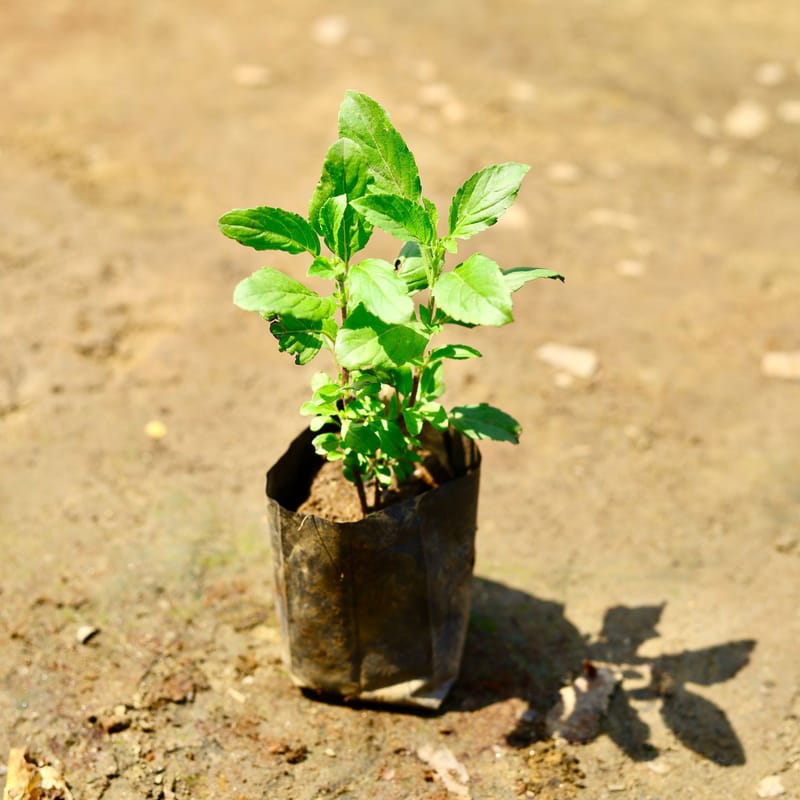
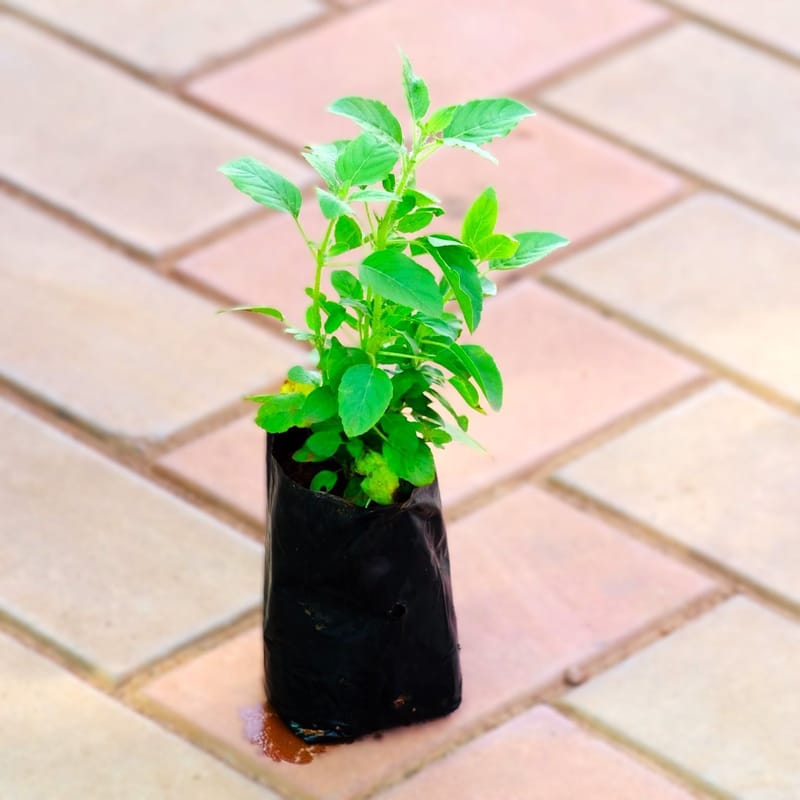
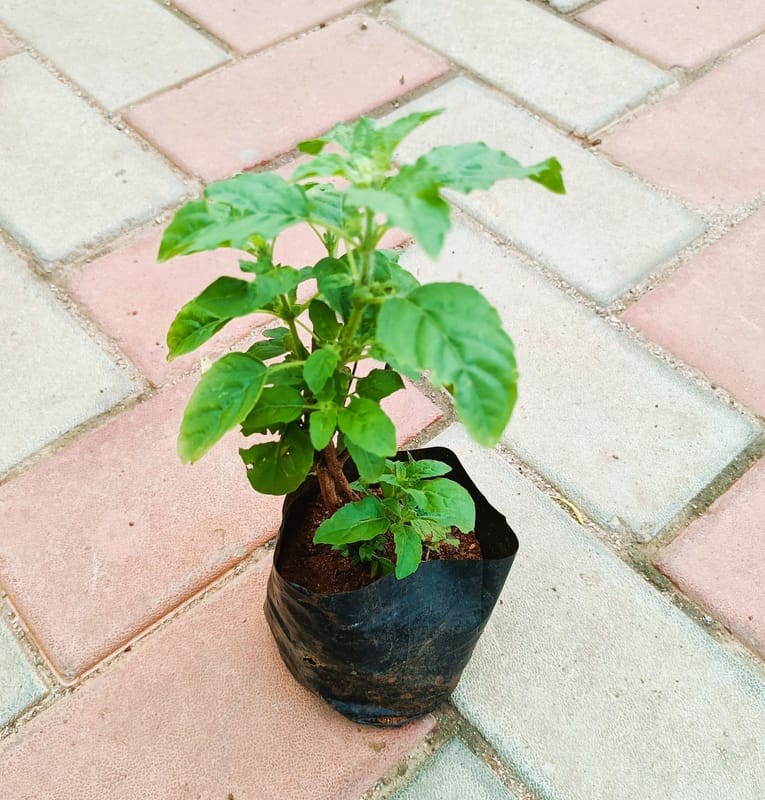
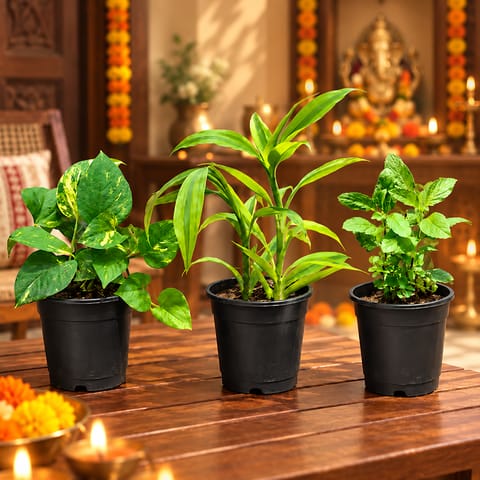
Rama Tulsi in 4 Inch Nursery Bag
₹39 ( 67% OFF )
MRP ₹119 Inclusive of all taxes
Features
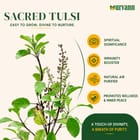
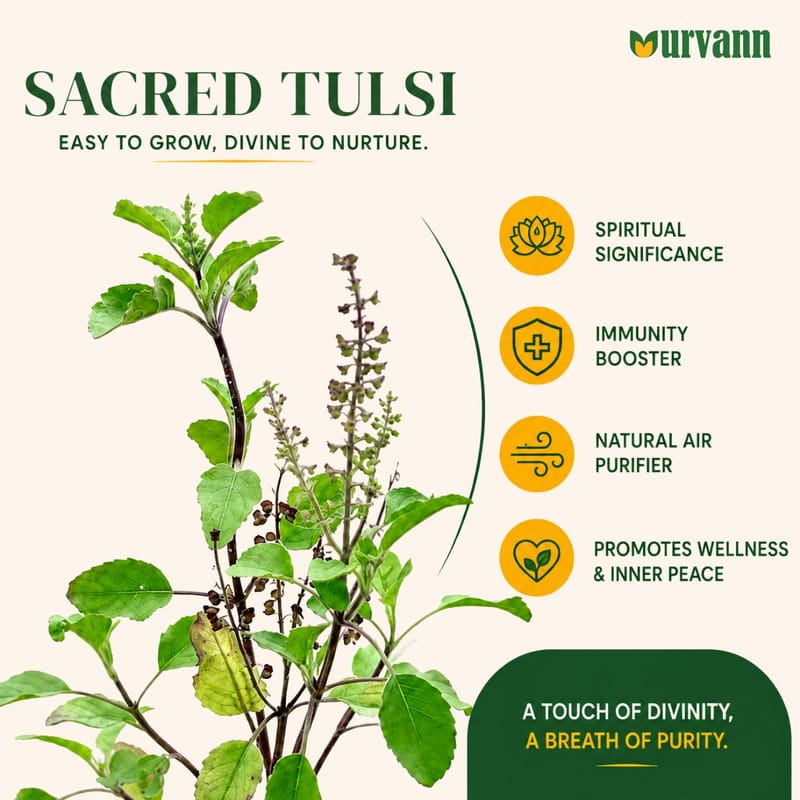
- Sacred & Auspicious
- Immunity Booster
- Air-Purifier
- Low Maintenance
- Stress Reliever
- Ayurvedic Herb
Product Information
Benefits of Tulsi Plant
 Boosts Immunity :
Tulsi is rich in antioxidants and natural compounds that help support the body's immune system and promote overall wellness.
 Stress Reduction :
Tulsi is traditionally known for its calming properties and may help reduce stress while promoting a sense of calm and well-being.
 Low Maintenance :
Tulsi is an easy-to-grow plant that requires minimal care, making it a great choice for beginners and home gardens.
 Respiratory Health :
Tulsi is traditionally used in herbal remedies to support respiratory health and overall wellness.
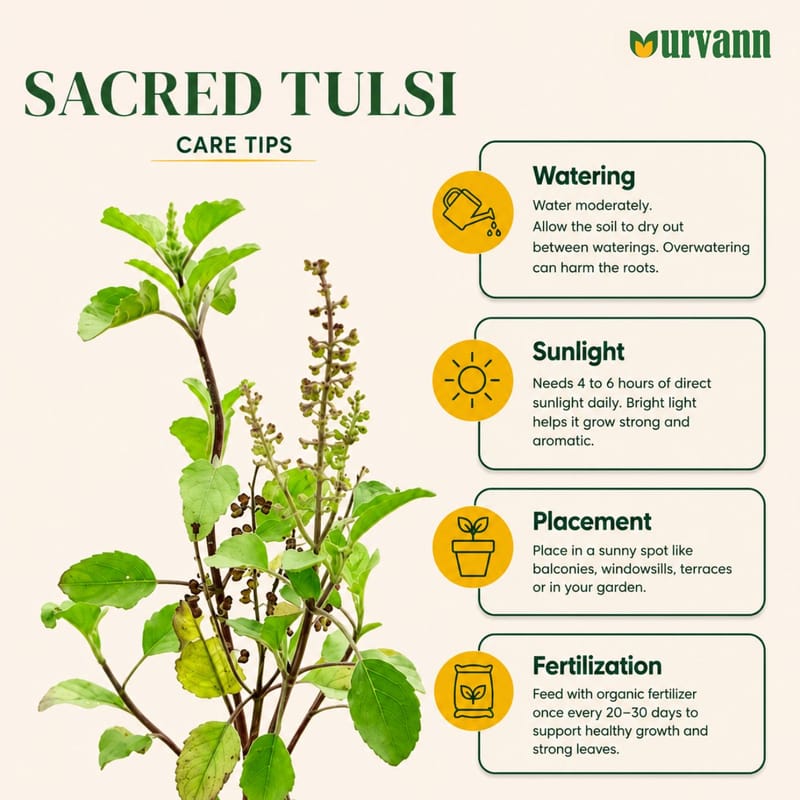
Care Tips for Tulsi Plant
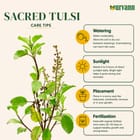
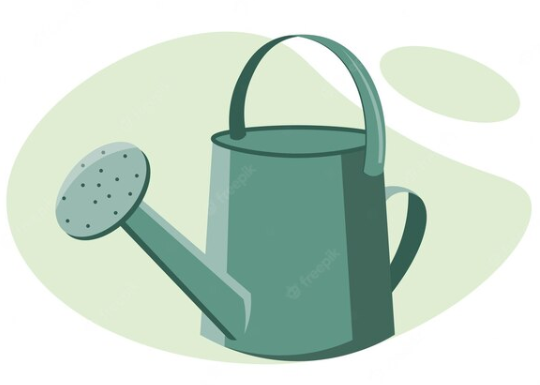 Watering :
Water the Tulsi plant when the top layer of soil feels dry. Avoid overwatering and ensure the pot has proper drainage.
 Light :
Place the Tulsi plant in a spot where it receives around 4-6 hours of sunlight daily. Avoid extremely harsh afternoon sunlight, especially during peak summer.
 Placement :
Place the Tulsi plant in a bright, well-ventilated location where it can receive sufficient sunlight for healthy growth.
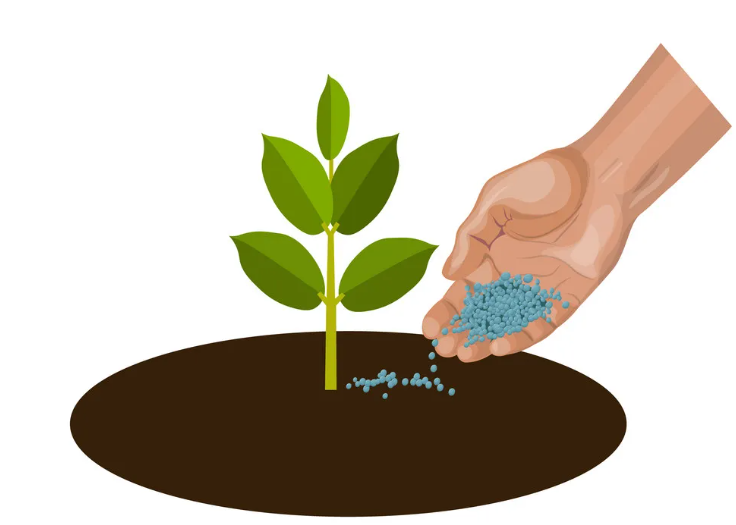 Fertilization :
Add vermicompost or any organic fertilizer every 2 months to provide essential nutrients. Loosen the soil occasionally to improve aeration.
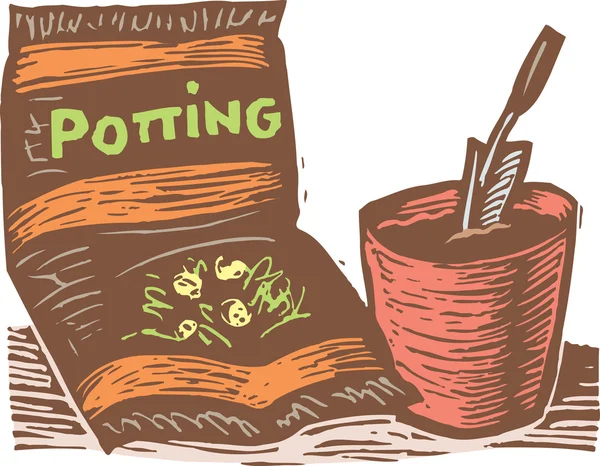 Ideal Soil Mix :
The Tulsi Plant requires well-draining soil rich in organic matter that does not retain much water. The ideal soil mix for this plant is, Cocopeat (50%) + Garden Soil (30%) + Vermicompost (20%)
 Pruning :
Regularly pinch or prune the growing tips to encourage bushier growth and promote fresh new leaves.
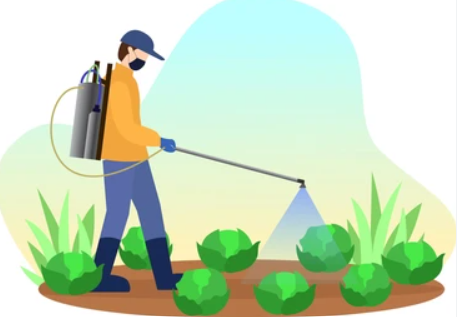 Pest Control :
Tulsi plants may occasionally attract aphids and other small insects. Spraying neem oil regularly can help keep pests away.
Frequently Asked Questions about Tulsi Plant
1. Is the Tulsi Plant a good outdoor plant?
Yes, Tulsi grows well outdoors and help create a fresher and healthier environment.
2. What are the benefits of Tulsi?
Tulsi is traditionally valued for its antioxidant, calming, and respiratory-supporting properties and is widely used in Ayurveda and traditional remedies.
3. Is the Tulsi plant considered lucky?
Yes, Tulsi is considered a sacred and auspicious plant in Indian culture and is believed to bring positivity and good energy to the home.
4. Can I keep the Tulsi plant indoors?
Tulsi prefers bright sunlight and good ventilation, so it is best kept outdoors or in a location such as a sunny balcony or windowsill where it can receive sufficient sunlight.
5. Where can I buy Tulsi Plants?
Head over to Urvann, India’s favorite online nursery, and browse from their extensive collection of plants.
.
.

.
Related Products
Customer Review
4.6
21 reviews
Add images from your gallery