Shop

Downalod our app

Please provide your delivery pincode to see products available in your area
Recent Search
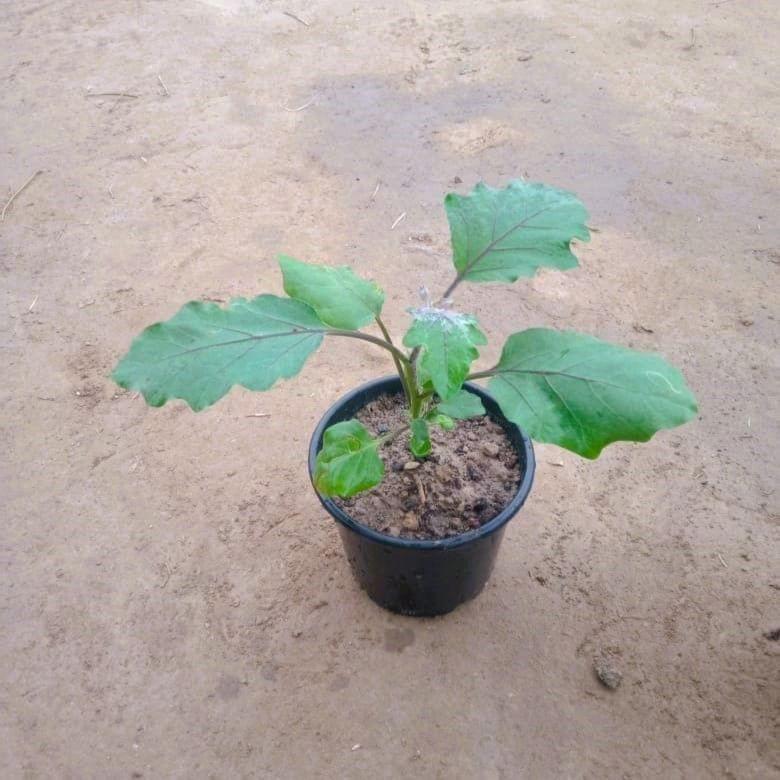
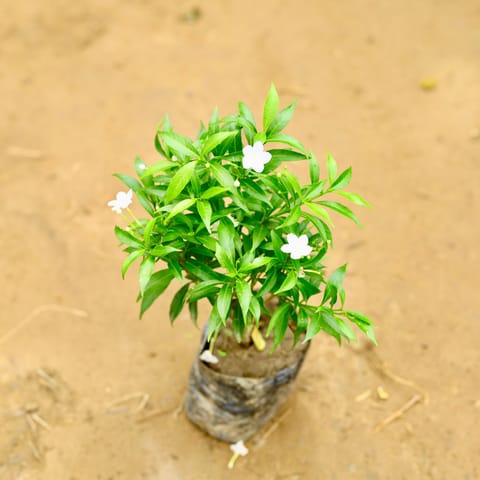
Brinjal / Baigan plant in 6 Inch Nursery Pot
₹79 ( 55% OFF )
MRP ₹179 Inclusive of all taxes
Features
- Ideal for organic gardening
- Vitamin and mineral rich
- Easy for beginners
- Helps in weight loss
- Strengthens bones
Product Information
The Brinjal Plant (Eggplant) is a highly productive fruiting vegetable plant from the Solanaceae family, perfect for home gardens, terraces, and balconies. Known for its glossy, nutrient-rich fruits and long harvesting cycle, brinjal is a warm-season crop that grows beautifully in pots and grow bags. With proper sunlight, nutrition, and regular care, this plant rewards you with fresh, chemical-free brinjals within 2 months of transplanting.
Ideal for Indian climates, brinjal plants are hardy, adaptable, and suitable for both beginners and experienced gardeners.
Benefits of Brinjal Plant
 High Yielding:
Produces abundant fruits continuously over a long period when regularly harvested.
 Perfect for Kitchen Gardening :
Grow fresh, pesticide-free brinjals at home for healthier, tastier meals.
 Year-Round Growing :
Can be grown throughout the year in warm climates, with best performance in mild seasons.
 Nutrient-Rich Produce :
Brinjals are rich in fiber, antioxidants, and essential nutrients that support overall health
Care Tips For Brinjal Plant
 Watering :
Keep the soil evenly moist but not waterlogged.
• Water 2-3 times a week in summer.
• Reduce watering frequency in cooler months.
 Sunlight :
Requires 5 to 6 hours of direct sunlight daily. Morning sunlight is ideal for healthy growth and flowering.
 Ideal Soil Mix :
The plant can thrive in well-draining and properly nourished soil.
For soil mix, you can prepare a good mixture of cocopeat, garden soil, and vermicompost.
 Fertilization :
Feed every 15-20 days with organic compost or vermicompost.
Liquid fertilizers like neem cake or mustard cake solution boost flowering and fruiting.
 Pests :
As a vegetable plant, it can be attacked by pests that ruin the cultivated vegetable. You can avoid these little pests by spraying neem oil.
.png) Propagation :
Propagation :
First, you have to prepare the soil well for the plant. The plant can be cultivated with the help of seedlings or seeds, and well guarded till the germination is done.
Frequently Asked Questions About Brinjal Plant
1. How long does the brinjal plant take to produce fruits?
Brinjal plants usually start flowering within 45-60 days and are ready for harvest in about 60-75 days after transplanting.
2. Can I grow brinjal in pots?
Yes, brinjal grows very well in pots or grow bags. Use at least a 12-inch pot for healthy root development and better yield.
3. How much sunlight does a brinjal plant need?
Brinjal requires 6-8 hours of direct sunlight daily for proper flowering and fruiting.
4. How often should I water the plant?
Water when the topsoil feels dry. Keep the soil moist but avoid overwatering, as waterlogging can damage roots.
5. What fertilizer is best for brinjal plants?
Organic compost, vermicompost, neem khali, or fertilizer works best. Feed every 15-20 days during the growing season.
6. Where can I buy the best vegetable plants online?
Head over to Urvann, India’s favorite online nursery, and browse from their extensive collection of plants.



.
Related Products
Customer Review
5
11 reviews
Add images from your gallery