
Shop

Downalod our app

Please provide your delivery pincode to see products available in your area
Pennywort
If you want a fresh, leafy, fast-growing plant that brings a soft green look to your balcony, terra...
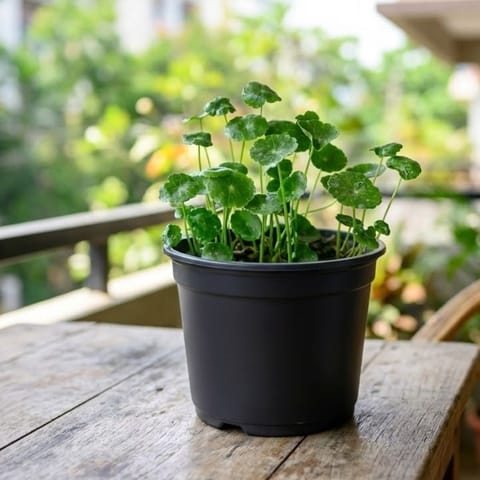
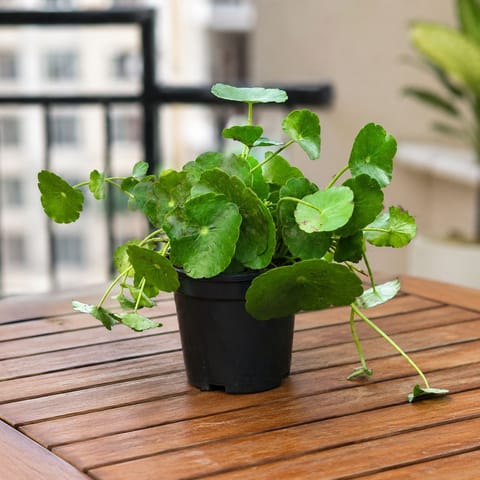
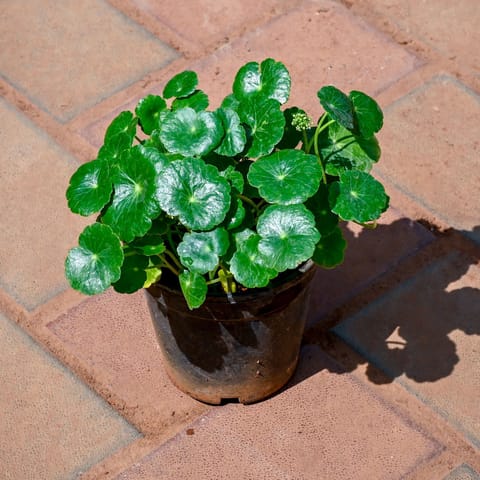
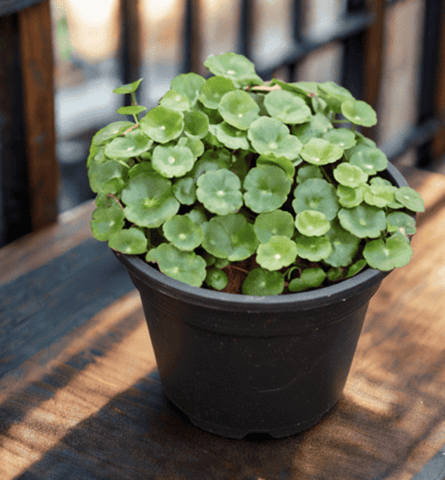
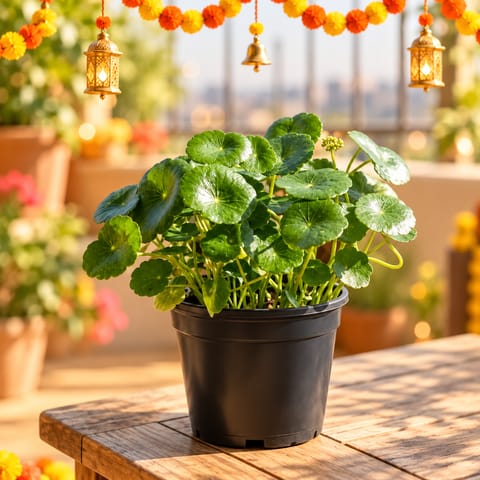
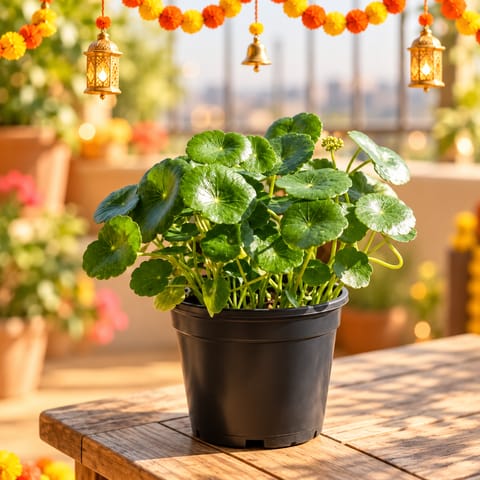
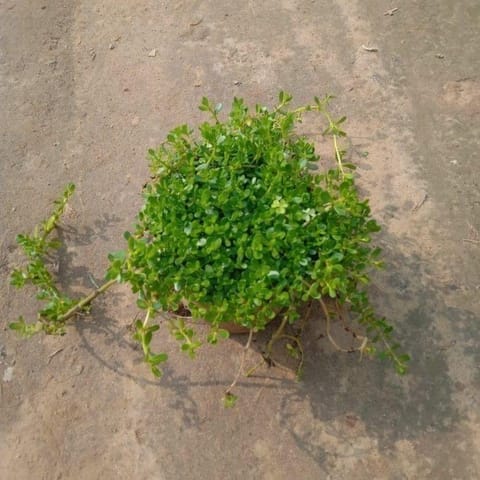
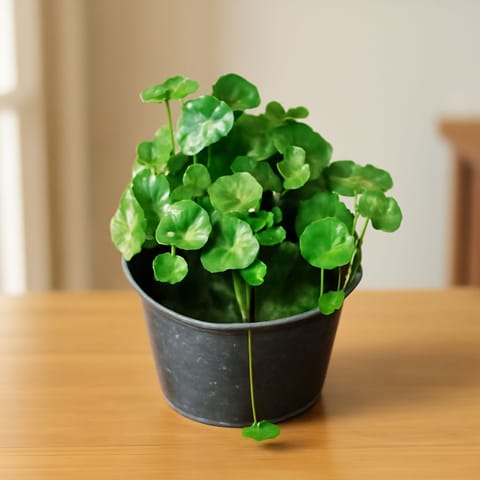
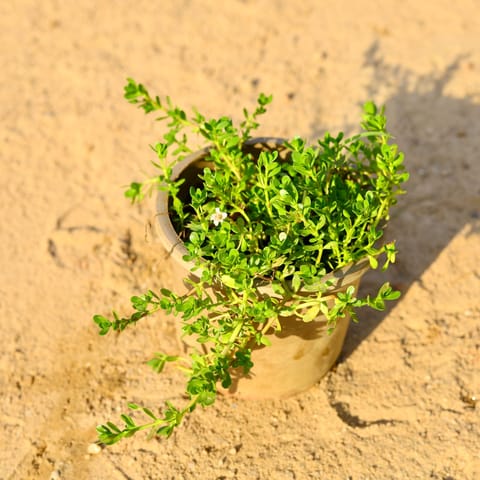
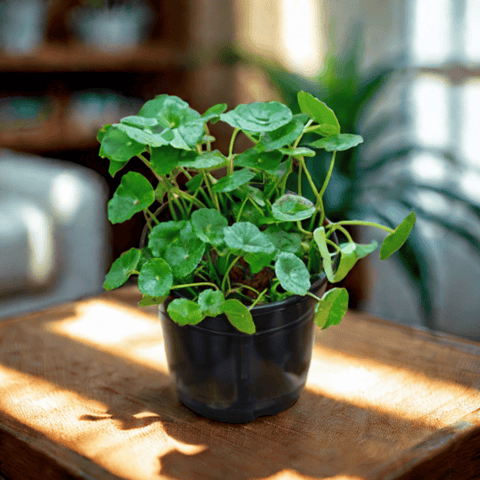
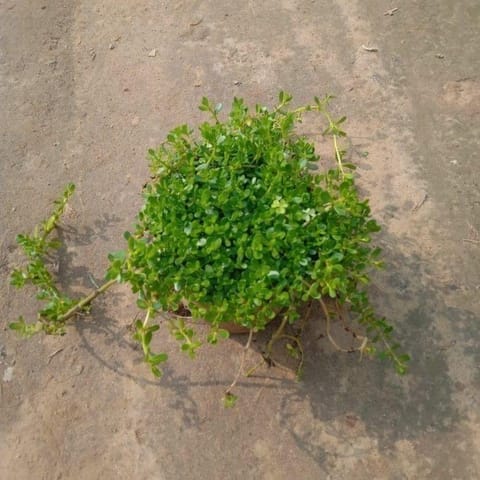
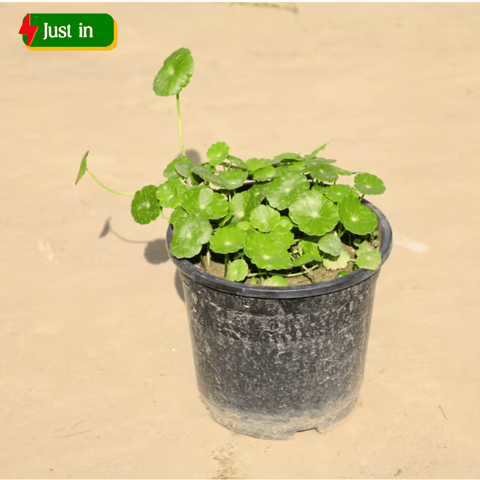
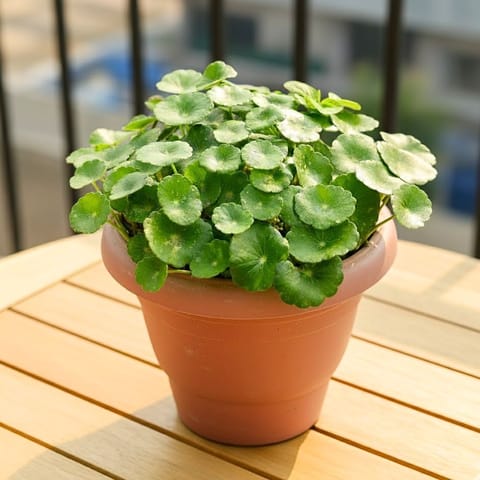
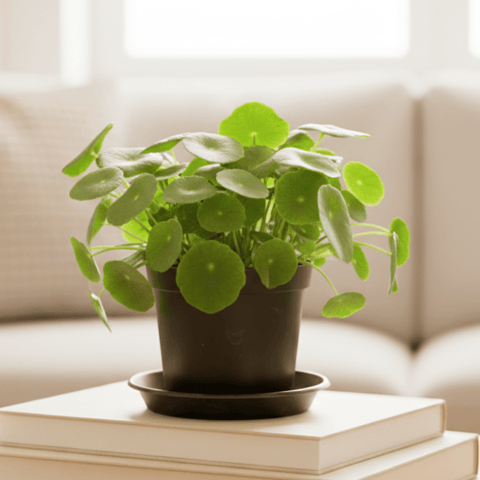
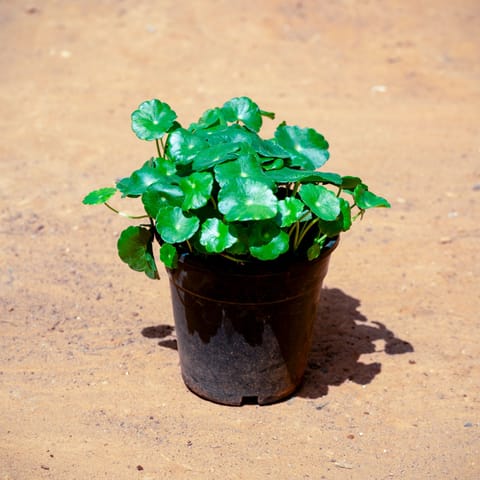
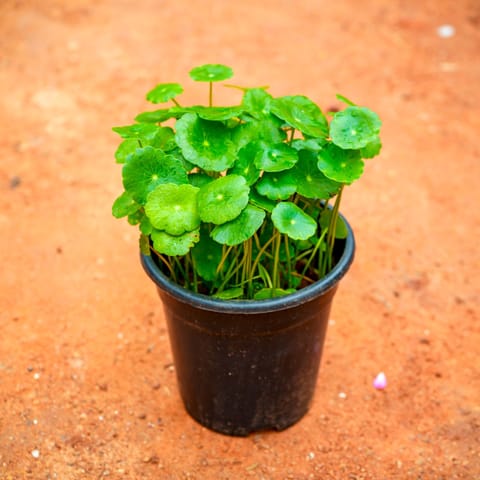
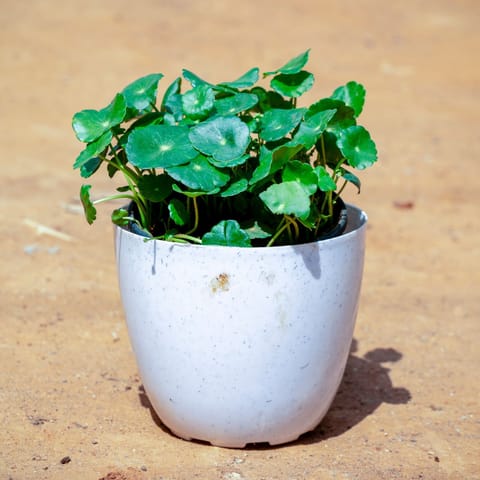
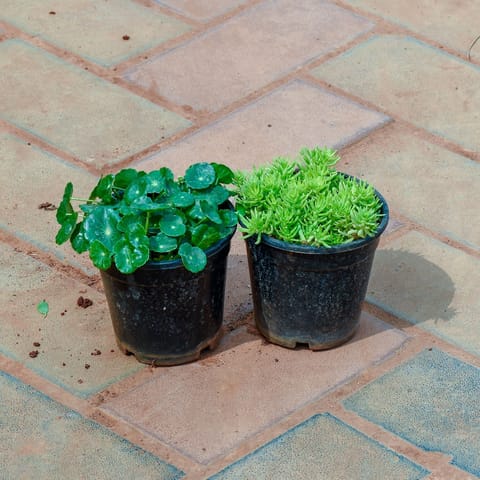
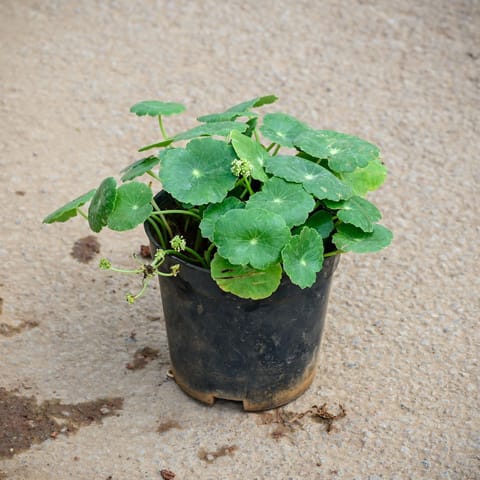
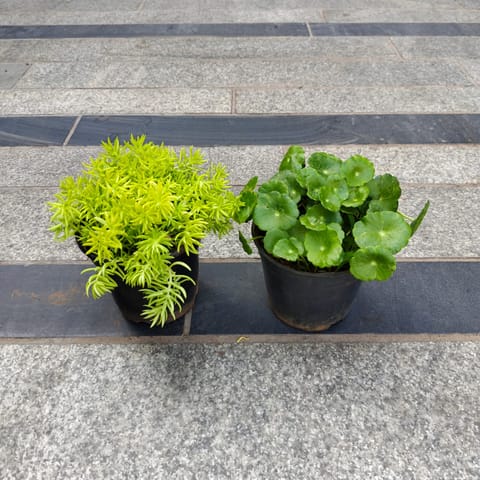
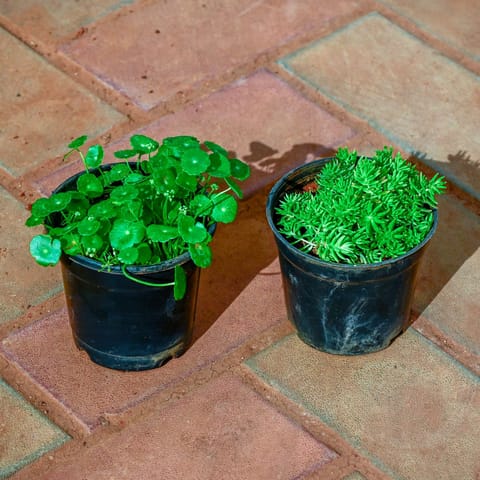
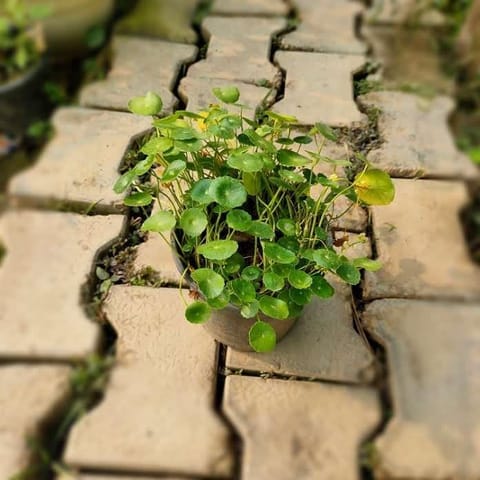
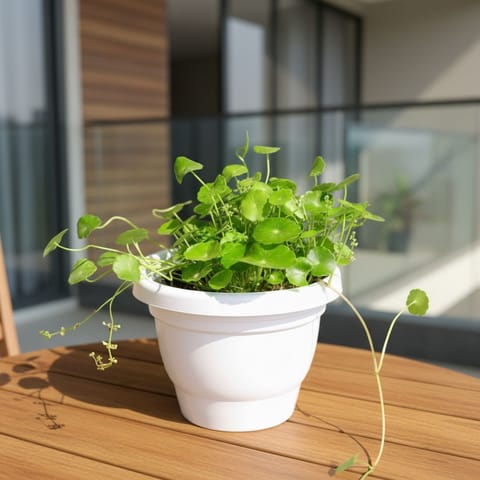
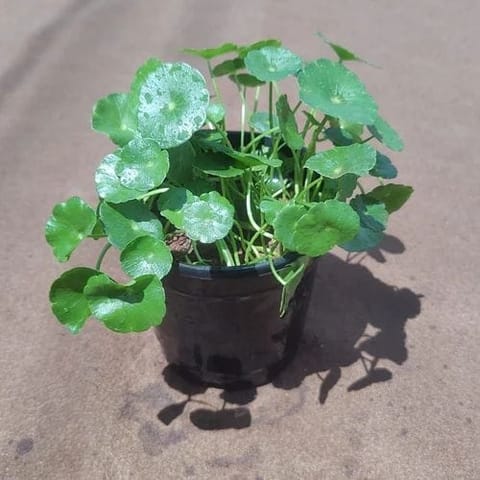
If you want a fresh, leafy, fast-growing plant that brings a soft green look to your balcony, terrace, kitchen garden, or home garden, the Pennywort plant is a beautiful choice.
Also known as Indian Pennywort, Asiatic Pennywort, Gotu Kola, Brahmi Mandukaparni, and botanically as Centella asiatica, this plant is loved for its round, coin-like green leaves and traditional value in Indian households. It is simple, earthy, and easy to grow when given the right amount of moisture and light. Unlike many ornamental plants that are mainly grown for flowers, Pennywort is grown for its lush green foliage. Its soft, rounded leaves create a calming, natural look, making it suitable for balconies, herb gardens, terrace planters, shaded garden beds, and moist corners where many other plants struggle.
At Urvann, you can easily buy healthy Pennywort plants online that are nursery-grown, fresh, and suitable for Indian weather conditions. Whether you want a leafy plant for your balcony, a ground cover for your garden, or a traditional Indian herb plant for your terrace, Urvann’s Pennywort Collection is a great place to begin.
Why 15 Lakh+ Plant Parents Trust Urvann
Rated 4.8/5 by 12,340+ verified buyers
✓ Free Next-Day Delivery - We provide free next-day delivery for all orders placed by 7 PM in Delhi-NCR and Bengaluru.
✓ Pan India Deliveries - We're expanding deliveries across India; timelines vary by location.
✓ Hassle-Free Replacement - We offer a 2-day replacement window if the product arrives damaged or incorrect.
✓ Indian Climate-Matched Care - Expert guidance for your region's humidity, water hardness & seasons.
✓ Real Photos from Indian Homes - No stock images; see actual customer plants.
✓ Everything for Gifting, All in One Place - 5,000+ varieties of plants, pots, soil, seeds & tools for a complete garden.
Pick by Goal
I Want a Leafy Plant for My Balcony
Go for the Pennywort plant. It has soft, rounded green leaves and stays low-growing, making it perfect for balcony pots and railing planters. It looks especially nice in wide planters where the stems can spread naturally.
I Want a Traditional Indian Herb Plant
Choose Indian Pennywort. It is known by regional names across India and is traditionally valued in many households. It is a good option for people who enjoy growing plants like Tulsi, Brahmi, Mint, Curry Patta, Ajwain, Giloy, and other useful home garden plants.
I Want a Plant for Moist Corners
Pennywort is a smart choice for places where the soil remains slightly moist. Many plants dislike constant moisture, but Pennywort performs well when the soil is damp and airy. Just remember: moist does not mean waterlogged. The pot should still drain properly.
I Want a Ground Cover Plant
If you want a low-growing green plant for shaded garden edges, Pennywort can be a good option. It spreads sideways and creates a fresh leafy look. It is especially useful under taller plants, near garden borders, or in semi-shaded beds.
I Want a Plant That Is Easy to Propagate
Pennywort is easy to multiply once it grows well. It spreads through runners, and rooted sections can be separated and planted in fresh soil. This makes it a rewarding plant for gardeners who enjoy propagation.
I Want a Budget-Friendly Green Plant
If you want greenery without spending too much, Pennywort is a good choice. The Pennywort plant price is usually affordable, depending on pot size, plant maturity, and availability. It is a simple way to add freshness to your home garden without investing in large ornamental plants.
I Want a Plant for My Kitchen Garden
Indian Pennywort can be grown in kitchen gardens, terrace gardens, and herb planters. Many people grow it alongside herbs and leafy plants. However, if you want to consume the leaves, make sure the plant is grown safely without harmful chemicals or pesticides.
Pennywort Plant Benefits
Deeply Rooted in Ayurveda and Traditions
Indian Pennywort has been valued in Ayurveda for generations and is often known as a traditional herb for supporting overall wellness and mental clarity. Commonly called Gotu Kola or Mandukaparni, this leafy plant also holds importance in Traditional Chinese practices and other herbal traditions across Asia. Its long cultural connection makes it a meaningful addition to Indian herb gardens and home plant collections.
NOTE: For any medicinal or therapeutic use, it is always best to consult a qualified healthcare or Ayurvedic professional.
Traditionally Known for Supporting Focus and Mental Clarity
Pennywort is often called the “memory plant” because of its traditional association with focus, learning, and mental wellness. In many Indian households, it has been grown alongside herbs like Tulsi, Mint, and Giloy as part of a traditional kitchen garden setup. Its fresh green leaves and herbal value make it popular among people who enjoy growing useful, heritage plants at home.
A Popular Plant in Modern Skincare Traditions
Centella asiatica, also known globally as “Cica,” has become widely recognised in skincare products and herbal beauty routines. The plant is valued for its naturally occurring compounds and is often associated with calming, soothing, and skin-supportive properties. Because of this, Pennywort remains a favourite among people interested in traditional beauty plants and wellness-focused gardening.
Naturally Fresh and Lush Green in Appearance
One of the biggest attractions of the Pennywort plant is its soft, round green leaves that instantly add a fresh, calming look to balconies, terrace gardens, and indoor spaces. Its low-growing habit makes it perfect for wide planters, herb trays, railing pots, and shaded corners that need natural greenery without too much maintenance.
A Smart Choice for Ground Cover Gardening
Pennywort spreads gently across the soil through creeping stems, making it useful as a natural ground cover plant. It works well near garden borders, under taller plants, and in semi-shaded beds where you want a soft green carpet effect. Gardeners also like it for filling empty spaces naturally while creating a dense leafy look.
Suitable for Moist and Semi-Shaded Spaces
Unlike many plants that struggle in damp conditions, Pennywort performs well in slightly moist soil with good drainage. This makes it a great option for humid balconies, shaded gardens, water-friendly planters, and moisture-rich corners where other ornamental plants may not thrive as easily.
Easy to Grow and Beginner Friendly
Once established, Pennywort is considered a fairly easy plant to maintain. It spreads naturally, adapts well to Indian weather conditions, and can be propagated through runners with minimal effort. Whether you are a beginner gardener or an experienced plant lover, it is a rewarding plant that grows steadily with basic care.
Versatile for Home Gardens and Herbal Collections
Pennywort fits beautifully into many gardening styles. It can be grown in balcony pots, terrace gardens, herb planters, shaded beds, hanging containers, and even kitchen gardens. Many people enjoy growing it alongside other traditional Indian plants to create a functional and leafy green garden space at home.
Pennywort Plant Care Guide
| Care Factor | Requirement |
|---|---|
| Sunlight | Bright indirect light; 3-4 hours of gentle morning sun is ideal |
| Watering | Keep soil consistently moist but not waterlogged |
| Soil | Fertile, loose, well-draining, moisture-retentive soil |
| Best Use | Balcony pots, herb gardens, terrace planters, shaded beds, ground cover |
| Maintenance | Low to moderate |
| Flowering | Produces tiny, less noticeable flowers |
| Best Pot Type | Wide shallow pots with drainage holes |
| Ideal Climate | Warm, humid, tropical to subtropical conditions |
| Propagation | Through runners, rooted stem sections, or division |
| Temperature | Prefers 20°C to 30°C; thrives in Indian tropical and subtropical climates |
How to Grow and Maintain Pennywort at Home
Sunlight Requirements
Pennywort grows best in bright indirect light or partial sunlight. A spot that receives soft morning sunlight is ideal.
Good placement options include:
- East-facing balcony
- Semi-shaded terrace corner
- Bright window ledge with indirect light
- Under a shade net
- Garden area with filtered sunlight
- Near taller plants that provide partial shade
Avoid placing Pennywort in harsh afternoon sunlight during peak summer. Strong sun can dry the soil quickly and may cause the leaves to wilt, curl, or turn dull.
If the plant receives too little light, it may become weak, leggy, and sparse. So the goal is not darkness, but gentle brightness.
Watering Requirements
Summer (March to June) Pennywort may need watering every 2–3 days in hot, dry summers. The soil should stay moist but not soggy. Keep the plant away from direct afternoon sun during peak heat months.
Monsoon (July to September) The pennywort plant thrives during the monsoon season. In outdoor settings, natural rainfall is often sufficient. For indoor plants, reduce watering frequency and always check soil moisture before adding more water, as overwatering during this season is a common mistake.
Winter (October to February) Growth slows down in cooler months. Water less frequently, approximately once every 7–10 days, and always check soil moisture before watering. In colder northern cities, move outdoor pots to a sheltered spot with good light.
Signs your Pennywort needs water:
- Leaves look droopy
- Soil feels dry to the touch
- Leaf edges look tired
- Stems look weak
- The plant loses its fresh green look
Signs of overwatering:
- Yellowing leaves
- Mushy stems
- Bad smell from the soil
- Fungal growth on the soil surface
- Roots turning weak or rotten
Use a pot with proper drainage holes so extra water can escape.
Soil Requirements
Pennywort likes soil that holds moisture but still allows air to reach the roots.
A good potting mix can include:
- Garden soil
- Compost
- Cocopeat
- Vermicompost
- Sand or perlite for drainage
Avoid very heavy clay soil in pots because it may hold too much water and suffocate the roots.
The best soil for Pennywort is:
- Loose
- Fertile
- Moisture-retentive
- Well-draining
- Rich in organic matter
Pot Selection
Pennywort spreads sideways, so a wide pot is better than a very deep pot.
Good options include:
- Wide shallow pots
- Rectangular railing planters
- Grow bags
- Herb trays
- Bowl-shaped planters
- Terrace containers
Always choose pots with drainage holes. Without drainage, the roots may rot.
Fertilizer Requirements
Pennywort does not need heavy feeding. Simple organic nutrition is usually enough.
You can feed it with:
- Vermicompost
- Compost
- Diluted liquid fertilizer
- Seaweed-based plant food
- Organic manure in small amounts
Feed once every 3 to 4 weeks during active growth. Avoid over-fertilizing because too much fertilizer may cause weak, soft growth.
Pruning and Trimming
Pennywort can spread quickly when happy. Light pruning keeps it neat and encourages fresh leaves.
Trim:
- Yellow leaves
- Dry stems
- Overgrown runners
- Damaged foliage
- Weak or leggy growth
Regular trimming helps the plant stay compact and fresh-looking.
Repotting
Repot Pennywort when:
- The pot becomes overcrowded
- Roots fill the container
- Soil becomes compacted
- Growth slows down
- Water stops draining properly
Choose a slightly wider pot and refresh the soil with compost-rich potting mix.
Buy Brahmi Dollar / Pennywort Plant Online from Urvann
Looking for a fresh green plant that is simple, useful, and easy to grow? The Pennywort plant is a great choice for that. Its rounded leaves and moisture-loving nature make it perfect for balconies, terrace gardens, kitchen gardens, and shaded outdoor corners. Whether you are a beginner plant parent or an experienced gardener, Pennywort brings a soft, natural charm to your space.
At Urvann, you can buy healthy Indian Pennywort plants online that are grown at Urvann farms. Each plant is grown carefully so that you can enjoy a fresh, thriving plant that adapts well to your home or garden.
Ready to add a fresh, green, earthy touch to your home? Choose your Pennywort plant today. Your leafy garden corner is just a click away!
For more options, explore our other collections like Tulsi, Money Plant, Mint, Curry Patta, and more.
Frequently Asked Questions (FAQs)
Q1. Is pennywort a lucky plant?
Yes, Pennywort is often considered a lucky plant in many homes because of its round, coin-shaped leaves that symbolize wealth, prosperity, and positive energy. Centella asiatica is especially popular in indoor gardens and balcony spaces for this reason.
People also like it because:
- The green, spreading leaves create a fresh and calming look.
- It is associated with growth, abundance, and harmony.
- In Ayurveda, it is valued for wellness and mental clarity, which adds to its positive reputation.
While these beliefs are mostly cultural and symbolic, Pennywort is still a beautiful and useful plant to keep at home.
Q2. What is the Ayurvedic name for Indian pennywort?
The Ayurvedic name for Indian Pennywort is Mandukaparni. It refers to Centella asiatica, a well-known herb used in Ayurveda for memory support, mental wellness, and overall health.
It is also commonly called:
- Gotu Kola
- Brahmi Dollar
- Indian Pennywort
In some regions, it is also loosely referred to as Brahmi, although true Brahmi can also mean Bacopa monnieri.
Q3. Is pennywort good for the brain?
Yes, Pennywort, also known as Centella asiatica or Mandukaparni in Ayurveda, is widely recognized as one of the most beneficial herbs for brain health and mental wellness. It has been traditionally used for centuries to support memory, concentration, and overall cognitive function.
It is often valued for its ability to:
- Improve focus, learning, and mental clarity
- Support memory retention and concentration
- Help reduce stress, anxiety, and mental fatigue
- Promote a calm and balanced mind
- Support healthy nervous system function
Because of these traditional benefits, Pennywort is commonly used in Ayurvedic wellness practices and herbal preparations designed to support brain performance and emotional well-being. Its refreshing green leaves and medicinal value also make it a popular plant for homes and herbal gardens.
Q4. What is the difference between pennywort and Indian pennywort?
The main difference is that “Pennywort” is a broad common name, while “Indian Pennywort” refers specifically to Centella asiatica.
Different plants around the world may be called pennywort because of their round, coin-shaped leaves. However, Indian Pennywort is the Ayurvedic herb widely known for its medicinal and wellness benefits. It is also called Gotu Kola, Mandukaparni, and sometimes Brahmi Dollar.
Indian Pennywort is especially valued for:
- Supporting memory and concentration
- Promoting mental wellness
- Traditional Ayurvedic uses
- Easy-growing, trailing green foliage
So, while all Indian Pennywort plants are pennyworts, not all pennyworts are Indian Pennywort.
Q5. What is the medicinal use of Indian pennywort?
Centella asiatica, commonly known as Indian Pennywort or Mandukaparni, is a well-known Ayurvedic herb valued for its wide range of traditional medicinal uses. It has been used for centuries to support both mental and physical wellness.
Indian Pennywort is traditionally used for:
- Supporting memory, focus, and cognitive function
- Helping reduce stress, anxiety, and mental fatigue
- Promoting healthy skin and wound healing
- Supporting digestion and overall immunity
- Improving circulation and nervous system health
- Helping the body feel calm, balanced, and refreshed
Because of its wellness benefits and easy-growing nature, Indian Pennywort is popular in Ayurvedic practices as well as home herbal gardens.
Q6. क्या मैं इंडियन पेनीवॉर्ट खा सकता हूं?
हाँ, इंडियन पेनीवॉर्ट को पारंपरिक रूप से खाने योग्य और आयुर्वेदिक जड़ी-बूटी माना जाता है। इसकी पत्तियों का उपयोग कई जगहों पर सलाद, हर्बल ड्रिंक, चाय और आयुर्वेदिक तैयारियों में किया जाता है।
इसे अक्सर इन लाभों के लिए जाना जाता है:
- याददाश्त और एकाग्रता को सपोर्ट करने के लिए
- शरीर को शांत और रिलैक्स महसूस कराने के लिए
- इम्यूनिटी और ओवरऑल वेलनेस के लिए
- त्वचा और पाचन स्वास्थ्य को सपोर्ट करने के लिए
हालांकि, किसी भी जड़ी-बूटी की तरह इसे सीमित मात्रा में और सही तरीके से उपयोग करना बेहतर होता है। खाने से पहले पत्तियों को अच्छी तरह धोना भी जरूरी है।
Q7. पेनीवॉर्ट खाने के लिए सुरक्षित है?
हाँ, पेनीवॉर्ट को सामान्यतः खाने के लिए सुरक्षित माना जाता है और इसका उपयोग कई पारंपरिक हर्बल और आयुर्वेदिक तैयारियों में किया जाता है। इसकी पत्तियों का सेवन सलाद, हर्बल चाय, जूस और अन्य घरेलू उपयोगों में किया जाता है। यह पौधा मानसिक शांति, फोकस, इम्यूनिटी और संपूर्ण स्वास्थ्य को सपोर्ट करने के लिए भी जाना जाता है। बेहतर उपयोग के लिए इसकी पत्तियों को अच्छी तरह धोकर सीमित मात्रा में सेवन करना चाहिए।