


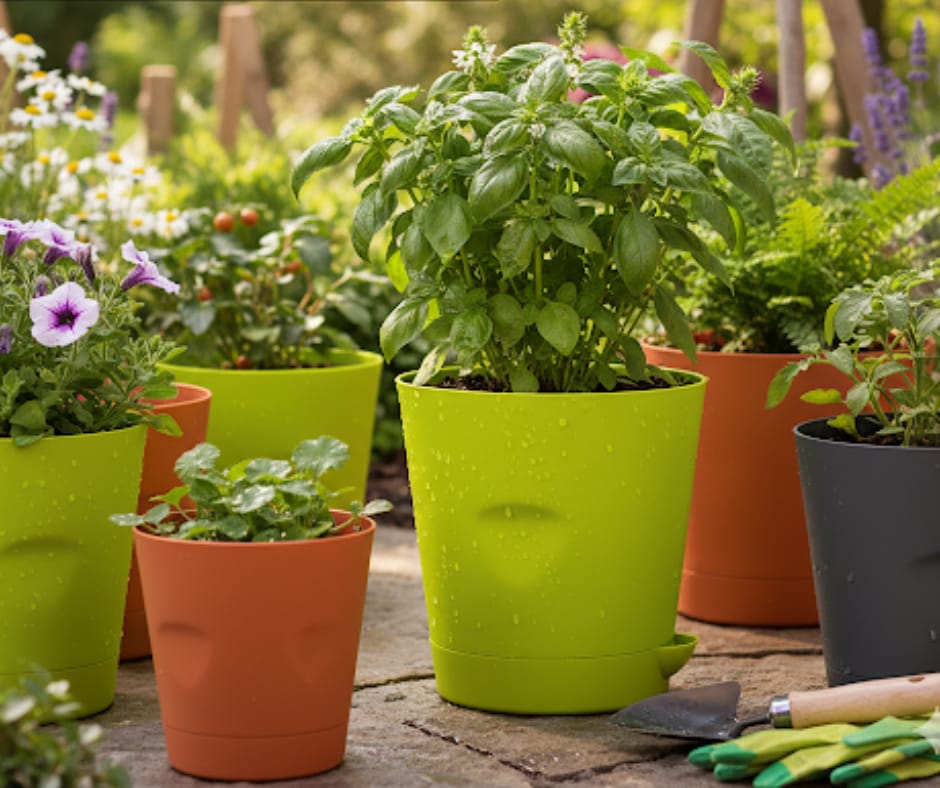
Grow healthier plants with less effort using self-watering planters that keep moisture perfectly balanced.
Summary:
| Self-watering planters store water in a hidden reservoir and let plants drink from the bottom as needed. This keeps soil evenly moist, prevents overwatering and underwatering, and makes plant care easier for busy or first-time plant parents. They work best with moisture-loving indoor plants like pothos, peace lilies, herbs, and vegetables. Avoid using them for cacti, succulents, or plants that prefer dry soil. For best results, use a light soil mix, top-water for the first few weeks, and flush the soil occasionally to remove salt buildup. |
Some people have green thumbs. The rest of us have vibes, good intentions, and a watering can we forget about. This is honestly where most plant problems begin.
The biggest cause of plant stress is not bugs or soil. It is inconsistent watering. Sometimes you forget to water a plant for days, and then suddenly you remember and pour too much. The soil swings from dry to soaked, and the roots get confused and exhausted. Almost every plant parent has been through this cycle at least once.
This is why self-watering plant pots have become so popular. They offer a gentle and reliable way to keep soil evenly moist without constant guessing. In this complete guide, we will explore what they are, how they work, the core benefits, and what to avoid.
What Is a Self-Watering Planter?
A self-watering pot or a planter is also known as a Sub-Irrigated Planter. It is a container designed to water plants from the bottom instead of the top. Instead of pouring water into the soil, the planter has a hidden water reservoir built underneath the growing area. The soil pulls water upward only when needed. This keeps the plant evenly hydrated while avoiding constant wetness that can cause root rot.
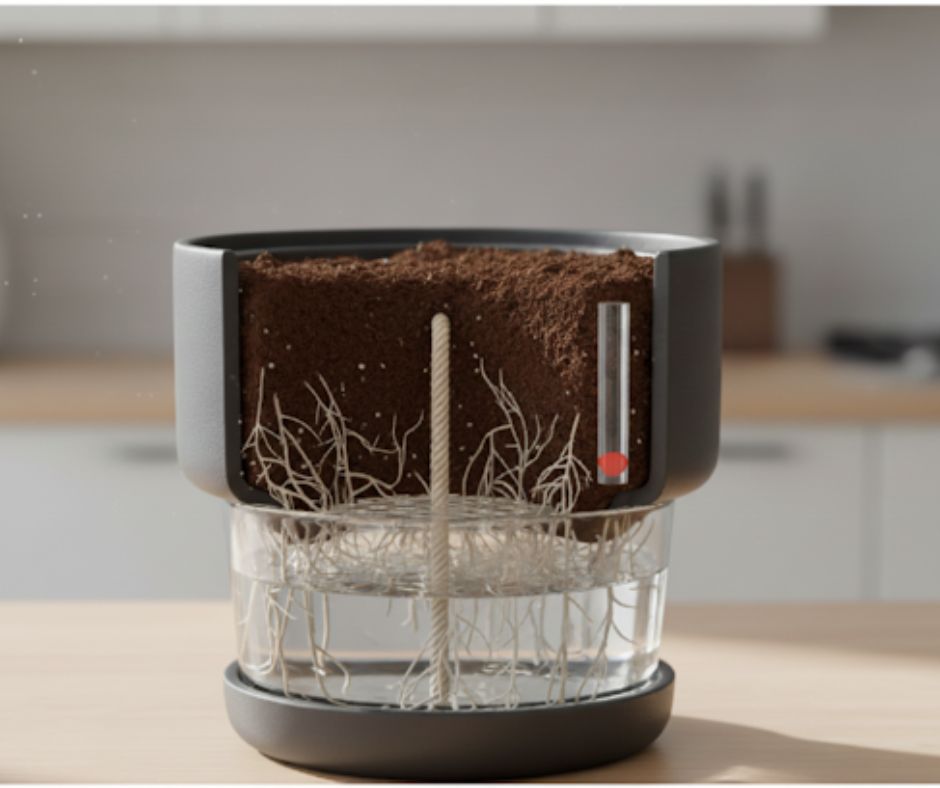
Every self-watering planter contains four important parts. All four must be present to make the system work smoothly and predictably.
| Part | Purpose | Simple Description |
|---|---|---|
|
Water Reservoir |
Stores water under the soil |
This tank holds water for one to two weeks, so the plant can drink slowly |
|
Growing Bed |
Main pot area |
This is the top chamber where the plant roots and soil sit |
|
Wicking System |
Moves water upward |
This can be a rope, fabric, or the soil column itself, pulling water up |
|
Overflow Hole |
Prevents flooding |
This safety hole stops water from rising too high and drowning the roots |
How They Work
Here is the process in a clear step-by-step layout:
1. Two-part System
A self-watering pot is built with two main sections. There is an inner pot that holds the plant and soil. Around or beneath that is the outer chamber that stores the water.
2. Capillary Action
A small wick or piece of porous material connects the water chamber to the soil. When the soil begins to dry, it naturally pulls water upward through this wick. The water moves without pumps or electricity.
3. Plant-led Hydration
The plant’s roots can explore the lower part of the pot and may even grow into the reservoir area. This lets the plant drink directly from the bottom whenever it needs. Instead of you guessing when to water, the plant manages the process itself.
4. Long Lasting Reservoir
The water chamber can hold enough water to support the plant for days or sometimes even weeks. How long it lasts depends on things like temperature, sunlight, humidity, and the size of the pot. Many modern designs also include a clear or floating gauge that tells you when to refill.
Which Plants Grow Best in Self-Watering Pots
Some plants absolutely love consistent moisture and grow extremely well in self-watering systems.
| Category | Examples |
|---|---|
| Indoor Plants |
Peace Lily, Pothos, Monstera, Philodendron, Spider Plant, ZZ Plant |
| Vegetables |
Tomatoes, Peppers, Lettuce, Spinach, Zucchini, Corn |
|
Mint, Parsley, Chives, Marjoram |
Plants That Should Never Be Placed in a Self-Watering Planter
Certain plants prefer dry soil and will suffer or rot in constant moisture.
| Category | Examples |
|---|---|
| Cacti | All species |
| Succulents | Aloe, Jade, Haworthia, Echeveria |
| Dry Loving Herbs | Rosemary, Thyme, Oregano, Basil |
| Other Sensitive Plants | Dracaena, some Anthurium varieties |
Benefits of Self-Watering Planters
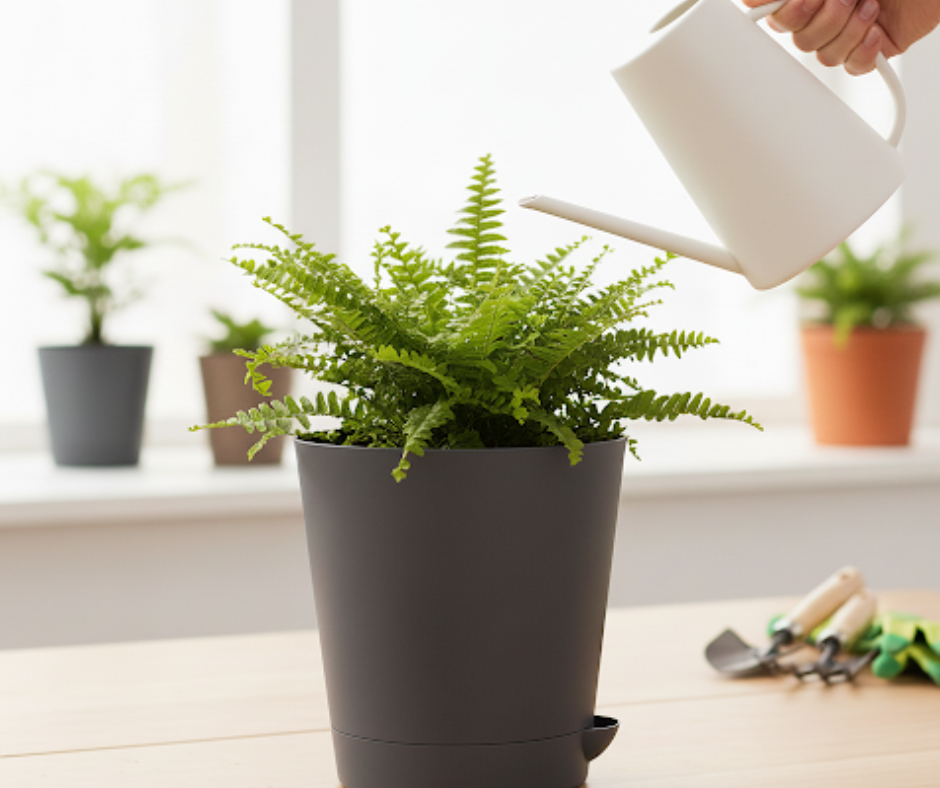
Here are the biggest advantages:
- Consistent moisture: The soil stays gently and evenly moist. This avoids the usual dry and soggy cycle that stresses plants.
- Less chance of overwatering or underwatering: The plant pulls water only when it needs it. This removes most of the guesswork and prevents the common mistakes that cause root problems.
- Better water efficiency: Since the water stays inside the reservoir, it is protected from fast evaporation. Less water gets wasted compared to watering from the top.
- Stronger root development: Roots naturally grow downward toward the water source. This creates a fuller, healthier root system, which supports better growth above the soil.
- Less stress on the plant: With a steady water supply, the plant handles heat, light changes, and other small stressors much more easily. Consistent moisture also helps plants hold onto nutrients better.
- More convenient: These planters are great for people who travel, who forget to water sometimes, or who are new to plant care. They reduce the need for constant attention.
Best Plants to Grow in Planters for Indoors, Balconies, and Small Spaces
| Plant | Best Location | What Makes It Special | Why It Works Well in Planters |
|---|---|---|---|
|
Pothos |
Indoors |
Very low maintenance and grows fast, even in medium light |
Loves steady moisture, adapts easily, great for beginners |
|
Snake Plant |
Indoors |
Handles low light and infrequent watering |
Thrives in containers because it stores water in its leaves |
|
Peace Lily |
Indoors |
Beautiful white blooms and a natural air purifier |
Prefers consistently moist soil, which planters can provide |
|
Spider Plant |
Indoors or Balcony (shaded) |
Produces baby plants and filters air |
Grows well in medium light and likes gentle, regular moisture |
|
Herbs (Basil, Mint, Parsley) |
Kitchen window or Balcony |
Fresh leaves for cooking and a pleasant smell |
They grow fast and love controlled moisture levels |
|
Aloe Vera |
Indoors or Balcony (bright light) |
Natural soothing gel and easy care |
Does well in containers because it needs good drainage and space for offsets |
|
Geraniums |
Balcony or Outdoor patio |
Bright flowers, long blooming season |
Works well in planters because they enjoy sun and moderate watering |
|
Lavender |
Balcony or Outdoor area with sun |
Calming scent and purple flowers |
Prefers dry roots and steady airflow, which planters can give |
Also Read: What Are the Best Herbs to Grow at Home in India?
How to Use Self-Watering Planters Correctly
Using a self-watering pot is simple once you understand a few basic rules. These rules keep the system working while preventing issues like soggy soil or salt buildup.
1. Use the Correct Soil Mix
Self-watering planters need light and airy soil. Regular garden soil is too heavy and will block oxygen. This can suffocate the roots.
The best soil ingredients include:
- Perlite
- Vermiculite
- Coco Coir
- Peat Moss
- Expanded Shale
A good soil mix is the number one factor in preventing root rot.
2. Always Top Water for the First Two to Three Weeks
When you first place a plant into a self-watering system, the roots are not long enough to reach the water source below. You need to water from the top during the first few weeks to help the roots grow downward.
After you notice the reservoir water level dropping, you can switch to using the fill port only.
3. Flush the Soil to Remove Salt Buildup
Over time, minerals and fertiliser salts can rise to the top since water always travels upward. If left unwashed, these salts can cause leaf burn and slow growth.
To flush the soil:
- Water deeply from the top.
- Allow water to flow out of the overflow area.
- Repeat until the excess minerals are washed out.
This should be done every one or two months, depending on your watering habits.
Best Self-Watering Planters for Indoor Plants
For indoor use, you should consider ones that are clean, modern and leak-proof.
Popular models include:
- Lechuza planters
- Easyplant containers
- Tall reservoir pots with water windows
- Small desk-sized self-watering pots with float gauges
If you have fans, air conditioning, and heaters indoors, the soil will quickly dry out. Self-watering pots solve this problem by keeping the moisture in the room stable. If this feels like the right upgrade for your plants, you can head over here and grab a planter that matches your home.
FAQs
1. How do you put water in a self-watering planter?
You use the fill port or the side opening that leads directly to the reservoir. Top watering is only needed during the first weeks or during flushing.
2. How do self-watering pots drain?
They drain through an overflow hole. When the reservoir reaches its safe limit, extra water escapes. This prevents the roots from sitting in standing water.
3. How much water do I put in a self-watering planter?
Just pour water into the fill hole or tube. This leads to the hidden reservoir at the bottom of the pot. Stop when the water indicator reaches the maximum line. If your pot has no indicator, stop when water comes out of the overflow hole. That means the reservoir is full.
4. How to water indoor plants while away for two weeks?
If you are using a self-watering planter, fill the reservoir completely before you leave. A full self-watering planter usually keeps a plant hydrated for seven to fourteen days.
5. How to know when to refill a self-watering pot?
If your pot has a water indicator, refill when it reaches the minimum line. If your pot does not have an indicator, check the overflow hole on the side of the planter. Gently pour a little water into the fill opening. If no water comes out of the overflow hole, the reservoir is empty and needs refilling.
6. Can I grow herbs in self-watering planters?
Yes. Moisture-loving herbs such as Mint, Parsley, Chives, and Marjoram thrive in self-watering systems.