


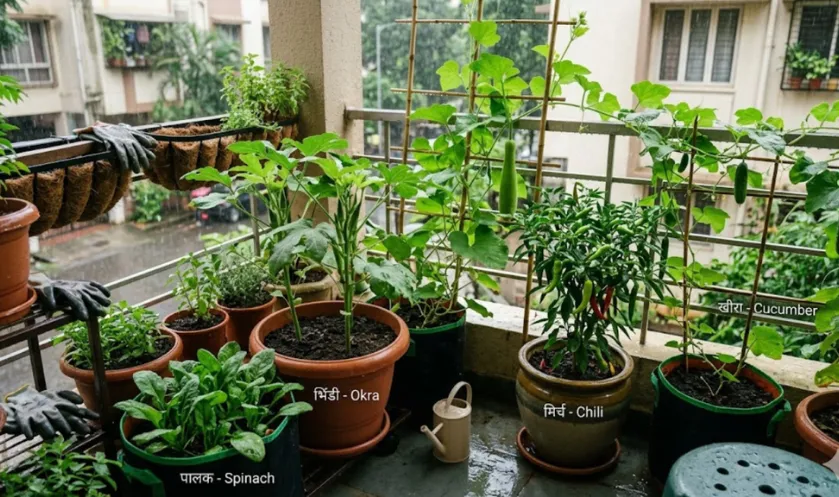
The vegetables you can grow during the monsoon season in India include Bhindi (भिंडी), Chilli(मिर्च), Brinjal(बैंगन), Tomato (टमाटर), and Bottle Gourd(लौकी).
Quick Reference: Which Vegetables Should You Grow During Monsoon?
| Vegetable | Pot Size | Sunlight | Days to First Harvest | Best For |
|---|---|---|---|---|
| Bhindi (भिंडी/लेडीफिंगर) | 12 inches | 6 hours | 50 to 60 days | First timers, small balconies |
| Chilli (मिर्च) | 10 to 12 inches | 6 to 8 hours | 70 to 80 days | Kitchen gardens, compact balconies |
| Brinjal (बैंगन) | 12 to 15 inches | 5 to 6 hours | 60 to 70 days | Home cooks, medium-sized balconies |
| Tomato (टमाटर) | 18 to 24 inches deep | 6 to 8 hours | 70 to 100 days | Patient gardeners, sunny terraces |
| Bottle Gourd (लौकी/सोरकई) | 20 to 24 inches | 6 to 8 hours | 60 to 70 days | Vertical gardening, railing spaces |
Every June, the idea feels possible.
The rain starts. The air smells different. You look at your balcony and think: this is the year. This time I'll actually grow something.
Then you remember last time. The seeds that sat in the pot for three weeks did nothing. The plant that looked perfect and then died overnight. The pot full of soggy, rotten soil you eventually threw away.
Here's what nobody told you: you probably started at the wrong point.
This guide fixes that. You'll know exactly which vegetables to grow this monsoon, why they work in balcony pots, and what actually kills them, so you can avoid it. And if you've failed before, there's a shortcut at the end that changes everything.
Why Most Monsoon Gardening Attempts Fail (It's Not Your Fault)
The problem is almost never the vegetable. It's the starting point.
Most advice tells you to start with seeds. For a beginner in monsoon conditions, that's the hardest possible starting point.
Here's why. From seed to a plant strong enough to survive Indian monsoon rain, you need four to six weeks of careful management. The seedling stage is fragile. Wrong soil moisture, one heavy downpour, a blocked drainage hole, and it's over before it started.
Urvann's vegetable plants skip that stage entirely. Every plant is nursery-grown and “hardened,” meaning it's already spent time outdoors, used to sun and wind, and strong enough to handle balcony conditions from day one. You're not starting from seed. You're starting from a plant that's already won the hardest part of the race.
That single difference is why some people succeed every monsoon, and others keep repeating the same frustrating cycle.
Two Things That Kill Balcony Vegetables in Monsoon (Know These Before You Plant Anything)
Know these before you plant anything:
This is the silent killer. Rain fills your pot. If the water doesn't drain within a few hours, the roots suffocate and rot. The plant looks healthy for a few days. Then one morning, it's completely gone.
Here is the fix:
- Check drainage holes are clear before planting
- Empty saucers after every heavy rain
- Add perlite or cocopeat to your soil mix
- You can even use Urvann's Grow Pure Potting Mix , it's already formulated for container drainage in Indian conditions.
This one hits brinjal the hardest, but can also affect tomatoes and chillies. A tiny insect bores into the main stem from the inside. You won't see the insect. You'll see a branch that suddenly wilts at the top while the rest of the plant looks fine. By the time you notice, the damage is done.
Here is the fix:
- Cut the affected branch two to three inches below the wilt
- Bury the cutting in a separate spot away from your garden. Don't compost it
- Catch it the same day you see it. Leave it a day, and it spreads
- Use neem oil spray weekly for prevention; mix 5 millilitres with 1 litre of water and spray on leaves and stems
5 Vegetables That Actually Work in Balcony Pots This Monsoon
Here are five vegetables chosen specifically for Indian urban balconies during June to September, with the exact numbers you need to succeed.
1. Bhindi (Okra / Lady Finger / भिंडी)
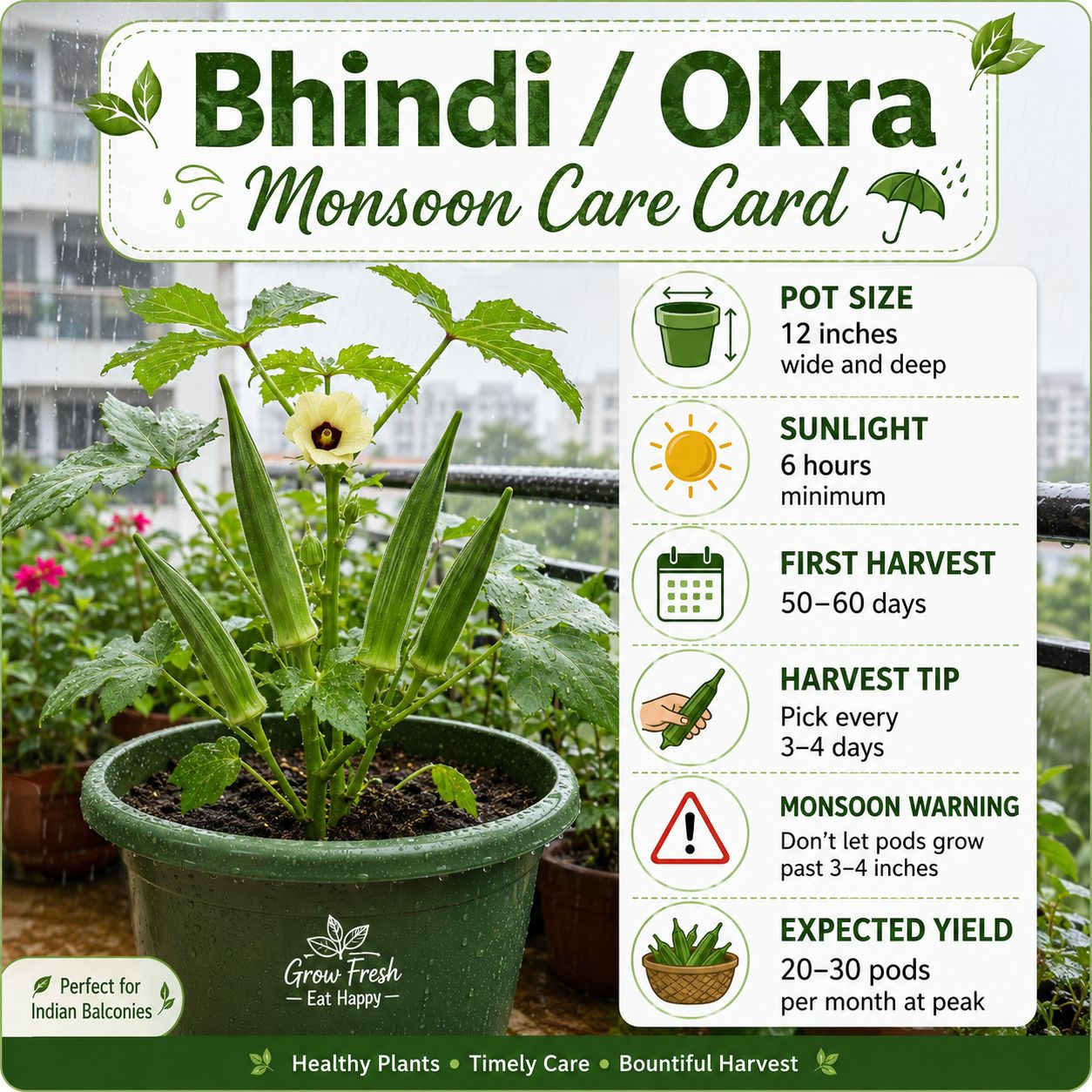
Start here if this is your first attempt.
Bhindi is the best monsoon vegetable for a beginner in a city apartment. It handles heat and humidity without drama. It doesn't need a trellis or support. It starts producing fast and keeps producing for weeks.
Pot Size
12 inches wide, 12 inches deep minimum. One plant per 12-inch pot. If you have a wide rectangular planter, four to five plants fit comfortably.
Sunlight
6 hours minimum. Put it in your sunniest balcony corner.
Time to First Harvest
50 to 60 days from a live plant.
Harvest Frequency
Every 3 to 4 days once it starts.
The One Thing That Kills It in Monsoon
Picking too late. Bhindi turns fibrous and tough if you leave it past 3 to 4 inches long. Overgrown pods also signal the plant to slow production. Pick on time, every time.
What You'll Get
A single healthy bhindi plant in a 12-inch pot can yield 20 to 30 pods per month at peak production. For a family of four, plant four to five.
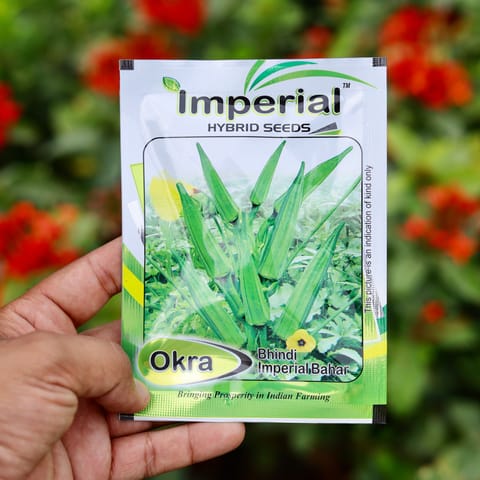
Bhindi (भिंडी/लेडीफिंगर)
Bhindi grows fast, handles monsoon humidity well, and produces fresh pods for weeks.
Shop Bhindi Plants on Urvann
2. Chilli (Mirchi / मिर्च)
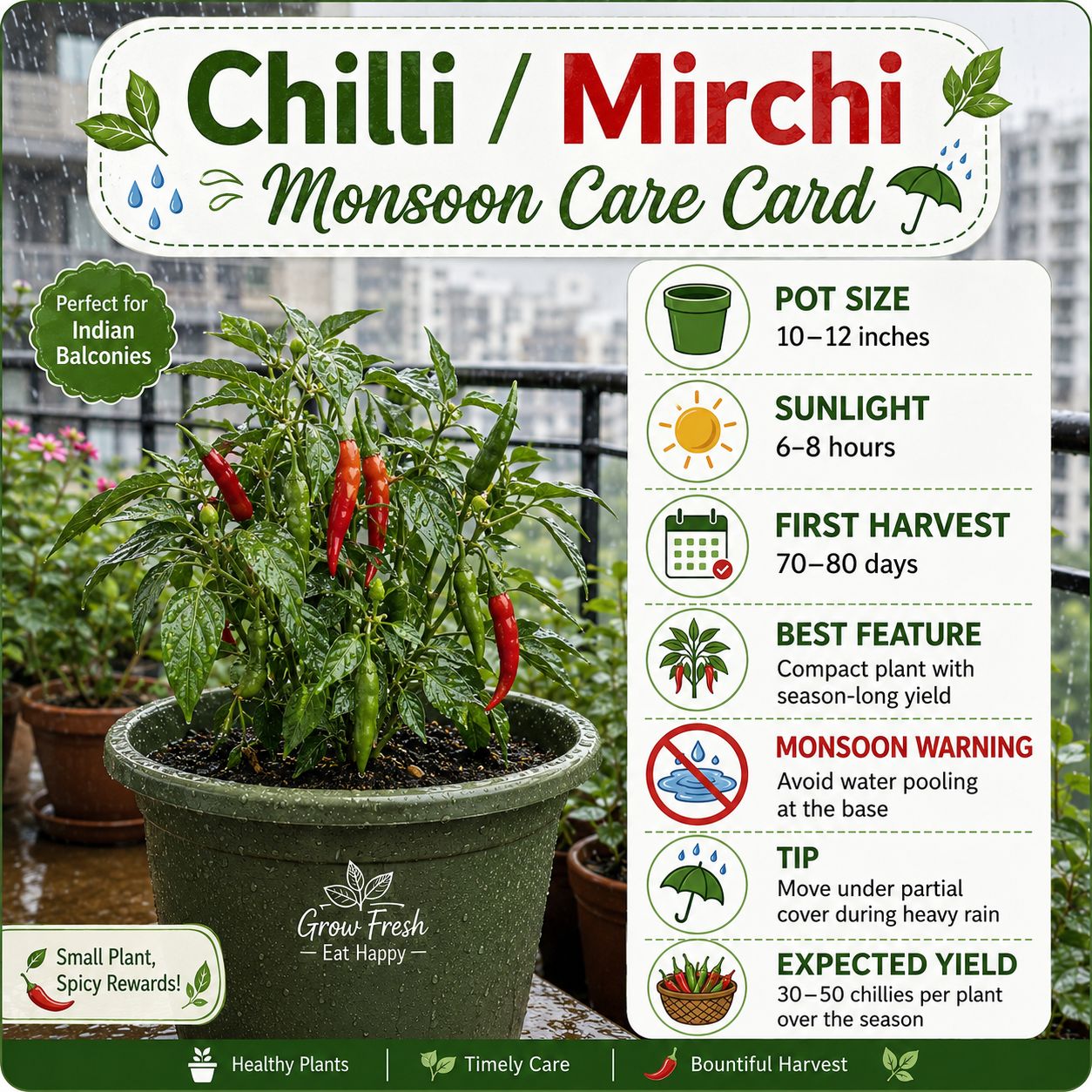
The most rewarding plant per square inch of balcony space.
One chilli plant, set up correctly, will produce through the entire monsoon season and beyond. It's not a one-time harvest; it keeps going. In Indian cooking, that matters.
Pot Size
10 to 12 inches. One plant per pot.
Sunlight
6 to 8 hours. Chilli loves warmth and does not like shade.
Time to First Harvest
70 to 80 days from a live plant.
What You'll Get
30 to 50 chillies per plant over the season. At current market prices, a single ₹49 chilli plant pays back several times over.
The One Thing That Kills It in Monsoon
Water pooling at the base. Chilli roots rot faster than almost any other vegetable. If it rains heavily for two or more days in a row, move the pot under a partial overhang or awning. Fifteen minutes of repositioning saves the plant.
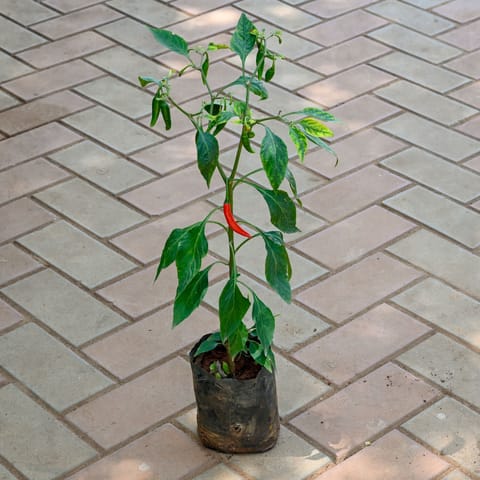
Chilli (Mirchi / मिर्च)
Compact chilli plants produce fresh harvests continuously through the monsoon season.
Shop Chilli Plants on Urvann
3. Brinjal (Baigan / Eggplant / बैंगन)
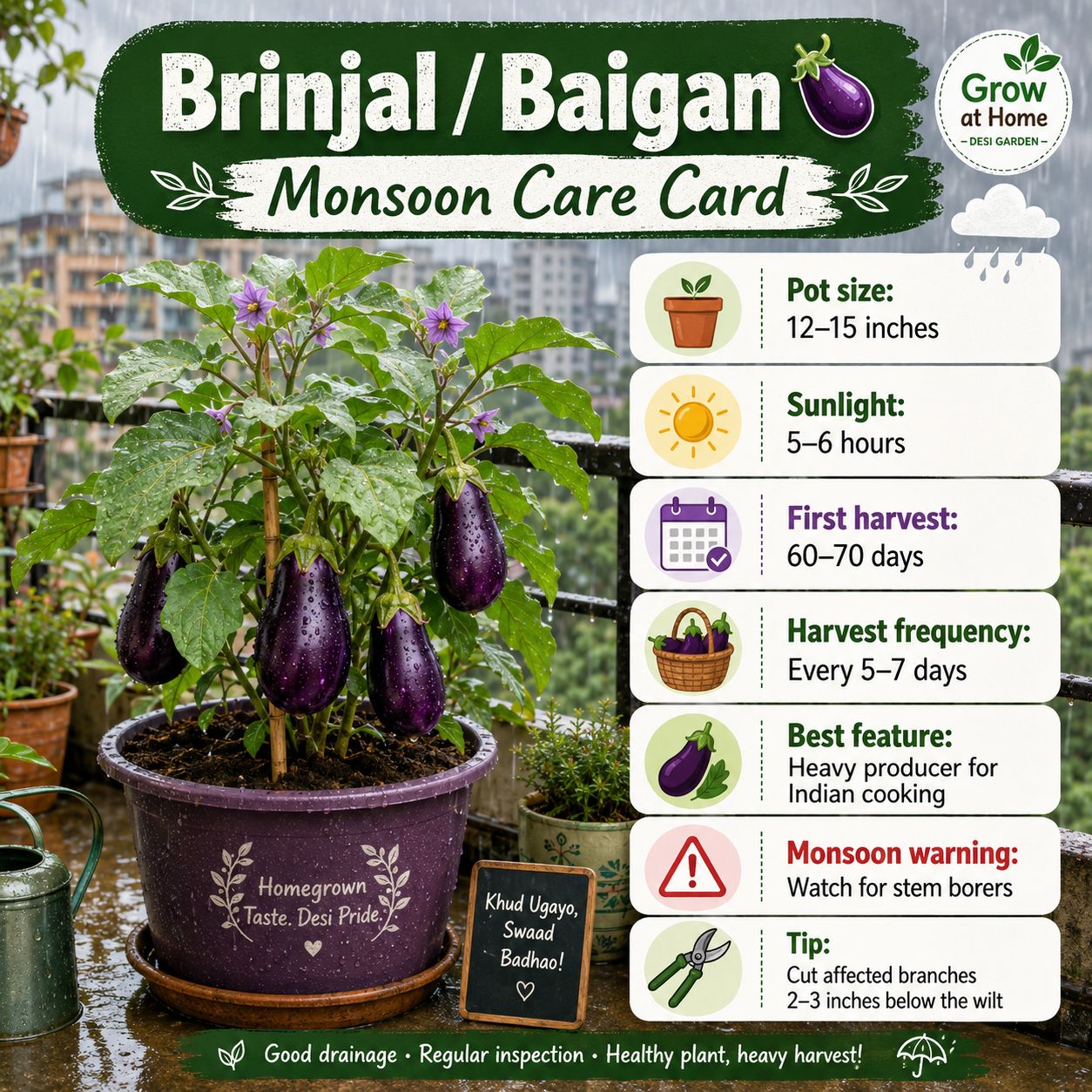
The monsoon workhorse. Produces heavily and handles Indian conditions well.
Brinjal is one of the most consumed vegetables in Indian cooking. It's also one of the most forgiving plants in monsoon weather; it handles the heat and humidity better than most. The stem borer risk is real but manageable once you know what to look for.
Pot Size
12 to 15 inches wide. One plant per pot.
Sunlight
5 to 6 hours. Slightly more shade-tolerant than chilli and tomato.
Time to First Harvest
60 to 70 days from a live plant.
Harvest Frequency
Every 5 to 7 days.
The One Thing That Kills It in Monsoon
Stem borers left unchecked. Inspect the main stem and upper branches every few days. A small wilt at the top of one branch is the first warning sign. Act immediately.
Which Variety Works in Pots
Urvann stocks the Nati Baingan and Ping Tung varieties, both bred for container growing. Avoid large, sprawling varieties that need garden bed depth.
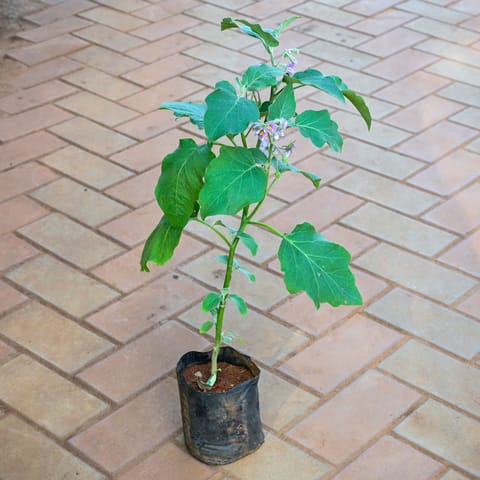
Brinjal (Eggplant / बैंगन
Brinjal thrives in Indian monsoon weather and grows beautifully in balcony pots.
Shop Brinjal Plants on Urvann
4. Tomato (टमाटर)
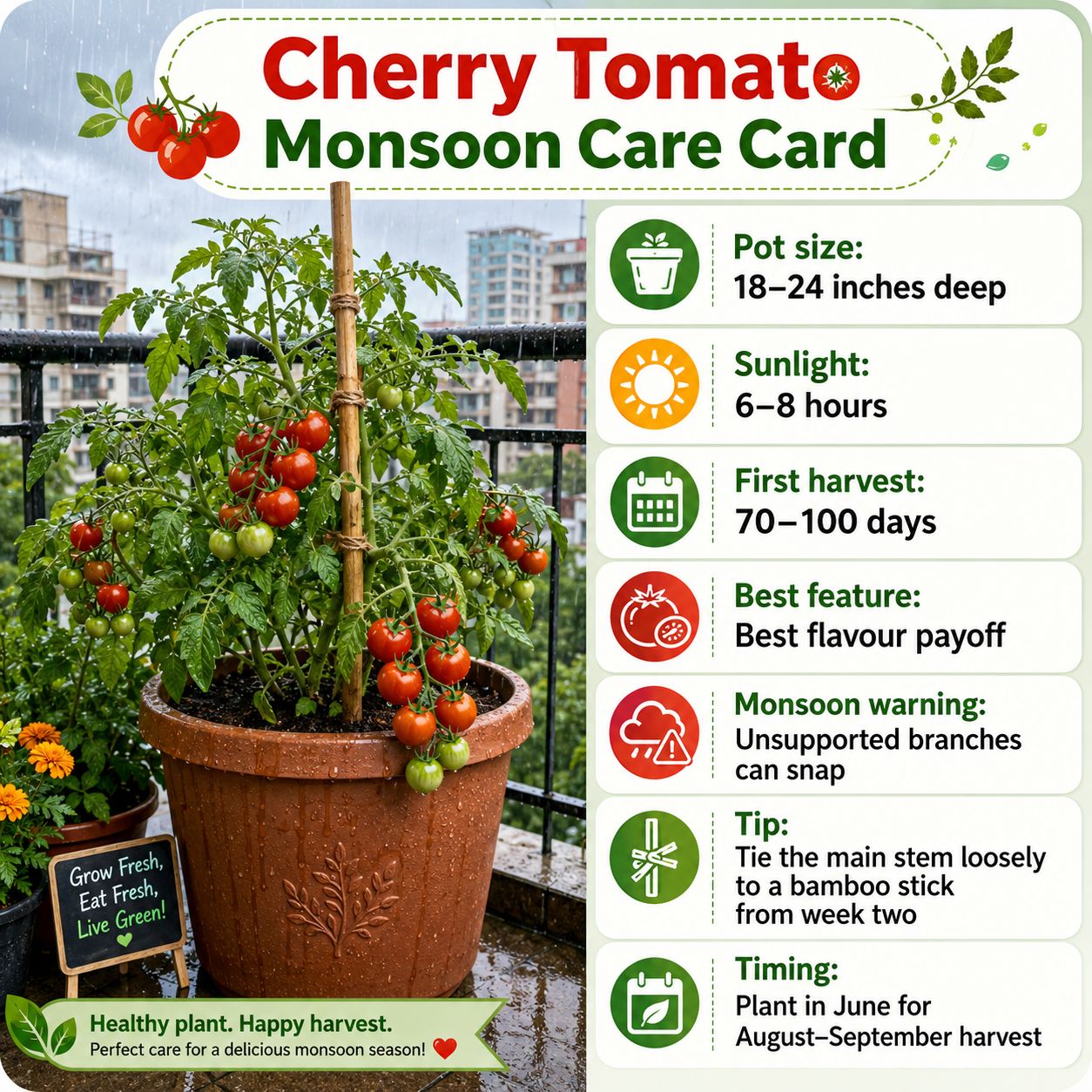
Takes the most patience. Gives the most satisfaction.
There's a reason every home gardener mentions tomatoes first. The taste of a homegrown tomato is genuinely different from a market one. The colour. The smell when you cut it. Once you've grown your own, buying market tomatoes feels like a compromise.
For balconies, skip the large beefsteak varieties. Cherry tomatoes are the right choice. They're compact, produce continuously, and thrive in containers.
Pot Size – The One Measurement You Cannot Compromise
18 to 24 inches deep. This is the one measurement where you cannot compromise. Tomato roots go deep. A shallow pot will stunt the plant.
Sunlight
6 to 8 hours.
Time to First Harvest
70 to 100 days from a live plant.
Note on Timing
Plant tomatoes at the start of the monsoon (June). They'll be producing by August through September, the peak monsoon cooking months.
The One Thing That Kills It in Monsoon
No support. As fruits develop, branches get heavy. A single monsoon gust can snap an unsupported branch. Tie the main stem loosely to a bamboo stick from week two. It takes two minutes and prevents one of the most common losses.
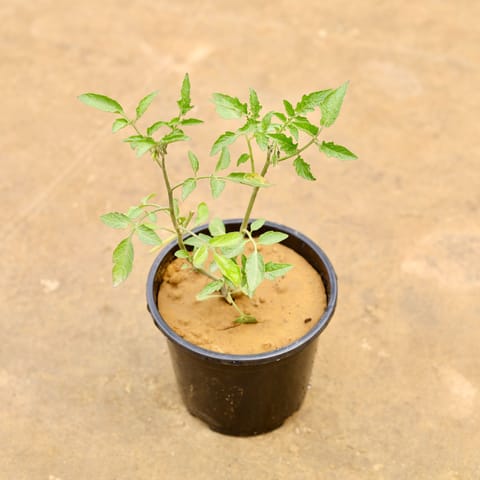
Tomato (टमाटर)
Cherry tomatoes are easy to grow in containers and full of fresh flavour.
Shop Tomato Plants on Urvann
5. Bottle Gourd (Lauki / लौकी)
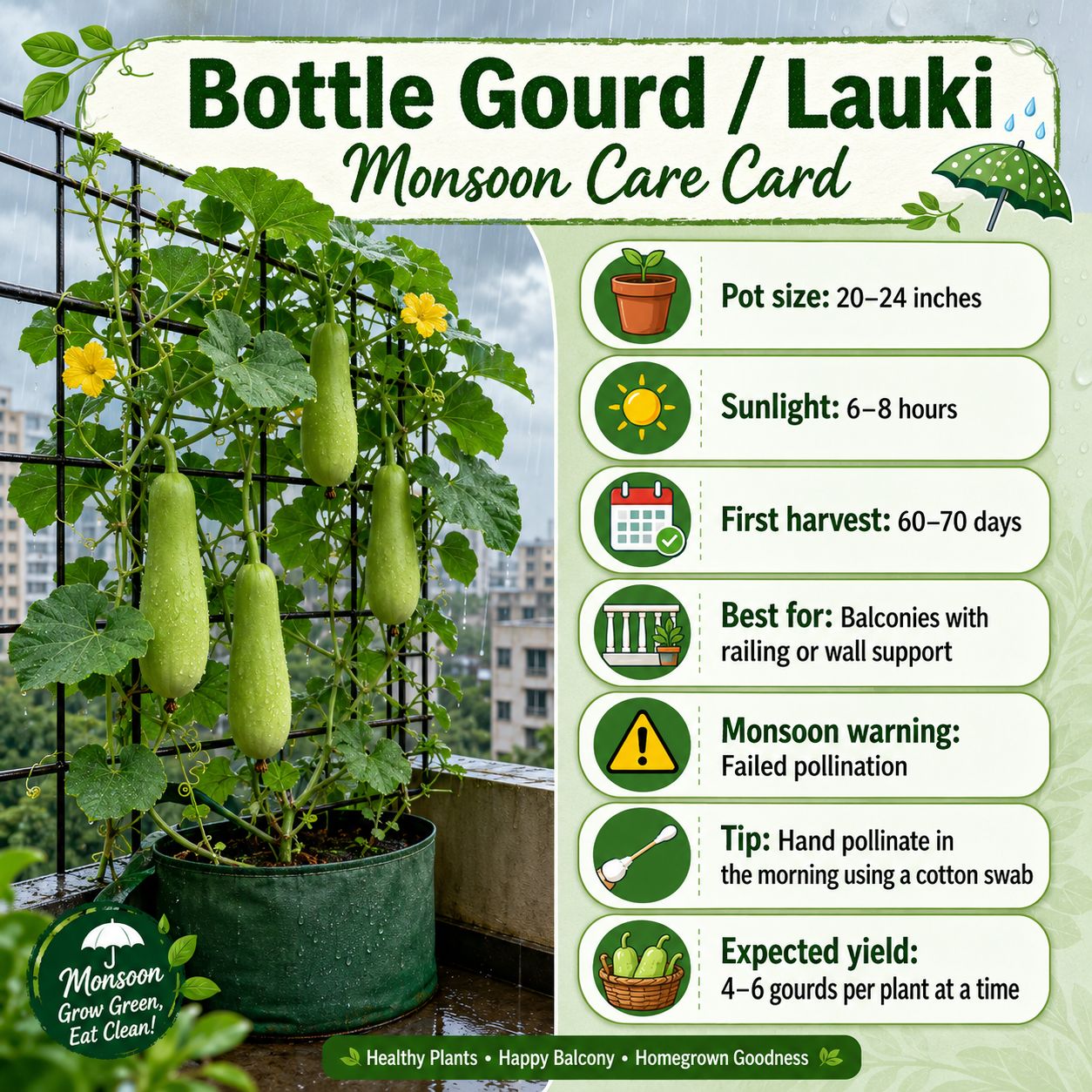
For balconies with a wall, railing, or any vertical surface.
Lauki is a vine. It needs to climb. If your balcony has a railing, a wall, or if you can set up a basic rope support between two hooks, lauki rewards you with one of the most generous harvests of any monsoon vegetable.
Pot Size
20 to 24 inches wide. The root system spreads wide, not just deep.
Sunlight
6 to 8 hours.
Time to First Harvest
60 to 70 days from a live plant.
What You'll Get
Four to six gourds per plant at a time, with multiple harvests over the season.
The One Thing That Kills It in Monsoon
Failed pollination. Lauki produces separate male and female flowers on the same vine. If small gourds appear and then drop off without growing, the female flower wasn't pollinated. The fix: take a cotton swab, collect pollen from a male flower (no swollen base), and dab it onto a female flower (round swollen base at the bottom). Do this in the morning when flowers are fully open. Takes two minutes. Makes the difference between a harvest and no harvest.
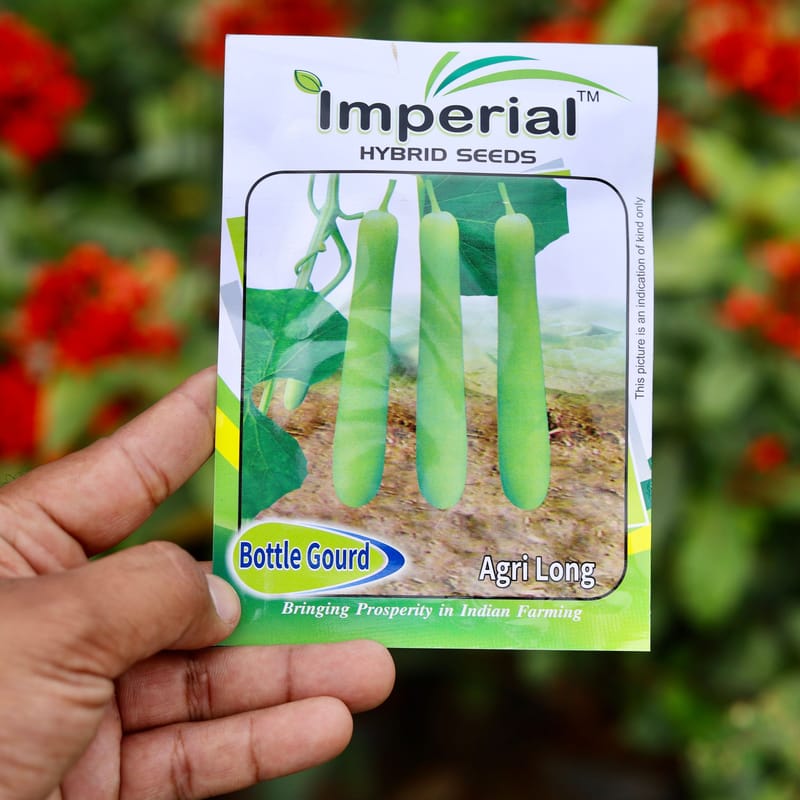
Bottle Gourd (Lauki / लौकी
Bottle gourd vines grow vigorously during the monsoon and reward you with generous harvests.
Shop Lauki Seeds on UrvannThe Right Soil for Monsoon Container Gardening
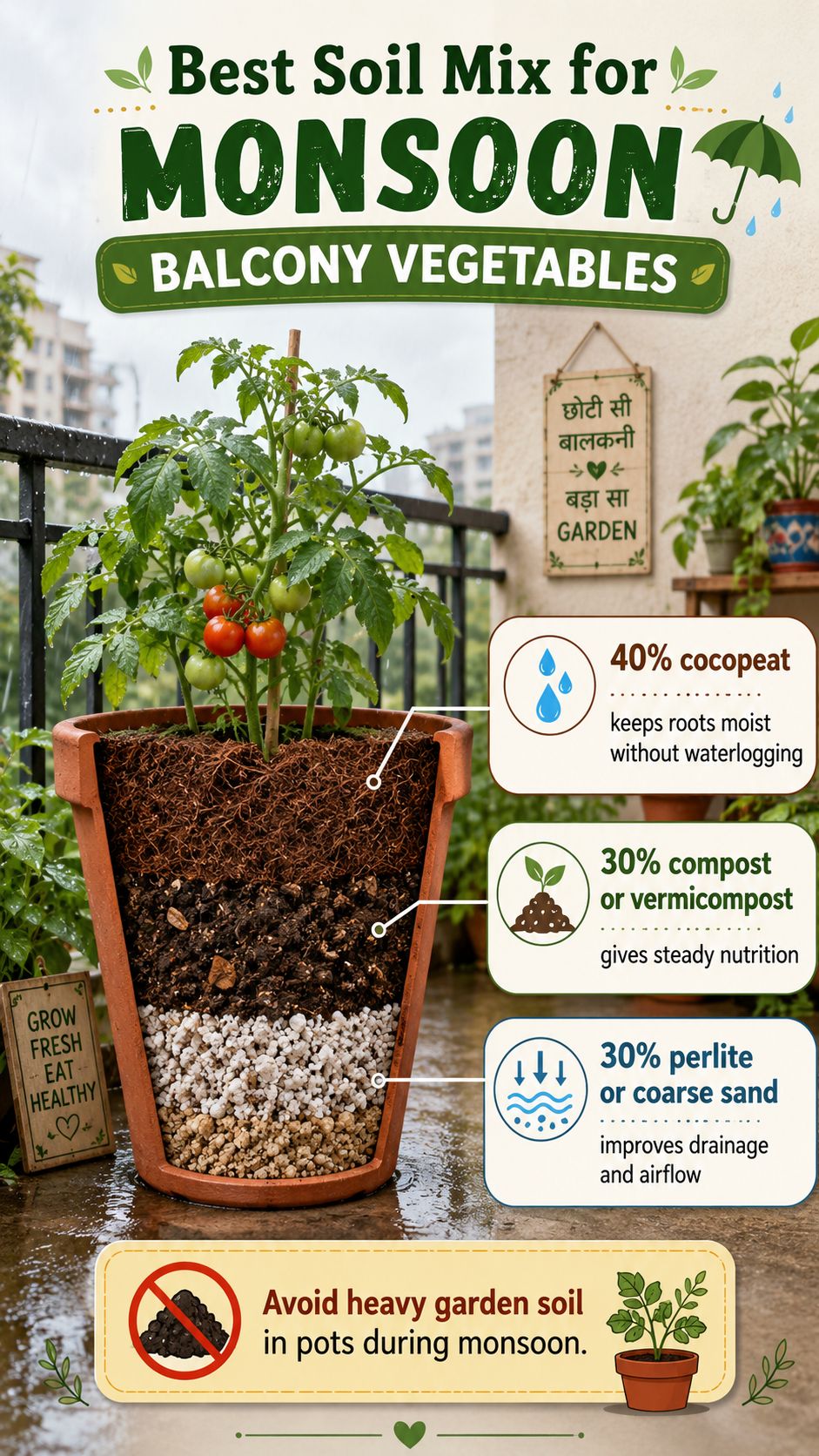
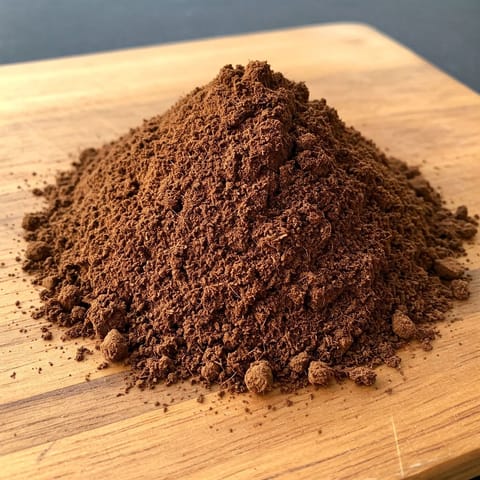
Regular garden soil or black nursery soil is too heavy for pots. Water doesn't drain through it. Roots cannot get air. This single issue causes more failures than anything else.
A mix that works in Indian monsoon conditions:
- 40% cocopeat (keeps roots moist without waterlogging)
- 30% compost or vermicompost (provides steady nutrition)
- 30% perlite or coarse sand (improves drainage and airflow)
The Right Soil for Monsoon Container Gardening
If you'd rather not mix, Urvann's Grow Pure Soil Potting Mix is formulated for exactly this, container growing in Indian urban conditions.
Shop Potting Mix on UrvannHow To Feed Your Plants During Monsoon
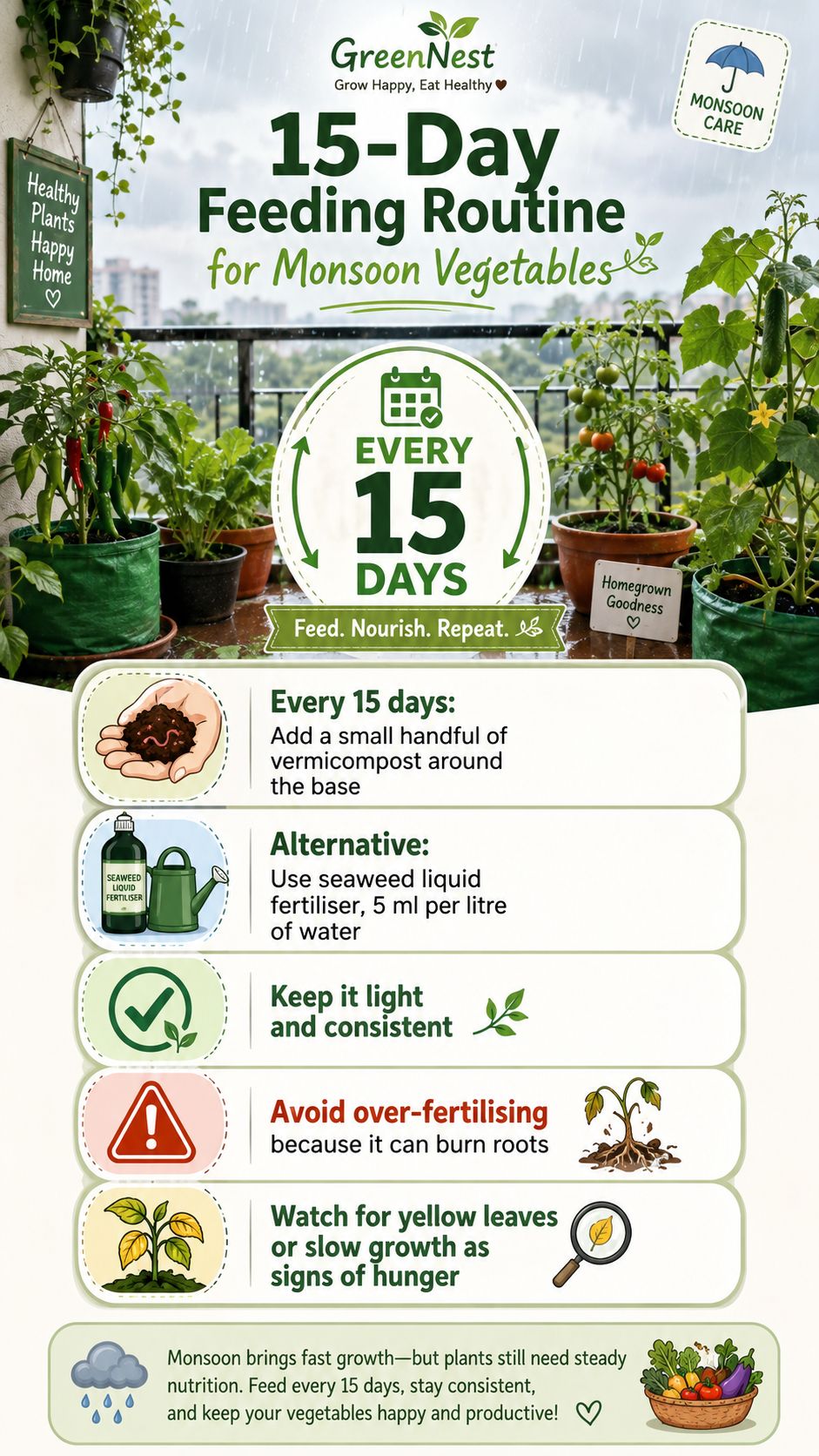
Rain washes nutrients out of the potting mix faster than in any other season. You'll notice it as yellowing leaves or slowed growth, both signs that the plant is hungry.
Every 15 days, add a small handful of vermicompost around the base of each plant. Or dilute seaweed liquid fertiliser in water (five millilitres per litre) and water the plant with it.
Keep it consistent. Keep it light. Over-fertilising burns roots and causes more damage than under-fertilising. One application every two weeks is the right rhythm for the monsoon.
How Many Plants Should You Start With?
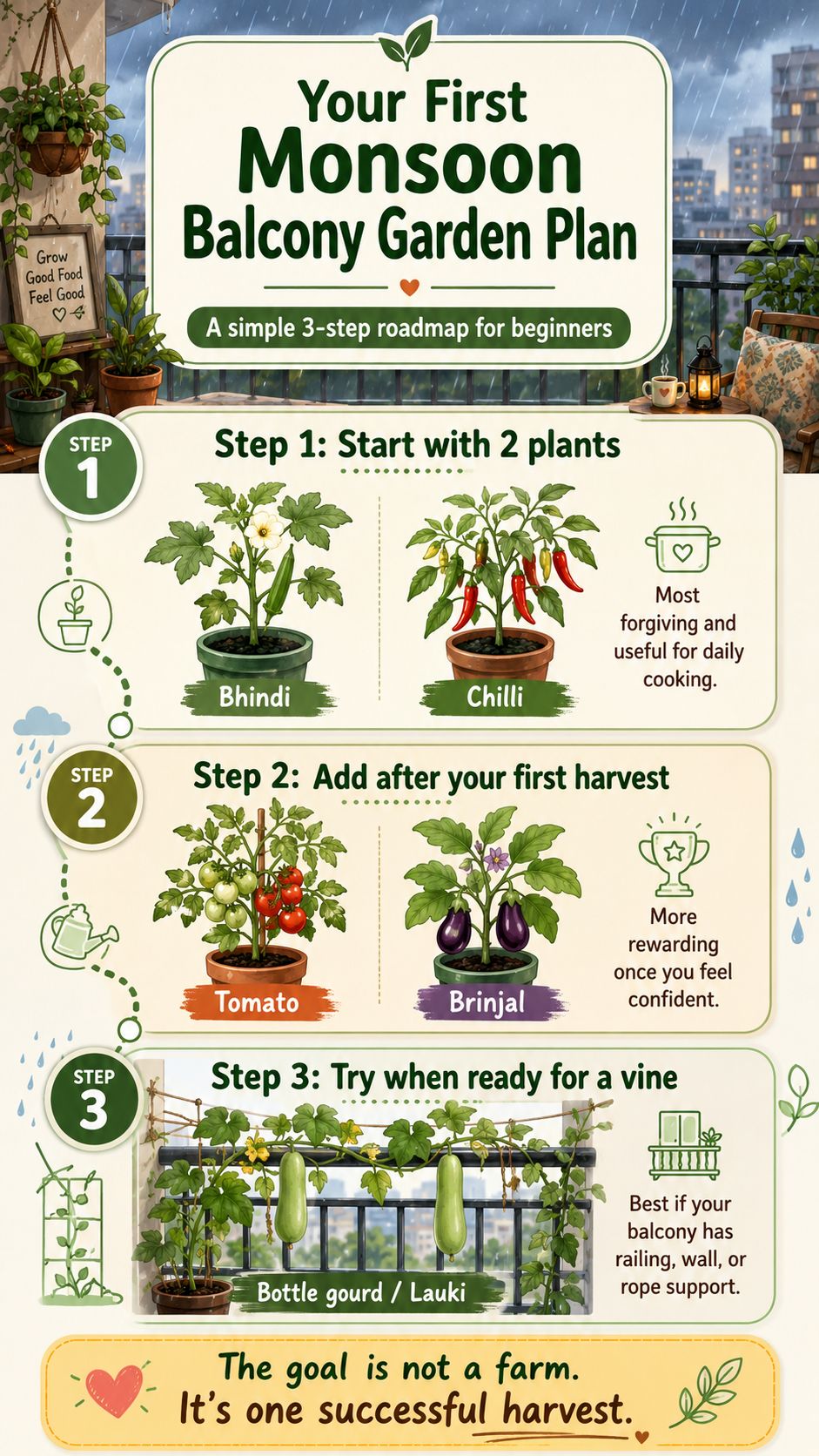
If this is your first attempt, start with bhindi and chilli. They're the most forgiving, the fastest to produce, and the most useful in Indian daily cooking.
Add tomato or brinjal once you've had one successful harvest and feel confident. Add lauki when you're ready to manage a vine.
The goal for this monsoon is not a farm. It's one harvest. One moment when you put something on the dinner table and say: I grew this.
That moment is closer than you think, and it starts with a plant that's already past the hardest stage.
Start This Monsoon, Not Next Year
The window is open right now.
The rain is coming. The humidity is right. Your balcony is ready. The only thing missing is a plant that's strong enough to survive from day one.
Urvann delivers live, hardened vegetable plants to your door across Delhi, Noida, Gurugram, Ghaziabad, Faridabad, and Bangalore.
You don't need to start from seeds. You don't need a terrace farm. You need one good pot, the right plant, and the right starting point.
Shop Vegetable Plants on UrvannFrequently Asked Questions on Vegetables To Grow At Home During Monsoon Season In India
1. Which vegetable is best for the monsoon season in India?
For beginners, bhindi (okra) is the best monsoon vegetable to start with. It handles Indian heat and humidity without needing trellises or complicated care. It produces continuously and gives you results within 50 to 60 days.
2. Can I grow vegetables in pots during the monsoon?
Yes. Most Indian kitchen vegetables, including bhindi, chilli, brinjal, tomato, and bottle gourd, grow well in containers during the monsoon. The key requirements are adequate drainage, correct pot size, and at least 5 to 6 hours of direct sunlight.
3. What vegetables can I grow on a balcony in the rainy season in India?
Bhindi, chilli, brinjal, cherry tomatoes, and bottle gourd (with railing support) all grow well on Indian urban balconies during the monsoon. For very small balconies with limited space, start with bhindi and chilli, both of which produce well in 12-inch pots.
4. Is it better to start from seeds or live plants in the monsoon?
Live plants are significantly more reliable for beginners in monsoon conditions. Seeds require four to six weeks of careful management through the fragile seedling stage, a period where high humidity, inconsistent rainfall, and temperature fluctuations cause frequent failure. Live nursery plants are already past this stage and established enough to handle monsoon conditions from day one.
5. Why do my plants die in the monsoon even when I water them?
The most common cause is waterlogging. In monsoon, pots receive significant rain, adding more water on top of that, saturating the soil and suffocating roots. Check that your drainage holes are clear. Stop watering if rain has fallen within 24 hours. Lift pots slightly on feet or bricks to allow water to flow freely from the base.
6. How much sunlight do monsoon vegetables need?
Fruiting vegetables like chilli, tomato, and bottle gourd need 6 to 8 hours of direct sunlight. Brinjal manages with 5 to 6 hours. On overcast monsoon days, plants should still receive diffused natural light; avoid placing them where a roof or overhang blocks all light.
7. When is the best time to plant vegetables for the monsoon in India?
The ideal planting window is June to mid-July in North India (Delhi, Noida, Gurugram) and June to July in South India (Bangalore). Planting during this window means your plants establish during the early monsoon and produce during the peak monsoon months of August and September.
8. Can vegetables be grown indoors during heavy rain?
Fruiting vegetables like bhindi, chilli, and tomato need direct sunlight and should stay outdoors. During exceptionally heavy rain, move pots under a semi-transparent overhang, not fully indoors. A few hours of protection during heavy downpours is fine. Full indoor placement stops growth.