

UrvannUrvann is your one-stop online nursery for plants, planters, gardening accessories, and tools. Order fresh plants and get free home delivery on the next day!https://www.urvann.com/s/6176774ef575bbd2b3331c8a/61db06dd744e78df7592f6d9/webp/final-logo-01-1-_cropped-1-480x480.png
E-176110060DelhiIN
Urvann
E-176Delhi, IN
+919599585773https://www.urvann.com/s/6176774ef575bbd2b3331c8a/61db06dd744e78df7592f6d9/webp/final-logo-01-1-_cropped-1-480x480.png"[email protected]
Wandering Jew Collection<p>Add vibrant, trailing colour to your home with Urvann's online range of Wandering Jew plants.</p> <p>Also known as Tradescantia, Inch Plant, Wandering Dude, or Spiderwort, the Wandering Jew (वांडरिंग ज्यू) is a fast-growing trailing houseplant popular in India. It is loved for its striking purple-green foliage, low-maintenance, and ability to thrive indoors year-round.</p> <p>Choose from these plants in 4&ndash;5 inch nursery pots or 6&ndash;7 inch hanging baskets. You can also opt for curated hanging combos with <a href="https://www.urvann.com/collection/turtle-vine-collection">Turtle Vine </a>and <a href="https://www.urvann.com/product/set-of-3-hanging-combo-dichondra-black-turtle-vine-and-green-black-vine-in-5-inch-hanging-plastic-pot-1">Dichondra</a> for a fuller trailing display.</p> <p>Bring home a vibrant Wandering Jew plant with easy online ordering from Urvann.</p> <div style="background: #f6eddc; border: 1px solid #e2c27b; padding: 15px 20px; border-radius: 8px; margin: 25px 0;"> <p style="margin: 0;"><strong>NOTE:</strong> Prices of the products may vary as per the location. Please check the final price based on your delivery address.</p> </div> <h2>Why 50,000+ Indian Plant Parents Buy Wandering Jew Plants from Urvann</h2> <p>⭐ Rated 4.8/5 by 12,340+ verified buyers</p> <p><strong>✓ Free Next-Day Delivery - </strong>Available on orders placed by 7 PM in Delhi-NCR and Bengaluru.<br><strong>✓ Pan India Deliveries -</strong> Delivery timelines vary by location.<br><strong>✓ Hassle-Free Replacement - </strong>2-day replacement window if the plant arrives damaged or incorrect.<br><strong>✓ Healthy, Rooted Plants - </strong>Every Wandering Jew is nursery-grown with established roots and active trailing growth at the time of dispatch.<br><strong>✓ Multiple Varieties and Formats - </strong>Nursery pots, hanging baskets, premium Evara hanging pots, and curated combo sets available.<br><strong>✓ Complete Garden Care in One Place -</strong> Along with Wandering Jew plants, shop for complete garden care products like hanging pots, fertilizers, tools, and more.</p> <h2><br>What Is the Wandering Jew Plant?</h2> <p>The Wandering Jew (Tradescantia zebrina) is a fast-growing trailing plant native to Central America. It belongs to the Commelinaceae family and is one of the most popular and easy-to-grow houseplants.</p> <p>In India, it is commonly known as Wandering Jew, Inch Plant, Spiderwort, Wandering Dude, and Wandering Zebrina. The plant is known for its attractive striped leaves, which have silvery-green patterns on the upper surface and deep purple colouring underneath.</p> <p>Tradescantia grows quickly and looks attractive throughout the year. It may also produce small pink or purple flowers under suitable conditions. Its trailing growth habit makes it a popular choice for hanging baskets, balcony planters, shelves, and indoor pots.</p> <h2><br>Types of Wandering Jew (Tradescantia) Plants</h2> <p>Tradescantia has over 70 known varieties. The most commonly available and grown types in Indian homes are:</p> <h3>Tradescantia Zebrina (Wandering Jew / Zebra Plant)</h3> <p>The most popular variety in India. Features striking zebra-like striped leaves with silvery-green tops and deep purple undersides. A fast grower that trails vigorously from hanging baskets. One of the hardiest and most adaptable Tradescantia varieties for Indian indoor conditions.</p> <h3>Tradescantia Pallida (Purple Wandering Jew / Purple Heart Plant)</h3> <p>Features deep, solid purple foliage on long, lance-shaped trailing stems. One of the most striking purple indoor plants available. Produces small pink flowers in spring and summer. Grows well both as a trailing houseplant and as outdoor ground cover.</p> <h3>Tradescantia Fluminensis</h3> <p>Has fleshy green and white variegated leaves on succulent-like stems. A fast-spreading variety often used as ground cover in shaded garden areas. Produces small white three-petalled flowers.</p> <h3>Tradescantia Sillamontana</h3> <p>Compact variety with leaves covered in white fuzzy hair, giving it a silvery appearance. Produces magenta flowers in season. Well suited to bright, dry indoor conditions.</p> <h2><br>Wandering Jew Plant Benefits</h2> <h3>Extremely Low Maintenance</h3> <p>The Wandering Jew is one of the easiest houseplants to grow in Indian conditions. It can tolerate occasional missed waterings and adapts well to different light levels. The plant also recovers quickly from minor neglect, making it a great choice for beginners and busy plant owners.</p> <h3>Fast-Growing and Full-Looking</h3> <p>Tradescantia grows quickly and produces long trailing stems. Under the right conditions, it can fill a hanging basket or pot within a few weeks. Its dense growth creates a lush and attractive display with minimal effort.</p> <h3>Year-Round Colourful Foliage</h3> <p>The Wandering Jew is valued for its colourful leaves. The purple, silver, and green variegation remains attractive throughout the year. Unlike many flowering plants, its main appeal comes from its foliage rather than seasonal blooms.</p> <h3>Easy to Propagate and Share</h3> <p>Tradescantia is one of the easiest plants to propagate. A stem cutting with a leaf node can root in water within a few days. Because of this, gardeners have traditionally shared cuttings with friends and family, making it a popular plant for swapping and gifting.</p> <h3>Suitable for Hanging Baskets, Pots, and Ground Cover</h3> <p>The Wandering Jew is a versatile plant that grows well in many settings. It can trail beautifully from hanging baskets, spill over the edges of pots and shelves, or be used as colourful ground cover in shaded garden areas. It also pairs well with other trailing plants in mixed planters and hanging arrangements.</p> <h2><br>Wandering Jew Plant Care Guide</h2> <h3>Light</h3> <p>Wandering Jew plants grow best in bright indirect light for 6 to 7 hours daily. An east-facing or south-facing window, balcony, or terrace is ideal. The plant can tolerate lower light levels, but growth may slow, and the leaf colours may become less vibrant. Avoid strong afternoon sunlight, as it can scorch the leaves.</p> <h3>Watering</h3> <p>Keep the soil evenly moist but not waterlogged. Water the plant when the top layer of soil feels dry. Do not allow the soil to dry out completely between waterings.</p> <p>During summer, watering every 2 to 3 days may be necessary. During winter, watering once a week is often enough. If the soil becomes very dry, water gradually in small amounts to help it absorb moisture properly.</p> <h3>Soil</h3> <p>Tradescantia grows well in a light, well-draining potting mix. A combination of potting soil, cocopeat, and perlite or sand works well. Good drainage is important to prevent root rot, so always use pots with drainage holes.</p> <h3>Fertilizing</h3> <p>Wandering Jew plants do not require heavy feeding. Apply a balanced liquid fertilizer every 2 to 4 weeks during the growing season in spring and summer. Regular feeding helps maintain healthy growth and vibrant foliage. Avoid over-fertilizing, as it can lead to weak, leggy growth.<br>Humidity<br>Tradescantia prefers moderate humidity levels. In dry indoor environments, especially during winter or in air-conditioned rooms, mist the plant occasionally or place it near a pebble tray filled with water. Brown leaf edges can be a sign of low humidity.</p> <h3>Pruning</h3> <p>Regular pruning helps keep the plant compact and bushy. Without pruning, stems may become long and sparse. Pinch the growing tips regularly to encourage branching and fuller growth.</p> <p>Use clean scissors or pruning shears when trimming. Remove yellow or damaged leaves as needed to keep the plant looking healthy.</p> <h3>Repotting</h3> <p>Repot the plant every 1 to 2 years, or when it becomes root-bound. Signs include roots growing out of drainage holes or appearing on the soil surface. Move the plant to a slightly larger pot with fresh potting mix to support continued growth.</p> <h2><br>How to Propagate Wandering Jew Plants</h2> <p>Tradescantia is one of the easiest plants to propagate at home and is an excellent starting point for first-time propagators.</p> <h3>Water Propagation:</h3> <ul> <li>Take a stem cutting of 4 to 5 cm with at least one leaf node.</li> <li>Remove any leaves that would sit below the waterline.</li> <li>Place the cutting in a glass of water in a warm, bright location.</li> <li>Roots emerge within 5 to 7 days.</li> <li>Transfer to potting mix once roots are 2 to 3 cm long.</li> </ul> <h3>Soil Propagation:</h3> <ul> <li>Take a slightly longer cutting (5 to 7 cm) with 2 to 3 leaf nodes.</li> <li>Remove lower leaves.</li> <li>Insert directly into moist potting mix and keep consistently moist.</li> <li>Roots establish within 10 to 14 days.</li> </ul> <p>Multiple cuttings planted in the same pot create a fuller, more lush display from the start.</p> <h2><br>Common Problems and Solutions</h2> <h3>Fading or Green Leaves (Loss of Purple Variegation)</h3> <ul> <li><strong>Cause:</strong> Insufficient light. The purple pigmentation in Tradescantia requires adequate light to remain vibrant.</li> <li><strong>Solution:</strong> Move the plant to a brighter location with more indirect light. Colour usually returns within 2 to 3 weeks.</li> </ul> <h3>Leggy, Bare Stems</h3> <p><strong>Cause:</strong> Insufficient light or lack of pruning.<br><strong>Solution:</strong> Prune back leggy stems to encourage new branching. Increase light exposure. Pinch back growing tips regularly to maintain a full, compact shape.</p> <h3>Root Rot and Yellowing Leaves</h3> <p><strong>Cause:</strong> Overwatering or poor drainage.<br><strong>Solution:</strong> Allow the top layer of soil to dry before the next watering. Ensure the pot has adequate drainage holes and that the saucer is emptied after watering.</p> <h3>Aphids and Spider Mites</h3> <p><strong>Cause: </strong>Common pests, particularly in dry or dusty indoor conditions.<br><strong>Solution:</strong> Spray the plant with a diluted neem oil solution. In heavy infestations, prune away the most affected stems before treating.</p> <h3>Brown Leaf Edges</h3> <p><strong>Cause: </strong>Low humidity or underwatering.<br><strong>Solution:</strong> Mist the plant regularly, place it on a pebble humidity tray, or move it away from direct air conditioning vents.</p> <h2><br>Buy Wandering Jew Plants Online From Urvann</h2> <p>Get healthy, well-rooted Wandering Jew (Tradescantia) plants delivered fresh to your doorstep.</p> <p>Choose from individual plants in nursery pots or upgrade to hanging combo sets with Turtle Vine and Dichondra for a ready-made trailing display.</p> <p>Enjoy free next-day delivery on orders placed before 7 PM in Delhi-NCR and Bengaluru. Pan India delivery is also available.</p> <h2><br>Frequently Asked Questions (FAQs)</h2> <h3>1. What is the Wandering Jew plant?</h3> <p>It is a fast-growing trailing plant known for its striped leaves with silvery-green and purple colouring. It is also called Inch Plant, Spiderwort, Wandering Dude, and Wandering Zebrina. It is one of the most popular low-maintenance indoor plants.</p> <h3>2. Is it an indoor or outdoor plant?</h3> <p>Wandering Jew can be grown both indoors and outdoors. Indoors, it grows best near a bright window with indirect light. Outdoors, it does well in partial shade on balconies, terraces, and shaded garden areas.</p> <h3>3. Does this plant need full sun or shade?</h3> <p>It prefers bright indirect light. Around 6 to 7 hours of indirect light daily is ideal. Strong direct sunlight can damage the leaves, while too little light can reduce leaf colour and cause leggy growth.</p> <h3>4. What is the purple Wandering Jew plant?</h3> <p>The purple Wandering Jew is Tradescantia pallida, also known as the Purple Heart Plant. It has deep purple foliage and produces small pink flowers during the growing season.</p> <h3>5. How fast does an Inch plant grow?</h3> <p>Inch plant is a fast-growing plant. In suitable conditions, it can quickly produce long trailing stems and fill a pot or hanging basket within a few weeks.</p> <h3>6. What is the lifespan of a Wandering Jew plant?</h3> <p>Tradescantia is a perennial plant that can live for many years with proper care. Regular pruning and occasional propagation help keep the plant healthy and attractive.</p> <h3>7. What are the benefits of keeping an Inch plant at home?</h3> <p>This plant is easy to care for, grows quickly, and provides colourful foliage throughout the year. It is suitable for hanging baskets, indoor pots, and balcony planters. It also helps create a fresher and more attractive indoor environment.</p> <h3>8. How do I keep my Inch plant bushy?</h3> <p>Pinch the growing tips regularly to encourage branching. Without pruning, the plant may become leggy. Planting multiple cuttings in the same pot can also create a fuller appearance.</p> <h3>9. Is the Inch plant easy to propagate?</h3> <p>Yes. It is one of the easiest plants to propagate. Take a stem cutting with at least one leaf node and place it in water or moist soil. Roots usually develop within 5 to 14 days.</p>

Shop

Wandering Jew Collection

Add vibrant, trailing colour to your home with Urvann's online range of Wandering Jew plants.

<...
Add vibrant, trailing colour to your home with Urvann's online range of Wandering Jew plants.

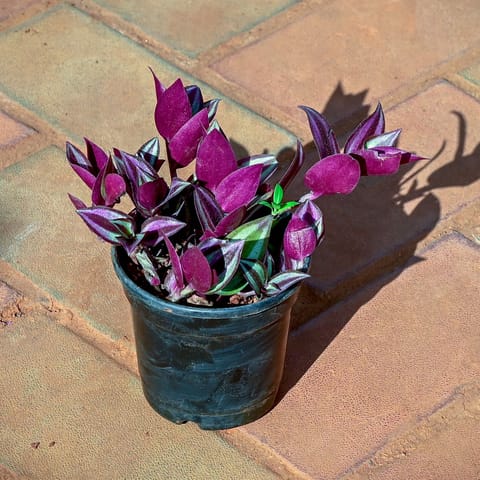
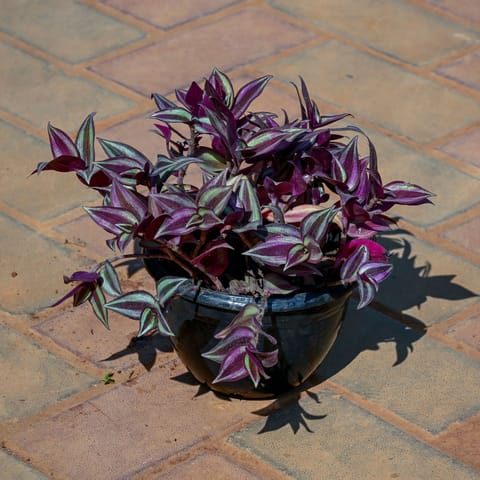
Also known as Tradescantia, Inch Plant, Wandering Dude, or Spiderwort, the Wandering Jew (वांडरिंग ज्यू) is a fast-growing trailing houseplant popular in India. It is loved for its striking purple-green foliage, low-maintenance, and ability to thrive indoors year-round.

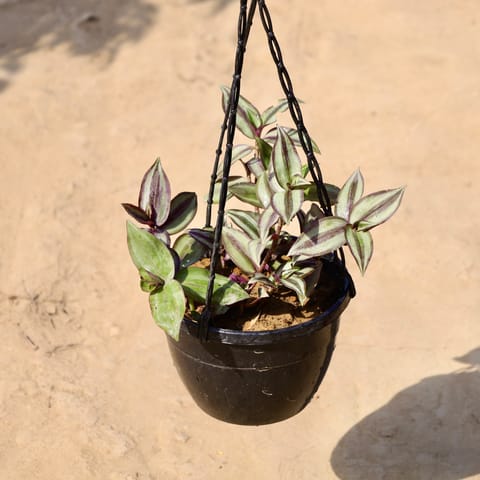
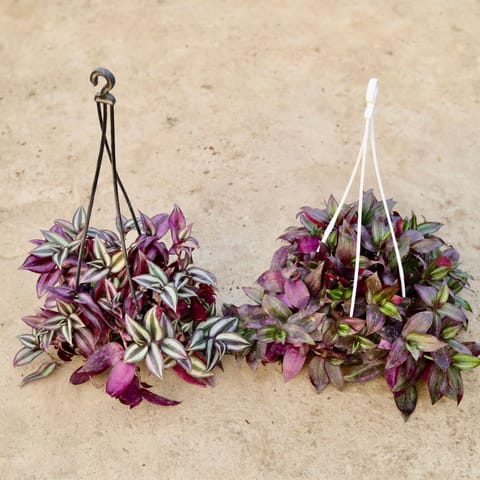
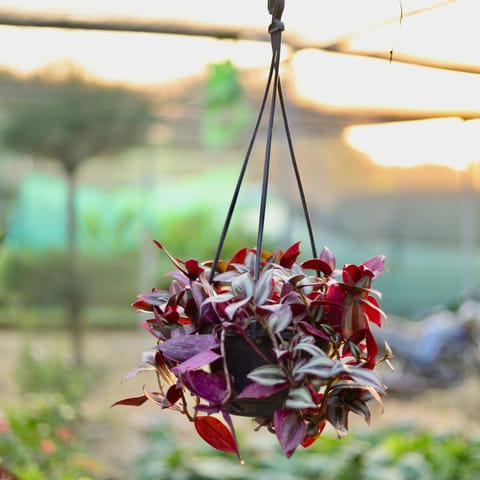
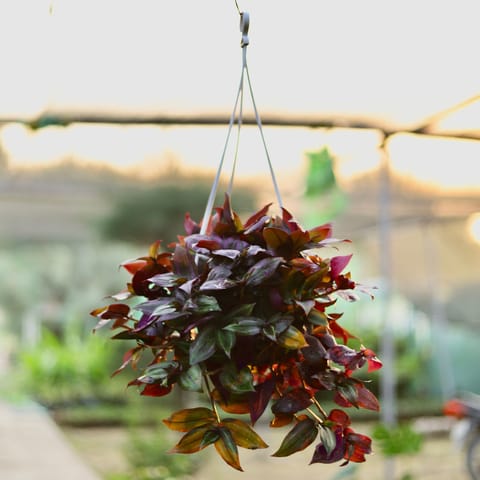
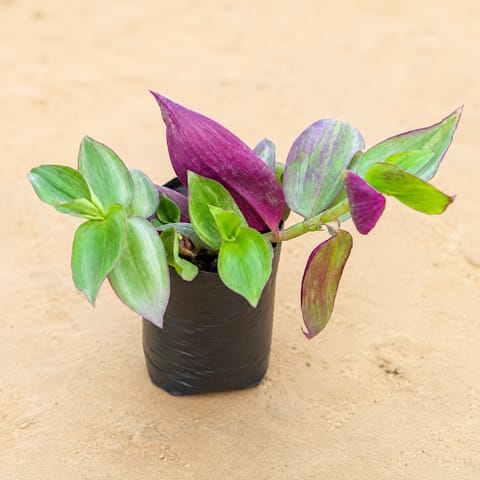
Choose from these plants in 4–5 inch nursery pots or 6–7 inch hanging baskets. You can also opt for curated hanging combos with Turtle Vine and Dichondra for a fuller trailing display.

Bring home a vibrant Wandering Jew plant with easy online ordering from Urvann.

NOTE: Prices of the products may vary as per the location. Please check the final price based on your delivery address.

Why 50,000+ Indian Plant Parents Buy Wandering Jew Plants from Urvann

⭐ Rated 4.8/5 by 12,340+ verified buyers

✓ Free Next-Day Delivery - Available on orders placed by 7 PM in Delhi-NCR and Bengaluru.
✓ Pan India Deliveries - Delivery timelines vary by location.
✓ Hassle-Free Replacement - 2-day replacement window if the plant arrives damaged or incorrect.
✓ Healthy, Rooted Plants - Every Wandering Jew is nursery-grown with established roots and active trailing growth at the time of dispatch.
✓ Multiple Varieties and Formats - Nursery pots, hanging baskets, premium Evara hanging pots, and curated combo sets available.
✓ Complete Garden Care in One Place - Along with Wandering Jew plants, shop for complete garden care products like hanging pots, fertilizers, tools, and more.


What Is the Wandering Jew Plant?

The Wandering Jew (Tradescantia zebrina) is a fast-growing trailing plant native to Central America. It belongs to the Commelinaceae family and is one of the most popular and easy-to-grow houseplants.

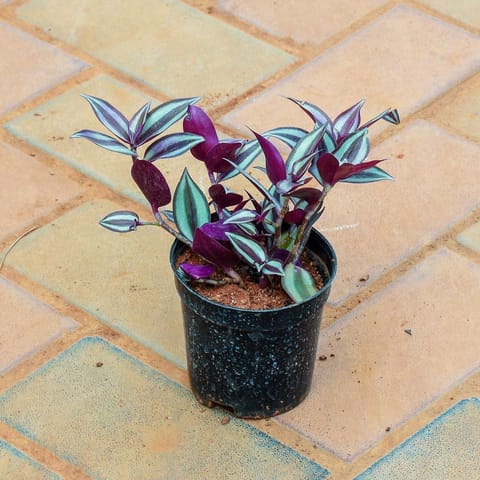
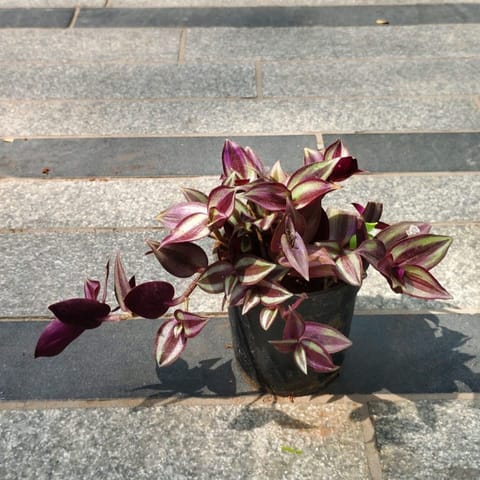
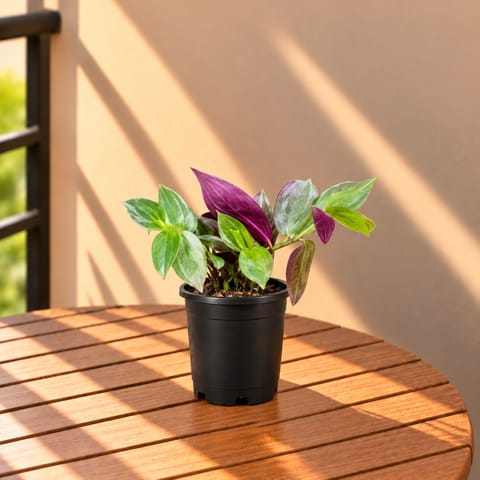
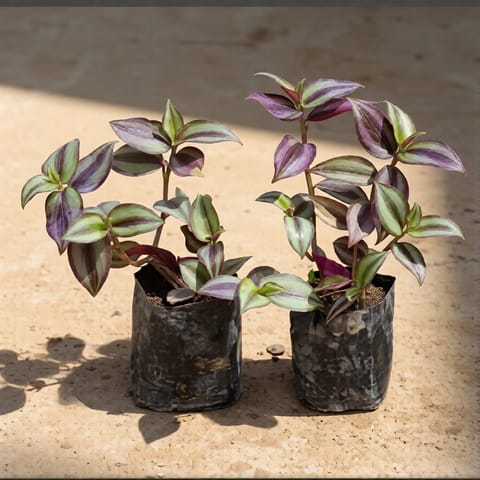
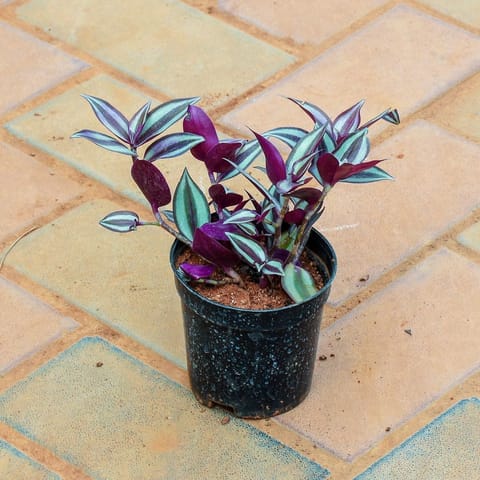
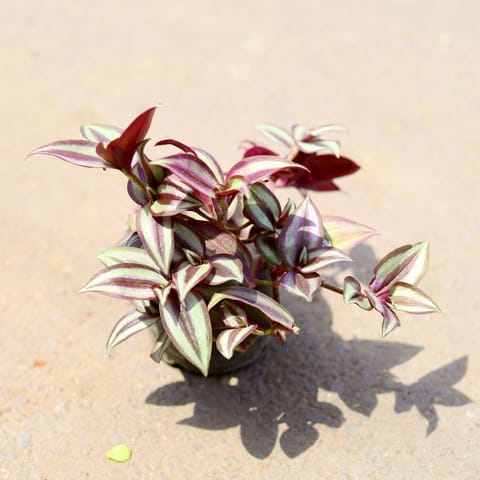
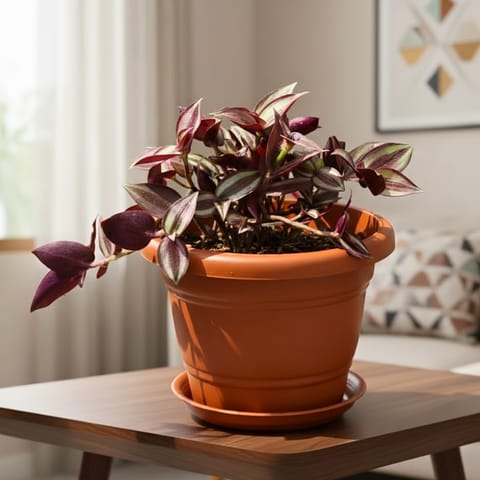
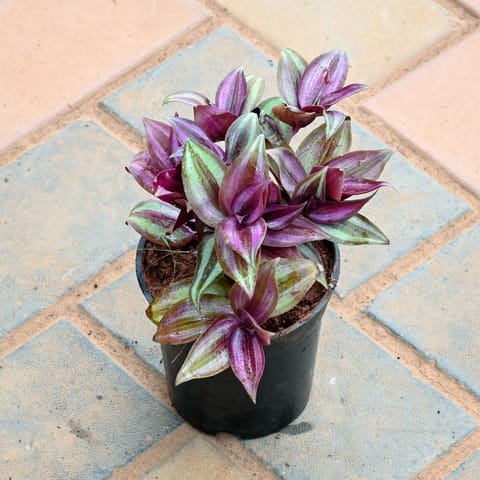
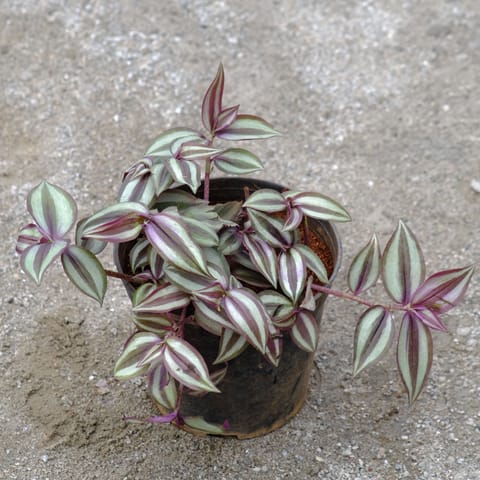
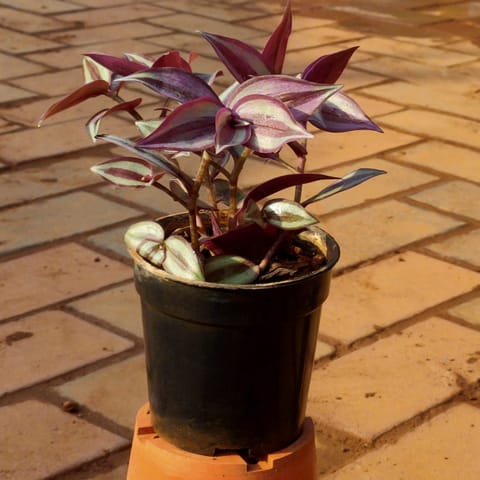
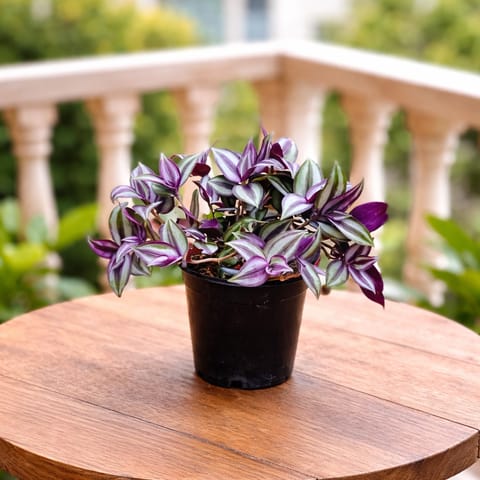
In India, it is commonly known as Wandering Jew, Inch Plant, Spiderwort, Wandering Dude, and Wandering Zebrina. The plant is known for its attractive striped leaves, which have silvery-green patterns on the upper surface and deep purple colouring underneath.

Tradescantia grows quickly and looks attractive throughout the year. It may also produce small pink or purple flowers under suitable conditions. Its trailing growth habit makes it a popular choice for hanging baskets, balcony planters, shelves, and indoor pots.


Types of Wandering Jew (Tradescantia) Plants

Tradescantia has over 70 known varieties. The most commonly available and grown types in Indian homes are:

Tradescantia Zebrina (Wandering Jew / Zebra Plant)

The most popular variety in India. Features striking zebra-like striped leaves with silvery-green tops and deep purple undersides. A fast grower that trails vigorously from hanging baskets. One of the hardiest and most adaptable Tradescantia varieties for Indian indoor conditions.

Tradescantia Pallida (Purple Wandering Jew / Purple Heart Plant)

Features deep, solid purple foliage on long, lance-shaped trailing stems. One of the most striking purple indoor plants available. Produces small pink flowers in spring and summer. Grows well both as a trailing houseplant and as outdoor ground cover.

Tradescantia Fluminensis

Has fleshy green and white variegated leaves on succulent-like stems. A fast-spreading variety often used as ground cover in shaded garden areas. Produces small white three-petalled flowers.

Tradescantia Sillamontana

Compact variety with leaves covered in white fuzzy hair, giving it a silvery appearance. Produces magenta flowers in season. Well suited to bright, dry indoor conditions.


Wandering Jew Plant Benefits

Extremely Low Maintenance

The Wandering Jew is one of the easiest houseplants to grow in Indian conditions. It can tolerate occasional missed waterings and adapts well to different light levels. The plant also recovers quickly from minor neglect, making it a great choice for beginners and busy plant owners.

Fast-Growing and Full-Looking

Tradescantia grows quickly and produces long trailing stems. Under the right conditions, it can fill a hanging basket or pot within a few weeks. Its dense growth creates a lush and attractive display with minimal effort.

Year-Round Colourful Foliage

The Wandering Jew is valued for its colourful leaves. The purple, silver, and green variegation remains attractive throughout the year. Unlike many flowering plants, its main appeal comes from its foliage rather than seasonal blooms.

Easy to Propagate and Share

Tradescantia is one of the easiest plants to propagate. A stem cutting with a leaf node can root in water within a few days. Because of this, gardeners have traditionally shared cuttings with friends and family, making it a popular plant for swapping and gifting.

Suitable for Hanging Baskets, Pots, and Ground Cover

The Wandering Jew is a versatile plant that grows well in many settings. It can trail beautifully from hanging baskets, spill over the edges of pots and shelves, or be used as colourful ground cover in shaded garden areas. It also pairs well with other trailing plants in mixed planters and hanging arrangements.


Wandering Jew Plant Care Guide

Light

Wandering Jew plants grow best in bright indirect light for 6 to 7 hours daily. An east-facing or south-facing window, balcony, or terrace is ideal. The plant can tolerate lower light levels, but growth may slow, and the leaf colours may become less vibrant. Avoid strong afternoon sunlight, as it can scorch the leaves.

Watering

Keep the soil evenly moist but not waterlogged. Water the plant when the top layer of soil feels dry. Do not allow the soil to dry out completely between waterings.

During summer, watering every 2 to 3 days may be necessary. During winter, watering once a week is often enough. If the soil becomes very dry, water gradually in small amounts to help it absorb moisture properly.

Soil

Tradescantia grows well in a light, well-draining potting mix. A combination of potting soil, cocopeat, and perlite or sand works well. Good drainage is important to prevent root rot, so always use pots with drainage holes.

Fertilizing

Wandering Jew plants do not require heavy feeding. Apply a balanced liquid fertilizer every 2 to 4 weeks during the growing season in spring and summer. Regular feeding helps maintain healthy growth and vibrant foliage. Avoid over-fertilizing, as it can lead to weak, leggy growth.
Humidity
Tradescantia prefers moderate humidity levels. In dry indoor environments, especially during winter or in air-conditioned rooms, mist the plant occasionally or place it near a pebble tray filled with water. Brown leaf edges can be a sign of low humidity.

Pruning

Regular pruning helps keep the plant compact and bushy. Without pruning, stems may become long and sparse. Pinch the growing tips regularly to encourage branching and fuller growth.

Use clean scissors or pruning shears when trimming. Remove yellow or damaged leaves as needed to keep the plant looking healthy.

Repotting

Repot the plant every 1 to 2 years, or when it becomes root-bound. Signs include roots growing out of drainage holes or appearing on the soil surface. Move the plant to a slightly larger pot with fresh potting mix to support continued growth.


How to Propagate Wandering Jew Plants

Tradescantia is one of the easiest plants to propagate at home and is an excellent starting point for first-time propagators.

Water Propagation:

  • Take a stem cutting of 4 to 5 cm with at least one leaf node.
  • Remove any leaves that would sit below the waterline.
  • Place the cutting in a glass of water in a warm, bright location.
  • Roots emerge within 5 to 7 days.
  • Transfer to potting mix once roots are 2 to 3 cm long.

Soil Propagation:

  • Take a slightly longer cutting (5 to 7 cm) with 2 to 3 leaf nodes.
  • Remove lower leaves.
  • Insert directly into moist potting mix and keep consistently moist.
  • Roots establish within 10 to 14 days.

Multiple cuttings planted in the same pot create a fuller, more lush display from the start.


Common Problems and Solutions

Fading or Green Leaves (Loss of Purple Variegation)

  • Cause: Insufficient light. The purple pigmentation in Tradescantia requires adequate light to remain vibrant.
  • Solution: Move the plant to a brighter location with more indirect light. Colour usually returns within 2 to 3 weeks.

Leggy, Bare Stems

Cause: Insufficient light or lack of pruning.
Solution: Prune back leggy stems to encourage new branching. Increase light exposure. Pinch back growing tips regularly to maintain a full, compact shape.

Root Rot and Yellowing Leaves

Cause: Overwatering or poor drainage.
Solution: Allow the top layer of soil to dry before the next watering. Ensure the pot has adequate drainage holes and that the saucer is emptied after watering.

Aphids and Spider Mites

Cause: Common pests, particularly in dry or dusty indoor conditions.
Solution: Spray the plant with a diluted neem oil solution. In heavy infestations, prune away the most affected stems before treating.

Brown Leaf Edges

Cause: Low humidity or underwatering.
Solution: Mist the plant regularly, place it on a pebble humidity tray, or move it away from direct air conditioning vents.


Buy Wandering Jew Plants Online From Urvann

Get healthy, well-rooted Wandering Jew (Tradescantia) plants delivered fresh to your doorstep.

Choose from individual plants in nursery pots or upgrade to hanging combo sets with Turtle Vine and Dichondra for a ready-made trailing display.

Enjoy free next-day delivery on orders placed before 7 PM in Delhi-NCR and Bengaluru. Pan India delivery is also available.


Frequently Asked Questions (FAQs)

1. What is the Wandering Jew plant?

It is a fast-growing trailing plant known for its striped leaves with silvery-green and purple colouring. It is also called Inch Plant, Spiderwort, Wandering Dude, and Wandering Zebrina. It is one of the most popular low-maintenance indoor plants.

2. Is it an indoor or outdoor plant?

Wandering Jew can be grown both indoors and outdoors. Indoors, it grows best near a bright window with indirect light. Outdoors, it does well in partial shade on balconies, terraces, and shaded garden areas.

3. Does this plant need full sun or shade?

It prefers bright indirect light. Around 6 to 7 hours of indirect light daily is ideal. Strong direct sunlight can damage the leaves, while too little light can reduce leaf colour and cause leggy growth.

4. What is the purple Wandering Jew plant?

The purple Wandering Jew is Tradescantia pallida, also known as the Purple Heart Plant. It has deep purple foliage and produces small pink flowers during the growing season.

5. How fast does an Inch plant grow?

Inch plant is a fast-growing plant. In suitable conditions, it can quickly produce long trailing stems and fill a pot or hanging basket within a few weeks.

6. What is the lifespan of a Wandering Jew plant?

Tradescantia is a perennial plant that can live for many years with proper care. Regular pruning and occasional propagation help keep the plant healthy and attractive.

7. What are the benefits of keeping an Inch plant at home?

This plant is easy to care for, grows quickly, and provides colourful foliage throughout the year. It is suitable for hanging baskets, indoor pots, and balcony planters. It also helps create a fresher and more attractive indoor environment.

8. How do I keep my Inch plant bushy?

Pinch the growing tips regularly to encourage branching. Without pruning, the plant may become leggy. Planting multiple cuttings in the same pot can also create a fuller appearance.

9. Is the Inch plant easy to propagate?

Yes. It is one of the easiest plants to propagate. Take a stem cutting with at least one leaf node and place it in water or moist soil. Roots usually develop within 5 to 14 days.


Showing 24 of 52 products
Today's Deal
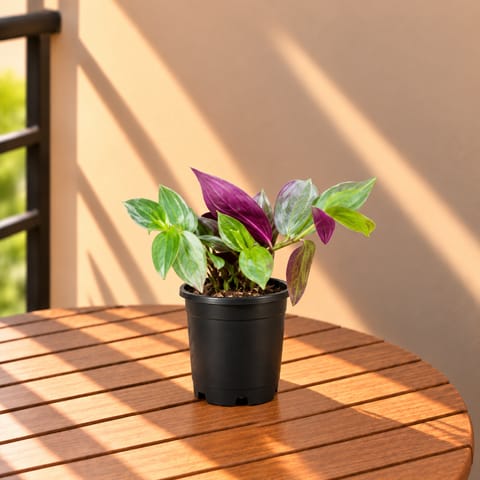
Wandering Jew in 4 Inch Nursery Pot
Price Drop
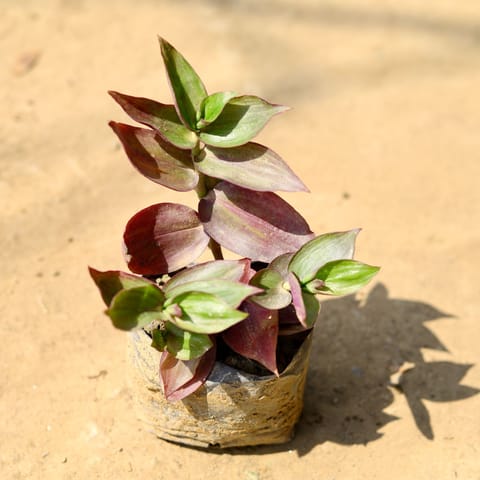
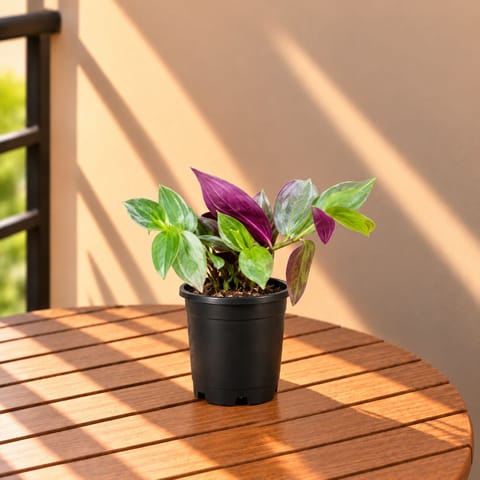
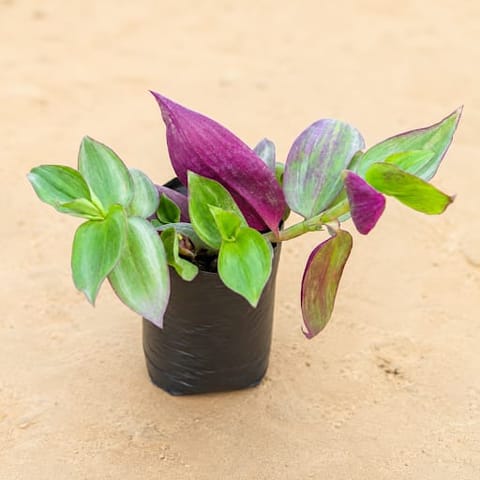
Wandering Jew in 4 Inch Nursery Bag
Price Drop
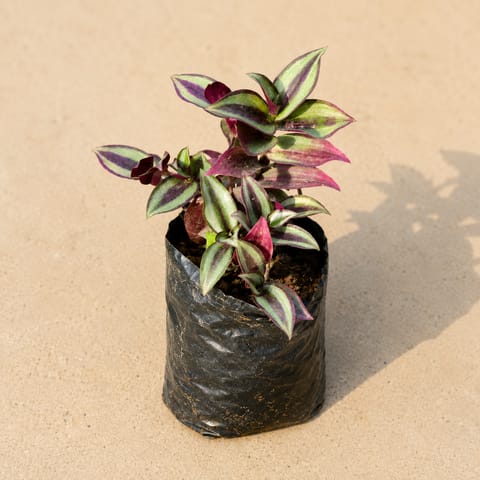
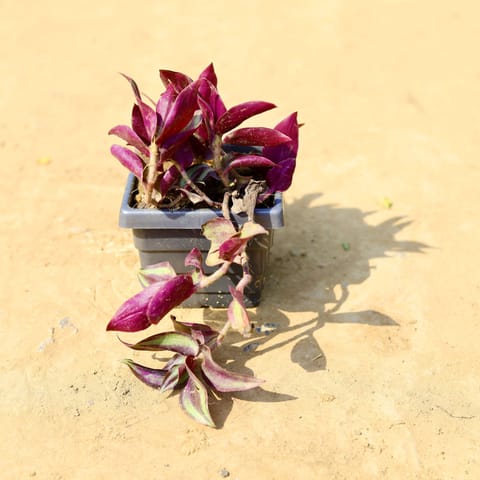
Wandering Jew in 5 Inch Nursery Pot

Add vibrant, trailing colour to your home with Urvann's online range of Wandering Jew plants.

Also known as Tradescantia, Inch Plant, Wandering Dude, or Spiderwort, the Wandering Jew (वांडरिंग ज्यू) is a fast-growing trailing houseplant popular in India. It is loved for its striking purple-green foliage, low-maintenance, and ability to thrive indoors year-round.

Choose from these plants in 4–5 inch nursery pots or 6–7 inch hanging baskets. You can also opt for curated hanging combos with Turtle Vine and Dichondra for a fuller trailing display.

Bring home a vibrant Wandering Jew plant with easy online ordering from Urvann.

NOTE: Prices of the products may vary as per the location. Please check the final price based on your delivery address.

Why 50,000+ Indian Plant Parents Buy Wandering Jew Plants from Urvann

⭐ Rated 4.8/5 by 12,340+ verified buyers

✓ Free Next-Day Delivery - Available on orders placed by 7 PM in Delhi-NCR and Bengaluru.
✓ Pan India Deliveries - Delivery timelines vary by location.
✓ Hassle-Free Replacement - 2-day replacement window if the plant arrives damaged or incorrect.
✓ Healthy, Rooted Plants - Every Wandering Jew is nursery-grown with established roots and active trailing growth at the time of dispatch.
✓ Multiple Varieties and Formats - Nursery pots, hanging baskets, premium Evara hanging pots, and curated combo sets available.
✓ Complete Garden Care in One Place - Along with Wandering Jew plants, shop for complete garden care products like hanging pots, fertilizers, tools, and more.


What Is the Wandering Jew Plant?

The Wandering Jew (Tradescantia zebrina) is a fast-growing trailing plant native to Central America. It belongs to the Commelinaceae family and is one of the most popular and easy-to-grow houseplants.

In India, it is commonly known as Wandering Jew, Inch Plant, Spiderwort, Wandering Dude, and Wandering Zebrina. The plant is known for its attractive striped leaves, which have silvery-green patterns on the upper surface and deep purple colouring underneath.

Tradescantia grows quickly and looks attractive throughout the year. It may also produce small pink or purple flowers under suitable conditions. Its trailing growth habit makes it a popular choice for hanging baskets, balcony planters, shelves, and indoor pots.


Types of Wandering Jew (Tradescantia) Plants

Tradescantia has over 70 known varieties. The most commonly available and grown types in Indian homes are:

Tradescantia Zebrina (Wandering Jew / Zebra Plant)

The most popular variety in India. Features striking zebra-like striped leaves with silvery-green tops and deep purple undersides. A fast grower that trails vigorously from hanging baskets. One of the hardiest and most adaptable Tradescantia varieties for Indian indoor conditions.

Tradescantia Pallida (Purple Wandering Jew / Purple Heart Plant)

Features deep, solid purple foliage on long, lance-shaped trailing stems. One of the most striking purple indoor plants available. Produces small pink flowers in spring and summer. Grows well both as a trailing houseplant and as outdoor ground cover.

Tradescantia Fluminensis

Has fleshy green and white variegated leaves on succulent-like stems. A fast-spreading variety often used as ground cover in shaded garden areas. Produces small white three-petalled flowers.

Tradescantia Sillamontana

Compact variety with leaves covered in white fuzzy hair, giving it a silvery appearance. Produces magenta flowers in season. Well suited to bright, dry indoor conditions.


Wandering Jew Plant Benefits

Extremely Low Maintenance

The Wandering Jew is one of the easiest houseplants to grow in Indian conditions. It can tolerate occasional missed waterings and adapts well to different light levels. The plant also recovers quickly from minor neglect, making it a great choice for beginners and busy plant owners.

Fast-Growing and Full-Looking

Tradescantia grows quickly and produces long trailing stems. Under the right conditions, it can fill a hanging basket or pot within a few weeks. Its dense growth creates a lush and attractive display with minimal effort.

Year-Round Colourful Foliage

The Wandering Jew is valued for its colourful leaves. The purple, silver, and green variegation remains attractive throughout the year. Unlike many flowering plants, its main appeal comes from its foliage rather than seasonal blooms.

Easy to Propagate and Share

Tradescantia is one of the easiest plants to propagate. A stem cutting with a leaf node can root in water within a few days. Because of this, gardeners have traditionally shared cuttings with friends and family, making it a popular plant for swapping and gifting.

Suitable for Hanging Baskets, Pots, and Ground Cover

The Wandering Jew is a versatile plant that grows well in many settings. It can trail beautifully from hanging baskets, spill over the edges of pots and shelves, or be used as colourful ground cover in shaded garden areas. It also pairs well with other trailing plants in mixed planters and hanging arrangements.


Wandering Jew Plant Care Guide

Light

Wandering Jew plants grow best in bright indirect light for 6 to 7 hours daily. An east-facing or south-facing window, balcony, or terrace is ideal. The plant can tolerate lower light levels, but growth may slow, and the leaf colours may become less vibrant. Avoid strong afternoon sunlight, as it can scorch the leaves.

Watering

Keep the soil evenly moist but not waterlogged. Water the plant when the top layer of soil feels dry. Do not allow the soil to dry out completely between waterings.

During summer, watering every 2 to 3 days may be necessary. During winter, watering once a week is often enough. If the soil becomes very dry, water gradually in small amounts to help it absorb moisture properly.

Soil

Tradescantia grows well in a light, well-draining potting mix. A combination of potting soil, cocopeat, and perlite or sand works well. Good drainage is important to prevent root rot, so always use pots with drainage holes.

Fertilizing

Wandering Jew plants do not require heavy feeding. Apply a balanced liquid fertilizer every 2 to 4 weeks during the growing season in spring and summer. Regular feeding helps maintain healthy growth and vibrant foliage. Avoid over-fertilizing, as it can lead to weak, leggy growth.
Humidity
Tradescantia prefers moderate humidity levels. In dry indoor environments, especially during winter or in air-conditioned rooms, mist the plant occasionally or place it near a pebble tray filled with water. Brown leaf edges can be a sign of low humidity.

Pruning

Regular pruning helps keep the plant compact and bushy. Without pruning, stems may become long and sparse. Pinch the growing tips regularly to encourage branching and fuller growth.

Use clean scissors or pruning shears when trimming. Remove yellow or damaged leaves as needed to keep the plant looking healthy.

Repotting

Repot the plant every 1 to 2 years, or when it becomes root-bound. Signs include roots growing out of drainage holes or appearing on the soil surface. Move the plant to a slightly larger pot with fresh potting mix to support continued growth.


How to Propagate Wandering Jew Plants

Tradescantia is one of the easiest plants to propagate at home and is an excellent starting point for first-time propagators.

Water Propagation:

  • Take a stem cutting of 4 to 5 cm with at least one leaf node.
  • Remove any leaves that would sit below the waterline.
  • Place the cutting in a glass of water in a warm, bright location.
  • Roots emerge within 5 to 7 days.
  • Transfer to potting mix once roots are 2 to 3 cm long.

Soil Propagation:

  • Take a slightly longer cutting (5 to 7 cm) with 2 to 3 leaf nodes.
  • Remove lower leaves.
  • Insert directly into moist potting mix and keep consistently moist.
  • Roots establish within 10 to 14 days.

Multiple cuttings planted in the same pot create a fuller, more lush display from the start.


Common Problems and Solutions

Fading or Green Leaves (Loss of Purple Variegation)

  • Cause: Insufficient light. The purple pigmentation in Tradescantia requires adequate light to remain vibrant.
  • Solution: Move the plant to a brighter location with more indirect light. Colour usually returns within 2 to 3 weeks.

Leggy, Bare Stems

Cause: Insufficient light or lack of pruning.
Solution: Prune back leggy stems to encourage new branching. Increase light exposure. Pinch back growing tips regularly to maintain a full, compact shape.

Root Rot and Yellowing Leaves

Cause: Overwatering or poor drainage.
Solution: Allow the top layer of soil to dry before the next watering. Ensure the pot has adequate drainage holes and that the saucer is emptied after watering.

Aphids and Spider Mites

Cause: Common pests, particularly in dry or dusty indoor conditions.
Solution: Spray the plant with a diluted neem oil solution. In heavy infestations, prune away the most affected stems before treating.

Brown Leaf Edges

Cause: Low humidity or underwatering.
Solution: Mist the plant regularly, place it on a pebble humidity tray, or move it away from direct air conditioning vents.


Buy Wandering Jew Plants Online From Urvann

Get healthy, well-rooted Wandering Jew (Tradescantia) plants delivered fresh to your doorstep.

Choose from individual plants in nursery pots or upgrade to hanging combo sets with Turtle Vine and Dichondra for a ready-made trailing display.

Enjoy free next-day delivery on orders placed before 7 PM in Delhi-NCR and Bengaluru. Pan India delivery is also available.


Frequently Asked Questions (FAQs)

1. What is the Wandering Jew plant?

It is a fast-growing trailing plant known for its striped leaves with silvery-green and purple colouring. It is also called Inch Plant, Spiderwort, Wandering Dude, and Wandering Zebrina. It is one of the most popular low-maintenance indoor plants.

2. Is it an indoor or outdoor plant?

Wandering Jew can be grown both indoors and outdoors. Indoors, it grows best near a bright window with indirect light. Outdoors, it does well in partial shade on balconies, terraces, and shaded garden areas.

3. Does this plant need full sun or shade?

It prefers bright indirect light. Around 6 to 7 hours of indirect light daily is ideal. Strong direct sunlight can damage the leaves, while too little light can reduce leaf colour and cause leggy growth.

4. What is the purple Wandering Jew plant?

The purple Wandering Jew is Tradescantia pallida, also known as the Purple Heart Plant. It has deep purple foliage and produces small pink flowers during the growing season.

5. How fast does an Inch plant grow?

Inch plant is a fast-growing plant. In suitable conditions, it can quickly produce long trailing stems and fill a pot or hanging basket within a few weeks.

6. What is the lifespan of a Wandering Jew plant?

Tradescantia is a perennial plant that can live for many years with proper care. Regular pruning and occasional propagation help keep the plant healthy and attractive.

7. What are the benefits of keeping an Inch plant at home?

This plant is easy to care for, grows quickly, and provides colourful foliage throughout the year. It is suitable for hanging baskets, indoor pots, and balcony planters. It also helps create a fresher and more attractive indoor environment.

8. How do I keep my Inch plant bushy?

Pinch the growing tips regularly to encourage branching. Without pruning, the plant may become leggy. Planting multiple cuttings in the same pot can also create a fuller appearance.

9. Is the Inch plant easy to propagate?

Yes. It is one of the easiest plants to propagate. Take a stem cutting with at least one leaf node and place it in water or moist soil. Roots usually develop within 5 to 14 days.

Load More