
UrvannUrvann is your one-stop online nursery for plants, planters, gardening accessories, and tools. Order fresh plants and get free home delivery on the next day!https://www.urvann.com/s/6176774ef575bbd2b3331c8a/61db06dd744e78df7592f6d9/final-logo-01-1-_cropped-1-480x480.png
E-176110060DelhiIN
Urvann
E-176Delhi, IN
+919599585773https://www.urvann.com/s/6176774ef575bbd2b3331c8a/61db06dd744e78df7592f6d9/final-logo-01-1-_cropped-1-480x480.png"[email protected]
Hibiscus Collection<p>Hibiscus, also known as Gudhal or Gurhal, is one of the most beloved <a href="https://www.urvann.com/browse/flowering-plants">flowering plants</a> in Indian homes, gardens, and temple courtyards. Unlike other flowering plants, hibiscus offers big, bright flowers that bloom fresh every morning and is commonly used in daily pooja by Indian families. It's a kind of low-fuss temperament that rewards even the most neglectful of gardeners.</p> <p><strong>Botanical name:</strong> Hibiscus rosa-sinensis<br><strong>Scientific name &amp; family:</strong> Hibiscus, Malvaceae<br><strong>Light:</strong> Full Sun<br><strong>Watering:</strong> Moderate<br><strong>Growth type:</strong> Shrub<br><strong>Also known as: </strong>China Rose, Shoe Flower, Chinese Rose<br><strong>Maintenance: </strong>Low</p> <p>Urvann's Hibiscus collection brings you healthy, well-rooted plants: Desi Gudhal, Thai Hibiscus, Miniature Hibiscus, and Double Petal varieties; delivered free to your doorstep the next day. Prices start from ₹99.</p> <h2><br>What Makes the Hibiscus Plant So Loved in India?</h2> <p>The hibiscus has woven itself into Indian life in a way few plants have. You'll find it in temple offerings, Ayurvedic hair oils, kitchen gardens, and housing society borders alike.</p> <h4><br>Blooms Nearly Year-Round in India's Climate:</h4> <p>In India's warm, tropical conditions, a well-maintained hibiscus can flower for ten or eleven months of the year. A sunny spot, some regular feeding, and it will rarely disappoint. There are very few flowering plants that offer this kind of consistency.</p> <h4>A Staple of Daily Puja and Hindu Rituals:</h4> <p>The red Gudhal flower holds a sacred place in Hindu worship. It is traditionally offered to Goddess Kali, who is said to have a particular fondness for it, and to Lord Ganesha, whose divine consciousness is believed to resonate with the energy of its petals. Many Indian households grow a hibiscus plant specifically to have fresh flowers available for morning puja.</p> <h4>Medicinal and Ayurvedic Uses:</h4> <p>Hibiscus has been used in Indian Ayurveda for centuries. The flowers, leaves, and roots of Hibiscus rosa-sinensis are used in traditional preparations for hair care, treating headaches, and managing inflammation.&nbsp;</p> <p>Hibiscus tea, made from dried flowers, is prized for its antioxidant properties and its traditional use in supporting blood pressure and digestion.</p> <h4>Grows Well in Pots and in the Ground:</h4> <p>Whether you have a small balcony or a full garden bed, hibiscus adapts. Compact Miniature varieties work beautifully in pots; the larger Desi and Thai varieties make striking garden shrubs or hedges.</p> <h2><br>Hibiscus Varieties Available at Urvann</h2> <p>Urvann's hibiscus collection covers the varieties most suited to Indian gardeners, in terms of climate, care level, and visual appeal.</p> <h3><br>Hibiscus / Gudhal</h3> <p>The classic Desi Gudhal is the most widely grown hibiscus in India. It comes in shades of red, pink, white, and yellow, flowers almost year-round in warm conditions, and is extremely forgiving of irregular care. If you're buying your first hibiscus plant, this is where to start.</p> <h3>Hibiscus / Gudhal Dwarf</h3> <p>Small in size but full of flowers, these miniature Hibiscus plants are great for small spaces like a balcony, window ledge, or desk near a bright window. They are easy to manage and bloom a lot.</p> <h2><br>How to Care for Your Hibiscus Plant</h2> <h4>Sunlight</h4> <p>Hibiscus thrives in full sun. It needs at least 4&ndash;6 hours of direct sunlight daily to flower well. East or south-facing spots work brilliantly. In the peak of an Indian summer, a little afternoon shade is fine, but don't keep it in low light for too long.</p> <h4>Watering</h4> <p>Season by season, watering needs vary considerably across India's seasons:</p> <ul> <li><strong>Summer (March&ndash;June): </strong>Water every 1&ndash;2 days. Hibiscus is thirsty in the heat. Water deeply so moisture reaches the roots, not just the surface.</li> </ul> <p></p> <ul> <li><strong>Monsoon (July&ndash;September):&nbsp;</strong>Reduce watering significantly. The humidity and rain handle much of it. Ensure pots have proper drainage holes &mdash; standing water causes root rot quickly.</li> </ul> <p></p> <ul> <li><strong>Winter (October&ndash;February):&nbsp;</strong>Water only when the top 1&ndash;2 inches of soil feel dry. Overwatering in winter is a very common cause of plant decline.</li> </ul> <p>Always water at the base of the plant. Wetting the foliage or flowers encourages fungal infections and can invite pests.</p> <p><strong>Soil</strong></p> <p>Hibiscus does best in well-draining, loamy soil enriched with organic matter. A soil pH of around 6.0 to 7.0 is ideal.</p> <p><strong>Fertilising&nbsp;</strong></p> <p>Feed your hibiscus every 3&ndash;4 weeks during the growing season (February to October) with a balanced fertiliser. This is what keeps the blooms coming consistently.</p> <p><strong>Pruning</strong></p> <p>Light pruning after each flowering flush encourages bushier growth and more blooms. Don't be afraid to trim; hibiscus responds very well to it.</p> <p><strong>Repotting</strong>&nbsp;</p> <p>If your hibiscus is in a pot, repot once a year in early spring using fresh soil and a slightly larger pot.</p> <p><br><br></p> <h2>FAQ About Hibiscus Plant</h2> <h3><br>1. How often should I water my hibiscus plant?</h3> <p>Hibiscus plants prefer moist soil, so it's important to water them regularly. Water deeply, ensuring that the soil is evenly moist. However, be careful not to overwater, as this can lead to root rot. Allow the top inch of soil to dry out between waterings.</p> <h3><br>2. Should I fertilize my hibiscus plant?</h3> <p>Yes, hibiscus plants benefit from regular fertilization. Use a balanced, water-soluble fertilizer specifically formulated for flowering plants. Apply the fertilizer according to the package instructions, typically every two to four weeks during the growing season.</p> <h3><br>3. How much sunlight does a hibiscus plant need?</h3> <p>Hibiscus plants thrive in full sun, requiring at least six hours of direct sunlight each day to produce abundant blooms. However, they can tolerate some shade, especially during the hottest part of the day.</p> <h3><br>4. Can hibiscus plants be grown indoors?</h3> <p>Yes, hibiscus plants can be grown indoors. Choose a bright location near a sunny window where the plant can receive sufficient sunlight. Ensure good air circulation and avoid placing the plant near drafts or heating vents.</p> <h3><br>5. How do I prune my hibiscus plant?</h3> <p>Pruning helps to maintain the shape and size of your hibiscus plant and promotes healthy growth. Prune in late winter or early spring before new growth begins. Remove any dead or diseased branches and shape the plant by cutting back one-third of the overall size.</p> <h3><br>6. Are hibiscus plants prone to pests or diseases?</h3> <p>While hibiscus plants are generally hardy, they can be susceptible to certain pests such as aphids, mealybugs, and whiteflies. Regularly inspect your plants for signs of pests and take appropriate measures to control them. Hibiscus plants may also be affected by fungal diseases, particularly if they are overwatered. Ensure good air circulation and avoid wetting the foliage when watering.</p> <h3><br>7. When will my hibiscus plant bloom?</h3> <p>Hibiscus plants typically bloom during the warm months, from late spring to early fall. However, the exact blooming period may vary depending on the specific variety and growing conditions.</p> <h3><br>8. Can I propagate hibiscus plants?</h3> <p>Yes, hibiscus plants can be propagated through various methods such as stem cuttings, air layering, or seed sowing. Stem cuttings are the most common and easiest method. Take 6- to 8-inch cuttings from healthy branches, remove the lower leaves, and plant them in a well-draining potting mix.</p> <h3><br>9. Where can I get a HibiscusPlant?</h3> <p>You can buy Hibiscus plant online at <a href="https://www.urvann.com/">Urvann</a>. Urvann provides free next day delivery of fresh plants at your doorstep and offers easy return!</p> <p></p> <h3><br>10. What are the hibiscus plant prices on Urvann?&nbsp;</h3> <p>Hibiscus plants on Urvann start from ₹99 for small Desi Gudhal varieties. Prices for larger and ornamental varieties. Urvann also regularly runs deals and discounts. Check the collection page for current offers.</p> <p></p> <h3><br>11. Is the hibiscus plant good according to Vastu?&nbsp;</h3> <p>Yes. According to Vastu Shastra, hibiscus is considered an auspicious plant. Planting it in the north or east direction of your home is believed to bring positive energy and well-being into the household.&nbsp;</p> <p></p> <h3><br>12. <span>Can hibiscus be grown in pots and containers?</span><span>&nbsp;</span></h3> <p><span>Yes. Hibiscus grows well in pots, provided the container has adequate drainage holes, and you're using well-draining soil. A minimum pot size of 30 cm is recommended.&nbsp;<br></span></p> <p><span></span></p> <h3><br><span>13. &nbsp;What plants pair well with hibiscus in an Indian garden?&nbsp;</span></h3> <p><span>Hibiscus pairs excellently with croton, bougainvillea, and lantana. Croton is a particularly good companion; its multicoloured, variegated foliage provides vivid garden colour even between hibiscus flowering flushes. Different types of croton plants, including Petra and Gold Dust varieties, suit the same sunny, warm-weather conditions as hibiscus.<br></span></p> <p><span></span></p> <h3><br>14. What are the health benefits of the hibiscus plant?</h3> <p>Hibiscus flowers are rich in antioxidants, including anthocyanins and vitamin C. They are commonly used in Ayurveda for promoting hair growth, supporting digestion, and making herbal teas that may help maintain healthy blood pressure.</p>
Shop

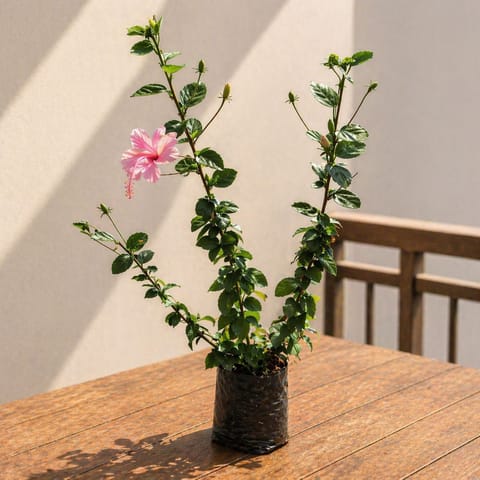
Hibiscus Collection

Hibiscus, also known as Gudhal or Gurhal, is one of the most beloved
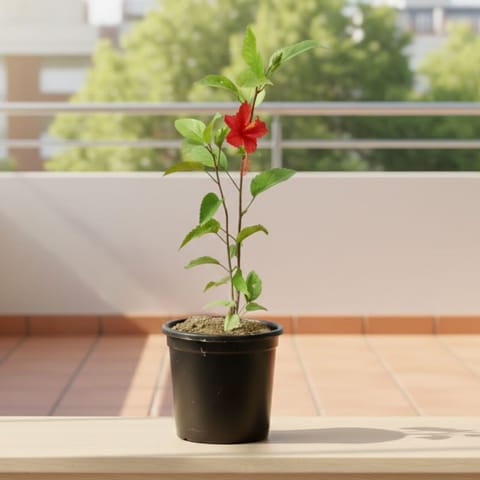
Hibiscus, also known as Gudhal or Gurhal, is one of the most beloved flowering plants in Indian homes, gardens, and temple courtyards. Unlike other flowering plants, hibiscus offers big, bright flowers that bloom fresh every morning and is commonly used in daily pooja by Indian families. It's a kind of low-fuss temperament that rewards even the most neglectful of gardeners.
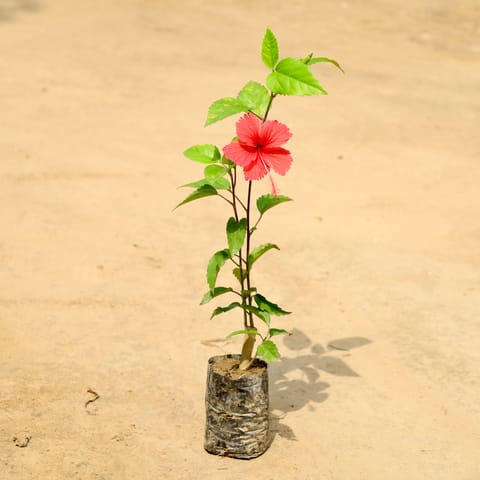
Botanical name: Hibiscus rosa-sinensis
Scientific name & family: Hibiscus, Malvaceae
Light: Full Sun
Watering: Moderate
Growth type: Shrub
Also known as: China Rose, Shoe Flower, Chinese Rose
Maintenance: Low

Urvann's Hibiscus collection brings you healthy, well-rooted plants: Desi Gudhal, Thai Hibiscus, Miniature Hibiscus, and Double Petal varieties; delivered free to your doorstep the next day. Prices start from ₹99.


What Makes the Hibiscus Plant So Loved in India?

The hibiscus has woven itself into Indian life in a way few plants have. You'll find it in temple offerings, Ayurvedic hair oils, kitchen gardens, and housing society borders alike.


Blooms Nearly Year-Round in India's Climate:

In India's warm, tropical conditions, a well-maintained hibiscus can flower for ten or eleven months of the year. A sunny spot, some regular feeding, and it will rarely disappoint. There are very few flowering plants that offer this kind of consistency.

A Staple of Daily Puja and Hindu Rituals:

The red Gudhal flower holds a sacred place in Hindu worship. It is traditionally offered to Goddess Kali, who is said to have a particular fondness for it, and to Lord Ganesha, whose divine consciousness is believed to resonate with the energy of its petals. Many Indian households grow a hibiscus plant specifically to have fresh flowers available for morning puja.

Medicinal and Ayurvedic Uses:

Hibiscus has been used in Indian Ayurveda for centuries. The flowers, leaves, and roots of Hibiscus rosa-sinensis are used in traditional preparations for hair care, treating headaches, and managing inflammation. 

Hibiscus tea, made from dried flowers, is prized for its antioxidant properties and its traditional use in supporting blood pressure and digestion.

Grows Well in Pots and in the Ground:

Whether you have a small balcony or a full garden bed, hibiscus adapts. Compact Miniature varieties work beautifully in pots; the larger Desi and Thai varieties make striking garden shrubs or hedges.


Hibiscus Varieties Available at Urvann

Urvann's hibiscus collection covers the varieties most suited to Indian gardeners, in terms of climate, care level, and visual appeal.


Hibiscus / Gudhal

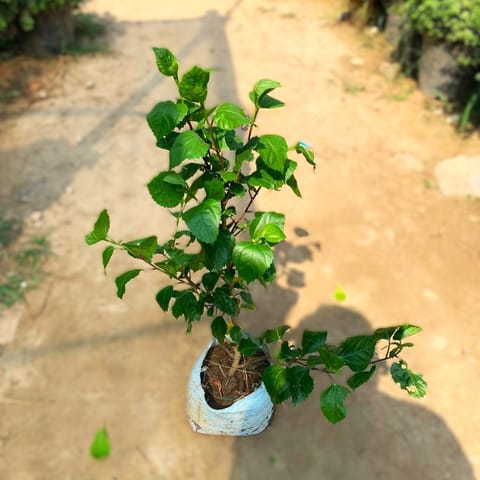
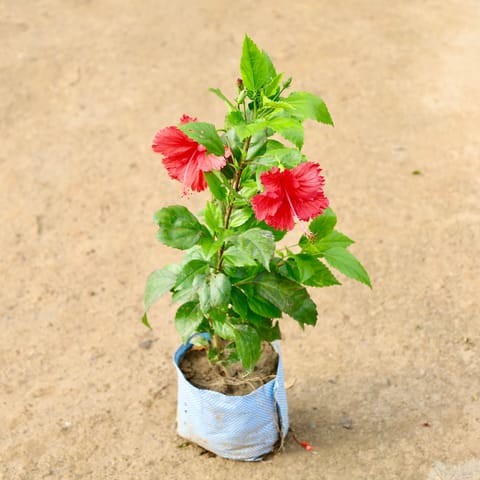
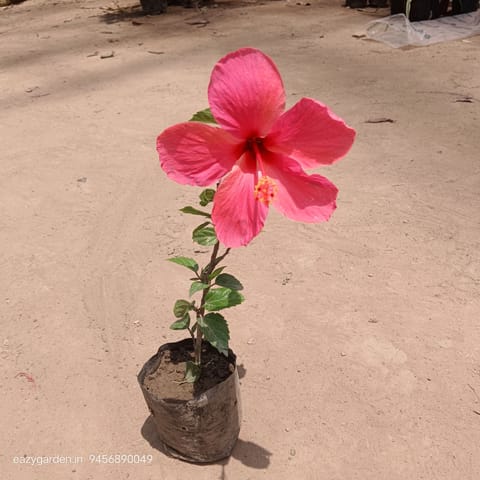
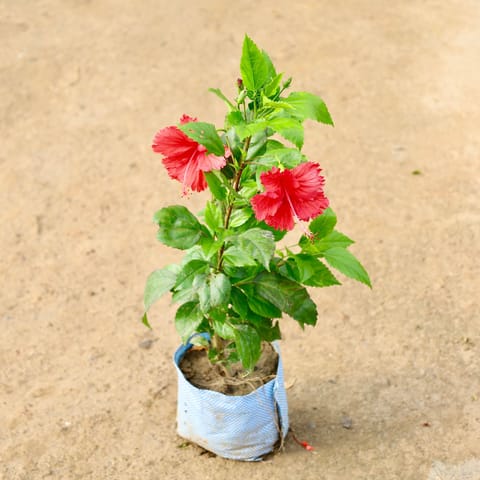
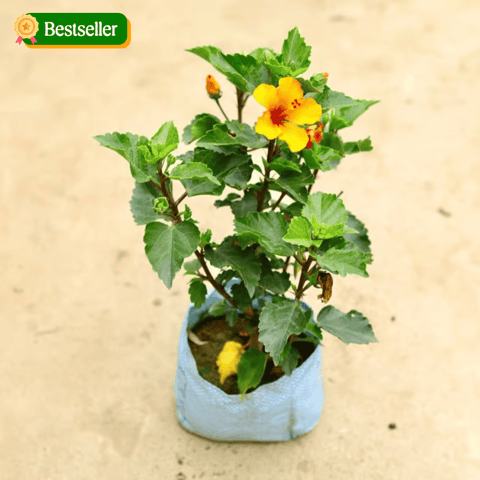
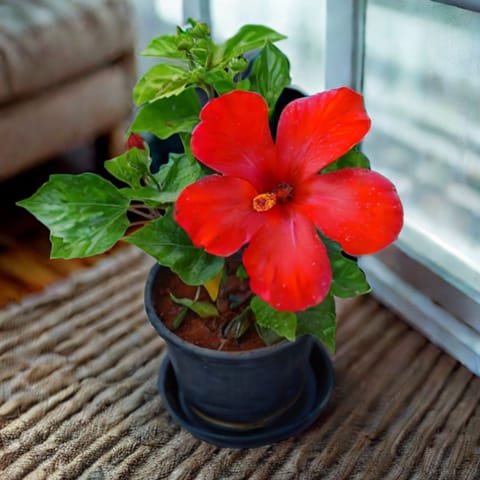
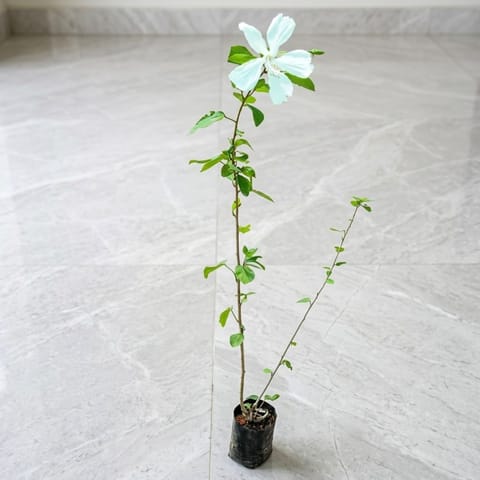
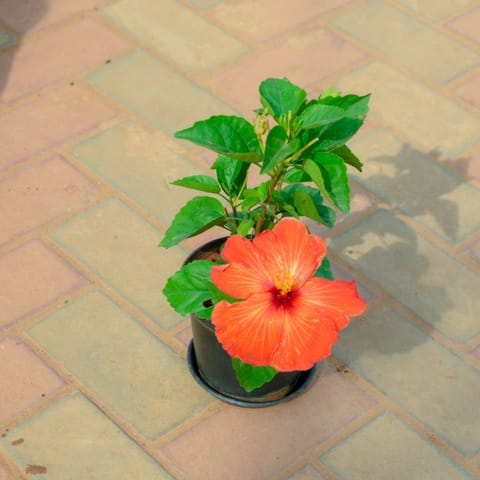
The classic Desi Gudhal is the most widely grown hibiscus in India. It comes in shades of red, pink, white, and yellow, flowers almost year-round in warm conditions, and is extremely forgiving of irregular care. If you're buying your first hibiscus plant, this is where to start.

Hibiscus / Gudhal Dwarf

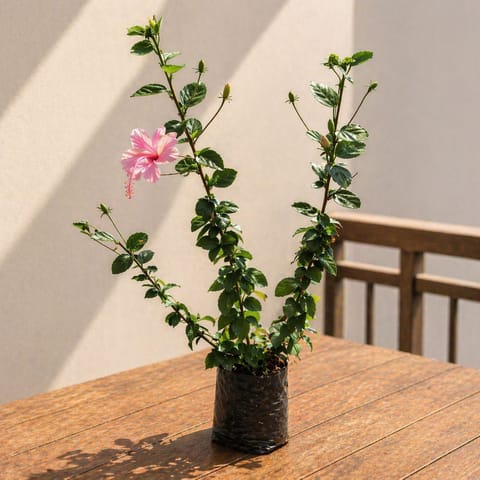
Small in size but full of flowers, these miniature Hibiscus plants are great for small spaces like a balcony, window ledge, or desk near a bright window. They are easy to manage and bloom a lot.


How to Care for Your Hibiscus Plant

Sunlight

Hibiscus thrives in full sun. It needs at least 4–6 hours of direct sunlight daily to flower well. East or south-facing spots work brilliantly. In the peak of an Indian summer, a little afternoon shade is fine, but don't keep it in low light for too long.

Watering

Season by season, watering needs vary considerably across India's seasons:

  • Summer (March–June): Water every 1–2 days. Hibiscus is thirsty in the heat. Water deeply so moisture reaches the roots, not just the surface.

  • Monsoon (July–September): Reduce watering significantly. The humidity and rain handle much of it. Ensure pots have proper drainage holes — standing water causes root rot quickly.

  • Winter (October–February): Water only when the top 1–2 inches of soil feel dry. Overwatering in winter is a very common cause of plant decline.

Always water at the base of the plant. Wetting the foliage or flowers encourages fungal infections and can invite pests.

Soil

Hibiscus does best in well-draining, loamy soil enriched with organic matter. A soil pH of around 6.0 to 7.0 is ideal.

Fertilising 

Feed your hibiscus every 3–4 weeks during the growing season (February to October) with a balanced fertiliser. This is what keeps the blooms coming consistently.

Pruning

Light pruning after each flowering flush encourages bushier growth and more blooms. Don't be afraid to trim; hibiscus responds very well to it.

Repotting 

If your hibiscus is in a pot, repot once a year in early spring using fresh soil and a slightly larger pot.


FAQ About Hibiscus Plant


1. How often should I water my hibiscus plant?

Hibiscus plants prefer moist soil, so it's important to water them regularly. Water deeply, ensuring that the soil is evenly moist. However, be careful not to overwater, as this can lead to root rot. Allow the top inch of soil to dry out between waterings.


2. Should I fertilize my hibiscus plant?

Yes, hibiscus plants benefit from regular fertilization. Use a balanced, water-soluble fertilizer specifically formulated for flowering plants. Apply the fertilizer according to the package instructions, typically every two to four weeks during the growing season.


3. How much sunlight does a hibiscus plant need?

Hibiscus plants thrive in full sun, requiring at least six hours of direct sunlight each day to produce abundant blooms. However, they can tolerate some shade, especially during the hottest part of the day.


4. Can hibiscus plants be grown indoors?

Yes, hibiscus plants can be grown indoors. Choose a bright location near a sunny window where the plant can receive sufficient sunlight. Ensure good air circulation and avoid placing the plant near drafts or heating vents.


5. How do I prune my hibiscus plant?

Pruning helps to maintain the shape and size of your hibiscus plant and promotes healthy growth. Prune in late winter or early spring before new growth begins. Remove any dead or diseased branches and shape the plant by cutting back one-third of the overall size.


6. Are hibiscus plants prone to pests or diseases?

While hibiscus plants are generally hardy, they can be susceptible to certain pests such as aphids, mealybugs, and whiteflies. Regularly inspect your plants for signs of pests and take appropriate measures to control them. Hibiscus plants may also be affected by fungal diseases, particularly if they are overwatered. Ensure good air circulation and avoid wetting the foliage when watering.


7. When will my hibiscus plant bloom?

Hibiscus plants typically bloom during the warm months, from late spring to early fall. However, the exact blooming period may vary depending on the specific variety and growing conditions.


8. Can I propagate hibiscus plants?

Yes, hibiscus plants can be propagated through various methods such as stem cuttings, air layering, or seed sowing. Stem cuttings are the most common and easiest method. Take 6- to 8-inch cuttings from healthy branches, remove the lower leaves, and plant them in a well-draining potting mix.


9. Where can I get a HibiscusPlant?

You can buy Hibiscus plant online at Urvann. Urvann provides free next day delivery of fresh plants at your doorstep and offers easy return!


10. What are the hibiscus plant prices on Urvann? 

Hibiscus plants on Urvann start from ₹99 for small Desi Gudhal varieties. Prices for larger and ornamental varieties. Urvann also regularly runs deals and discounts. Check the collection page for current offers.


11. Is the hibiscus plant good according to Vastu? 

Yes. According to Vastu Shastra, hibiscus is considered an auspicious plant. Planting it in the north or east direction of your home is believed to bring positive energy and well-being into the household. 


12. Can hibiscus be grown in pots and containers? 

Yes. Hibiscus grows well in pots, provided the container has adequate drainage holes, and you're using well-draining soil. A minimum pot size of 30 cm is recommended. 


13.  What plants pair well with hibiscus in an Indian garden? 

Hibiscus pairs excellently with croton, bougainvillea, and lantana. Croton is a particularly good companion; its multicoloured, variegated foliage provides vivid garden colour even between hibiscus flowering flushes. Different types of croton plants, including Petra and Gold Dust varieties, suit the same sunny, warm-weather conditions as hibiscus.


14. What are the health benefits of the hibiscus plant?

Hibiscus flowers are rich in antioxidants, including anthocyanins and vitamin C. They are commonly used in Ayurveda for promoting hair growth, supporting digestion, and making herbal teas that may help maintain healthy blood pressure.


Showing 24 of 557 products
Trending
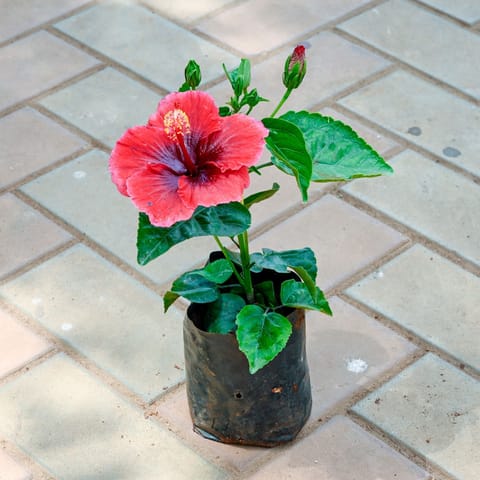
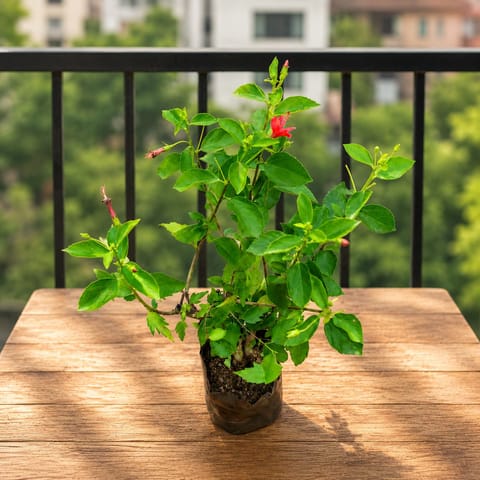
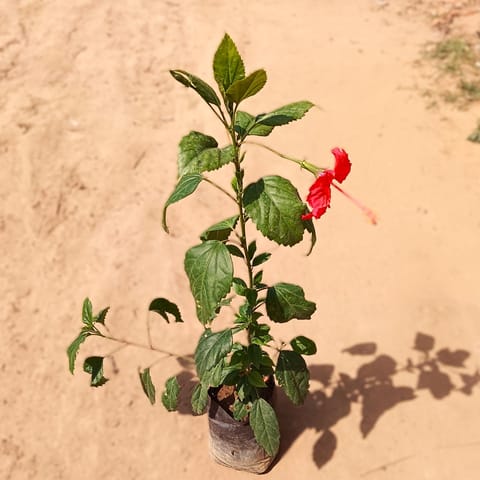
Hibiscus Red in 6 Inch Nursery Bag
(17)
₹99₹369 -73%

Hibiscus, also known as Gudhal or Gurhal, is one of the most beloved flowering plants in Indian homes, gardens, and temple courtyards. Unlike other flowering plants, hibiscus offers big, bright flowers that bloom fresh every morning and is commonly used in daily pooja by Indian families. It's a kind of low-fuss temperament that rewards even the most neglectful of gardeners.
Botanical name: Hibiscus rosa-sinensis
Scientific name & family: Hibiscus, Malvaceae
Light: Full Sun
Watering: Moderate
Growth type: Shrub
Also known as: China Rose, Shoe Flower, Chinese Rose
Maintenance: Low

Urvann's Hibiscus collection brings you healthy, well-rooted plants: Desi Gudhal, Thai Hibiscus, Miniature Hibiscus, and Double Petal varieties; delivered free to your doorstep the next day. Prices start from ₹99.


What Makes the Hibiscus Plant So Loved in India?

The hibiscus has woven itself into Indian life in a way few plants have. You'll find it in temple offerings, Ayurvedic hair oils, kitchen gardens, and housing society borders alike.


Blooms Nearly Year-Round in India's Climate:

In India's warm, tropical conditions, a well-maintained hibiscus can flower for ten or eleven months of the year. A sunny spot, some regular feeding, and it will rarely disappoint. There are very few flowering plants that offer this kind of consistency.

A Staple of Daily Puja and Hindu Rituals:

The red Gudhal flower holds a sacred place in Hindu worship. It is traditionally offered to Goddess Kali, who is said to have a particular fondness for it, and to Lord Ganesha, whose divine consciousness is believed to resonate with the energy of its petals. Many Indian households grow a hibiscus plant specifically to have fresh flowers available for morning puja.

Medicinal and Ayurvedic Uses:

Hibiscus has been used in Indian Ayurveda for centuries. The flowers, leaves, and roots of Hibiscus rosa-sinensis are used in traditional preparations for hair care, treating headaches, and managing inflammation. 

Hibiscus tea, made from dried flowers, is prized for its antioxidant properties and its traditional use in supporting blood pressure and digestion.

Grows Well in Pots and in the Ground:

Whether you have a small balcony or a full garden bed, hibiscus adapts. Compact Miniature varieties work beautifully in pots; the larger Desi and Thai varieties make striking garden shrubs or hedges.


Hibiscus Varieties Available at Urvann

Urvann's hibiscus collection covers the varieties most suited to Indian gardeners, in terms of climate, care level, and visual appeal.


Hibiscus / Gudhal

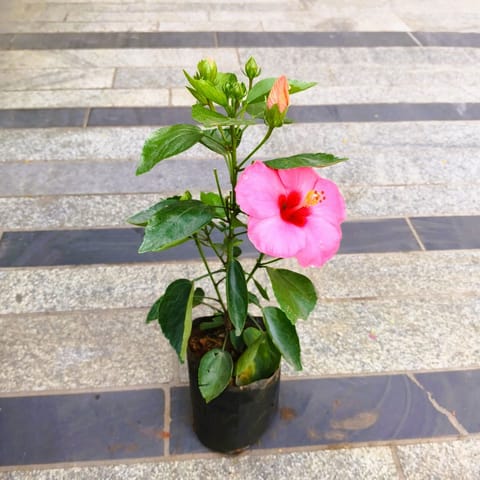
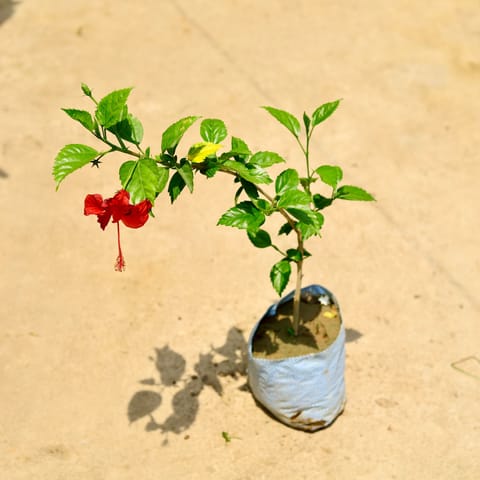
The classic Desi Gudhal is the most widely grown hibiscus in India. It comes in shades of red, pink, white, and yellow, flowers almost year-round in warm conditions, and is extremely forgiving of irregular care. If you're buying your first hibiscus plant, this is where to start.

Hibiscus / Gudhal Dwarf

Small in size but full of flowers, these miniature Hibiscus plants are great for small spaces like a balcony, window ledge, or desk near a bright window. They are easy to manage and bloom a lot.


How to Care for Your Hibiscus Plant

Sunlight

Hibiscus thrives in full sun. It needs at least 4–6 hours of direct sunlight daily to flower well. East or south-facing spots work brilliantly. In the peak of an Indian summer, a little afternoon shade is fine, but don't keep it in low light for too long.

Watering

Season by season, watering needs vary considerably across India's seasons:

  • Summer (March–June): Water every 1–2 days. Hibiscus is thirsty in the heat. Water deeply so moisture reaches the roots, not just the surface.

  • Monsoon (July–September): Reduce watering significantly. The humidity and rain handle much of it. Ensure pots have proper drainage holes — standing water causes root rot quickly.

  • Winter (October–February): Water only when the top 1–2 inches of soil feel dry. Overwatering in winter is a very common cause of plant decline.

Always water at the base of the plant. Wetting the foliage or flowers encourages fungal infections and can invite pests.

Soil

Hibiscus does best in well-draining, loamy soil enriched with organic matter. A soil pH of around 6.0 to 7.0 is ideal.

Fertilising 

Feed your hibiscus every 3–4 weeks during the growing season (February to October) with a balanced fertiliser. This is what keeps the blooms coming consistently.

Pruning

Light pruning after each flowering flush encourages bushier growth and more blooms. Don't be afraid to trim; hibiscus responds very well to it.

Repotting 

If your hibiscus is in a pot, repot once a year in early spring using fresh soil and a slightly larger pot.


FAQ About Hibiscus Plant


1. How often should I water my hibiscus plant?

Hibiscus plants prefer moist soil, so it's important to water them regularly. Water deeply, ensuring that the soil is evenly moist. However, be careful not to overwater, as this can lead to root rot. Allow the top inch of soil to dry out between waterings.


2. Should I fertilize my hibiscus plant?

Yes, hibiscus plants benefit from regular fertilization. Use a balanced, water-soluble fertilizer specifically formulated for flowering plants. Apply the fertilizer according to the package instructions, typically every two to four weeks during the growing season.


3. How much sunlight does a hibiscus plant need?

Hibiscus plants thrive in full sun, requiring at least six hours of direct sunlight each day to produce abundant blooms. However, they can tolerate some shade, especially during the hottest part of the day.


4. Can hibiscus plants be grown indoors?

Yes, hibiscus plants can be grown indoors. Choose a bright location near a sunny window where the plant can receive sufficient sunlight. Ensure good air circulation and avoid placing the plant near drafts or heating vents.


5. How do I prune my hibiscus plant?

Pruning helps to maintain the shape and size of your hibiscus plant and promotes healthy growth. Prune in late winter or early spring before new growth begins. Remove any dead or diseased branches and shape the plant by cutting back one-third of the overall size.


6. Are hibiscus plants prone to pests or diseases?

While hibiscus plants are generally hardy, they can be susceptible to certain pests such as aphids, mealybugs, and whiteflies. Regularly inspect your plants for signs of pests and take appropriate measures to control them. Hibiscus plants may also be affected by fungal diseases, particularly if they are overwatered. Ensure good air circulation and avoid wetting the foliage when watering.


7. When will my hibiscus plant bloom?

Hibiscus plants typically bloom during the warm months, from late spring to early fall. However, the exact blooming period may vary depending on the specific variety and growing conditions.


8. Can I propagate hibiscus plants?

Yes, hibiscus plants can be propagated through various methods such as stem cuttings, air layering, or seed sowing. Stem cuttings are the most common and easiest method. Take 6- to 8-inch cuttings from healthy branches, remove the lower leaves, and plant them in a well-draining potting mix.


9. Where can I get a HibiscusPlant?

You can buy Hibiscus plant online at Urvann. Urvann provides free next day delivery of fresh plants at your doorstep and offers easy return!


10. What are the hibiscus plant prices on Urvann? 

Hibiscus plants on Urvann start from ₹99 for small Desi Gudhal varieties. Prices for larger and ornamental varieties. Urvann also regularly runs deals and discounts. Check the collection page for current offers.


11. Is the hibiscus plant good according to Vastu? 

Yes. According to Vastu Shastra, hibiscus is considered an auspicious plant. Planting it in the north or east direction of your home is believed to bring positive energy and well-being into the household. 


12. Can hibiscus be grown in pots and containers? 

Yes. Hibiscus grows well in pots, provided the container has adequate drainage holes, and you're using well-draining soil. A minimum pot size of 30 cm is recommended. 


13.  What plants pair well with hibiscus in an Indian garden? 

Hibiscus pairs excellently with croton, bougainvillea, and lantana. Croton is a particularly good companion; its multicoloured, variegated foliage provides vivid garden colour even between hibiscus flowering flushes. Different types of croton plants, including Petra and Gold Dust varieties, suit the same sunny, warm-weather conditions as hibiscus.


14. What are the health benefits of the hibiscus plant?

Hibiscus flowers are rich in antioxidants, including anthocyanins and vitamin C. They are commonly used in Ayurveda for promoting hair growth, supporting digestion, and making herbal teas that may help maintain healthy blood pressure.

Load More