Shop

Downalod our app

Please provide your delivery pincode to see products available in your area
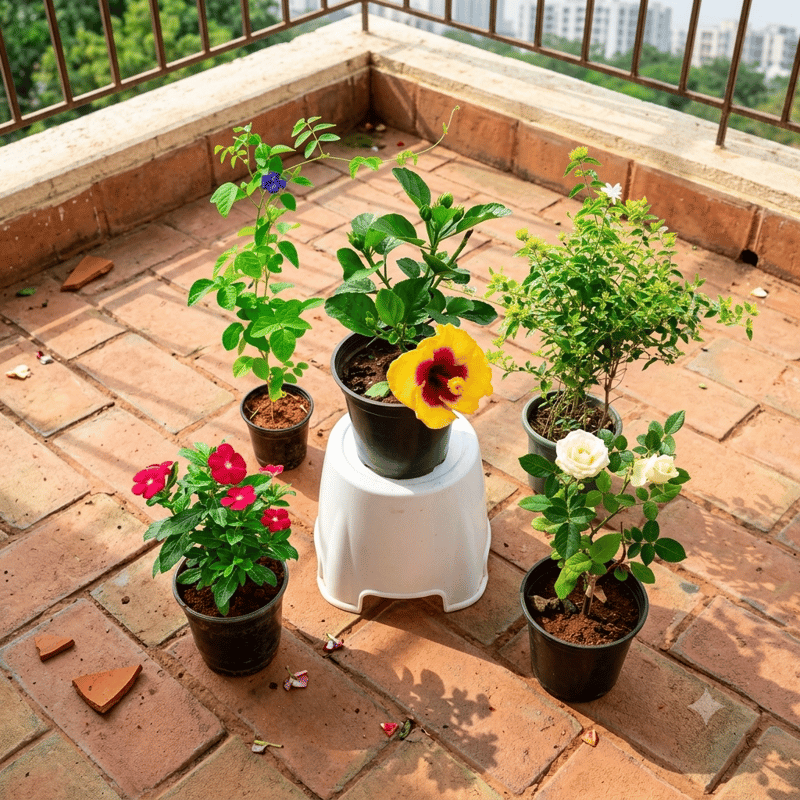
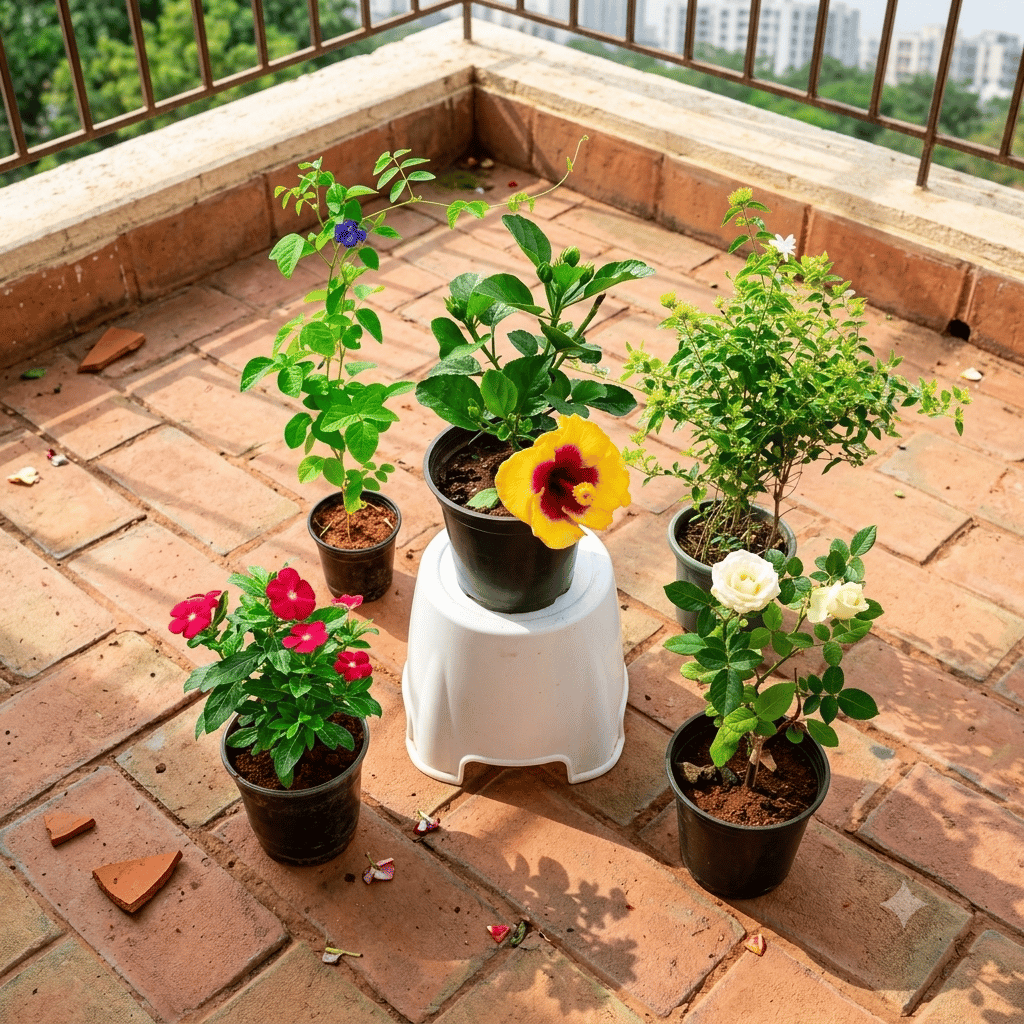
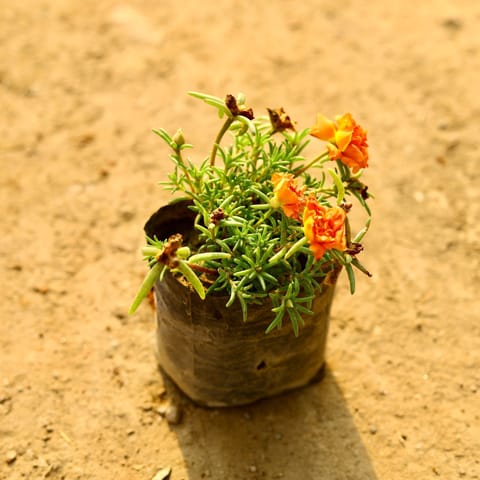
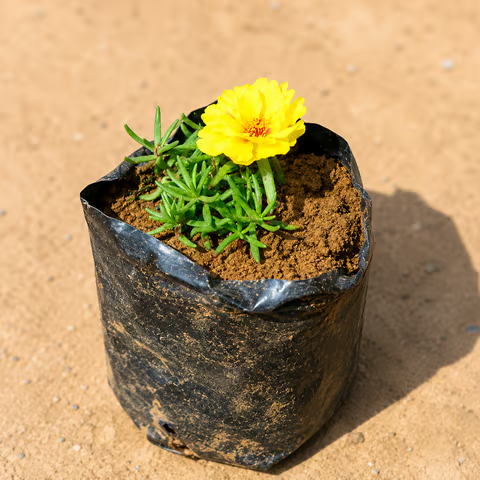
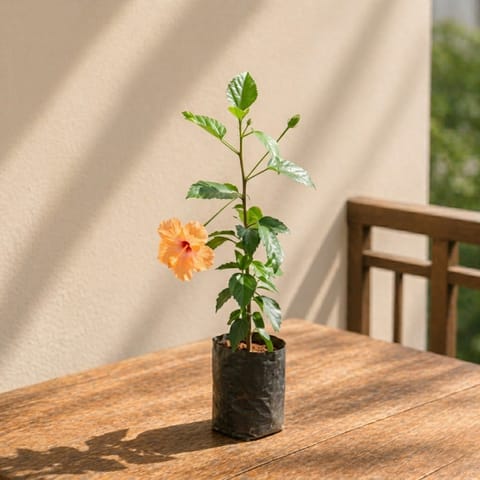
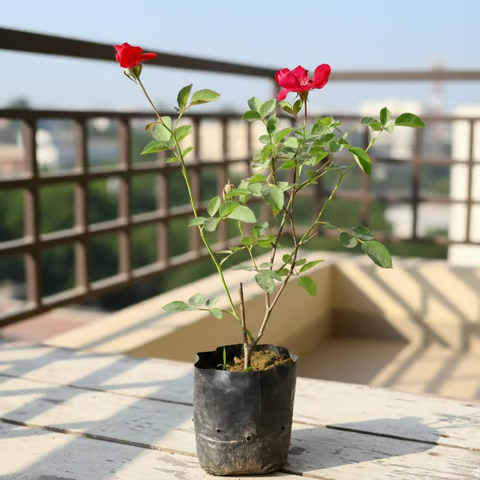
The Nirvana Petals Collection - Set of 5 - Hibiscus / Gudhal, Periwinkle / Sadabahar, Rose / Gulab, Jasmine / Mogra & Aparajita in 6 Inch Nursery Pot
₹599 ( 70% OFF )
MRP ₹1,999 Inclusive of all taxes
Features
- Beginner-Friendly
- Sun-Loving Varieties
- Ideal for Balconies & Gardens
Product Information
Sacred Flowering Plants for Rituals, Peace & Beauty (6" Nursery Pots)
Elevate your home altar, balcony, or garden into a blissful sanctuary with The Nirvana Petals Collection. This thoughtfully curated set brings together five of the most auspicious, revered, and stunning flowering plants in traditional heritage.
Whether you are gathering fresh, sacred blooms for your daily morning prayers, cultivating a fragrant meditation corner, or simply filling your outdoor space with vibrant colors, this collection delivers pure, positive energy. Grown robustly in 6-inch nursery pots, these plants are mature, hardy, and ready to reward you with a continuous cycle of divine blossoms.
Meet the Sacred Quintet
| Plant Name | Sacred & Aesthetic Vibe | Blooming Feature |
| Hibiscus (Gudhal) | Associated with Goddess Durga and Lord Ganesha; radiates powerful, fiery energy. | Large, bold, trumpet-shaped blossoms that instantly catch the eye. |
| Periwinkle (Sadabahar) | True to its name ("Ever-blooming"), it symbolizes resilience, consistency, and peace. | Low-maintenance, non-stop colorful blooms through almost every season. |
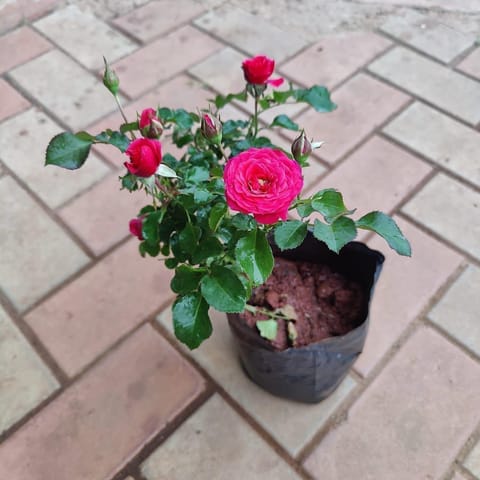
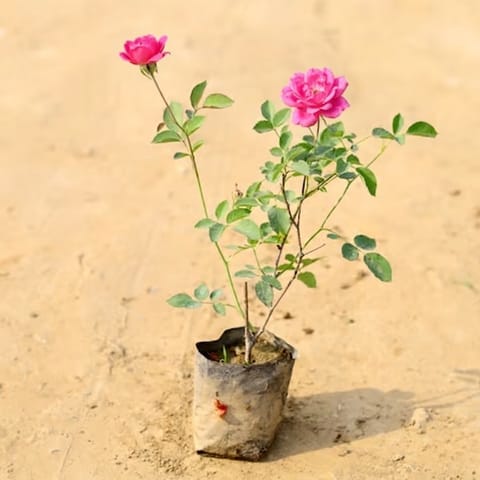
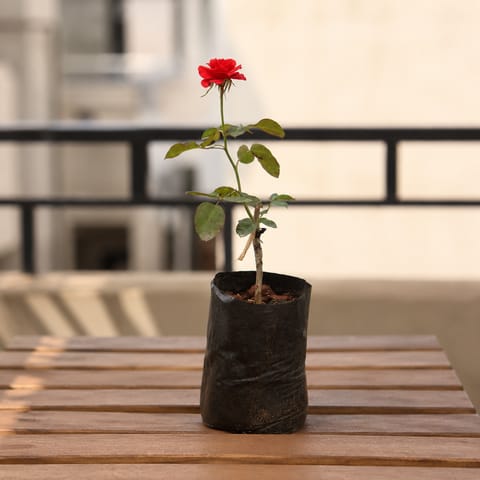
| Rose (Gulab) | The ultimate symbol of divine love, purity, and grace offered to all deities. | Elegant layers of soft petals with a classic, timeless beauty. |
| Jasmine (Mogra) | Intensely fragrant; revered for its calming, celestial aroma that purifies the air. | Dainty, snow-white blooms that fill the evening air with natural perfume. |
| Aparajita (Blue Pea) | A sacred vine representing cosmic energy, traditionally offered to Lord Shiva and Vishnu. | Stunning, deep-blue flowers that can also be used to brew exotic holy tea. |
The Nirvana Petals Care Guide
Pro-Tip for Abundant Blooms: Flowering plants are sun-worshippers and heavy feeders! To ensure a steady supply of fresh flowers for your daily offerings, maximize their sun exposure and give them regular nutritional boosts.
☀️ Light: The Ultimate Energy Source
-
The 6-Hour Rule: All five plants in this collection require at least 5 to 6 hours of direct sunlight daily to trigger bud formation.
-
Placement: Keep them on a sunny south- or east-facing balcony, terrace, or windowsill. If they stop blooming, they are likely begging for a brighter spot.
💧 Watering: Keeping the Balance
-
The Touch Test: Water thoroughly until it drains out from the bottom holes of the 6-inch pot, but only when the top inch of the soil feels dry to the touch.
-
The Quirks: Mogra and Rose prefer their soil to stay evenly moist (not soggy) while blooming. On the flip side, Sadabahar is incredibly drought-tolerant and prefers staying on the drier side. Avoid splashing water directly on the open petals to keep the blooms fresh for longer.
✂️ Pruning & Feeding (The Secret Sauce)
-
Deadheading: Pluck off faded or spent flowers immediately. This prevents the plant from wasting energy on seed production and forces it to push out fresh buds.
-
Regular Pruning: Pinch the tips of the Aparajita vine and Mogra bush to encourage a bushier growth pattern with more flowering nodes.
-
Monthly Feeding: Flowering requires a lot of stamina. Feed these plants an organic, phosphorus-rich fertilizer (like vermicompost, mustard cake powder, or banana peel extract) once every 2–3 weeks during their active growing season.
Related Products
















Customer Review
5
5 reviews
Add images from your gallery