
Shop

Downalod our app

Please provide your delivery pincode to see products available in your area
Shami Plant Collection
Looking for a Shami plant for your home or puja? The Shami plant (P...
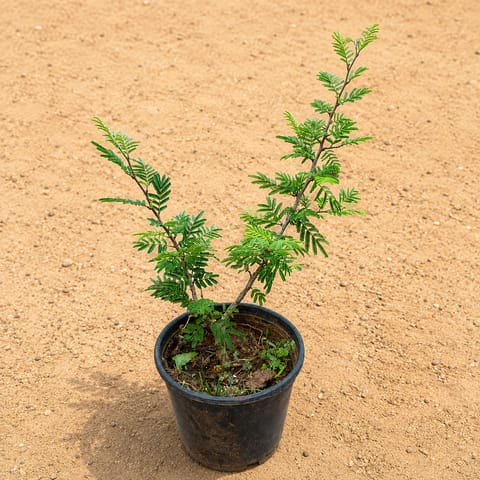
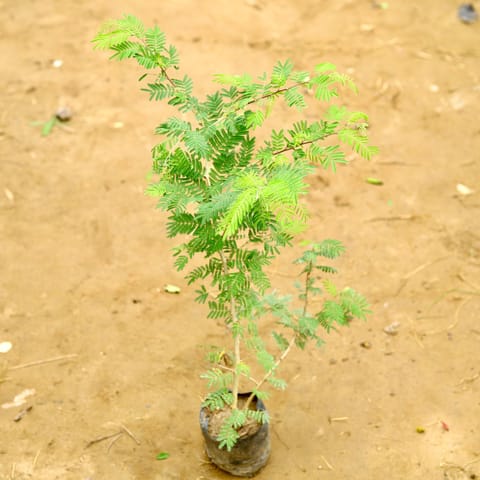
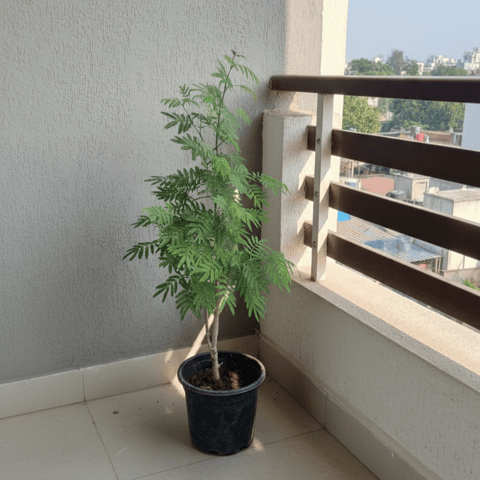
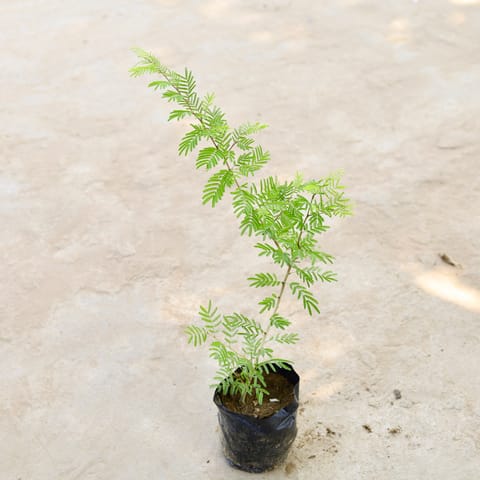
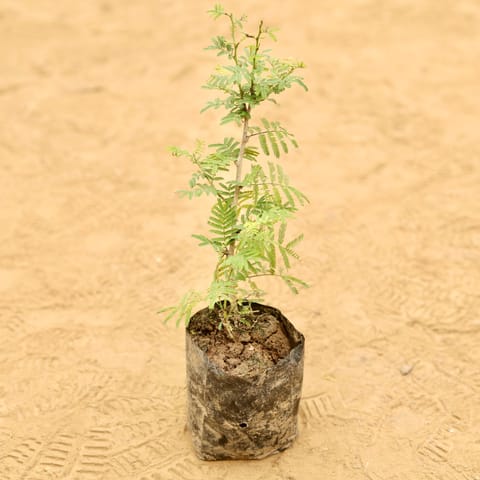
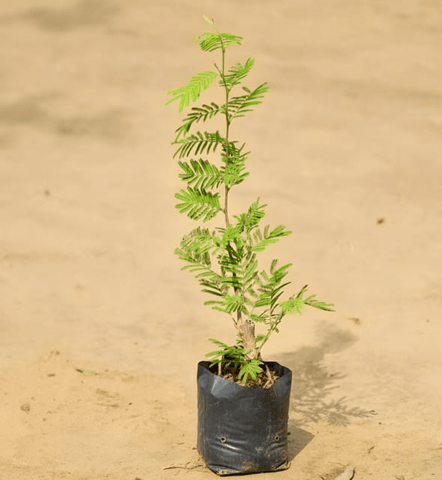
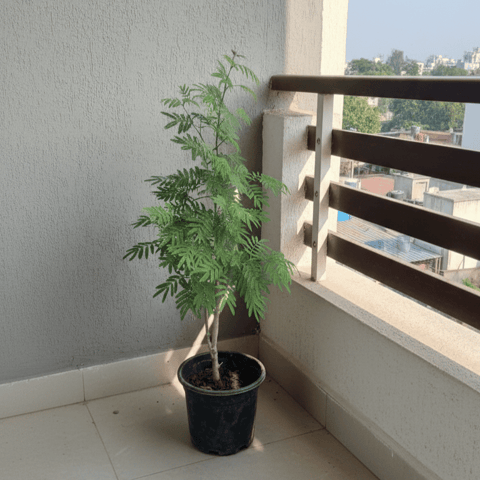
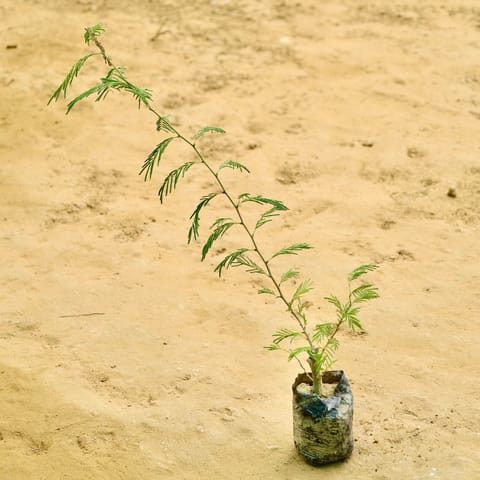
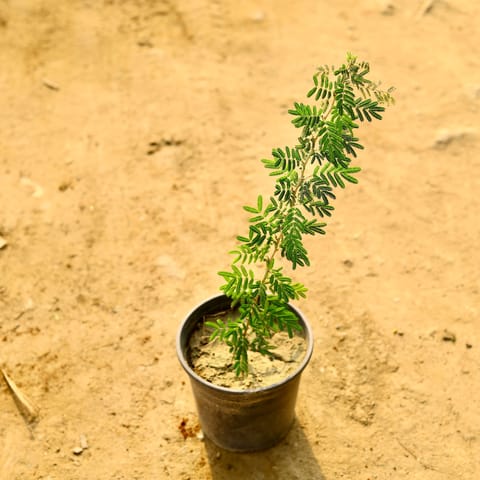
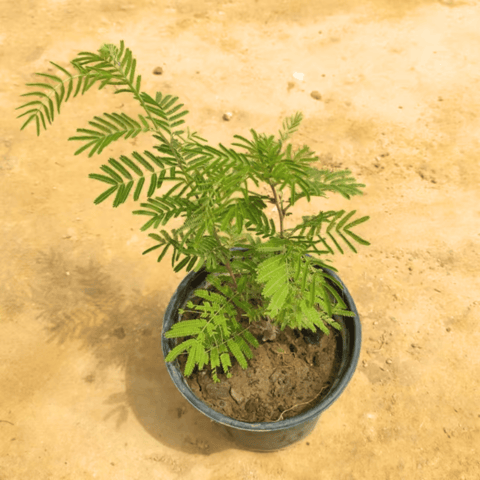
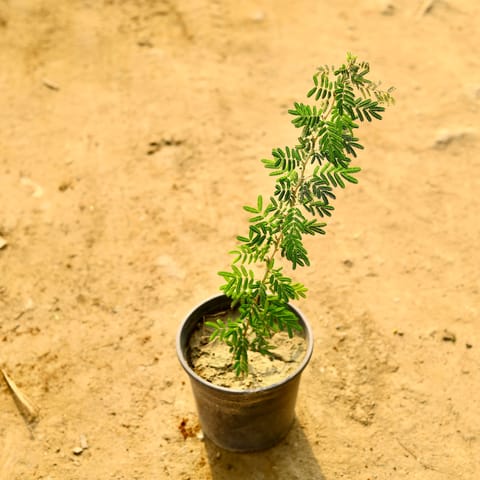
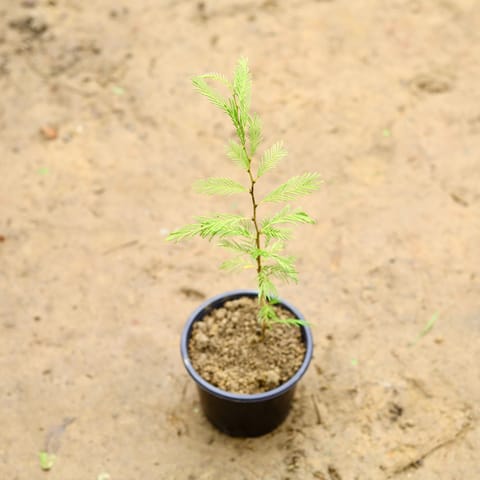
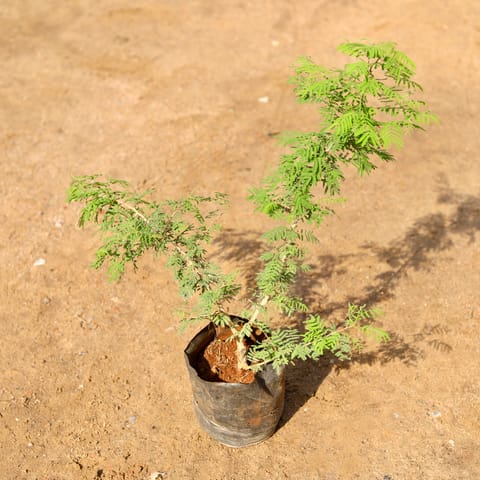
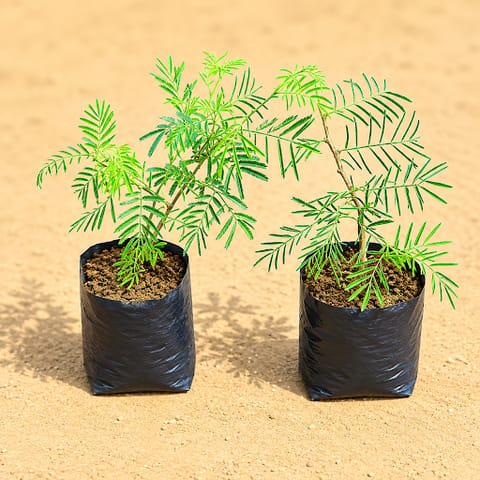
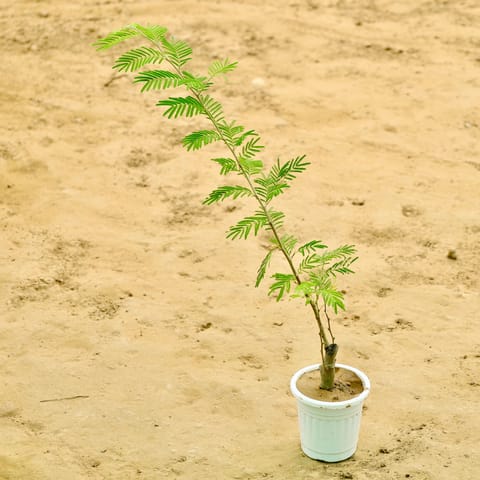
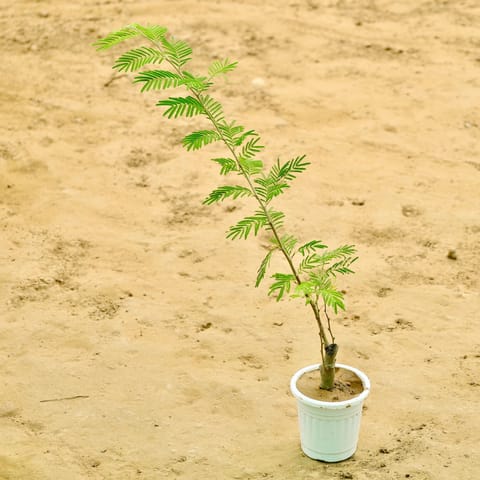
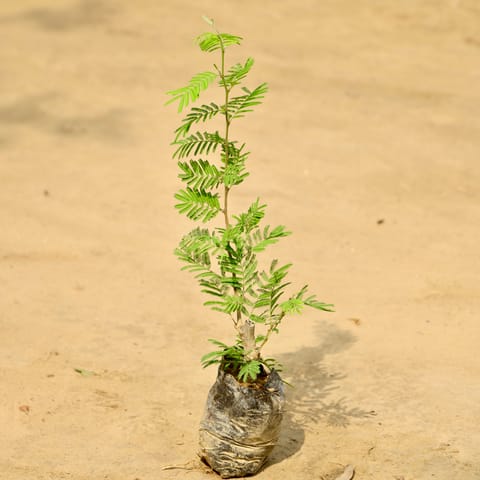
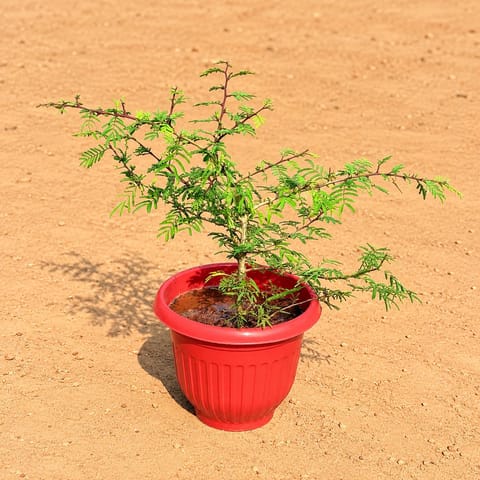
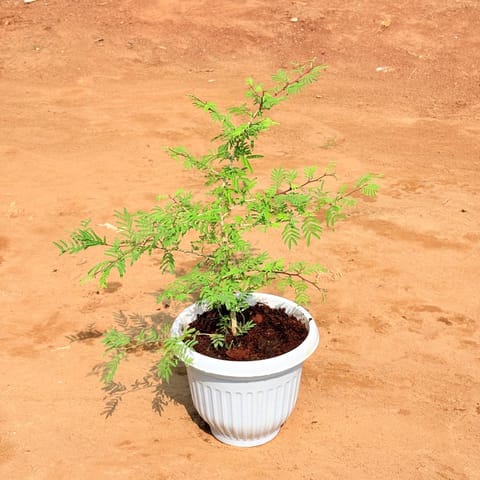
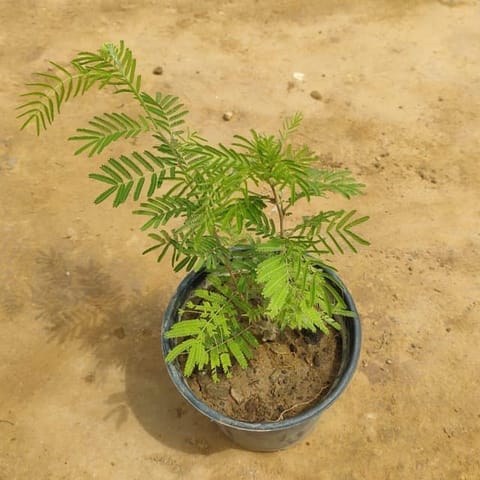
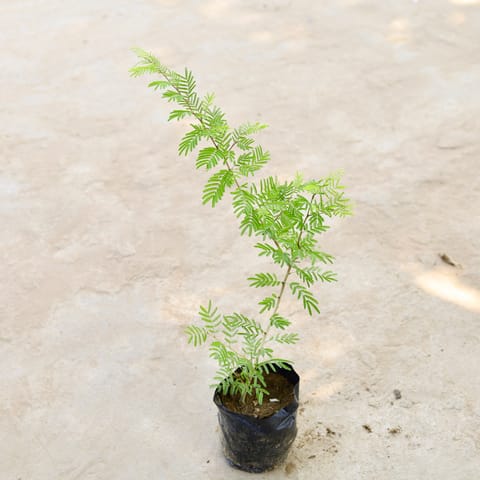
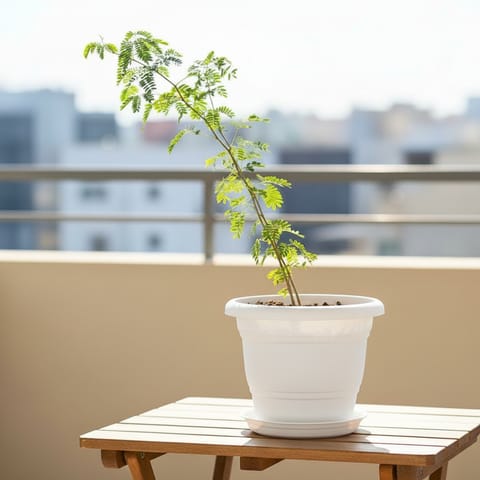
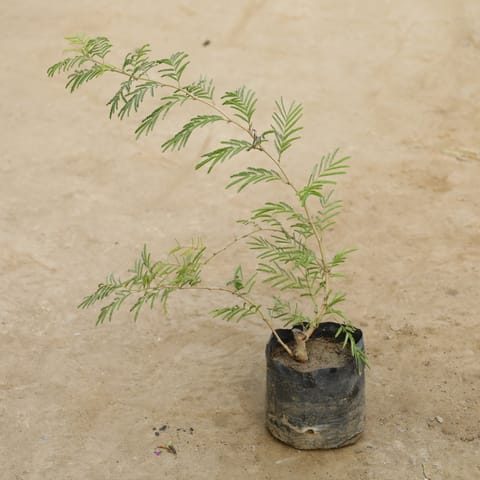
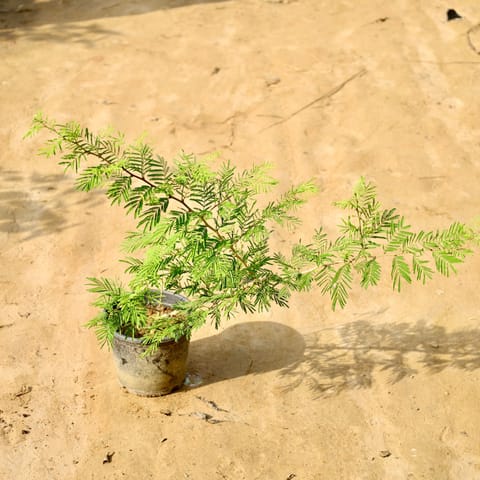
Looking for a Shami plant for your home or puja? The Shami plant (Prosopis cineraria) is valued in Hindu traditions and is especially associated with Dussehra and Shami Puja. It is also considered a low-maintenance plant that can grow well in warm, sunny conditions.
At Urvann, you can buy a healthy Shami plant online and get it delivered to your doorstep. Choose a suitable plant for your home and add a traditional, easy-to-care-for plant to your garden or outdoor space.
NOTE: Prices of the products may vary as per the location. Please check the final price based on your delivery address.
Shami Plant: Quick Facts
| Detail | Information |
|---|---|
| Botanical name | Prosopis cineraria |
| Family | Fabaceae |
| Common names | Khejri (खेजड़ी), Chhonkar (छोंकर), or Chhikुर (छिकुर) |
| English name | No direct English common name; often called Khejri tree or ghaf tree |
| Plant type | Evergreen, thorny tree/shrub |
| Thorns | Yes, small conical thorns along the branches |
| Sunlight | Full sun |
| Soil | Sandy, well-draining |
| Toxicity | Non-toxic |
Why 15 Lakh+ Plant Parents Trust Urvann
⭐ Rated 4.8/5 by 12,340+ verified buyers
✓ Free Next-Day Delivery - Available on orders placed by 7 PM in Delhi-NCR and Bengaluru.
✓ Pan India Deliveries - Delivery timelines vary by location.
✓ Hassle-Free Replacement - 2-day replacement window if the plant arrives damaged or incorrect.
✓ Healthy, Well-Rooted Plants - Plants are grown at Urvann Farms before being delivered to customers.
✓ Multiple Sizes & Pots - Choose from 3-inch and 4-inch nursery bags or 7-inch classy pots with trays.
✓ Complete Gardening Solutions in One Place – Along with plants, shop pots, fertilizers, tools, and other gardening essentials.
Why Keep a Shami Plant at Home
Sacred & Auspicious Plant
The Shami plant is deeply rooted in Hindu mythology. In the Mahabharata, it is believed that the Pandavas hid their weapons in a Shami tree during their period of exile, and retrieved them on Vijayadashami (Dussehra). This is why Shami leaves are exchanged as a symbol of gold and good fortune during Dussehra celebrations. Keeping a Shami plant at home is considered highly auspicious and is believed to bring peace, prosperity, and positive energy.
Vastu Benefits
According to Vastu Shastra, the Shami plant helps remove negativity from the home. It is recommended to place the Shami plant in the northeast direction of your house for the best results. You can also place it near the main entrance (on the right-hand side while going out), on a balcony, or on the rooftop. Many Vastu practitioners suggest keeping the Shami plant alongside a Tulsi plant for added benefits.
Connected to Lord Shani Dev
The Shami plant is considered sacred to Lord Shani Dev, and offering Shami leaves during Saturday worship is a common practice to seek blessings and relief from Shani Dosha. Shami leaves are also offered to Lord Shiva and Lord Ganesha during regular pooja.
Low Maintenance & Drought Tolerant
Shami is a hardy, drought-resistant plant that does not need frequent watering. It thrives in full sunlight and can tolerate a wide range of soil types, including sandy and loamy soil. This makes it suitable for balconies, terraces, courtyards, and home entrances without demanding much care.
Great for Gifting
A Shami plant makes a meaningful and thoughtful gift for housewarmings, Dussehra, Navratri, and other religious occasions. It carries both spiritual value and natural beauty, making it a more personal alternative to generic gifts.
Shami Plants Available at Urvann
Here are the Shami plant options currently available in this collection:
| Plant | Pot/Size |
|---|---|
| Shami Plant in 4 Inch Nursery Bag | 4-inch nursery bag |
| Holy Shami in 4 Inch Nursery Bag | 4-inch nursery bag |
| Holy Shami in 3 Inch Nursery Bag | 3-inch nursery bag |
| Holy Shami Plant in 7 Inch Classy Red Plastic Pot with Tray | 7 inch red pot with tray |
| Holy Shami Plant in 7 Inch Classy White Plastic Pot with Tray | 7 inch white pot with tray |
Nursery bag options are ideal if you plan to repot the plant at home. The 7-inch pot options come ready to display and make great gifts.
How to Care for Your Shami Plant
Sunlight
The Shami plant needs full, direct sunlight to grow well. Place it in a spot that gets at least 6 to 8 hours of sunlight daily. A sunny balcony, terrace, or courtyard is ideal.
Watering
Shami is a drought-tolerant plant. Water it only when the soil feels completely dry. Overwatering can cause root rot, so it is better to underwater than overwater. Young plants in pots may need more regular watering until they are established.
Soil
Use well-draining, sandy or loamy soil. The Shami plant can tolerate a range of soil types, including slightly alkaline and saline soil. Good drainage is the most important factor.
Fertilization
Shami plants do not need heavy fertilization. You can add organic compost or vermicompost once every few months to support healthy growth.
Pruning
Prune lightly to maintain shape. The Shami plant has small thorns, so use gloves while handling. It responds well to occasional trimming.
How to Identify a Real Shami Plant
The Shami plant (Prosopis cineraria) is sometimes confused with other thorny plants, including the Touch-me-not plant (Mimosa pudica). Here are some features to look for:
The Shami plant has small, dark green, bipinnately compound leaves (tiny leaflets arranged on both sides of a central stem). Its bark is whitish and peels off in papery flakes with dark horizontal patches at intervals. The thorns are conical and paired. Flowers are small and yellowish or creamy white. The overall foliage has a light bluish-green appearance.
If you are unsure, buying from a trusted nursery like Urvann ensures you receive a genuine, healthy Shami plant.
Frequently Asked Questions (FAQs)
1. What is the Shami plant?
The Shami plant, botanically known as Prosopis cineraria, is an evergreen, thorny tree from the Fabaceae family. It is also known as Jand, Khejri, or Sami in different Indian languages. The plant is native to arid regions of India and the Arabian Peninsula, and it holds deep religious and cultural significance in Hindu tradition.
2. Does the Shami tree have thorns?
Yes, the Shami tree has small, conical thorns along its branches. The thorns are usually paired and are not overly sharp, but it is still a good idea to wear gloves while pruning or handling the plant closely.
3. Is Shami plant good or bad for home?
The Shami plant is considered very auspicious and good for the home. According to Vastu Shastra, keeping a Shami plant at home helps remove negative energy and brings peace, prosperity, and good fortune. It is also believed to attract the blessings of Lord Shani Dev and Lord Shiva.
4. Can we keep a Shami plant at home?
Yes, the Shami plant can be kept at home, and it is considered highly auspicious to do so. Traditionally, it is placed near the entrance, on a balcony, or on a rooftop rather than inside the main living area, since it is worshipped like the Tulsi plant and needs a clean, sunlit spot.
5. Which day is best to buy a Shami plant?
Saturday is considered the most auspicious day to buy and plant a Shami tree, as it is associated with Lord Shani Dev. Vijayadashami (Dussehra) is also considered a very auspicious occasion to bring home a Shami plant. You can add Gangajal while planting it for added spiritual significance.
6. How do I identify a real Shami plant?
A real Shami plant (Prosopis cineraria) has small, dark green, bipinnately compound leaflets, whitish bark that peels in papery flakes, conical paired thorns, and small yellowish or creamy white flowers. Its foliage has a distinct bluish-green tint. It should not be confused with the Touch-me-not plant (Mimosa pudica), which looks similar but has different leaf and thorn structures.
7. Which god is the Shami plant for?
The Shami plant is primarily associated with Lord Shani Dev. Offering Shami leaves to Lord Shani on Saturdays is a widely followed practice. Shami leaves are also offered to Lord Shiva, Lord Ganesha, and during Dussehra celebrations as part of Hindu religious traditions.
8. Where should I place a Shami plant at home?
According to Vastu Shastra, the northeast direction is the best spot for a Shami plant. You can also place it near the main entrance of your home (on the right-hand side while going out), on a balcony, terrace, or rooftop. Make sure the area around the plant is kept clean and free of shoes or clutter, as the Shami plant is worshipped in many households.
9. Does the Shami plant attract good luck?
Yes, the Shami plant is widely believed to attract good luck, prosperity, and positive energy. During Dussehra, Shami leaves are exchanged as a symbol of gold and good fortune. Regular worship and care of the Shami plant, especially on Saturdays, is believed to bring blessings and remove obstacles.
10. What is the Shami tree called in English?
The Shami tree does not have a widely used English common name. It is most often referred to by its botanical name, Prosopis cineraria, or by its regional names such as Khejri and Jand. In some English references, it is called the Khejri tree or ghaf tree.
11. Is there a Shami tree connection to the Mahabharata?
Yes. According to the Mahabharata, the Pandavas hid their weapons in a Shami tree during the final year of their exile and retrieved them before the Kurukshetra war. This story is the basis for the tradition of worshipping the Shami tree and exchanging its leaves as a symbol of gold during Dussehra.
12. Can I grow a Shami plant in a pot?
Yes, the Shami plant grows well in pots, especially during its early stages. Use a pot with good drainage and fill it with sandy or well-draining soil. Place it in a spot that receives full sunlight. As the plant grows, you may need to shift it to a larger pot or plant it in the ground.
13. Can a Shami plant be grown from cuttings or seeds?
The Shami plant can be grown from seeds, though germination can take time and benefits from soaking the seeds before sowing. It is a slow-growing tree by nature, so growing from a mature nursery plant, like the ones available at Urvann, is a faster and more reliable way to get a healthy Shami plant at home.
14. How often should I water a Shami plant?
The Shami plant is drought-tolerant and does not need frequent watering. Water it only when the soil is completely dry. In summer, watering once every 3 to 5 days may be enough, while in cooler months, watering can be less frequent. Avoid overwatering, as it can lead to root rot.
15. Where can I buy a Shami plant online?
You can buy Shami plants and Holy Shami plants online from Urvann. Prices start at ₹149, and the collection includes both nursery bag and potted options. Free next-day delivery is available on eligible orders in Delhi-NCR and Bengaluru.
16. ಶಮಿ ಗಿಡವನ್ನು ಉಡುಗೊರೆಯಾಗಿ ನೀಡಬಹುದೇ?
ಹೌದು, ಗೃಹಪ್ರವೇಶ, ದಸರಾ, ಅಥವಾ ಇತರ ಧಾರ್ಮಿಕ ಸಂದರ್ಭಗಳಲ್ಲಿ ಶಮಿ ಗಿಡವನ್ನು ಉಡುಗೊರೆಯಾಗಿ ನೀಡುವುದು ಅರ್ಥಪೂರ್ಣ ಮತ್ತು ಶುಭವೆಂದು ಪರಿಗಣಿಸಲಾಗುತ್ತದೆ. ಇದು ಆಧ್ಯಾತ್ಮಿಕ ಮಹತ್ವ ಮತ್ತು ನೈಸರ್ಗಿಕ ಸೌಂದರ್ಯ ಎರಡನ್ನೂ ಹೊಂದಿರುವುದರಿಂದ, ಸಾಮಾನ್ಯ ಉಡುಗೊರೆಗಳಿಗಿಂತ ವಿಶೇಷವಾದ ಆಯ್ಕೆಯಾಗಿದೆ.