
Shop


Please provide your delivery pincode to see products available in your area
Recent Search
Salvias Collection
Want to add bright colours to your balcony or home garden? Salvia (...

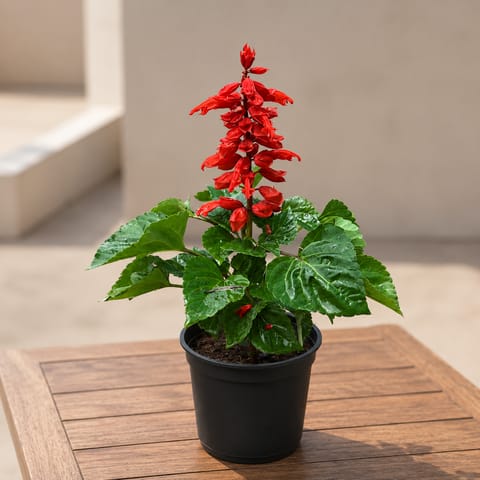


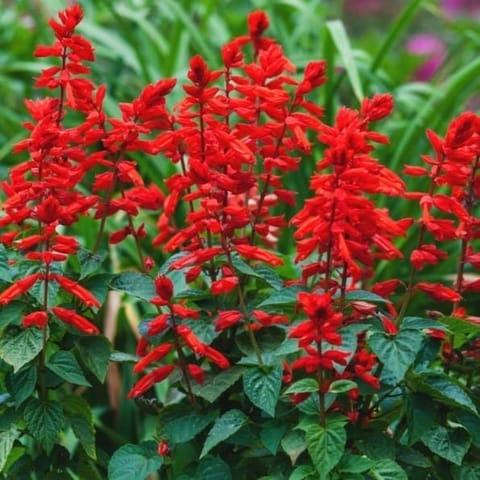
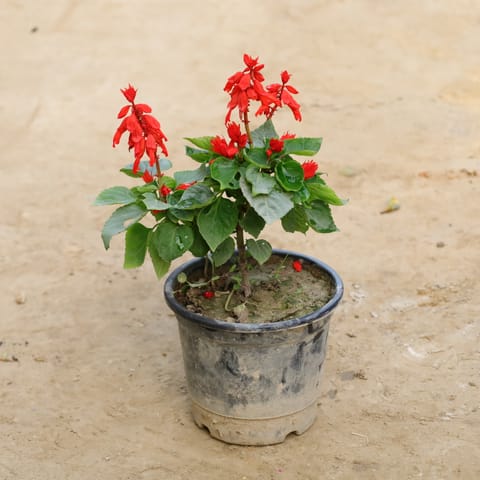


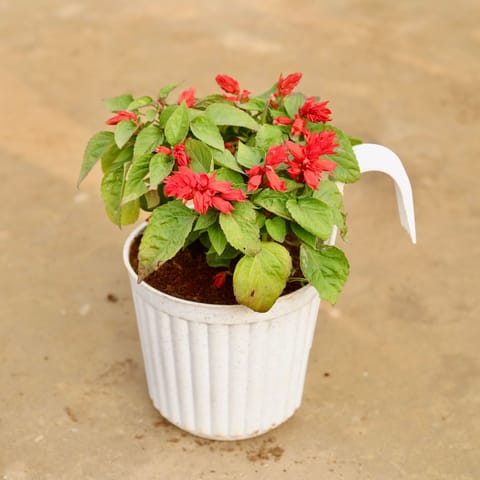
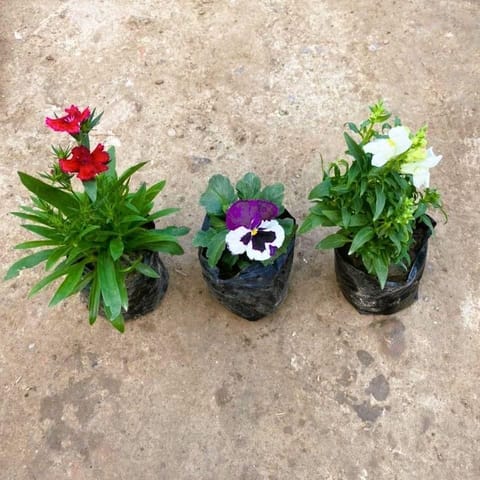
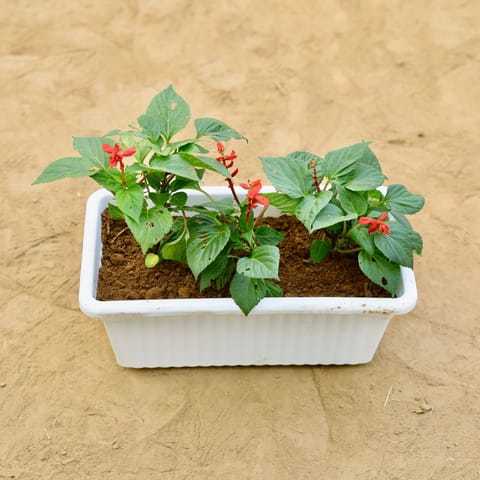


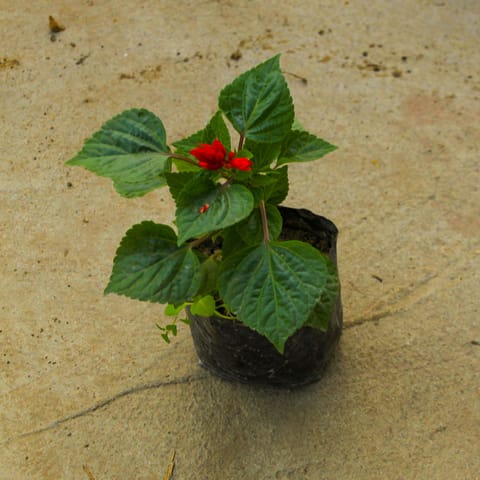
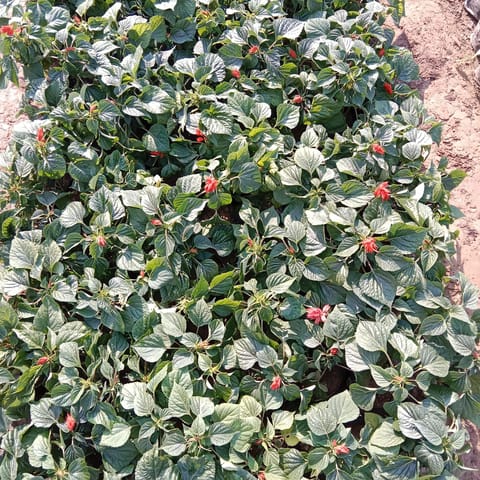



Want to add bright colours to your balcony or home garden? Salvia (साल्विया / ಸಾಲ್ವಿಯಾ) flowers are a lovely choice for Indian gardens, especially during the cooler months.
Known for their beautiful upright flower spikes, Salvia plants come in shades of red, purple, pink, and white. The popular Salvia splendens (Scarlet Sage) is commonly grown as a winter-season flowering plant in many parts of India.
Whether you have a sunny balcony, terrace, or garden bed, Salvia can be grown in pots with proper sunlight, watering, and well-draining soil.
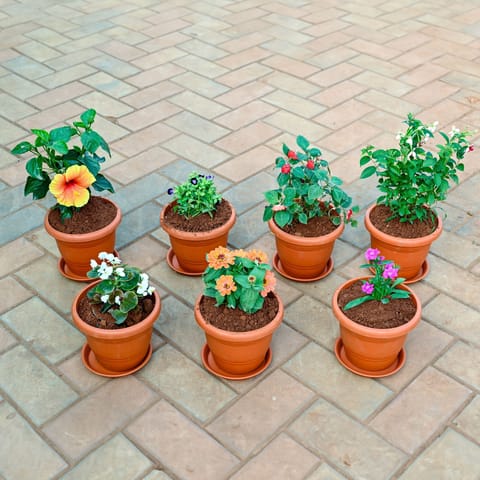
At Urvann, you can explore flowering plant combos featuring Salvia alongside popular garden favourites such as Dianthus, Zinnia, Balsam, Gazania, and Hibiscus.
Browse the full collection and place your order in time.
NOTE: Prices of the products may vary as per the location. Please check the final price based on your delivery address.
Why 15 Lakh+ Plant Parents Trust Urvann
⭐ Rated 4.8/5 by 12,340+ verified buyers
✓ Free Next-Day Delivery – Available on orders placed by 7 PM in Delhi-NCR and Bangalore.
✓ Hassle-Free Replacement – 2-day replacement window if the plant arrives damaged or incorrect.
✓ Healthy, Well-Rooted Plants – Plants are grown at Urvann Farms before being delivered to customers.
✓ Multiple Sizes & Pots – Choose from 3, 4, 5, and 6-inch nursery bags and pots, as single plants or sets of 2.
✓ Complete Garden Care in One Place – Along with Salvia plants, shop pots, fertilizers, tools, and other garden care products.
Quick Facts About Salvia Plant
| Detail | Salvia splendens |
|---|---|
| Common names | Scarlet Sage, Red Salvia, Salvia |
| Hindi / हिंदी | सैल्विया (Salvia) |
| Kannada / ಕನ್ನಡ | ಸಾಲ್ವಿಯಾ (Sālviyā) |
| Family | Lamiaceae (mint family) |
| Origin | Brazil |
| Flowering season in India | Winter to early spring in the plains |
| Sun | 6+ hours of direct sun; light afternoon shade is fine |
| Water | When the top 1–2 cm of soil is dry; keep lightly moist, never soggy |
| Best pot | 8–10 inch pot, or a window planter for 3–4 plants |
| Height | About 20–60 cm depending on variety |
| Colours | Red (most popular), white, purple, pink, salmon |
| Life cycle | Tender perennial, usually grown as a winter-season plant in the Indian plains |
| Pollinators | Bees and butterflies |
When Is the Best Time to Plant Salvia in India?
The best time to plant Salvia in India depends on the local climate and variety. In most parts of India, September to November is a suitable planting period for many ornamental Salvia varieties, as the cooler weather helps plants establish and grow well.
For instance, in Delhi-NCR, plant Salvia between September and November to enjoy Salvia flowering through the cooler months. On the other hand, in Bangalore, September to January is generally suitable for planting, thanks to the city's relatively mild climate. Avoid planting Salvia during periods of heavy rainfall.
How to Grow and Care for Salvia Flowers
Salvia flowers grow well in garden beds, balcony planters, and terrace pots. Follow these simple care tips to keep your plants healthy and encourage colourful blooms.
| Care Factor | What to Do | Important Tips |
|---|---|---|
| Sunlight | Provide 6-8 hours of direct sunlight daily. | Choose a sunny garden, balcony, or terrace spot. Give afternoon shade during extremely hot summers to prevent leaf scorch. |
| Soil | Use loose, well-draining sandy or loamy soil. | For heavy clay soil, mix in compost and coarse sand or horticultural grit. Avoid waterlogging. |
| Watering | Water regularly until established. Afterwards, water when the top 1-2 inches of soil dry out. | Established plants are relatively drought-tolerant. Reduce watering in cool or rainy weather to prevent root rot. |
| Fertilizer | Feed lightly with compost in spring or use a slow-release fertilizer as directed. | Avoid overfeeding, especially with nitrogen-rich fertilizers, which can encourage leaves instead of flowers. |
| Deadheading | Regularly remove faded flower spikes. | This keeps plants tidy and encourages another flush of blooms. |
| Pruning | Prune when new growth appears in spring. Lightly trim woody varieties; cut back herbaceous types according to their growth habit. | Avoid cutting deeply into old, leafless woody stems, as some varieties may not regrow. |
Common Salvia Diseases and Their Treatments
Salvia plants are generally hardy and have few disease problems when grown in suitable conditions. However, excess watering, poor drainage, and inadequate air circulation can sometimes lead to problems such as root rot, leaf spot, and fungal diseases.
Here are five diseases that may affect Salvia plants, along with their symptoms and recommended treatments:
| Disease | Common symptoms | How to treat it |
|---|---|---|
| Powdery Mildew (पाउडरी मिल्ड्यू/ಬಿಳಿ ಪುಡಿ ಶಿಲೀಂಧ್ರ) | White, powder-like patches appear on leaves and stems. Leaves may turn yellow or curl. | Remove affected leaves, improve air circulation, and avoid overcrowding. Use a suitable fungicide if the infection spreads. |
| Downy Mildew (डाउनी मिल्ड्यू/ಡೌನಿ ಮಿಲ್ಡ್ಯೂ) | Yellow or brown patches develop on leaves, sometimes with grey or purplish growth underneath. | Remove infected leaves, avoid overhead watering, and keep foliage dry. Improve ventilation around the plant. |
| Root Rot (जड़ों का सड़ना/ಬೇರು ಕೊಳೆತ) | Leaves turn yellow, stems wilt, and roots become brown or mushy due to excess moisture. | Remove badly affected roots, improve soil drainage, and reduce watering. Repot in fresh, well-draining soil if necessary. |
| Leaf Spot (पत्तियों पर धब्बे/ಎಲೆಗಳ ಮೇಲಿನ ಕಲೆಗಳು) | Small brown or black spots develop on leaves and may spread over time. | Remove infected leaves, avoid splashing water onto foliage, and maintain good spacing between plants. |
| Botrytis Blight (बोट्राइटिस ब्लाइट/ಬೂದು ಶಿಲೀಂಧ್ರ ರೋಗ) | Grey, fuzzy fungal growth appears on flowers, leaves, or damaged stems, especially in cool, humid conditions. | Remove affected flowers and leaves, improve air circulation, and avoid keeping the plant in damp conditions. Instead, keep the plant in a well-ventilated area. |
These diseases are recognised problems in ornamental Salvia, although the exact risk varies by variety and growing conditions.
Frequently Asked Questions (FAQs) About Salvia
1. Can I grow Salvia at home?
Yes. It grows well in pots, window boxes and balcony planters, as long as it gets 6 or more hours of direct sun and well-drained soil.
2. What is Salvia called in India?
Mostly just Salvia, or Scarlet Sage in English, सैल्विया in Hindi and ಸಾಲ್ವಿಯಾ in Kannada. Don’t confuse it with culinary sage (Salvia officinalis), chia (Salvia hispanica) or Salvia divinorum. They are different plants.
3. How much does a Salvia plant cost?
Most people in India order plants from online stores. Urvann is one of the reputable online plant stores where you can explore the Salvia plant collection. Once you order Salvia before 7 PM in Delhi, NCR, and Bangalore, you will get a free delivery.
4. How many years will Salvia last?
It depends on climate and type. In the plains, treat it as a one-season plant. Scarlet Sage is a short-lived perennial that usually gives up after summer heat. In frost-free, mild, or hilly climates, it can last 2–3 years, especially if you cut it back after flowering and give it shade in summer. Other types, such as Salvia farinacea or Salvia leucantha, are longer-lived perennials.
5. In which month is Salvia flower season in India?
Salvia flower season in India is primarily from winter through early spring (typically November to March), with peak blooming occurring from December to February in most plains and North Indian gardens
6. What are the disadvantages of Salvia?
It is not about disadvantages, but the Salvia plant requires more care than a regular flowering plant. Salvia plants are sensitive to overwatering and require plenty of sunlight to bloom well. They may attract pests, need regular pruning, and struggle in extreme weather. Some varieties also spread quickly, require extra space, and have a short flowering period.
7. How many times will Salvia bloom in a year?
It usually gives one long flowering season of several months rather than separate blooms. Removing spent flower spikes triggers repeat flushes of flowers within that season. In mild climates, it can bloom nearly year-round.
8. What not to plant near Salvia?
Avoid shade lovers and moisture lovers such as ferns, hostas, impatiens and caladiums. They need more water than Salvia likes. Also avoid tall, dense plants that shade it or crowd its airflow. Good neighbours are Dianthus, petunia, marigold, verbena and calendula.
9. Do Salvias like full sun or shade?
Full sun, at least 6 hours of direct light. Give light afternoon shade only when the heat sets in around March and April.
10. Is Salvia a permanent plant?
Not in most of India. In the plains, Scarlet Sage is a seasonal plant. It is permanent only in frost-free or mild climates, or if you protect it through summer. Perennial types like Salvia farinacea are more reliable year to year.
11. Can Salvia grow in pots and hanging baskets?
It grows very well in 8–10 inch pots and window planters. Salvia splendens is upright, so planters suit it better than hanging baskets.
12. सैल्विया को कितनी धूप चाहिए?
रोज़ लगभग 6 घंटे सीधी धूप। धूप में इसका लाल रंग सबसे गहरा खिलता है।
13. सेल्विया में ज़्यादा फूल कैसे लाएँ?
पौधा 10–15 सेमी का हो जाए तो ऊपर की कोंपलें तोड़ें (पिंचिंग), सूखी फूल-डंडियाँ काटें और महीने में एक बार वर्मीकम्पोस्ट डालें।
14. ಸಾಲ್ವಿಯಾ ಗಿಡಕ್ಕೆ ಎಷ್ಟು ಬಾರಿ ನೀರು ಹಾಕಬೇಕು?
ಸಾಲ್ವಿಯಾ ಗಿಡದ ಮಣ್ಣಿನ ಮೇಲಿನ 1–2 ಇಂಚು ಒಣಗಿದಾಗ ನೀರು ಹಾಕಿ. ಹೊಸದಾಗಿ ನೆಟ್ಟ ಗಿಡಗಳಿಗೆ ನಿಯಮಿತವಾಗಿ ನೀರು ನೀಡಿ. ಗಿಡ ಬೆಳೆದ ನಂತರ ನೀರಿನ ಅಗತ್ಯ ಕಡಿಮೆಯಾಗುತ್ತದೆ. ಹೆಚ್ಚು ನೀರು ಹಾಕುವುದನ್ನು ತಪ್ಪಿಸಿ.
15. ಸಾಲ್ವಿಯಾ ಗಿಡಕ್ಕೆ ಯಾವ ಗೊಬ್ಬರ ಹಾಕಬೇಕು?
ಸಾಲ್ವಿಯಾ ಗಿಡದ ಆರೋಗ್ಯಕರ ಬೆಳವಣಿಗೆ ಮತ್ತು ಹೂಬಿಡುವಿಕೆಗೆ ವರ್ಮಿಕಂಪೋಸ್ಟ್ ಅಥವಾ ನಿಧಾನವಾಗಿ ಪೋಷಕಾಂಶ ಬಿಡುಗಡೆ ಮಾಡುವ ಗೊಬ್ಬರ ಬಳಸಿ. ವಸಂತಕಾಲದಲ್ಲಿ ಸ್ವಲ್ಪ ಗೊಬ್ಬರ ಹಾಕಿ. ಹೆಚ್ಚು ಸಾರಜನಕವಿರುವ ಗೊಬ್ಬರ ಬಳಸಬೇಡಿ.
16. ಸಾಲ್ವಿಯಾ ಗಿಡದಲ್ಲಿ ಹೂವುಗಳು ಬಿಡದಿದ್ದರೆ ಏನು ಮಾಡಬೇಕು?
ಸಾಲ್ವಿಯಾ ಗಿಡಕ್ಕೆ ಪ್ರತಿದಿನ 6–8 ಗಂಟೆಗಳ ನೇರ ಸೂರ್ಯನ ಬೆಳಕು ಸಿಗುವಂತೆ ನೋಡಿಕೊಳ್ಳಿ. ಒಣಗಿದ ಹೂವಿನ ಕಾಂಡಗಳನ್ನು ಕತ್ತರಿಸಿ, ಅಗತ್ಯವಿದ್ದಷ್ಟು ನೀರು ಮತ್ತು ಗೊಬ್ಬರ ನೀಡಿ. ಹೆಚ್ಚು ಸಾರಜನಕದ ಗೊಬ್ಬರ ಬಳಸುವುದನ್ನು ತಪ್ಪಿಸಿ.