
UrvannUrvann is your one-stop online nursery for plants, planters, gardening accessories, and tools. Order fresh plants and get free home delivery on the next day!https://www.urvann.com/s/6176774ef575bbd2b3331c8a/61db06dd744e78df7592f6d9/final-logo-01-1-_cropped-1-480x480.png
E-176110060DelhiIN
Urvann
E-176Delhi, IN
+919599585773https://www.urvann.com/s/6176774ef575bbd2b3331c8a/61db06dd744e78df7592f6d9/final-logo-01-1-_cropped-1-480x480.png"[email protected]
Rubber Plant Collection<div class="more-cont" id="more"> <p style="text-align: justify;">Also known as the rubber tree plant, Indian rubber tree (Ficus elastica), is one of the most popular indoor plants in Indian homes today for its striking, adaptable, and surprisingly easy-to-care-for qualities.&nbsp;</p> <p style="text-align: justify;">Its broad, glossy leaves add an instant touch of tropical drama to living rooms, offices, and balconies alike.</p> <p dir="ltr" style="text-align: justify;"><span>Whether you are a first-time plant parent looking for a reliable green companion or an experienced plant lover expanding your indoor collection, Urvann's rubber plant collection offers healthy, nursery-grown plants in classic green, deep burgundy, and beautiful variegated varieties, all ready to settle into your space right away.</span></p> <p dir="ltr"><strong>Why 50,000+ Indian Plant Parents Trust Urvann for Rubber Plants</strong></p> <h2><b id="docs-internal-guid-9dab8d84-7fff-8976-e3aa-8b3d7a0b4aab"></b></h2> <p dir="ltr"><span>⭐</span><span>Rated 4.8/5 by 12,340+ verified buyers</span></p> <p dir="ltr"><strong>✓ Free Next-Day Delivery</strong><span><strong> - </strong>We provide free next-day delivery for all orders placed by 7 PM in Delhi-NCR and Bengaluru.</span></p> <p dir="ltr"><strong>✓ Pan India Deliveries</strong><span><strong> - </strong>We're expanding deliveries across India; timelines vary by location.</span></p> <p dir="ltr"><strong>✓ Hassle-Free Replacement</strong><span><strong> -</strong> We offer a 2-day replacement window if the product arrives damaged or incorrect.</span></p> <p dir="ltr"><strong>✓ Indian Climate-Matched Care</strong><span><strong> -</strong> Expert guidance for your region's humidity, water hardness &amp; seasons.</span></p> <p dir="ltr"><strong>✓ Real Photos from Indian Homes</strong><span><strong> -</strong> No stock images; see actual customer plants.</span></p> <p dir="ltr"><strong>✓ Everything for Gifting, All in One Place</strong><span><strong> - </strong>5,000+ varieties of plants, pots, soil, seeds &amp; tools for a complete garden.</span></p> <h2 dir="ltr"><span>Rubber Plant Varieties: Which One Is Right for You?</span></h2> <p dir="ltr"><span>Here is a quick guide to help you choose the right rubber plant online for your space, style, and budget.</span></p> <h2><b><b id="docs-internal-guid-793b8f37-7fff-9d64-f8d3-3ff51772dfd9"></b></b></h2> <h3 dir="ltr" role="presentation"><span>1. Rubber Plant (Green)</span></h3> <h2><b><b id="docs-internal-guid-2004720c-7fff-af17-284b-5dc4c7df8499"></b></b></h2> <p dir="ltr" style="text-align: justify;"><span>The classic and most recognisable variety, the green rubber plant is known for its large, thick, glossy leaves in a rich, deep green shade. It is one of the most beginner-friendly options in the collection, adapting well to typical indoor conditions with minimal care. Its strong, upright growth and bold foliage make it an ideal choice for creating a clean, statement look in living rooms, bedrooms, or office spaces. If you&rsquo;re looking for a reliable indoor plant that combines ease of care with a striking visual presence, this is the perfect place to begin.</span></p> <h3 dir="ltr" role="presentation"><span>2. Rubber Variegated (Ficus elastica Variegated)</span></h3> <p style="text-align: justify;">A perfect choice for those who prefer a softer, more decorative look. The variegated rubber plant features broad, glossy leaves patterned with a blend of green, cream, and subtle pastel tones, making each leaf visually unique. Compared to darker varieties, it requires slightly brighter indoor conditions to maintain its variegation, making it ideal for well-lit living rooms, balconies, or near east-facing windows. It adds brightness and contrast to indoor spaces without overwhelming the overall aesthetic.</p> <h3 dir="ltr" role="presentation"><span>3. Rubber Black (Ficus elastica &lsquo;Burgundy&rsquo; / Black Prince)</span></h3> <p style="text-align: justify;">The boldest and most dramatic variety in the collection. The Rubber Black features deep burgundy foliage that appears almost black, highlighted by a striking reddish midrib running through each leaf. Its rich, dark tones make it a standout choice for modern, minimal, and contemporary interiors. With its strong visual presence and structured growth, it works beautifully as a statement plant in living rooms, offices, or entryways. Available in a wide range of sizes and planter options, this is easily one of the most popular choices for those looking to add depth and sophistication to their space.</p> <h3 style="text-align: justify;"><b id="docs-internal-guid-cca84d83-7fff-679e-a73c-cc2d7df3b4e9"><span>4. Rubber</span></b> Variegated <b id="docs-internal-guid-cca84d83-7fff-679e-a73c-cc2d7df3b4e9"><span>Yellow (Ficus elastica Variegated Yellow)</span></b></h3> <p style="text-align: justify;">A rarer and more vibrant variation within the rubber plant family. This variety showcases striking foliage with warm golden-yellow variegation paired with rich green tones, creating a luminous and eye-catching effect. It is best suited for bright indoor spots where its colours can fully develop and stay vivid. With the right placement and care, it becomes a standout feature plant, adding warmth and visual interest to any indoor setting.<b><span><br></span></b></p> <h2 dir="ltr"><span>How to Choose the Right Rubber Plant Based on Your Space &amp; Style</span></h2> <h3 dir="ltr"><span>I Want a Low-Maintenance Indoor Plant That Looks Premium</span></h3> <h2><b><b><b id="docs-internal-guid-d6e68f6e-7fff-07e7-c5a6-3bacc0e3a924"></b></b></b></h2> <p dir="ltr"><span>Go for the classic green rubber plant. The rubber plant indoor is one of the most popular choices for Indian apartments because it grows upright, needs minimal watering, and adapts well to typical home lighting conditions.</span></p> <h2><b><b><b id="docs-internal-guid-7e5261f9-7fff-1909-99c6-b6b3cda1bea9"></b></b></b></h2> <h3 dir="ltr"><span>I Want a Statement Plant for My Living Room</span></h3> <p style="text-align: justify;">The rubber black (Burgundy/Black Prince) is your answer. Its large, near-black glossy leaves create an instant focal point and pair beautifully with neutral interiors, wooden furniture, and modern or minimalist d&eacute;cor. It is the most popular variety in this collection for good reason.</p> <h3 dir="ltr"><span>I Want a Plant for a Bright Spot</span></h3> <p dir="ltr"><span>Choose the rubber variegated yellow. Both offer multi-toned foliage, green with cream or green with warm golden-yellow, that looks exceptional near a well-lit east- or north-facing window. The variegated yellow is particularly striking if you want something a little rarer and more luminous.</span></p> <h2><b><b><b><b id="docs-internal-guid-b81acdb7-7fff-dce8-be51-45f8ed9bac2b"></b></b></b></b></h2> <h3 dir="ltr"><span>I Want a Plant That Suits Vastu and Looks Beautiful</span></h3> <h2><b><b><b><b id="docs-internal-guid-ac7f0449-7fff-eb57-5243-f9430ea12d02"></b></b></b></b></h2> <p dir="ltr"><span>Any rubber plant from this collection fits the bill. The rubber plant is widely regarded as auspicious as per Vastu Shastra, and its large, rounded leaves are associated with financial abundance and prosperity. Keep reading for detailed rubber plant Vastu guidance below.</span></p> <h2><b><b><b><b id="docs-internal-guid-bcce323f-7fff-fd7c-3d89-7ef00ca34740"></b></b></b></b></h2> <h3 dir="ltr"><span>I Want a Large Indoor Plant That Makes a Real Impact</span></h3> <h2><b><b><b><b id="docs-internal-guid-7a4c9ebd-7fff-0dbf-c96d-8222b27eb796"></b></b></b></b></h2> <p dir="ltr"><span>The rubber black is available in sizes up to approximately 1.5 feet, planted in premium fiberglass, ceramic, and designer plastic pots. If you want a floor plant that genuinely anchors a room, the larger pot options in this collection are an excellent choice.</span></p> <h2><b><b><b><b id="docs-internal-guid-0542d07e-7fff-1e5f-27a7-ec3188f5e0d8"></b></b></b></b></h2> <h3 dir="ltr"><span>I Want a Budget-Friendly Premium Indoor Plant</span></h3> <h2><b><b><b><b id="docs-internal-guid-790c4995-7fff-2e00-8ed5-fc76e6d72c2b"></b></b></b></b></h2> <p dir="ltr"><span>The rubber plant delivers a high-end look at a very accessible price. Rubber plant prices at Urvann start from just ₹99 and go up to ₹1,859+, covering everything from small nursery pot plants to large statement planters, so there is an option for every budget and every space.</span></p> <h2><b><b><b><b id="docs-internal-guid-ff11ec8b-7fff-3f88-c7be-e5c7eedde648"></b></b></b></b></h2> <h2 dir="ltr"><span>Rubber Plant Benefits - Why It Belongs in Every Indian Home</span></h2> <h2><b><b><b><b id="docs-internal-guid-ffd55f54-7fff-4d20-7400-eef0cb8d0e5c"></b></b></b></b></h2> <p dir="ltr"><span>Beyond its stunning appearance, the rubber plant offers several meaningful benefits that make it a particularly smart choice for Indian homes.</span></p> <h2><b><b><b><b id="docs-internal-guid-abd78422-7fff-612f-2a43-4268a08662de"></b></b></b></b></h2> <h3 dir="ltr" role="presentation"><span>1. Air Purifier for Indian Homes</span></h3> <p dir="ltr"><span>The rubber plant is a natural air purifier. Its large, broad leaves absorb common indoor pollutants like formaldehyde, carbon monoxide, and particulate matter. All these indoor pollutants are very common in urban Indian households due to traffic, dust, and indoor cooking.</span></p> <h3 dir="ltr" role="presentation"><span>2. Adapts Well to Indoor Light Conditions</span></h3> <p dir="ltr"><span>The rubber plant is highly adaptable when it comes to lighting. It grows well in bright, indirect light and can also tolerate moderate indoor light levels. The classic green variety is the most forgiving, while darker and variegated varieties perform best with slightly brighter conditions. This flexibility makes it ideal for apartments, offices, and indoor corners with varying light exposure.</span></p> <h3 dir="ltr" role="presentation"><span>3. Helps Maintain Indoor Humidity</span></h3> <p dir="ltr"><span>Like many foliage plants, the rubber plant releases moisture into the air through a natural process called transpiration. This can help improve indoor humidity levels, which is particularly beneficial in air-conditioned rooms or during dry winter months in North India.</span></p> <h3 dir="ltr" role="presentation"><span>4. Long-Lasting and Rewarding Growth</span></h3> <p dir="ltr"><span>With proper care, a rubber plant can thrive indoors for many years. It grows steadily, develops a strong structure, and gradually becomes a prominent part of your home d&eacute;cor. In the right conditions, rubber tree plants can even grow tall enough to reach ceiling height indoors, making them a rewarding long-term addition.</span></p> <h3 dir="ltr" role="presentation"><span>4. Rubber Plant Vastu: Associated with Prosperity</span></h3> <p dir="ltr"><span>In Vastu Shastra, the rubber plant is often considered a symbol of growth, stability, and financial prosperity. Its broad, rounded leaves are associated with abundance, and it is commonly believed to attract positive energy when placed correctly. The southeast direction of a home or office is generally recommended for placement. While these beliefs are cultural, many households value the plant for the sense of positivity and balance it brings to their space.</span></p> <h2 dir="ltr"><span>Rubber Plant Care Guide</span></h2> <div class="summary-section"> <table style="border: 1px solid #ccc; border-collapse: collapse; width: 100%; text-align: left;"> <thead> <tr style="background-color: #2b703a; color: white; font-weight: bold;"> <th style="border: 1px solid #ccc; padding: 10px;">Care Factor</th> <th style="border: 1px solid #ccc; padding: 10px;">Requirement</th> </tr> </thead> <tbody> <tr> <td style="border: 1px solid #ccc; padding: 10px;">Botanical Name</td> <td style="border: 1px solid #ccc; padding: 10px;">Ficus elastica (Roxb. ex Hornem.)</td> </tr> <tr> <td style="border: 1px solid #ccc; padding: 10px;">Common Names</td> <td style="border: 1px solid #ccc; padding: 10px;">Rubber plant, rubber tree plant, Indian rubber tree, Ficus elastica</td> </tr> <tr> <td style="border: 1px solid #ccc; padding: 10px;">Family</td> <td style="border: 1px solid #ccc; padding: 10px;">Moraceae</td> </tr> <tr> <td style="border: 1px solid #ccc; padding: 10px;">Sunlight</td> <td style="border: 1px solid #ccc; padding: 10px;">Bright indirect light; 4&ndash;6 hours daily</td> </tr> <tr> <td style="border: 1px solid #ccc; padding: 10px;">Watering</td> <td style="border: 1px solid #ccc; padding: 10px;">When the top 2&ndash;3 inches of soil feel dry</td> </tr> <tr> <td style="border: 1px solid #ccc; padding: 10px;">Soil</td> <td style="border: 1px solid #ccc; padding: 10px;">Well-draining potting mix with some perlite or coarse sand</td> </tr> <tr> <td style="border: 1px solid #ccc; padding: 10px;">Best Use</td> <td style="border: 1px solid #ccc; padding: 10px;">Living rooms, offices, balconies, bedroom corners (with good light)</td> </tr> <tr> <td style="border: 1px solid #ccc; padding: 10px;">Maintenance</td> <td style="border: 1px solid #ccc; padding: 10px;">Low</td> </tr> <tr> <td style="border: 1px solid #ccc; padding: 10px;">Indoor Height</td> <td style="border: 1px solid #ccc; padding: 10px;">Typically 3&ndash;6 feet in pots; can reach up to 10 feet over many years</td> </tr> <tr> <td style="border: 1px solid #ccc; padding: 10px;">Temperature Tolerance</td> <td style="border: 1px solid #ccc; padding: 10px;">15&deg;C&ndash;35&deg;C; keep it away from cold drafts</td> </tr> </tbody> </table> </div> <p></p> <h3 dir="ltr"><span>Sunlight: Indoor or Outdoor?</span></h3> <p dir="ltr"><span>The rubber plant is primarily an indoor plant in most Indian climates, though it can be kept outdoors in partially shaded spots. Here is what you need to know:</span></p> <ul> <li dir="ltr"><span><b id="docs-internal-guid-7d8b3849-7fff-8451-02e9-74017ca38420">Rubber plant indoor: </b>Place near an east- or north-facing window where it receives bright, indirect light for most of the day. Avoid harsh afternoon sun, which can scorch the leaves.</span></li> <li dir="ltr" aria-level="1"> <p dir="ltr" role="presentation"><strong>Rubber plant outdoors:</strong><span><strong> </strong>Can be placed on a shaded balcony or patio where it receives filtered light. In peak Indian summers, protect it from direct afternoon sun. Move it indoors if temperatures drop significantly in winter (especially in North India).</span></p> <span><b id="docs-internal-guid-a6c9c098-7fff-19b8-fd6e-0bb9afdb85cc"></b></span></li> <li dir="ltr" aria-level="1"><span><b id="docs-internal-guid-bce2d12d-7fff-4ea7-c815-d18fcfe301d0">Variegated varieties (Tineke, Ruby):</b> Need more light than the plain green or burgundy types to maintain their leaf colour. A bright indoor spot is essential for these.</span></li> </ul> <h3 dir="ltr"><span>Rubber Plant Watering Guide</span></h3> <p>Overwatering is the number one cause of rubber plant problems in Indian homes. Here is how to water correctly throughout the year.</p> <ul> <li dir="ltr" role="presentation"><span><b>Summer (March to June):&nbsp;</b>Water when the top 2&ndash;3 inches of soil feel completely dry. In very hot, dry conditions (especially in cities like Delhi, Jaipur, or Ahmedabad), the soil will dry out faster, so check every 5&ndash;7 days. Ensure pots always have drainage holes; waterlogged roots are far more damaging than underwatering.</span><span></span></li> <li dir="ltr" role="presentation"><span><b id="docs-internal-guid-18b19107-7fff-7d47-4929-604828e91acc">Monsoon (July to September): </b>Significantly reduce watering frequency. The higher humidity means the soil stays moist longer. Check the soil before every watering; skip if there is any moisture. Ensure the pot has good drainage and does not sit in a saucer full of water.</span></li> <li dir="ltr" role="presentation"><span><b id="docs-internal-guid-fdaea260-7fff-e255-62fa-454914d4b548">Winter (October to February): </b>Water sparingly, approximately once every 10&ndash;14 days in North Indian cities. The plant's growth slows down in cooler months and it needs very little water during this period.</span></li> </ul> <h2 dir="ltr"><span>Buy Rubber Plant Online from Urvann with Fast Delivery</span></h2> <p dir="ltr"><span>Looking for a plant that adds instant structure, elegance, and greenery to your space without demanding too much care? The rubber plant is one of those rare choices that combines bold visual appeal with easy maintenance.</span><span><b></b></span></p> <p dir="ltr"><span>At Urvann, you&rsquo;ll find healthy, nursery-grown rubber plants that are selected for strong growth, rich foliage, and suitability for Indian homes. Whether you&rsquo;re placing it in your living room, near a window, or in a bright office corner, it settles in beautifully and starts elevating your space right away.</span><span><b></b></span></p> <p dir="ltr"><span>Ready to bring home a timeless indoor plant? Choose your favourite variety. Your green corner is just a click away.</span><span><b></b></span></p> <p dir="ltr"><span>For more options, explore our other collections like </span><a href="https://www.urvann.com/collection/periwinkle-collection"><span>Periwinkle</span></a><span>, </span><a href="https://www.urvann.com/collection/super-snake-collection"><span>Snake Plant</span></a><span>, </span><a href="https://www.urvann.com/collection/roses-collection"><span>Rose Plant</span></a><span>, </span><a href="https://www.urvann.com/collection/money-plant-master-collection"><span>Money Plant</span></a><span>, and more.&nbsp;</span></p> <h2 dir="ltr"><span>Frequently Asked Questions About Rubber Plant</span></h2> <h3>1. How often should I water my rubber plant?</h3> <p>It's best to water your rubber plant when the top inch of soil feels dry. Avoid overwatering, as it can lead to root rot. Allow the soil to dry out between waterings, but don't let it become bone dry.</p> <h3>2. Can I place my rubber plant in direct sunlight?</h3> <p>While rubber plants prefer bright, indirect light, they can tolerate some direct sunlight. However, intense, direct sunlight can scorch their leaves. It's best to provide filtered or indirect light for optimal growth.</p> <h3>3. How fast does a rubber plant grow?</h3> <p>Rubber plants are relatively slow-growing, especially indoors. It can take several months or even years for a rubber plant to show significant growth. However, with proper care, they can eventually reach a considerable size.</p> <h3>4.Can I propagate my rubber plant?</h3> <p>Yes, rubber plants can be propagated through stem cuttings. Take a stem cutting with a few leaves and place it in water or a well-draining potting mix. Keep it warm and moist until roots develop, and then transplant it into a separate pot.</p> <h3>5. Why are the leaves of my rubber plant turning yellow?</h3> <p>Yellowing leaves on a rubber plant can indicate various issues, including overwatering, underwatering, or insufficient light. Assess your watering habits, ensure proper drainage, and adjust the plant's light exposure if necessary.</p> <h3>6. Can I keep my rubber plant outside?</h3> <p>Rubber plants are typically grown as indoor plants, but they can be placed outdoors in suitable climates. They thrive in warm, tropical conditions. However, they should be protected from direct sunlight and cold drafts.</p> <h3>7. Is the rubber plant toxic to pets?</h3> <p>Yes, rubber plants are considered toxic to cats and dogs. The plant's sap contains compounds that can cause irritation and digestive issues if ingested. Keep your rubber plant out of reach of pets or opt for pet-friendly plants if you have furry companions at home.</p> <h3>8. How often should I fertilize my rubber plant?</h3> <p>Fertilize your rubber plant once a month during the growing season (spring and summer) with a balanced houseplant fertilizer. Dilute the fertilizer according to the package instructions and apply it to moist soil.</p> <h3>9. Where can I get a Rubber Plant?</h3> <p>You can buy rubber plant online at Urvann. Urvann provides free next day delivery of fresh plants at your doorstep and offers easy returns.</p> <h3>10. <span>Is the rubber plant good for home in India?</span></h3> <p dir="ltr"><span>Yes, the rubber plant is one of the best indoor/outdoor plants for Indian homes. It is native to the tropical forests of Northeast India and Southeast Asia, which means it is naturally adapted to the warm, humid conditions typical of most Indian cities. It handles temperatures between 15&deg;C and 35&deg;C well, adapts to varied indoor light levels, requires infrequent watering, and is one of the few large indoor plants that genuinely thrives in Indian apartments without demanding constant attention. Whether you live in Delhi, Mumbai, Bengaluru, or Chennai, a rubber plant indoors will adapt to your home's conditions more easily than most popular houseplants.</span></p> <h3 dir="ltr"><span>11. What is the rubber plant's Vastu significance and the best direction to place it?</span></h3> <p dir="ltr"><span>According to Vastu Shastra, the rubber plant is considered an auspicious indoor plant that brings prosperity, good luck, and financial abundance. Its large, rounded leaves are said to resemble coins and are associated with wealth and growth. The best direction to place a rubber plant as per Vastu is the southeast corner of your living room or home office, which is governed by the element of fire and is considered beneficial for financial matters. Avoid placing it in bathrooms or areas with stagnant energy. A rubber plant placed in the living room is believed to promote harmony, positive relationships, and an uplifting environment, while simultaneously purifying the air.</span></p> <h3 dir="ltr"><span>12. What is the rubber plant botanical name and family?</span></h3> <p dir="ltr"><span>The rubber plant's botanical name is Ficus elastica, first formally described by the botanist Roxburgh (Roxb. ex Hornem.). It belongs to the family Moraceae, which also includes figs, mulberries, and breadfruit trees. Its scientific name reflects its historical use: elastica refers to the elastic, rubbery quality of the milky latex sap the plant produces. The common names rubber plant, rubber tree plant, and Indian rubber tree all refer to the same species. It is worth noting that the commercial rubber tree used today to produce most of the world's natural rubber is Hevea brasiliensis, a different species entirely, not Ficus elastica.&nbsp;</span></p> <h3 dir="ltr"><span>13. </span><span>Why are my rubber plant leaves turning yellow?</span></h3> <p dir="ltr"><span>Yellow leaves on a rubber plant are almost always a sign of overwatering. Check the soil; if it feels damp or soggy more than an inch below the surface, you are watering too frequently. Allow the soil to dry out more between waterings, ensure the pot has good drainage holes, and empty any water from the saucer after watering. Less commonly, yellow leaves can also result from very low light or a sudden change in environment. Move the plant to a brighter spot if drainage is not the issue.</span></p> <h3 dir="ltr"><span>14. Does the rubber plant flower?</span></h3> <p dir="ltr"><span>The rubber plant flower (fruit) is rarely seen indoors. In the wild, mature Ficus elastica trees do produce small, fig-like fruits, but these almost never appear on houseplants grown in pots. The rubber plant is grown purely as a foliage plant indoors, prized for its striking leaves rather than any blooms. If you're looking for a flowering indoor plant, Urvann's other collections like </span><a href="https://www.urvann.com/collection/anthurium-collection"><span>Anthurium</span></a><span> or </span><a href="https://www.urvann.com/collection/peace-lily-collection"><span>Peace Lily</span></a><span> would be better suited.</span></p> <h3 dir="ltr"><span>15. What is the baby rubber plant and how is it different from Ficus elastica?</span></h3> <p dir="ltr"><span>The baby rubber plant and the rubber plant (Ficus elastica) are two entirely different species that share a common nickname. The baby rubber plant is Peperomia obtusifolia, a compact, bushy plant that stays small and is perfect for desks, shelves, and small corners. Ficus elastica is a large, upright tree that can grow several feet tall indoors. Both have thick, glossy leaves, which is why they are often confused. Baby rubber plants are generally considered non-toxic and are a great choice for homes with pets, while Ficus elastica contains a milky latex sap that is mildly toxic if ingested by cats and dogs.</span></p> <h3 dir="ltr"><span>16. Does the rubber plant need sunlight?</span></h3> <p dir="ltr"><span>Yes, but indirect light works best. Place your rubber plant near an east or north-facing window where it receives bright light without harsh direct sun. The green and Rubber Black varieties are more adaptable and can manage in moderate indoor light, while the variegated varieties need a brighter spot to keep their leaf colour vivid. Avoid direct afternoon sun as it can scorch the leaves, and rotate the pot every couple of weeks to encourage even, upright growth.</span></p> <p></p> </div>

Shop

Rubber Plant Collection

Also known as the rubber tree plant,...
Also known as the rubber tree plant, Indian rubber tree (Ficus elastica), is one of the most popular indoor plants in Indian homes today for its striking, adaptable, and surprisingly easy-to-care-for qualities. 

Its broad, glossy leaves add an instant touch of tropical drama to living rooms, offices, and balconies alike.

Whether you are a first-time plant parent looking for a reliable green companion or an experienced plant lover expanding your indoor collection, Urvann's rubber plant collection offers healthy, nursery-grown plants in classic green, deep burgundy, and beautiful variegated varieties, all ready to settle into your space right away.

Why 50,000+ Indian Plant Parents Trust Urvann for Rubber Plants

Rated 4.8/5 by 12,340+ verified buyers

✓ Free Next-Day Delivery - We provide free next-day delivery for all orders placed by 7 PM in Delhi-NCR and Bengaluru.

✓ Pan India Deliveries - We're expanding deliveries across India; timelines vary by location.

✓ Hassle-Free Replacement - We offer a 2-day replacement window if the product arrives damaged or incorrect.

✓ Indian Climate-Matched Care - Expert guidance for your region's humidity, water hardness & seasons.

✓ Real Photos from Indian Homes - No stock images; see actual customer plants.

✓ Everything for Gifting, All in One Place - 5,000+ varieties of plants, pots, soil, seeds & tools for a complete garden.

Rubber Plant Varieties: Which One Is Right for You?

Here is a quick guide to help you choose the right rubber plant online for your space, style, and budget.

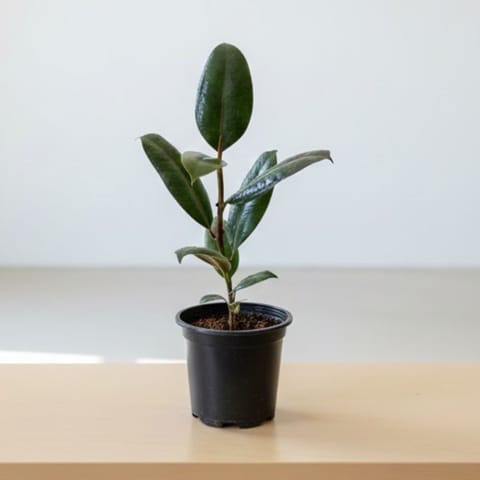
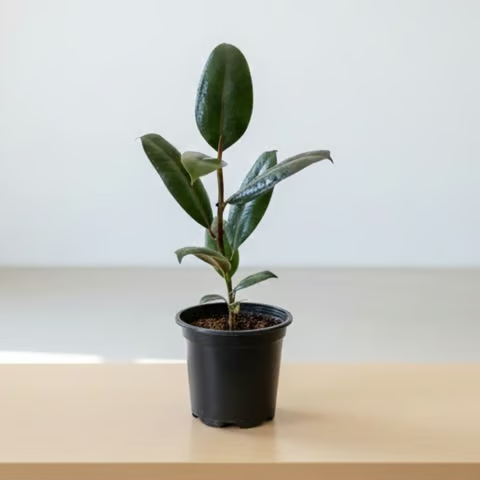
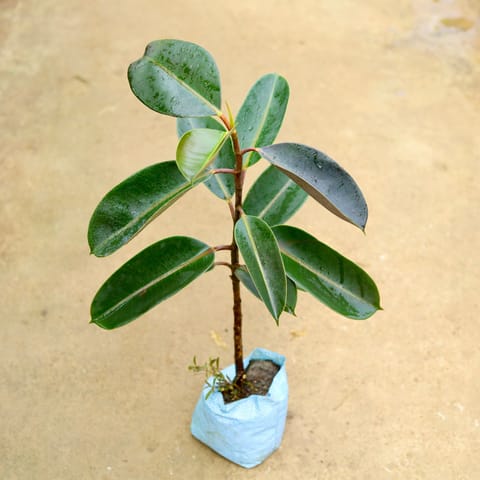
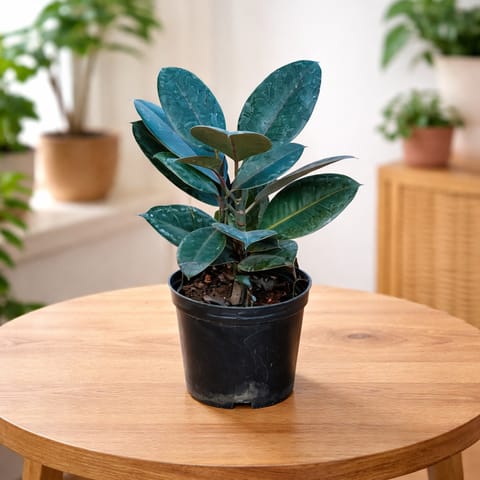
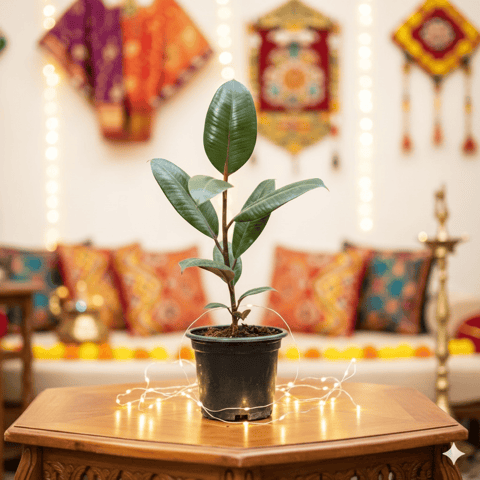
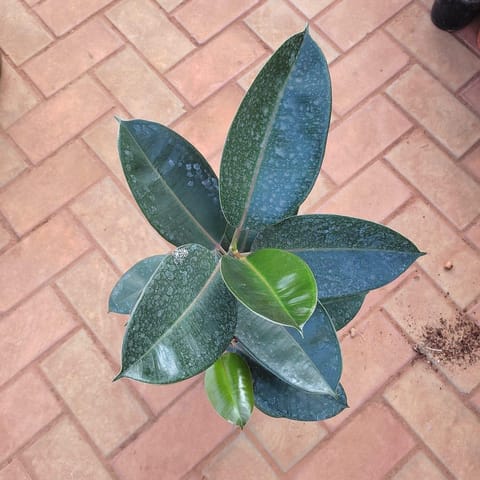
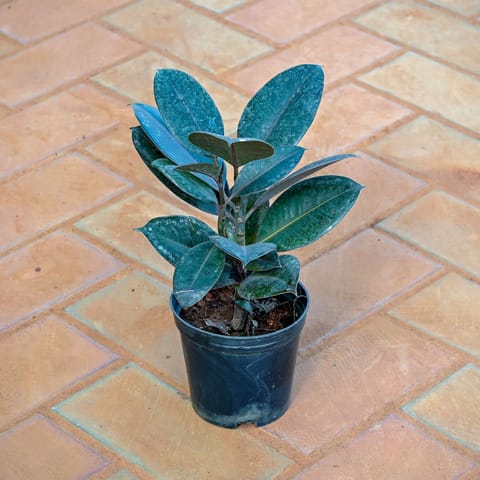
1. Rubber Plant (Green)

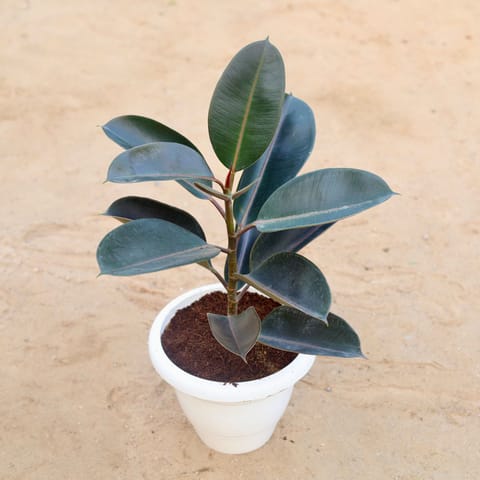
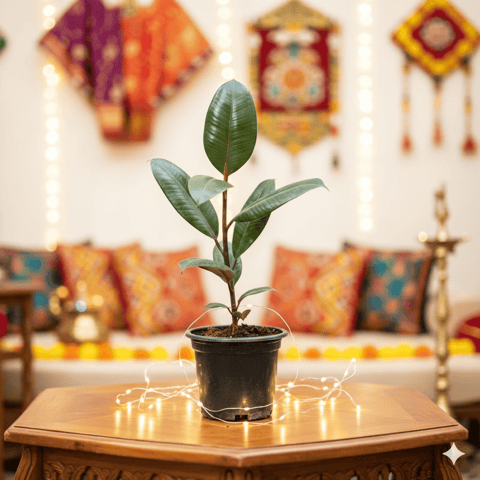
The classic and most recognisable variety, the green rubber plant is known for its large, thick, glossy leaves in a rich, deep green shade. It is one of the most beginner-friendly options in the collection, adapting well to typical indoor conditions with minimal care. Its strong, upright growth and bold foliage make it an ideal choice for creating a clean, statement look in living rooms, bedrooms, or office spaces. If you’re looking for a reliable indoor plant that combines ease of care with a striking visual presence, this is the perfect place to begin.

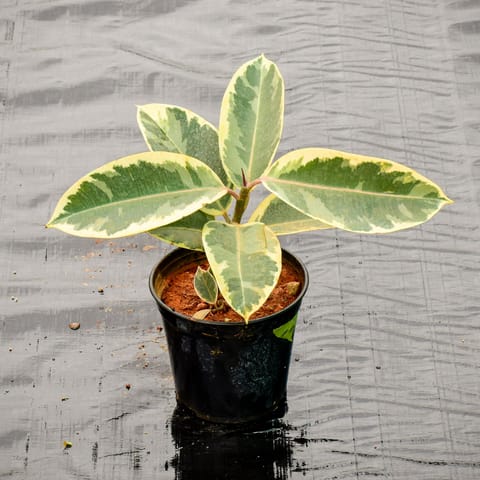
2. Rubber Variegated (Ficus elastica Variegated)

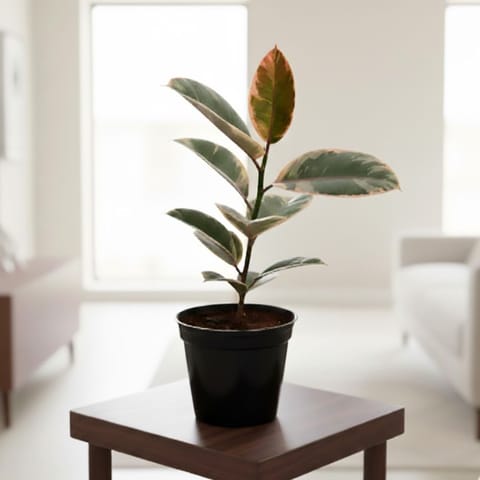
A perfect choice for those who prefer a softer, more decorative look. The variegated rubber plant features broad, glossy leaves patterned with a blend of green, cream, and subtle pastel tones, making each leaf visually unique. Compared to darker varieties, it requires slightly brighter indoor conditions to maintain its variegation, making it ideal for well-lit living rooms, balconies, or near east-facing windows. It adds brightness and contrast to indoor spaces without overwhelming the overall aesthetic.

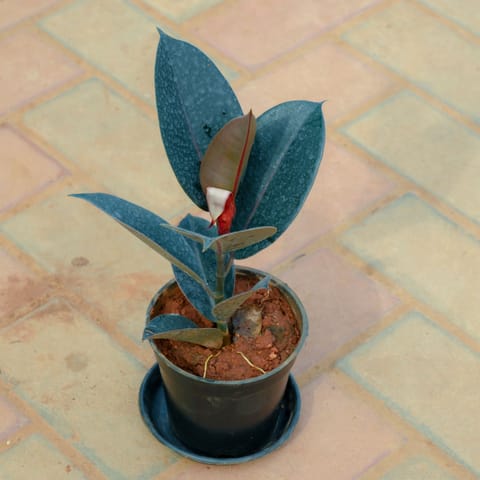
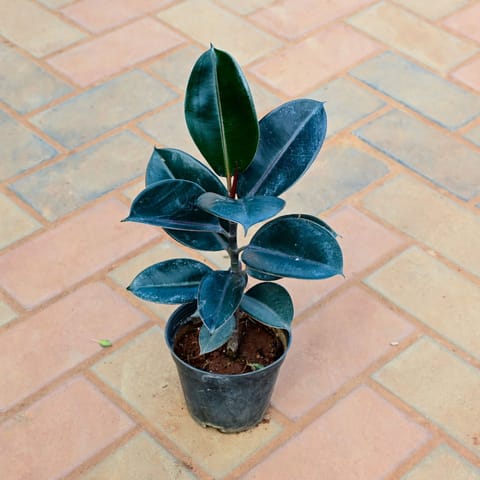
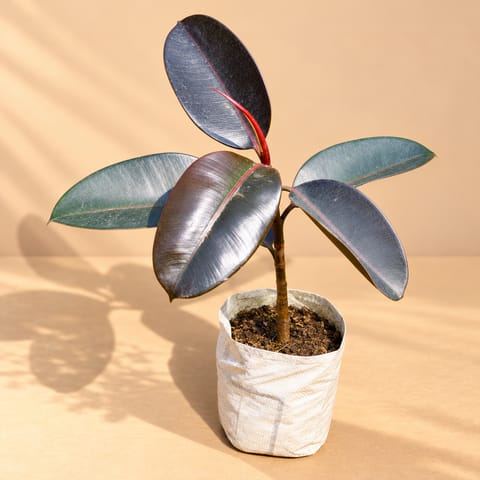
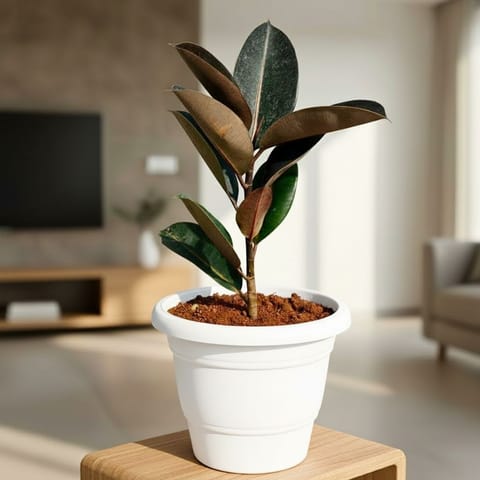
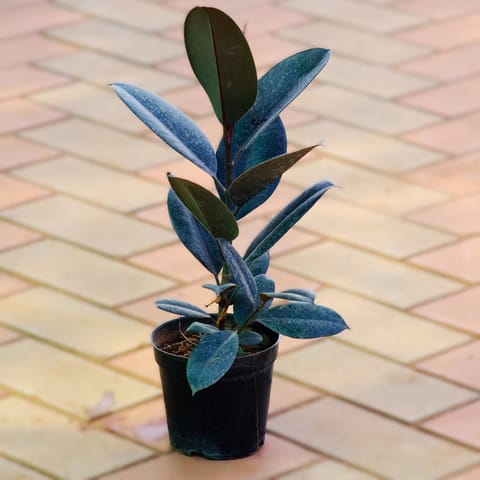
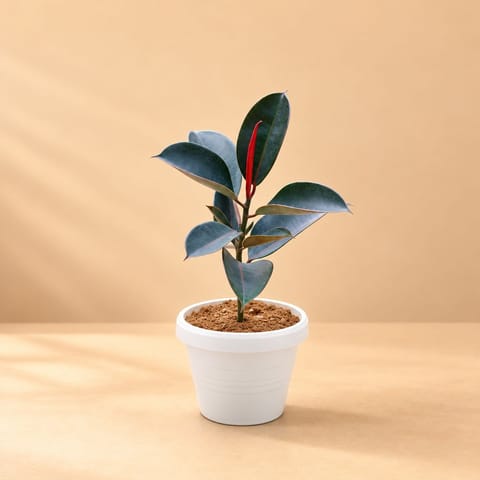
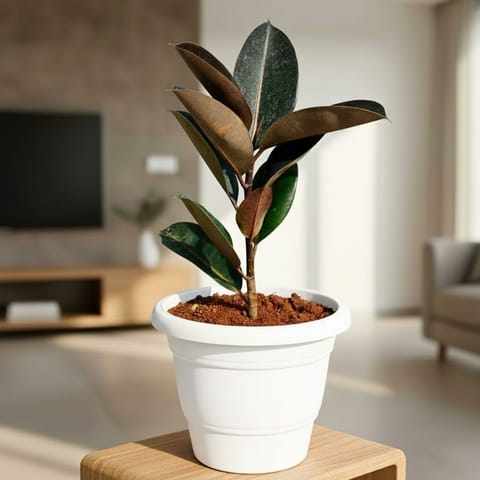
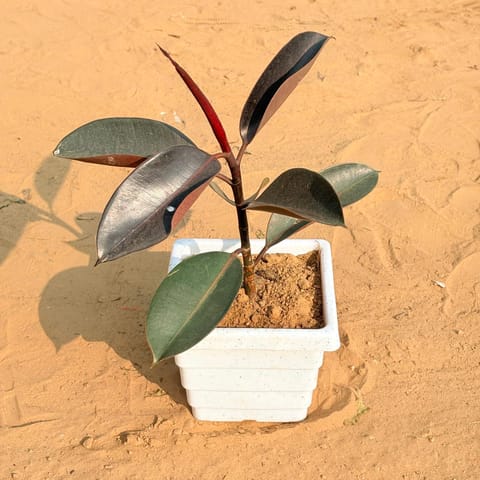
3. Rubber Black (Ficus elastica ‘Burgundy’ / Black Prince)

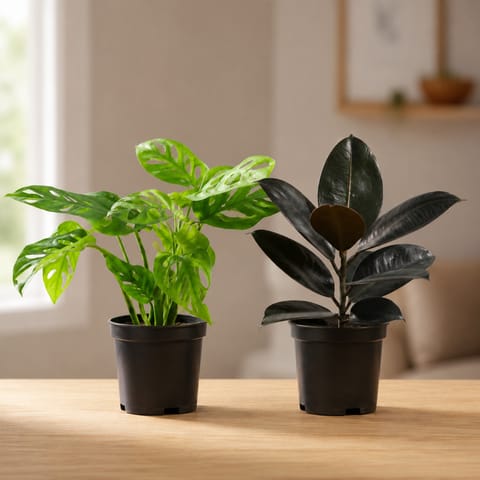
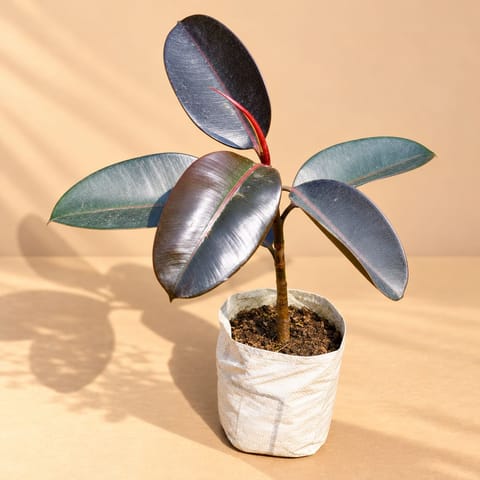
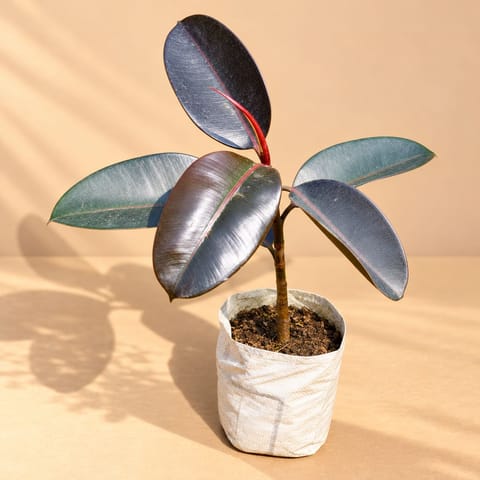
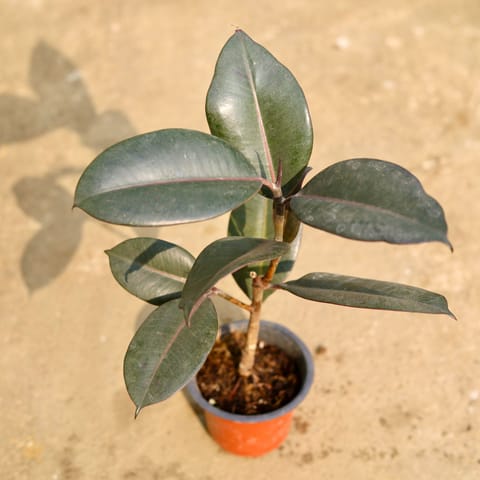
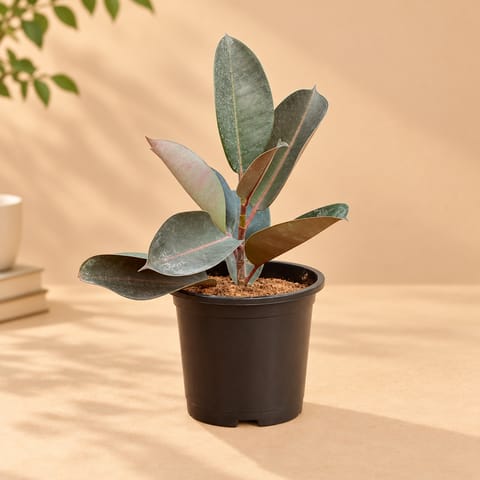
The boldest and most dramatic variety in the collection. The Rubber Black features deep burgundy foliage that appears almost black, highlighted by a striking reddish midrib running through each leaf. Its rich, dark tones make it a standout choice for modern, minimal, and contemporary interiors. With its strong visual presence and structured growth, it works beautifully as a statement plant in living rooms, offices, or entryways. Available in a wide range of sizes and planter options, this is easily one of the most popular choices for those looking to add depth and sophistication to their space.

4. Rubber Variegated Yellow (Ficus elastica Variegated Yellow)

A rarer and more vibrant variation within the rubber plant family. This variety showcases striking foliage with warm golden-yellow variegation paired with rich green tones, creating a luminous and eye-catching effect. It is best suited for bright indoor spots where its colours can fully develop and stay vivid. With the right placement and care, it becomes a standout feature plant, adding warmth and visual interest to any indoor setting.

How to Choose the Right Rubber Plant Based on Your Space & Style

I Want a Low-Maintenance Indoor Plant That Looks Premium

Go for the classic green rubber plant. The rubber plant indoor is one of the most popular choices for Indian apartments because it grows upright, needs minimal watering, and adapts well to typical home lighting conditions.

I Want a Statement Plant for My Living Room

The rubber black (Burgundy/Black Prince) is your answer. Its large, near-black glossy leaves create an instant focal point and pair beautifully with neutral interiors, wooden furniture, and modern or minimalist décor. It is the most popular variety in this collection for good reason.

I Want a Plant for a Bright Spot

Choose the rubber variegated yellow. Both offer multi-toned foliage, green with cream or green with warm golden-yellow, that looks exceptional near a well-lit east- or north-facing window. The variegated yellow is particularly striking if you want something a little rarer and more luminous.

I Want a Plant That Suits Vastu and Looks Beautiful

Any rubber plant from this collection fits the bill. The rubber plant is widely regarded as auspicious as per Vastu Shastra, and its large, rounded leaves are associated with financial abundance and prosperity. Keep reading for detailed rubber plant Vastu guidance below.

I Want a Large Indoor Plant That Makes a Real Impact

The rubber black is available in sizes up to approximately 1.5 feet, planted in premium fiberglass, ceramic, and designer plastic pots. If you want a floor plant that genuinely anchors a room, the larger pot options in this collection are an excellent choice.

I Want a Budget-Friendly Premium Indoor Plant

The rubber plant delivers a high-end look at a very accessible price. Rubber plant prices at Urvann start from just ₹99 and go up to ₹1,859+, covering everything from small nursery pot plants to large statement planters, so there is an option for every budget and every space.

Rubber Plant Benefits - Why It Belongs in Every Indian Home

Beyond its stunning appearance, the rubber plant offers several meaningful benefits that make it a particularly smart choice for Indian homes.

1. Air Purifier for Indian Homes

The rubber plant is a natural air purifier. Its large, broad leaves absorb common indoor pollutants like formaldehyde, carbon monoxide, and particulate matter. All these indoor pollutants are very common in urban Indian households due to traffic, dust, and indoor cooking.

2. Adapts Well to Indoor Light Conditions

The rubber plant is highly adaptable when it comes to lighting. It grows well in bright, indirect light and can also tolerate moderate indoor light levels. The classic green variety is the most forgiving, while darker and variegated varieties perform best with slightly brighter conditions. This flexibility makes it ideal for apartments, offices, and indoor corners with varying light exposure.

3. Helps Maintain Indoor Humidity

Like many foliage plants, the rubber plant releases moisture into the air through a natural process called transpiration. This can help improve indoor humidity levels, which is particularly beneficial in air-conditioned rooms or during dry winter months in North India.

4. Long-Lasting and Rewarding Growth

With proper care, a rubber plant can thrive indoors for many years. It grows steadily, develops a strong structure, and gradually becomes a prominent part of your home décor. In the right conditions, rubber tree plants can even grow tall enough to reach ceiling height indoors, making them a rewarding long-term addition.

4. Rubber Plant Vastu: Associated with Prosperity

In Vastu Shastra, the rubber plant is often considered a symbol of growth, stability, and financial prosperity. Its broad, rounded leaves are associated with abundance, and it is commonly believed to attract positive energy when placed correctly. The southeast direction of a home or office is generally recommended for placement. While these beliefs are cultural, many households value the plant for the sense of positivity and balance it brings to their space.

Rubber Plant Care Guide

Care Factor Requirement
Botanical Name Ficus elastica (Roxb. ex Hornem.)
Common Names Rubber plant, rubber tree plant, Indian rubber tree, Ficus elastica
Family Moraceae
Sunlight Bright indirect light; 4–6 hours daily
Watering When the top 2–3 inches of soil feel dry
Soil Well-draining potting mix with some perlite or coarse sand
Best Use Living rooms, offices, balconies, bedroom corners (with good light)
Maintenance Low
Indoor Height Typically 3–6 feet in pots; can reach up to 10 feet over many years
Temperature Tolerance 15°C–35°C; keep it away from cold drafts

Sunlight: Indoor or Outdoor?

The rubber plant is primarily an indoor plant in most Indian climates, though it can be kept outdoors in partially shaded spots. Here is what you need to know:

  • Rubber plant indoor: Place near an east- or north-facing window where it receives bright, indirect light for most of the day. Avoid harsh afternoon sun, which can scorch the leaves.
  • Rubber plant outdoors: Can be placed on a shaded balcony or patio where it receives filtered light. In peak Indian summers, protect it from direct afternoon sun. Move it indoors if temperatures drop significantly in winter (especially in North India).

  • Variegated varieties (Tineke, Ruby): Need more light than the plain green or burgundy types to maintain their leaf colour. A bright indoor spot is essential for these.

Rubber Plant Watering Guide

Overwatering is the number one cause of rubber plant problems in Indian homes. Here is how to water correctly throughout the year.

  • Summer (March to June): Water when the top 2–3 inches of soil feel completely dry. In very hot, dry conditions (especially in cities like Delhi, Jaipur, or Ahmedabad), the soil will dry out faster, so check every 5–7 days. Ensure pots always have drainage holes; waterlogged roots are far more damaging than underwatering.
  • Monsoon (July to September): Significantly reduce watering frequency. The higher humidity means the soil stays moist longer. Check the soil before every watering; skip if there is any moisture. Ensure the pot has good drainage and does not sit in a saucer full of water.
  • Winter (October to February): Water sparingly, approximately once every 10–14 days in North Indian cities. The plant's growth slows down in cooler months and it needs very little water during this period.

Buy Rubber Plant Online from Urvann with Fast Delivery

Looking for a plant that adds instant structure, elegance, and greenery to your space without demanding too much care? The rubber plant is one of those rare choices that combines bold visual appeal with easy maintenance.

At Urvann, you’ll find healthy, nursery-grown rubber plants that are selected for strong growth, rich foliage, and suitability for Indian homes. Whether you’re placing it in your living room, near a window, or in a bright office corner, it settles in beautifully and starts elevating your space right away.

Ready to bring home a timeless indoor plant? Choose your favourite variety. Your green corner is just a click away.

For more options, explore our other collections like Periwinkle, Snake Plant, Rose Plant, Money Plant, and more. 

Frequently Asked Questions About Rubber Plant

1. How often should I water my rubber plant?

It's best to water your rubber plant when the top inch of soil feels dry. Avoid overwatering, as it can lead to root rot. Allow the soil to dry out between waterings, but don't let it become bone dry.

2. Can I place my rubber plant in direct sunlight?

While rubber plants prefer bright, indirect light, they can tolerate some direct sunlight. However, intense, direct sunlight can scorch their leaves. It's best to provide filtered or indirect light for optimal growth.

3. How fast does a rubber plant grow?

Rubber plants are relatively slow-growing, especially indoors. It can take several months or even years for a rubber plant to show significant growth. However, with proper care, they can eventually reach a considerable size.

4.Can I propagate my rubber plant?

Yes, rubber plants can be propagated through stem cuttings. Take a stem cutting with a few leaves and place it in water or a well-draining potting mix. Keep it warm and moist until roots develop, and then transplant it into a separate pot.

5. Why are the leaves of my rubber plant turning yellow?

Yellowing leaves on a rubber plant can indicate various issues, including overwatering, underwatering, or insufficient light. Assess your watering habits, ensure proper drainage, and adjust the plant's light exposure if necessary.

6. Can I keep my rubber plant outside?

Rubber plants are typically grown as indoor plants, but they can be placed outdoors in suitable climates. They thrive in warm, tropical conditions. However, they should be protected from direct sunlight and cold drafts.

7. Is the rubber plant toxic to pets?

Yes, rubber plants are considered toxic to cats and dogs. The plant's sap contains compounds that can cause irritation and digestive issues if ingested. Keep your rubber plant out of reach of pets or opt for pet-friendly plants if you have furry companions at home.

8. How often should I fertilize my rubber plant?

Fertilize your rubber plant once a month during the growing season (spring and summer) with a balanced houseplant fertilizer. Dilute the fertilizer according to the package instructions and apply it to moist soil.

9. Where can I get a Rubber Plant?

You can buy rubber plant online at Urvann. Urvann provides free next day delivery of fresh plants at your doorstep and offers easy returns.

10. Is the rubber plant good for home in India?

Yes, the rubber plant is one of the best indoor/outdoor plants for Indian homes. It is native to the tropical forests of Northeast India and Southeast Asia, which means it is naturally adapted to the warm, humid conditions typical of most Indian cities. It handles temperatures between 15°C and 35°C well, adapts to varied indoor light levels, requires infrequent watering, and is one of the few large indoor plants that genuinely thrives in Indian apartments without demanding constant attention. Whether you live in Delhi, Mumbai, Bengaluru, or Chennai, a rubber plant indoors will adapt to your home's conditions more easily than most popular houseplants.

11. What is the rubber plant's Vastu significance and the best direction to place it?

According to Vastu Shastra, the rubber plant is considered an auspicious indoor plant that brings prosperity, good luck, and financial abundance. Its large, rounded leaves are said to resemble coins and are associated with wealth and growth. The best direction to place a rubber plant as per Vastu is the southeast corner of your living room or home office, which is governed by the element of fire and is considered beneficial for financial matters. Avoid placing it in bathrooms or areas with stagnant energy. A rubber plant placed in the living room is believed to promote harmony, positive relationships, and an uplifting environment, while simultaneously purifying the air.

12. What is the rubber plant botanical name and family?

The rubber plant's botanical name is Ficus elastica, first formally described by the botanist Roxburgh (Roxb. ex Hornem.). It belongs to the family Moraceae, which also includes figs, mulberries, and breadfruit trees. Its scientific name reflects its historical use: elastica refers to the elastic, rubbery quality of the milky latex sap the plant produces. The common names rubber plant, rubber tree plant, and Indian rubber tree all refer to the same species. It is worth noting that the commercial rubber tree used today to produce most of the world's natural rubber is Hevea brasiliensis, a different species entirely, not Ficus elastica. 

13. Why are my rubber plant leaves turning yellow?

Yellow leaves on a rubber plant are almost always a sign of overwatering. Check the soil; if it feels damp or soggy more than an inch below the surface, you are watering too frequently. Allow the soil to dry out more between waterings, ensure the pot has good drainage holes, and empty any water from the saucer after watering. Less commonly, yellow leaves can also result from very low light or a sudden change in environment. Move the plant to a brighter spot if drainage is not the issue.

14. Does the rubber plant flower?

The rubber plant flower (fruit) is rarely seen indoors. In the wild, mature Ficus elastica trees do produce small, fig-like fruits, but these almost never appear on houseplants grown in pots. The rubber plant is grown purely as a foliage plant indoors, prized for its striking leaves rather than any blooms. If you're looking for a flowering indoor plant, Urvann's other collections like Anthurium or Peace Lily would be better suited.

15. What is the baby rubber plant and how is it different from Ficus elastica?

The baby rubber plant and the rubber plant (Ficus elastica) are two entirely different species that share a common nickname. The baby rubber plant is Peperomia obtusifolia, a compact, bushy plant that stays small and is perfect for desks, shelves, and small corners. Ficus elastica is a large, upright tree that can grow several feet tall indoors. Both have thick, glossy leaves, which is why they are often confused. Baby rubber plants are generally considered non-toxic and are a great choice for homes with pets, while Ficus elastica contains a milky latex sap that is mildly toxic if ingested by cats and dogs.

16. Does the rubber plant need sunlight?

Yes, but indirect light works best. Place your rubber plant near an east or north-facing window where it receives bright light without harsh direct sun. The green and Rubber Black varieties are more adaptable and can manage in moderate indoor light, while the variegated varieties need a brighter spot to keep their leaf colour vivid. Avoid direct afternoon sun as it can scorch the leaves, and rotate the pot every couple of weeks to encourage even, upright growth.


Showing 24 of 459 products
(17)
₹119₹209 -43%
(30)
₹119₹309 -61%
New In
Rubber in 4 Inch Nursery Pot
(8)
₹119₹209 -43%
(13)
₹119₹209 -43%
(2)
₹1,299₹2,279 -43%
(3)
₹119₹889 -86%

Also known as the rubber tree plant, Indian rubber tree (Ficus elastica), is one of the most popular indoor plants in Indian homes today for its striking, adaptable, and surprisingly easy-to-care-for qualities. 

Its broad, glossy leaves add an instant touch of tropical drama to living rooms, offices, and balconies alike.

Whether you are a first-time plant parent looking for a reliable green companion or an experienced plant lover expanding your indoor collection, Urvann's rubber plant collection offers healthy, nursery-grown plants in classic green, deep burgundy, and beautiful variegated varieties, all ready to settle into your space right away.

Why 50,000+ Indian Plant Parents Trust Urvann for Rubber Plants

Rated 4.8/5 by 12,340+ verified buyers

✓ Free Next-Day Delivery - We provide free next-day delivery for all orders placed by 7 PM in Delhi-NCR and Bengaluru.

✓ Pan India Deliveries - We're expanding deliveries across India; timelines vary by location.

✓ Hassle-Free Replacement - We offer a 2-day replacement window if the product arrives damaged or incorrect.

✓ Indian Climate-Matched Care - Expert guidance for your region's humidity, water hardness & seasons.

✓ Real Photos from Indian Homes - No stock images; see actual customer plants.

✓ Everything for Gifting, All in One Place - 5,000+ varieties of plants, pots, soil, seeds & tools for a complete garden.

Rubber Plant Varieties: Which One Is Right for You?

Here is a quick guide to help you choose the right rubber plant online for your space, style, and budget.

1. Rubber Plant (Green)

The classic and most recognisable variety, the green rubber plant is known for its large, thick, glossy leaves in a rich, deep green shade. It is one of the most beginner-friendly options in the collection, adapting well to typical indoor conditions with minimal care. Its strong, upright growth and bold foliage make it an ideal choice for creating a clean, statement look in living rooms, bedrooms, or office spaces. If you’re looking for a reliable indoor plant that combines ease of care with a striking visual presence, this is the perfect place to begin.

2. Rubber Variegated (Ficus elastica Variegated)

A perfect choice for those who prefer a softer, more decorative look. The variegated rubber plant features broad, glossy leaves patterned with a blend of green, cream, and subtle pastel tones, making each leaf visually unique. Compared to darker varieties, it requires slightly brighter indoor conditions to maintain its variegation, making it ideal for well-lit living rooms, balconies, or near east-facing windows. It adds brightness and contrast to indoor spaces without overwhelming the overall aesthetic.

3. Rubber Black (Ficus elastica ‘Burgundy’ / Black Prince)

The boldest and most dramatic variety in the collection. The Rubber Black features deep burgundy foliage that appears almost black, highlighted by a striking reddish midrib running through each leaf. Its rich, dark tones make it a standout choice for modern, minimal, and contemporary interiors. With its strong visual presence and structured growth, it works beautifully as a statement plant in living rooms, offices, or entryways. Available in a wide range of sizes and planter options, this is easily one of the most popular choices for those looking to add depth and sophistication to their space.

4. Rubber Variegated Yellow (Ficus elastica Variegated Yellow)

A rarer and more vibrant variation within the rubber plant family. This variety showcases striking foliage with warm golden-yellow variegation paired with rich green tones, creating a luminous and eye-catching effect. It is best suited for bright indoor spots where its colours can fully develop and stay vivid. With the right placement and care, it becomes a standout feature plant, adding warmth and visual interest to any indoor setting.

How to Choose the Right Rubber Plant Based on Your Space & Style

I Want a Low-Maintenance Indoor Plant That Looks Premium

Go for the classic green rubber plant. The rubber plant indoor is one of the most popular choices for Indian apartments because it grows upright, needs minimal watering, and adapts well to typical home lighting conditions.

I Want a Statement Plant for My Living Room

The rubber black (Burgundy/Black Prince) is your answer. Its large, near-black glossy leaves create an instant focal point and pair beautifully with neutral interiors, wooden furniture, and modern or minimalist décor. It is the most popular variety in this collection for good reason.

I Want a Plant for a Bright Spot

Choose the rubber variegated yellow. Both offer multi-toned foliage, green with cream or green with warm golden-yellow, that looks exceptional near a well-lit east- or north-facing window. The variegated yellow is particularly striking if you want something a little rarer and more luminous.

I Want a Plant That Suits Vastu and Looks Beautiful

Any rubber plant from this collection fits the bill. The rubber plant is widely regarded as auspicious as per Vastu Shastra, and its large, rounded leaves are associated with financial abundance and prosperity. Keep reading for detailed rubber plant Vastu guidance below.

I Want a Large Indoor Plant That Makes a Real Impact

The rubber black is available in sizes up to approximately 1.5 feet, planted in premium fiberglass, ceramic, and designer plastic pots. If you want a floor plant that genuinely anchors a room, the larger pot options in this collection are an excellent choice.

I Want a Budget-Friendly Premium Indoor Plant

The rubber plant delivers a high-end look at a very accessible price. Rubber plant prices at Urvann start from just ₹99 and go up to ₹1,859+, covering everything from small nursery pot plants to large statement planters, so there is an option for every budget and every space.

Rubber Plant Benefits - Why It Belongs in Every Indian Home

Beyond its stunning appearance, the rubber plant offers several meaningful benefits that make it a particularly smart choice for Indian homes.

1. Air Purifier for Indian Homes

The rubber plant is a natural air purifier. Its large, broad leaves absorb common indoor pollutants like formaldehyde, carbon monoxide, and particulate matter. All these indoor pollutants are very common in urban Indian households due to traffic, dust, and indoor cooking.

2. Adapts Well to Indoor Light Conditions

The rubber plant is highly adaptable when it comes to lighting. It grows well in bright, indirect light and can also tolerate moderate indoor light levels. The classic green variety is the most forgiving, while darker and variegated varieties perform best with slightly brighter conditions. This flexibility makes it ideal for apartments, offices, and indoor corners with varying light exposure.

3. Helps Maintain Indoor Humidity

Like many foliage plants, the rubber plant releases moisture into the air through a natural process called transpiration. This can help improve indoor humidity levels, which is particularly beneficial in air-conditioned rooms or during dry winter months in North India.

4. Long-Lasting and Rewarding Growth

With proper care, a rubber plant can thrive indoors for many years. It grows steadily, develops a strong structure, and gradually becomes a prominent part of your home décor. In the right conditions, rubber tree plants can even grow tall enough to reach ceiling height indoors, making them a rewarding long-term addition.

4. Rubber Plant Vastu: Associated with Prosperity

In Vastu Shastra, the rubber plant is often considered a symbol of growth, stability, and financial prosperity. Its broad, rounded leaves are associated with abundance, and it is commonly believed to attract positive energy when placed correctly. The southeast direction of a home or office is generally recommended for placement. While these beliefs are cultural, many households value the plant for the sense of positivity and balance it brings to their space.

Rubber Plant Care Guide

Care Factor Requirement
Botanical Name Ficus elastica (Roxb. ex Hornem.)
Common Names Rubber plant, rubber tree plant, Indian rubber tree, Ficus elastica
Family Moraceae
Sunlight Bright indirect light; 4–6 hours daily
Watering When the top 2–3 inches of soil feel dry
Soil Well-draining potting mix with some perlite or coarse sand
Best Use Living rooms, offices, balconies, bedroom corners (with good light)
Maintenance Low
Indoor Height Typically 3–6 feet in pots; can reach up to 10 feet over many years
Temperature Tolerance 15°C–35°C; keep it away from cold drafts

Sunlight: Indoor or Outdoor?

The rubber plant is primarily an indoor plant in most Indian climates, though it can be kept outdoors in partially shaded spots. Here is what you need to know:

  • Rubber plant indoor: Place near an east- or north-facing window where it receives bright, indirect light for most of the day. Avoid harsh afternoon sun, which can scorch the leaves.
  • Rubber plant outdoors: Can be placed on a shaded balcony or patio where it receives filtered light. In peak Indian summers, protect it from direct afternoon sun. Move it indoors if temperatures drop significantly in winter (especially in North India).

  • Variegated varieties (Tineke, Ruby): Need more light than the plain green or burgundy types to maintain their leaf colour. A bright indoor spot is essential for these.

Rubber Plant Watering Guide

Overwatering is the number one cause of rubber plant problems in Indian homes. Here is how to water correctly throughout the year.

  • Summer (March to June): Water when the top 2–3 inches of soil feel completely dry. In very hot, dry conditions (especially in cities like Delhi, Jaipur, or Ahmedabad), the soil will dry out faster, so check every 5–7 days. Ensure pots always have drainage holes; waterlogged roots are far more damaging than underwatering.
  • Monsoon (July to September): Significantly reduce watering frequency. The higher humidity means the soil stays moist longer. Check the soil before every watering; skip if there is any moisture. Ensure the pot has good drainage and does not sit in a saucer full of water.
  • Winter (October to February): Water sparingly, approximately once every 10–14 days in North Indian cities. The plant's growth slows down in cooler months and it needs very little water during this period.

Buy Rubber Plant Online from Urvann with Fast Delivery

Looking for a plant that adds instant structure, elegance, and greenery to your space without demanding too much care? The rubber plant is one of those rare choices that combines bold visual appeal with easy maintenance.

At Urvann, you’ll find healthy, nursery-grown rubber plants that are selected for strong growth, rich foliage, and suitability for Indian homes. Whether you’re placing it in your living room, near a window, or in a bright office corner, it settles in beautifully and starts elevating your space right away.

Ready to bring home a timeless indoor plant? Choose your favourite variety. Your green corner is just a click away.

For more options, explore our other collections like Periwinkle, Snake Plant, Rose Plant, Money Plant, and more. 

Frequently Asked Questions About Rubber Plant

1. How often should I water my rubber plant?

It's best to water your rubber plant when the top inch of soil feels dry. Avoid overwatering, as it can lead to root rot. Allow the soil to dry out between waterings, but don't let it become bone dry.

2. Can I place my rubber plant in direct sunlight?

While rubber plants prefer bright, indirect light, they can tolerate some direct sunlight. However, intense, direct sunlight can scorch their leaves. It's best to provide filtered or indirect light for optimal growth.

3. How fast does a rubber plant grow?

Rubber plants are relatively slow-growing, especially indoors. It can take several months or even years for a rubber plant to show significant growth. However, with proper care, they can eventually reach a considerable size.

4.Can I propagate my rubber plant?

Yes, rubber plants can be propagated through stem cuttings. Take a stem cutting with a few leaves and place it in water or a well-draining potting mix. Keep it warm and moist until roots develop, and then transplant it into a separate pot.

5. Why are the leaves of my rubber plant turning yellow?

Yellowing leaves on a rubber plant can indicate various issues, including overwatering, underwatering, or insufficient light. Assess your watering habits, ensure proper drainage, and adjust the plant's light exposure if necessary.

6. Can I keep my rubber plant outside?

Rubber plants are typically grown as indoor plants, but they can be placed outdoors in suitable climates. They thrive in warm, tropical conditions. However, they should be protected from direct sunlight and cold drafts.

7. Is the rubber plant toxic to pets?

Yes, rubber plants are considered toxic to cats and dogs. The plant's sap contains compounds that can cause irritation and digestive issues if ingested. Keep your rubber plant out of reach of pets or opt for pet-friendly plants if you have furry companions at home.

8. How often should I fertilize my rubber plant?

Fertilize your rubber plant once a month during the growing season (spring and summer) with a balanced houseplant fertilizer. Dilute the fertilizer according to the package instructions and apply it to moist soil.

9. Where can I get a Rubber Plant?

You can buy rubber plant online at Urvann. Urvann provides free next day delivery of fresh plants at your doorstep and offers easy returns.

10. Is the rubber plant good for home in India?

Yes, the rubber plant is one of the best indoor/outdoor plants for Indian homes. It is native to the tropical forests of Northeast India and Southeast Asia, which means it is naturally adapted to the warm, humid conditions typical of most Indian cities. It handles temperatures between 15°C and 35°C well, adapts to varied indoor light levels, requires infrequent watering, and is one of the few large indoor plants that genuinely thrives in Indian apartments without demanding constant attention. Whether you live in Delhi, Mumbai, Bengaluru, or Chennai, a rubber plant indoors will adapt to your home's conditions more easily than most popular houseplants.

11. What is the rubber plant's Vastu significance and the best direction to place it?

According to Vastu Shastra, the rubber plant is considered an auspicious indoor plant that brings prosperity, good luck, and financial abundance. Its large, rounded leaves are said to resemble coins and are associated with wealth and growth. The best direction to place a rubber plant as per Vastu is the southeast corner of your living room or home office, which is governed by the element of fire and is considered beneficial for financial matters. Avoid placing it in bathrooms or areas with stagnant energy. A rubber plant placed in the living room is believed to promote harmony, positive relationships, and an uplifting environment, while simultaneously purifying the air.

12. What is the rubber plant botanical name and family?

The rubber plant's botanical name is Ficus elastica, first formally described by the botanist Roxburgh (Roxb. ex Hornem.). It belongs to the family Moraceae, which also includes figs, mulberries, and breadfruit trees. Its scientific name reflects its historical use: elastica refers to the elastic, rubbery quality of the milky latex sap the plant produces. The common names rubber plant, rubber tree plant, and Indian rubber tree all refer to the same species. It is worth noting that the commercial rubber tree used today to produce most of the world's natural rubber is Hevea brasiliensis, a different species entirely, not Ficus elastica. 

13. Why are my rubber plant leaves turning yellow?

Yellow leaves on a rubber plant are almost always a sign of overwatering. Check the soil; if it feels damp or soggy more than an inch below the surface, you are watering too frequently. Allow the soil to dry out more between waterings, ensure the pot has good drainage holes, and empty any water from the saucer after watering. Less commonly, yellow leaves can also result from very low light or a sudden change in environment. Move the plant to a brighter spot if drainage is not the issue.

14. Does the rubber plant flower?

The rubber plant flower (fruit) is rarely seen indoors. In the wild, mature Ficus elastica trees do produce small, fig-like fruits, but these almost never appear on houseplants grown in pots. The rubber plant is grown purely as a foliage plant indoors, prized for its striking leaves rather than any blooms. If you're looking for a flowering indoor plant, Urvann's other collections like Anthurium or Peace Lily would be better suited.

15. What is the baby rubber plant and how is it different from Ficus elastica?

The baby rubber plant and the rubber plant (Ficus elastica) are two entirely different species that share a common nickname. The baby rubber plant is Peperomia obtusifolia, a compact, bushy plant that stays small and is perfect for desks, shelves, and small corners. Ficus elastica is a large, upright tree that can grow several feet tall indoors. Both have thick, glossy leaves, which is why they are often confused. Baby rubber plants are generally considered non-toxic and are a great choice for homes with pets, while Ficus elastica contains a milky latex sap that is mildly toxic if ingested by cats and dogs.

16. Does the rubber plant need sunlight?

Yes, but indirect light works best. Place your rubber plant near an east or north-facing window where it receives bright light without harsh direct sun. The green and Rubber Black varieties are more adaptable and can manage in moderate indoor light, while the variegated varieties need a brighter spot to keep their leaf colour vivid. Avoid direct afternoon sun as it can scorch the leaves, and rotate the pot every couple of weeks to encourage even, upright growth.

Load More