Shop

Downalod our app

Please provide your delivery pincode to see products available in your area
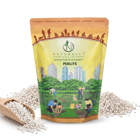
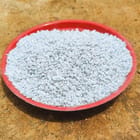
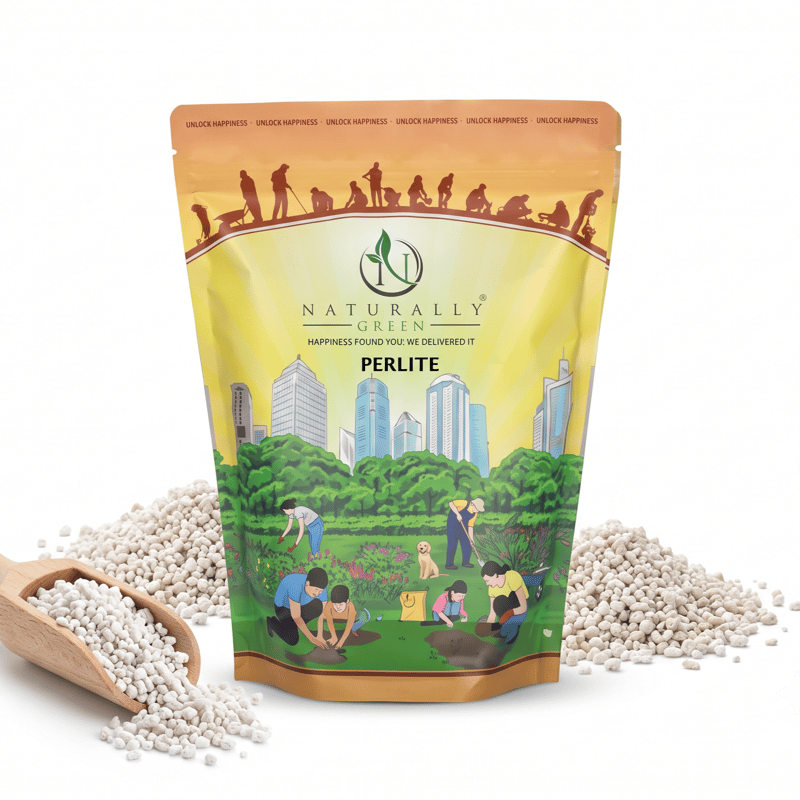
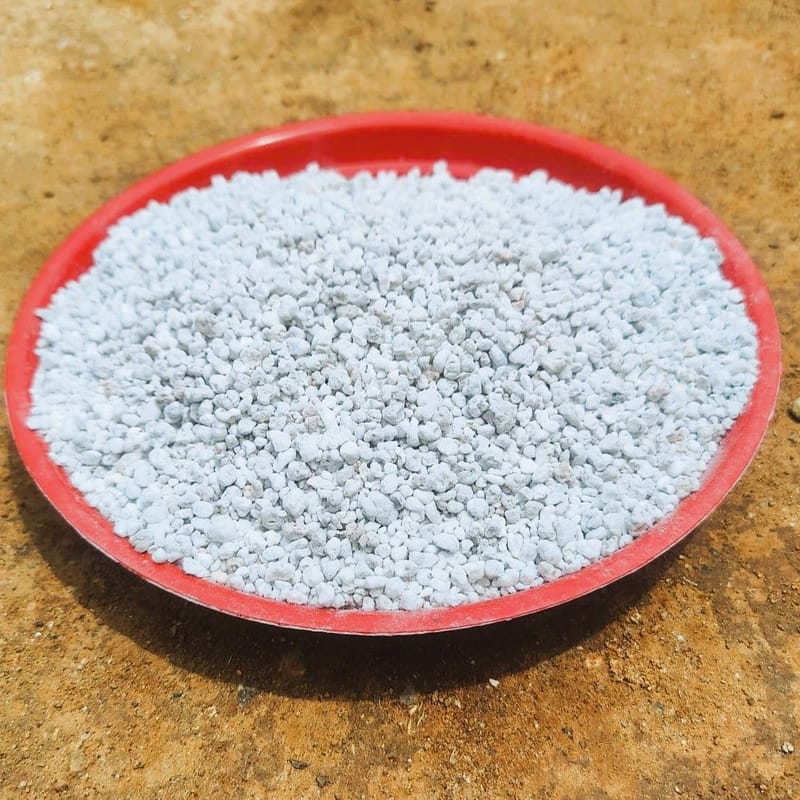
Perlite - 250 Gm - Improves drainage and air in soil
₹99 ( 41% OFF )
MRP ₹169 Inclusive of all taxes
Features
- Packed with nutrients
- Excellent growing medium
- Aids in nutrition retention
- Resistant to fungal diseases
- It can be used to create more potting mixes
Product Information
Create a lighter, better-aerated growing medium with Urvann Perlite. Perlite is a lightweight, porous material commonly added to potting mixes to improve aeration and drainage, helping excess water flow through the soil more effectively.
Ideal for indoor plants, succulents, cacti, and container gardening, this 250 g pack is a useful addition to your plant care essentials. Mixing perlite into the growing medium can help reduce soil compaction and create more suitable conditions for healthy root development, especially for plants that prefer well-draining soil.
Key Features
● Improves Soil Aeration – Creates air spaces in the growing medium to support root respiration. ● Enhances Drainage – Helps excess water drain through the potting mix. ● Lightweight Growing Medium Additive – Helps make potting mixes less dense. ● Supports Root Health – Better aeration and drainage can help reduce prolonged waterlogging. ● Versatile Gardening Use – Suitable for potting mixes for indoor plants, succulents, cacti, and other plants with appropriate drainage needs. ● Convenient 250 g Pack – Ideal for small potting and repotting projects.
Usage Instructions
1. Prepare the Potting Mix: Choose a suitable potting mix based on the plant's growing requirements.
2. Mix with Soil: Blend perlite evenly into the potting mix. Adjust the proportion according to the plant type and the drainage needs of the growing medium.
3. Pot Your Plant: Add the prepared mix to the pot and position the plant without compressing the soil excessively.
4. Water Appropriately: Water according to the plant's needs and allow excess water to drain freely from the pot.
5. Store Properly: Keep unused perlite sealed in a dry place. Avoid creating or inhaling dust while handling it; lightly dampen it before mixing if dusty.
Perfect For
● Improving potting mix aeration ● Enhancing drainage in containers ● Repotting indoor plants ● Preparing succulent and cactus mixes ● Reducing soil compaction ● DIY potting mix preparation
Ideal For
● Home gardeners ● Indoor plant enthusiasts ● Succulent and cactus growers ● Balcony gardeners ● Plant nurseries ● Gardening beginners and experienced growers
Frequently Asked Questions
1. What is perlite used for in gardening? Perlite is added to growing media to improve aeration and drainage, helping create a more suitable environment for plant roots.
2. Can I use perlite for indoor plants? Yes, perlite can be mixed into potting soil for many indoor plants. The ideal amount depends on the plant's moisture and drainage requirements.
3. Is perlite suitable for succulents and cacti? Yes, it is commonly used in succulent and cactus mixes because it helps improve drainage and aeration.
4. How much perlite should I mix with soil? The proportion depends on the plant and the existing potting mix. Start with a suitable recipe for your plant rather than using one fixed ratio for every variety.
5. Does perlite replace soil or fertilizer? No. Perlite is primarily a physical soil amendment for aeration and drainage; it does not replace the nutrients supplied by soil, compost, or fertilizer.
Frequently bought together

Related Products

Customer Review
4.7
14 reviews
Add images from your gallery