Shop

Downalod our app

Please provide your delivery pincode to see products available in your area
Recent Search
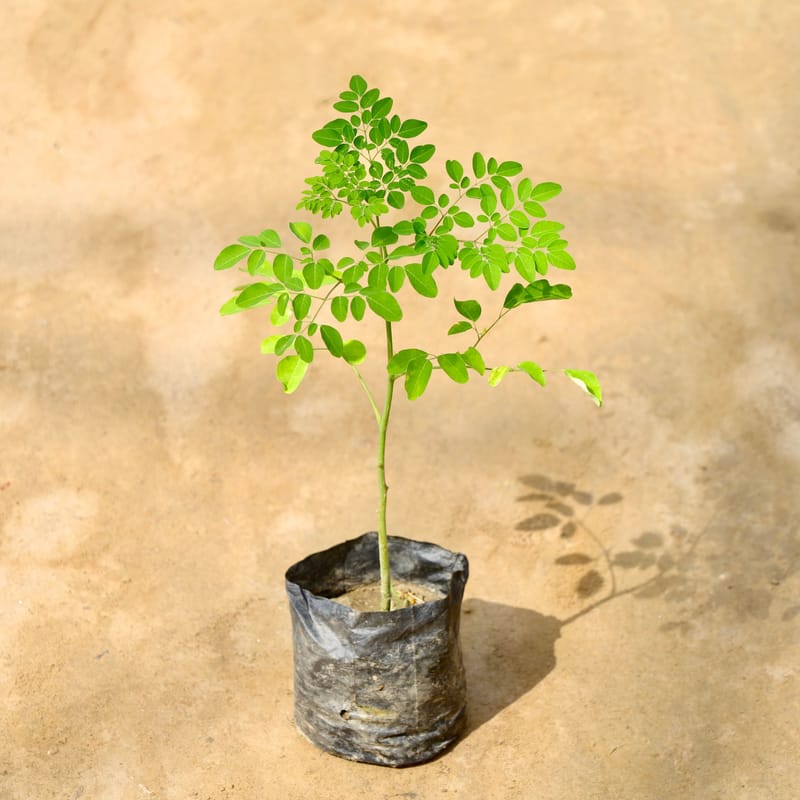
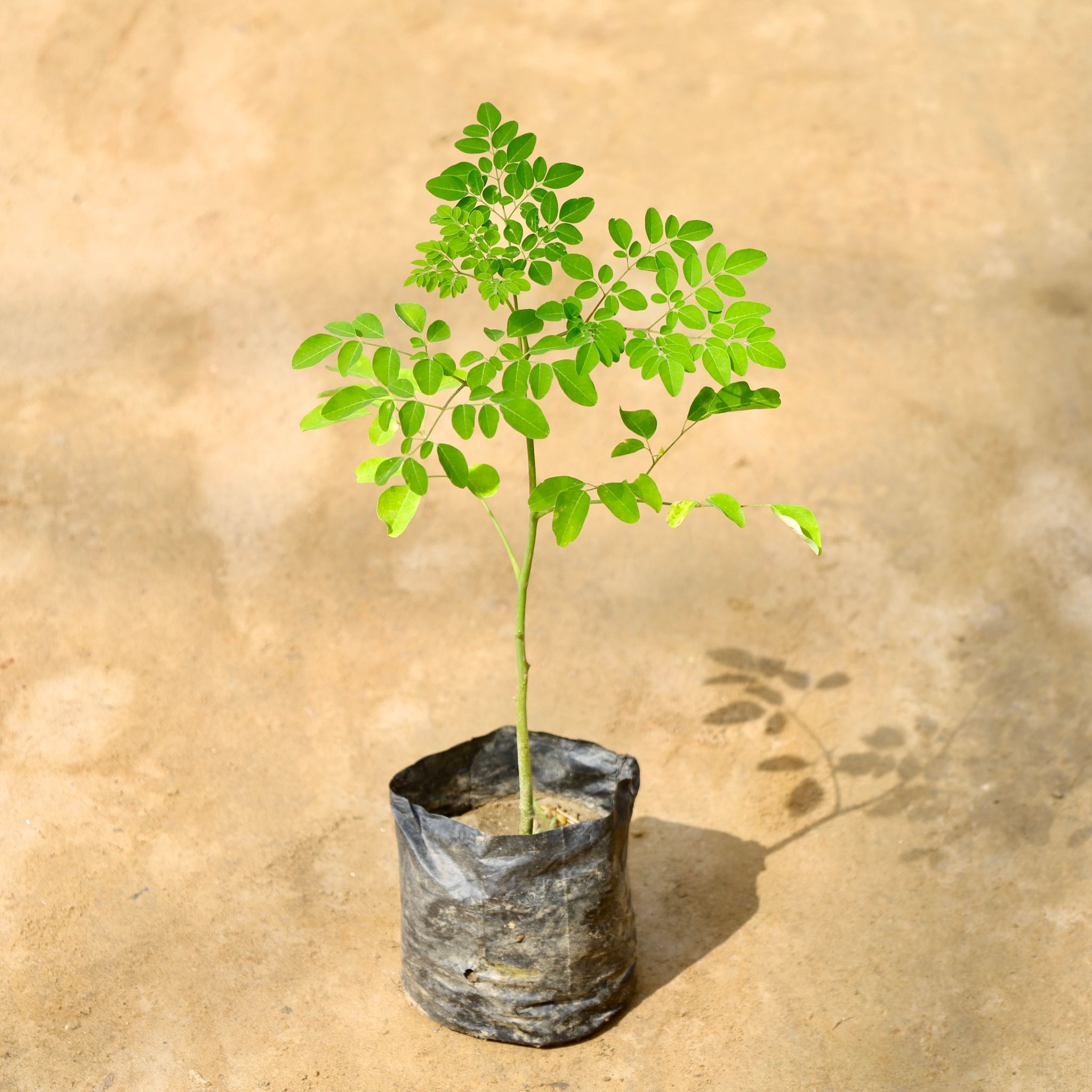
Moringa / Drumstick in 4 Inch Nursery Bag
₹119 ( 45% OFF )
MRP ₹219 Inclusive of all taxes
Features
- Highly Nutritious Superfood Plant
- Fast Growing Plant
- Medicinal Value Leaves
- Drought Tolerant Plant
- Edible Pods Production
- Ideal for Home Gardening
Product Information
The Moringa Plant, popularly known as the Drumstick Tree (Sahjan), is a fast-growing, highly nutritious plant often called the “Miracle Tree” due to its exceptional health benefits. Every part of the plant- leaves, pods, flowers, and seed; is useful, making it a valuable addition to any home garden.
Ideal for Indian climates, Moringa is hardy, drought-tolerant, and easy to grow, thriving well in both pots and open ground. Its long drumstick-shaped pods and nutrient-rich leaves make it perfect for kitchen gardening and daily consumption.
Benefits of Moringa/ Drumstick Plant
 Nutrient-Dense Superfood:
Moringa is packed with essential vitamins (A, B-complex, C) and minerals like calcium, iron, magnesium, and potassium, making it one of the most nutritious plants you can grow at home.
 Multi-Purpose Edible Plant :
Leaves can be used in curries, soups, and teas, while drumstick pods are widely used in Indian cooking. Flowers and seeds also have medicinal and culinary uses.
 Low Maintenance:
Moringa requires minimal care once established and can tolerate dry conditions, making it ideal for beginners.
 Boosts Immunity & Overall Health :
Regular consumption of Moringa helps strengthen the immune system, improve digestion, and support overall well-being.
Care Tips for Moringa/ Drumstick Plant
 Watering :
Water the plant only when the soil feels dry. Moringa does not like excess moisture, so avoid overwatering as it can lead to root rot and fungal infections. Use the finger test - if the soil sticks to your finger, skip watering; if dry, water thoroughly.
During rainy or winter seasons, reduce watering frequency.
 Light :
Moringa requires full sunlight for at least 6-8 hours daily. Adequate sunlight ensures healthy growth, lush green leaves, and better pod production. Always place the plant in the sunniest spot available.
 Placement :
Best grown in open areas, terraces, or balconies. If growing in pots, use large containers (18-20 inches) to support root development and growth.
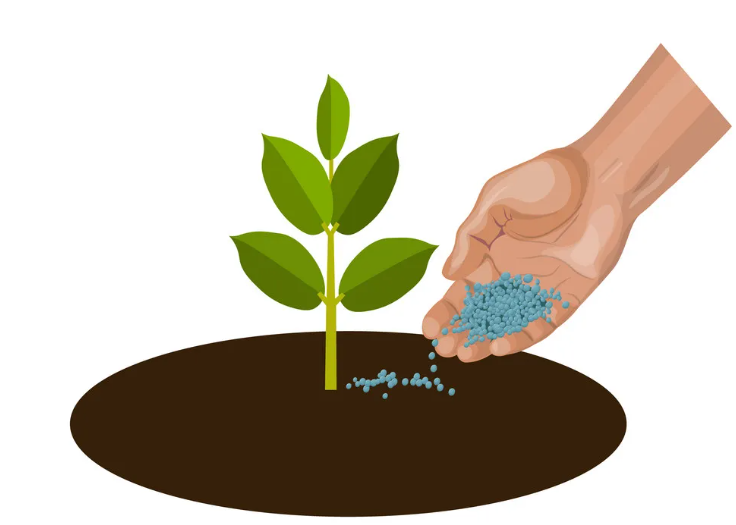 Fertilization :
Feed the plant occasionally with vermicompost or cow dung manure to maintain soil fertility. Avoid excessive fertilization, as Moringa grows well even with minimal feeding.
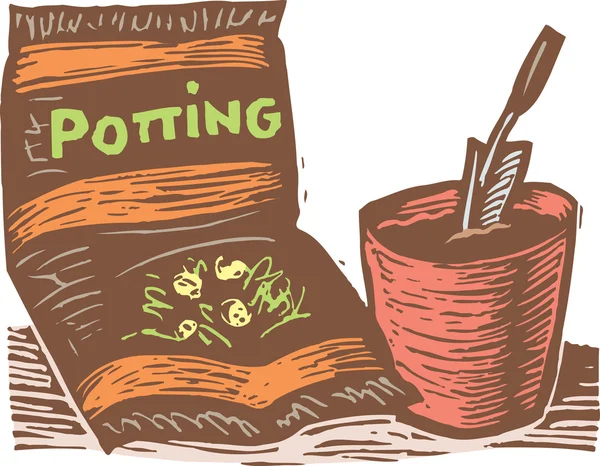 Ideal Soil Mix :
Use a well-draining soil mix to prevent water retention:
Garden Soil (40%) + Sand (25%) + Compost (25%) + Neem Khali (10%)
This combination ensures good drainage, provides essential nutrients, and helps protect the plant from fungal issues.
 Pruning :
Pruning is essential to control height and promote bushier growth. Trim the plant regularly to make harvesting easier and encourage more branches.
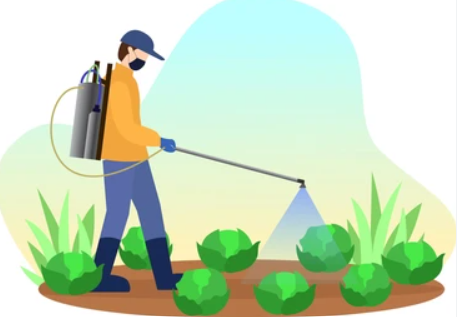 Pest Control :
The plant may occasionally face issues like spider mites. Use neem oil spray regularly as a natural pesticide to keep pests under control.
Frequently Asked Questions about Moringa/ Drumstick Plant
1. How often should I water Moringa?
Water only when the soil dries out; avoid overwatering.
2. Does it need full sunlight?
Yes, it requires at least 6-8 hours of direct sunlight daily.
3. Can Moringa be grown in pots?
Yes, it can be grown in large pots, but it performs best in open ground.
4. Is Moringa easy to grow?
Yes, it is a hardy, low-maintenance plant suitable for beginners.
5. Where can I buy Hibiscus plants?
Head over to Urvann, India’s favorite online nursery, and browse from their extensive collection of plants.
.

.
Related Products
Customer Review
5
43 reviews
Add images from your gallery