
Shop

Downalod our app

Please provide your delivery pincode to see products available in your area
Mint Collection
Fresh, aromatic, and incredibly versatile, the mi...
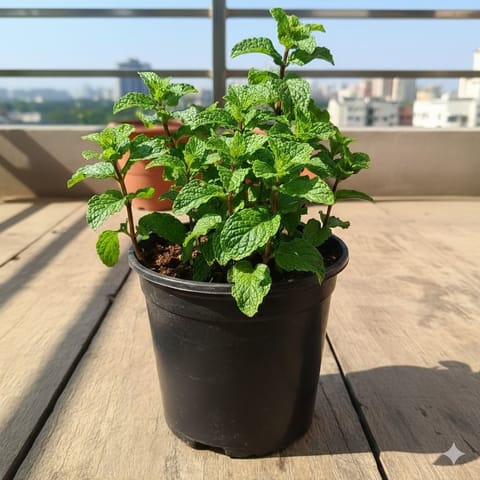
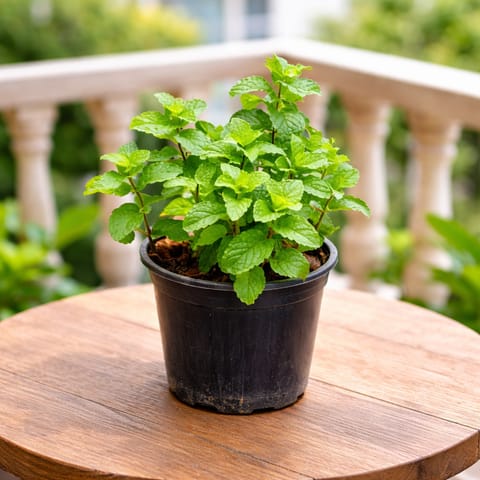
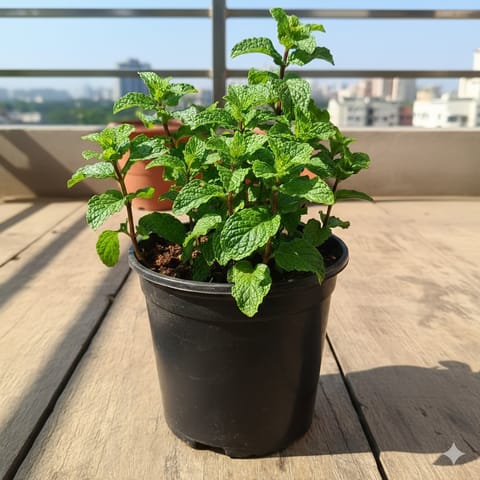
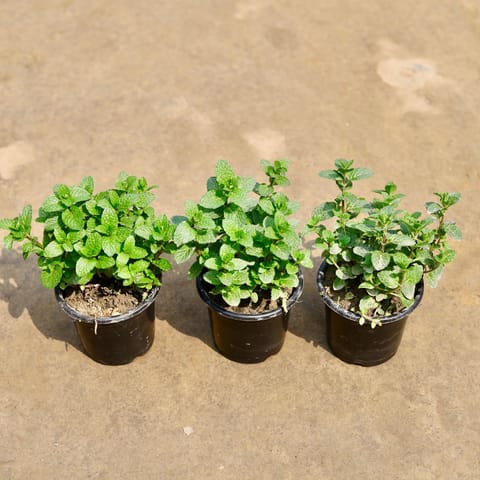
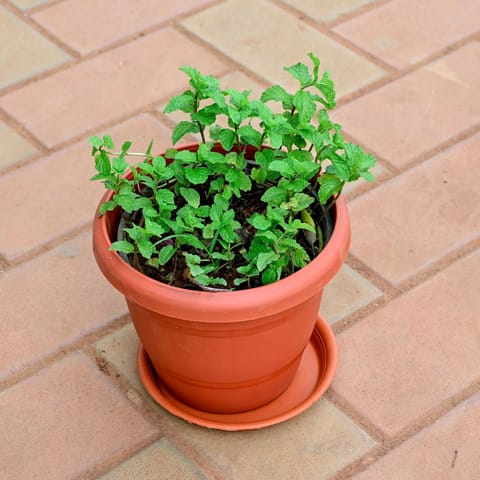
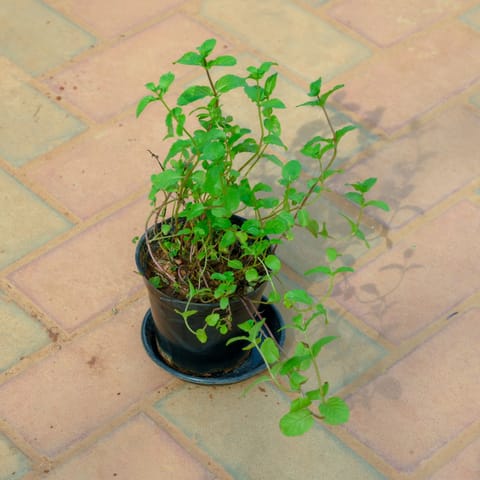
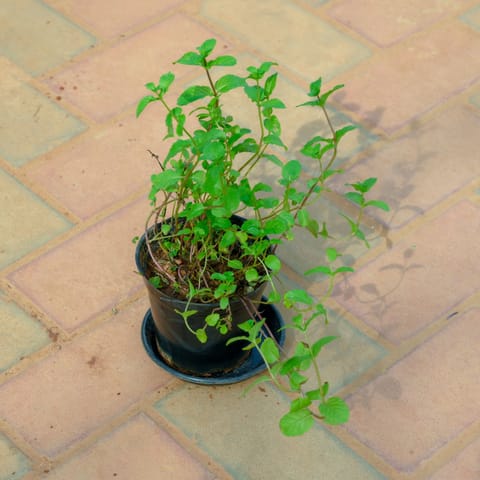
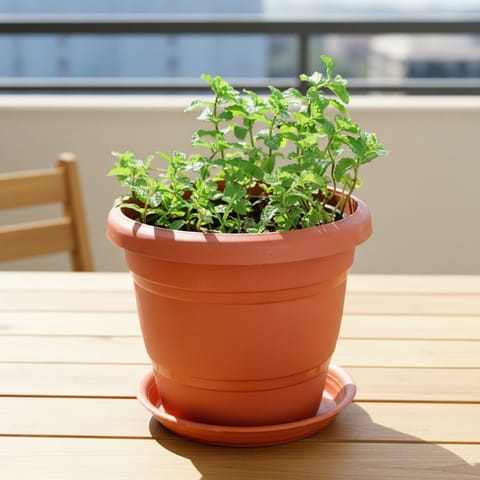
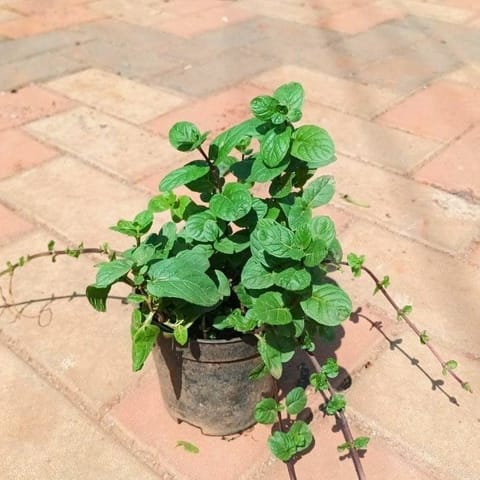
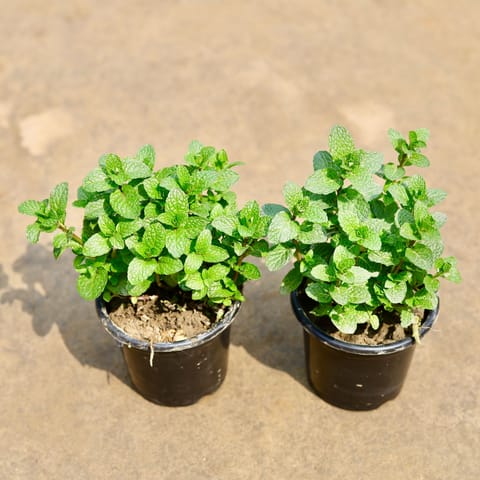
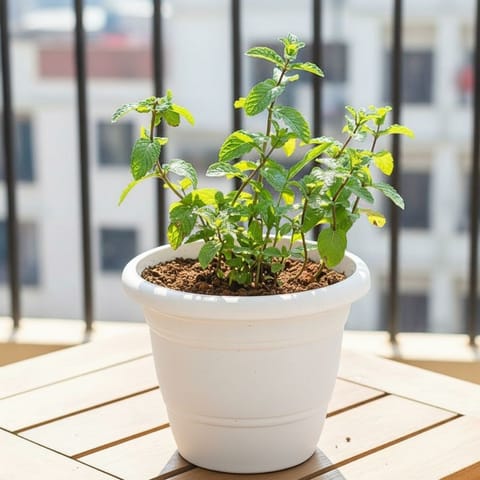
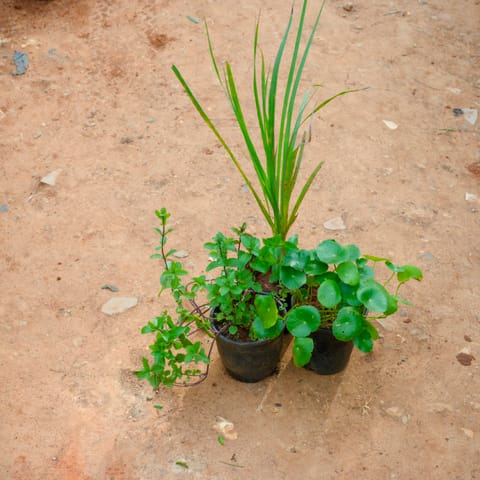
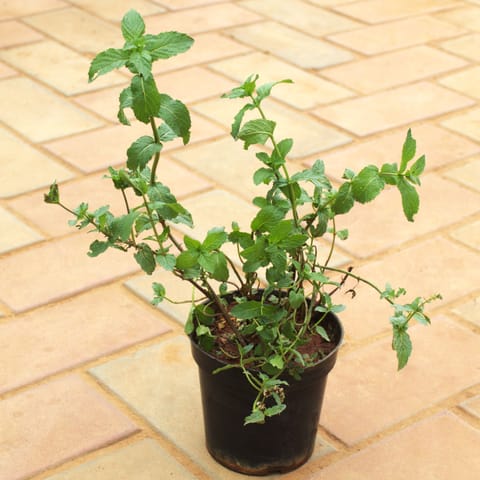
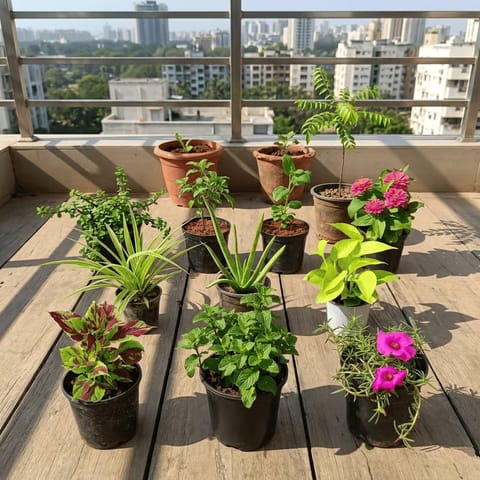
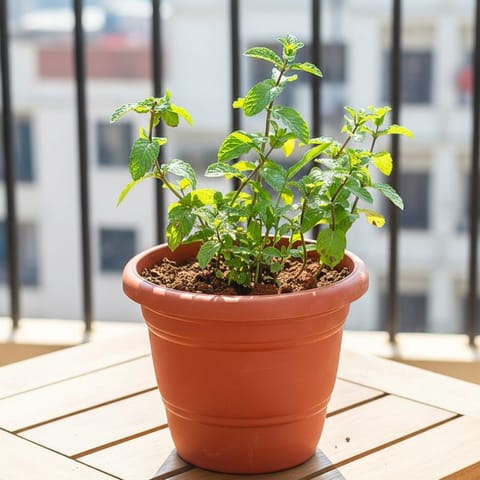
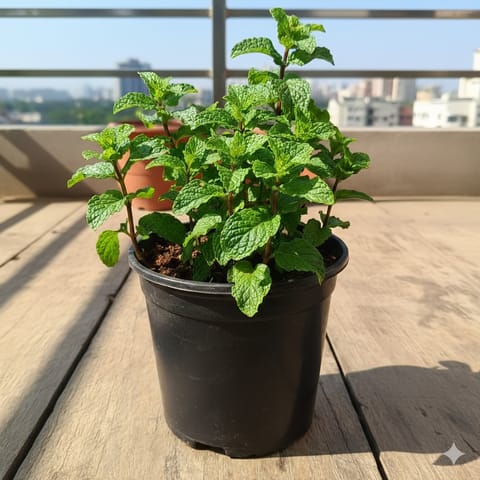
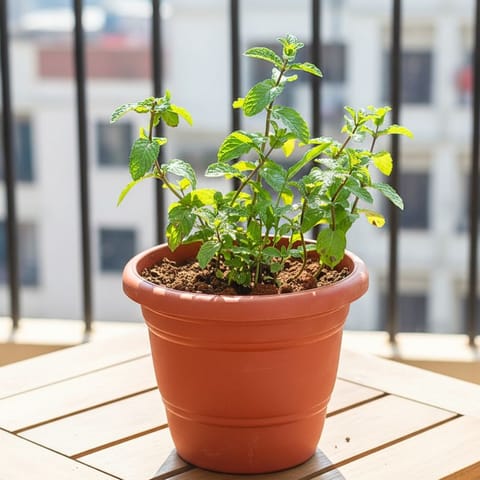
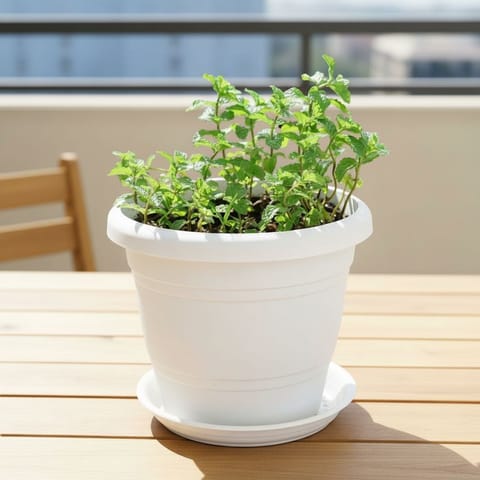
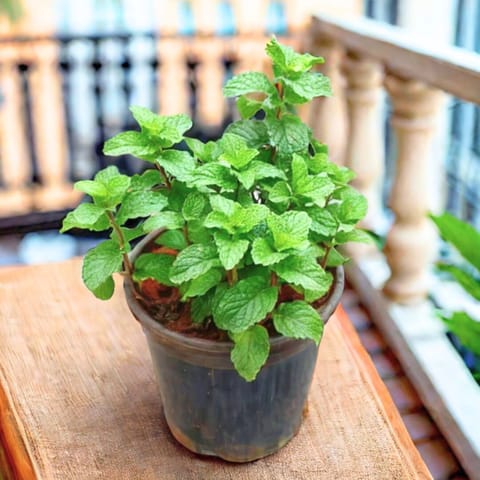
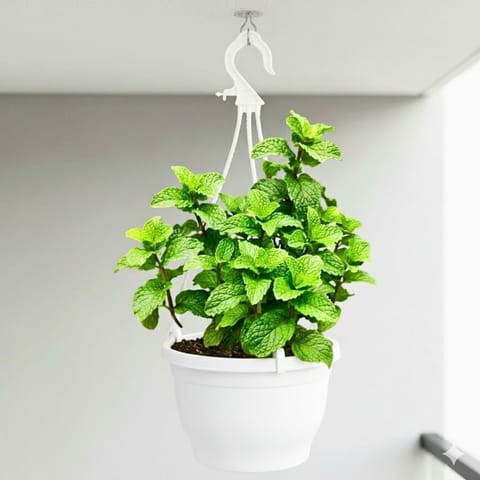
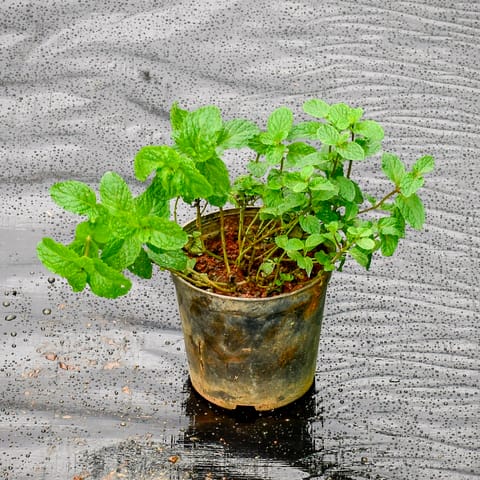
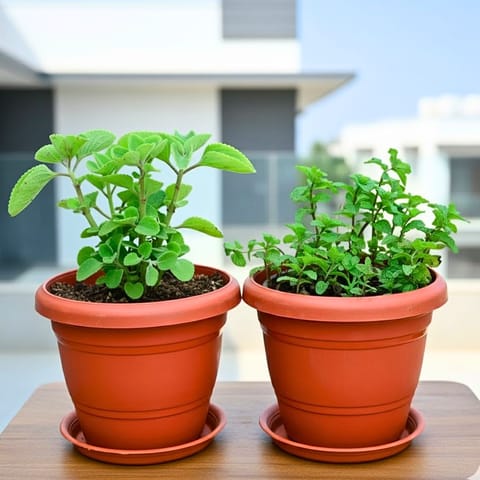
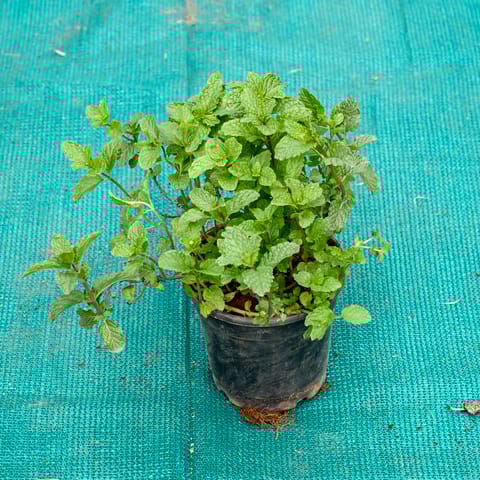
Fresh, aromatic, and incredibly versatile, the mint plant is one of the most useful herbs you can grow at home. It naturally enhances drinks, adds freshness to everyday meals, and fills your space with a pleasant, cooling fragrance. With the right care and a sunny spot, mint grows quickly and abundantly, making it a rewarding choice for both beginners and experienced plant lovers. Whether placed in a kitchen garden, balcony, or near a bright window, it adapts easily to Indian home environments.
In India, mint is widely known as pudina and is a staple in daily cooking, from chutneys to beverages and home remedies. Its refreshing taste and easy-growing nature make it one of the most loved herbs across households.
Urvann’s Mint Collection offers healthy, nursery-grown plants that are well-suited for home gardening. If you are looking to add a practical, edible plant that combines freshness, fragrance, and everyday usefulness, mint is an ideal choice.
Why 50,000+ Indian Plant Parents Trust Urvann for Mint Plants
⭐ Rated 4.8/5 by 12,340+ verified buyers
✓ Free Next-Day Delivery - Enjoy free next-day delivery on orders placed before 7 PM in Delhi NCR and Bengaluru
✓ Pan India Deliveries - We are expanding across India, with delivery timelines varying based on your location
✓ Hassle-Free Replacement - Get a simple 2-day replacement window if your order arrives damaged or incorrect
✓ Indian Climate-Matched Care - Receive expert care guidance suited to your region’s humidity, water quality, and seasonal conditions
✓ Real Photos from Indian Homes - See actual customer plants instead of stock images for a more realistic experience
✓ Everything for Gifting, All in One Place - Explore 5,000+ options, including plants, pots, soil, seeds, and tools for a complete gardening and gifting solution
Choose the Right Mint Plant for Your Space & Usage
All plants in this collection are varieties of mint, commonly known as pudina (पुदीना), but they are offered in different formats to suit your space, usage, and convenience.
1. Small Nursery Plants for Beginners
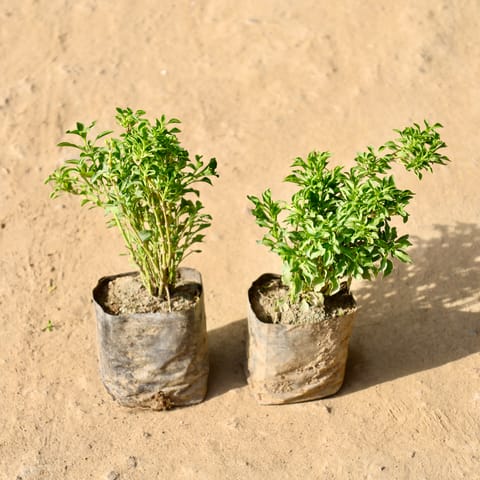
These compact mint plants come in small nursery pots or bags and are perfect if you’re just starting out. They are easy to maintain, budget-friendly, and ideal for windowsills or small balconies.
2. Medium Pots for Regular Use
If you plan to use mint frequently in your kitchen, slightly larger pots are a better choice. They provide more growth, allowing you to harvest leaves regularly without affecting the plant’s health.
3. Ready-to-Place Decorative Pots
For those who want both function and aesthetics, mint plants in decorative pots or planters are a great option. They can be placed directly in your balcony or kitchen without needing repotting.
4. Combo Sets for More Yield
Sets of multiple mint plants are ideal if you want a steady and larger supply of fresh leaves. They are also a practical option for gifting or setting up a small herb corner at home.
How to Choose the Right Mint Plant Based on Your Needs & Daily Use
Choosing the right mint plant depends less on the type and more on how you plan to use it and where you want to keep it. Here’s a simple guide to help you decide:
I Want a Useful Plant for My Kitchen
Mint is one of the most practical herbs you can grow at home. If you regularly make chutneys, nimbu pani, raita, or herbal drinks, having a mint plant ensures you always have fresh leaves within reach. Place it near a sunny kitchen window or balcony for easy access while cooking.
I Want to Grow Pudina at Home
If your goal is to grow your own pudina (पुदीना), choose a healthy, well-rooted plant that can establish quickly. Mint grows fast and spreads well, so even a single plant can give you a steady supply with regular trimming and care.
I Want an Easy Herb for My Balcony
Mint is ideal for balconies because it grows well in pots and does not require complicated care. It prefers bright light and regular watering, and with occasional pruning, it stays full and leafy. Even small spaces can support a thriving mint plant.
I Want to Order Mint Without the Hassle
If you prefer convenience, getting a ready-to-grow mint plant delivered to your home saves time and effort. You avoid the uncertainty of local nurseries and receive a plant that is already established and easier to maintain.
I Want a Plant I Can Actually Use Daily
Unlike decorative plants, mint is highly functional. It can be used almost every day in Indian kitchens, making it a great choice if you want a plant that is not just for looks but also adds real value to your routine.
I Want to Start a Small Herb Garden
Mint is one of the best herbs to begin with if you’re starting an edible garden. It grows quickly, requires basic care, and gives visible results in a short time, which makes the gardening experience more rewarding and encouraging.
Benefits of Mint (Pudina): Kitchen Use, Health & Everyday Value
The mint plant, commonly known as pudina (पुदीना), is one of the most practical and rewarding herbs you can grow at home. It combines everyday usefulness with easy care, making it a favourite for Indian households. Here’s why it deserves a spot in your home garden -
1. Fresh Leaves for Everyday Cooking
Having a mint plant at home means you always have fresh pudina on hand for chutneys, nimbu pani, raitas, teas, and garnishes. It adds instant flavour and freshness to daily meals without needing store-bought herbs.
2. Naturally Refreshing Aroma
Mint is known for its cooling, pleasant fragrance. Keeping it near a window, balcony, or kitchen area helps create a fresh and uplifting environment.
3. Beginner-Friendly Growth
Mint is one of the easiest herbs to grow. It adapts well to Indian conditions and does not require complex care, making it ideal for first-time plant owners.
4. Perfect for Small Spaces
You don’t need a large garden to grow pudina. It thrives in pots, railing planters, and small containers, making it perfect for balconies, windowsills, and compact homes.
5. Fast and Vigorous Growth
With basic care like sunlight, watering, and occasional trimming, mint grows quickly and spreads well. This means you get more leaves in less time compared to many other herbs.
6. Essential for Herb Gardens
If you are starting a kitchen or edible garden, mint is one of the most reliable herbs to include. It grows consistently and pairs well with other common herbs.
7. Cooling and Versatile in Use
Mint is widely used in Indian kitchens for its cooling properties. From summer drinks to everyday meals, it adds a refreshing taste that enhances a variety of dishes.
8. Easy and Continuous Harvesting
You can regularly pluck or trim mint leaves without harming the plant. In fact, frequent harvesting encourages fuller and healthier growth.
9. Fresh, Lush Green Appearance
Mint adds a vibrant green touch to your space. Its soft, leafy growth makes it both functional and visually appealing for home décor.
10. High Practical Value
When you grow mint at home, you get more than just a plant. It offers fragrance, greenery, and daily utility, making it one of the most value-for-money additions to any home garden.
How to Care for Mint Plants in India
| Care Factor | Requirement |
|---|---|
| Sunlight | Bright indirect light to partial sunlight works best. Mint can tolerate direct morning sun, but avoid strong afternoon sun in very hot climates. |
| Watering | Keep the soil lightly moist, but do not let it stay soggy. |
| Soil | Use a well-draining, nutrient-rich potting mix. Adding compost improves growth. |
| Best Use | Ideal for kitchen gardens, balcony pots, herb planters, terrace spaces, and sunny windowsills. |
| Maintenance | Easy to grow, but requires regular trimming to prevent legginess and encourage bushy growth. |
| Growth Habit | Fast-growing, spreading herb (can become invasive if not pruned or contained). |
How to Grow Mint Plant Indoors and Outdoors?
Mint is a plant that grows well both inside your home and outside in open spaces. You don’t need to follow any complicated process to take the best care of this plant. But light and airflow should be managed slightly differently depending on where you grow it.
Growing Mint Indoors
✓Place your mint near a bright window where it gets 4–6 hours of bright, indirect light daily.
✓Keep the plant in a well-ventilated spot and rotate the pot occasionally for even growth.
✓Regular trimming is important to keep the plant bushy and healthy, not leggy.
✓If natural light is low, mint can also grow under LED grow lights.
❌Avoid strong direct afternoon sun through glass, as it can scorch the leaves.
Growing Mint Outdoors
✓Outdoors, mint grows best in partial sun to partial shade.
✓Ideally, give it 3–5 hours of morning or gentle sunlight.
❌Avoid keeping it under harsh afternoon heat (especially in Indian summers).
Buy Mint (Pudina) Plant Online from Urvann
With Urvann’s mint collection, you get a fresh, healthy plant that is easy to grow and ready to become a part of your daily routine.
When you buy a mint plant or pudina plant online from Urvann, you are choosing a versatile herb that fits perfectly into both kitchen use and home gardening. From chutneys and drinks to garnishes and herbal teas, mint is one of those plants you will actually use regularly.
Our mint plants are carefully grown to be beginner-friendly, making them ideal even if you are new to gardening. Whether you keep them on a balcony, windowsill, or in a small outdoor space, they adapt easily and grow quickly with basic care.
If you want a low-maintenance, fast-growing herb that looks good and serves a purpose, the mint collection is a great place to start.
Shop Now!
Frequently Asked Questions About Mint (Pudina) Plant
1. Is mint and Pudina same?
Yes, in everyday use, mint and pudina refer to the same herb. “Pudina” is simply the common name used in India for plants from the mint family (Mentha). So when you hear pudina in recipes or gardening, it generally means mint.
However, botanically, “mint” is a broader category that includes different varieties such as spearmint and peppermint. In Indian households, the most commonly used type is spearmint, which is what we typically call pudina.
2. What is mint plant good for?
Mint is a popular herb that helps with digestive health, reducing allergic symptoms, and soothing common cold symptoms.
3. Can I eat mint every day?
Consult your doctor for information on this.
4. Is mint good for the skin?
Yes, the wonder herb has proven to give great results for the skin.
5. Is mint a lucky plant?
The herb smells good and fresh and helps calms one sense. According to Feng Shui, it is also believed to help one be hopeful
6. Does mint require sun or shade?
Mint grows best in bright light with some direct sunlight. Ideally, it should receive 3-5 hours of gentle morning sun, which helps the plant stay healthy and produce fresh, flavorful leaves.
In hot climates, especially during peak summer, strong afternoon sun can be too harsh and may cause the leaves to wilt or burn. In such conditions, mint benefits from partial shade or filtered light during the hottest part of the day.
7. What month is best to plant mint?
Mint can be grown for most of the year in India, but it establishes best in mild, warm weather. The ideal time to plant mint is February to April (spring) and August to October (post-monsoon). During these periods, temperatures are ideal, not too hot or too cold, which helps the plant root quickly and produce healthy, leafy growth. Avoid planting during extreme summer heat (May–June) or very cold winter periods, as harsh conditions can slow growth or stress the plant.
8. Is mint good for diabetic patients?
Mint is commonly used in everyday diets and can be a refreshing, low-calorie addition to meals and drinks. It does not significantly raise blood sugar levels, which makes it generally safe to include as part of a balanced diet.
However, mint is not a treatment for diabetes and should not be relied on for managing blood sugar levels. Its role is mainly as a flavouring herb, not a medical solution.
Mint is known for its natural cooling and refreshing properties, which is why it is sometimes used in home remedies for minor skin irritation. However, skin allergies can have different causes, and what works for one person may not work for another.
In some cases, mint may provide a soothing effect, but in others, it can actually cause irritation or sensitivity, especially on delicate skin.
For any skin-related concern, it is better to avoid self-treatment and seek advice from a qualified medical professional.