
UrvannUrvann is your one-stop online nursery for plants, planters, gardening accessories, and tools. Order fresh plants and get free home delivery on the next day!https://www.urvann.com/s/6176774ef575bbd2b3331c8a/61db06dd744e78df7592f6d9/webp/final-logo-01-1-_cropped-1-480x480.png
E-176110060DelhiIN
Urvann
E-176Delhi, IN
+919599585773https://www.urvann.com/s/6176774ef575bbd2b3331c8a/61db06dd744e78df7592f6d9/webp/final-logo-01-1-_cropped-1-480x480.png"[email protected]
Madhumalti Collection<p>Add colour and fragrance to your garden with Urvann's Madhumalti plants.</p> <p>Also known as Rangoon Creeper or Madhumalti Bel, this fast-growing flowering vine is loved for its colour-changing blooms that turn from white to pink and deep red. Its sweet fragrance becomes stronger in the evening, making it a popular choice for Indian gardens.</p> <p>Available in 4-inch, 5-inch, 7-inch, and 8-inch nursery pots and bags, including single and double petal varieties, these plants are perfect for balconies, terraces, fences, trellises, pergolas, and large outdoor pots.&nbsp;</p> <div style="background: #f6eddc; border: 1px solid #e2c27b; padding: 15px 20px; border-radius: 8px; margin: 25px 0;"> <p style="margin: 0;"><strong>Note:</strong> Prices of the products may vary as per the location. Please check the final price based on your delivery address.</p> </div> <h2>Why 50,000+ Indian Plant Parents Buy Madhumalti Plants from Urvann</h2> <p>⭐ Rated 4.8/5 by 12,340+ verified buyers</p> <p><strong>✓ Free Next-Day Delivery - </strong>Available on orders placed by 7 PM in Delhi-NCR and Bengaluru.<br><strong>✓ Pan India Deliveries -</strong> Delivery timelines vary by location.<br><strong>✓ Hassle-Free Replacement -</strong> 2-day replacement window if the plant arrives damaged or incorrect.<br><strong>✓ Healthy, Well-Rooted Plants -</strong> Every Madhumalti plant is grown at Urvann Farms in the best conditions.<br><strong>✓ Authentic Flowering Varieties - </strong>We stock single-petal, double-petal, and colour-specific Madhumalti Bel varieties.<br><strong>✓ Complete Garden Care in One Place - </strong>Along with Madhumalti plants, shop for complete garden care products like hanging pots, fertilizers, tools, and more.</p> <h2><br>What Is the Madhumalti Plant?</h2> <p>Madhumalti (Quisqualis indica), also known as Rangoon Creeper, is a fast-growing flowering climber commonly grown in Indian gardens. It is loved for its fragrant flowers that change colour from white to pink and deep red as they mature, often displaying all three shades at the same time.</p> <p>This perennial vine grows quickly and is ideal for covering fences, trellises, pergolas, balconies, and garden walls. Its sweet fragrance becomes stronger in the evening, making it a favourite choice for outdoor spaces.</p> <h2><br>Why Indian Gardeners Love the Madhumalti Bel</h2> <h3>Colour-Changing Flowers</h3> <p>Madhumalti produces flowers that change from white to pink and deep red as they mature, creating a beautiful multicolour display on a single vine.</p> <h3>Sweet Evening Fragrance</h3> <p>Its flowers release a pleasant fragrance that becomes stronger in the evening, making it ideal for balconies, gardens, and entrance areas.</p> <h3>Fast-Growing Climber</h3> <p>Madhumalti grows quickly and can cover trellises, fences, pergolas, and walls within a growing season in favourable conditions.</p> <h3>Easy to Maintain</h3> <p>Once established, this hardy vine grows well in Indian weather with regular watering and basic care.</p> <h3>Attracts Pollinators</h3> <p>The flowers attract butterflies, bees, and other beneficial pollinators, helping support a healthier garden ecosystem.</p> <h2><br>Madhumalti Flowering Season</h2> <p>Madhumalti typically flowers from spring through autumn, with the heaviest blooming occurring during the warmer months. In cities with mild weather, such as Bengaluru and many coastal regions, it may flower for most of the year.</p> <p>Regular pruning after a flowering cycle encourages fresh growth and more blooms throughout the season.</p> <h2><br>Madhumalti Plant Care Guide</h2> <h3>Sunlight</h3> <p>Madhumalti grows best in full sun and needs at least 5&ndash;6 hours of direct sunlight daily for abundant flowering.</p> <h3>Watering</h3> <p>Water regularly to keep the soil lightly moist, allowing the top layer to dry slightly between waterings.</p> <h3>Soil</h3> <p>Use well-draining soil enriched with organic compost for healthy growth and flowering.</p> <h3>Support</h3> <p>As a climbing vine, Madhumalti grows best with a trellis, fence, pergola, or other support structure.</p> <h3>Feeding and Pruning</h3> <p>Feed with organic compost or fertilizer during the growing season and prune after flowering to encourage fresh growth and more blooms.</p> <h2><br>Garden Landscaping</h2> <p>Madhumalti is widely grown on trellises, pergolas, fences, arches, and garden walls to create colourful flowering displays and natural privacy screens.</p> <h3>Fragrant Outdoor Spaces</h3> <p>Its sweet evening fragrance makes it a popular choice near balconies, entrance areas, pathways, and seating spaces.</p> <h3>Balcony and Terrace Gardening</h3> <p>With a suitable pot and support structure, Madhumalti grows well on balconies and terraces, making it ideal for vertical gardening.</p> <h3>Decorative Flowers</h3> <p>The colourful blooms are often used in floral decorations and traditional garlands.</p> <h2><br>Single Petal vs Double Petal Madhumalti</h2> <h3>Single Petal Madhumalti</h3> <ul> <li>Classic variety with simple, tubular flowers</li> <li>Strong colour change from white to pink and red</li> <li>Fast-growing and highly fragrant</li> </ul> <h3>Double Petal Madhumalti</h3> <ul> <li>Fuller, layered blooms with a more ornamental appearance</li> <li>Creates a denser floral display</li> <li>Equally fragrant and easy to grow</li> </ul> <p>Both varieties grow well in the same conditions and require similar care. Choose the single-petal variety for a traditional look or the double-petal variety for a fuller flowering display.</p> <h2><br>Buy Madhumalti Plant Online from Urvann</h2> <p>Shop Madhumalti plants online at Urvann, available in multiple pot sizes to suit every garden and balcony.</p> <p>All plants are carefully packed for safe delivery. Enjoy free next-day delivery in Delhi-NCR and Bengaluru on orders placed by 7 PM. Pan-India delivery is also available.</p> <h2><br>Frequently Asked Questions (FAQs)</h2> <h3>1. What is the Madhumalti plant?</h3> <p>Madhumalti (Quisqualis indica) is a fast-growing flowering vine known for its colour-changing blooms and sweet evening fragrance. Also called Rangoon Creeper, Jhumka Bel, Madhabilata, and Madhumalti Bel, it is one of the most popular flowering climbers in Indian gardens.</p> <h3>2. What is Madhumalti called in English?</h3> <p>Madhumalti is called Rangoon Creeper or Chinese Honeysuckle in English. Its botanical name is Quisqualis indica.</p> <h3>3. What is the Madhumalti flowering season in India?</h3> <p>Madhumalti flowers most prolifically from March to October, with peak blooming in April to June and again after the monsoon season. In warmer climates like Bengaluru, it can bloom almost year-round.</p> <h3>4. Can Madhumalti be grown in a pot?</h3> <p>Yes. Madhumalti grows well in large pots (12-inch minimum) with a trellis or support structure. Use a well-draining potting mix with cocopeat and compost, ensure full sun, and water regularly.</p> <h3>5. How fast does Madhumalti grow?</h3> <p>Madhumalti is a vigorous climber and can add 3 to 5 feet of growth per season in warm conditions. With proper support and fertilization, it can cover a large trellis or fence within one growing season.</p> <h3>6. Why is my Madhumalti not flowering?</h3> <p>Common reasons include insufficient sunlight (less than 5 hours of direct sun), lack of phosphorus in the soil, overwatering, or no pruning to stimulate new growth. Increase sunlight exposure, apply a phosphorus-rich fertilizer, and prune lightly after the current growth cycle.</p> <h3>7. What is the difference between Madhumalti and Bougainvillea?</h3> <p>Both are popular flowering climbers in India, but they are distinct plants. Madhumalti (Quisqualis indica) produces tubular, fragrant flowers that change colour, while Bougainvillea produces papery, brightly coloured bracts (which are modified leaves, not petals) with no fragrance. Madhumalti prefers slightly more moisture and partial shade tolerance compared to Bougainvillea.</p> <h3>8. How do I get more flowers on my Madhumalti Bel?</h3> <p>Prune after every flowering flush, apply phosphorus-rich fertilizer every 4 to 6 weeks, ensure at least 5 to 6 hours of direct sunlight, and provide a stable support structure for the vine to climb. Healthy climbing growth directly correlates with heavier flowering.</p> <h3>9. What are the other names of the Madhumalti plant?</h3> <p>Madhumalti is known by several names across India and regionally: Rangoon Creeper, Jhumka Bel, Madhu Malti, Madhumalti Bel, Madhumalti Ki Bel, Madhabilata (Bengali), Malati, Malti Bel, Madhumalti Vel (Marathi), Chinese Honeysuckle, and Burmese Grape Vine.</p> <h3>10. Is the Madhumalti plant fragrant?</h3> <p>Yes. Madhumalti flowers release a strong, sweet, jasmine-like fragrance that intensifies in the evening and at night. It is one of the most fragrant flowering climbers commonly grown in Indian homes and gardens.</p> <h3>11. Can Madhumalti survive Delhi winters?</h3> <p>Madhumalti slows significantly in Delhi winters (December to February) and may shed leaves in severe cold. It generally survives Delhi winters without protection but resumes vigorous growth as temperatures rise in March. Avoid heavy pruning or repotting during the coldest months.</p>

Shop

Madhumalti Collection

Add colour and fragrance to your garden with Urvann's Madhumalti plants.

Also known as Rango...
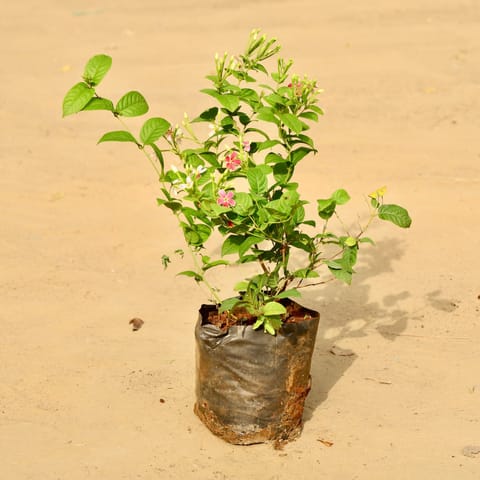
Add colour and fragrance to your garden with Urvann's Madhumalti plants.

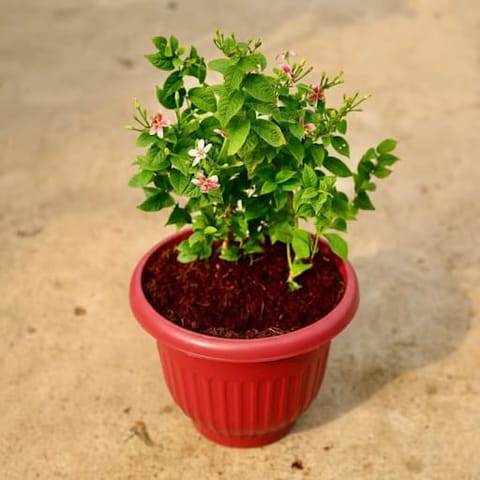
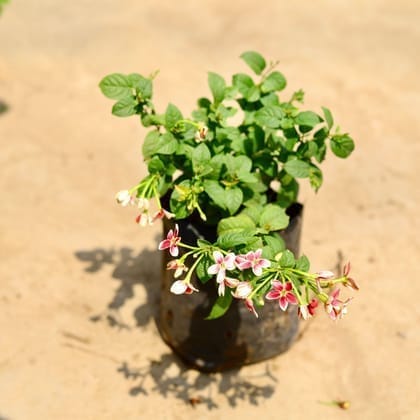
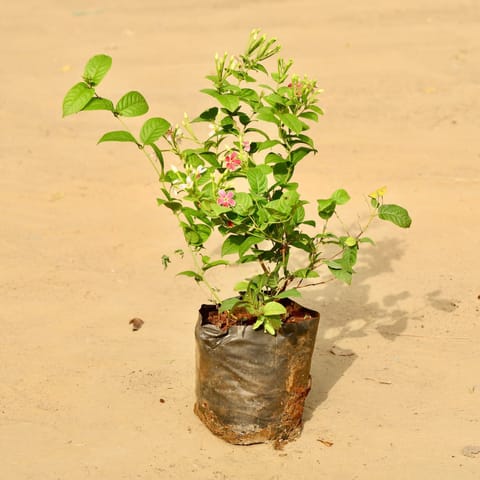
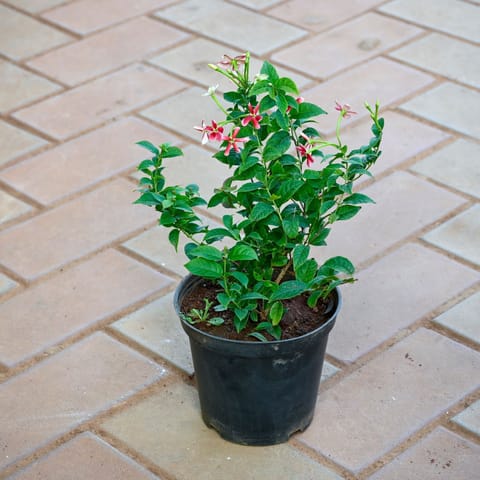
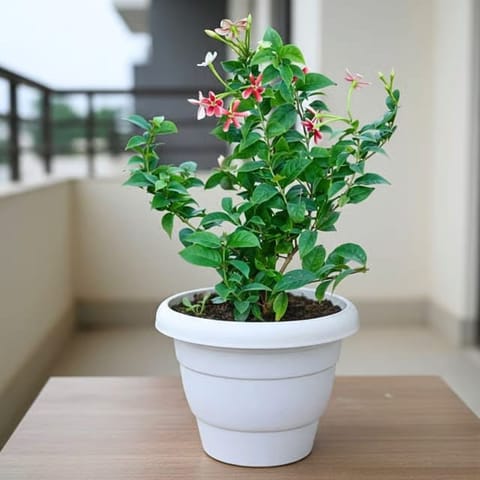
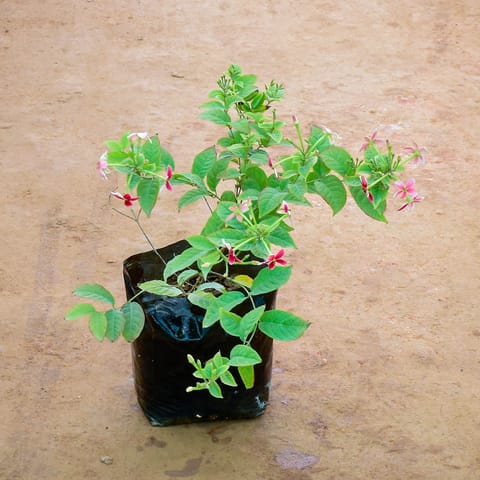
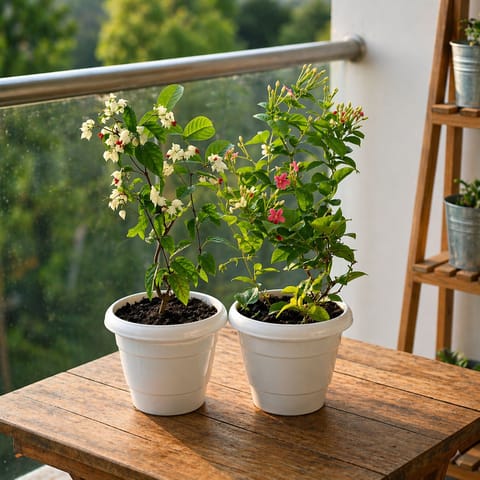
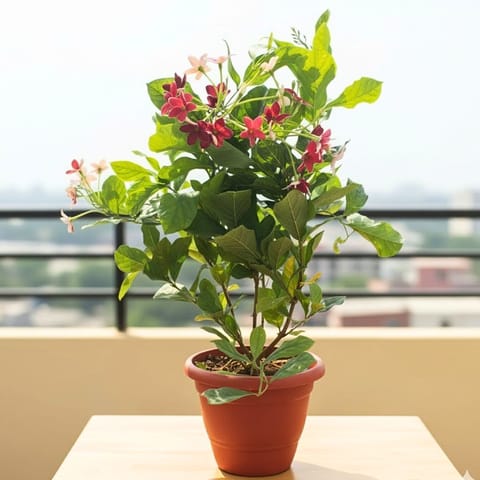
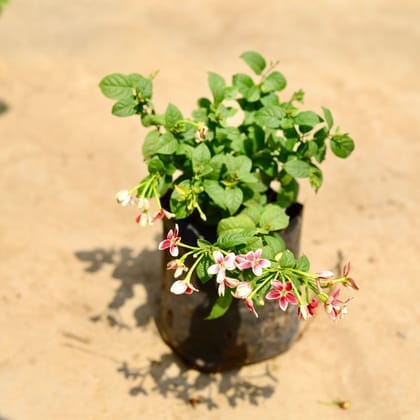
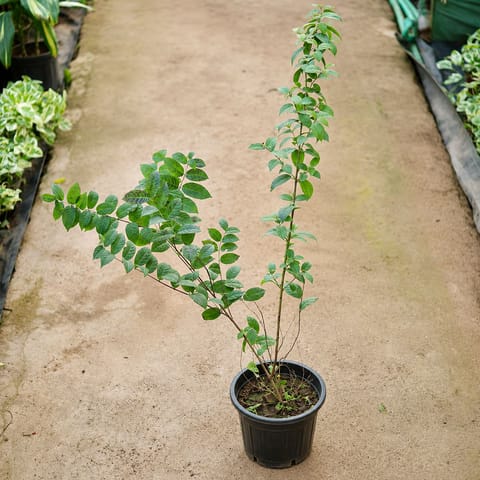
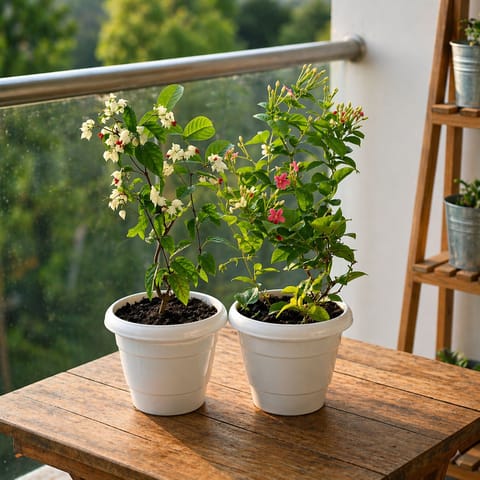
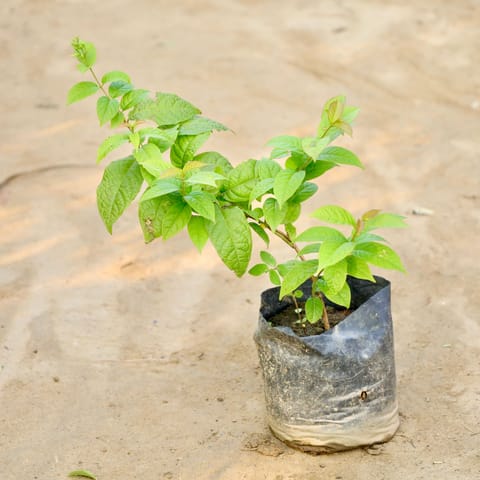
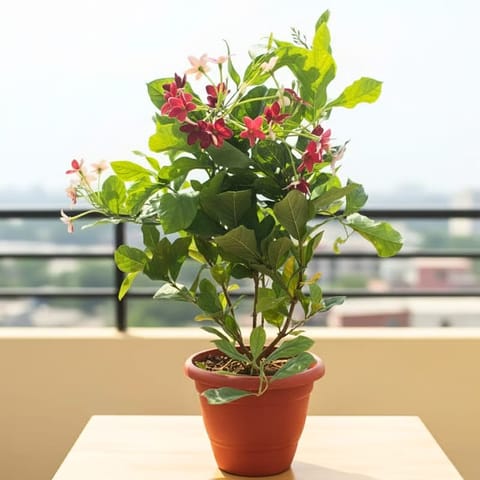
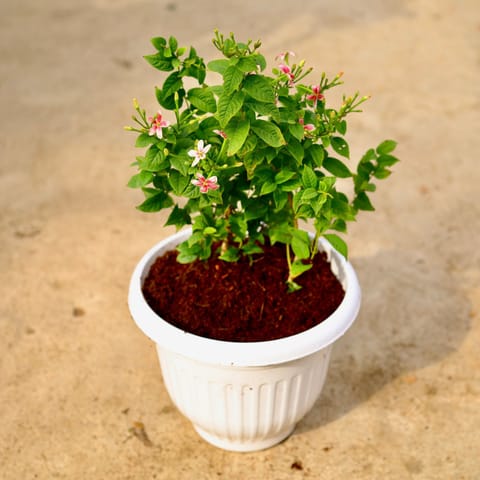
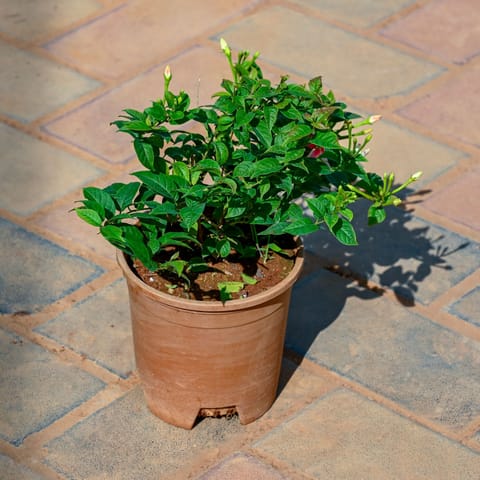
Also known as Rangoon Creeper or Madhumalti Bel, this fast-growing flowering vine is loved for its colour-changing blooms that turn from white to pink and deep red. Its sweet fragrance becomes stronger in the evening, making it a popular choice for Indian gardens.

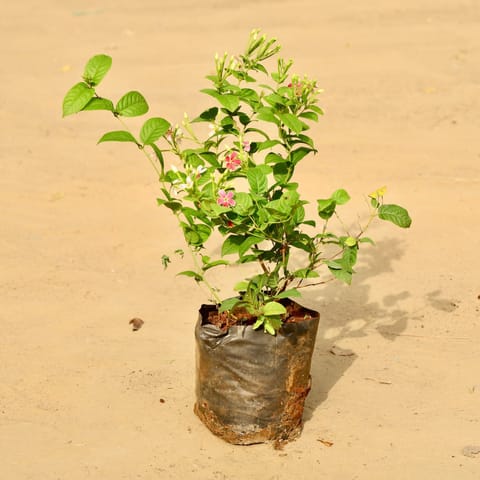
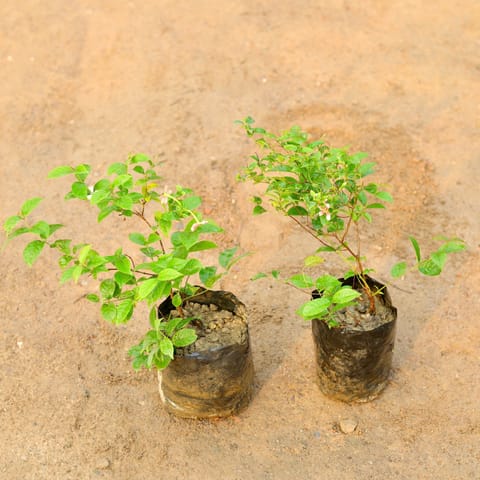
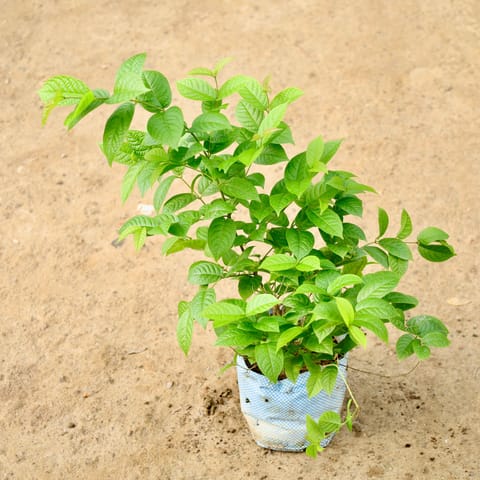
Available in 4-inch, 5-inch, 7-inch, and 8-inch nursery pots and bags, including single and double petal varieties, these plants are perfect for balconies, terraces, fences, trellises, pergolas, and large outdoor pots. 

Note: Prices of the products may vary as per the location. Please check the final price based on your delivery address.

Why 50,000+ Indian Plant Parents Buy Madhumalti Plants from Urvann

⭐ Rated 4.8/5 by 12,340+ verified buyers

✓ Free Next-Day Delivery - Available on orders placed by 7 PM in Delhi-NCR and Bengaluru.
✓ Pan India Deliveries - Delivery timelines vary by location.
✓ Hassle-Free Replacement - 2-day replacement window if the plant arrives damaged or incorrect.
✓ Healthy, Well-Rooted Plants - Every Madhumalti plant is grown at Urvann Farms in the best conditions.
✓ Authentic Flowering Varieties - We stock single-petal, double-petal, and colour-specific Madhumalti Bel varieties.
✓ Complete Garden Care in One Place - Along with Madhumalti plants, shop for complete garden care products like hanging pots, fertilizers, tools, and more.


What Is the Madhumalti Plant?

Madhumalti (Quisqualis indica), also known as Rangoon Creeper, is a fast-growing flowering climber commonly grown in Indian gardens. It is loved for its fragrant flowers that change colour from white to pink and deep red as they mature, often displaying all three shades at the same time.

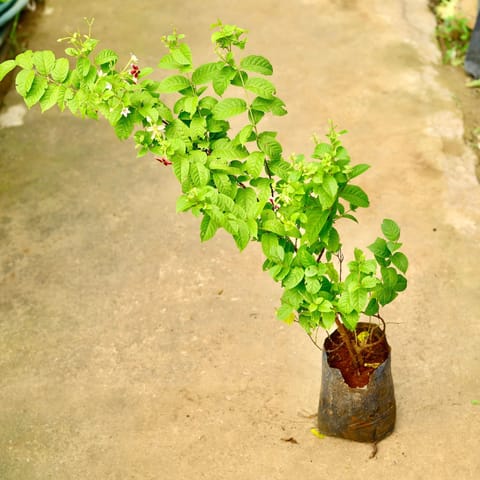
This perennial vine grows quickly and is ideal for covering fences, trellises, pergolas, balconies, and garden walls. Its sweet fragrance becomes stronger in the evening, making it a favourite choice for outdoor spaces.


Why Indian Gardeners Love the Madhumalti Bel

Colour-Changing Flowers

Madhumalti produces flowers that change from white to pink and deep red as they mature, creating a beautiful multicolour display on a single vine.

Sweet Evening Fragrance

Its flowers release a pleasant fragrance that becomes stronger in the evening, making it ideal for balconies, gardens, and entrance areas.

Fast-Growing Climber

Madhumalti grows quickly and can cover trellises, fences, pergolas, and walls within a growing season in favourable conditions.

Easy to Maintain

Once established, this hardy vine grows well in Indian weather with regular watering and basic care.

Attracts Pollinators

The flowers attract butterflies, bees, and other beneficial pollinators, helping support a healthier garden ecosystem.


Madhumalti Flowering Season

Madhumalti typically flowers from spring through autumn, with the heaviest blooming occurring during the warmer months. In cities with mild weather, such as Bengaluru and many coastal regions, it may flower for most of the year.

Regular pruning after a flowering cycle encourages fresh growth and more blooms throughout the season.


Madhumalti Plant Care Guide

Sunlight

Madhumalti grows best in full sun and needs at least 5–6 hours of direct sunlight daily for abundant flowering.

Watering

Water regularly to keep the soil lightly moist, allowing the top layer to dry slightly between waterings.

Soil

Use well-draining soil enriched with organic compost for healthy growth and flowering.

Support

As a climbing vine, Madhumalti grows best with a trellis, fence, pergola, or other support structure.

Feeding and Pruning

Feed with organic compost or fertilizer during the growing season and prune after flowering to encourage fresh growth and more blooms.


Garden Landscaping

Madhumalti is widely grown on trellises, pergolas, fences, arches, and garden walls to create colourful flowering displays and natural privacy screens.

Fragrant Outdoor Spaces

Its sweet evening fragrance makes it a popular choice near balconies, entrance areas, pathways, and seating spaces.

Balcony and Terrace Gardening

With a suitable pot and support structure, Madhumalti grows well on balconies and terraces, making it ideal for vertical gardening.

Decorative Flowers

The colourful blooms are often used in floral decorations and traditional garlands.


Single Petal vs Double Petal Madhumalti

Single Petal Madhumalti

  • Classic variety with simple, tubular flowers
  • Strong colour change from white to pink and red
  • Fast-growing and highly fragrant

Double Petal Madhumalti

  • Fuller, layered blooms with a more ornamental appearance
  • Creates a denser floral display
  • Equally fragrant and easy to grow

Both varieties grow well in the same conditions and require similar care. Choose the single-petal variety for a traditional look or the double-petal variety for a fuller flowering display.


Buy Madhumalti Plant Online from Urvann

Shop Madhumalti plants online at Urvann, available in multiple pot sizes to suit every garden and balcony.

All plants are carefully packed for safe delivery. Enjoy free next-day delivery in Delhi-NCR and Bengaluru on orders placed by 7 PM. Pan-India delivery is also available.


Frequently Asked Questions (FAQs)

1. What is the Madhumalti plant?

Madhumalti (Quisqualis indica) is a fast-growing flowering vine known for its colour-changing blooms and sweet evening fragrance. Also called Rangoon Creeper, Jhumka Bel, Madhabilata, and Madhumalti Bel, it is one of the most popular flowering climbers in Indian gardens.

2. What is Madhumalti called in English?

Madhumalti is called Rangoon Creeper or Chinese Honeysuckle in English. Its botanical name is Quisqualis indica.

3. What is the Madhumalti flowering season in India?

Madhumalti flowers most prolifically from March to October, with peak blooming in April to June and again after the monsoon season. In warmer climates like Bengaluru, it can bloom almost year-round.

4. Can Madhumalti be grown in a pot?

Yes. Madhumalti grows well in large pots (12-inch minimum) with a trellis or support structure. Use a well-draining potting mix with cocopeat and compost, ensure full sun, and water regularly.

5. How fast does Madhumalti grow?

Madhumalti is a vigorous climber and can add 3 to 5 feet of growth per season in warm conditions. With proper support and fertilization, it can cover a large trellis or fence within one growing season.

6. Why is my Madhumalti not flowering?

Common reasons include insufficient sunlight (less than 5 hours of direct sun), lack of phosphorus in the soil, overwatering, or no pruning to stimulate new growth. Increase sunlight exposure, apply a phosphorus-rich fertilizer, and prune lightly after the current growth cycle.

7. What is the difference between Madhumalti and Bougainvillea?

Both are popular flowering climbers in India, but they are distinct plants. Madhumalti (Quisqualis indica) produces tubular, fragrant flowers that change colour, while Bougainvillea produces papery, brightly coloured bracts (which are modified leaves, not petals) with no fragrance. Madhumalti prefers slightly more moisture and partial shade tolerance compared to Bougainvillea.

8. How do I get more flowers on my Madhumalti Bel?

Prune after every flowering flush, apply phosphorus-rich fertilizer every 4 to 6 weeks, ensure at least 5 to 6 hours of direct sunlight, and provide a stable support structure for the vine to climb. Healthy climbing growth directly correlates with heavier flowering.

9. What are the other names of the Madhumalti plant?

Madhumalti is known by several names across India and regionally: Rangoon Creeper, Jhumka Bel, Madhu Malti, Madhumalti Bel, Madhumalti Ki Bel, Madhabilata (Bengali), Malati, Malti Bel, Madhumalti Vel (Marathi), Chinese Honeysuckle, and Burmese Grape Vine.

10. Is the Madhumalti plant fragrant?

Yes. Madhumalti flowers release a strong, sweet, jasmine-like fragrance that intensifies in the evening and at night. It is one of the most fragrant flowering climbers commonly grown in Indian homes and gardens.

11. Can Madhumalti survive Delhi winters?

Madhumalti slows significantly in Delhi winters (December to February) and may shed leaves in severe cold. It generally survives Delhi winters without protection but resumes vigorous growth as temperatures rise in March. Avoid heavy pruning or repotting during the coldest months.


Showing 24 of 89 products

Add colour and fragrance to your garden with Urvann's Madhumalti plants.

Also known as Rangoon Creeper or Madhumalti Bel, this fast-growing flowering vine is loved for its colour-changing blooms that turn from white to pink and deep red. Its sweet fragrance becomes stronger in the evening, making it a popular choice for Indian gardens.

Available in 4-inch, 5-inch, 7-inch, and 8-inch nursery pots and bags, including single and double petal varieties, these plants are perfect for balconies, terraces, fences, trellises, pergolas, and large outdoor pots. 

Note: Prices of the products may vary as per the location. Please check the final price based on your delivery address.

Why 50,000+ Indian Plant Parents Buy Madhumalti Plants from Urvann

⭐ Rated 4.8/5 by 12,340+ verified buyers

✓ Free Next-Day Delivery - Available on orders placed by 7 PM in Delhi-NCR and Bengaluru.
✓ Pan India Deliveries - Delivery timelines vary by location.
✓ Hassle-Free Replacement - 2-day replacement window if the plant arrives damaged or incorrect.
✓ Healthy, Well-Rooted Plants - Every Madhumalti plant is grown at Urvann Farms in the best conditions.
✓ Authentic Flowering Varieties - We stock single-petal, double-petal, and colour-specific Madhumalti Bel varieties.
✓ Complete Garden Care in One Place - Along with Madhumalti plants, shop for complete garden care products like hanging pots, fertilizers, tools, and more.


What Is the Madhumalti Plant?

Madhumalti (Quisqualis indica), also known as Rangoon Creeper, is a fast-growing flowering climber commonly grown in Indian gardens. It is loved for its fragrant flowers that change colour from white to pink and deep red as they mature, often displaying all three shades at the same time.

This perennial vine grows quickly and is ideal for covering fences, trellises, pergolas, balconies, and garden walls. Its sweet fragrance becomes stronger in the evening, making it a favourite choice for outdoor spaces.


Why Indian Gardeners Love the Madhumalti Bel

Colour-Changing Flowers

Madhumalti produces flowers that change from white to pink and deep red as they mature, creating a beautiful multicolour display on a single vine.

Sweet Evening Fragrance

Its flowers release a pleasant fragrance that becomes stronger in the evening, making it ideal for balconies, gardens, and entrance areas.

Fast-Growing Climber

Madhumalti grows quickly and can cover trellises, fences, pergolas, and walls within a growing season in favourable conditions.

Easy to Maintain

Once established, this hardy vine grows well in Indian weather with regular watering and basic care.

Attracts Pollinators

The flowers attract butterflies, bees, and other beneficial pollinators, helping support a healthier garden ecosystem.


Madhumalti Flowering Season

Madhumalti typically flowers from spring through autumn, with the heaviest blooming occurring during the warmer months. In cities with mild weather, such as Bengaluru and many coastal regions, it may flower for most of the year.

Regular pruning after a flowering cycle encourages fresh growth and more blooms throughout the season.


Madhumalti Plant Care Guide

Sunlight

Madhumalti grows best in full sun and needs at least 5–6 hours of direct sunlight daily for abundant flowering.

Watering

Water regularly to keep the soil lightly moist, allowing the top layer to dry slightly between waterings.

Soil

Use well-draining soil enriched with organic compost for healthy growth and flowering.

Support

As a climbing vine, Madhumalti grows best with a trellis, fence, pergola, or other support structure.

Feeding and Pruning

Feed with organic compost or fertilizer during the growing season and prune after flowering to encourage fresh growth and more blooms.


Garden Landscaping

Madhumalti is widely grown on trellises, pergolas, fences, arches, and garden walls to create colourful flowering displays and natural privacy screens.

Fragrant Outdoor Spaces

Its sweet evening fragrance makes it a popular choice near balconies, entrance areas, pathways, and seating spaces.

Balcony and Terrace Gardening

With a suitable pot and support structure, Madhumalti grows well on balconies and terraces, making it ideal for vertical gardening.

Decorative Flowers

The colourful blooms are often used in floral decorations and traditional garlands.


Single Petal vs Double Petal Madhumalti

Single Petal Madhumalti

  • Classic variety with simple, tubular flowers
  • Strong colour change from white to pink and red
  • Fast-growing and highly fragrant

Double Petal Madhumalti

  • Fuller, layered blooms with a more ornamental appearance
  • Creates a denser floral display
  • Equally fragrant and easy to grow

Both varieties grow well in the same conditions and require similar care. Choose the single-petal variety for a traditional look or the double-petal variety for a fuller flowering display.


Buy Madhumalti Plant Online from Urvann

Shop Madhumalti plants online at Urvann, available in multiple pot sizes to suit every garden and balcony.

All plants are carefully packed for safe delivery. Enjoy free next-day delivery in Delhi-NCR and Bengaluru on orders placed by 7 PM. Pan-India delivery is also available.


Frequently Asked Questions (FAQs)

1. What is the Madhumalti plant?

Madhumalti (Quisqualis indica) is a fast-growing flowering vine known for its colour-changing blooms and sweet evening fragrance. Also called Rangoon Creeper, Jhumka Bel, Madhabilata, and Madhumalti Bel, it is one of the most popular flowering climbers in Indian gardens.

2. What is Madhumalti called in English?

Madhumalti is called Rangoon Creeper or Chinese Honeysuckle in English. Its botanical name is Quisqualis indica.

3. What is the Madhumalti flowering season in India?

Madhumalti flowers most prolifically from March to October, with peak blooming in April to June and again after the monsoon season. In warmer climates like Bengaluru, it can bloom almost year-round.

4. Can Madhumalti be grown in a pot?

Yes. Madhumalti grows well in large pots (12-inch minimum) with a trellis or support structure. Use a well-draining potting mix with cocopeat and compost, ensure full sun, and water regularly.

5. How fast does Madhumalti grow?

Madhumalti is a vigorous climber and can add 3 to 5 feet of growth per season in warm conditions. With proper support and fertilization, it can cover a large trellis or fence within one growing season.

6. Why is my Madhumalti not flowering?

Common reasons include insufficient sunlight (less than 5 hours of direct sun), lack of phosphorus in the soil, overwatering, or no pruning to stimulate new growth. Increase sunlight exposure, apply a phosphorus-rich fertilizer, and prune lightly after the current growth cycle.

7. What is the difference between Madhumalti and Bougainvillea?

Both are popular flowering climbers in India, but they are distinct plants. Madhumalti (Quisqualis indica) produces tubular, fragrant flowers that change colour, while Bougainvillea produces papery, brightly coloured bracts (which are modified leaves, not petals) with no fragrance. Madhumalti prefers slightly more moisture and partial shade tolerance compared to Bougainvillea.

8. How do I get more flowers on my Madhumalti Bel?

Prune after every flowering flush, apply phosphorus-rich fertilizer every 4 to 6 weeks, ensure at least 5 to 6 hours of direct sunlight, and provide a stable support structure for the vine to climb. Healthy climbing growth directly correlates with heavier flowering.

9. What are the other names of the Madhumalti plant?

Madhumalti is known by several names across India and regionally: Rangoon Creeper, Jhumka Bel, Madhu Malti, Madhumalti Bel, Madhumalti Ki Bel, Madhabilata (Bengali), Malati, Malti Bel, Madhumalti Vel (Marathi), Chinese Honeysuckle, and Burmese Grape Vine.

10. Is the Madhumalti plant fragrant?

Yes. Madhumalti flowers release a strong, sweet, jasmine-like fragrance that intensifies in the evening and at night. It is one of the most fragrant flowering climbers commonly grown in Indian homes and gardens.

11. Can Madhumalti survive Delhi winters?

Madhumalti slows significantly in Delhi winters (December to February) and may shed leaves in severe cold. It generally survives Delhi winters without protection but resumes vigorous growth as temperatures rise in March. Avoid heavy pruning or repotting during the coldest months.

Load More