Shop

Downalod our app

Please provide your delivery pincode to see products available in your area
Recent Search
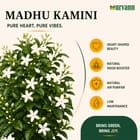

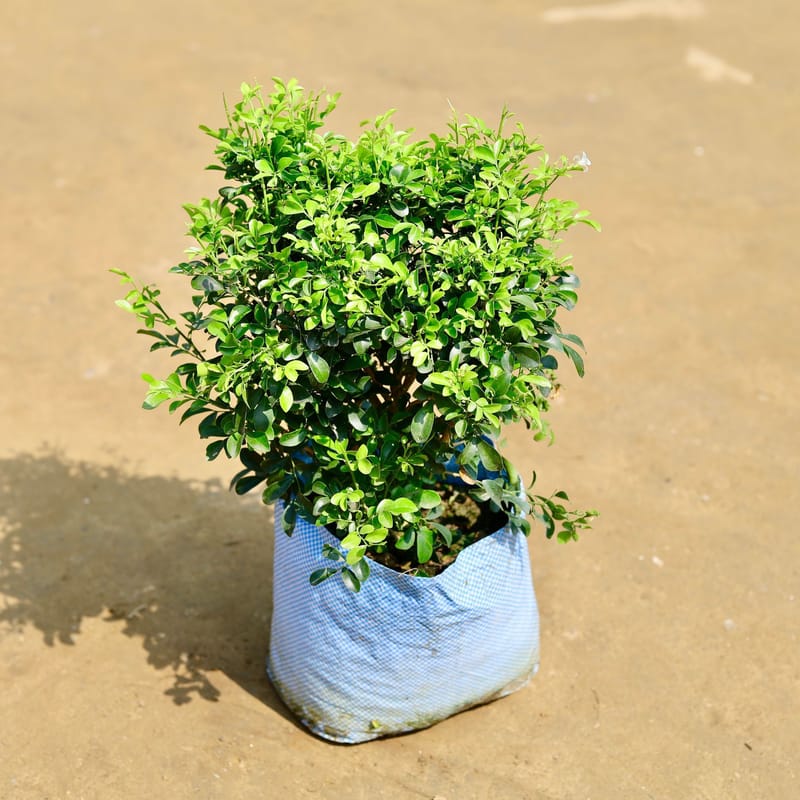
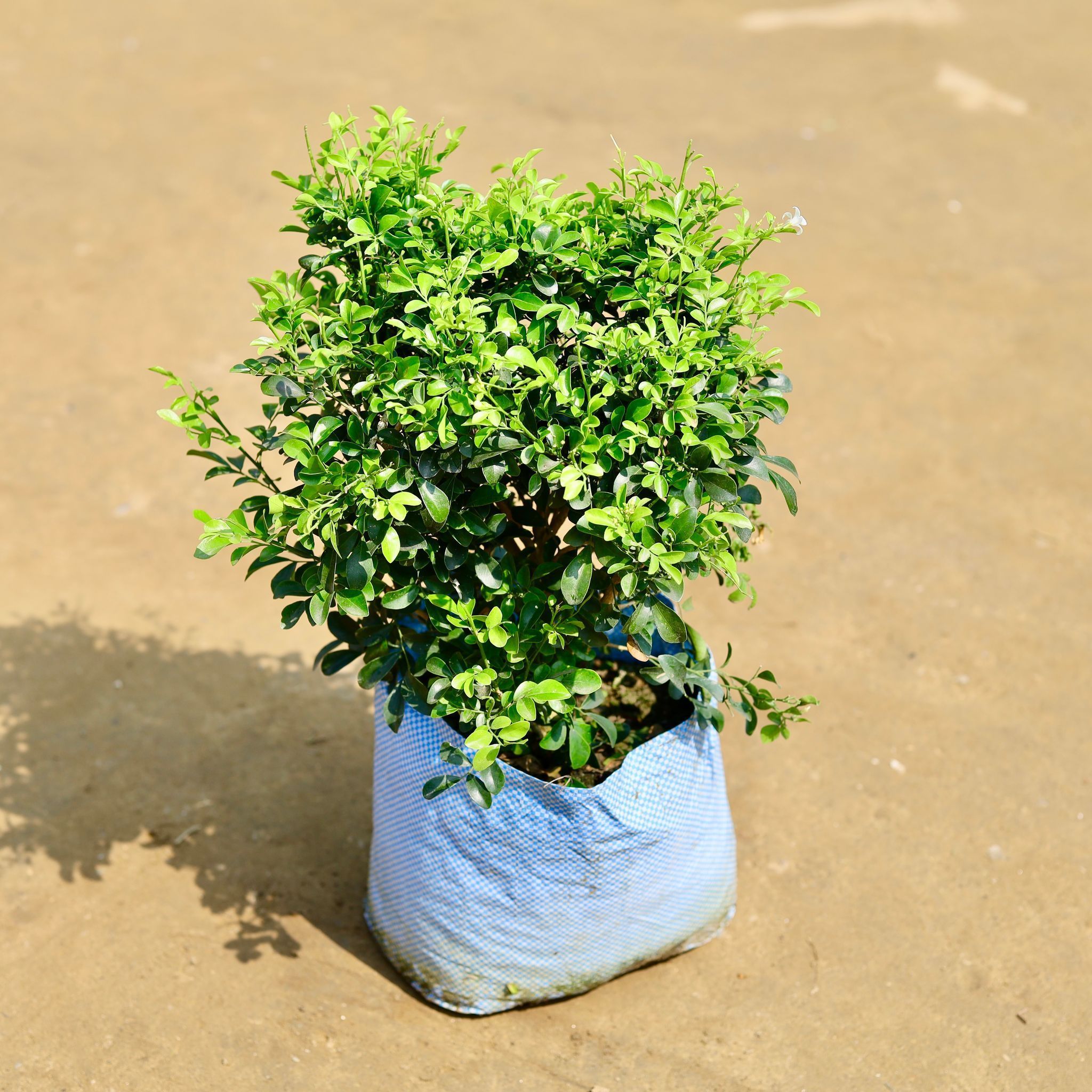
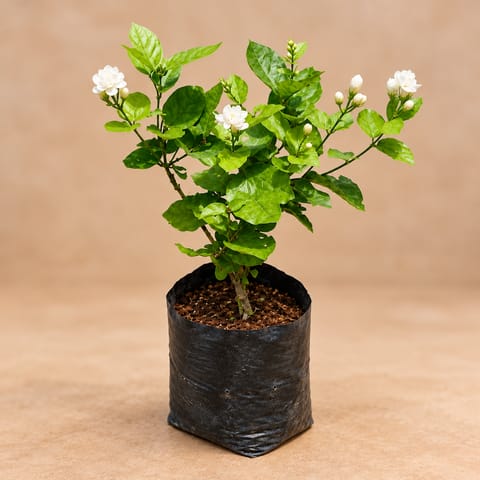
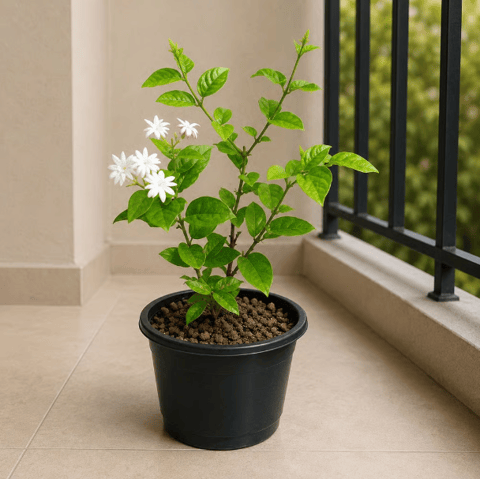
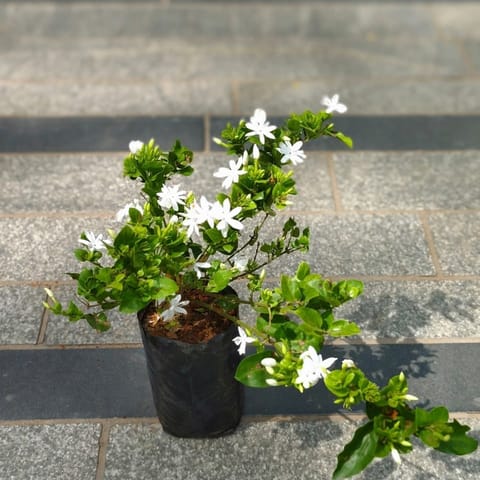
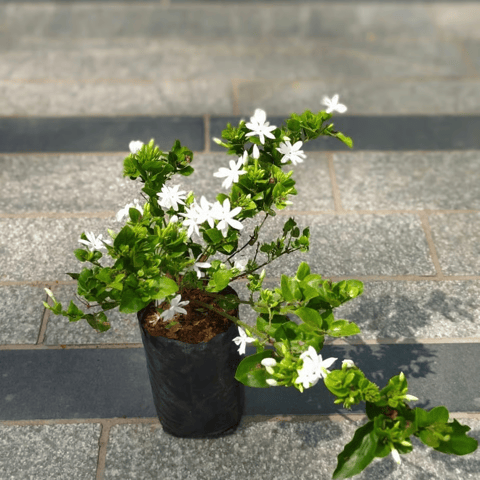
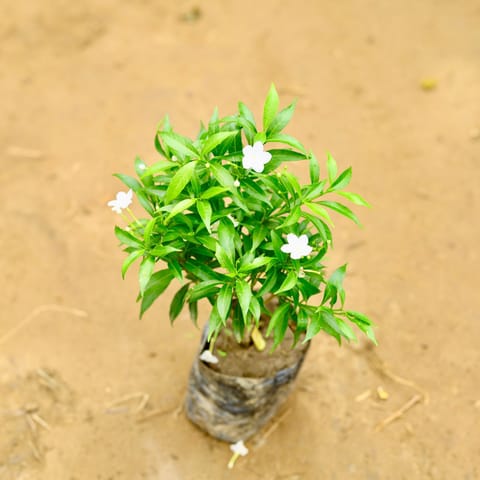
Madhu Kamini White in 8 inch Nursery Bag
₹399 ( 73% OFF )
MRP ₹1,479 Inclusive of all taxes
Features
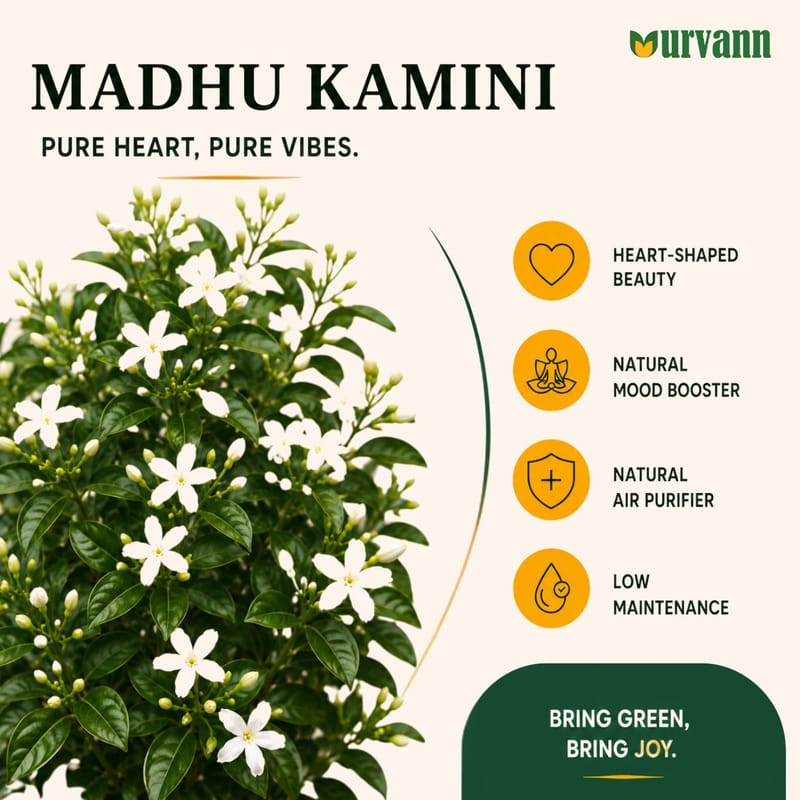
- Sweet Fragrance
- Evergreen Foliage
- All-Season Flowering
- Attracts Butterflies
- Beginner Friendly
Product Information
The Madhukamini Plant (Murraya paniculata), also known as Orange Jasmine or Kamini, is a beautiful evergreen flowering shrub loved for its glossy green foliage and sweetly fragrant white blooms. Native to tropical and subtropical regions, this low-maintenance plant is perfect for gardens, balconies and outdoor landscapes. It flowers multiple times a year and is widely used for hedges, borders and ornamental planting.
Benefits of Madhukamini Plant
 Ornamental Beauty
The Madhukamini flowering plant is a super fragrant plant and is used for decoration in ornamental hedges in gardens.
 Good for Pollination
The blooms of the Madhukamini plant attract many pollinating insects such as butterflies, honey bees, and more. Pollination is very important to promote biodiversity.
 Low Maintenance
Madhukamini is easy to grow and thrives in Indian climatic conditions with minimal care.
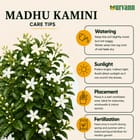
Care Tips for Madhukamini Plant
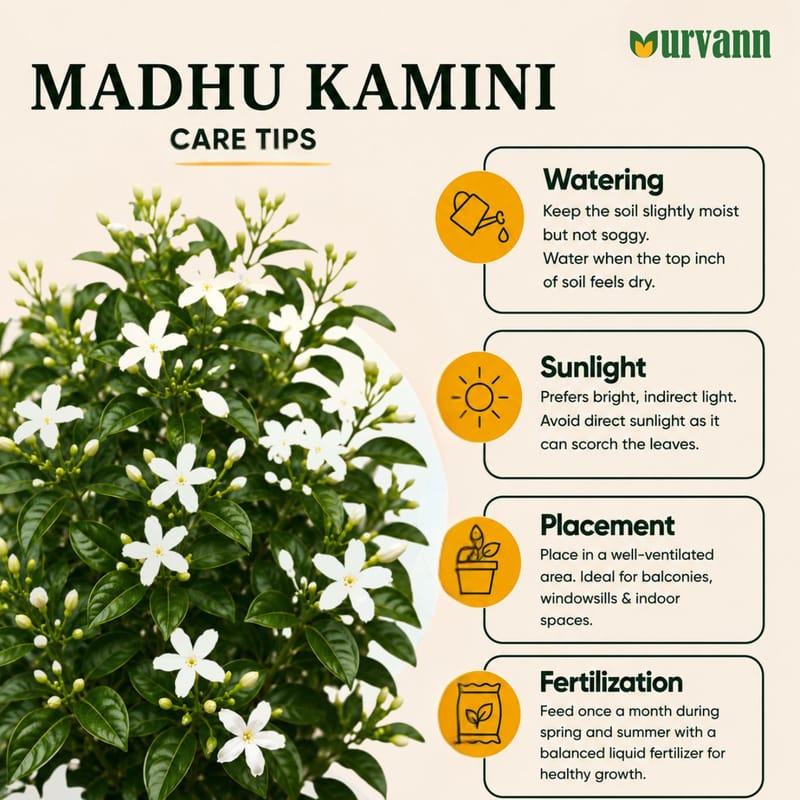
 Watering
Water plants consistently, but avoid water-logging. Check to see if the topsoil is completely dry before watering.
 Light
Light
The Madhukamini plant loves bright sunlight and flowers well too. Make sure that the plant receives at least 6-7 hours of direct sunlight in a day.
 Placement
Place the plant outdoors in a location that receives plenty of sunlight, such as a garden, balcony, terrace or along walkways and boundary walls.
 Fertilization
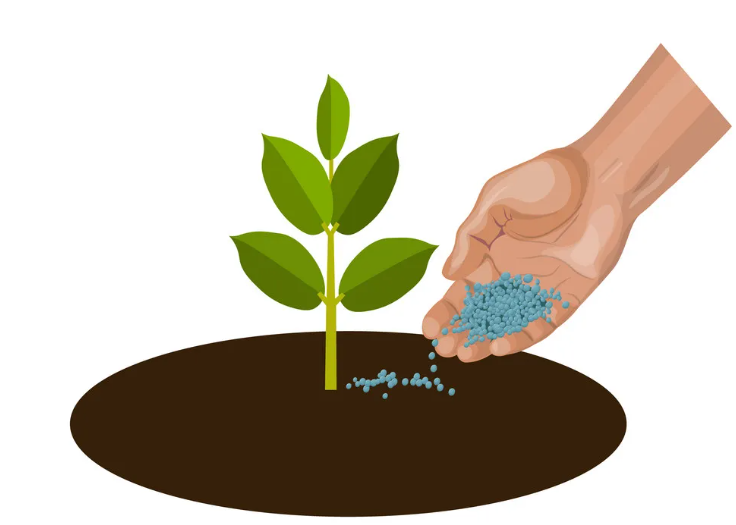
To Fertilize - Add nitrogen and phosphorus to the Madhukamini Plant to maintain good plant and flower growth. You can also add dry banana peels as they are a rich source of nitrogen. You can also use Vermicompost every 2 weeks.
 Ideal Soil Mix
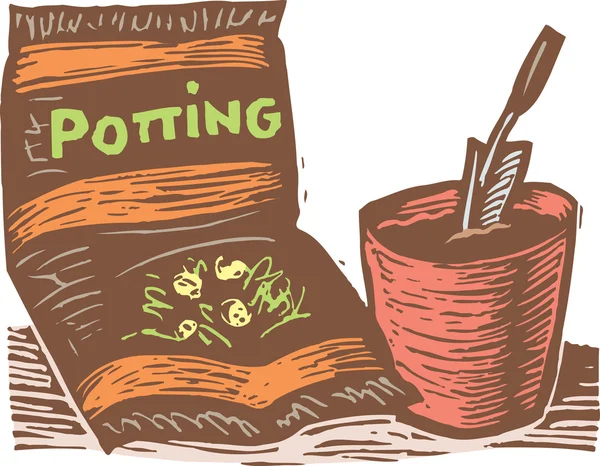
The Madhukamini plant thrives when a good soil mix is used. The ideal soil mix for this plant should be, Garden Soil (35%) + Cocopeat (30%) + Vermicompost (30%) + Neem Khali (5%)
 Pruning
Keep pruning the Madhukamini plant to encourage flower growth. Soft pruning will increase foliage.
 Pest Control
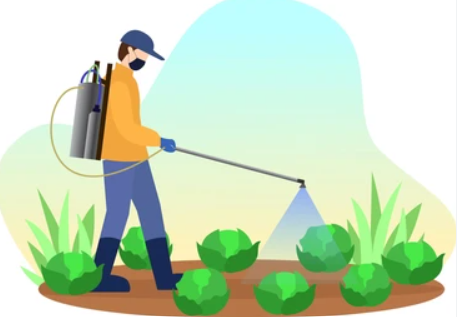
The Madhukamini plant is less prone to pest attacks. Keep spraying the plant with neem spray every 2 weeks as a precautionary measure.
Frequently Asked Questions about Madhukamini
1. What is the best season to plant Madhukamini?
Madhukamini can be planted throughout the year. However, spring and the monsoon season provide the best conditions for faster establishment and healthy growth.
2. Does the Madhukamini Plant flower throughout the year?
Yes. The plant produces flowers several times a year, with heavier blooming during spring, summer and the monsoon months.
3. Is the Madhukamini flower the same as Jasmine?
The Madhukamini plant is not the same as Jasmine. Although, since its white-fragrant flowers resemble the Jasmine flower, the plant is sometimes called an ‘Orange Jasmine’.
4. How much sunlight does the Madhukamini plant need?
The Madhukamini plant needs a lot of direct sunlight since it is a flowering plant.
5. Is Madhukamini an indoor or outdoor plant?
The Madhukamini is an outdoor plant.
6. Where can I buy Madhukamini plants?
Head over to Urvann, India’s favorite online nursery, and browse from their extensive collection of plants.
.

.
Related Products


Customer Review
5
6 reviews
Add images from your gallery