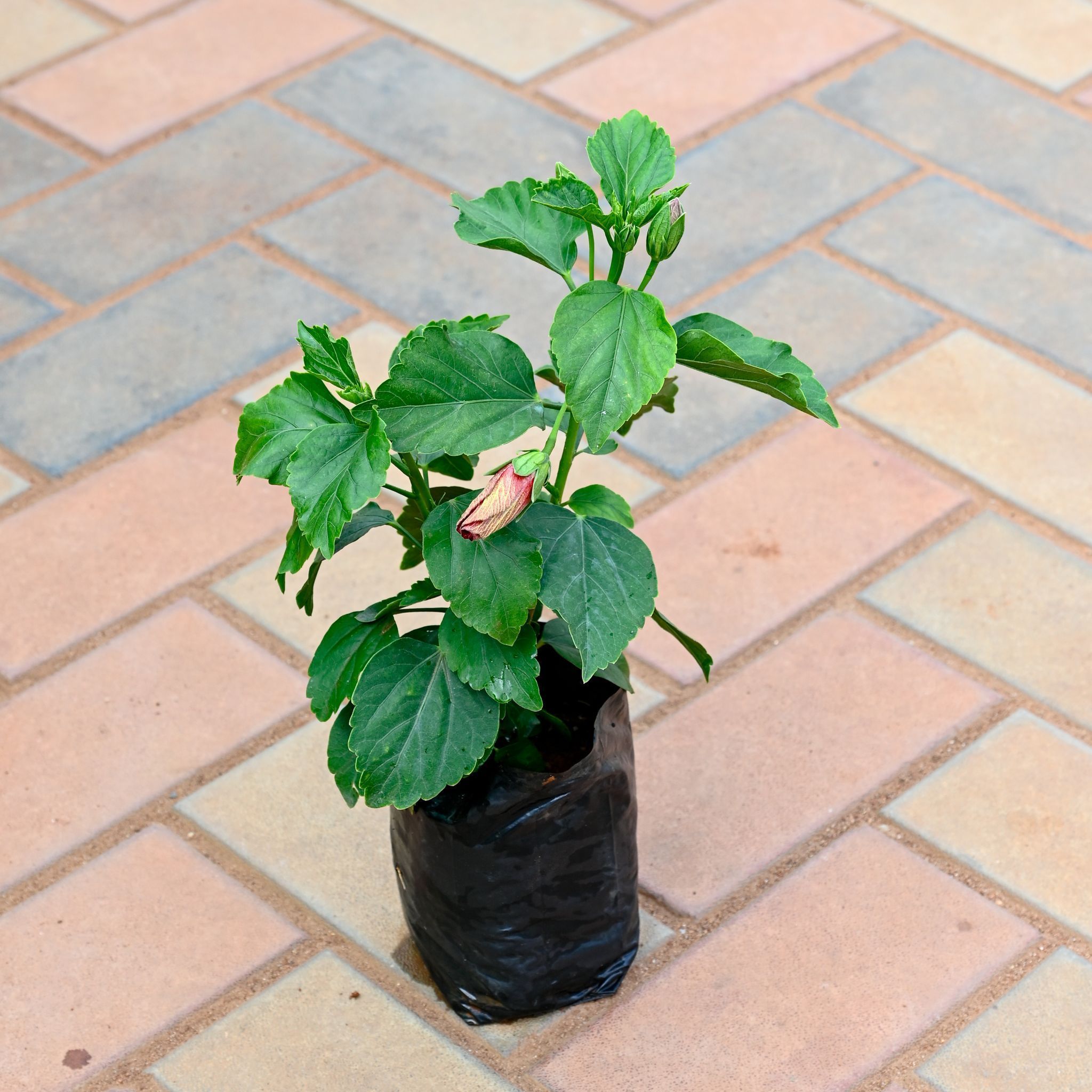
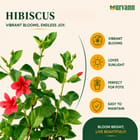
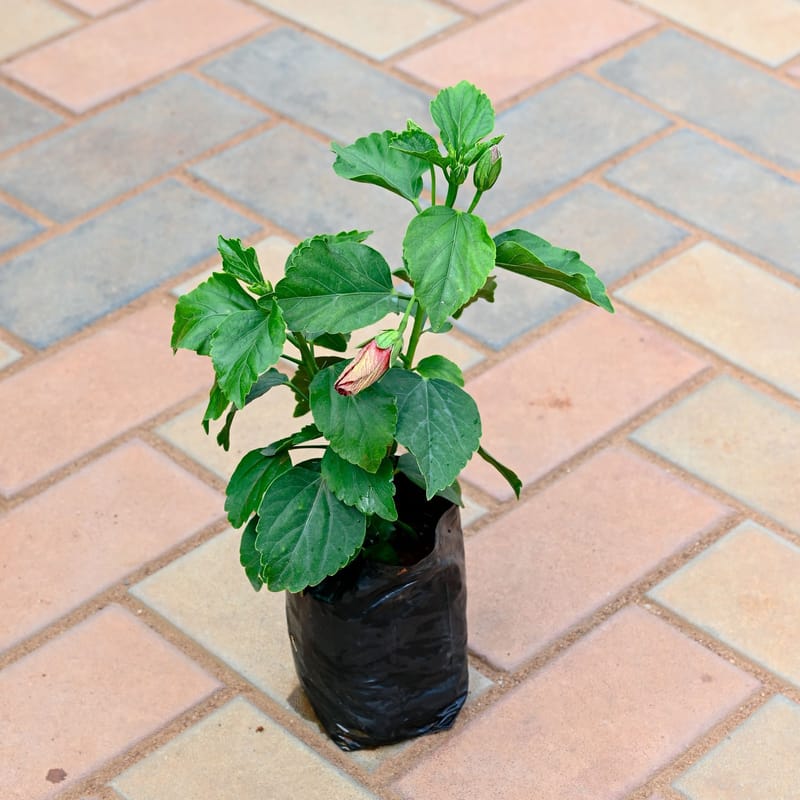
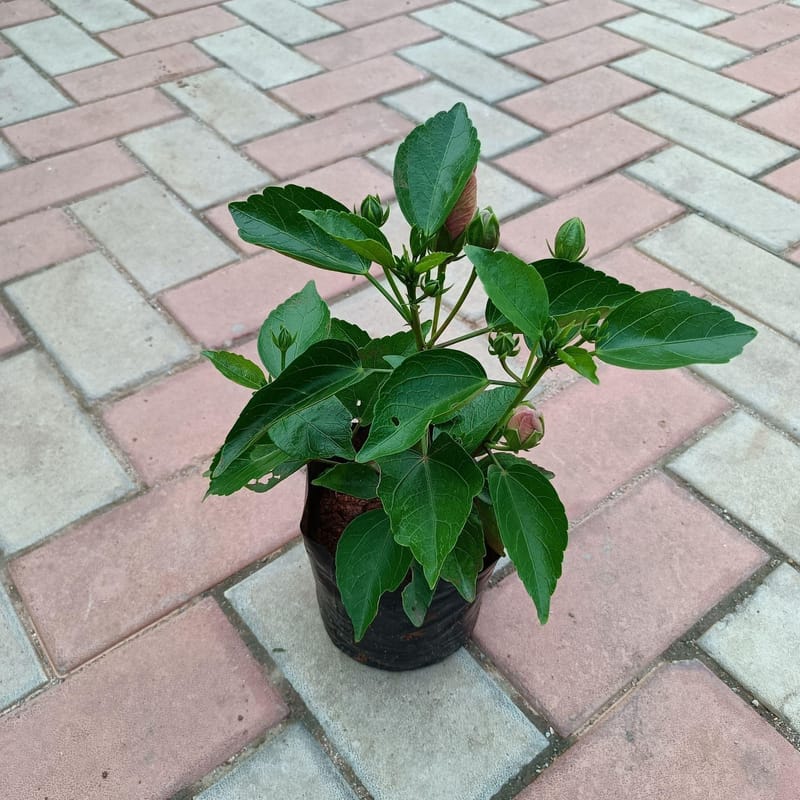
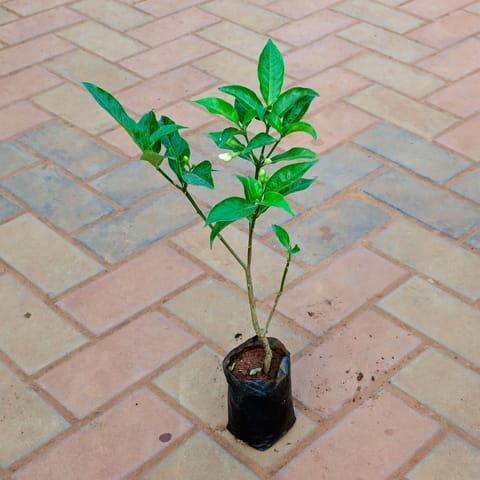
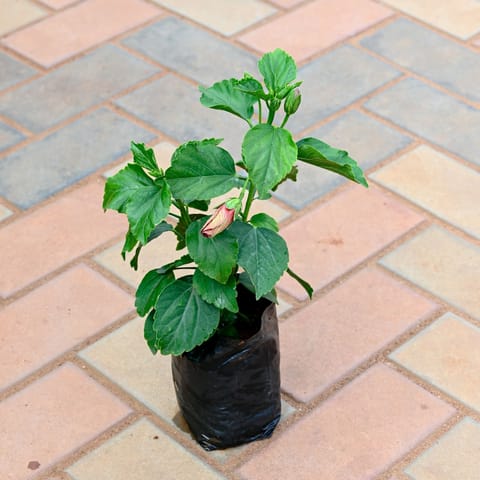
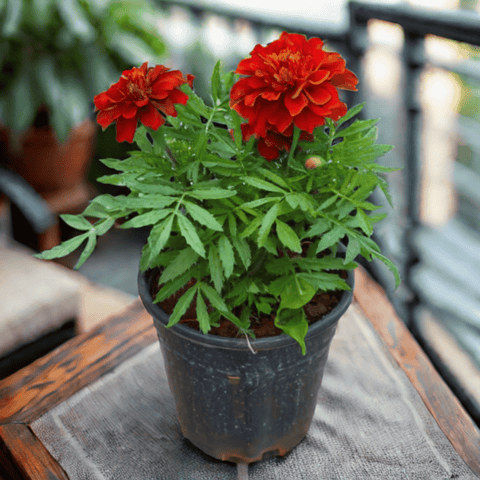
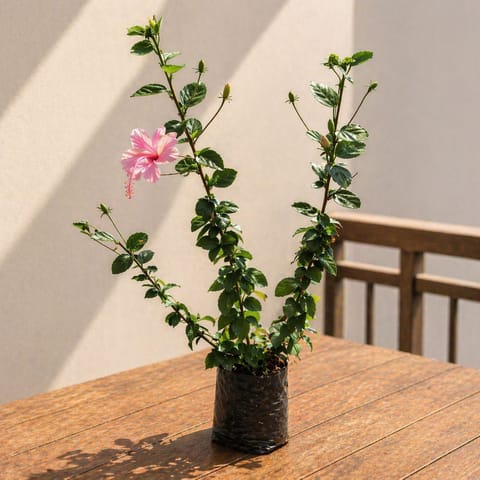
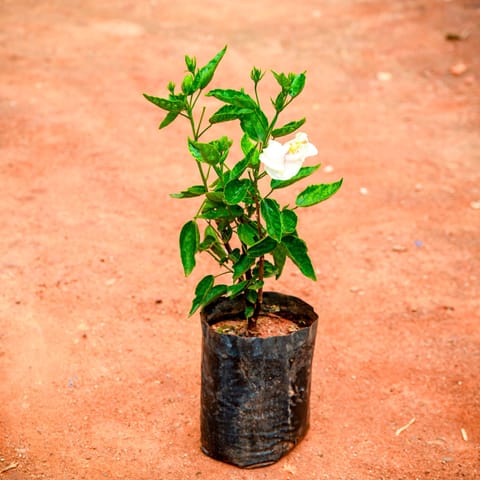
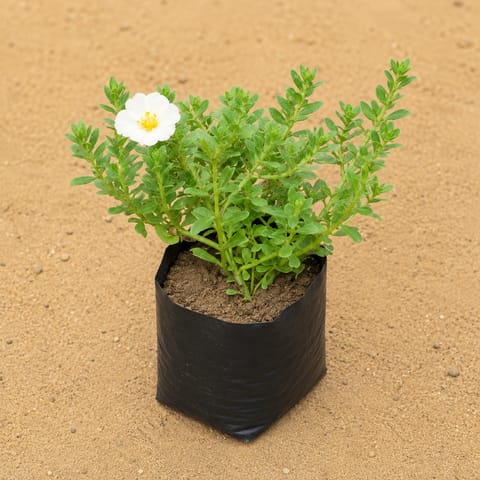
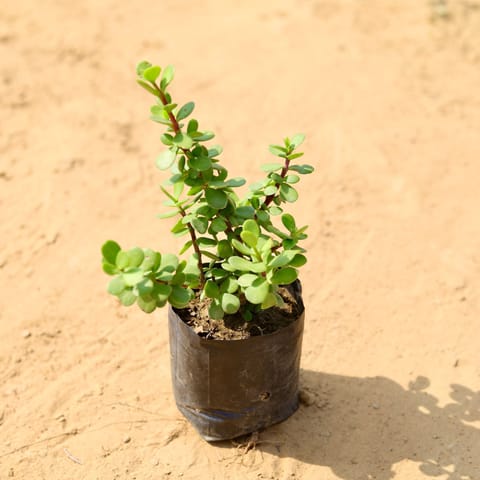
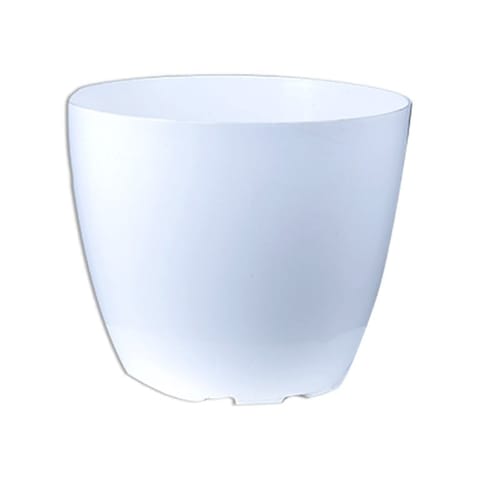
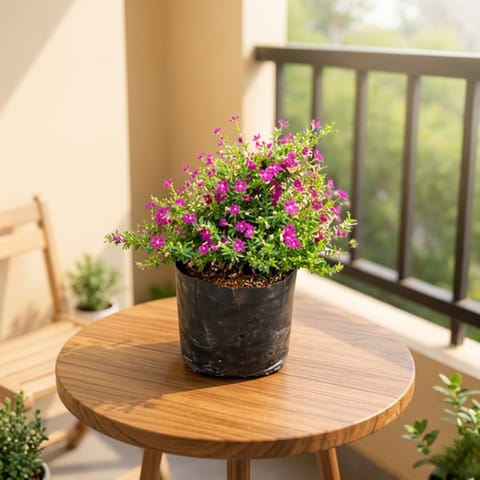
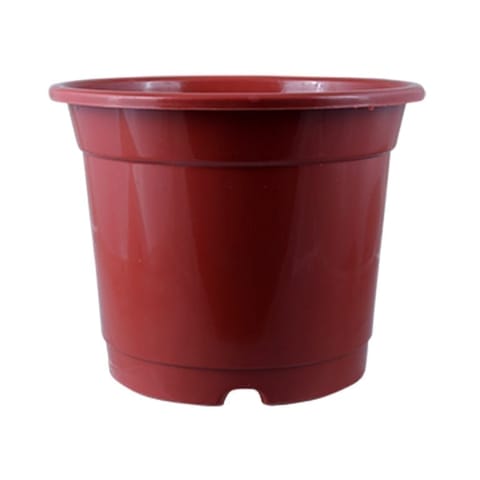
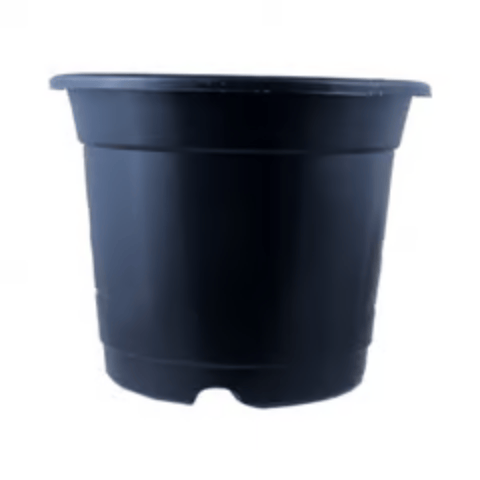
The Hibiscus Plant belongs to the Malvaceae family and is a popular flowering shrub admired for its large, vibrant blooms and lush green foliage. Easy to grow in warm climates, it flowers abundantly with proper care and adds lasting colour to gardens, balconies, terraces, and outdoor spaces. Loved for its ornamental beauty and traditional uses, the Hibiscus Plant attracts butterflies and bees while creating a lively, tropical atmosphere in any home garden.
Benefits of Hibiscus Plant
 Ornamental Beauty
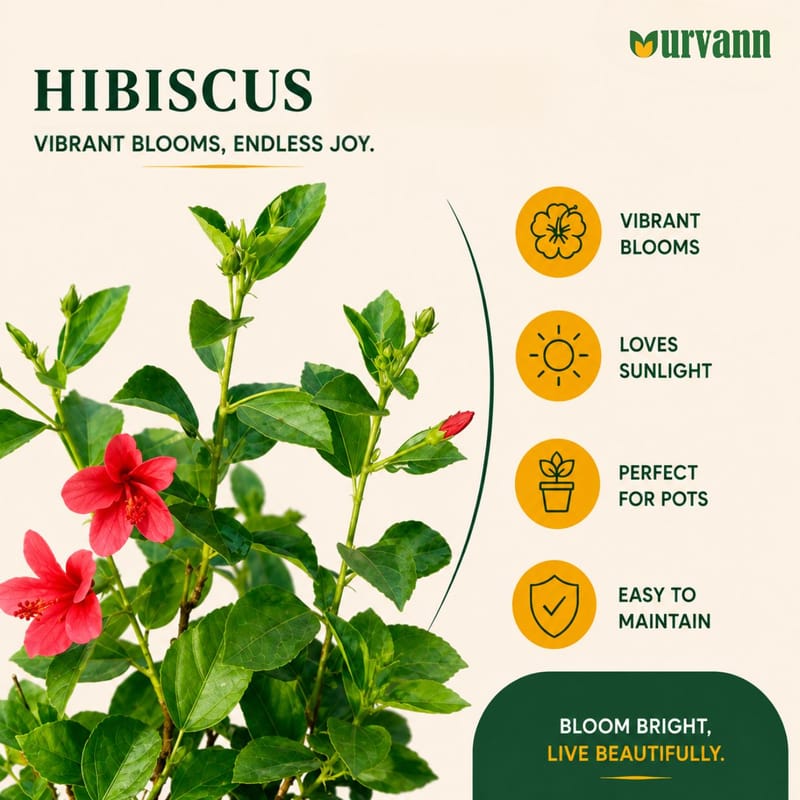
The Hibiscus Plant is admired for its large, vibrant blooms that instantly brighten gardens, balconies, terraces, and outdoor spaces. Its striking flowers add a bold tropical charm to any landscape.
 Attract Pollinators
The nectar-rich flowers of the Hibiscus Plant attract butterflies, bees, and other beneficial pollinators, helping support biodiversity and a healthier garden ecosystem.
 Low Maintenance
Hibiscus is an easy-to-grow flowering plant that thrives in warm climates with regular watering, ample sunlight, and occasional pruning, making it suitable for both beginners and experienced gardeners.
 Hair Care
Hibiscus flowers have been traditionally used in homemade hair care remedies and are valued for promoting healthy-looking hair and nourishing the scalp.
Care Tips for Hibiscus Plant
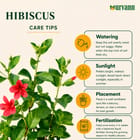
 Watering
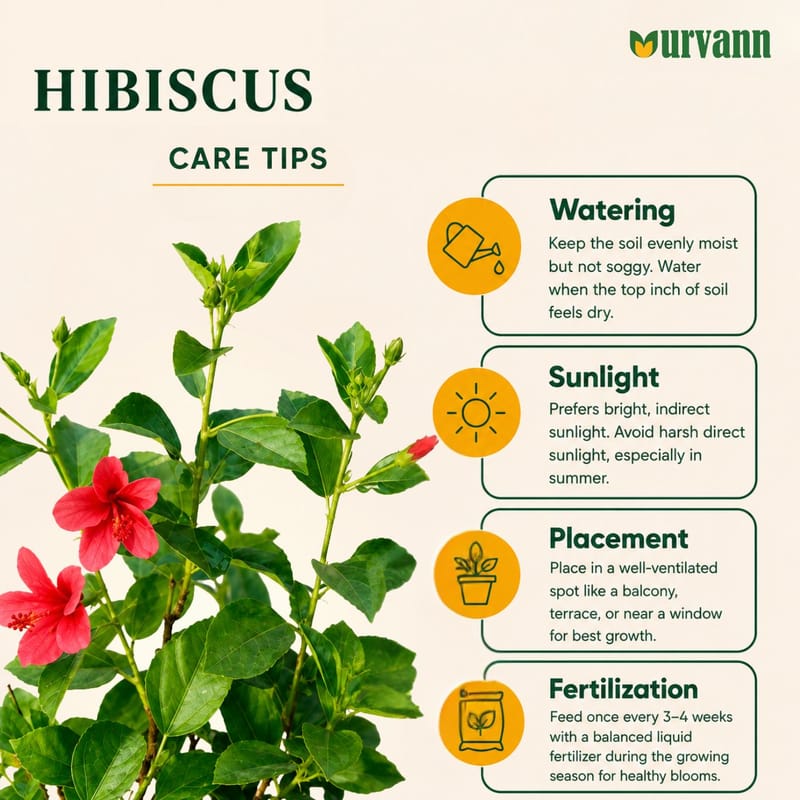
Keep the soil consistently moist, especially during the growing season. Water thoroughly whenever the top layer of soil begins to dry, but avoid waterlogging.
 Light
Light
Hibiscus thrives in full sunlight and requires at least 6-7 hours of direct sunlight daily for healthy growth and abundant flowering.
 Placement
Hibiscus is an outdoor plant. It should be kept in an area receiving bright sunlight for the flowers to bloom.
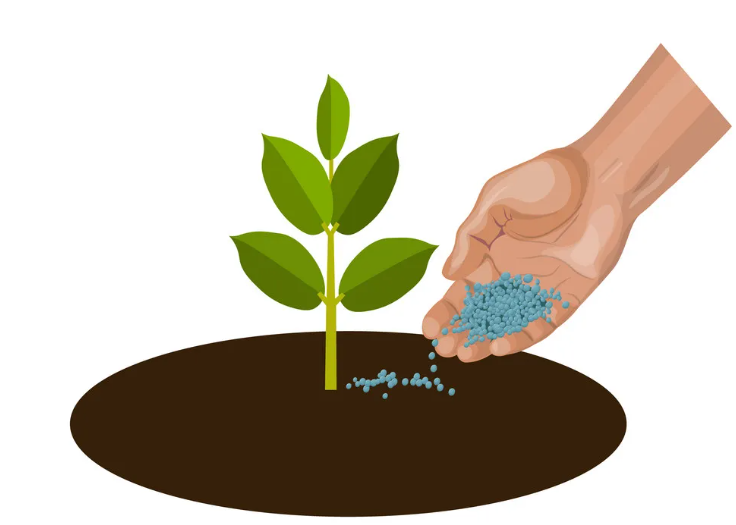 Fertilization
To Fertilize - Add nitrogen and phosphorus to the Hibiscus Plant to maintain good plant growth. You can also add dry banana peels as they are a rich source of nitrogen. You can also use Vermicompost every 2 weeks.
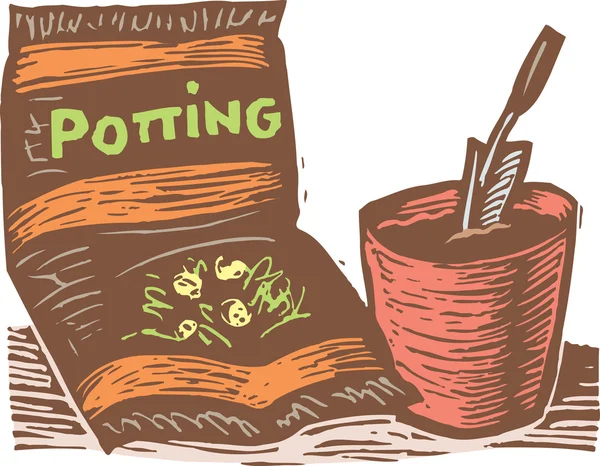 Ideal Soil Mix
Hibiscus plants prefer acidic soil. Use cow dung as part of your soil mix as it will make the soil acidic. The ideal soil mix for this plant should be, Garden Soil (35%) + Cocopeat (30%) + Vermicompost (30%) + Neem Khali (5%)
 Pruning
Keep pruning the Hibiscus plant to encourage branch growth and give it more spread. Pruning also helps in getting abundant blooms.
 Pest Control
Mealybugs are a big problem for the Hibiscus plant. Keep spraying the plant with neem spray every 2 weeks to help with pest control.
Frequently Asked Questions about Hibiscus Plant
1. What are the common colors of Hibiscus plants?
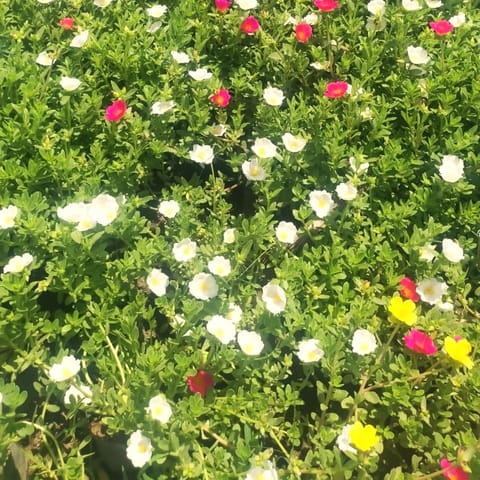
Hibiscus plants commonly have flowers in shades of white, yellow, pink, orange, and red.
2. Can I grow Hibiscus indoors?
No, Hibiscus cannot be grown indoors as it needs to be kept in the sun and in a well-ventilated environment
3. How often should I water my Hibiscus plant?
Check to see if the topmost layer of the soil is moist, and then water it. Hibiscus plants prefer moist soil, and since you will keep them outdoors, they will typically need watering daily, except in winter and rainy seasons. In summer, you may also need to water them twice as the soil will dry faster.
4. How often does Hibiscus flower?
With proper care, regular feeding, and pruning, Hibiscus can bloom repeatedly throughout the year in warm climates.
5. Can I grow Hibiscus in cold climates?
Hibiscus is a typical plant of the tropics and they prefer warm temperatures. They are sensitive to cold climates and are unlikely to grow.
6. Where can I buy Hibiscus plants?
Head over to Urvann, India’s favorite online nursery, and browse from their extensive collection of plants.
.


.
Checkout All Plants on Urvann
Checkout collection of Flowering Plants
Checkout collection of all Hibiscus Plants