
Shop

Downalod our app

Please provide your delivery pincode to see products available in your area
Harsingar Parijat Collection
Witness the enchanting beauty of Harsingar Parijat, also known as Raat Ki R...
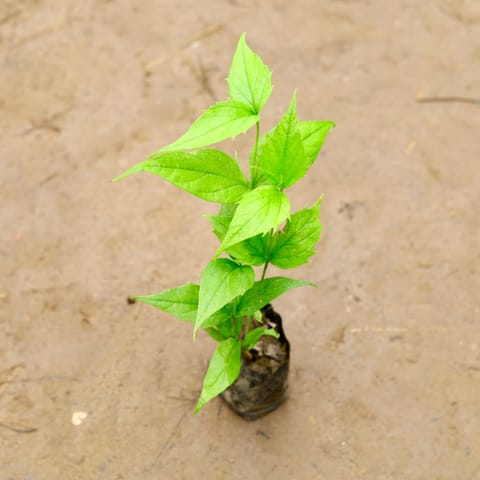
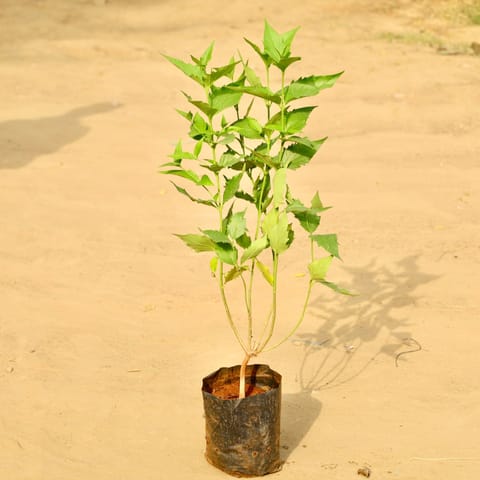
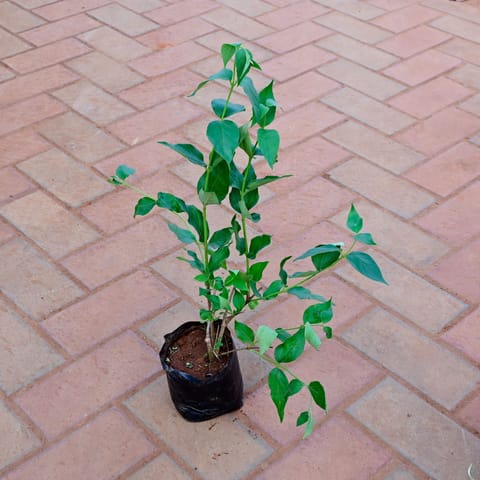
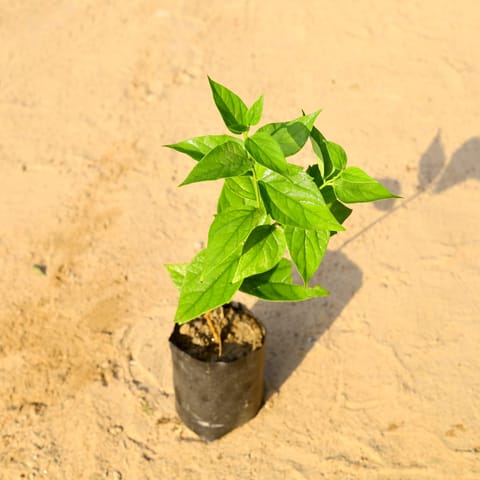
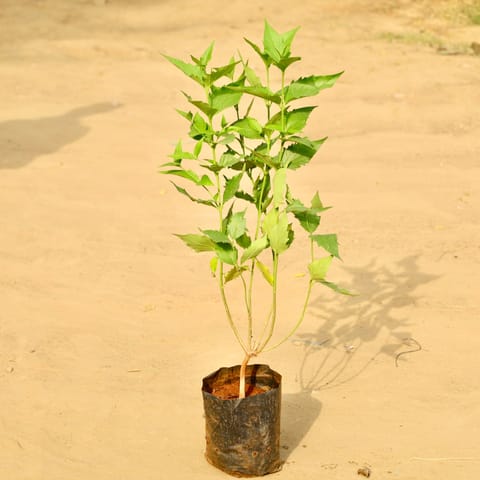
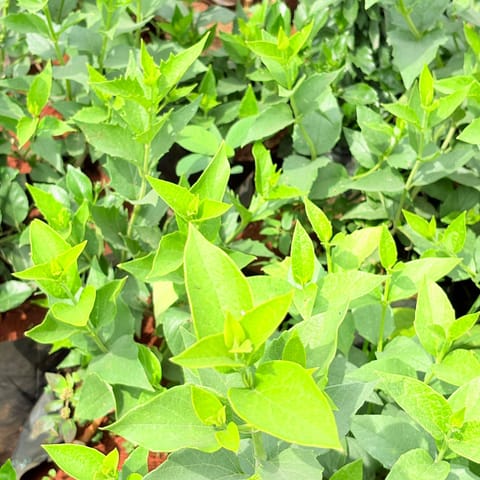
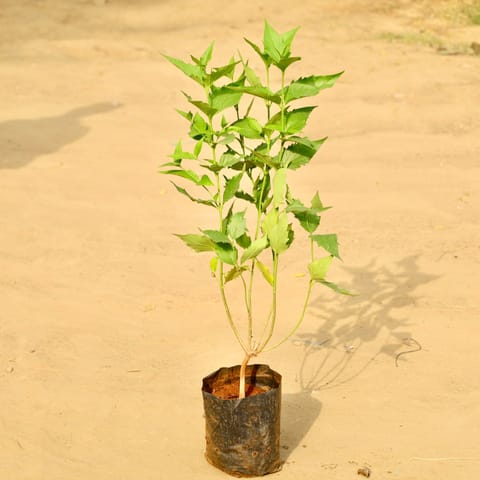
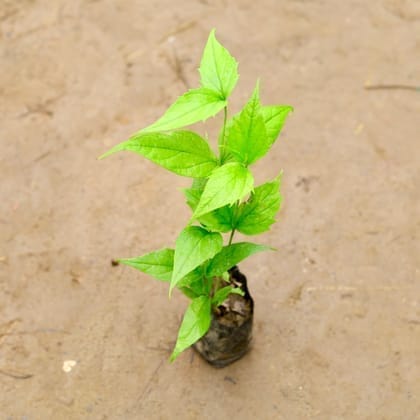
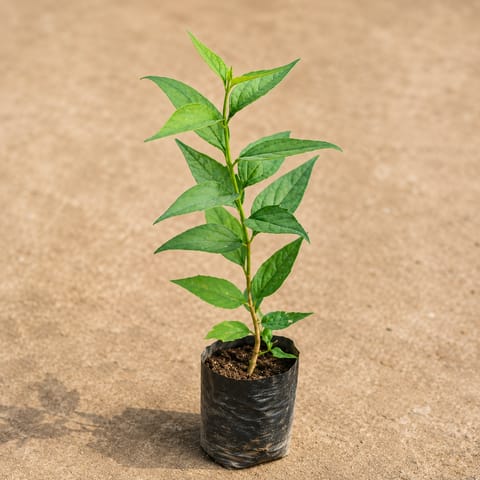
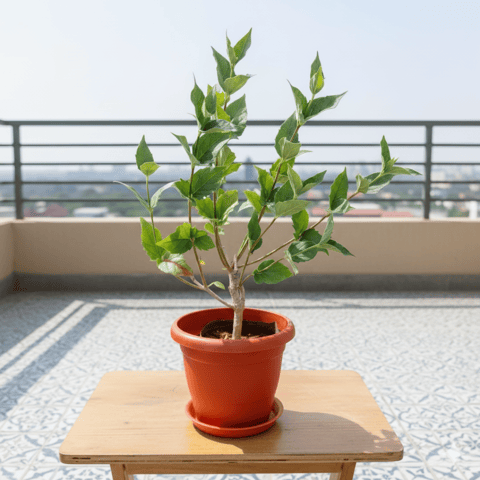
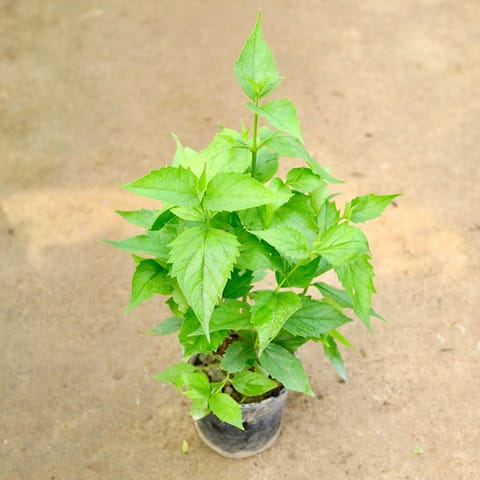
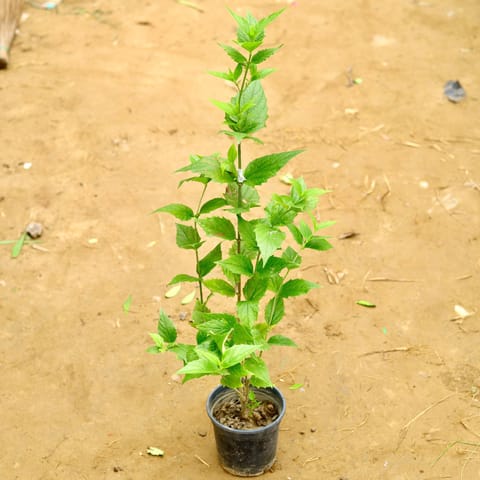
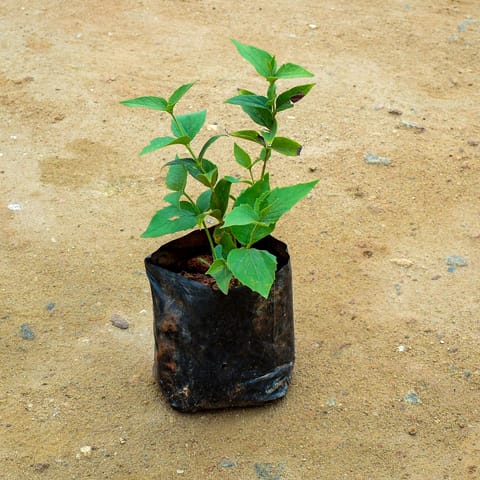
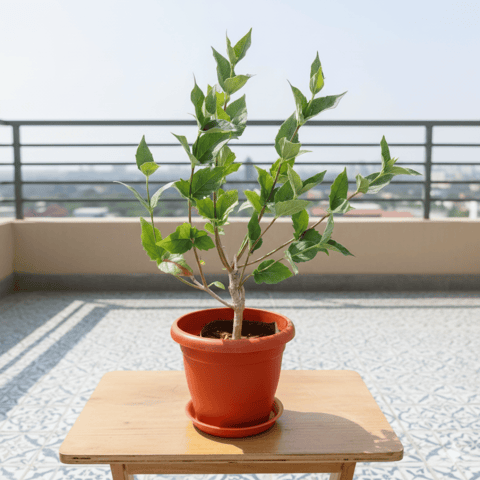
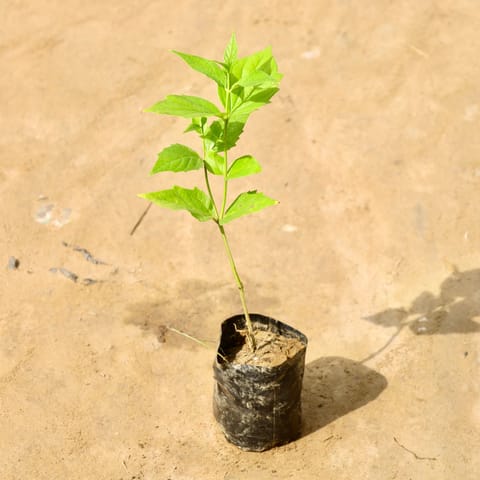
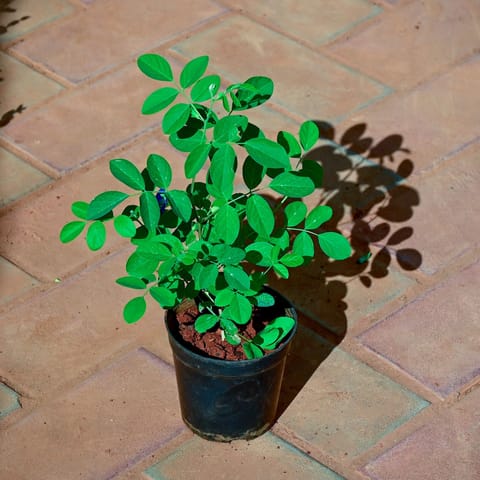
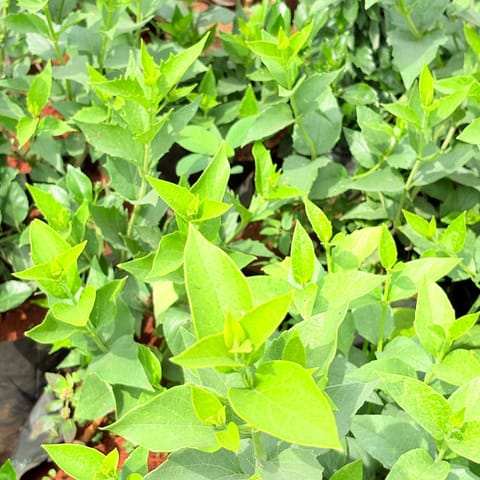
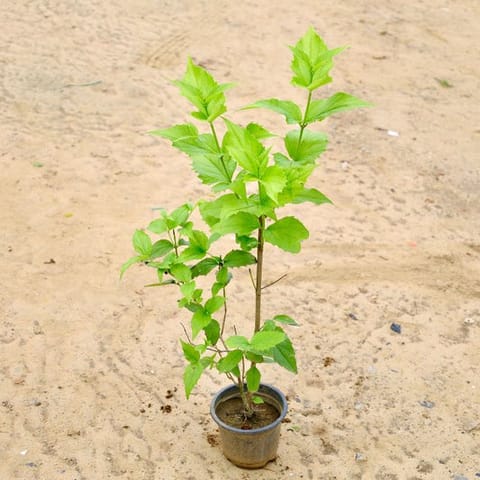
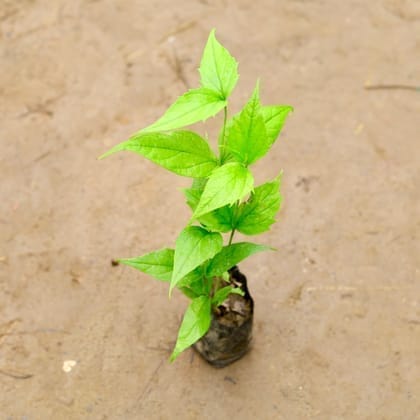
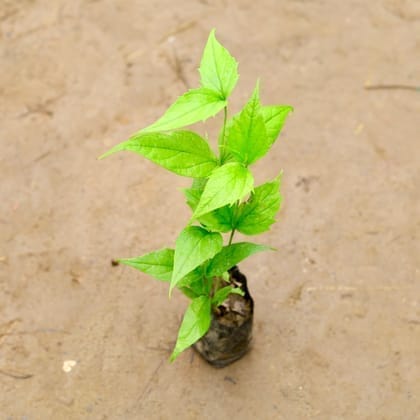
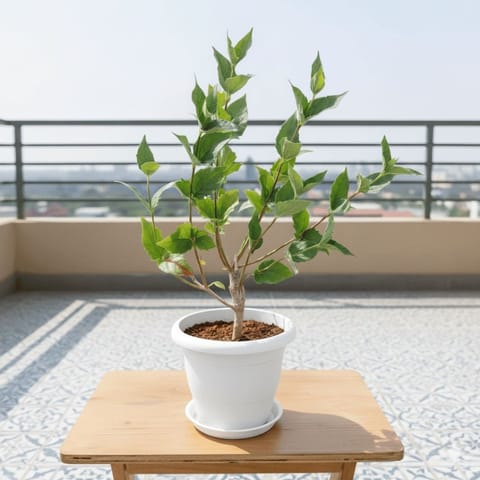
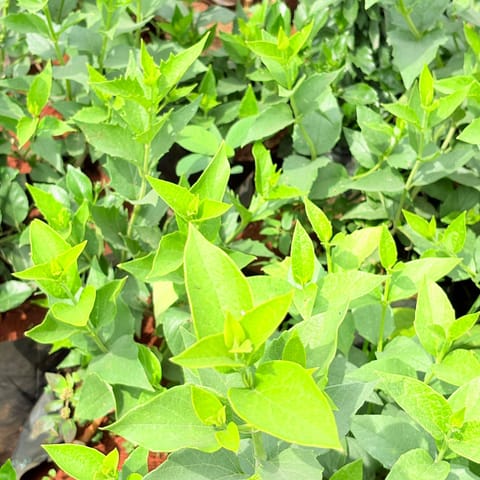
Witness the enchanting beauty of Harsingar Parijat, also known as Raat Ki Rani, Shiuli, Shefali, or Night-Flowering Jasmine. Urvann offers healthy and authentic parijat plants online, making it easy to add this fragrant night-blooming beauty to your garden and enjoy its divine blooms at home.
Why 50,000+ Indian Gardeners Choose Urvann's Harsingar:
⭐ Rated 4.8/5 by 12,340+ verified buyers
✓ Hassle-Free Replacement - We offer a 2-day replacement window if the product arrives damaged or incorrect
✓ Free Next-Day Delivery - We provide free next day delivery for all orders placed by 7 PM in
Delhi-NCR and Bengaluru.
✓ Sacred & Spiritual – Harsingar flowers are especially favoured for offering to Lord Shiva
✓ Medicinal Ayurvedic Plant – Recognised in traditional medicine for therapeutic properties
✓ Real Photos from Indian Gardens – See actual customer plants, not stock images
Harsingar Parijat: The Divine Night-Flowering Treasure
Harsingar (Nyctanthes arbor-tristis), also called the Tree of Sorrow, Coral Jasmine, or Kalpavriksha (the wish-fulfilling tree), holds a special place in Indian hearts and gardens. These mysterious flowers bloom exclusively at night and gracefully fall to the ground at the first rays of morning sunlight, creating a carpet of fragrant white-and-orange blooms that are traditionally gathered from the ground and offered in prayers and temple worship.
Benefits And Uses Of Harsingar Parijat Plants
The Harsingar Parijat plant offers numerous advantages that make it a cherished addition to any Indian home.
- Deep spiritual value: Sacred in Hindu tradition, Harsingar flowers are offered to Lord Shiva, used in Durga Pooja, and featured in festivals and family rituals. Known as a Kalpavriksha, it is believed to bring blessings and fulfil wishes.
- Nighttime air purifier: Unlike most plants, it releases oxygen at night and fills the air with a soothing natural fragrance, making it ideal near bedrooms and meditation spaces.
- Ayurvedic importance: Traditionally used for joint pain, fever, digestion, and skin care under expert guidance, with leaves and flowers valued in Ayurveda.
- Divine evening fragrance: The sweet floral scent blooms after sunset and lingers till morning, creating a calm, peaceful garden atmosphere.
Maintenance And Caring Tips For Harsingar Plant
Parijat is easygoing once you understand what it likes. Give it the right light, well-draining soil, and a little seasonal care, and it will reward you with healthy growth and fragrant blooms year after year.
- Light and placement: Parijat loves gentle morning sun and protection from harsh afternoon heat. A spot with good airflow and shelter from strong winds works best. Courtyards, balconies, patios, or spaces near prayer areas are ideal.
- Soil that drains well: Use loose, airy soil enriched with compost. Slightly acidic to neutral soil with excellent drainage keeps roots healthy and prevents rot.
- Climate friendly plant: Perfect for Indian conditions. It handles heat, mild cold, and even light frost. Moderate humidity keeps it happiest.
- Water with restraint: Water only when the topsoil feels dry. In summer, water every one to two days. In winter, twice a week is enough. Overwatering causes more harm than underwatering.
- Feed for flowers: Use organic fertiliser every four to six weeks from late winter to early monsoon. Switch to a phosphorus rich feed before flowering and stop feeding once blooms appear.
- Prune for more blooms: Prune heavily in February and lightly after flowering. Remove dead branches anytime. Fresh growth appears within a month and brings more flowers next season.
Parijat Plant Options From Urvann’s Collection
Benefits And Uses Of Harsingar Parijat Plants
The Harsingar Parijat plant offers numerous advantages that make it a cherished addition to any Indian home. Known for its spiritual significance and therapeutic properties, this remarkable plant has been valued in Indian culture for centuries.
Spiritual and Religious Significance
The parijatha flower tree holds deep religious importance in Hindu traditions. The pure white petals with orange stems are considered sacred and are commonly offered during prayers and festivals. Many families grow this plant specifically for its spiritual benefits and to maintain a connection with traditional practices.
Natural Air Purification
Your harsingar flower plant works as a natural air purifier, releasing fresh oxygen during nighttime hours. This nocturnal blooming pattern makes it particularly beneficial for improving air quality around your home whilst you sleep.
Medicinal Properties
Traditional Ayurveda recognises the healing qualities of Parijat leaves and flowers. The plant is known for its anti-inflammatory and analgesic properties, making it useful for various home remedies under proper guidance.
Aromatic Garden Addition
The sweet, intense fragrance of Harsingar blooms creates a delightful evening atmosphere in your garden. The scent is most pronounced during night hours, making your outdoor spaces incredibly pleasant for evening relaxation.
Maintenance And Caring Tips For Harsingar Plant
Proper care ensures your Parijat plant flourishes and produces abundant blooms throughout its flowering season. Understanding the specific needs of this plant will help you maintain its health and beauty year-round.
Ideal Growing Conditions
Location and Placement
Position your harsingar plant online purchase in a spot that receives morning sunlight and partial shade during harsh afternoon hours. The plant prefers a location with good air circulation but protection from strong winds.
Soil Requirements
Use well-draining soil mixed with organic compost for optimal growth. The plant adapts well to various soil types but performs best in slightly acidic to neutral pH conditions. Ensure proper drainage to prevent waterlogging.
Climate Preferences
Parijat plants suit the Indian climate perfectly and can tolerate moderate temperature variations. They perform exceptionally well in subtropical regions and can handle light frost conditions.
Common Care Tips
Watering Schedule
Water your parijatha flower tree regularly but avoid overwatering. During summer months, water every alternate day, whilst in winter, reduce frequency to twice weekly. Check soil moisture before watering to prevent root rot.
Fertilisation Routine
Feed your plant with organic fertiliser every 4–6 weeks during the growing season. Use a balanced NPK fertiliser or well-aged cow dung manure to promote healthy growth and abundant flowering.
Pruning and Maintenance
Regular pruning helps maintain shape and encourages new growth. Remove dead or diseased branches immediately and trim excessive growth after the flowering season ends.
Pest and Disease Management
Keep watch for common pests like aphids and scale insects. Use neem oil spray as a natural preventive measure. Ensure good air circulation around the plant to prevent fungal infections.
Why Choose Urvann for Harsingar Parijat Plants?
Healthy, Live Plants
Every plant from our parijat nursery undergoes strict quality checks before dispatch. We guarantee healthy, disease-free specimens that arrive at your location in excellent condition. Our expert team carefully nurtures each plant to ensure robust root systems and strong growth potential.
Affordable Pricing
We believe beautiful gardens should be accessible to everyone. Our competitive pricing makes it easy for plant enthusiasts across India to add stunning Harsingar plants to their collections without stretching their budgets. Regular offers and seasonal discounts make gardening even more affordable.
Wide Selection of Seasonal Plants
Beyond our specialised Harsingar collection, Urvann offers an extensive range of seasonal flowering plants, herbs, and ornamental varieties. This comprehensive selection allows you to create diverse, colourful gardens that bloom throughout the year.
Doorstep Service
Experience the convenience of having premium plants delivered directly to your home. Our reliable delivery network ensures safe transportation of your plants, complete with care instructions and planting guidance. Next-day delivery service makes garden planning effortless and so hassle-free!
FAQ About Harsingar Parijat Plant
Is it good to grow the Parijat plant at home?
Absolutely! Growing Parijat plants at home brings numerous benefits including spiritual significance, natural air purification, and delightful fragrance. The plant is considered auspicious in Indian households and creates a peaceful, sacred atmosphere around your living space.
Where should I keep the parijat plant at home?
Place your Parijat plant in the garden area, courtyard, or balcony where it receives morning sunlight and partial afternoon shade. Avoid placing it in completely shaded areas as this may affect flowering. The plant also works well near prayer rooms or meditation spaces due to its spiritual significance.
Can I grow parijat in pots?
Yes, Parijat plants adapt well to container gardening. Choose a large pot (at least 18–20 inches diameter) with proper drainage holes. Use quality potting mix and ensure regular watering and fertilisation. Potted plants may require more frequent care but offer flexibility in placement and movement.
What is the season of the parijat flower?
Parijat flowers generally bloom from late monsoon through winter months (August to February). The peak flowering season occurs during October to December when the plant produces abundant white flowers with orange stems. Blooming happens at night, with flowers falling by morning.
Can we offer the Harsingar flower to Lord Shiva?
Yes, Harsingar flowers are considered highly sacred and are particularly favoured for offering to Lord Shiva. The pure white petals symbolise devotion and purity, making them ideal for religious ceremonies and daily prayers. Many devotees specifically grow these plants to have fresh flowers available for worship.
| Variety Type | Plant/Size Description | Best For | Price Range |
|---|---|---|---|
| Harsingar / Parijat in 4 Inch Nursery Bag | Small young plant | Beginners, small pots, patios | Starting ₹39–₹69 |
| Harsingar / Parijat in 6 Inch Nursery Pot | Medium-size plant | Garden beds, balconies | Starting ₹99 |
| Harsingar / Parijat (Any Colour) in 7 Inch Nursery Bag | Larger nursery plant | Outdoor planters, entryway displays | Starting ₹69–₹169 |
| Harsingar / Parijat (Any Colour) in 3 Inch Nursery Bag | Tiny starter plant | Terraces, seedling pots | Starting ₹69 |
Growing Harsingar in Different Spaces
In Garden Beds (Ground Planting)
- Best Variety: Standard or Baromasi Harsingar
- Spacing: Plant 6-8 feet apart from other trees
- Soil Prep: Dig 2x2 feet pit, mix compost and garden soil
- Advantages: Grows larger, produces more flowers, less watering needed
In Pots & Containers (Balcony/Terrace)
- Best Variety: Dwarf Grafted Harsingar
- Pot Size: Minimum 16-18 inches in diameter and depth
- Pot Type: Clay pots or plastic pots with excellent drainage
- Care: More frequent watering and fertilising needed
- Advantages: Portable, perfect for urban homes, and easier management
When Does Harsingar Bloom? Flowering Season Guide
- Primary Flowering Season: Late monsoon through winter (August to February)
- Peak Blooming: October to December (most abundant flowers)
- Flowering Pattern: Night-blooming (flowers open at dusk, fall by dawn)
Unique Characteristic: Unlike most flowers that are plucked from plants, Harsingar flowers naturally fall to the ground each morning and are traditionally gathered from the ground for worship, making them even more sacred as they are never picked from the living tree.
Why Choose Urvann to Buy Harsingar Plants Online?
✅ Healthy, Strong Saplings – Carefully grown, disease-free plants with well-developed, robust root systems
✅ Budget Friendly Pricing – Sacred and flowering plants starting at just ₹39
✅ Already Potted – Plants arrive neatly potted and ready for immediate transplanting
✅ Free Next Day Delivery – Fast and reliable shipping across the country
✅ 30 Day Plant Guarantee – Complete peace of mind with free replacement if needed
✅ Expert Support – Real gardening experts available to guide you at every step
✅ Eco Friendly Packaging – Secure, sustainable materials that protect plants and the planet
Every plant from our parijat nursery undergoes strict quality checks before dispatch. We guarantee healthy and disease-free specimens that arrive in excellent condition with strong root systems and growth potential that ensures quick establishment in your garden. Start shopping for Harsingar now!
FAQs About Harsingar Parijat Plant
1. Is it good to grow the Parijat plant at home?
Yes, and for many beautiful reasons. Growing Parijat at home brings spiritual calm, gentle fragrance, and a sense of sacredness that few plants can match. It releases oxygen at night, fills the air with a divine scent, and provides fresh flowers for daily prayers.
2. Where should you keep the Parijat plant at home?
Parijat loves a balanced spot. Place it where it receives four to five hours of gentle morning sunlight and some protection from harsh afternoon heat. Gardens, courtyards, terraces, and large balconies work beautifully. Traditionally, it is kept near prayer spaces or entrances to invite positive energy. As per Vastu, the east or north direction is considered most auspicious.
3. What is the season of the Parijat flower?
Parijat blooms from late monsoon through winter, usually from August to February. Peak flowering happens between October and December, just in time for festive and spiritual seasons. The flowers bloom at dusk and gently fall to the ground by morning, which is why they are called night flowering jasmine.
4. Can we offer Harsingar flowers to Lord Shiva?
Yes, absolutely. Harsingar is one of the most beloved flowers offered to Lord Shiva. The white petals symbolise purity and devotion, while the orange stem represents divine energy. These flowers are traditionally offered during morning prayers, Maha Shivaratri, and the Shravan month worship. Many devotees grow the plant specifically to have fresh offerings at home.
5. How long does it take for a Harsingar plant to start flowering?
Most Harsingar plants start flowering within twelve to eighteen months. Grafted dwarf varieties may bloom earlier, sometimes within eight to twelve months. Flowering depends on sunlight, care, and plant maturity. The first year may bring fewer flowers, but as the plant grows stronger, it can produce hundreds of blooms each season.
6. Is Harsingar a medicinal plant?
Yes, Harsingar holds an important place in Ayurveda. Its leaves, flowers, bark, and seeds are traditionally used for joint pain, viral fevers, digestion, and overall wellness. However, medicinal use should always be done under expert guidance. This is not a plant for casual self-medication.
7. Can Harsingar survive in full sun all day?
No, full-day harsh sun can stress the plant. Harsingar prefers morning sunlight followed by partial shade in the afternoon, especially during Indian summers. Too much intense sun can scorch leaves and reduce flowering. In cooler months, it can tolerate more sun, but summer protection is important in hot regions.
8. Why is your Harsingar not flowering even though it looks healthy?
The most common reason is not enough morning sunlight. Young plants may also simply need time. Too much nitrogen fertiliser encourages leaves instead of flowers, so switch to bloom-focused feeding before the flowering season. Improper pruning or incorrect watering can also affect blooms. Let the plant rest in winter. That rest is what prepares it for flowers later.
9. How to collect Harsingar flowers for worship?
Wake up early and let nature do the work. The flowers fall naturally to the ground at dawn. Gently collect them from beneath the plant using a clean basket. Do not pluck flowers from the tree. Rinse lightly and offer them fresh. Any unused flowers can be composted or dried for traditional use.
10. Can you propagate Harsingar from stem cuttings?
Yes, propagation through cuttings works well with patience. Take healthy semi-hardwood cuttings after the flowering season. Plant them in well-draining soil, keep them moist but not wet, and place them in bright indirect light. Roots usually form within four to eight weeks. January to February is the best time to try.