

UrvannUrvann is your one-stop online nursery for plants, planters, gardening accessories, and tools. Order fresh plants and get free home delivery on the next day!https://www.urvann.com/s/6176774ef575bbd2b3331c8a/61db06dd744e78df7592f6d9/final-logo-01-1-_cropped-1-480x480.png
E-176110060DelhiIN
Urvann
E-176Delhi, IN
+919599585773https://www.urvann.com/s/6176774ef575bbd2b3331c8a/61db06dd744e78df7592f6d9/final-logo-01-1-_cropped-1-480x480.png"[email protected]
Curry Patta Collection<p>Curry Patta, also called Kadi Patta or Kari Patta depending on the region, comes from the Murraya koenigii tree and is one of the most essential aromatics in Indian cooking.&nbsp;</p> <p>Whether you know it as curry leaves, kadi patta, or kari patta, it's the same fragrant plant, prized for the depth it adds to dals, curries, chutneys, and tempering. Growing your own means you always have fresh leaves on hand, with a stronger aroma than anything sold dried in stores.&nbsp;</p> <p>Bring home a Curry Patta plant from Urvann and enjoy fresh leaves right from your balcony, kitchen garden, or windowsill.</p> <h2>Why 15 Lakh+ Plant Parents Trust Urvann</h2> <p><span style="font-weight: 400;">⭐ Rated 4.8/5 by 12,340+ verified buyers</span></p> <p><b>✓ Free Next-Day Delivery &ndash; </b><span style="font-weight: 400;">Available on orders placed by 7 PM in Delhi-NCR and Bengalore.</span></p> <p><b>✓ Pan India Deliveries &ndash; </b><span style="font-weight: 400;">Get curry patta plants delivered across India. Delivery timelines vary by location.</span></p> <p><b>✓ Hassle-Free Replacement &ndash;</b><span style="font-weight: 400;"> Enjoy a 2-day replacement window if your plant arrives damaged or incorrect.</span></p> <p><b>✓ Healthy, Well-Rooted Curry Patta Plants &ndash; </b><span style="font-weight: 400;">Plants are grown at Urvann Farms before being delivered to your doorstep.</span></p> <p><b>✓ Multiple Sizes &amp; Pots &ndash; </b><span style="font-weight: 400;">Choose from different curry patta plant sizes and pot options to suit your home garden.</span></p> <p><span style="font-weight: 400;">✓ </span><b>Complete Garden Care in One Place &ndash;</b><span style="font-weight: 400;"> Along with Curry Patta plants, shop </span><a href="https://www.urvann.com/browse/planters-and-pots"><span style="font-weight: 400;">pots</span></a><span style="font-weight: 400;">, </span><a href="https://www.urvann.com/browse/fertilizers"><span style="font-weight: 400;">fertilizers</span></a><span style="font-weight: 400;">, </span><a href="https://www.urvann.com/browse/gardening-tools-and-equipment"><span style="font-weight: 400;">tools</span></a><span style="font-weight: 400;">, and other garden care products.</span><span style="font-weight: 400;"></span></p> <h2><br />Different Types of Curry Leaf Plants You Can Buy from Urvann</h2> <p><span style="font-weight: 400;">Urvann offers curry patta plants in different sizes and pot options, making it easier to choose one based on your available space and growing needs. The collection includes individual plants in nursery bags and decorative pots, as well as plant sets.</span></p> <h3>Curry Patta Plants in Nursery Bags</h3> <p><span style="font-weight: 400;">Available in different nursery bag sizes, including 4-inch, 5-inch, 6-inch, and 8-inch options. You can also find plants in different heights, from smaller plants to options around 2&ndash;3 feet tall.</span></p> <h3>Curry Patta Plants in Decorative Pots</h3> <p><span style="font-weight: 400;">For a more ready-to-display option, Urvann also offers curry patta plants in decorative plastic pots, including 6-, 7-, and 8-inch options, with some products available with trays.</span></p> <h3>Curry Patta Plant Sets</h3> <p><span style="font-weight: 400;">If you want more than one plant, the collection also includes sets of 2 or 3 curry patta plants, along with combination sets featuring other plants.</span></p> <h2><br />Health Benefits of Curry Leaves</h2> <p><span style="font-weight: 400;">Curry leaves are nutrient-packed and medicinally valuable. By growing a curry patta plant at home, you can enjoy fresh leaves that support your health daily.</span></p> <h3>Freshness and Flavour</h3> <p><span style="font-weight: 400;">Freshly plucked curry leaves have a superior aroma and taste compared to dried ones. Cooking with homegrown kadi patta transforms everyday meals into aromatic delights.</span></p> <h3>Sustainable and Organic Gardening</h3> <p><span style="font-weight: 400;">When you grow a curry plant in your own garden or balcony, you avoid pesticides and chemical fertilisers. It&rsquo;s a meaningful step towards a healthier, more sustainable lifestyle.</span></p> <h3>Decorative and Aromatic Value</h3> <p><span style="font-weight: 400;">Curry leaf plants add greenery and fragrance to indoor and outdoor spaces. They&rsquo;re beautiful, aromatic companions that can enhance your home environment.</span></p> <h3>Nutrients and Phytochemicals</h3> <p><span style="font-weight: 400;">Curry leaves are loaded with alkaloids, flavonoids, and terpenoids, which act as antioxidants. They also contain vitamins A, B, C, and E, supporting eye health, immunity, and skin health.</span></p> <h3>Traditional and Modern Uses</h3> <p><span style="font-weight: 400;">In Ayurveda, curry leaves help with digestion, blood sugar regulation, and hair growth. Modern science confirms some of these benefits, particularly for managing diabetes and supporting liver function.</span></p> <h3>Everyday Benefits</h3> <ul> <li style="font-weight: 400;" aria-level="1"><span style="font-weight: 400;">Improves digestion and reduces bloating.</span></li> <li style="font-weight: 400;" aria-level="1"><span style="font-weight: 400;">Helps manage diabetes naturally.</span></li> <li style="font-weight: 400;" aria-level="1"><span style="font-weight: 400;">Strengthens hair and prevents premature greying.</span></li> <li style="font-weight: 400;" aria-level="1"><span style="font-weight: 400;">Supports healthy skin and weight management.</span></li> </ul> <h2><br />Ideal Conditions for Curry Leaves Cultivation</h2> <p><span style="font-weight: 400;">Curry leaves are surprisingly adaptable, but a few conditions ensure lush growth.</span></p> <h3>Soil Type and Preparation</h3> <p><span style="font-weight: 400;">Use slightly acidic, well-draining soil. A mix of garden soil, compost, and sand works best.</span></p> <h3>Light Requirements</h3> <p><span style="font-weight: 400;">Provide 6-8 hours of direct sunlight daily. Indoor plants should be near bright windows.</span></p> <h3>Temperature and Climate</h3> <p><span style="font-weight: 400;">Curry plants prefer 20&ndash;35&deg;C. Protect them from frost and extreme heat.</span></p> <h3>Watering Best Practices</h3> <p><span style="font-weight: 400;">Water regularly, but avoid waterlogging. Let the soil dry slightly between watering sessions.</span></p> <h2><br />Step-by-Step Planting and Potting Guide</h2> <p><span style="font-weight: 400;">Planting your curry patta plant properly ensures strong roots and healthy growth.</span></p> <h3>Planting in Pots</h3> <ul> <li style="font-weight: 400;" aria-level="1"><span style="font-weight: 400;">Select a container with drainage holes.</span></li> <li style="font-weight: 400;" aria-level="1"><span style="font-weight: 400;">Use a nutrient-rich mix (soil + compost + sand).</span></li> <li style="font-weight: 400;" aria-level="1"><span style="font-weight: 400;">Plant at the same depth as in its nursery pot.</span></li> </ul> <h3>Planting in Garden Beds</h3> <ul> <li style="font-weight: 400;" aria-level="1"><span style="font-weight: 400;">Prepare a fertile, well-draining garden bed.</span></li> <li style="font-weight: 400;" aria-level="1"><span style="font-weight: 400;">Space plants 3&ndash;4 feet apart.</span></li> <li style="font-weight: 400;" aria-level="1"><span style="font-weight: 400;">Mulch around the base to retain moisture.</span></li> </ul> <h3>Indoor Planting Tips</h3> <ul> <li style="font-weight: 400;" aria-level="1"><span style="font-weight: 400;">Place near a sunny window.</span></li> <li style="font-weight: 400;" aria-level="1"><span style="font-weight: 400;">Rotate periodically for even growth.</span></li> <li style="font-weight: 400;" aria-level="1"><span style="font-weight: 400;">Use a pot with good drainage.</span></li> </ul> <h2><br />Organic Fertilizers and Nutrients for Healthy Growth</h2> <h3>Recommended Fertilizers</h3> <ul> <li style="font-weight: 400;" aria-level="1"><b>Compost or Vermicompost:</b><span style="font-weight: 400;"> Enhances soil structure and nutrients.</span></li> <li style="font-weight: 400;" aria-level="1"><b>Fish Emulsion: </b><span style="font-weight: 400;">Provides nitrogen for leaf growth.</span></li> <li style="font-weight: 400;" aria-level="1"><b>Buttermilk:</b><span style="font-weight: 400;"> Improves soil microbiome.</span></li> </ul> <h3>Fertilization Schedule</h3> <ul> <li style="font-weight: 400;" aria-level="1"><b>Spring/Summer: </b><span style="font-weight: 400;">Every 2&ndash;3 weeks.</span></li> <li style="font-weight: 400;" aria-level="1"><b>Monsoon: </b><span style="font-weight: 400;">Reduce to avoid root rot.</span></li> <li style="font-weight: 400;" aria-level="1"><b>Winter: </b><span style="font-weight: 400;">Minimal feeding.</span></li> </ul> <h3>Propagation Techniques</h3> <h4>Seed Propagation</h4> <ul> <li style="font-weight: 400;" aria-level="1"><span style="font-weight: 400;">Select fresh seeds from ripe berries.</span></li> <li style="font-weight: 400;" aria-level="1"><span style="font-weight: 400;">Soak overnight and plant in moist soil.</span></li> <li style="font-weight: 400;" aria-level="1"><span style="font-weight: 400;">Germination takes 2&ndash;3 weeks.</span></li> </ul> <h4>Stem Cutting Propagation</h4> <ul> <li style="font-weight: 400;" aria-level="1"><span style="font-weight: 400;">Cut 4&ndash;6-inch healthy stems.</span></li> <li style="font-weight: 400;" aria-level="1"><span style="font-weight: 400;">Apply rooting hormone.</span></li> <li style="font-weight: 400;" aria-level="1"><span style="font-weight: 400;">Plant in moist soil or water until roots appear.</span></li> </ul> <h4>Water Propagation</h4> <ul> <li style="font-weight: 400;" aria-level="1"><span style="font-weight: 400;">Place cuttings in water, and change the water regularly.</span></li> <li style="font-weight: 400;" aria-level="1"><span style="font-weight: 400;">Transfer to soil after roots form.</span></li> </ul> <div style="background: #f6eddc; border: 1px solid #e2c27b; padding: 15px 20px; border-radius: 8px; margin: 25px 0;"> <p><strong><b>Tip</b>: </strong><span style="font-weight: 400;">Propagating from cuttings usually has a higher success rate than seeds.</span></p> </div> <h2>How to Identify and Control Pests and Diseases</h2> <p>Even the healthiest curry patta plant can attract pests or fall victim to diseases if not monitored regularly. Preventive care and seasonal adjustments are just as important as treating problems. They keep your curry leaves flourishing year-round.</p> <h3>Common Pests</h3> <p><span style="font-weight: 400;">Some pests are particularly attracted to curry leaf plants:</span></p> <ul> <li style="font-weight: 400;" aria-level="1"><b>Aphids: </b><span style="font-weight: 400;">Tiny insects that cluster on new shoots and suck sap, causing curling or yellowing leaves.</span></li> <li style="font-weight: 400;" aria-level="1"><b>Mealybugs: </b><span style="font-weight: 400;">White, cotton-like insects that feed on leaves and stems.</span></li> <li style="font-weight: 400;" aria-level="1"><b>Spider Mites:</b><span style="font-weight: 400;"> Small, web-spinning pests that leave speckled damage on leaves.</span></li> <li style="font-weight: 400;" aria-level="1"><b>Scale Insects: </b><span style="font-weight: 400;">Hard-shelled pests that attach to stems and leaves, weakening the plant.</span></li> </ul> <h3>Disease Symptoms</h3> <ul> <li style="font-weight: 400;" aria-level="1"><span style="font-weight: 400;">Yellowing leaves often indicate overwatering or nutrient deficiency.</span></li> <li style="font-weight: 400;" aria-level="1"><span style="font-weight: 400;">Wilting can result from root rot or lack of water.</span></li> <li style="font-weight: 400;" aria-level="1"><span style="font-weight: 400;">Leaf spots may signal fungal infection.</span></li> </ul> <h3>Organic Control Methods</h3> <ul> <li style="font-weight: 400;" aria-level="1"><b>Neem oil spray: </b><span style="font-weight: 400;">Safe and effective against most common pests.</span></li> <li style="font-weight: 400;" aria-level="1"><b>Insecticidal soap: </b><span style="font-weight: 400;">Helps remove soft-bodied insects like aphids.</span></li> <li style="font-weight: 400;" aria-level="1"><b>Companion planting: </b><span style="font-weight: 400;">Growing basil or marigolds nearby can naturally repel pests.</span></li> </ul> <h2><br />Seasonal Care Tips for Your Curry Patta Plant</h2> <p>Curry leaf plants respond well to seasonal changes if care is adjusted accordingly.&nbsp;</p> <h3>Adjusting Watering and Feeding</h3> <ul> <li style="font-weight: 400;" aria-level="1"><b>Summer: </b><span style="font-weight: 400;">Water frequently to prevent leaves from drying out.</span></li> <li style="font-weight: 400;" aria-level="1"><b>Monsoon: </b><span style="font-weight: 400;">Reduce watering to avoid root rot caused by excess moisture.</span></li> <li style="font-weight: 400;" aria-level="1"><b>Winter: </b><span style="font-weight: 400;">Minimal watering is needed since the plant grows more slowly.</span></li> </ul> <h3>Growth Management</h3> <p><span style="font-weight: 400;">Regularly trim excess shoots to control size and encourage bushiness. Pruning also ensures better air circulation and more productive leaves.<br /></span></p> <h3>Protecting from Weather Stress</h3> <ul> <li style="font-weight: 400;" aria-level="1"><span style="font-weight: 400;">Use shade nets during extremely hot, sunny days to prevent leaf scorch.</span></li> <li style="font-weight: 400;" aria-level="1"><span style="font-weight: 400;">Cover plants during frost or sudden cold snaps to protect tender leaves.</span></li> </ul> <h2><br />How to Use Curry Leaves at Home</h2> <p>A homegrown curry leaf plant is versatile and can be used in the kitchen, as a herbal remedy, or even as a decorative plant.</p> <h3>Culinary Uses</h3> <p><span style="font-weight: 400;">Fresh curry leaves are essential in:</span></p> <ul> <li style="font-weight: 400;" aria-level="1"><span style="font-weight: 400;">Curries, dals, chutneys, and stir-fries.</span></li> <li style="font-weight: 400;" aria-level="1"><span style="font-weight: 400;">Enhancing rice dishes, soups, and sauces.</span></li> </ul> <h3>Storage and Drying</h3> <ul> <li style="font-weight: 400;" aria-level="1"><span style="font-weight: 400;">Keep fresh leaves in airtight containers in the fridge for longer freshness.</span></li> <li style="font-weight: 400;" aria-level="1"><span style="font-weight: 400;">Dry leaves to store for months without losing their flavour.</span></li> </ul> <h3>Medicinal and Herbal Uses</h3> <ul> <li style="font-weight: 400;" aria-level="1"><span style="font-weight: 400;">Brew a tea with fresh leaves to aid digestion.</span></li> <li style="font-weight: 400;" aria-level="1"><span style="font-weight: 400;">Mix with ginger or honey for immunity-boosting drinks.</span></li> </ul> <h2><br />Frequently Asked Questions (FAQs)</h2> <h3>1. Are curry leaves and Kadi Patta the same thing?</h3> <p><span style="font-weight: 400;">Yes. Kadi Patta, Kari Patta, and curry leaves all refer to the same plant, Murraya koenigii. Only the name changes by region and language.</span></p> <h3>2. How long do fresh curry leaves last after harvesting?</h3> <p><span style="font-weight: 400;">Fresh curry leaves stay good for about a week when kept in an airtight container in the fridge. For longer storage, dry them completely and store in a sealed jar, where they'll keep their flavour for several months.</span></p> <h3>3. Which type of curry leaf plant is best for home growing?</h3> <p><span style="font-weight: 400;">It depends on your space. The Regular Curry Leaf Plant suits gardens and open ground, the Dwarf Curry Leaf Plant is better for balconies and containers, and a Mature Kari Patta Tree gives you larger, more aromatic leaves faster if you have the room for it.</span></p> <h3>4. Where can I buy a Kadi Patta plant online?</h3> <p><span style="font-weight: 400;">You can order a healthy, ready-to-grow Curry Patta (Kadi Patta) plant directly from Urvann, with doorstep delivery and a freshness guarantee on arrival.</span></p> <h3>5. How much sunlight does a curry patta plant need?</h3> <p><span style="font-weight: 400;">Ideally, 6&ndash;8 hours of direct sunlight daily. For indoor curry leaves, place it near a bright window.</span></p> <h3>6. Can I grow curry leaves indoors?</h3> <p><span style="font-weight: 400;">Yes, with bright indirect light, regular watering, and a pot with good drainage, indoor kadi patta plants can thrive.</span></p> <h3>7. How soon can I start harvesting leaves from a curry patta plant?</h3> <p><span style="font-weight: 400;">You can begin harvesting, typically 3&ndash;4 months after planting or once the plant reaches a height of 1&ndash;2 feet.</span></p> <h3>8. Are curry leaves safe for pets?</h3> <p><span style="font-weight: 400;">Yes, curry leaf plants are non-toxic to cats and dogs.</span></p> <h3>9. How can I help my weak curry plant survive? The gardener said the plant is fragile with a very thin trunk.&nbsp;</h3> <p><span style="font-weight: 400;">The best solution is to move it to a bigger pot with organic soil. To help it recover:</span></p> <ul> <li style="font-weight: 400;" aria-level="1"><span style="font-weight: 400;">Support the trunk with a small stake or bamboo stick.</span></li> <li style="font-weight: 400;" aria-level="1"><span style="font-weight: 400;">Ensure the soil drains well and keep it slightly moist.</span></li> <li style="font-weight: 400;" aria-level="1"><span style="font-weight: 400;">Place it in bright, indirect sunlight.</span></li> <li style="font-weight: 400;" aria-level="1"><span style="font-weight: 400;">Avoid fertilizer until it shows new growth.</span></li> </ul> <p><span style="font-weight: 400;">Be patient. If it adjusts, the trunk will strengthen over time.</span></p> <h3>10. Which is better for cooking: fresh curry leaves or dried?</h3> <p><span style="font-weight: 400;">Fresh leaves from your own curry patta plant are ideal for cooking at home. They have a richer aroma and flavour, turning everyday dishes into gourmet meals.</span></p> <h3>11. ಕರಿಬೇವು ಗಿಡಕ್ಕೆ ಯಾವ ರೀತಿಯ ಮಣ್ಣು ಉತ್ತಮ?</h3> <p><span style="font-weight: 400;">ಕರಿಬೇವು ಗಿಡಕ್ಕೆ ನೀರು ಸುಲಭವಾಗಿ ಹೊರಹೋಗುವ, ಸ್ವಲ್ಪ ಆಮ್ಲೀಯದಿಂದ ತಟಸ್ಥ ಸ್ವಭಾವದ ಮಣ್ಣು ಉತ್ತಮ. ನೀರು ನಿಂತುಕೊಳ್ಳದ ಮಣ್ಣನ್ನು ಆಯ್ಕೆ ಮಾಡುವುದು ಮುಖ್ಯ. ಉತ್ತಮ ಮಣ್ಣಿನ ಮಿಶ್ರಣದಲ್ಲಿ ತೋಟದ ಮಣ್ಣು, ಕಾಂಪೋಸ್ಟ್ ಅಥವಾ ವರ್ಮಿಕಾಂಪೋಸ್ಟ್ ಮತ್ತು ನೀರು ಸರಿಯಾಗಿ ಹೊರಹೋಗಲು ಸಹಾಯ ಮಾಡುವ ಮರಳು, ಪರ್ಲೈಟ್ ಅಥವಾ ಕೋಕೋಪೀಟ್ ಸೇರಿಸಬಹುದು. ಮಣ್ಣು ಸ್ವಲ್ಪ ತೇವವನ್ನು ಉಳಿಸಿಕೊಳ್ಳಬೇಕು, ಆದರೆ ಹೆಚ್ಚುವರಿ ನೀರು ಸುಲಭವಾಗಿ ಹೊರಹೋಗುವಂತಿರಬೇಕು, ಏಕೆಂದರೆ ಹೆಚ್ಚು ಒದ್ದೆಯಾದ ಅಥವಾ ನೀರು ನಿಂತಿರುವ ಮಣ್ಣಿನಲ್ಲಿ ಕರಿಬೇವು ಗಿಡ ಚೆನ್ನಾಗಿ ಬೆಳೆಯುವುದಿಲ್ಲ.</span></p>

Shop

Curry Patta Collection

Curry Patta, also called Kadi Patta or Kari Patta depending on the region, comes from the Murraya k...
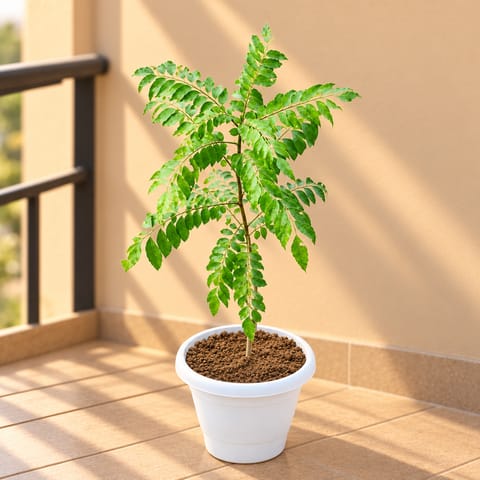
Curry Patta, also called Kadi Patta or Kari Patta depending on the region, comes from the Murraya koenigii tree and is one of the most essential aromatics in Indian cooking. 

Whether you know it as curry leaves, kadi patta, or kari patta, it's the same fragrant plant, prized for the depth it adds to dals, curries, chutneys, and tempering. Growing your own means you always have fresh leaves on hand, with a stronger aroma than anything sold dried in stores. 

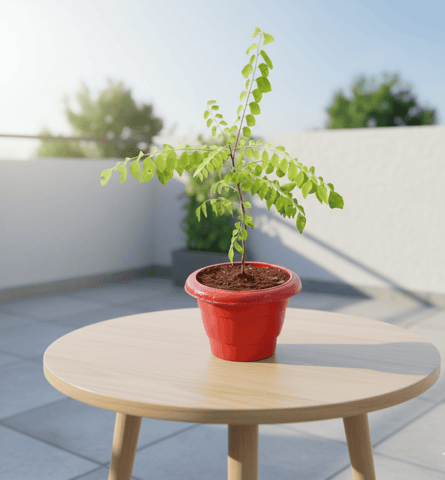
Bring home a Curry Patta plant from Urvann and enjoy fresh leaves right from your balcony, kitchen garden, or windowsill.

Why 15 Lakh+ Plant Parents Trust Urvann

⭐ Rated 4.8/5 by 12,340+ verified buyers

✓ Free Next-Day Delivery – Available on orders placed by 7 PM in Delhi-NCR and Bengalore.

✓ Pan India Deliveries – Get curry patta plants delivered across India. Delivery timelines vary by location.

✓ Hassle-Free Replacement – Enjoy a 2-day replacement window if your plant arrives damaged or incorrect.

✓ Healthy, Well-Rooted Curry Patta Plants – Plants are grown at Urvann Farms before being delivered to your doorstep.

✓ Multiple Sizes & Pots – Choose from different curry patta plant sizes and pot options to suit your home garden.

Complete Garden Care in One Place – Along with Curry Patta plants, shop pots, fertilizers, tools, and other garden care products.


Different Types of Curry Leaf Plants You Can Buy from Urvann

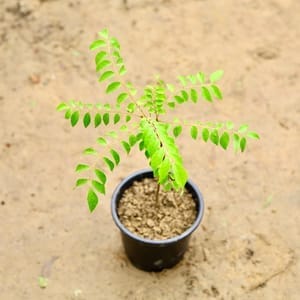
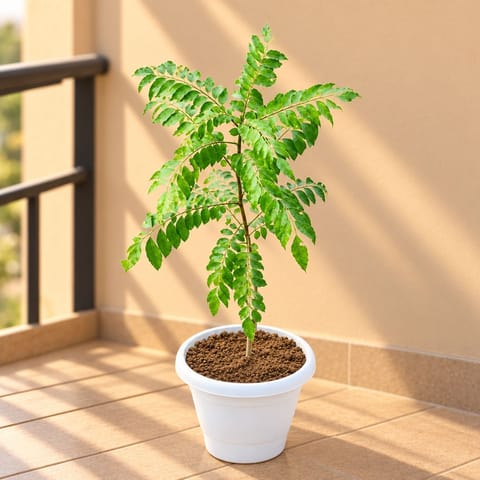
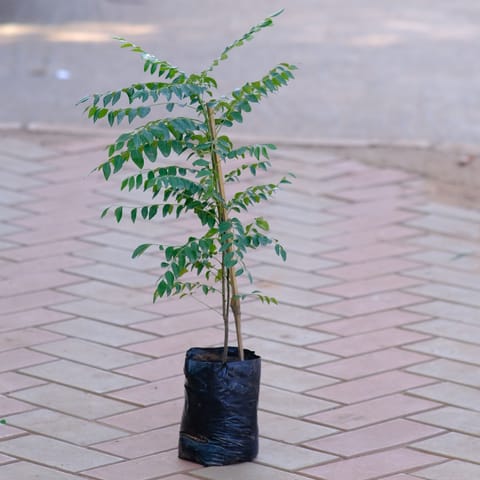
Urvann offers curry patta plants in different sizes and pot options, making it easier to choose one based on your available space and growing needs. The collection includes individual plants in nursery bags and decorative pots, as well as plant sets.

Curry Patta Plants in Nursery Bags

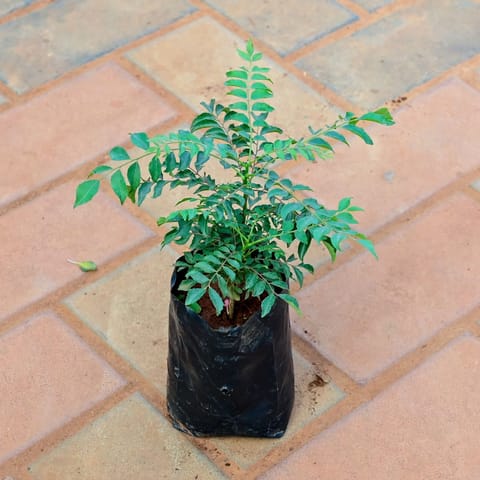
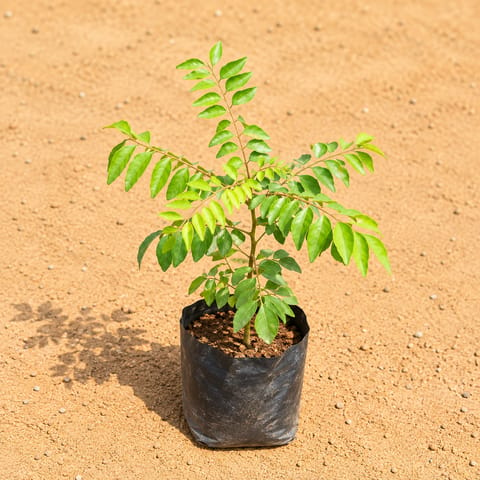
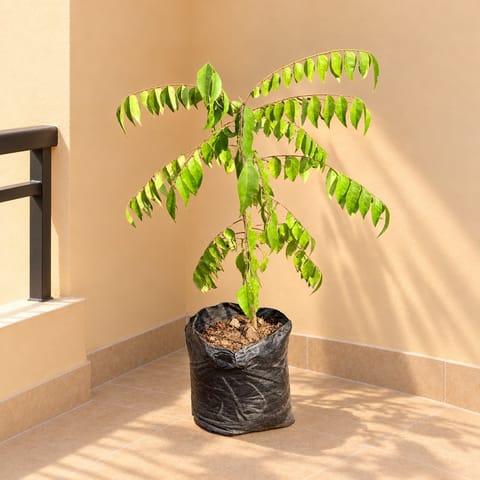
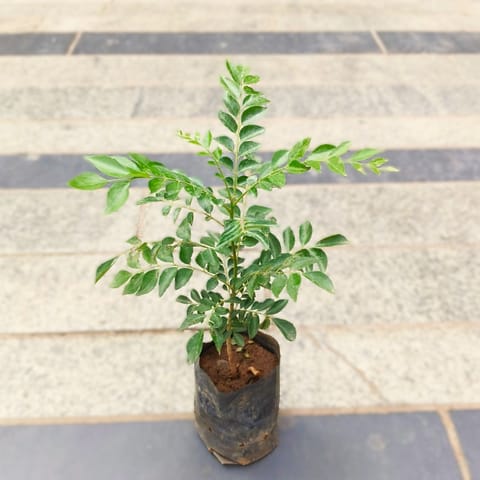
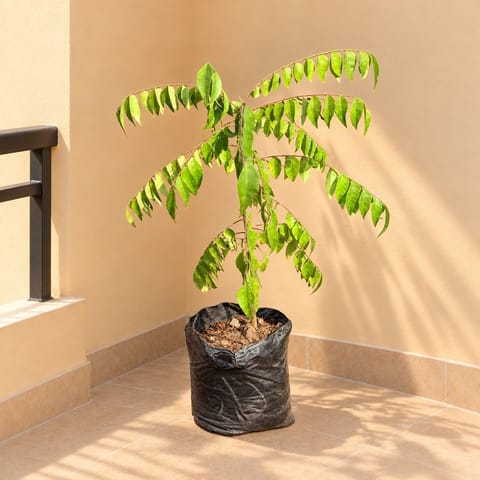
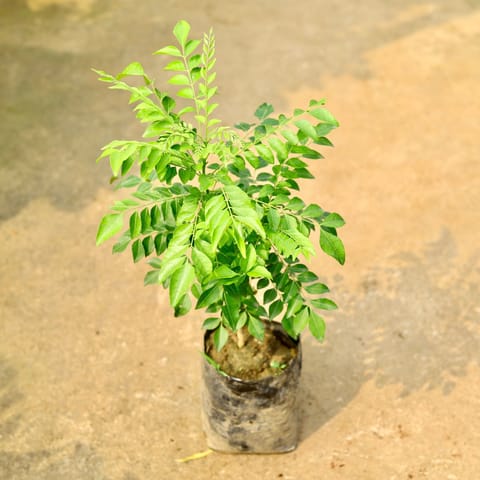
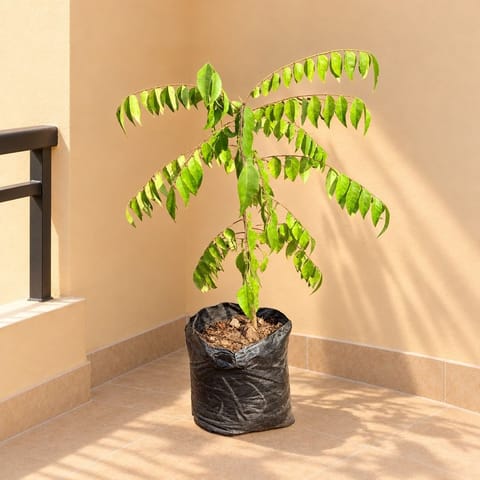
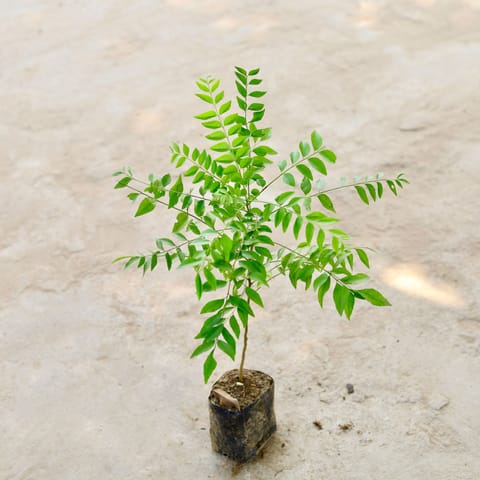
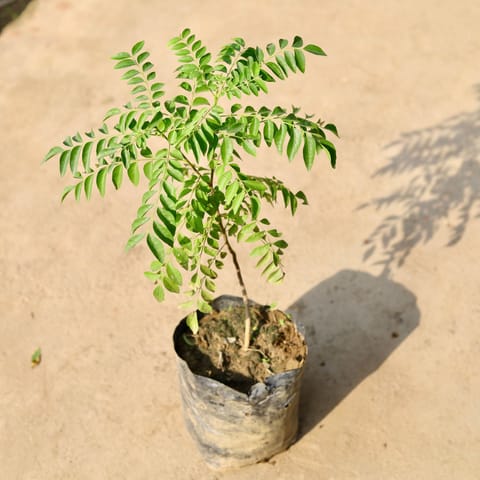
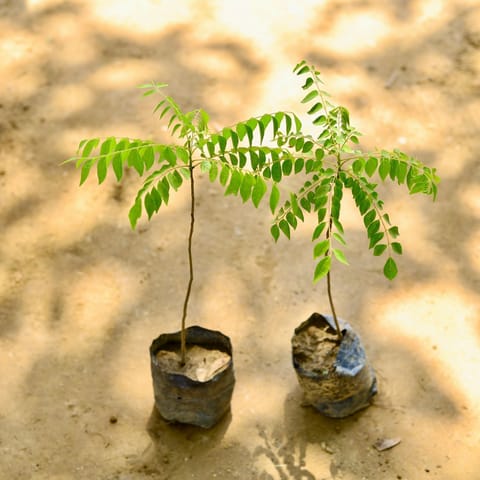
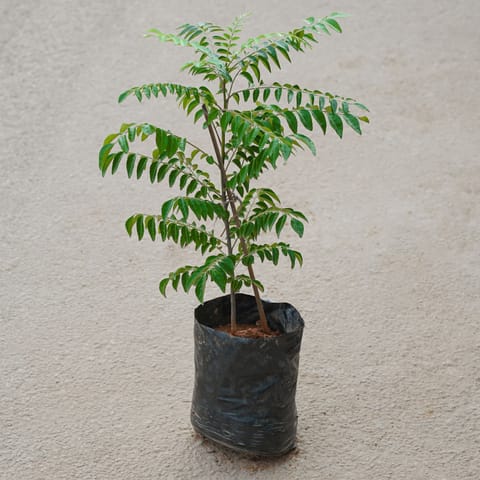
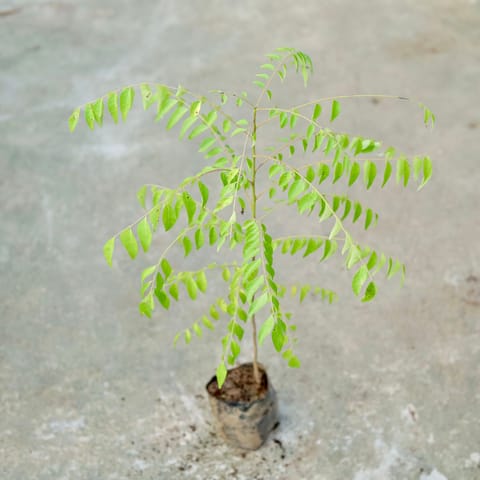
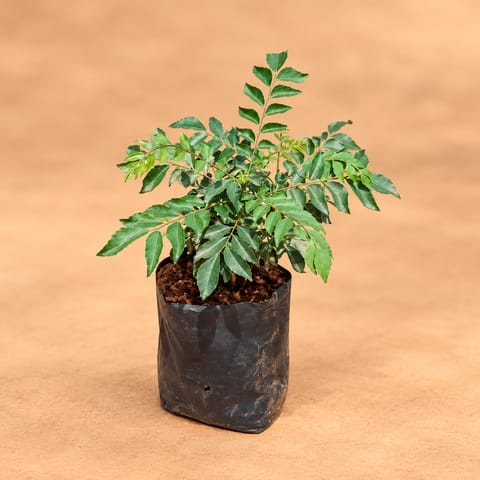
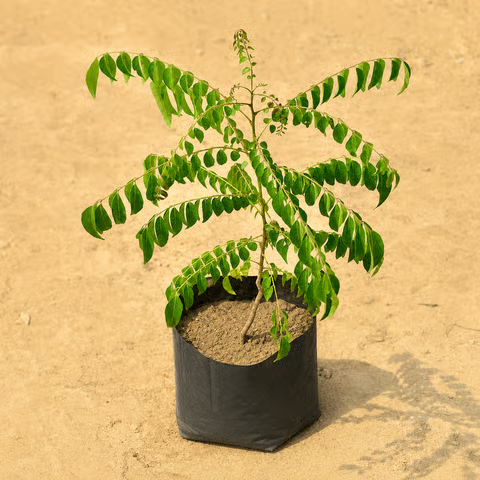
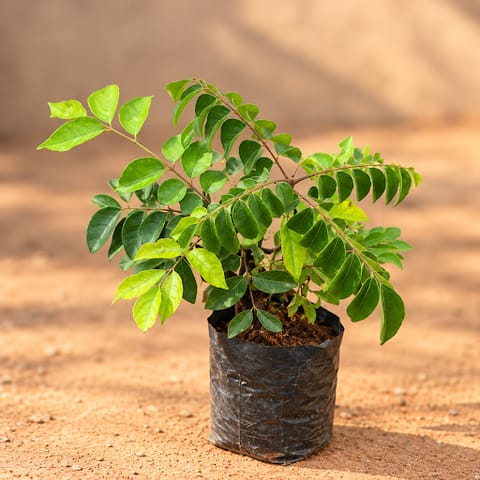
Available in different nursery bag sizes, including 4-inch, 5-inch, 6-inch, and 8-inch options. You can also find plants in different heights, from smaller plants to options around 2–3 feet tall.

Curry Patta Plants in Decorative Pots

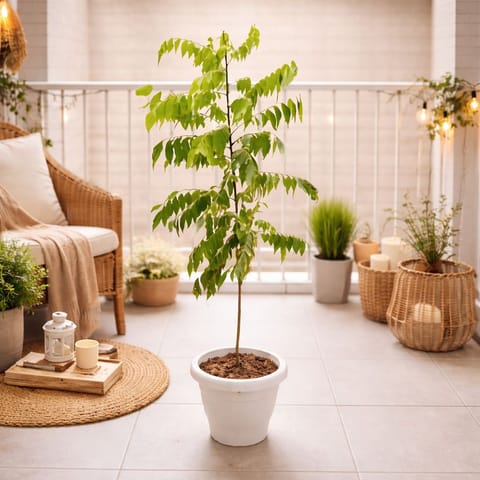
For a more ready-to-display option, Urvann also offers curry patta plants in decorative plastic pots, including 6-, 7-, and 8-inch options, with some products available with trays.

Curry Patta Plant Sets

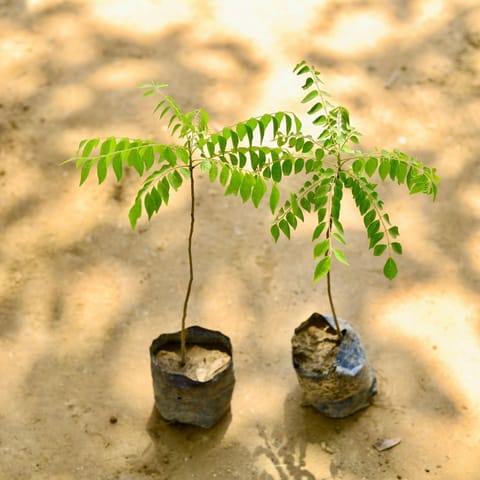
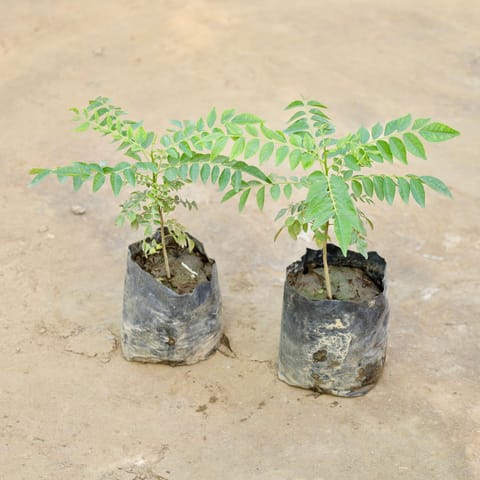
If you want more than one plant, the collection also includes sets of 2 or 3 curry patta plants, along with combination sets featuring other plants.


Health Benefits of Curry Leaves

Curry leaves are nutrient-packed and medicinally valuable. By growing a curry patta plant at home, you can enjoy fresh leaves that support your health daily.

Freshness and Flavour

Freshly plucked curry leaves have a superior aroma and taste compared to dried ones. Cooking with homegrown kadi patta transforms everyday meals into aromatic delights.

Sustainable and Organic Gardening

When you grow a curry plant in your own garden or balcony, you avoid pesticides and chemical fertilisers. It’s a meaningful step towards a healthier, more sustainable lifestyle.

Decorative and Aromatic Value

Curry leaf plants add greenery and fragrance to indoor and outdoor spaces. They’re beautiful, aromatic companions that can enhance your home environment.

Nutrients and Phytochemicals

Curry leaves are loaded with alkaloids, flavonoids, and terpenoids, which act as antioxidants. They also contain vitamins A, B, C, and E, supporting eye health, immunity, and skin health.

Traditional and Modern Uses

In Ayurveda, curry leaves help with digestion, blood sugar regulation, and hair growth. Modern science confirms some of these benefits, particularly for managing diabetes and supporting liver function.

Everyday Benefits

  • Improves digestion and reduces bloating.
  • Helps manage diabetes naturally.
  • Strengthens hair and prevents premature greying.
  • Supports healthy skin and weight management.


Ideal Conditions for Curry Leaves Cultivation

Curry leaves are surprisingly adaptable, but a few conditions ensure lush growth.

Soil Type and Preparation

Use slightly acidic, well-draining soil. A mix of garden soil, compost, and sand works best.

Light Requirements

Provide 6-8 hours of direct sunlight daily. Indoor plants should be near bright windows.

Temperature and Climate

Curry plants prefer 20–35°C. Protect them from frost and extreme heat.

Watering Best Practices

Water regularly, but avoid waterlogging. Let the soil dry slightly between watering sessions.


Step-by-Step Planting and Potting Guide

Planting your curry patta plant properly ensures strong roots and healthy growth.

Planting in Pots

  • Select a container with drainage holes.
  • Use a nutrient-rich mix (soil + compost + sand).
  • Plant at the same depth as in its nursery pot.

Planting in Garden Beds

  • Prepare a fertile, well-draining garden bed.
  • Space plants 3–4 feet apart.
  • Mulch around the base to retain moisture.

Indoor Planting Tips

  • Place near a sunny window.
  • Rotate periodically for even growth.
  • Use a pot with good drainage.


Organic Fertilizers and Nutrients for Healthy Growth

Recommended Fertilizers

  • Compost or Vermicompost: Enhances soil structure and nutrients.
  • Fish Emulsion: Provides nitrogen for leaf growth.
  • Buttermilk: Improves soil microbiome.

Fertilization Schedule

  • Spring/Summer: Every 2–3 weeks.
  • Monsoon: Reduce to avoid root rot.
  • Winter: Minimal feeding.

Propagation Techniques

Seed Propagation

  • Select fresh seeds from ripe berries.
  • Soak overnight and plant in moist soil.
  • Germination takes 2–3 weeks.

Stem Cutting Propagation

  • Cut 4–6-inch healthy stems.
  • Apply rooting hormone.
  • Plant in moist soil or water until roots appear.

Water Propagation

  • Place cuttings in water, and change the water regularly.
  • Transfer to soil after roots form.

Tip: Propagating from cuttings usually has a higher success rate than seeds.

How to Identify and Control Pests and Diseases

Even the healthiest curry patta plant can attract pests or fall victim to diseases if not monitored regularly. Preventive care and seasonal adjustments are just as important as treating problems. They keep your curry leaves flourishing year-round.

Common Pests

Some pests are particularly attracted to curry leaf plants:

  • Aphids: Tiny insects that cluster on new shoots and suck sap, causing curling or yellowing leaves.
  • Mealybugs: White, cotton-like insects that feed on leaves and stems.
  • Spider Mites: Small, web-spinning pests that leave speckled damage on leaves.
  • Scale Insects: Hard-shelled pests that attach to stems and leaves, weakening the plant.

Disease Symptoms

  • Yellowing leaves often indicate overwatering or nutrient deficiency.
  • Wilting can result from root rot or lack of water.
  • Leaf spots may signal fungal infection.

Organic Control Methods

  • Neem oil spray: Safe and effective against most common pests.
  • Insecticidal soap: Helps remove soft-bodied insects like aphids.
  • Companion planting: Growing basil or marigolds nearby can naturally repel pests.


Seasonal Care Tips for Your Curry Patta Plant

Curry leaf plants respond well to seasonal changes if care is adjusted accordingly. 

Adjusting Watering and Feeding

  • Summer: Water frequently to prevent leaves from drying out.
  • Monsoon: Reduce watering to avoid root rot caused by excess moisture.
  • Winter: Minimal watering is needed since the plant grows more slowly.

Growth Management

Regularly trim excess shoots to control size and encourage bushiness. Pruning also ensures better air circulation and more productive leaves.

Protecting from Weather Stress

  • Use shade nets during extremely hot, sunny days to prevent leaf scorch.
  • Cover plants during frost or sudden cold snaps to protect tender leaves.


How to Use Curry Leaves at Home

A homegrown curry leaf plant is versatile and can be used in the kitchen, as a herbal remedy, or even as a decorative plant.

Culinary Uses

Fresh curry leaves are essential in:

  • Curries, dals, chutneys, and stir-fries.
  • Enhancing rice dishes, soups, and sauces.

Storage and Drying

  • Keep fresh leaves in airtight containers in the fridge for longer freshness.
  • Dry leaves to store for months without losing their flavour.

Medicinal and Herbal Uses

  • Brew a tea with fresh leaves to aid digestion.
  • Mix with ginger or honey for immunity-boosting drinks.


Frequently Asked Questions (FAQs)

1. Are curry leaves and Kadi Patta the same thing?

Yes. Kadi Patta, Kari Patta, and curry leaves all refer to the same plant, Murraya koenigii. Only the name changes by region and language.

2. How long do fresh curry leaves last after harvesting?

Fresh curry leaves stay good for about a week when kept in an airtight container in the fridge. For longer storage, dry them completely and store in a sealed jar, where they'll keep their flavour for several months.

3. Which type of curry leaf plant is best for home growing?

It depends on your space. The Regular Curry Leaf Plant suits gardens and open ground, the Dwarf Curry Leaf Plant is better for balconies and containers, and a Mature Kari Patta Tree gives you larger, more aromatic leaves faster if you have the room for it.

4. Where can I buy a Kadi Patta plant online?

You can order a healthy, ready-to-grow Curry Patta (Kadi Patta) plant directly from Urvann, with doorstep delivery and a freshness guarantee on arrival.

5. How much sunlight does a curry patta plant need?

Ideally, 6–8 hours of direct sunlight daily. For indoor curry leaves, place it near a bright window.

6. Can I grow curry leaves indoors?

Yes, with bright indirect light, regular watering, and a pot with good drainage, indoor kadi patta plants can thrive.

7. How soon can I start harvesting leaves from a curry patta plant?

You can begin harvesting, typically 3–4 months after planting or once the plant reaches a height of 1–2 feet.

8. Are curry leaves safe for pets?

Yes, curry leaf plants are non-toxic to cats and dogs.

9. How can I help my weak curry plant survive? The gardener said the plant is fragile with a very thin trunk. 

The best solution is to move it to a bigger pot with organic soil. To help it recover:

  • Support the trunk with a small stake or bamboo stick.
  • Ensure the soil drains well and keep it slightly moist.
  • Place it in bright, indirect sunlight.
  • Avoid fertilizer until it shows new growth.

Be patient. If it adjusts, the trunk will strengthen over time.

10. Which is better for cooking: fresh curry leaves or dried?

Fresh leaves from your own curry patta plant are ideal for cooking at home. They have a richer aroma and flavour, turning everyday dishes into gourmet meals.

11. ಕರಿಬೇವು ಗಿಡಕ್ಕೆ ಯಾವ ರೀತಿಯ ಮಣ್ಣು ಉತ್ತಮ?

ಕರಿಬೇವು ಗಿಡಕ್ಕೆ ನೀರು ಸುಲಭವಾಗಿ ಹೊರಹೋಗುವ, ಸ್ವಲ್ಪ ಆಮ್ಲೀಯದಿಂದ ತಟಸ್ಥ ಸ್ವಭಾವದ ಮಣ್ಣು ಉತ್ತಮ. ನೀರು ನಿಂತುಕೊಳ್ಳದ ಮಣ್ಣನ್ನು ಆಯ್ಕೆ ಮಾಡುವುದು ಮುಖ್ಯ. ಉತ್ತಮ ಮಣ್ಣಿನ ಮಿಶ್ರಣದಲ್ಲಿ ತೋಟದ ಮಣ್ಣು, ಕಾಂಪೋಸ್ಟ್ ಅಥವಾ ವರ್ಮಿಕಾಂಪೋಸ್ಟ್ ಮತ್ತು ನೀರು ಸರಿಯಾಗಿ ಹೊರಹೋಗಲು ಸಹಾಯ ಮಾಡುವ ಮರಳು, ಪರ್ಲೈಟ್ ಅಥವಾ ಕೋಕೋಪೀಟ್ ಸೇರಿಸಬಹುದು. ಮಣ್ಣು ಸ್ವಲ್ಪ ತೇವವನ್ನು ಉಳಿಸಿಕೊಳ್ಳಬೇಕು, ಆದರೆ ಹೆಚ್ಚುವರಿ ನೀರು ಸುಲಭವಾಗಿ ಹೊರಹೋಗುವಂತಿರಬೇಕು, ಏಕೆಂದರೆ ಹೆಚ್ಚು ಒದ್ದೆಯಾದ ಅಥವಾ ನೀರು ನಿಂತಿರುವ ಮಣ್ಣಿನಲ್ಲಿ ಕರಿಬೇವು ಗಿಡ ಚೆನ್ನಾಗಿ ಬೆಳೆಯುವುದಿಲ್ಲ.


Showing 24 of 179 products
Must Have
Curry Patta in 4 Inch Nursery Bag
(38)
₹69₹189 -63%
(71)
₹119₹189 -37%
(53)
₹119₹319 -62%
Must Have
Curry Patta in 8 Inch Nursery Bag
(37)
₹119₹319 -62%
(51)
₹199₹779 -74%
(50)
₹119₹319 -62%
New In
Curry Patta in 4 inch Nursery Bag

Curry Patta, also called Kadi Patta or Kari Patta depending on the region, comes from the Murraya koenigii tree and is one of the most essential aromatics in Indian cooking. 

Whether you know it as curry leaves, kadi patta, or kari patta, it's the same fragrant plant, prized for the depth it adds to dals, curries, chutneys, and tempering. Growing your own means you always have fresh leaves on hand, with a stronger aroma than anything sold dried in stores. 

Bring home a Curry Patta plant from Urvann and enjoy fresh leaves right from your balcony, kitchen garden, or windowsill.

Why 15 Lakh+ Plant Parents Trust Urvann

⭐ Rated 4.8/5 by 12,340+ verified buyers

✓ Free Next-Day Delivery – Available on orders placed by 7 PM in Delhi-NCR and Bengalore.

✓ Pan India Deliveries – Get curry patta plants delivered across India. Delivery timelines vary by location.

✓ Hassle-Free Replacement – Enjoy a 2-day replacement window if your plant arrives damaged or incorrect.

✓ Healthy, Well-Rooted Curry Patta Plants – Plants are grown at Urvann Farms before being delivered to your doorstep.

✓ Multiple Sizes & Pots – Choose from different curry patta plant sizes and pot options to suit your home garden.

Complete Garden Care in One Place – Along with Curry Patta plants, shop pots, fertilizers, tools, and other garden care products.


Different Types of Curry Leaf Plants You Can Buy from Urvann

Urvann offers curry patta plants in different sizes and pot options, making it easier to choose one based on your available space and growing needs. The collection includes individual plants in nursery bags and decorative pots, as well as plant sets.

Curry Patta Plants in Nursery Bags

Available in different nursery bag sizes, including 4-inch, 5-inch, 6-inch, and 8-inch options. You can also find plants in different heights, from smaller plants to options around 2–3 feet tall.

Curry Patta Plants in Decorative Pots

For a more ready-to-display option, Urvann also offers curry patta plants in decorative plastic pots, including 6-, 7-, and 8-inch options, with some products available with trays.

Curry Patta Plant Sets

If you want more than one plant, the collection also includes sets of 2 or 3 curry patta plants, along with combination sets featuring other plants.


Health Benefits of Curry Leaves

Curry leaves are nutrient-packed and medicinally valuable. By growing a curry patta plant at home, you can enjoy fresh leaves that support your health daily.

Freshness and Flavour

Freshly plucked curry leaves have a superior aroma and taste compared to dried ones. Cooking with homegrown kadi patta transforms everyday meals into aromatic delights.

Sustainable and Organic Gardening

When you grow a curry plant in your own garden or balcony, you avoid pesticides and chemical fertilisers. It’s a meaningful step towards a healthier, more sustainable lifestyle.

Decorative and Aromatic Value

Curry leaf plants add greenery and fragrance to indoor and outdoor spaces. They’re beautiful, aromatic companions that can enhance your home environment.

Nutrients and Phytochemicals

Curry leaves are loaded with alkaloids, flavonoids, and terpenoids, which act as antioxidants. They also contain vitamins A, B, C, and E, supporting eye health, immunity, and skin health.

Traditional and Modern Uses

In Ayurveda, curry leaves help with digestion, blood sugar regulation, and hair growth. Modern science confirms some of these benefits, particularly for managing diabetes and supporting liver function.

Everyday Benefits

  • Improves digestion and reduces bloating.
  • Helps manage diabetes naturally.
  • Strengthens hair and prevents premature greying.
  • Supports healthy skin and weight management.


Ideal Conditions for Curry Leaves Cultivation

Curry leaves are surprisingly adaptable, but a few conditions ensure lush growth.

Soil Type and Preparation

Use slightly acidic, well-draining soil. A mix of garden soil, compost, and sand works best.

Light Requirements

Provide 6-8 hours of direct sunlight daily. Indoor plants should be near bright windows.

Temperature and Climate

Curry plants prefer 20–35°C. Protect them from frost and extreme heat.

Watering Best Practices

Water regularly, but avoid waterlogging. Let the soil dry slightly between watering sessions.


Step-by-Step Planting and Potting Guide

Planting your curry patta plant properly ensures strong roots and healthy growth.

Planting in Pots

  • Select a container with drainage holes.
  • Use a nutrient-rich mix (soil + compost + sand).
  • Plant at the same depth as in its nursery pot.

Planting in Garden Beds

  • Prepare a fertile, well-draining garden bed.
  • Space plants 3–4 feet apart.
  • Mulch around the base to retain moisture.

Indoor Planting Tips

  • Place near a sunny window.
  • Rotate periodically for even growth.
  • Use a pot with good drainage.


Organic Fertilizers and Nutrients for Healthy Growth

Recommended Fertilizers

  • Compost or Vermicompost: Enhances soil structure and nutrients.
  • Fish Emulsion: Provides nitrogen for leaf growth.
  • Buttermilk: Improves soil microbiome.

Fertilization Schedule

  • Spring/Summer: Every 2–3 weeks.
  • Monsoon: Reduce to avoid root rot.
  • Winter: Minimal feeding.

Propagation Techniques

Seed Propagation

  • Select fresh seeds from ripe berries.
  • Soak overnight and plant in moist soil.
  • Germination takes 2–3 weeks.

Stem Cutting Propagation

  • Cut 4–6-inch healthy stems.
  • Apply rooting hormone.
  • Plant in moist soil or water until roots appear.

Water Propagation

  • Place cuttings in water, and change the water regularly.
  • Transfer to soil after roots form.

Tip: Propagating from cuttings usually has a higher success rate than seeds.

How to Identify and Control Pests and Diseases

Even the healthiest curry patta plant can attract pests or fall victim to diseases if not monitored regularly. Preventive care and seasonal adjustments are just as important as treating problems. They keep your curry leaves flourishing year-round.

Common Pests

Some pests are particularly attracted to curry leaf plants:

  • Aphids: Tiny insects that cluster on new shoots and suck sap, causing curling or yellowing leaves.
  • Mealybugs: White, cotton-like insects that feed on leaves and stems.
  • Spider Mites: Small, web-spinning pests that leave speckled damage on leaves.
  • Scale Insects: Hard-shelled pests that attach to stems and leaves, weakening the plant.

Disease Symptoms

  • Yellowing leaves often indicate overwatering or nutrient deficiency.
  • Wilting can result from root rot or lack of water.
  • Leaf spots may signal fungal infection.

Organic Control Methods

  • Neem oil spray: Safe and effective against most common pests.
  • Insecticidal soap: Helps remove soft-bodied insects like aphids.
  • Companion planting: Growing basil or marigolds nearby can naturally repel pests.


Seasonal Care Tips for Your Curry Patta Plant

Curry leaf plants respond well to seasonal changes if care is adjusted accordingly. 

Adjusting Watering and Feeding

  • Summer: Water frequently to prevent leaves from drying out.
  • Monsoon: Reduce watering to avoid root rot caused by excess moisture.
  • Winter: Minimal watering is needed since the plant grows more slowly.

Growth Management

Regularly trim excess shoots to control size and encourage bushiness. Pruning also ensures better air circulation and more productive leaves.

Protecting from Weather Stress

  • Use shade nets during extremely hot, sunny days to prevent leaf scorch.
  • Cover plants during frost or sudden cold snaps to protect tender leaves.


How to Use Curry Leaves at Home

A homegrown curry leaf plant is versatile and can be used in the kitchen, as a herbal remedy, or even as a decorative plant.

Culinary Uses

Fresh curry leaves are essential in:

  • Curries, dals, chutneys, and stir-fries.
  • Enhancing rice dishes, soups, and sauces.

Storage and Drying

  • Keep fresh leaves in airtight containers in the fridge for longer freshness.
  • Dry leaves to store for months without losing their flavour.

Medicinal and Herbal Uses

  • Brew a tea with fresh leaves to aid digestion.
  • Mix with ginger or honey for immunity-boosting drinks.


Frequently Asked Questions (FAQs)

1. Are curry leaves and Kadi Patta the same thing?

Yes. Kadi Patta, Kari Patta, and curry leaves all refer to the same plant, Murraya koenigii. Only the name changes by region and language.

2. How long do fresh curry leaves last after harvesting?

Fresh curry leaves stay good for about a week when kept in an airtight container in the fridge. For longer storage, dry them completely and store in a sealed jar, where they'll keep their flavour for several months.

3. Which type of curry leaf plant is best for home growing?

It depends on your space. The Regular Curry Leaf Plant suits gardens and open ground, the Dwarf Curry Leaf Plant is better for balconies and containers, and a Mature Kari Patta Tree gives you larger, more aromatic leaves faster if you have the room for it.

4. Where can I buy a Kadi Patta plant online?

You can order a healthy, ready-to-grow Curry Patta (Kadi Patta) plant directly from Urvann, with doorstep delivery and a freshness guarantee on arrival.

5. How much sunlight does a curry patta plant need?

Ideally, 6–8 hours of direct sunlight daily. For indoor curry leaves, place it near a bright window.

6. Can I grow curry leaves indoors?

Yes, with bright indirect light, regular watering, and a pot with good drainage, indoor kadi patta plants can thrive.

7. How soon can I start harvesting leaves from a curry patta plant?

You can begin harvesting, typically 3–4 months after planting or once the plant reaches a height of 1–2 feet.

8. Are curry leaves safe for pets?

Yes, curry leaf plants are non-toxic to cats and dogs.

9. How can I help my weak curry plant survive? The gardener said the plant is fragile with a very thin trunk. 

The best solution is to move it to a bigger pot with organic soil. To help it recover:

  • Support the trunk with a small stake or bamboo stick.
  • Ensure the soil drains well and keep it slightly moist.
  • Place it in bright, indirect sunlight.
  • Avoid fertilizer until it shows new growth.

Be patient. If it adjusts, the trunk will strengthen over time.

10. Which is better for cooking: fresh curry leaves or dried?

Fresh leaves from your own curry patta plant are ideal for cooking at home. They have a richer aroma and flavour, turning everyday dishes into gourmet meals.

11. ಕರಿಬೇವು ಗಿಡಕ್ಕೆ ಯಾವ ರೀತಿಯ ಮಣ್ಣು ಉತ್ತಮ?

ಕರಿಬೇವು ಗಿಡಕ್ಕೆ ನೀರು ಸುಲಭವಾಗಿ ಹೊರಹೋಗುವ, ಸ್ವಲ್ಪ ಆಮ್ಲೀಯದಿಂದ ತಟಸ್ಥ ಸ್ವಭಾವದ ಮಣ್ಣು ಉತ್ತಮ. ನೀರು ನಿಂತುಕೊಳ್ಳದ ಮಣ್ಣನ್ನು ಆಯ್ಕೆ ಮಾಡುವುದು ಮುಖ್ಯ. ಉತ್ತಮ ಮಣ್ಣಿನ ಮಿಶ್ರಣದಲ್ಲಿ ತೋಟದ ಮಣ್ಣು, ಕಾಂಪೋಸ್ಟ್ ಅಥವಾ ವರ್ಮಿಕಾಂಪೋಸ್ಟ್ ಮತ್ತು ನೀರು ಸರಿಯಾಗಿ ಹೊರಹೋಗಲು ಸಹಾಯ ಮಾಡುವ ಮರಳು, ಪರ್ಲೈಟ್ ಅಥವಾ ಕೋಕೋಪೀಟ್ ಸೇರಿಸಬಹುದು. ಮಣ್ಣು ಸ್ವಲ್ಪ ತೇವವನ್ನು ಉಳಿಸಿಕೊಳ್ಳಬೇಕು, ಆದರೆ ಹೆಚ್ಚುವರಿ ನೀರು ಸುಲಭವಾಗಿ ಹೊರಹೋಗುವಂತಿರಬೇಕು, ಏಕೆಂದರೆ ಹೆಚ್ಚು ಒದ್ದೆಯಾದ ಅಥವಾ ನೀರು ನಿಂತಿರುವ ಮಣ್ಣಿನಲ್ಲಿ ಕರಿಬೇವು ಗಿಡ ಚೆನ್ನಾಗಿ ಬೆಳೆಯುವುದಿಲ್ಲ.

Load More