
Shop

Downalod our app

Please provide your delivery pincode to see products available in your area
Recent Search
Croton Collection
Croton (Codiaeum variegatum) is one of the boldest foliage plants you can grow and one of ...
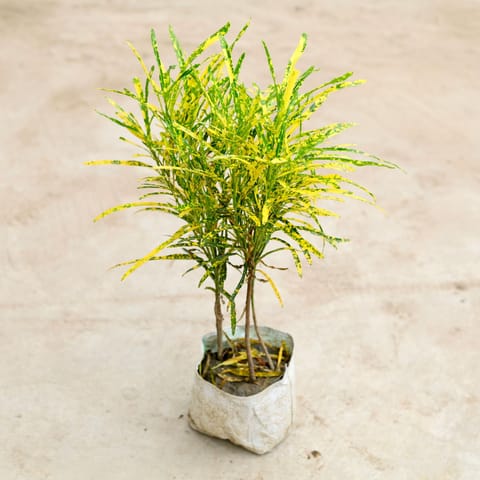
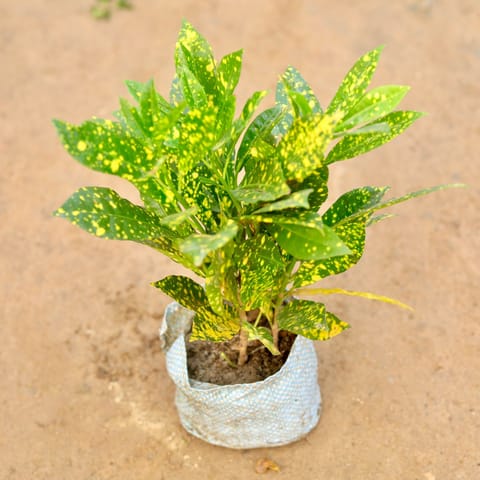
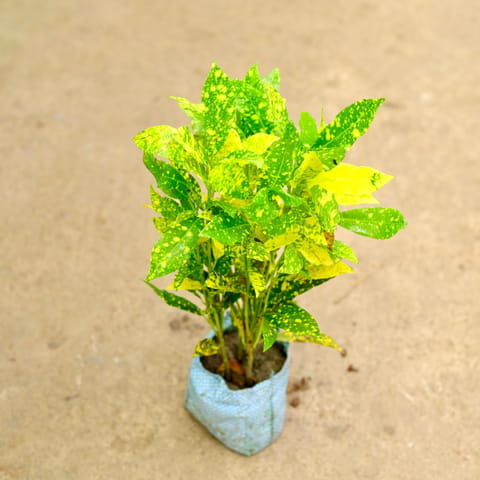
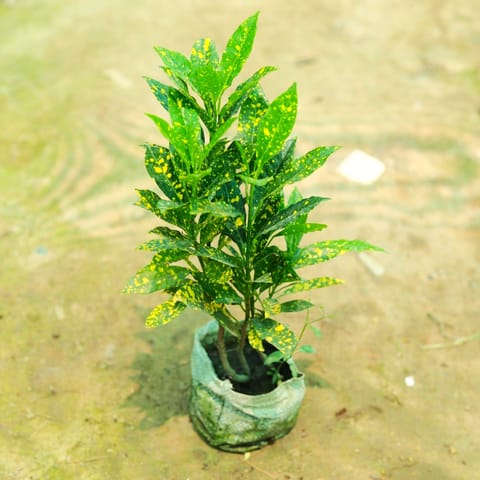
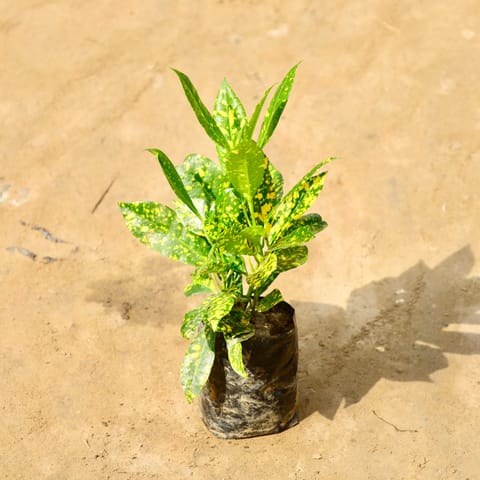
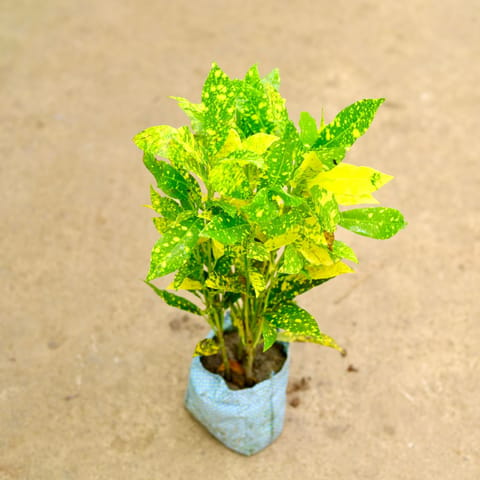
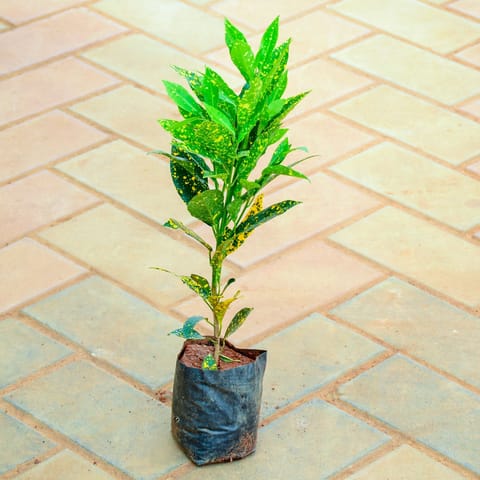
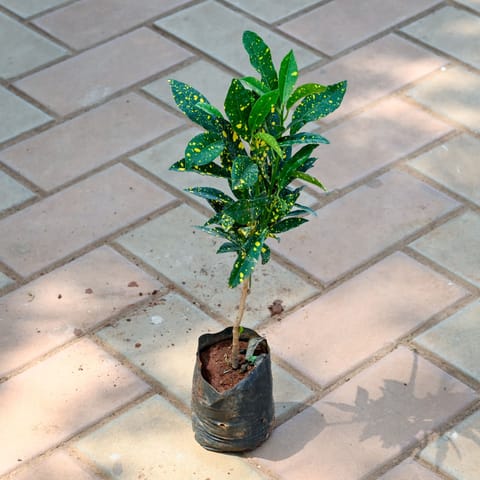
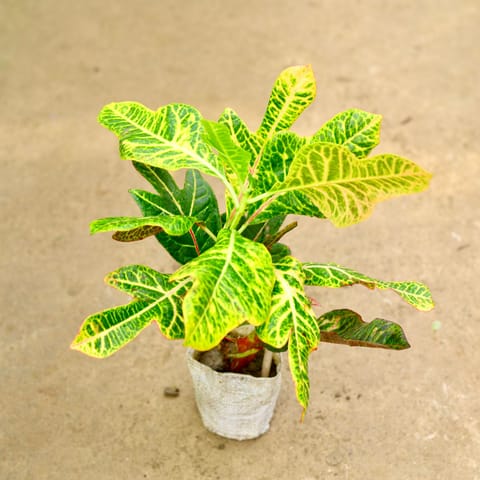

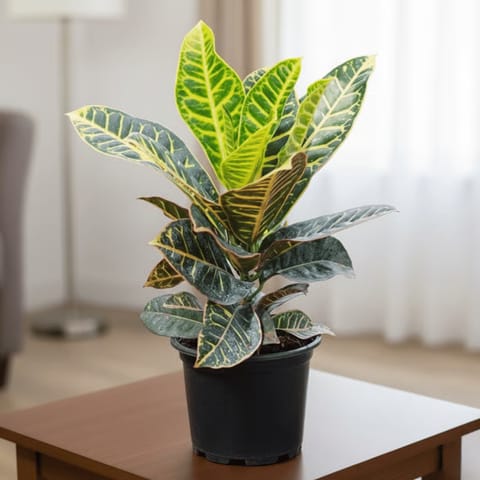
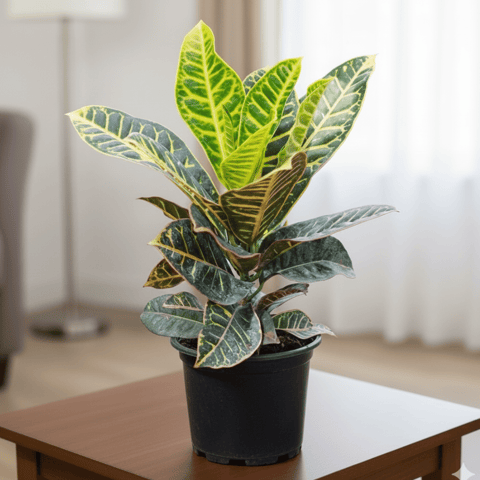
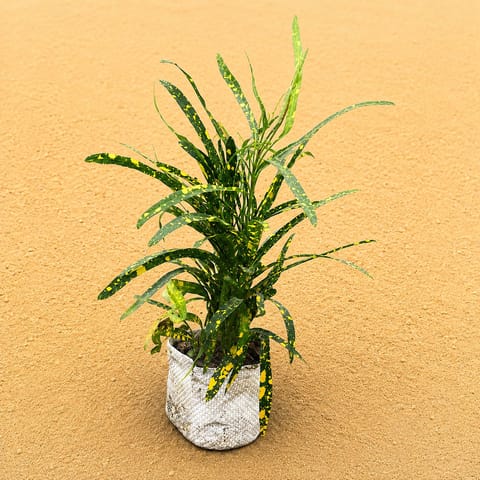
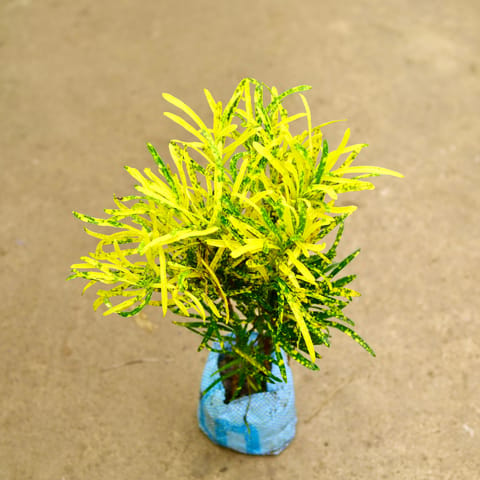
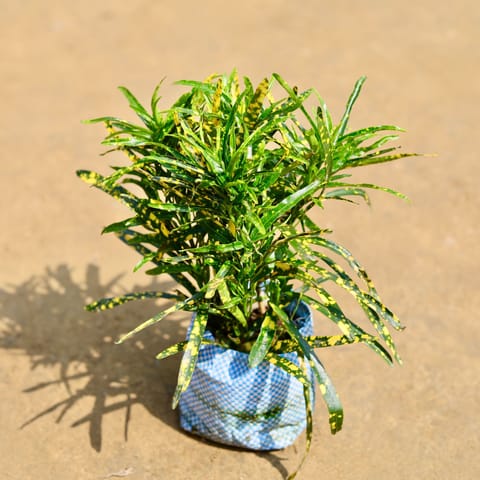
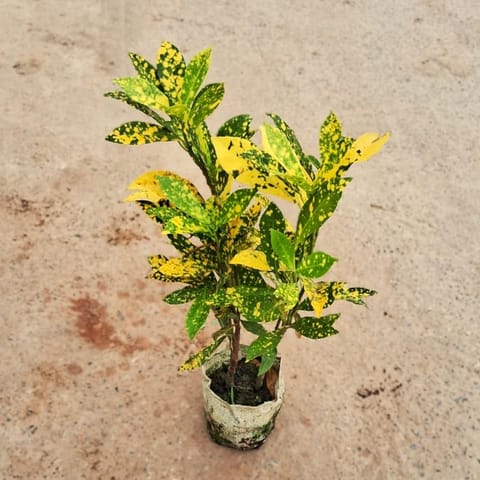
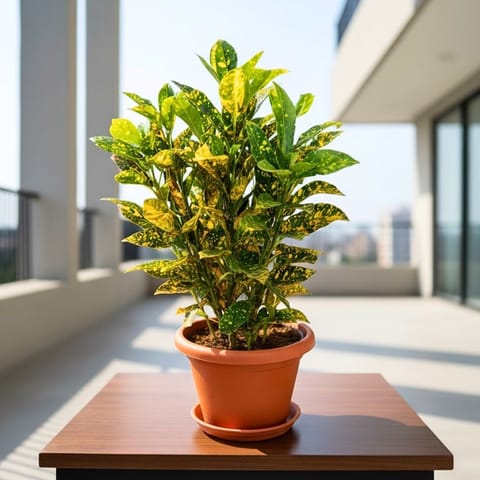
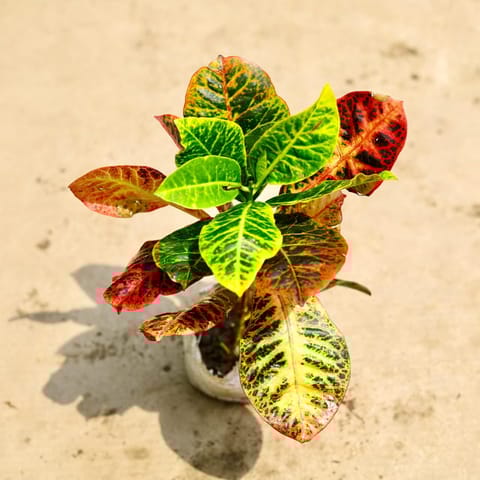
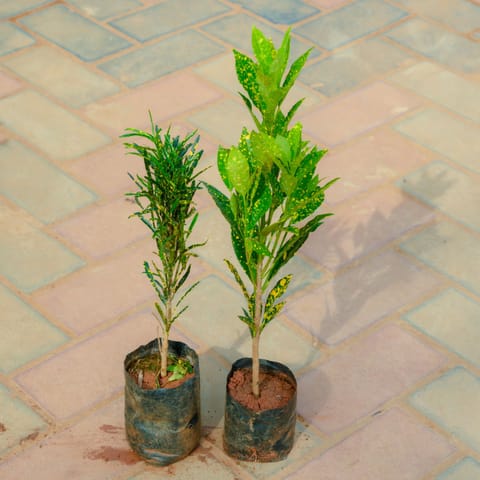
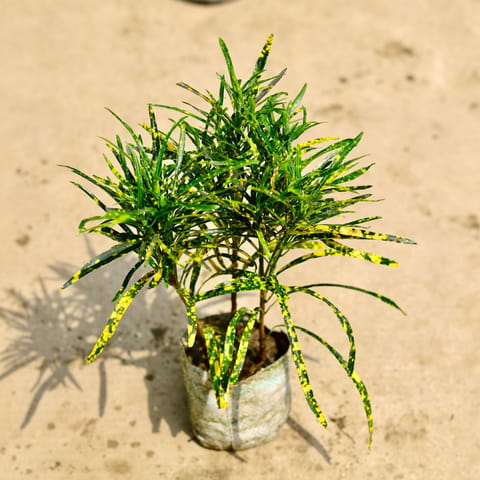
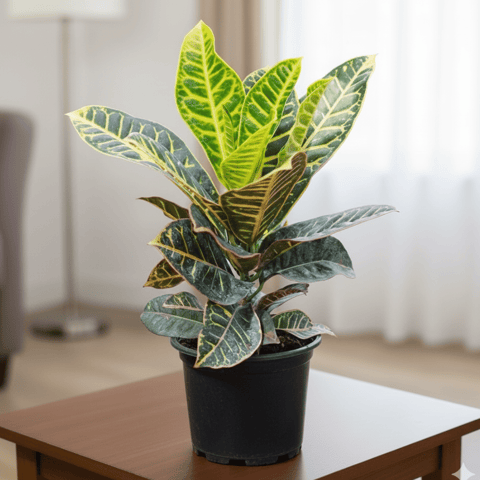
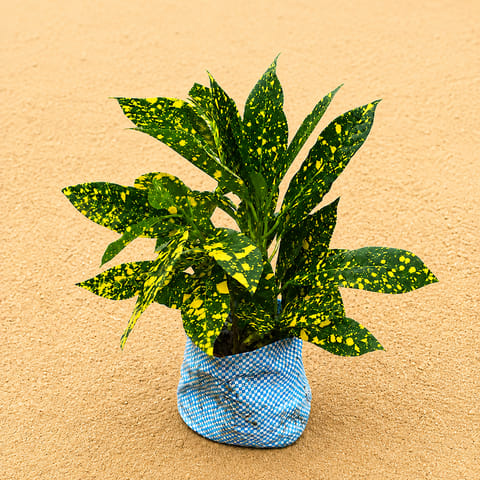
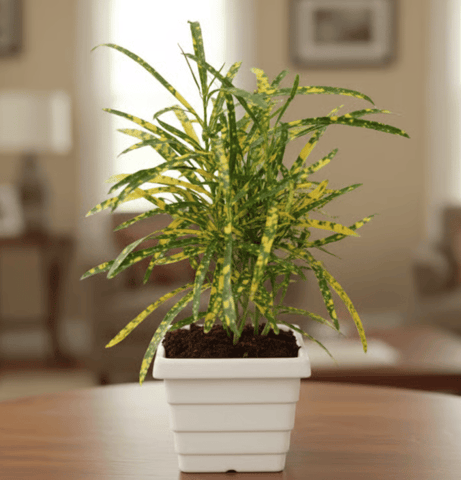
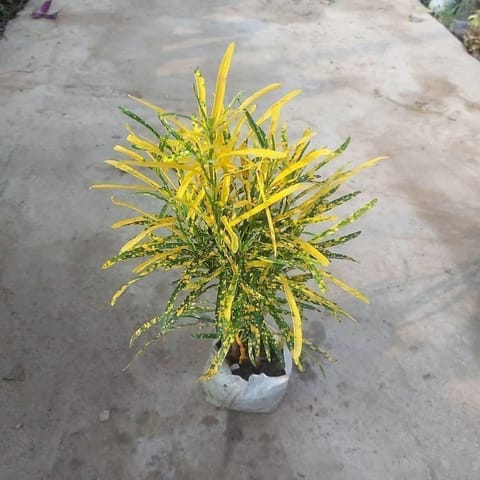
Croton (Codiaeum variegatum) is one of the boldest foliage plants you can grow and one of India's most-loved garden staples. Known as Pattachitrapalai in some regions and simply croton in Hindi gardening circles. This tropical shrub flaunts leaves splashed with red, yellow, orange, and deep green, all on the same plant. No two leaves look alike.
It belongs to the Euphorbiaceae family and is native to tropical Southeast Asia, the same warm, humid climate that most Indian cities replicate perfectly. That's why croton plants thrive outdoors on Indian balconies and terraces year-round, and adapt well indoors near bright windows.
Botanical name: Codiaeum
Scientific name & family: Euphorbiaceae
Light: Bright
Watering: Moderate
Growth type: Shrub
Also known as: Garden Croton
Maintenance: Medium
Whether it’s a red, golden, lemon, or variegated croton, the variety makes this collection special. At Urvann, each plant is freshly delivered the next day, ensuring freshness and quality.
Benefits And Uses Of The Croton Plant
Codiaeum variegatum, the croton, does more than look good. Here's why it earns a permanent spot in Indian homes and gardens.
Low Maintenance
Crotons need well-draining soil, moderate watering, and bright indirect light. Avoid moving them frequently, as they drop leaves when relocated, so choose a spot and keep them there.
Popular Croton Plants In This Collection
Croton Petra
The most recognisable of all croton plants, with names to its credit. Bold, broad leaves with yellow veins turning fiery orange-red. Great for balconies and entry areas.
Gold Dust Croton
Dark green leaves flecked with gold, almost like sunlight through a canopy. A favourite garden croton plant for shaded patios.
Croton Mammy (Codiaeum variegatum)
Twisted, spiralling leaves in maroon, red, and copper. One of the most dramatic types of croton plants available.
Yellow Croton / Lemon Croton
Bright, cheerful yellow-green leaves. Compact size makes it ideal for tabletops and small balconies.
Croton Guatemalensis
Narrower, more elongated leaves with a softer colour palette. Less common but increasingly popular among collectors.
Maintenance And Caring Tips For Croton Plants
Watering
Water when the top inch of soil feels dry, not when the soil is completely dry. Crotons prefer consistently moist (not waterlogged) soil. Letting the soil dry out fully causes leaf drop.
Light
Indoors, place crotons in bright, indirect light a few feet from a south or west-facing window. Outdoors, 2–3 hours of morning sun is ideal to enhance leaf color, but avoid harsh afternoon sun in summer to prevent scorching.
Fertilisation
Add vermicompost or a balanced liquid fertilizer every 6–8 weeks during the growing season (February to October). Skip fertilizing in winter to prevent salt buildup in the soil.
Pruning
Prune leggy stems just above a leaf node to encourage bushier growth. Removing spent or damaged leaves also redirects the plant's energy into new, more vivid foliage.
FAQ About Croton Plant
Q1: How big can a Croton plant grow?
Indoors, Crotons can reach 3–6 feet tall. Outdoors, they may grow taller depending on the climate and care.
Q2: How do I increase Croton leaf color?
Provide bright, indirect light, regular feeding, and maintain moderate humidity. Adequate light is the key to vibrant leaf colors.
Q3: Is Croton safe for pets?
Crotons are mildly toxic to cats and dogs. Keep them out of reach of pets and children.
Q4: Why are my Croton leaves losing color?
Loss of color usually happens due to insufficient light, low humidity, or nutrient deficiency. Move it to a brighter light and feed it with fertilizer.
Q5: Why are croton leaves turning green?
Your croton isn't getting enough light! Low light causes the colorful pigments to fade. Move it to a brighter spot with indirect sunlight, and you'll see those vibrant colors come back within a few weeks.
Q6: Why are my croton leaves curling, and how can I fix it?
Curling usually means your plant is thirsty or stressed by dry air. Water it thoroughly and mist the leaves regularly. If it's near an AC or fan, move it away — crotons hate dry, drafty spots!
Q7: Why is my croton dropping leaves after repotting?
Don't panic — this is totally normal! Repotting shocks the plant, and it drops leaves to cope with stress. Keep it in bright indirect light, water moderately, and it should bounce back within 2–4 weeks.
Q8: Can croton grow in low humidity?
Crotons prefer humidity but can manage in drier conditions with a little help. Mist the leaves a few times a week, place a water tray nearby, or group it with other plants to naturally boost moisture around it.