
Shop

Downalod our app

Please provide your delivery pincode to see products available in your area
Chrysanthemum Guldawari Collection
Want to add colourful blooms to your home garden without spending hours on plant care?
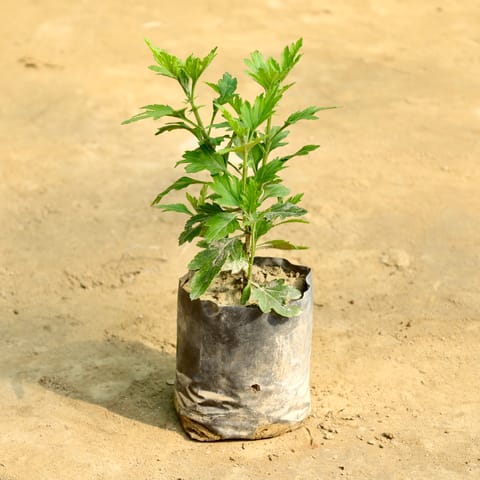
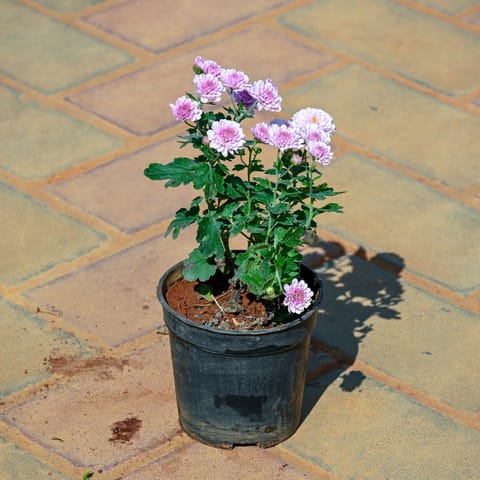
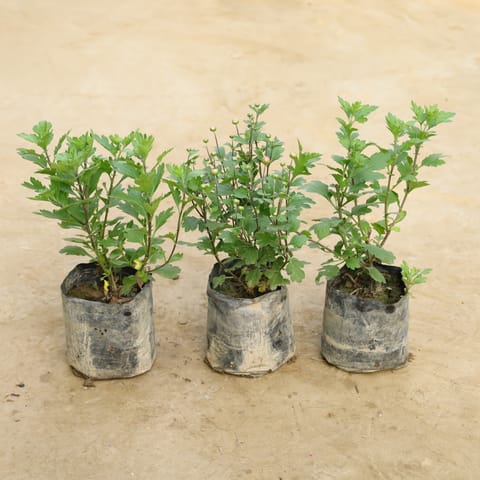


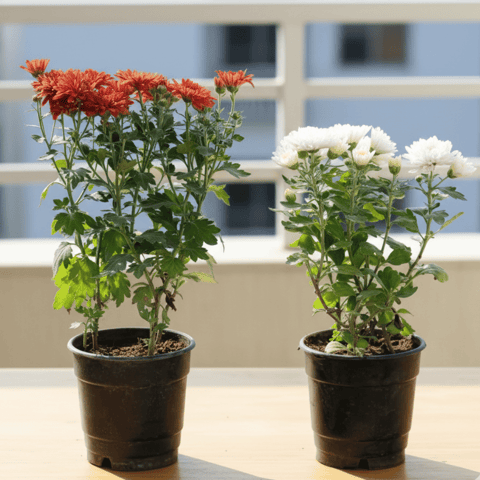
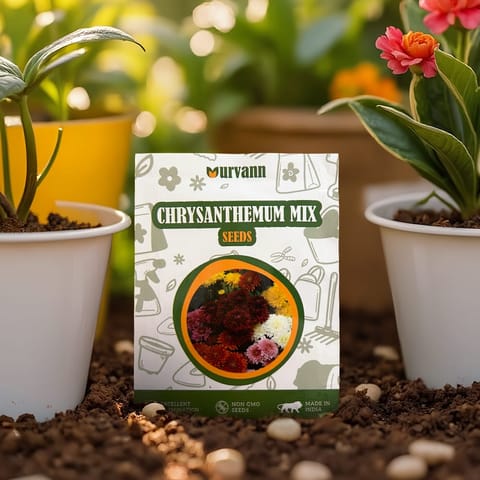
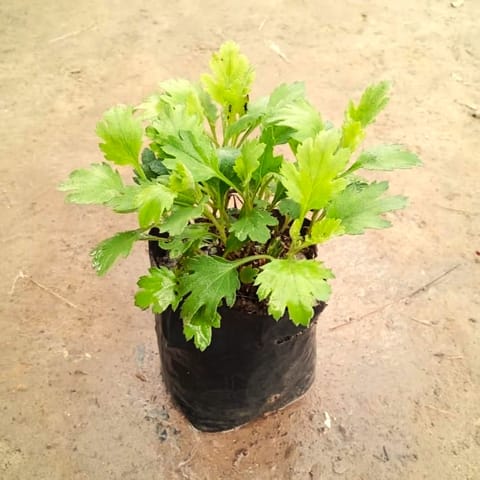
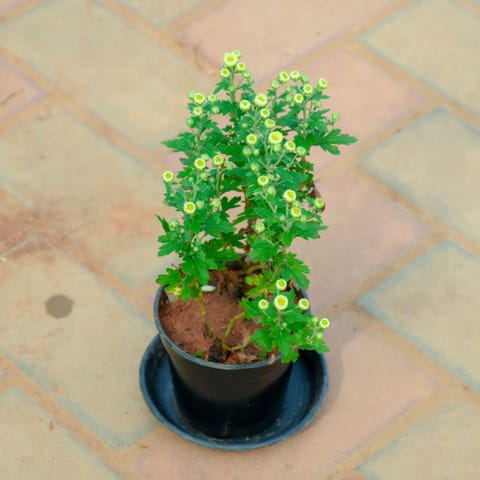
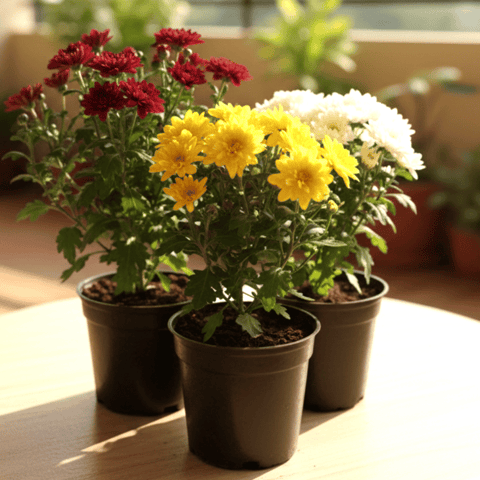
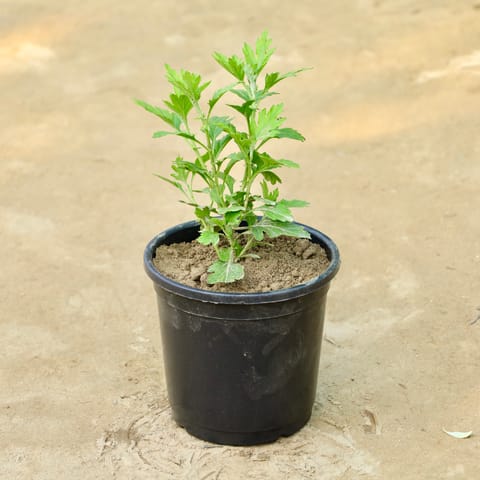
Want to add colourful blooms to your home garden without spending hours on plant care?
Chrysanthemum is a popular flowering plant that can brighten up balconies, terraces, windowsills, and garden spaces.
It is known by various names in India, such as गुलदाउदी, चंद्रमल्लिका, চন্দ্রমল্লিকা, शेवंती, ಸೇವಂತಿಗೆ (Sevantige / Shavantige), చామంతి (Chamanti / Chamanthi), சாமந்தி (Saamandi / Samanthi), ஜவந்தி (Javandi), ജമന്തി (Jamanthi).
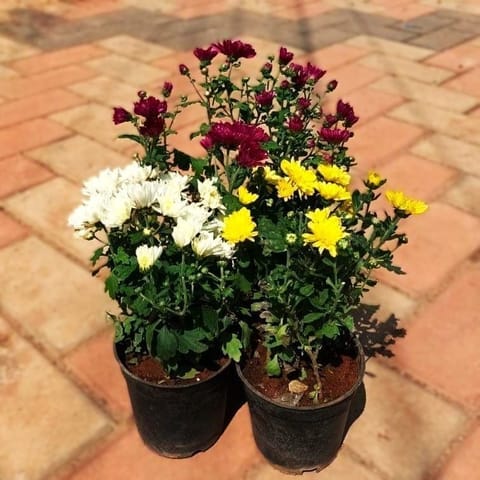
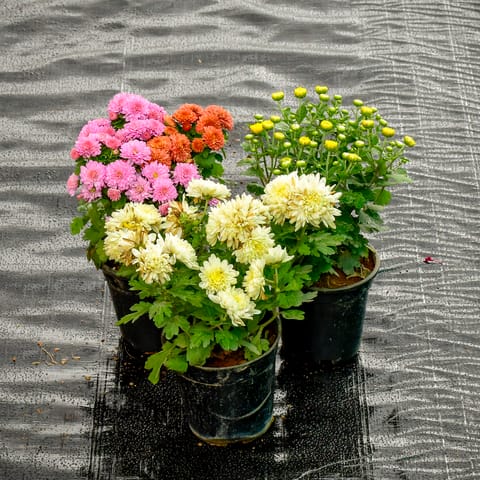
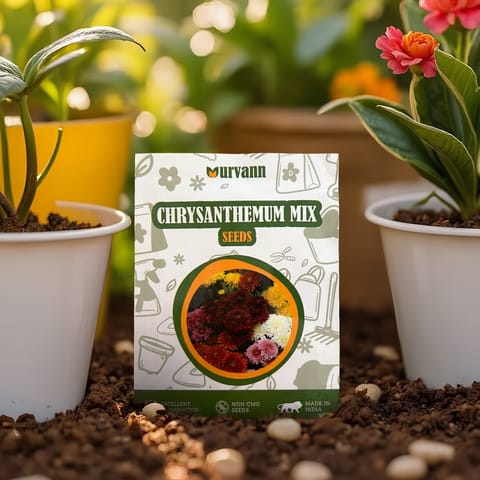
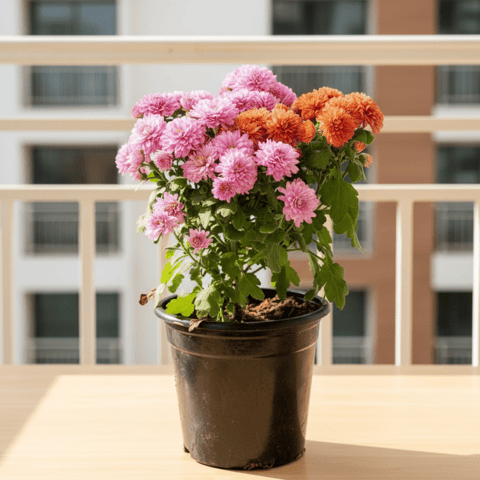
Chrysanthemums are available in a variety of colours, including yellow, white, red, and maroon. Urvann brings varieties of this flowering plant accessible to people who want to add colourful blooms to their garden spaces. You can choose the one that suits your space and style.
Get your Chrysanthemum plant in different colours, and pot sizes and have them delivered to your doorstep.
Why 15 Lakh+ Plant Parents Trust Urvann
⭐ Rated 4.8/5 by 12,340+ verified buyers
✓ Free Next-Day Delivery – Available on orders placed by 7 PM in Delhi-NCR and Bengaluru.
✓ Pan India Deliveries – Delivery timelines vary by location.
✓ Hassle-Free Replacement – 2-day replacement window if the plant arrives damaged or incorrect.
✓ Healthy, Well-Rooted Plants – Chrysanthemum plants are nurtured at Urvann Farms before being delivered to customers.
✓ Multiple Sizes & Formats – Choose from Chrysanthemum plants in different pot and nursery bag sizes, including individual plants, sets of 2 or 3, and decorative planters.
✓ Complete Garden Care in One Place – Along with Chrysanthemum plants, shop pots, fertilizers, tools, and other garden care products.
Why Choose Chrysanthemum (Guldaudi) Plants for Your Home Garden?
Vibrant Seasonal Flowers
Chrysanthemums come in a wide range of colours, including yellow, white, red, and maroon. They typically bloom during the cooler months, adding colour to gardens and balconies for several weeks. Their vibrant flowers also make them popular for Diwali decorations and other festive occasions.
Easy to Grow
Chrysanthemums are easy to grow and suit both beginners and experienced gardeners. They adapt well to Indian growing conditions and need basic care, including adequate sunlight, regular watering, and well-draining soil. With proper care, they produce plenty of colourful blooms during their flowering season.
Air-Purifying
Chrysanthemum plants can help remove certain indoor air pollutants, including chemicals such as benzene and formaldehyde. This makes them a useful addition to indoor spaces when grown under suitable light and care conditions.
Calming Fragrance
Some chrysanthemum varieties have a mild, sweet fragrance that adds a pleasant touch to your surroundings. Their subtle scent can make balconies, gardens, patios, or indoor spaces feel fresher, more inviting, and relaxing, especially when the flowers are in bloom.
Natural Pest Deterrent
Chrysanthemums contain pyrethrins, natural compounds known for their insecticidal properties. These compounds can help deter certain common garden pests, including aphids, thrips, whiteflies, and some other insects. However, chrysanthemums should not be considered a complete pest-control solution and may need to be combined with other methods.
Great for Containers
Chrysanthemums grow well in pots and containers, making them a practical choice for small spaces. You can place them on balconies, patios, terraces, or windowsills to add colour and brighten up your space without needing a large garden area.
Types of Chrysanthemum Plants Available at Urvann
Urvann offers Chrysanthemum, also known as Guldaudi, Guldawari, Guldaudi, or Shavanthi, in different colours, pot sizes, and combinations. You can choose individual plants or sets depending on the space you have and how much colour you want to add to your garden.
1. Yellow Chrysanthemum
Yellow Chrysanthemum is one of the colour options available at Urvann. Its bright blooms can add a cheerful touch to balconies, terraces, entrances, and other sunny areas of the home garden.
2. White Chrysanthemum
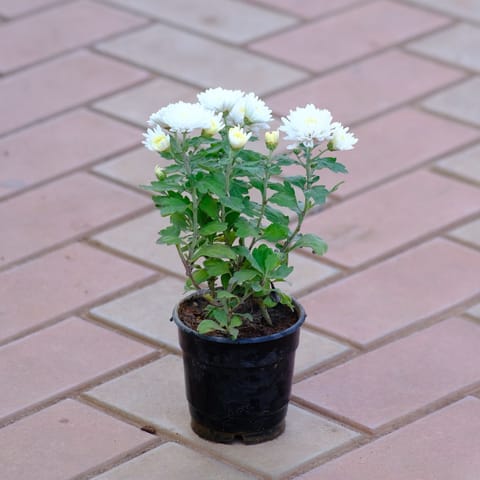
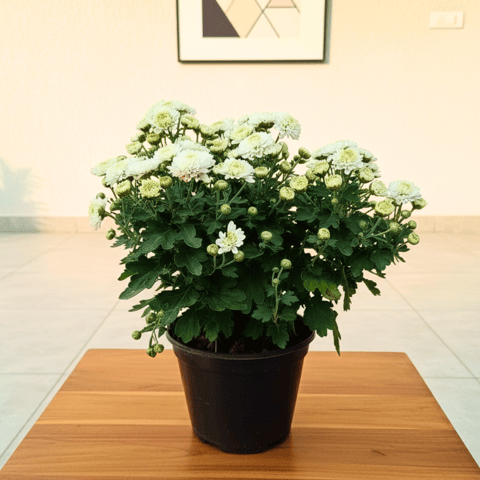
White Chrysanthemum offers a simple, clean look and can complement other colourful flowering plants. Urvann offers White Chrysanthemum in different pot sizes, including 4-inch and 6-inch options.
3. Red Chrysanthemum
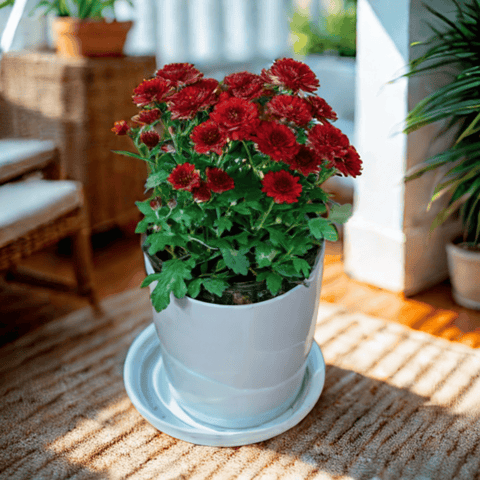
Red Chrysanthemum brings a stronger splash of colour to your garden. It is available as an individual plant in a 4-inch nursery pot and can also be found in mixed-colour sets.
4. Maroon Chrysanthemum
Maroon Chrysanthemum is another colour option available in the collection. Its deeper flower colour can add contrast when placed alongside yellow, white, or red flowering plants.
5. Mixed-Colour Chrysanthemum Sets
If you do not want to choose just one colour, Urvann also offers Chrysanthemum sets in combinations such as yellow and red, white and yellow, white and red, and yellow and maroon. There are also sets containing white, yellow, and red plants.
6. Chrysanthemum in Different Pots
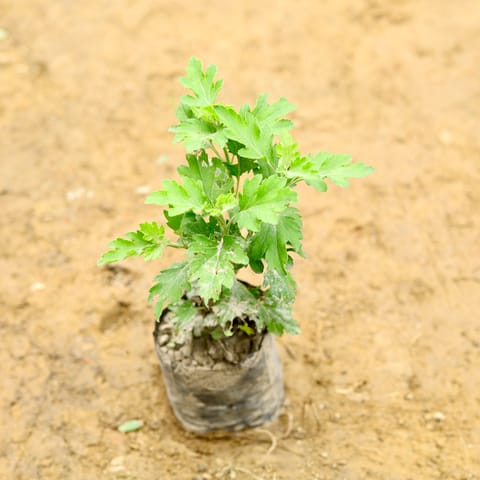
The collection includes Chrysanthemum plants in nursery bags, nursery pots, plastic pots, and ceramic planters. Sizes range from smaller 4-inch options to larger 7-inch and 8-inch pots, giving you choices for different spaces and budgets.
Care Tips for Chrysanthemum Plants
Light & Temperature Requirements
Chrysanthemum plants thrive in full sun, ideally receiving at least 5-6 hours of sunlight daily. In India, protect this plant from harsh afternoon sun during the summer months. You can move them to a semi-shaded spot to prevent leaf scorching.
Chrysanthemums grow best in 20–28°C during the day and 15–20°C at night. Cooler temperatures within this range are particularly suitable for healthy growth and flowering.
Watering & Soil Needs
Keep the soil evenly moist during active growth, but avoid waterlogging, which can lead to root problems. Use a well-draining, fertile potting mix enriched with organic matter for container-grown chrysanthemums. For garden beds, choose well-drained loamy or sandy soil and improve it with compost if needed.
Fertilizing & Pruning Tips
Feed chrysanthemums lightly and regularly with a balanced fertilizer during the growing season. Stop fertilizing once flower buds form. Pinch the growing tips to encourage bushier growth and more blooms, and remove faded flowers regularly to help prolong flowering.
NOTE: If you notice spider mites or aphids on your chrysanthemum plant, neem oil can be used to help control the infestation. Apply it according to the product label, and repeat applications as recommended.
How to Extend the Blooming Season
- Sunlight: Give 5–6 hours of direct sunlight.
- Watering: Keep soil moist but not waterlogged.
- Deadheading: Remove faded flowers regularly.
- Fertilizing: Feed with a balanced fertiliser as recommended.
- Pinching: Pinch early growth to encourage more blooms.
- Drainage: Ensure excess water drains freely.
Frequently Asked Questions (FAQs)
1. How many types of chrysanthemums are there?
There are over 40 different species of chrysanthemums worldwide, with hundreds of cultivated varieties. In India, popular types include pompon, spider, button, and single daisy-type varieties.
2. When to plant Chrysanthemum in India?
The best time to plant this flowering plant in India is during the monsoon season (June to August) or late summer (August to October). This helps to establish roots and bloom during the cooler winter months.
3. Is Chrysanthemum an indoor or outdoor plant?
This flowering plant can grow both indoors and outdoors, but they are fundamentally outdoor plants that can temporary thrive inside as flowering decorative houseplants.
4. How many times a year do Chrysanthemum bloom?
This flowering plant bloom twice a year once in the spring and once in the fall.
5. What are the common problems with Chrysanthemum?
Common problems with this flowering plant include fungal diseases (powdery mildew, and white rust), insect pests (aphids, and thrips), watering mistakes that cause root rot.
6. Do Chrysanthemums grow well in pots?
Yes, Chrysanthemum grow very well in pots. Make sure to provide essential care for their optimal growth.
7. How much time does Chrysanthemum take to grow?
It may take about 5 to 6 months from planting cuttings or seeds to reach full bloom. The timeline may vary depending on how you start them.
8. How to grow Chrysanthemum from a flower?
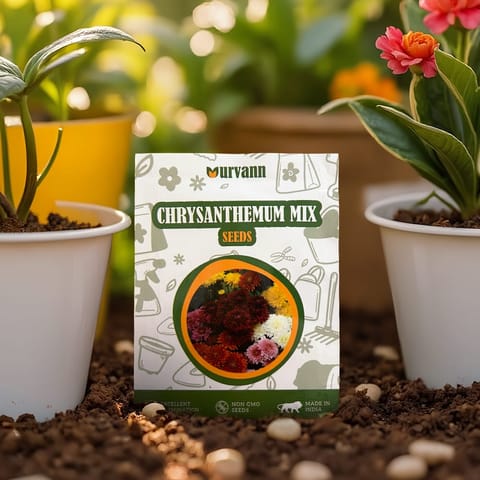
You can propagate chrysanthemums through stem cuttings or seeds. Stem cuttings are faster: plant 3–4-inch cuttings with 2–3 leaf nodes in a well-draining medium and keep them lightly moist. Seeds can be sown shallowly and transplanted after seedlings develop.
9. Why are my Chrysanthemum growing but not flowering?
Your Guldaudi are likely growing leaves instead of flowers because of late pruning, artificial night lights, too much nitrogen, pinching too late, heat delay, or too much shade.
10. What is the best fertilizer for Chrysanthemum?
The best fertilizer for Chrysanthemum depends on the growing stage. For example, you can use a balanced NPK 20-20-20 formula for early foliage growth. Opt for a high phosphorus/potassium formula like NPK 4-18-38 or 0-52-34 when flower buds form.
11. Where to buy Chrysanthemum plants online?
You can buy chrysanthemum plants online from Urvann, which offers Chrysanthemum (Guldaudi/Guldawari) plants in different colours, pot sizes, and sets. Options include yellow, white, red, and maroon Chrysanthemums, along with mixed-colour sets.
12. ಬೆಂಗಳೂರಿನ ಬಾಲ್ಕನಿಯಲ್ಲಿ ಸೇವಂತಿಗೆ ಗಿಡ ಬೆಳೆಸಬಹುದೇ?
ಹೌದು, ಬೆಂಗಳೂರಿನ ಬಾಲ್ಕನಿಯಲ್ಲಿ ಸೇವಂತಿಗೆ ಗಿಡವನ್ನು ಸುಲಭವಾಗಿ ಬೆಳೆಸಬಹುದು. ಸೇವಂತಿಗೆ ಗಿಡವು ತಂಪಾದ ಮತ್ತು ಮಿತವಾದ ಹವಾಮಾನದಲ್ಲಿ ಚೆನ್ನಾಗಿ ಬೆಳೆಯುತ್ತದೆ, ಆದ್ದರಿಂದ ಬೆಂಗಳೂರಿನ ಹವಾಮಾನವು ಇದಕ್ಕೆ ಸೂಕ್ತವಾಗಿದೆ.
ಬಾಲ್ಕನಿಯಲ್ಲಿ ಸೇವಂತಿಗೆ ಬೆಳೆಸುವಾಗ ಪ್ರತಿದಿನ ಕನಿಷ್ಠ 4–6 ಗಂಟೆಗಳ ಸೂರ್ಯನ ಬೆಳಕು ಸಿಗುವ ಸ್ಥಳದಲ್ಲಿ ಇಡುವುದು ಉತ್ತಮ. ಉತ್ತಮ ನೀರು ಹೊರಹೋಗುವ ವ್ಯವಸ್ಥೆ ಇರುವ ಕುಂಡವನ್ನು ಬಳಸಬೇಕು ಮತ್ತು ಮಣ್ಣು ಯಾವಾಗಲೂ ಸ್ವಲ್ಪ ತೇವವಾಗಿರುವಂತೆ ನೋಡಿಕೊಳ್ಳಬೇಕು.
ಹೆಚ್ಚು ಹೂವುಗಳನ್ನು ಪಡೆಯಲು ನಿಯಮಿತವಾಗಿ ಒಣಗಿದ ಎಲೆಗಳು ಮತ್ತು ಹೂಗಳನ್ನು ತೆಗೆದುಹಾಕಿ, ಸಮಯಕ್ಕೆ ಸರಿಯಾಗಿ ಗೊಬ್ಬರ ನೀಡುವುದು ಸಹಾಯ ಮಾಡುತ್ತದೆ. ಸರಿಯಾದ ಆರೈಕೆಯೊಂದಿಗೆ ಬಾಲ್ಕನಿಯಲ್ಲಿಯೇ ಸುಂದರವಾದ ಸೇವಂತಿಗೆ ಹೂಗಳನ್ನು ಪಡೆಯಬಹುದು.
13. ದೀಪಾವಳಿ ಪೂಜೆಗೆ ಸೇವಂತಿಗೆ ಹೂವು ಬಳಸಬಹುದೇ?
ಹೌದು, ದೀಪಾವಳಿ ಪೂಜೆಗೆ ಸೇವಂತಿಗೆ ಹೂವನ್ನು ಬಳಸಬಹುದು. ಸೇವಂತಿಗೆ ಹೂವು ಅದರ ಸುಂದರ ಬಣ್ಣಗಳು ಮತ್ತು ದೀರ್ಘಕಾಲ ತಾಜಾವಾಗಿರುವ ಗುಣದಿಂದ ಹಬ್ಬದ ಅಲಂಕಾರ ಮತ್ತು ಪೂಜಾ ವ್ಯವಸ್ಥೆಗಳಲ್ಲಿ ಜನಪ್ರಿಯವಾಗಿದೆ.
ದೀಪಾವಳಿಯ ಸಮಯದಲ್ಲಿ ಸೇವಂತಿಗೆ ಹೂಗಳನ್ನು ಪೂಜಾ ತಟ್ಟೆ, ದೇವರ ಅಲಂಕಾರ, ಹೂವಿನ ಮಾಲೆಗಳು ಮತ್ತು ಮನೆಯ ಅಲಂಕಾರಕ್ಕಾಗಿ ಬಳಸಬಹುದು. ಹಳದಿ ಮತ್ತು ಬಿಳಿ ಸೇವಂತಿಗೆ ಹೂಗಳು ಹಬ್ಬದ ಅಲಂಕಾರಕ್ಕೆ ವಿಶೇಷವಾಗಿ ಆಕರ್ಷಕವಾಗಿ ಕಾಣುತ್ತವೆ.
ತಾಜಾ ಹೂಗಳನ್ನು ಬಳಸುವುದು ಪೂಜಾ ಸ್ಥಳಕ್ಕೆ ನೈಸರ್ಗಿಕ ಸೌಂದರ್ಯ ಮತ್ತು ಹಬ್ಬದ ವಾತಾವರಣವನ್ನು ನೀಡುತ್ತದೆ. ಮನೆಯಲ್ಲಿ ಬೆಳೆದ ಸೇವಂತಿಗೆ ಹೂಗಳನ್ನು ಪೂಜೆಗೆ ಬಳಸುವುದು ಹಲವರಿಗೆ ವಿಶೇಷ ಅನುಭವವಾಗಿರುತ್ತದೆ.