
Shop

Downalod our app

Please provide your delivery pincode to see products available in your area
Calendula
Calendula is a delicate flowering plant of the Asteraceae family that looks like a beautiful mix of...
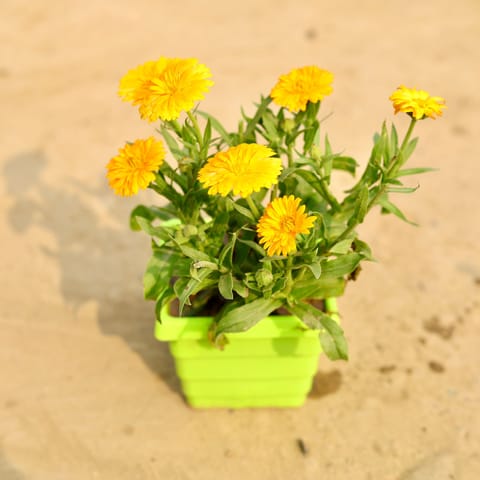
Calendula is a delicate flowering plant of the Asteraceae family that looks like a beautiful mix of daisies and marigolds. Because of this charming resemblance, the flowers are also affectionately known as pot marigolds or even Scotch marigolds. They are native to the sunny Mediterranean regions of Europe.
Why 50,000+ Indian Gardeners Choose Urvann's Calendula
⭐ Rated 4.8/5 by 12,340+ verified buyers
✓ Hassle-Free Replacement - We offer a 2-day replacement window if the product arrives damaged or incorrect
✓ Free Next-Day Delivery - We provide free next day delivery for all orders placed by 7 PM in
Delhi-NCR and Bengaluru.
✓Affordable Plants – The price starts at just ₹19
✓ Winter-Hardy Varieties – Specially selected for North Indian winter gardens
✓ Real Photos from Customer Gardens – See actual plants, not stock images
The Calendula Plant: Winter’s Cheerful Companion
The beautiful calendula flower plant is wonderfully aromatic and is found in warm shades of the sun, such as bright orange, cheerful red, and golden yellow. It blooms gorgeously in North India from October all the way through February, thriving amazingly in the chilly winters and spreading warmth and cheer in your home gardens, when most other flowers have gone to sleep for the season.
Why Should You Grow Calendula Plants?
Pest Repellent
The calendula plant has a tangy, herb-like scent that spreads to nearby plants and helps keep garden pests such as aphids and mealy bugs away. Many experienced gardeners plant calendulas around their winter vegetables like cabbage, cauliflower, peas, and beans because the strong scent confuses and repels pests naturally without any chemicals.
Flowers Attract Pollinators
Calendula's bright, cheerful flowers attract beneficial pollinators like bumblebees and butterflies, and make it more lively even during the winter months. The plants' colourful flowers are a particular favourite of many butterflies looking for sweet nectar when other food sources become scarce.
Soil Improvement
Calendula is a plant with deep roots that help the soil improve its structure and drainage capacity and hold it together during heavy rains. They ensure proper ventilation and help the soil become more nutritious by breaking up compacted layers.
Low Maintenance and Hardy
Calendula is a wonderfully low-maintenance, tough plant that grows happily on its own without demanding constant attention. It is a true gardener's favourite because it does not require much care, tolerates cold weather beautifully, and keeps flowering for months on end.
Urvann's Plant Success Data: Calendula shows a 93.8 % successful blooming rate among North Indian customers, making it one of the most reliable winter flowering plants.
When you buy calendula plants from Urvann, you can choose from various types suited for different garden needs. All calendula varieties' pictures are real and taken from our nursery, no stock photos.
Care Tips for Calendula Plants
Here are some essential care tips to ensure you get the most beautiful blooms out of your calendula plants.
How much water makes my Calendula plants happy?
Give your plant a good drink when the top layer of soil feels dry and a bit crumbly to the touch. If you are unsure whether it needs water, just poke your finger about an inch into the soil to see if it is still moist underneath.
Watering Schedule:
- Winter months (November-February): Water every three to four days
- Autumn and early spring (October, March): Water every two to three days
How much sunshine makes my Calendula plants shine?
Calendulas are such cheerful plants that absolutely love soaking up the sun! They need about six to seven hours of sunlight daily to thrive and produce abundant blooms.
Best Placement:
- South-facing balconies or garden beds
- Spots that receive morning and afternoon winter sun
- Areas protected from harsh winds
Note: Winter sun in North India is perfect for calendulas as it is not too harsh, and the plants can handle full sun exposure throughout the day.
Which type of soil is best for growing Calendula plants?
- 20% perlite or vermiculite for excellent drainage
- 20% garden soil for structure and stability
- 25% cocopeat to retain moisture without waterlogging
- 25% vermicompost for rich organic nutrients
- 10% neem khali for natural pest control
The mixture is light and airy, allowing roots to breathe and establish quickly.
Growing Calendula in Different Spaces
In Containers and Pots
Calendula plants grow beautifully in containers, pots, or grow bags, making them perfect for balcony gardens and small spaces. Choose pots that are at least 9-12 inches deep and wide to allow proper root development. Terracotta pots work wonderfully as they are breathable and help prevent overwatering.
In Garden Beds
When planting calendulas in garden beds, space them about 8-10 inches apart to allow for good air circulation and prevent fungal diseases. Prepare the bed by mixing compost into the soil two weeks before planting.
As Companion Plants
Plant calendulas throughout your vegetable garden, especially near tomatoes, cabbage, and beans. Space them every 2-3 feet around the perimeter of vegetable beds. Their pest-repelling properties protect neighbouring plants while their flowers attract beneficial insects.
Plants to Avoid
While calendulas are excellent companion plants for most vegetables and flowers, avoid planting them too close to plants that prefer very dry conditions, as calendulas need moderate moisture.
Why Choose Urvann to Buy Calendula Plants Online?
✅ Healthy, Strong Saplings – Each plant is carefully nurtured before shipping
✅ Budget-Friendly Prices – Starting from just ₹49 per plant
✅ Free Next-Day Delivery – Fresh plants delivered quickly to your doorstep
✅ 30-Day Plant Guarantee – Complete satisfaction or free replacement
✅ Expert Support – Real gardening experts available on WhatsApp and email
✅ Eco-Friendly Packaging – Sustainable materials that protect plants during transit
If you wish to shop for beautiful calendula flowers online for your home garden, you have absolutely found the right destination. Start shopping for calendula now!
FAQs About Calendula Plants
1. What is the best time to plant calendula seeds?
Plant calendula seeds during the monsoon months of July and August to prepare them for beautiful flowering during the winter season. Seeds germinate quite quickly within 7-10 days in warm, moist conditions.
2. How tall do calendula plants grow?
Calendula flowering plants typically grow to a manageable height of 1-2 feet from the ground, making them absolutely perfect for the front or middle sections of garden beds and ideal for container gardening on balconies.
3. Do calendulas come back every year?
Calendulas are typically grown as annual plants in most parts of India, which means they complete their life cycle in one growing season. However, they self-seed quite readily, so if you allow some flowers to go to seed at the end of the season, you may find new calendula seedlings popping up in the same spot next year. Alternatively, you can collect seeds from spent flowers and replant them the following season.
4. Can you grow calendulas in summer?
While calendulas can technically be grown in summer, they do not perform well in hot weather and tend to stop flowering when temperatures rise above 35 degrees Celsius. They are truly winter-loving plants that thrive in cool weather.
5. Are calendula flowers edible?
Calendula petals are indeed edible and have been used traditionally in various ways. The bright petals can add colour to salads and are sometimes used as a natural food colouring. However, ensure your plants have not been treated with any pesticides or chemicals if you plan to consume the flowers.
6. How to save calendula seeds?
To save seeds, allow some flowers to mature completely on the plant without deadheading them. The flower will dry out and form a seed head. Once completely dried (usually three to four weeks after flowering), gently pull apart the seed head and collect the curved, brown seeds inside. Dry seeds further for a few days in a paper envelope, then store in a cool, dry place. These seeds remain viable for 2-3 years.
7. Why are calendula leaves turning brown?
Brown leaves on calendulas usually indicate one of three issues.
- First, underwatering can cause leaves to dry and turn brown at the edges.
- Second, too much direct harsh sunlight in warmer months can scorch leaves.
- Third, fungal diseases from overwatering or poor air circulation can cause brown spots.
Check your watering schedule, ensure good drainage, and make sure plants have adequate spacing for air circulation.
8. Can calendulas tolerate frost?
Calendulas are quite hardy and can tolerate light frost without damage. They can survive temperatures down to about minus two degrees Celsius for brief periods. However, repeated hard frosts or prolonged freezing temperatures will damage or kill the plants. In areas with harsh winters, consider growing calendulas in pots that can be moved to protected locations during extreme cold snaps.
9. How often should you fertilise calendula plants?
Calendulas are not heavy feeders and do not require frequent fertilisation. Apply a balanced organic fertiliser or vermicompost once every six to eight weeks during the growing season.
10. How To Protect Calendula Plants from Cold Weather?
Calendula can handle mild cold, but freezing temperatures need extra care. If temperatures dip below freezing, cover plants at night with a cloth or newspaper. Remove the covering in the morning once temperatures rise.