
Shop

Downalod our app

Please provide your delivery pincode to see products available in your area
Recent Search
Rose Plant 🌹
Rose is also known as the “Queen of Flowers,” Gulab, or Phool. This timeless flowering shrub originates from the rugged mountains of Central Asia. This flowering plant is known for its stunning blooms, captivating fragrance, and symbolic romance. It thrives in gardens while showcasing lush, layered petals in vibrant reds and pinks, whites, and more that instantly elevate any space.
About Rose (Gulab)
The rose, called Gulab (गुलाब) in Hindi, is arguably the most celebrated flowering plant in human history.
In India, the rose holds deep cultural, religious, and medicinal significance. Rose petals are:
The term "gulab" itself comes from Persian: gul meaning flower and ab meaning water.
This word entered Indian languages through centuries of trade, poetry, and Mughal court culture. Emperor Babur introduced formal rose gardens (bagh) to India in the 16th century. The tradition of growing roses as ornamental and fragrant plants became deeply embedded in Indian life.
India grows a stunning range of roses, including:
The desi rose is particularly beloved for its intense fragrance and hardiness in Indian summers, qualities that many English rose varieties lack.
Rose plants thrive across India, from the cool rose nurseries of Punjab and Kashmir to home gardens in Bengal, Maharashtra, and Tamil Nadu.
The rose belongs to the Rosaceae family, sharing it with apples, pears, cherries, and strawberries, and includes over 300 species and thousands of cultivated varieties.
Most Indian gardeners grow roses for their flowers, fragrance, and ornamental beauty.
🌈 Popular Variety of Rose Plant Available on Urvann
Six rose varieties, each selected for their beauty, performance, and suitability for Indian homes and gardens. All plants are rooted, healthy, and delivered with care.
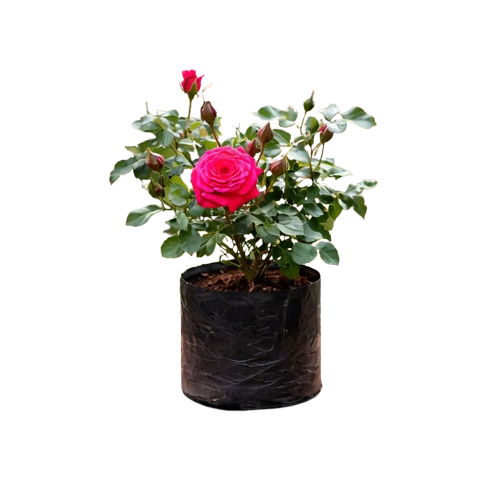
Desi Red Rose in 6 Inch Nursery Bag
The original Indian rose, also called Desi Gulab or Deshi Gulab.
This variety of rose plant is intensely fragrant, remarkably hardy, and deeply woven into Indian culture. Red and pink varieties are most common, with single to semi-double blooms.
Best choice for first-time rose growers anywhere in India.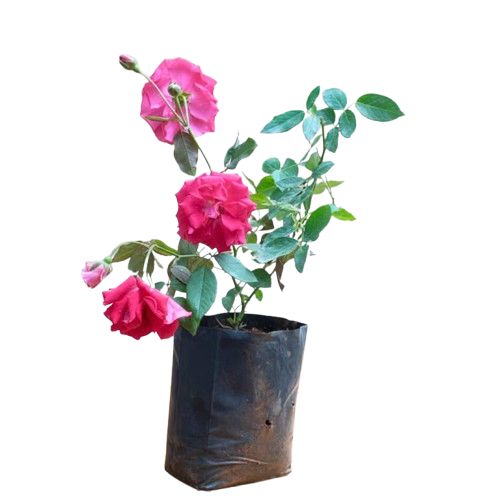
Kashmiri Rose in 5 Inch Nursery Bag
The rose of Kashmir is prized for its extraordinary fragrance and used in the production of traditional Kashmiri gulab jal and rose sharbat.
This variety of rose is characterized by its soft pink blooms with a full, rounded form. Kashmiri Rose grows best during the cool Indian winter season (October to February).
A cherished variety for home gardens in North India.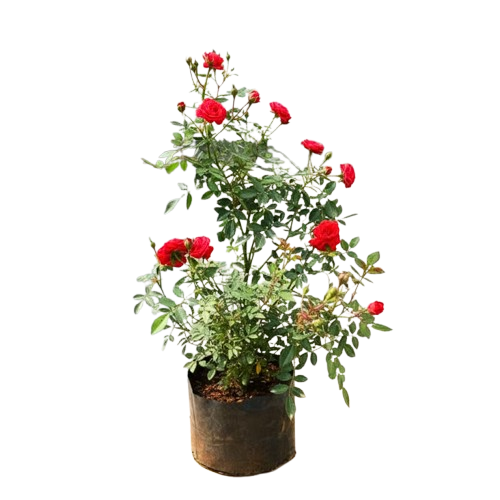
Button Rose Red in 5 Inch Nursery Bag
The button rose variety has small, densely clustered blooms on a compact plant.
The button rose is one of the most popular choices for balconies, windowsills, and decorative pot arrangements. Continuous bloomer through the season, available in a range of colours including red, pink, white, and yellow.
This variety of rose plant is ideal for small spaces without compromising on display. in 4 Inch Nursery Pot.png)
Set of 3 - Table Rose (Any Colour) in 4 Inch Nursery Pot
A compact rose variety bred specifically for tabletop and small-pot displays.
Table Rose plants stay low and bushy, producing steady blooms without needing the growing space a full-size rose demands. They're well suited to a 4-inch nursery pot and thrive on balconies, study tables, and entryway corners.
A neat, low-maintenance pick for anyone short on outdoor space.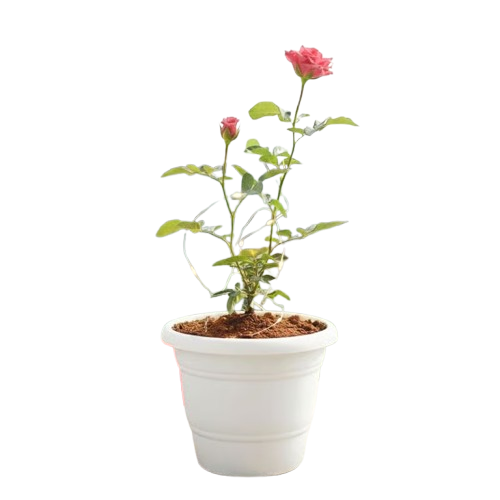
Rose / Gulab Pink in 7 Inch Classy White Plastic Pot
The classic hybrid garden rose is available in red, pink, orange, yellow, and white.
This variety of rose plant produces larger, more refined blooms than the desi rose and is typically offered in premium decorative pots. It's the variety most people picture when they think of a "proper" rose bush, with full flowers, strong stems, and reliable repeat flowering.
A versatile choice for gifting or as a statement plant in garden beds and patios.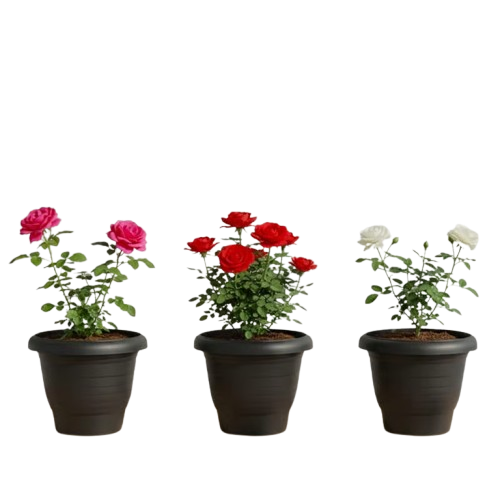
The Rosy Radiance - Set of 3 - Rose (Any Colour) in 10 Inch Black Classy Plastic Pot
A robust, full-sized rose bred for larger pots and open garden beds.
These plants put out bigger blooms and a fuller canopy than the nursery-bag varieties, making them a strong centrepiece choice for larger container displays or garden corners.
Ideal for gardeners who have the space and want a rose that makes an immediate visual impact.How To Choose And Buy a Healthy Rose Plant
Before you bring a rose plant home, knowing what to look for saves you from bringing home a stressed or diseased plant. Here's what to check:
- Leaves should be firm, deep green, and glossy.
- Healthy rose leaves feel slightly leathery and look vibrant. Avoid plants with yellowing leaves, brown edges, black spots, or powdery white coating. These are signs of stress, fungal disease, or pest damage.
- Look for multiple stems (canes) in one plant.
- Plants with 3–5 thick, upright canes appear fuller and more established from the start. A single spindly cane will take much longer to grow into a blooming bush.
1. Inspect For Pests (Top And Underside of Leaves)
Rose plants are a favourite target for pests, especially in Indian nurseries.
Aphids often cluster around new buds and tender stems, spider mites leave fine webs beneath the leaves, and mealybugs appear as white cotton-like patches near stem joints. Turn each leaf over and inspect both sides carefully before buying, as pests often hide underneath. Even a small infestation can spread quickly to your other plants once the rose reaches home.
2. Check The Graft Union
Most rose plants sold in India are grafted, making the graft union one of the most important areas to inspect.
Look for the swollen, knob-like joint near the base where the rose variety was attached to the rootstock. It should feel firm and appear healthy, with no cracks, dark patches, or signs of decay. A damaged or rotting graft union weakens the plant and is often difficult to recover from. Never buy a grafted rose without checking this section first.
3. Choose a Plant With Buds, Not Full Blooms
A rose covered in open flowers may look beautiful at the nursery, but it is not always the best choice.
Fully opened blooms often fade within a few days after reaching home, leaving little time to enjoy them. Instead, choose a plant with several healthy, unopened buds that will bloom after the plant settles into its new environment. This gives you a longer flowering display and a better idea of the plant's future performance rather than its temporary nursery appearance.
4. Canes Should be Thick, Firm, And Green
The condition of the canes reveals a lot about the overall health and strength of a rose plant.
Healthy canes should be thick, upright, and bright green from base to tip. Avoid plants with brown or black lesions, shrivelled stems, soft patches near the base, or thin, weak canes that bend easily. These are often signs of disease, rot, or poor nutrition. Always inspect every cane carefully before making your final choice at the nursery.
5. Avoid Overly Wet or Bone-Dry Soil
The soil inside the pot tells you how well the rose has been cared for before reaching the nursery.
Waterlogged soil with a musty smell can lead to root rot, while dry, cracked soil suggests the plant has been under prolonged stress. Both conditions weaken the root system and make it harder for the rose to adapt after transplanting. Press the top layer gently with your finger before buying. Healthy rose soil should feel slightly moist, never soggy or completely dry.
6. Check The Pot And Drainage
Good drainage is essential because rose roots cannot tolerate standing water for long.
Always check that the pot has proper drainage holes at the bottom before purchasing. Decorative nursery pots sometimes trap excess water, increasing the risk of root rot even if the plant looks healthy above the soil. If the rose is in a container without drainage, ask the nursery to repot it or plan to transfer it into a suitable pot as soon as you get home.
Complete Care Guide For Rose Plant
🌡️ Temperature
✂️ Pruning
🌿 Cleaning Leaves
🌬️ Air Circulation
Sunlight
Rose plants are sun-loving by nature, and the amount and quality of light they receive directly determines how many blooms they produce. Getting the placement right from the start saves a lot of effort later.
☀️ Direct Harsh Sun
- Best avoided during peak summer (April to June)
- Intense afternoon heat can scorch leaves and buds
- Prolonged exposure reduces flowering and increases plant stress
- Provide afternoon shade or move potted roses if unavoidable
☀️ Morning Sun (Best)
- Provide 4 to 6 hours of direct morning sunlight daily
- Produces stronger canes and more abundant blooms
- Suitable for all rose varieties, including Hybrid Tea and Floribunda
- Morning sun dries foliage quickly, reducing fungal diseases
🌤️ Bright Indirect or Partial Sun
- Suitable for established roses during extreme summer heat
- Afternoon shade helps prevent heat stress and leaf scorch
- Flowering may reduce slightly compared to full morning sun
- Ideal for south or west-facing balconies in summer
🌑 Low Light
- Avoid locations with less than 4 hours of direct sunlight
- Plants become leggy with weak stems and fewer flowers
- Flowering is often sparse or stops completely
- Miniature roses tolerate lower light slightly better than larger varieties
- East-facing: Perfect choice, gentle morning sun without harsh afternoon heat
- North-east facing: Very good, especially in South India, where summers are intense
- South or West-facing: Strong light, place 2 to 3 feet back or provide afternoon shade
- North-facing: Not recommended for roses, insufficient direct light for blooming
Watering
Overwatering is the single biggest reason rose plants die in Indian homes. The rule is simple: always check the soil before watering. Press your finger 1 to 2 inches into the soil.
- If it feels moist, wait.
- If it feels dry, water deeply until it drains from the bottom.
❄️ Winter (November to February)
Every 2 to 3 days🌸 Spring (February to April)
Every 2 days☀️ Summer (April to June)
Every day or every alternate day🌧️ Monsoon (July to September)
Every 7 to 10 days, or based on rainfallHard tap water, common in cities like Delhi, Chandigarh, and Jaipur, can cause brown leaf tips over time. Filtered water or collected rainwater is ideal. If using tap water, let it sit overnight before watering to allow chlorine to dissipate.
Soil Mix and Pot Selection
Good drainage is the single most important factor for a rose plant that blooms reliably. Roses need moist roots, not wet ones.
This combination performs well across all Indian seasons, particularly important through the waterlogged monsoon months.
Alternative (Budget-Friendly Mix)
Mix 50% garden soil + 30% coarse sand + 20% compost. Never use pure garden soil in pots. It compacts over time, suffocates roots, and almost guarantees root rot in a rose plant.
🪴 Choosing the Right Pot
- Breathable and porous, allowing excess moisture to evaporate
- Well-suited to India's warm and humid climate
- Helps reduce the risk of overwatering and root rot
- Keeps roots cooler during hot summer months
- Retains moisture longer, especially during peak summer
- Lightweight, affordable, and easy to move around
- Requires good drainage to prevent waterlogging in monsoon
- A practical choice for balconies and roof gardens
- Non-porous, so moisture stays in the soil longer
- Works best with a well-draining potting mix
- Choose pots with at least two drainage holes
- Wider pots provide better root growth than narrow ones

- Choose a pot at least 30–40 cm wide and 30 cm deep
- Larger pots give roots enough room to spread
- Small pots become rootbound and reduce flowering
- Repot every October using fresh soil and a larger pot
🌱 No Drainage = Root Rot Guaranteed
This is non-negotiable for rose plants:
- Always use pots with drainage holes
- Decorative pots without holes can be used as outer covers only
- Ensure water drains freely within 30 seconds of watering
- Never let pots sit in saucers filled with water
 Fertilising: When, What, and How Much
Roses are heavy feeders. Without regular nutrition, they produce weaker stems, fewer leaves, and fewer flowers. A consistent feeding routine supports healthy growth throughout the season.
📅 Fertilising (NPK Every 2 Weeks During Bloom Season)
- Feed with a balanced NPK fertiliser (10-10-10) every two weeks.
- Fertilise from November to February during active blooming.
- Add one teaspoon of Epsom salt per litre weekly.
- Stop feeding 3 to 4 weeks before the October prune.
🪰 Pest Prevention (Weekly Neem Oil Spray)
- Spray neem oil every 7 to 10 days as prevention.
- Mix 5 ml neem oil and 1 ml dish soap per litre.
- Target aphids, spider mites, and thrips during new growth.
- Spray early in the morning, never in direct midday sun.
🏆 Best Fertiliser
- Use a balanced 10-10-10 or 5-10-5 fertiliser early on.
- Switch to a phosphorus-rich formula when buds appear.
- Higher phosphorus encourages stronger flowering.
- Water before and after fertilising to prevent root burn.
🪱Organic Options (Recommended for Indian Gardeners)
- Apply vermicompost or well-rotted cow dung every 3 to 4 weeks.
- Use banana peel water to provide additional potassium.
- Mix bone meal into the soil during repotting.
- Add neem cake for slow-release nutrients and pest protection.
🗓️ Feeding Schedule
- October to February: Feed every 3 to 4 weeks.
- February to March: Switch to a bloom-booster fertiliser.
- April to June: Feed at half strength if needed.
- July to September: Pause feeding during heavy monsoon rains.
⚠️Avoid Over-Fertilising
- Brown leaf edges and white crust indicate excess fertiliser.
- Flush the soil with plain water two or three times.
- Pause fertilising for 4 to 6 weeks before restarting.
- Excess nitrogen causes leafy growth with fewer flowers.
When Do Roses Bloom in India?
India's rose blooming season is driven by temperature. Roses flower best between 15°C and 28°C, which is why October through February is the prime window for most of the country. After the October hard prune, new shoots emerge in 2 to 3 weeks. First flowers typically appear 6 to 8 weeks after pruning, meaning November to December in most of North India.
- April - Jun
- No Blooms
- July -Sep
- Rest Period
- Oct
- New growth
- Nov-Mar
- Peak Bloom
🌡️ Can I plant roses right now (April 2026)?
Late April is not an ideal time to plant new rose saplings in most of North India due to rising temperatures. If you receive a plant now, keep it in partial shade, water daily, and avoid repotting until September. October to November is the optimal window for planting, transplanting, or starting new rose saplings across India.📊 Which Rose is Right For You?
A quick comparison of all six varieties across the key traits that matter most for Indian growers.
| Variety | Fragrance | Heat Tolerance | Pot Friendly |
|---|---|---|---|
| Kashmiri Rose | Very High | Moderate | Yes |
| Indian Rose (Desi Gulab) | High | Excellent | Yes |
| Button Rose | Mild | Good | Excellent |
| English Rose | High | Low | Possible |
| Celestial Rose | Moderate | Good | Large Pot |
| Miniature Rose | Mild | Moderate | Best |
🌹 Benefits of Keeping a Rose Plant At Home
Aesthetic Appeal
Rose plants brighten gardens, patios, and balconies with colourful blooms. They add year-round beauty in shades of red, pink, white, and yellow.
Air Purification
Roses help trap dust and improve the surrounding air quality. Their fragrant flowers also attract bees and other beneficial pollinators.
Health Benefits
The natural fragrance of roses promotes relaxation and reduces stress. Rose petals are also used in traditional remedies, teas, and skin care.
Vastu & Spiritual Gains
According to Vastu, roses are believed to promote harmony and positive energy. Red roses are often associated with prosperity and blessings when placed correctly.
Therapeutic Hobby
Growing roses encourages mindfulness and a stronger connection with nature. Caring for the plants also provides a rewarding and relaxing gardening experience.
Common Problems, Causes & Fixes
Yellow Leaves
Cause – Overwatering, waterlogged soil, iron or nitrogen deficiency, or heat stress during summer
Fix Let the soil dry completely before watering again. If roots are brown and mushy, remove the plant, trim damaged roots, and repot in fresh, well-draining soil. Feed with a balanced NPK fertiliser if a deficiency is suspected
Prevent Always check soil moisture before watering and ensure the pot has proper drainage holes. Mulch the base to regulate soil temperature in summer
Black Spot
Cause – Fungal infection caused by wet leaves, rain splash, and poor air circulation, which is very common in India during and after the monsoon
Fix Remove and dispose of all infected leaves immediately. Do not compost them. Apply neem oil or a copper-based fungicide spray every 7 days until the infection clears
Prevent Remove and dispose of all infected leaves immediately. Do not compost them. Apply neem oil or a copper-based fungicide spray every 7 days until the infection clears
Powdery Mildew
Cause – High humidity combined with dry daytime conditions. Most common in North India between December and February, and in South India between October and January
Fix Spray with a diluted neem oil solution or a sulfur-based fungicide. Prune affected shoots to stop the spread. Improve airflow around the plant
Prevent Water only in the morning so foliage dries before nightfall. Prune regularly to keep the center of the plant open
Brown or Scorched Leaf Edges
Cause – Intense afternoon sun, heat stress during peak summer, or hard tap water with high salt content, causing mineral buildup
Fix Move the plant to a spot with morning sun and natural afternoon shade. Switch to filtered water or let tap water sit overnight before use. Trim scorched edges neatly with clean scissors
Prevent Mulch the soil base to retain moisture and keep roots cool. Avoid placing pots on surfaces that reflect heat, like concrete floors in direct sun
No Blooms or Poor Flowering
Cause – Insufficient sunlight, lack of fertiliser, skipping pruning, or too much nitrogen, causing leafy growth with no flowers
Fix Move to a spot receiving at least 5 to 6 hours of direct morning sun. Feed with a phosphorus-rich fertiliser to encourage bud formation. Prune dead flowers (deadheading) regularly to redirect energy into new blooms
Prevent Follow the twice-yearly pruning schedule (late June and early December). Avoid high-nitrogen fertilisers close to the blooming season
Aphid Infestation
Cause – Tender new growth attracts aphids, especially in spring and early winter. Nearby infected plants can spread the infestation quickly
Fix Blast the affected stems and buds with a strong stream of water to dislodge the colony. Follow up with a neem oil spray every 7 to 10 days until fully controlled
Prevent Inspect new buds regularly, especially after pruning when fresh growth appears. Isolate any new plants before placing them near existing ones
Spider Mites
Cause – Hot, dry conditions in summer. Spider mites thrive when humidity is low, and the air is dusty, which is common on North Indian balconies between April and June
Fix Rinse the plant thoroughly with water, paying close attention to the underside of leaves. Apply neem oil spray and increase humidity around the plant. Repeat every 7 days until controlled
Prevent Check the underside of leaves regularly during summer. Avoid letting the plant dry out completely, as water-stressed roses are far more vulnerable to mite attacks
Root Rot
Cause – Overwatering or poor drainage, most commonly during the monsoon when the soil stays wet for extended periods
Fix Remove the plant from the pot, cut off all brown and mushy roots with clean scissors, and let the roots air dry briefly. Repot in fresh, well-draining soil. Hold back watering for 3 to 4 days after repotting
Prevent Use pots with drainage holes at all times. Elevate pots during heavy monsoon rain so water does not collect at the base. Never let a rose pot sit in a saucer filled with standing water
Rust
Cause – Fungal infection appearing as orange or reddish-brown pustules on the underside of leaves. More common at higher altitudes and during cooler, moist periods
Fix Remove and destroy all infected leaves and fallen debris immediately. Apply a copper-based fungicide spray. Do not compost infected material, as spores survive and spread
Prevent Maintain good air circulation, avoid wetting foliage, and clear fallen leaves from around the base of the plant regularly
🧿 Vastu Shastra & Feng Shui Placement
Rose plants hold special significance in Vastu Shastra and Feng Shui for promoting love, prosperity, and positive energy. In India, their thorny nature requires careful outdoor placement to avoid indoor negativity.
🧭 Direction Guide for Rose Plant
Southwest
The most favourable direction for family harmony, stability, and prosperity. Red roses are often associated with Goddess Lakshmi.
Northeast
Supports positive energy and abundance when placed in a bright outdoor area. Provide partial shade during intense afternoon sun.
East-facing Garden/Patio
Receives gentle morning sunlight that supports healthy growth. It is also considered a positive placement in Vastu.
South/Southwest
Associated with love and relationships in Feng Shui. Red and pink roses symbolise affection and harmony.
Office Desk (Outdoor View)
Place the rose plant where it is visible from your workspace. This is believed to encourage creativity and positive energy.
Living Room (Visible)
Keep the plant outside where it can be seen from the living room. This maintains positive energy without bringing thorns indoors.
North East
Avoid direct placement here without shade, as intense sun can harm plants and disturb energy balance.
Indoors
Avoid keeping rose plants inside the house because of their thorns. Outdoor placement is preferred in Vastu.
Wilted Blooms
Remove dried flowers and dead leaves as soon as possible. Healthy plants are believed to encourage positive energy.
✅ Toxicity & Safety
True roses (Rosa spp.) are non-toxic to humans and pets. Rose petals and hips are edible and have been used in teas, jams, and syrups for centuries. The main dangers from a rose plant are physical, not chemical.
🌹 Is Rose Plant Safe?
- ✔️ Non-toxic to humans
- ✔️ Non-toxic to cats and dogs
- ✔️ Petals and hips are edible
- ❌ Commercially bought roses are treated with pesticides; do not consume them
⚠️ Who Needs to Be Careful
🐱 Cats and Dogs
Risk: LowConcern: Thorns may cause minor injuries, and eating large amounts of petals can upset the stomach.
Action: Clean thorn wounds and contact a vet if discomfort or symptoms persist.
👶 Small Children
Risk: LowConcern: Thorns can cause puncture wounds, and treated petals may irritate the mouth if chewed.
Action: Clean wounds, rinse the mouth with water, and seek medical advice if symptoms continue.
🧑Adults
Risk: Very LowConcern: Thorns may cause minor wounds, and sensitive people may experience allergic reactions to pollen or rose oil.
Action: Clean thorn injuries promptly and seek medical advice if signs of infection or an allergic reaction develop.
Safe Gardening Tips
- Wear thick gardening gloves every time you prune or handle rose canes
- Use organic pest control like neem oil if you plan to use petals or hips
- Grow from clean, untreated stock if you want edible flowers
- Rose hips are rich in Vitamin C and safe to eat from untreated plants
- Do not eat petals or hips from florist or garden centre roses, they are almost always chemically treated
- Do not confuse Rosa species with Desert Rose (Adenium), they are completely different plants
Companion Plants: What Looks Great Together
Rose plant pairs beautifully with these houseplants, both in care needs and overall aesthetics
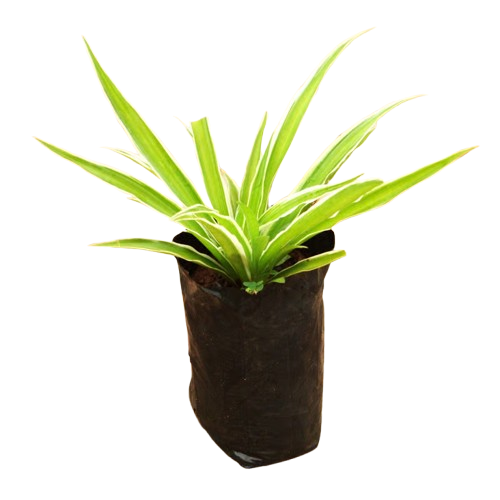
Spider Plant
Easy to care for and pet-friendly. Spider plant works well alongside a rose plant in bright indoor spaces and looks great on shelves.
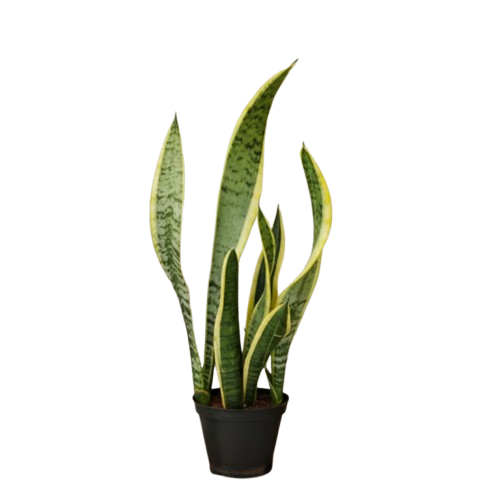
Snake Plant
Its upright structure contrasts nicely with trailing vines, creating a balanced and modern look. Snake plants require very low maintenance care.
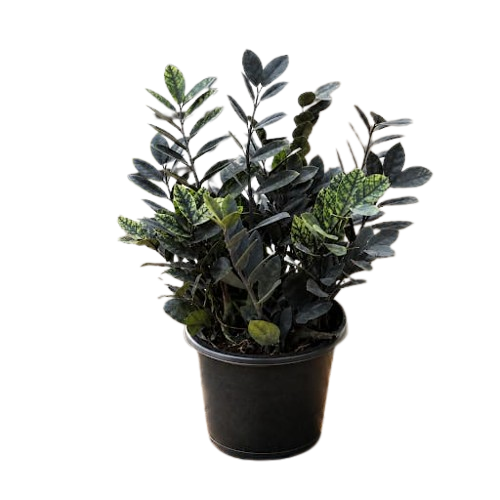
ZZ Plant
Perfect for low-light setups. ZZ plants and rose plants are hardy and require minimal watering, making them a great combination.
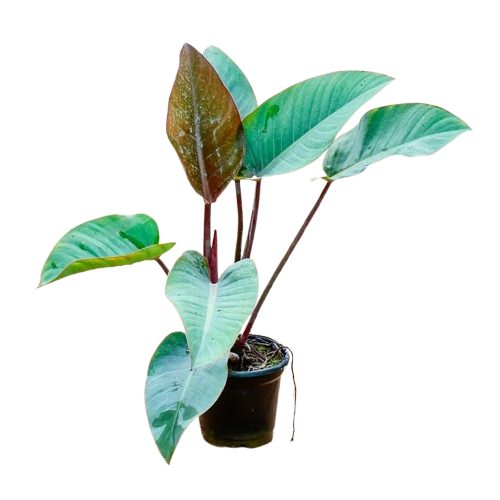
Philodendron
Belongs to the same plant family and shares similar care needs. Together, Philodendron and rose plants create a lush, tropical vibe.
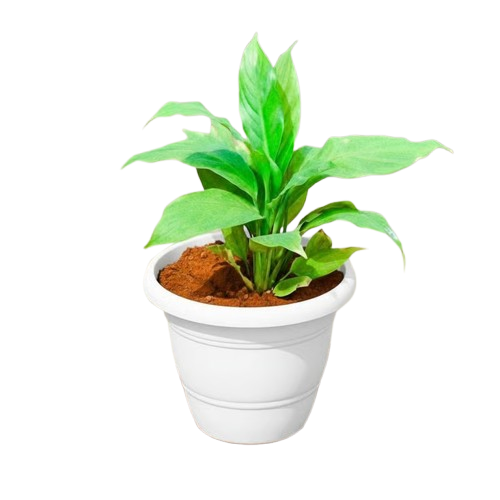
Peace Lily
Adds elegant white blooms that stand out against green foliage. Peace Lily and rose plants thrive in indirect light conditions.