
Shop

Downalod our app

Please provide your delivery pincode to see products available in your area
Recent Search
Money Plant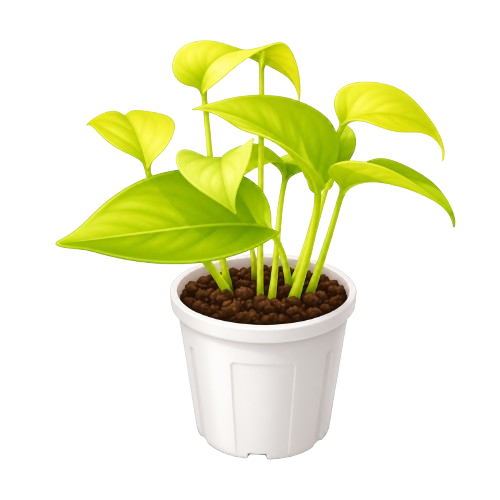
Also known as Golden Pothos, Devil’s Ivy, or Hunter’s Robe, this timeless trailing vine originates from Mo‘orea in French Polynesia. Loved around the world for its remarkable resilience, it thrives with minimal care while showcasing lush, heart-shaped leaves that instantly elevate any indoor space.
About the Money Plant
Money Plant (Epipremnum aureum) is one of the most loved and widely grown houseplants across India and Southeast Asia. Known for its association with prosperity in Feng Shui and Vastu, it is believed to attract wealth, positive energy, and good fortune into the home.But beyond symbolism, the money plant is genuinely one of the easiest and most versatile indoor plants you can grow.
Its glossy, heart-shaped leaves, ranging from rich green to beautifully variegated patterns of yellow, white, or pale green, add instant freshness to any space. Whether placed in a corner of your living room or near a window, it brings a calming, natural vibe to your home.
What makes the money plant especially perfect for Indian homes is how effortlessly it adapts to the climate. The money plant thrives in almost any condition, like low light, bright indirect light, soil, or even just water. Also, it can easily tolerate heat during summers, enjoys the humidity of monsoons, and manages well even in mild winters, all that with just a little care. Beyond its beauty and symbolism, the money plant is also valued for improving indoor air quality and creating a healthier living environment.
In short, whether you're a beginner or a seasoned plant lover, the money plant is a timeless, low-maintenance addition that brings both charm and positive energy into your space.
 Popular Varieties of Money Plant Available on Urvann
The varieties of money plant differ in leaf colour, variegation, growth speed, and light needs. Choosing the right one depends on your space, lighting, and aesthetic preference.
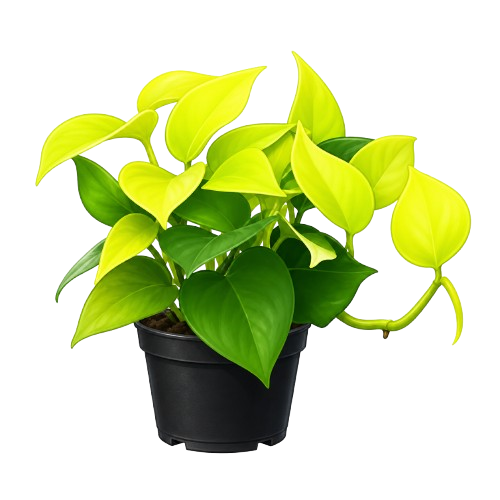
Golden Pothos 4 Inch Nursery Pot
Best for: Any lighting condition (low to bright)
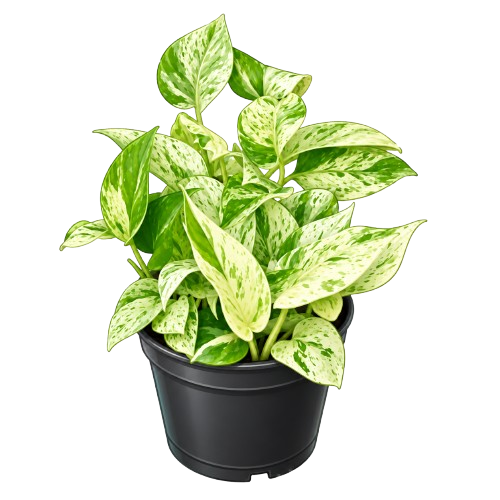
Marble Queen Money Plant in 4 Inch Nursery Pot
Best for: Bright indirect light
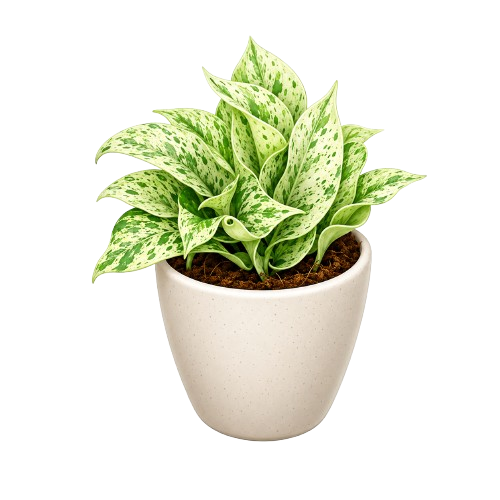
Money Plant White in 3 Inch Classy White Cup Ceramic Pot
Best for: Bright indirect light.
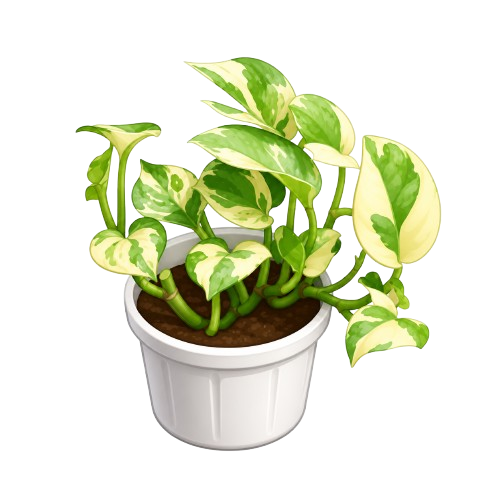
N’Joy Pothos in 4 Inch Nursery Pot
Best for: Bright indirect light
Which varieties of money plants are easily available in India?
- Common & affordable: Golden Pothos, Marble Queen, Jade
- Moderately available: N’Joy, Pearls & Jade
- Rare / premium: Cebu Blue, Manjula, Baltic Blue
Complete Care Guide for Money Plant
🌡️ Temperature
- ✅ 15°C – 35°C (Ideal: 21–30°C)
- ✅ Thrives in typical indoor conditions and can handles heat well
- ✅ Dislikes extreme cold and cannot tolerate frost
- ✅ Keep away from direct AC airflow
- ✅ Protect from cold drafts during North Indian winters
- ❌ Avoid placing outdoors when temperatures drop below 10°C
✂️ Pruning
- ✅ Regular pruning keeps your plant full, bushy, and healthy.
- ✅ Trim long, leggy vines anytime
- ✅ Always cut just below a leaf node using clean scissors
- ✅ Encourages thicker, denser growth
- ✅ Best done in spring for faster regrowth
- ❌ Do not remove more than 25–30% of the plant at once
🌿 Cleaning Leaves
- ✅ Clean leaves = healthier plant + better growth.
- ✅ Wipe leaves once a month with a damp cloth
- ✅ Clean both sides of the leaf
- ✅ Dust blocks sunlight absorption and attracts pests
- ✅ Use diluted neem oil occasionally for shine + pest prevention
- ❌ Avoid chemical leaf-shine sprays (they clog pores)
🌬️ Air Circulation
- ✅ Good airflow is often overlooked but very important.
- ✅ Prevents fungal infections and pest buildup
- ✅ Leave some space between the plant and the wall
- ✅ Rotate the pot occasionally so all sides get even airflow
- ✅ Place near an open window or a well-ventilated spot for best growth
- ❌ During the monsoon, avoid excessive misting in already humid air
Light
Money plant is famously tolerant of different light conditions, but the type of light directly affects its colour, variegation, and growth speed. Understanding this helps you place it right the first time.
Direct Sun
- ❌Harsh afternoon sun burns leaves quickly
- ✅ Mild morning sun (30–60 minutes) is safe
- ✅ Keep out of intense midday light
Bright Indirect — Best ✓
- ✅ Fastest growth of any light condition
- ✅ Best colour and variegation
- ✅ Ideal for all varieties
Medium Indirect ✓ Good
- ✅ Works well for solid green varieties
- ✅ Variegation may reduce slightly
- ✅ Growth continues, just a bit slower
Low Light — Survives
- ✅ Variegated types may turn fully green
- ✅ Best variety choice: Jade Pothos
- ✅ Water less often as growth slows
- North-facing: Lowest light — only for hardy green varieties
- East-facing: Perfect (gentle morning sun)
- South/West-facing: Strong light — place 3–4 feet away or use sheer curtains
Watering
The most common mistake with money plants is overwatering. A simple rule: always check before watering. For this, stick your finger 1–2 inches into the soil:
- If it's moist → wait
- If it's dry → water thoroughly until excess drains out
Water quality can affect your plant over time.
- Hard tap water (common in cities like Delhi, Jaipur) may cause brown leaf tips
- Best options: filtered water or rainwater
- Alternatively, let tap water sit overnight before using (helps reduce chemicals)
Money plant grows very well in water if maintained properly:
- Change water every 10–14 days
- Use a dark or opaque bottle to slow algae growth
- Add 2–3 drops of liquid fertilizer once a month
- Keep only the node submerged, not the leaves
Soil Mix & Pot Selection
Good drainage is the most important factor for a healthy money plant.
This combination keeps roots healthy across all Indian seasons, especially during humid monsoons.
Alternative (Using Garden Soil)
- You can use garden soil, but only if modified: Mix 60% garden soil + 40% coarse sand/perlite
Never use pure garden soil in pots; it compacts over time, blocks airflow, and suffocates roots.
Choosing the Right Pot
Different pots affect how quickly the soil dries and how roots behave:
- Breathable and porous, allowing excess moisture to evaporate.
- Well-suited to India's warm and humid climate.
- Helps reduce the risk of overwatering and root rot.
- Keeps roots cooler during hot summer months.
- Retain moisture longer than terracotta pots.
- Suitable for hot, dry summer conditions.
- Require good drainage during the monsoon season.
- Lightweight, affordable, and easy to move.
- Non-porous, so the soil stays moist longer.
- Work best with a well-draining potting mix.
- Choose pots with one or more drainage holes.
- Ideal for decorative patios and balconies.

- Perfect for trailing vines and cascading flowers.
- A good choice for balconies and windows.
- Dry out faster, especially during hot weather.
- Water more frequently throughout the summer.
🌱 No Drainage = Root Rot Guaranteed
This is non-negotiable:
- Always use pots with drainage holes
- Decorative pots without holes can be used as outer covers (cache pots)
- Ensure the inner pot allows water to drain freely
 Fertilising — When, What & How Much?
Money plants aren’t heavy feeders, but a little nutrition during the growing season can noticeably boost leaf size, colour, and growth.
Best Fertiliser
- Use a balanced liquid fertiliser, such as NPK 20-20-20
- Dilute it to half the recommended strength before use
- Underfeeding is safer than causing fertiliser burn
Organic Options
- Use compost tea, banana peel water, or rice wash water
- Apply once a week during the active growing season
- Banana peel water provides a natural source of potassium
For Water-Grown Plants
- Add 2–3 drops of liquid fertiliser once a month
- Replace the water regularly to keep roots healthy
- Use a hydroponic fertiliser for the best results
Avoid Over-Fertilising
- Brown leaf edges and white crust indicate excess fertiliser
- Flush the growing medium with plenty of plain water
- Pause feeding for 4–6 weeks before fertilising again
Ways To Grow & Display Money Plant
One of the best things about a money plant is its versatility. You can style it to suit almost any space, décor, or growing preference.
Climbing on a Moss Pole
Encourages larger leaves and natural climbing growth. Creates a neat, vertical display.
Hanging Basket
Lets vines cascade naturally for a soft, elegant display. Requires no additional support.
Water Bottle / Vase
Grows easily in water with very little maintenance. Creates a clean, modern display.
Wall Creeper / Shelf Display
Trains vines across walls or shelves for lush, trailing greenery. Adds natural visual interest.
Tabletop / Bushy Pot
Plant multiple cuttings together for a fuller appearance. Regular pinching maintains a compact shape.
Braided / Twisted Style
Young stems can be braided into an attractive sculptural form. Creates a distinctive decorative display.
Benefits of Keeping a Money Plant At Home
Air Purification
Helps reduce common indoor pollutants like formaldehyde, benzene, and xylene, often released from furniture, paints, and cleaning products.
Reduces Stress & Anxiety
Being around plants and caring for them can lower stress levels, improve mood, and create a calming indoor environment.
Associated with Prosperity
In Feng Shui and Vastu Shastra, the money plant is believed to attract positive energy, wealth, and good fortune when placed thoughtfully.
Supports Better Sleep
Improves air quality and adds slight humidity, helping bedrooms feel fresher and more comfortable.
Natural Humidifier
Releases moisture into the air through transpiration, making it helpful in dry indoor conditions, especially during winters.
Reduces Eye Strain
Keeping plants in workspaces can help ease eye fatigue and headaches caused by long screen hours.
Low Maintenance
Very easy to care for and forgiving, it tolerates irregular watering and different light conditions, making it ideal for busy lifestyles.
Perfect for Gifting
A meaningful and affordable gift that symbolises growth and positivity, perfect for housewarmings and festive occasions.
Common Problems, Causes & Fixes
Yellow Leaves
Cause: Overwatering or waterlogged soil
Fix: Let the soil dry completely before watering again. If roots are brown and mushy, remove the plant, trim damaged roots, and repot in fresh soil.
Prevent: Check soil moisture before watering, and always use a pot with drainage holes.
Brown Leaf Tips
Cause: Low humidity, salt buildup in water, or exposure to AC or heater drafts
Fix: Mist leaves regularly, switch to filtered or rainwater, and move the plant away from direct airflow. Trim tips neatly with clean scissors.
Prevent: Keep a pebble tray under the pot and avoid placing it near vents.
Wilting or Drooping
Cause: Underwatering, root rot, or extreme heat
Fix: Check soil condition. If dry, water thoroughly. If soggy, allow it to dry or repot. Ensure the plant is not exposed to excessive heat.
Prevent:Monitor soil more often in summer and avoid letting it stay dry for too long.
Mealybugs
Cause: Plant stress, dry air, or nearby infected plants
Fix: Remove visible pests using alcohol on a cotton swab, then spray with neem oil solution regularly for a few weeks.
Prevent: Isolate new plants, clean leaves often, and avoid excess fertilization.
Spider Mites
Cause: Hot and dry conditions
Fix:Rinse the plant with water, apply neem oil or insecticidal spray, and increase humidity. Repeat weekly until controlled.
Prevent: Maintain good humidity and check the underside of leaves regularly.
Leggy Growth
Cause: Low light conditions
Fix: Move the plant to brighter indirect light and prune stems above a node to encourage fuller growth.
Prevent: Rotate the pot regularly for even light exposure.
Loss of Variegation
Cause: Insufficient light
Fix:Shift to a brighter spot. New leaves will regain patterns, but old ones will remain green.
Prevent: Keep variegated plants close to a bright window.
Root Rot
Cause: Overwatering or poor drainage
Fix: Remove the plant, cut off all damaged roots, let them dry briefly, then repot in fresh, well-draining soil. Avoid watering for a few days.
Prevent:Use pots with drainage holes and never let water collect at the base.
Vastu Shastra & Feng Shui Placement
Direction Guide for Money Plant
South East ✅
Most ideal placement as per Vastu, associated with wealth, prosperity, and financial growth.
Main Entrance ✅
Welcomes positive energy into the home and creates an inviting, auspicious vibe.
Office Desk ✅
Helps create a calm, focused environment. Best placed in the southeast corner of the desk.
Living Room ✅
Encourages harmony, positivity, and mental clarity within the household.
North East ❌
Avoid placing here as it is believed to disturb energy balance according to Vastu.
Trailing on Ground ❌
Letting vines touch the ground is considered inauspicious. Always guide the plant to grow upward.
Keep It Healthy
A lush, green plant is linked with positive energy, while a weak or yellowing plant is believed to reflect declining luck.
Odd Number of Stems
Keeping 5 or 7 stems in one pot is considered more auspicious in Feng Shui practices.
Gifted Plants
A gifted money plant is believed to carry stronger positive energy than one bought for yourself.
Toxicity & Safety
Mildly Toxic to Pets & Humans
Money plant contains calcium oxalate crystals in its leaves, stems, and roots. They are mildly toxic to pets and humans. If chewed or ingested, these can cause irritation and discomfort. It is not life-threatening, but it can still be painful.
| Who | Symptoms | Action |
|---|---|---|
| Cats & Dogs | Drooling, vomiting, pawing at the mouth, difficulty swallowing | Rinse mouth with water. Contact a vet if symptoms continue. |
| Small Children | Mouth irritation, swelling, upset stomach | Rinse the mouth and give water or milk to help dilute. Consult a doctor if needed. |
| Adults | Mild skin irritation from sap in rare cases | Wash the affected area with soap and water. |
Pet owners: keep the plant on high shelves or in rooms pets don’t access. Consider pet-safe alternatives like Spider Plant or Boston Fern if you have a plant-chewing pet.
Companion Plants – What Looks Great Together
Money Plants pair beautifully with these houseplants, thanks to their similar care needs and complementary foliage. Mixing different leaf shapes, textures, and growth habits creates a lush, balanced indoor display that's easy to maintain.
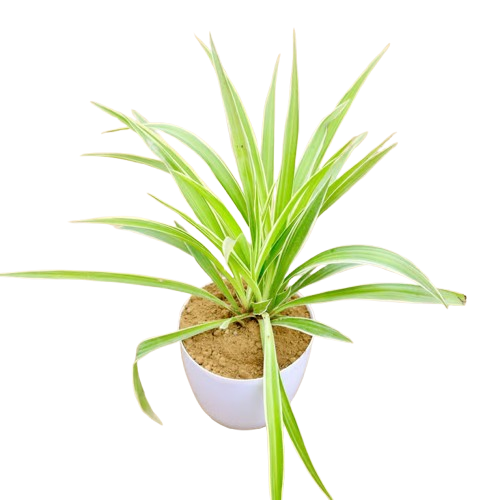
Spider Plant
With its arching green-and-white leaves, the Spider Plant adds texture and movement alongside the trailing vines of a Money Plant. Both are beginner-friendly, thrive in bright indirect light, and look beautiful on shelves or hanging planters.
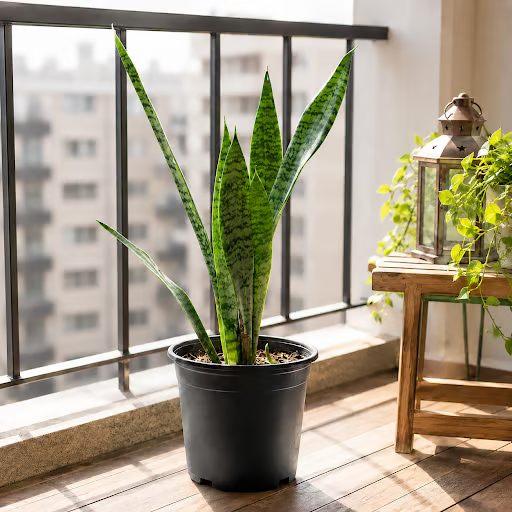
Snake Plant
The Snake Plant's upright, architectural leaves create a striking contrast with the cascading habit of a Money Plant, resulting in a modern and well-balanced arrangement. Both plants are incredibly low maintenance and ideal for homes and offices.
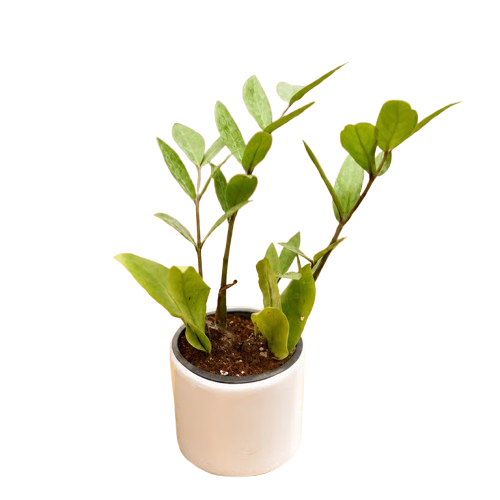
ZZ Plant
The glossy, upright foliage of the ZZ Plant pairs effortlessly with the lush vines of a Money Plant. Since both plants tolerate occasional neglect and require minimal watering, they're an excellent combination for busy plant parents.
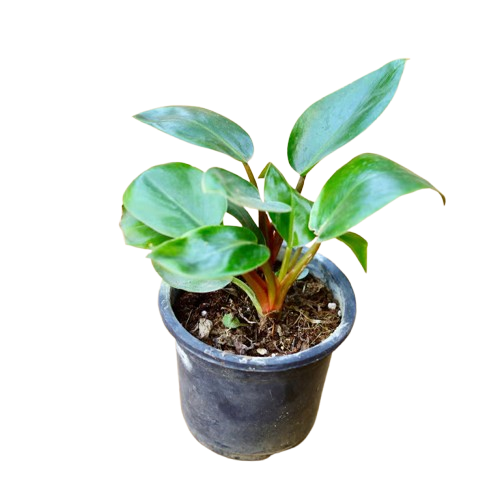
Philodendron
Philodendrons share similar growing conditions with Money Plants and bring large, tropical foliage that complements trailing vines beautifully. Together, they create a lush, layered indoor jungle that instantly brightens any room.
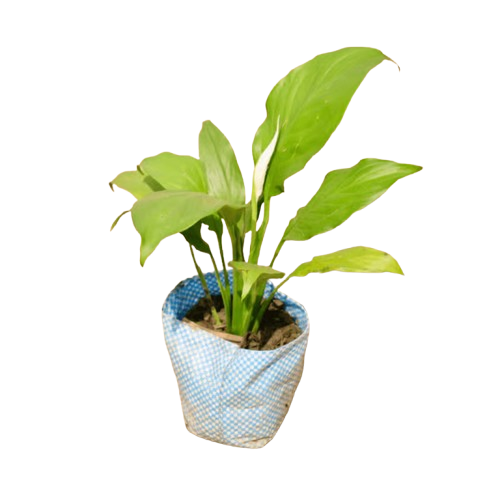
Peace Lily
The elegant white blooms of the Peace Lily stand out beautifully against the vibrant green foliage of a Money Plant. Both thrive in bright, indirect light, making them a perfect pairing for living rooms, bedrooms, and office spaces.
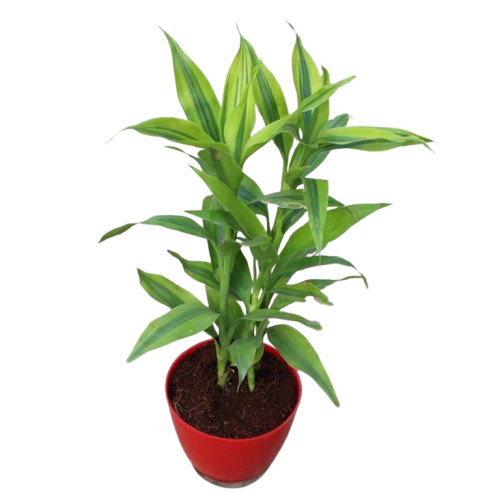
Lucky Bamboo
Lucky Bamboo complements Money Plants with its upright stems and minimalist appeal. Since both can be grown in water and are associated with prosperity, they make an excellent choice for decorative displays and Vastu-inspired arrangements.
Frequently Asked Questions
Can a money plant grow in water without soil?▾
Why are my money plant leaves turning yellow?▾
How fast does a money plant grow?▾
Can I keep a money plant in a bathroom?▾
How should I make my money plant bushier?▾
Why did my money plant stop growing?▾
- Winter dormancy - totally normal from October to January, growth slows or stops.
- Rootbound - if roots have no room to expand, growth stalls. Check if it needs repotting.
- Insufficient light - move to a brighter spot.
- Nutrient deficiency - resume monthly fertilising in spring.
- Overwatering - damaged roots can't support growth.
My money plant leaves have black spots. What could be the reason?▾
- Fungal disease from excessive moisture/humidity - improve air circulation, reduce misting, and apply a diluted neem oil spray.
- Cold damage - if exposed to temperatures below 10°C, black patches appear.
- Physical damage - From sunburn or physical contact.
- Bacterial infection - if spots are water-soaked and spreading, remove affected leaves and treat with a copper-based fungicide.