
Shop

Downalod our app

Please provide your delivery pincode to see products available in your area
Mogra Plant 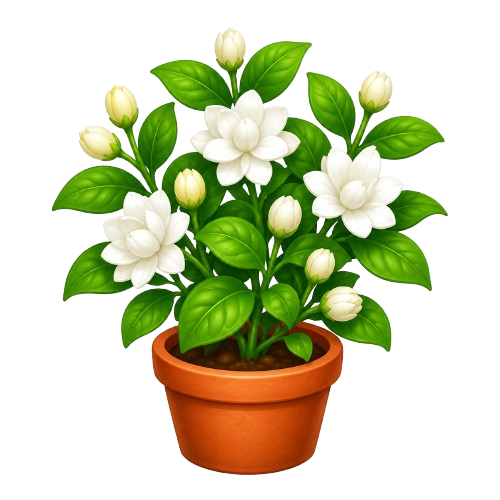
Mogra is more than a garden favourite; it is a plant deeply rooted in Indian culture and tradition. The fragrance of fresh gajras, morning pujas, summer evenings, wedding garlands, and blooming Indian balconies comes alive with its delicate white flowers. One of India's most loved fragrant flowering plants, Mogra fills any space with a sweet, natural aroma, bringing beauty, nostalgia, and charm season after season.
About the Mogra Plant
Mogra is one of the most beloved jasmine plants in India, cherished for its pristine white blooms and enchanting fragrance. The flowers may be small and delicate, but their sweet, rich aroma can effortlessly fill balconies, gardens, and outdoor spaces, especially during the warmer months when the plant blooms most abundantly.
More than just an ornamental plant, Mogra offers flowers that can be enjoyed in many ways. Fresh blooms are commonly used for puja rituals, woven into gajras, floated in decorative bowls, or added to festive arrangements, bringing both beauty and fragrance to everyday moments and special occasions alike.
Although often referred to as a "Mogra tree," it naturally grows as a compact flowering shrub or a semi-climbing plant. With regular pruning and proper support, it can be trained into a dense bush, an elegant climber, or a small tree-like specimen. For healthy growth and abundant flowering, Mogra requires plenty of direct sunlight, making balconies, terraces, courtyards, and gardens far better locations than low-light indoor spaces.
 Mogra / Jasmine Plants Available on Urvann
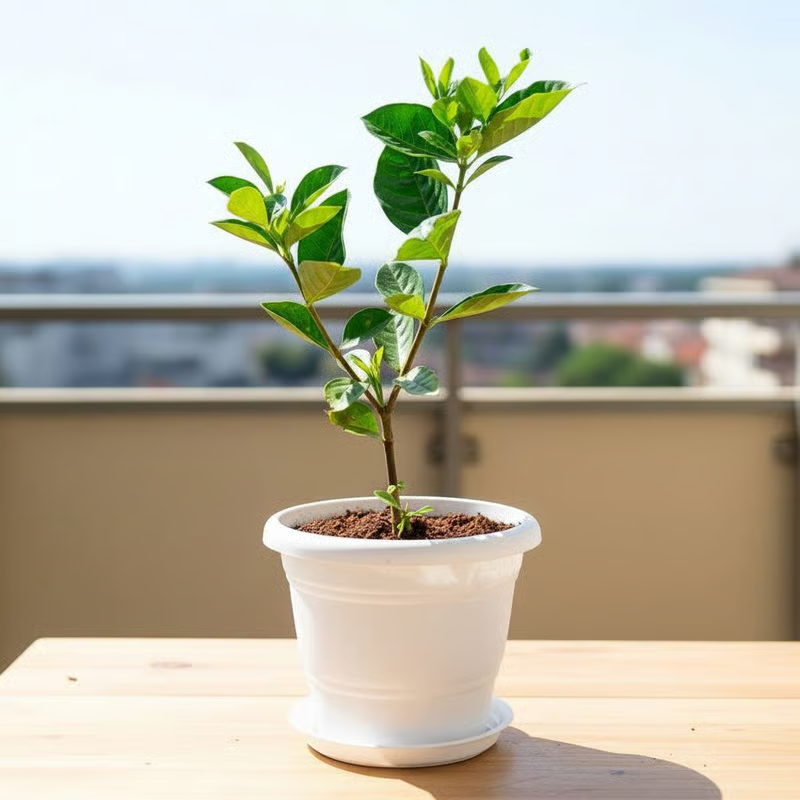
Mogra / Jasmine in 7 Inch Classy White Plastic Pot
Best for: Home Decor
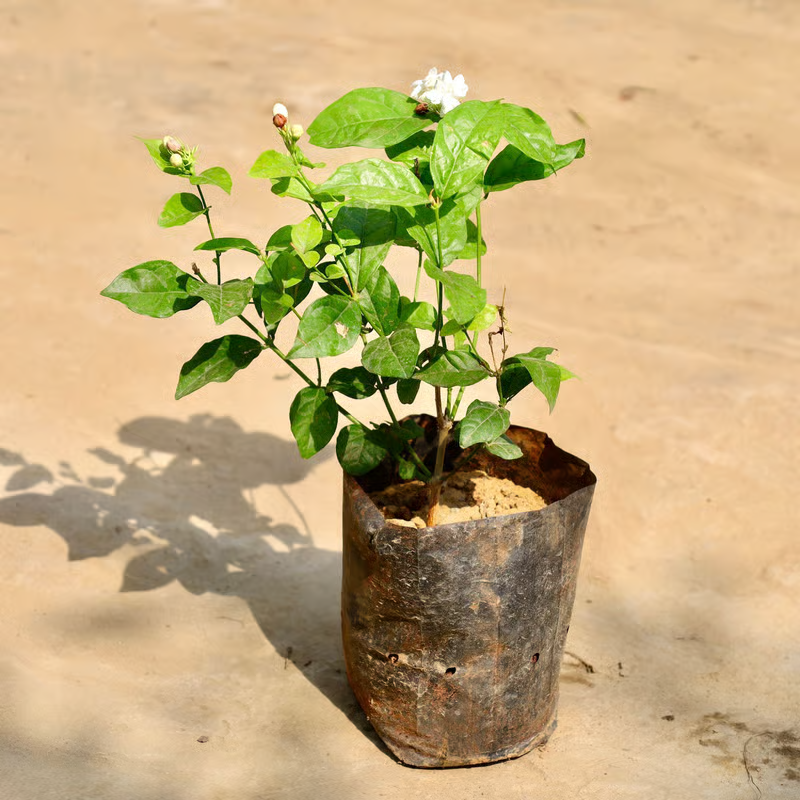
Mogra / Jasmine in 8 Inch Nursery Bag
Best for: Outdoor Gardens
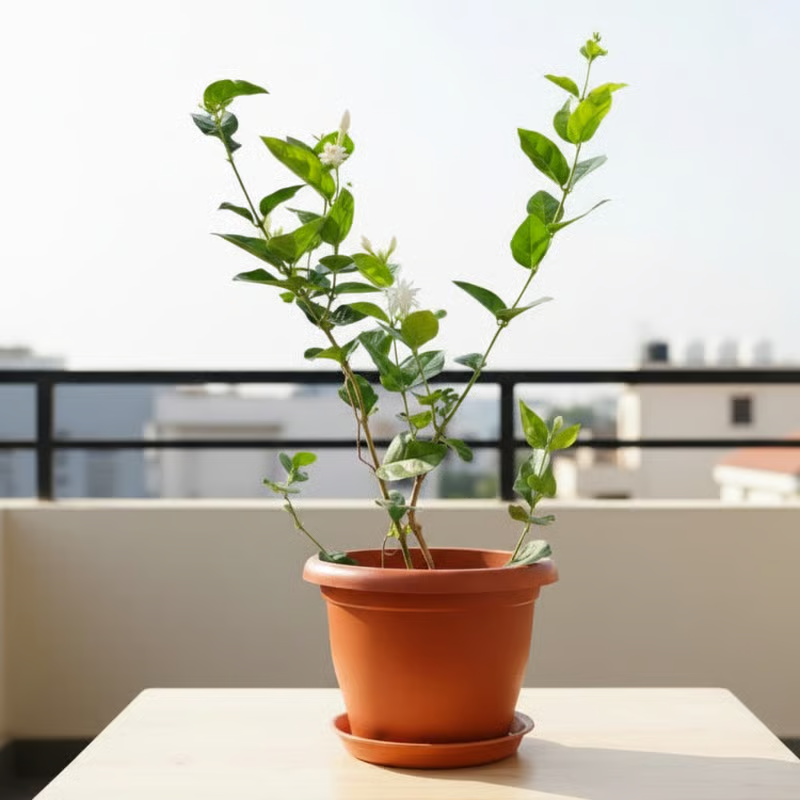
Mogra / Malga in 7 Inch Classy Red Plastic Pot with Tray
Best for: Sunny Outdoor Spaces
 in 7 Inch Wild Bloom Cup Style Ceramic .png)
Mogra / Jasmine (Any Colour) in 7 Inch Wild Bloom Cup Style Ceramic Pot (Any Colour)
Best for: Premium Outdoor Decor
Complete Care Guide for Mogra Plant
🌡️ Temperature
18°C – 35°C (Ideal: 22°C – 32°C)
Mogra thrives in warm temperatures and flowers best during spring and summer. It grows well in most Indian climates but does not tolerate frost or prolonged cold conditions. If temperatures fall below 10°C, flowering and growth may slow down. In extremely hot regions, some protection from harsh afternoon sun can help prevent stress during peak summer months.
✂️ Pruning
Regular pruning helps keep Mogra bushy, healthy, and full of flowers. Remove spent blooms, weak branches, and leggy growth to encourage fresh shoots and more flower buds. Light pruning can be done throughout the growing season, while heavier pruning is best carried out after the main flowering season or before new growth begins in spring.
🌿 Cleaning Leaves
Mogra's leaves can collect dust over time, especially on balconies and terraces. Wiping the leaves occasionally with a soft damp cloth helps the plant absorb sunlight more efficiently and keeps the foliage looking fresh. While cleaning, check for pests such as aphids, mealybugs, or spider mites, which can sometimes hide on the undersides of leaves.
🌬️ Air Circulation
Good air circulation is important for preventing fungal diseases and maintaining healthy growth. Place Mogra in an open, well-ventilated location where air can move freely around the plant. Avoid overcrowding it with other plants, particularly during the monsoon season, as excessive humidity and poor airflow can increase the risk of fungal problems and reduce flowering.
Sunlight Requirements
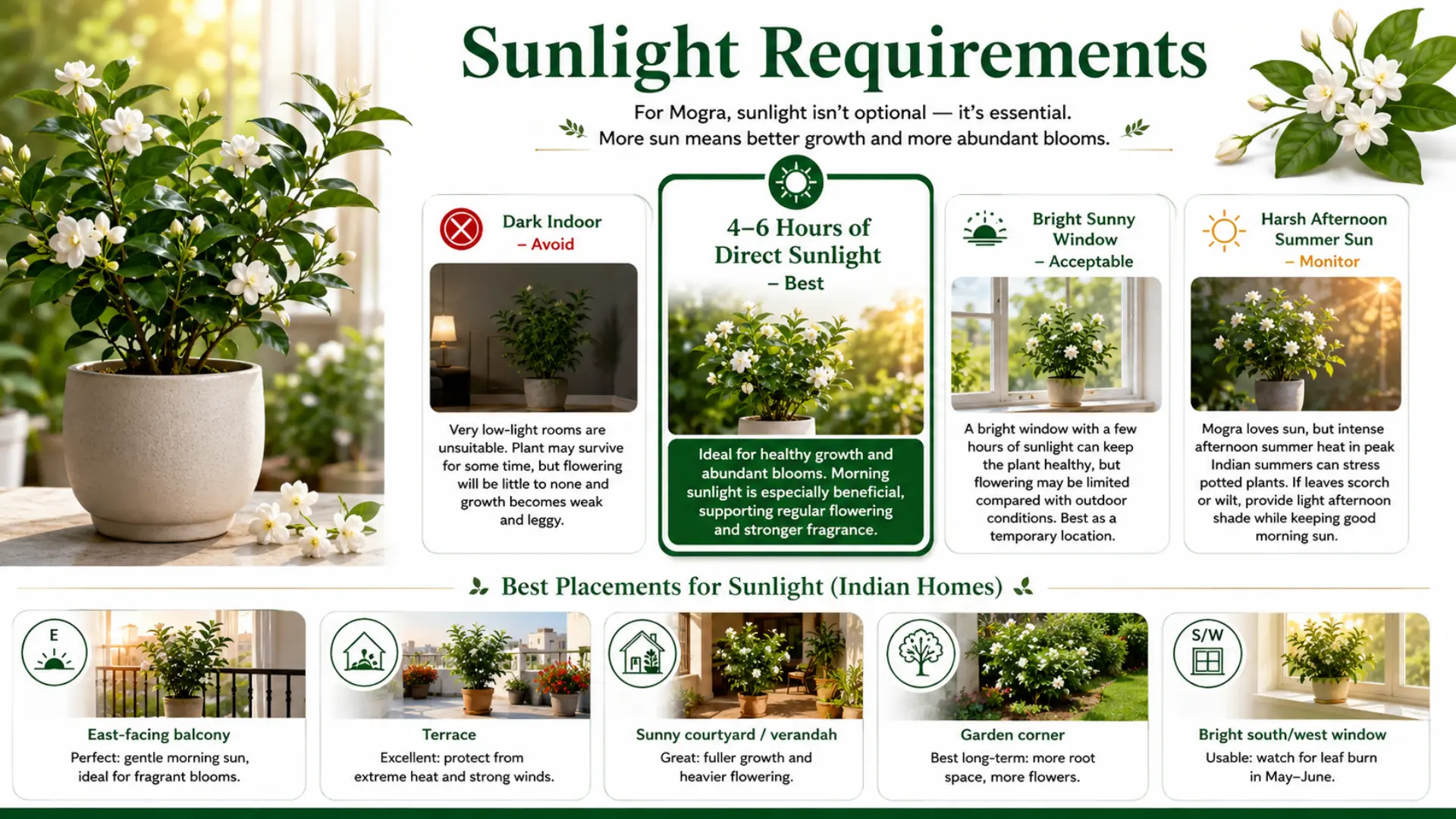
For Mogra, sunlight is essential, not optional. The more natural sunlight it gets, the healthier the plant grows and the more freely it flowers.
Dark Indoor - Avoid
Bright Sunny Window - Acceptable
4–6 Hours of Direct Sunlight - Best
Harsh Afternoon Summer Sun - Monitor
- East-facing balcony: Ideal for gentle morning sunlight and abundant, fragrant blooms
- Terrace: Excellent choice when the plant is shielded from extreme heat and strong winds
- Sunny courtyard / verandah: Supports bushier growth and profuse flowering
- Garden corner: Best for long-term growth, with more room for roots and better flowering
- Bright south/west window: Suitable, but protect the plant from scorching during May–June
Watering
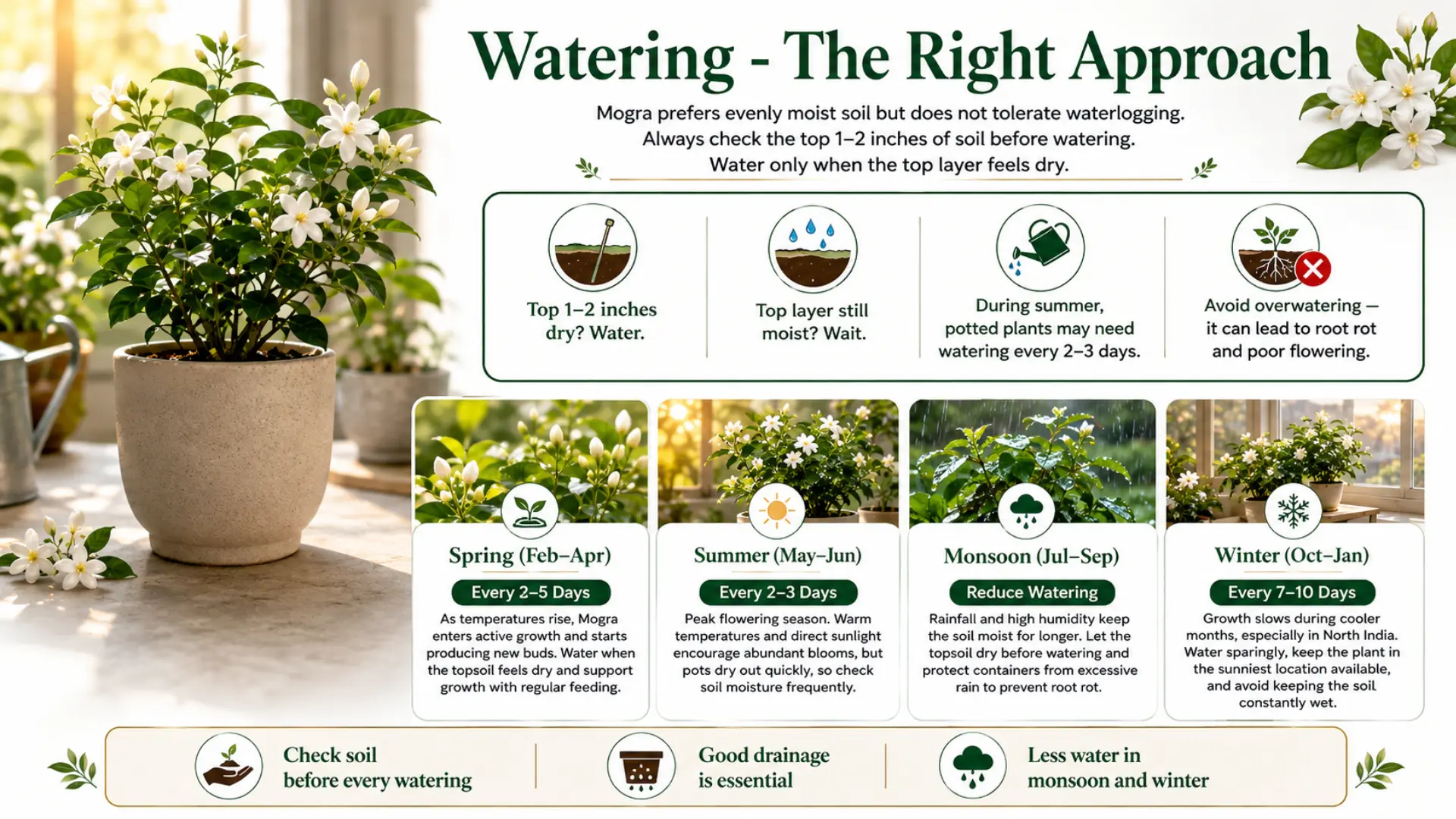
Mogra likes consistently moist soil but cannot handle standing water. Check the top 1–2 inches of soil before watering and water only when this layer feels dry. In summer, container-grown plants may need water every 2–3 days, but excess moisture can cause root rot and reduce flowering.
Soil Mix & Pot Selection
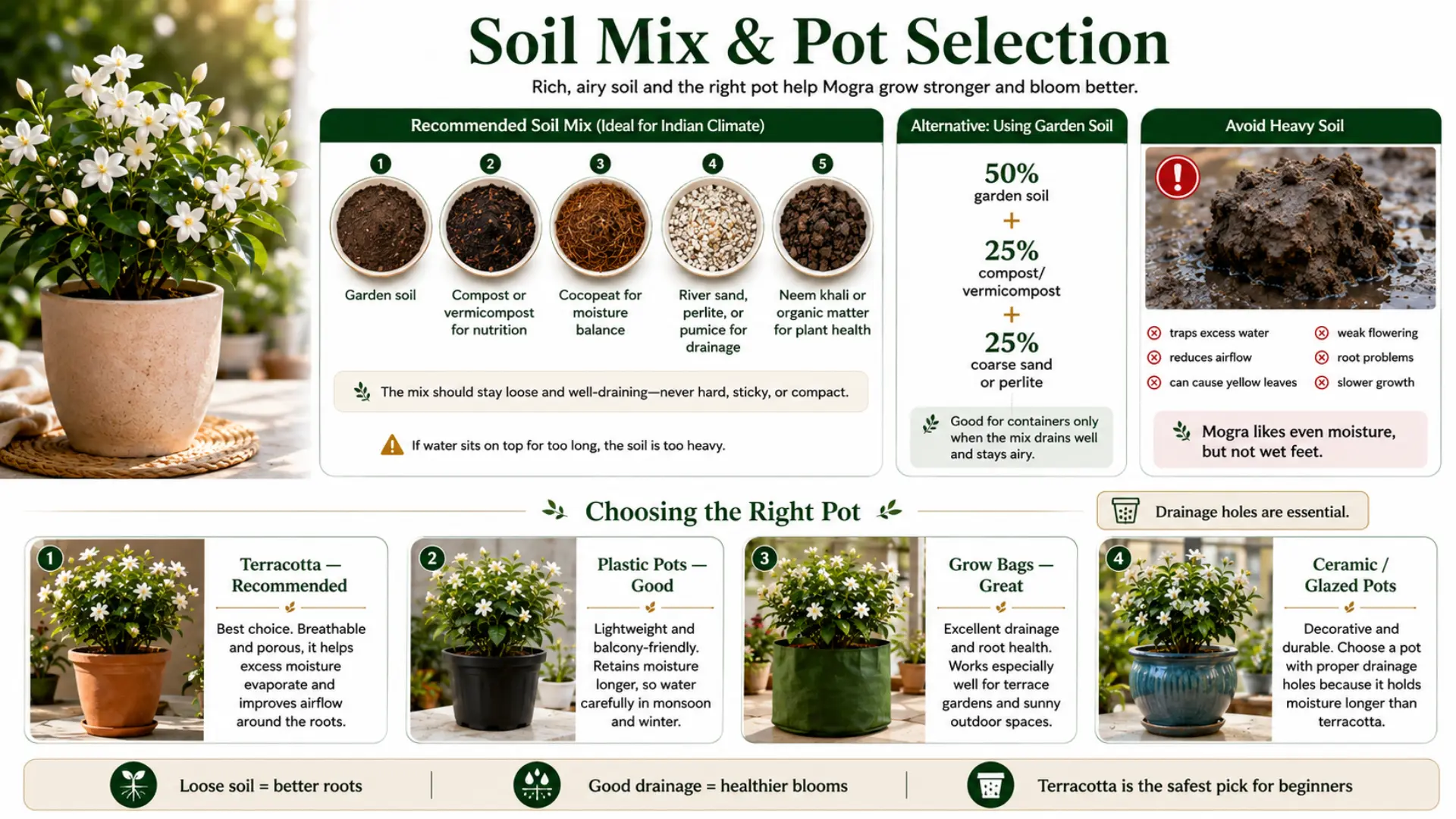
Mogra thrives in nutrient-rich, well-draining soil. Avoid keeping the roots in standing or waterlogged conditions.
🌱🟫 Recommended Soil Mix (Ideal for Indian Climate)
- ✅ Garden soil
- ✅ Compost or vermicompost to provide nutrients
- ✅ Cocopeat to help retain balanced moisture
- ✅ River sand, perlite, or pumice to improve drainage
- ✅ Neem khali or organic matter to support overall plant health
The growing medium should remain loose and airy rather than becoming hard, sticky, or compact. If water collects on the surface for too long, the soil mix is likely too dense.
🟫 Alternative: Use Garden Soil
Mogra can grow well in garden soil as long as it drains freely and does not stay saturated. For container plants, combine
Avoid heavy clay or using plain garden soil in pots. Mogra prefers steady moisture but does not tolerate constantly wet roots, while compact soil can hold excess water around them. Poor drainage may result in fewer flowers, yellowing foliage, root issues, and slower overall plant development.
🪴 Choosing the Right Pot
The type of pot you choose influences moisture retention, drainage, and root growth:
 Fertilising — When, What & How Much?
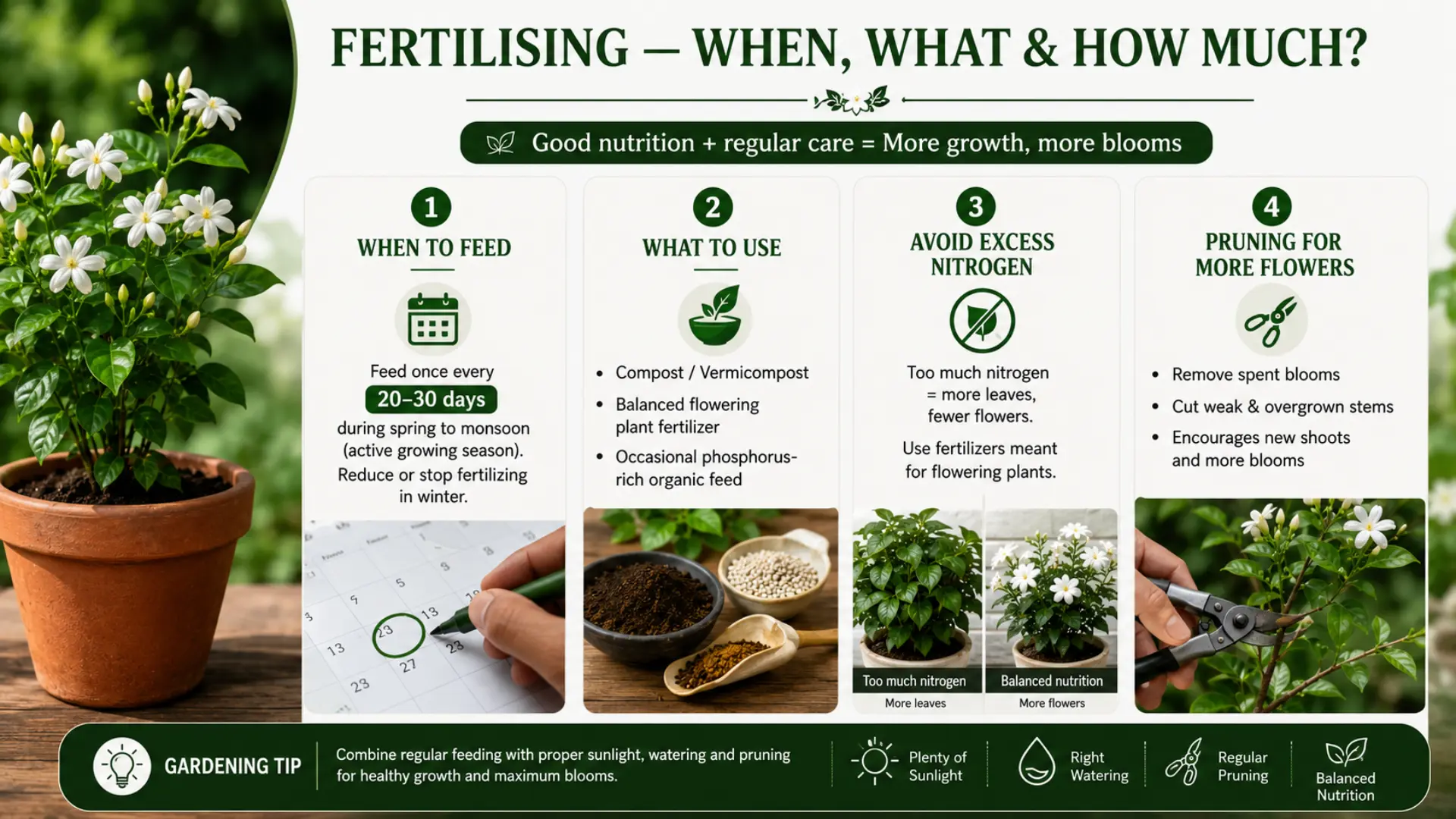
When to Feed
Fertilise Mogra every 20–30 days during its main growing and blooming period, generally from spring through the monsoon. Cut back or pause feeding in winter, when slower growth means the plant has lower nutritional needs.
What to Use
Add compost, vermicompost, or a balanced fertiliser suitable for flowering plants to nourish the soil. For better blooms, you can occasionally use a phosphorus-rich organic feed. Consistent nutrition and healthy soil help maintain steady flowering through the season.
Avoid Excess Nitrogen
Excess nitrogen can promote abundant foliage while limiting flower production. If your Mogra looks green and healthy but produces very few blooms, too much nitrogen may be the cause. Opt for fertilisers designed for flowering plants instead of those meant mainly for leafy growth.
Pruning for More Flowers
Mogra produces flowers on new growth, making regular pruning important for encouraging more blooms. After each flowering period, trim away spent flowers, weak stems, and overly long branches to stimulate fresh shoots. A compact, well-shaped plant generally flowers better than a tall, overgrown one.
Ways To Grow & Display Mogra Plant
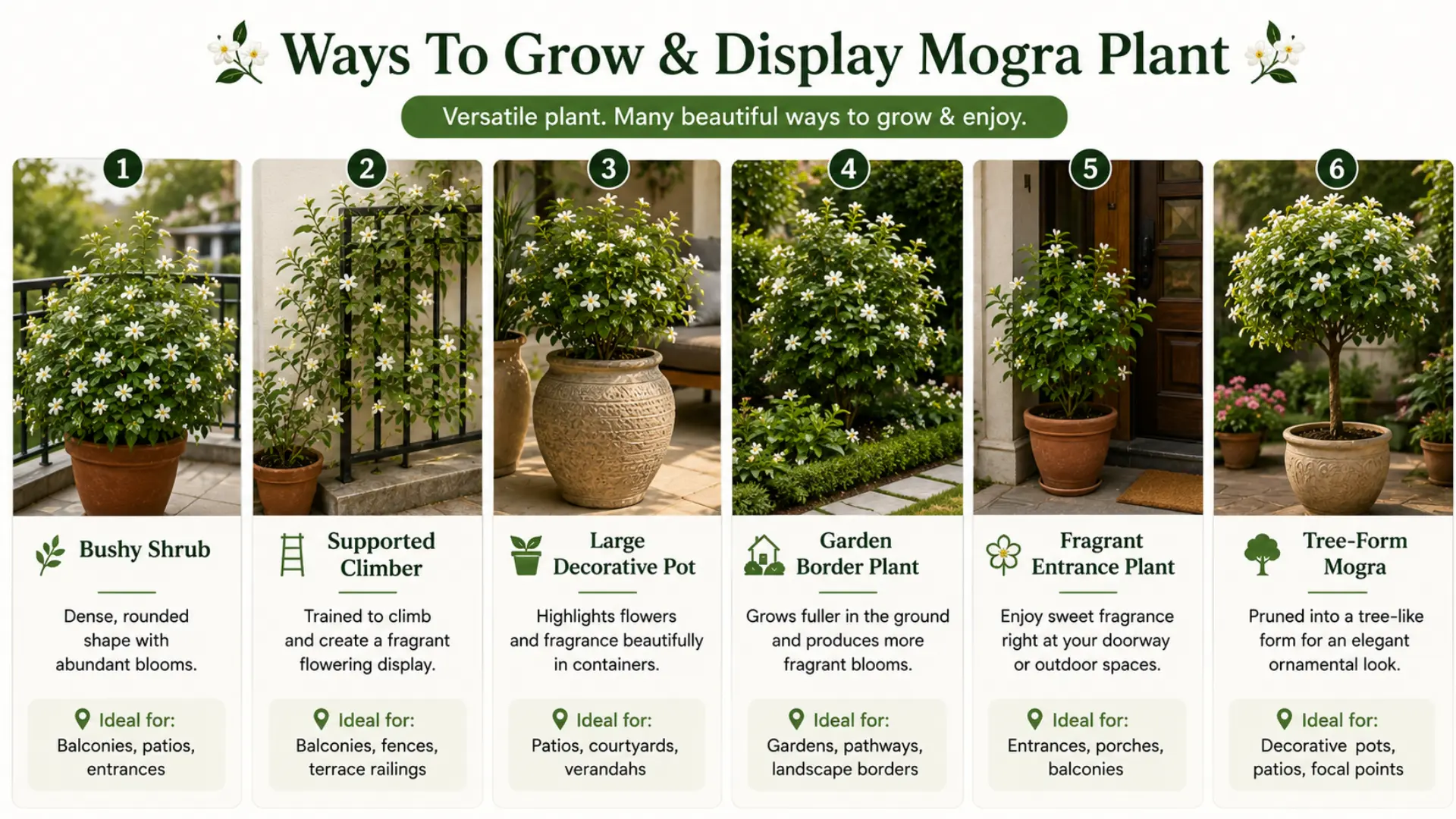
Mogra is popular partly because it adapts well to different growing styles. With proper pruning and support, you can shape it in several appealing ways for balconies, terraces, gardens, and outdoor spaces.
Bushy Shrub
The classic way to grow Mogra. Frequent pruning helps maintain a compact, rounded form filled with fragrant flowers during the blooming season.
Supported Climber
Give Mogra a trellis, railing, or simple support to guide its stems upward and outward, creating an attractive wall of fragrant flowers.
Large Decorative Pot
Grow Mogra as a statement plant in an attractive container to showcase its flowers and natural fragrance. It looks particularly inviting beside seating areas.
Garden Border Plant
When planted directly in the ground, Mogra can grow into a larger, fuller shrub and may produce more flowers than plants restricted to containers.
Fragrant Entrance Plant
Position Mogra beside a doorway, window, or regularly used outdoor area where its pleasant fragrance can be enjoyed throughout the flowering season.
Tree-Form Mogra
Through careful, selective pruning, Mogra can be shaped into a small standard or tree-like plant with a defined stem and rounded flowering crown, adding an elegant ornamental touch.
Benefits of Keeping a Mogra Plant at Home
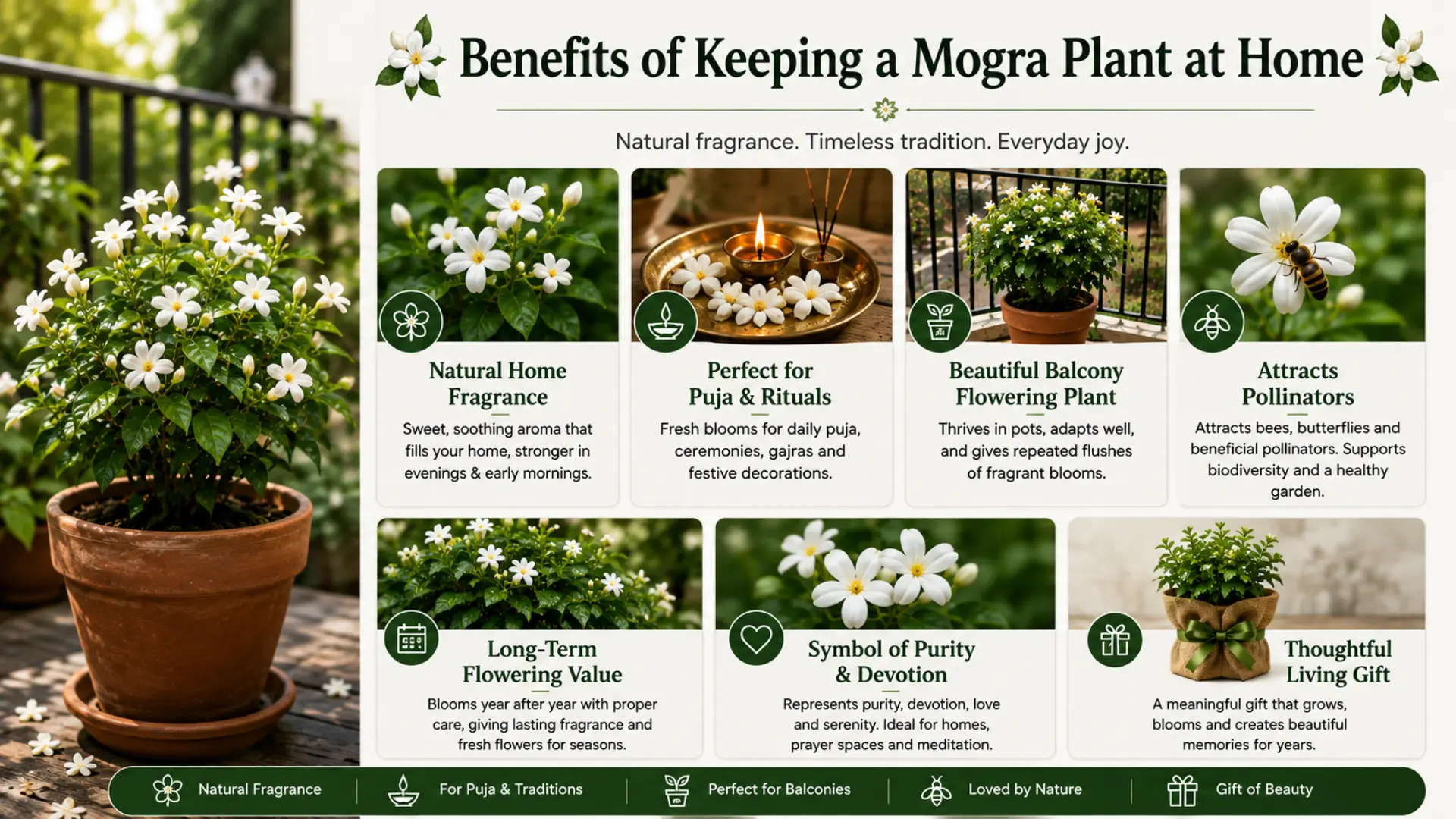
Natural Home Fragrance
Few flowering plants offer a fragrance as distinctive as Mogra. When in bloom, even one healthy plant can spread its sweet, calming scent across balconies, patios, entrances, and outdoor seating areas. Unlike synthetic air fresheners, its fragrance is naturally produced and often becomes more noticeable during the evening and early morning.
Perfect for Puja & Rituals
Mogra flowers have been a part of Indian homes and temples for generations. Fresh blossoms are often offered during daily puja, included in religious ceremonies, strung into gajras, and used for wedding and festive decorations. Having your own plant provides a convenient source of fresh flowers whenever required.
Beautiful Balcony Flowering Plant
Mogra is a rewarding choice for flowering balconies and terraces across India. It grows comfortably in containers, adapts well to pot cultivation, and can produce several flushes of fragrant flowers with adequate sunlight. Its naturally manageable growth makes it suitable for compact outdoor areas as well.
Attracts Pollinators
Mogra's fragrant blooms can attract bees, butterflies, and other helpful pollinators. Their presence supports local biodiversity while adding more movement and natural activity to balconies, terraces, and garden spaces.
Long-Term Flowering Value
Unlike cut jasmine blooms that stay fresh for a limited period, a healthy Mogra plant can flower repeatedly for many years. With consistent care, it becomes a lasting source of fragrance, visual appeal, and fresh blossoms across successive flowering seasons.
Symbol of Purity & Devotion
Mogra has a meaningful place in Indian traditions and is commonly linked with purity, devotion, love, calmness, and spiritual well-being. Its delicate white flowers and soothing fragrance make it a fitting choice for homes, prayer areas, and peaceful meditation spaces.
Thoughtful Living Gift
A Mogra plant makes a thoughtful gift for housewarmings, festivals, birthdays, anniversaries, and other meaningful occasions. Unlike a bouquet that fades within days, a living plant continues to grow and flower, creating a lasting reminder of the occasion for years.
Common Problems, Causes & Fixes
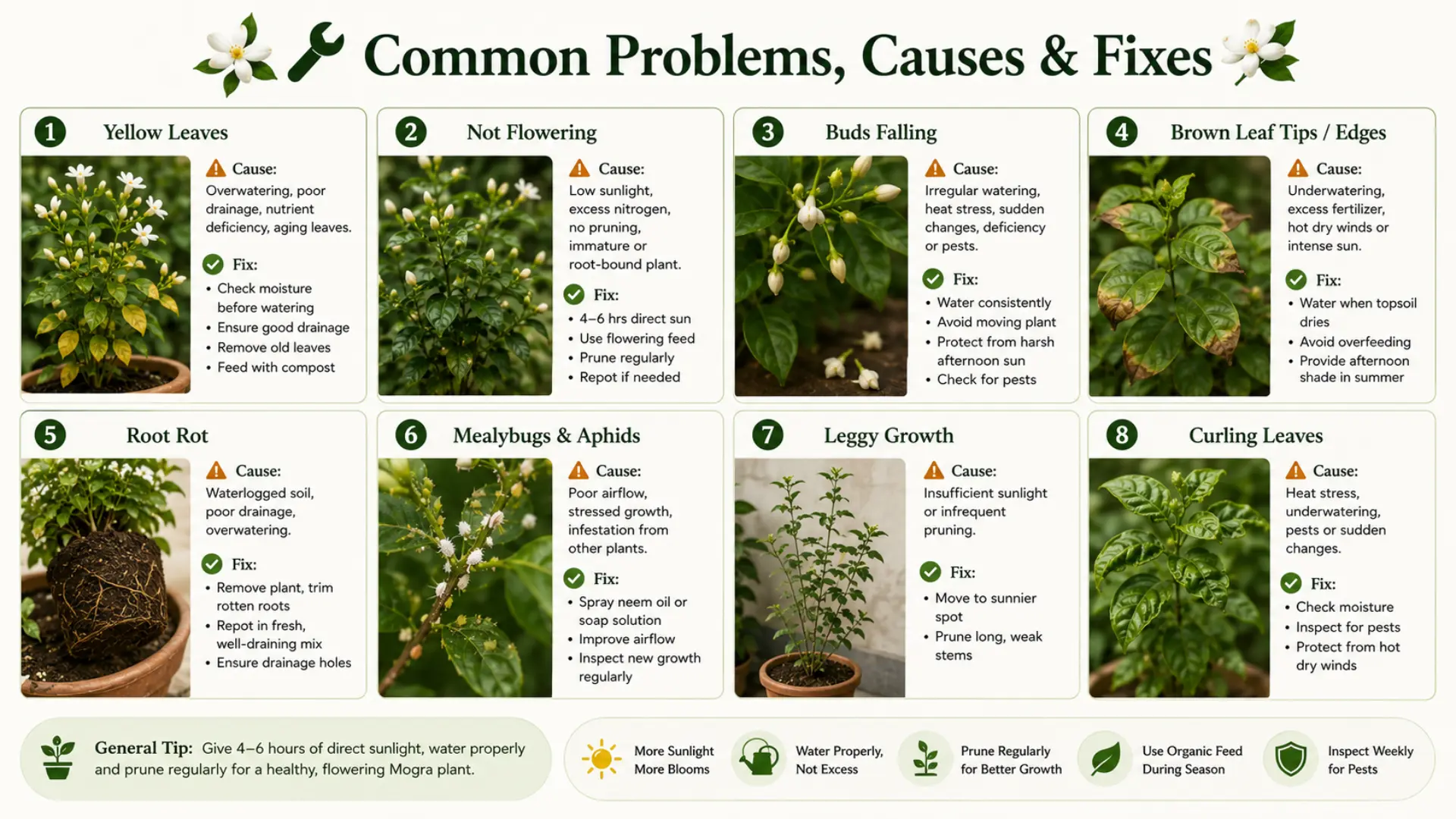

Yellow Leaves
Cause: Excess watering, inadequate drainage, nutrient shortage, natural aging of mature leaves, or soil that stays wet for extended periods.
Fix: Check the soil before watering and make sure excess moisture can drain properly. Remove older yellowing leaves and add compost during the growing period if the plant looks weak or lacks colour.
Not Flowering
Cause: Too little sunlight, excess nitrogen, insufficient pruning, young plants, or roots becoming tightly packed inside the pot.
Fix: Place the plant where it receives 4–6 hours of direct sunlight each day. Apply a flowering fertiliser, prune consistently, and repot when roots have filled most or all of the container.
Buds Falling Before Opening
Cause: Uneven watering, heat exposure, sudden changes in surroundings, insufficient nutrients, or pest problems.
Fix: Keep watering consistent, avoid shifting the plant while buds are developing, and shield it from harsh afternoon heat. Inspect buds and fresh growth frequently for hidden pests.
Brown Leaf Tips or Edges
Cause: Insufficient watering, excess fertiliser, dry hot winds, or strong afternoon sunlight.
Fix: Give the plant a thorough drink when the topsoil becomes dry, avoid excessive feeding, and offer afternoon shade during periods of severe summer heat. Remove damaged sections if needed.

Root Rot
Cause: Constantly wet soil, inadequate drainage, excessive watering, or pots that lack proper drainage openings.
Fix:Take the plant out of its container, cut away affected roots, and transfer it into fresh, free-draining soil. After watering, always ensure surplus water escapes fully rather than collecting around the roots.
Mealybugs & Aphids
Cause: Poor ventilation, crowded plants, stressed growth, or pests spreading from surrounding plants.
Fix: Apply neem oil or a gentle soap spray during the evening and repeat when necessary. Improve airflow and regularly examine new shoots, as pests commonly gather around tender growth and developing flower buds.
Leggy Growth
Cause: Limited sunlight or lack of regular pruning.
Fix: Shift the plant to a brighter, sunnier location and cut back long, weak stems to promote bushier growth and encourage more flowers.
Curling Leaves
Cause: Excessive heat, inadequate watering, pest infestations, or abrupt changes in the growing environment.
Fix: Check moisture levels, examine the foliage closely for pests, and protect the plant from hot, drying winds. Maintaining stable growing conditions generally helps fresh leaves develop normally.
Vastu Shastra & Feng Shui Placement
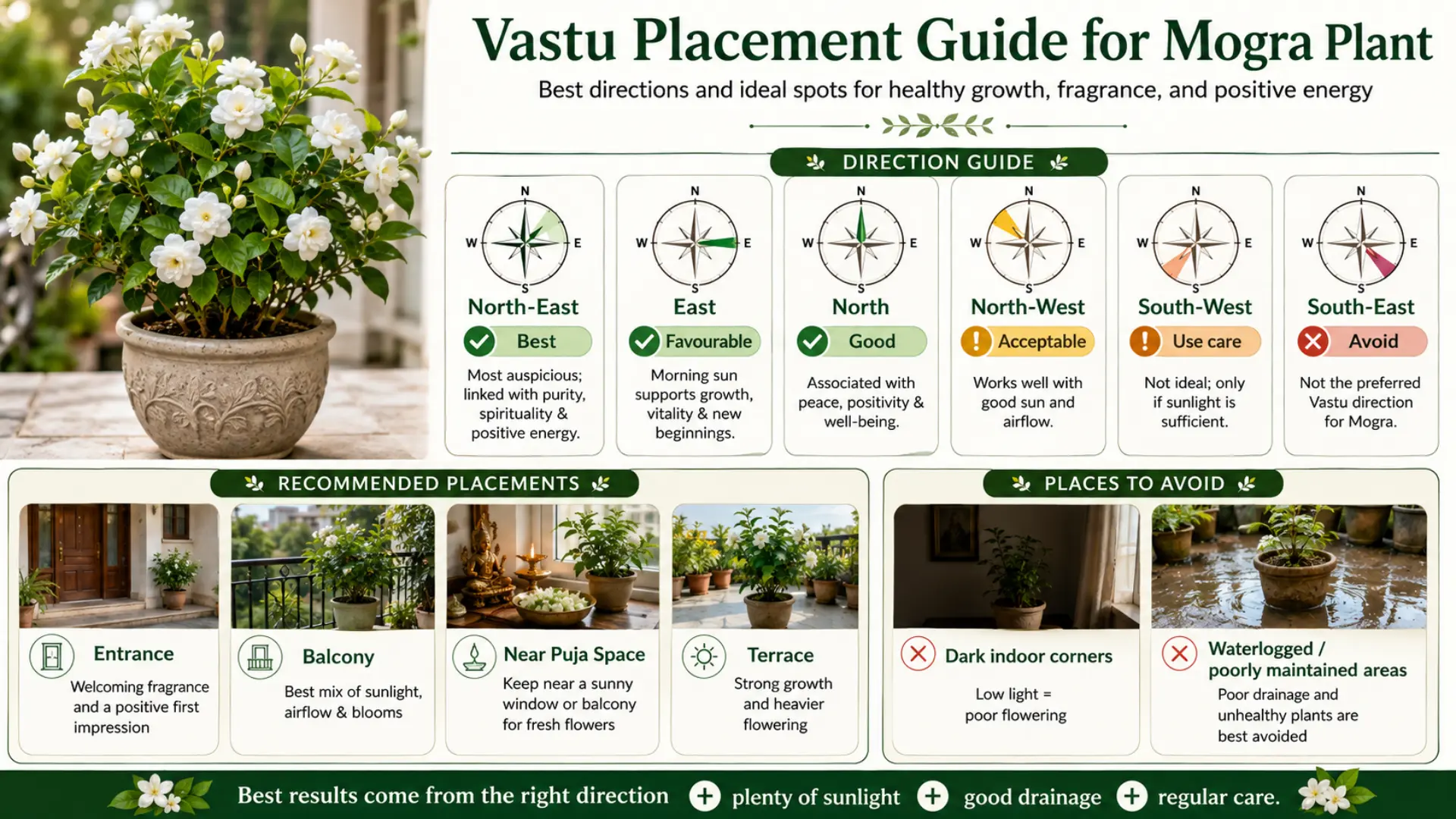
Direction Guide for Mogra Plant
North-East (Ishan)✅
Traditionally regarded as an auspicious direction for fragrant and flowering plants. It is associated with purity, spiritual energy, harmony, and positive surroundings.
East ✅
A suitable direction that offers gentle and beneficial morning sunlight. In Vastu traditions, the east is associated with progress, vitality, fresh energy, and new beginnings.
North ✅
Often associated with peace, positivity, prosperity, and overall well-being. It can work well for Mogra when the plant also receives sufficient natural sunlight.
North-West ✅
A suitable option for Mogra, particularly in balconies, terraces, and open areas where the plant can receive adequate sunlight and good air circulation.
South-West ⚠️
Generally less preferred for delicate flowering plants according to Vastu principles. If Mogra is placed here, ensure it gets enough sunlight and is kept healthy and well maintained.
South-East ❌
Usually associated with plants linked to wealth and prosperity, such as Money Plant. It is therefore not traditionally considered the first choice for placing Mogra.
✅ Best Placements
- Entrance — A blooming Mogra near the entrance can create a welcoming atmosphere, add natural fragrance, and offer a pleasant first impression.
- Balcony — Ideal for fragrance, airflow, and the sunlight Mogra requires for healthy growth and regular flowering.
- Near Puja Space — Place it near a sunny window or balcony close to the puja area to keep fresh Mogra flowers readily available for offerings.
- Terrace — An excellent location for vigorous growth and abundant flowering, particularly when the plant receives several hours of direct sunlight.
❌ Places to Avoid
- Avoid dark indoor corners — Mogra needs plenty of sunlight to flower well, so low-light corners should be avoided regardless of their Vastu direction.
- Waterlogged or Poorly Maintained Areas — Unhealthy, dying, or neglected plants are traditionally considered inauspicious in Vastu. Provide adequate sunlight, proper drainage, and consistent care to keep Mogra healthy.
⚠️ Toxicity & Safety
Mogra is widely grown in homes and gardens and is commonly used in puja, garlands, gajras, and floral decorations. It is not known to be highly toxic like many popular ornamental houseplants. However, no ornamental plant should be intentionally eaten, and children or pets should be discouraged from chewing any part of the plant.
| Who | Possible Issues | Action |
|---|---|---|
| 🐱🐶 Cats & Dogs | Mild stomach upset if large amounts of leaves or flowers are chewed | Monitor your pet and contact a vet if symptoms persist. |
| 👶 Small Children | Mild stomach discomfort if plant parts are ingested | Rinse the mouth and offer water. Consult a doctor if symptoms develop. |
| 🧑 Adults | Rare skin irritation when handling plants or garden products | Wash hands after gardening and avoid contact with eyes. |
 Companion Plants — What Looks Well with Mogra
Mogra pairs beautifully with other flowering and fragrant plants that share similar sunlight and care needs.
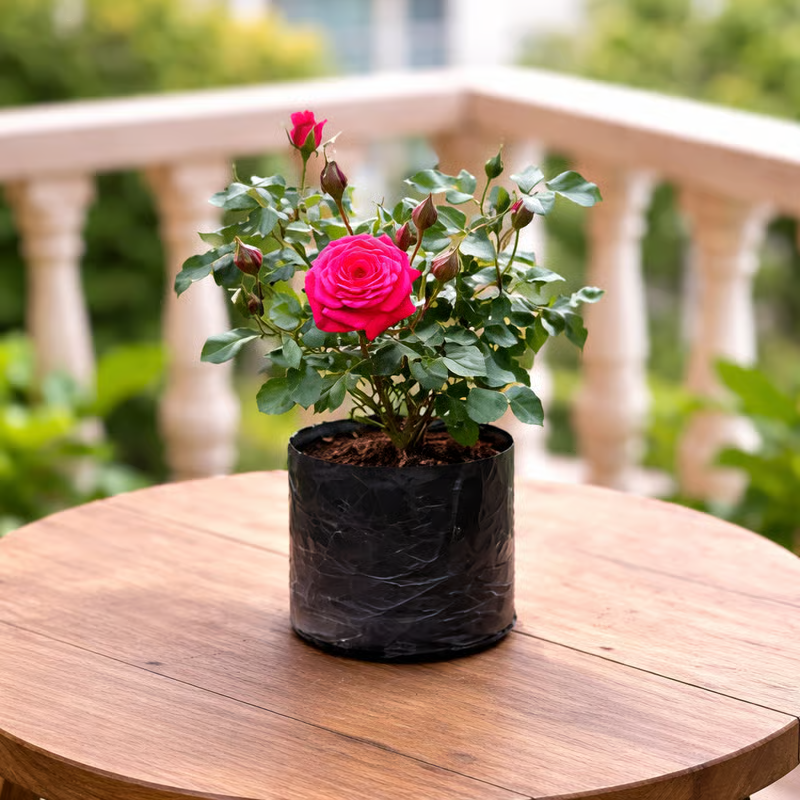
Rose
A timeless garden favourite, Rose and Mogra create a stunning combination of colour and fragrance. Together, they add a classic charm to sunny balconies, terraces, and flower beds. Shop Rose plants online to pair with Mogra and create a timeless garden filled with vibrant blooms, rich fragrance, and classic beauty.
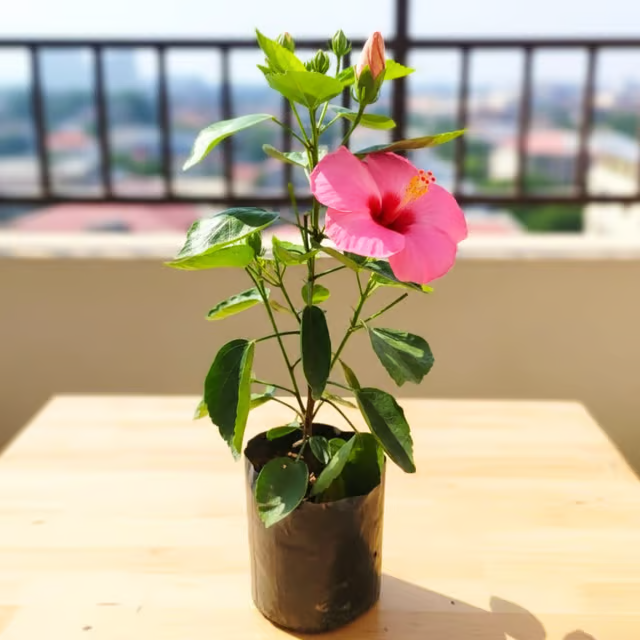
Hibiscus / Gudhal
A perfect companion for Mogra in Indian gardens. Its large, vibrant blooms complement Mogra's delicate white flowers while thriving in the same sunny conditions. Bring home Hibiscus plants toadd bold tropical blooms and vibrant colour alongside your fragrant Mogra.
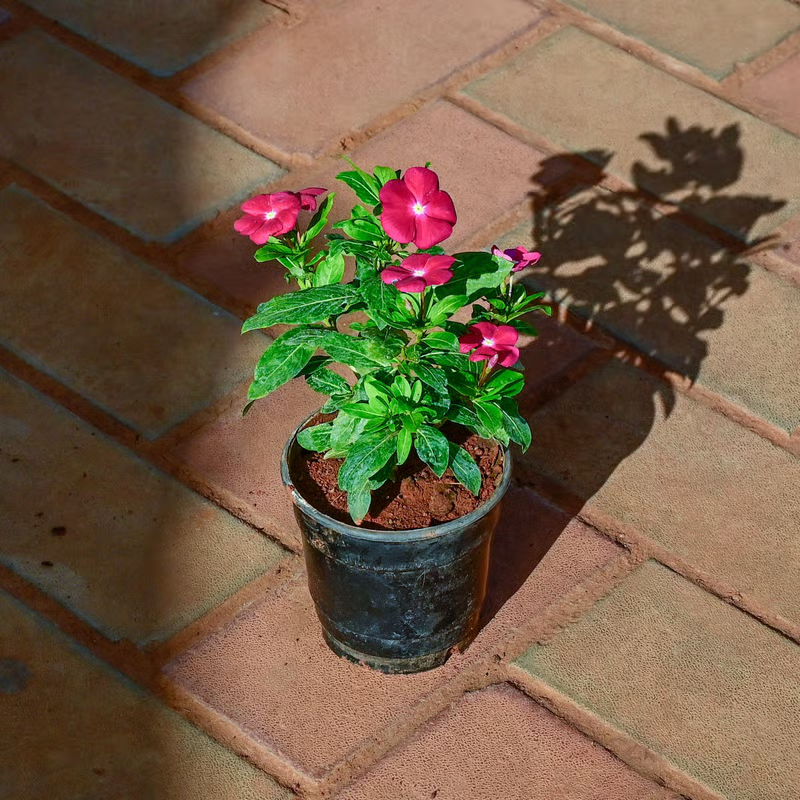
Periwinkle / Sadabahar
A hardy, low-maintenance flowering plant that provides continuous colour around Mogra. Ideal for pots, borders, and sunny garden corners. Add Periwinkle plants around your Mogra for year-round colour and effortless garden charm.
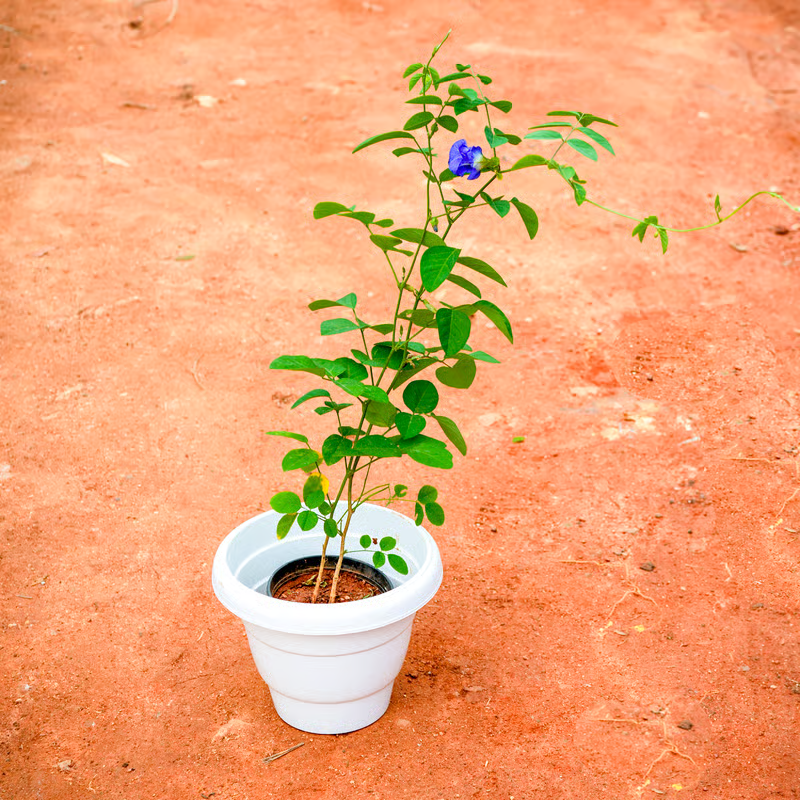
Aparajita
This graceful purple/blue-flowering climber adds vertical interest and beautiful colour contrast to Mogra's fragrant white blooms, creating a vibrant outdoor display. Grow Aparajita with Mogra for a stunning mix of fragrant white flowers and cascading blue blooms.
Frequently Asked Questions
Are Mogra and Jasmine the same? ▾
Is Mogra an indoor plant or outdoor? ▾
Mera Mogra phool kyu nahi de raha? ▾
Aur common reasons:
- Zyada nitrogen wali fertilizer dena
- Galat ya irregular pruning
- Overwatering
- Poor drainage
- Root-bound pot
- Naya ya young plant hona