
Shop

Downalod our app

Please provide your delivery pincode to see products available in your area
Recent Search
Mint Plant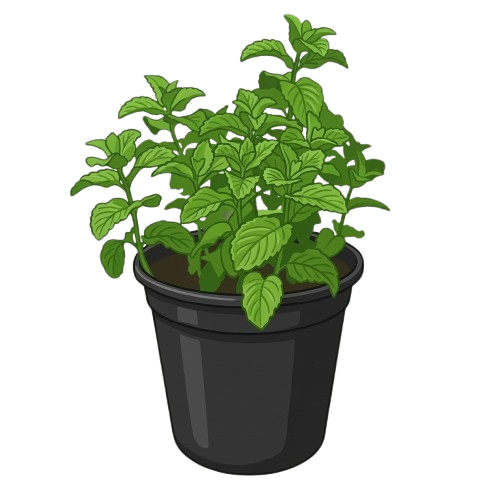
Also known as Pudina, Puthina, Podina, Spearmint, or Garden Mint, the mint plant is one of the most practical and rewarding herbs you grow at home in India. Famous for its refreshing aroma, bright green leaves, and everyday kitchen use, mint adds freshness, flavour, and a pleasant fragrance to balconies, kitchen gardens, windowsills, and terrace herb corners.
About the Mint Plant
Mint is easy to recognize as it has a bright green colour, slightly serrated edges, and a distinctly fresh, cooling aroma when touched or crushed.
Depending on the variety, mint leaves may range from small and rounded (spearmint) to slightly broader and darker (peppermint). The plant grows in a low, bushy, spreading habit, and produces small clusters of pale purple or white flowers when mature.
What makes the mint plant especially suitable for Indian homes is how effortlessly it grows in warm, humid conditions. Whether you place it on a sunny balcony, kitchen windowsill, terrace herb garden, or near an east-facing outdoor space, mint rewards you with fresh, harvestable leaves within weeks when given the right care. Because of its popularity as a kitchen herb, mint is also one of the most commonly available herb plants on Urvann.
Beyond cooking, mint also holds strong practical and traditional importance in Indian households. Fresh pudina leaves are a staple in chutneys, raitas, lemonades, biryanis, and countless everyday recipes. Mint is also valued in Ayurvedic and home remedy traditions for its cooling properties, digestive support, and refreshing fragrance. Many families keep a pot of pudina specifically for daily kitchen use, making it one of the most useful plants to have at home.
🌿 Popular Varieties of Mint Plant Available on Urvann
Unlike flowering plants or foliage plants that come in many different species and colours, mint on Urvann is primarily the same herb, pudina (Mentha), offered in different pot sizes, formats, and combinations to suit your space, usage, and convenience.
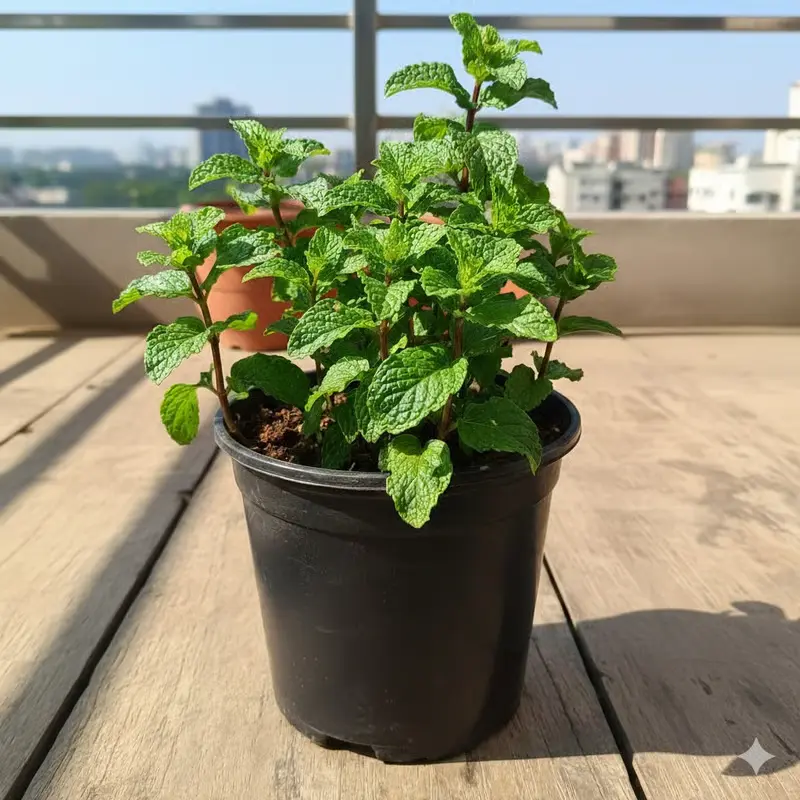
Mint in 4 Inch Nursery Pot
The most compact and budget-friendly way to start growing mint at home. This small nursery pot is perfect if you are trying mint for the first time or want a fresh pudina plant for your kitchen windowsill. The plant is easy to maintain and can be transplanted into a larger pot once it starts spreading.
Best for: First time growers, windowsills, small balconies, trial planting
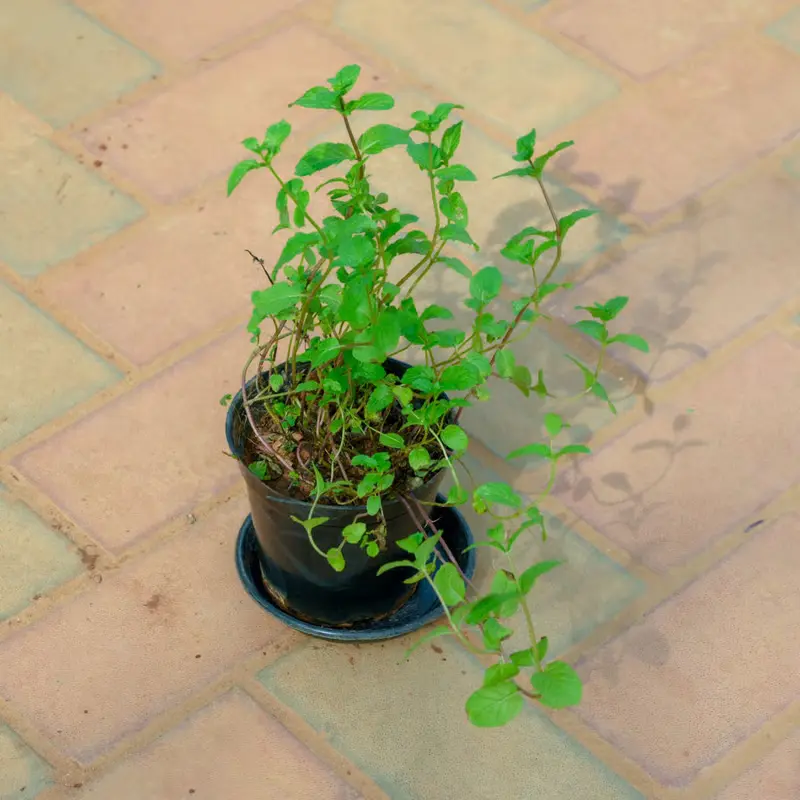
Mint / Pudina in 5 Inch Nursery Pot
A slightly larger pot that gives the plant more room to grow and spread, allowing regular harvesting for kitchen use. If you plan to pick fresh mint leaves frequently for chutneys, drinks, or garnishes, this size provides better output than a small starter pot.
Best for: Regular kitchen use, balcony herb corners, daily harvesting
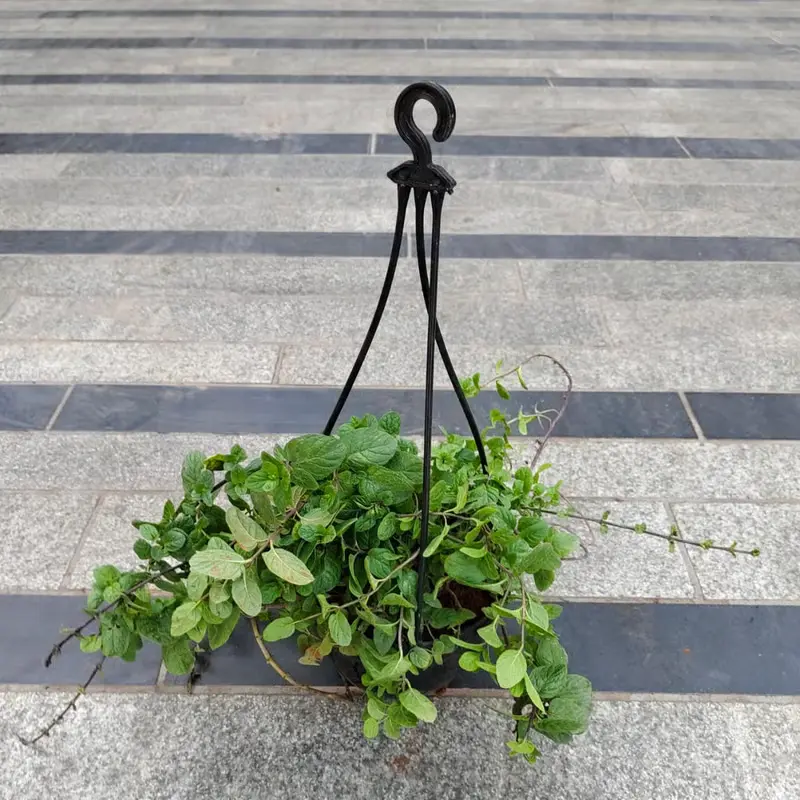
Mint / Pudina in 5 Inch Black Hanging Plastic Pot
A hanging pot option that works beautifully on balcony railings, hooks, and overhead spaces. Mint grows outward in a spreading manner, and a hanging pot lets the foliage spill over naturally, keeping your floor and a shelf space free.
Best for: Compact balconies, vertical herb gardens, hanging displays
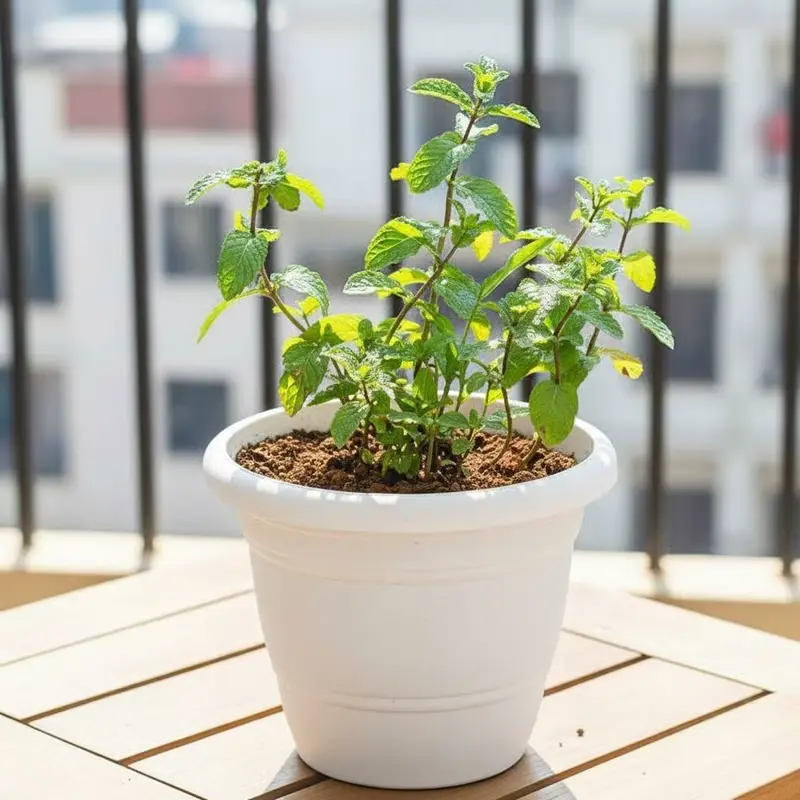
Mint / Pudina in 7 Inch Classy White Plastic Pot
A clean, modern pot that combines fresh mint with a stylish look. The larger pot size supports more growth, heavier harvesting, and a fuller, bushier plant. It looks elegant near a kitchen window, on a patio table, or at a balcony herb station.
Best for: Kitchen gardens, patio displays, decorative herb setups
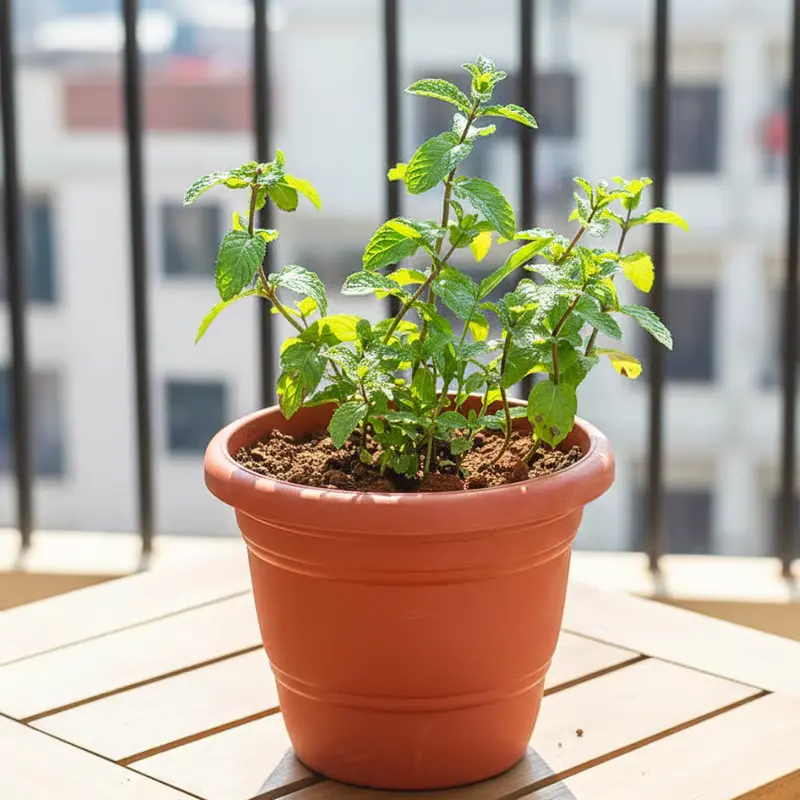
Mint / Pudina in 7 Inch Classy Red Plastic Pot
Same generous pot size with a bold red finish that adds a pop of colour alongside the bright green mint foliage. A great choice for gardeners who like vibrant, eye-catching herb displays on their balcony or terrace.
Best for: Colourful herb gardens, terrace corners, decorative gifting
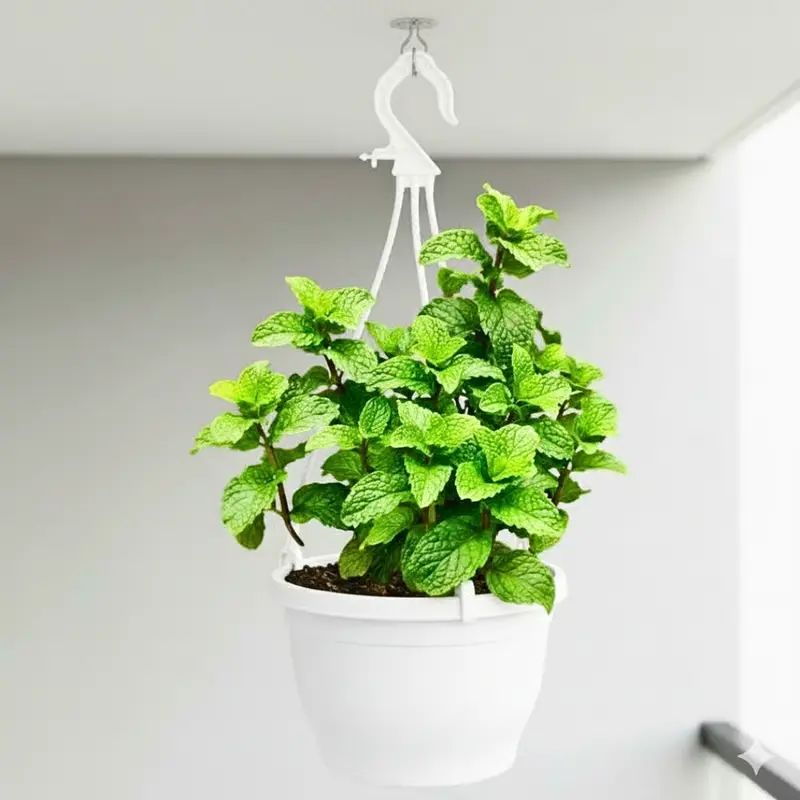
Mint in 7 Inch White Premium Evara Hanging Plastic Pot
A premium finish hanging planter available at Urvann, designed for an elevated look. The white pot complements the green mint foliage beautifully, and the hanging format keeps the plant accessible while saving floor space on smaller balconies.
Best for: Stylish balconies, outdoor living spaces, premium herb displays
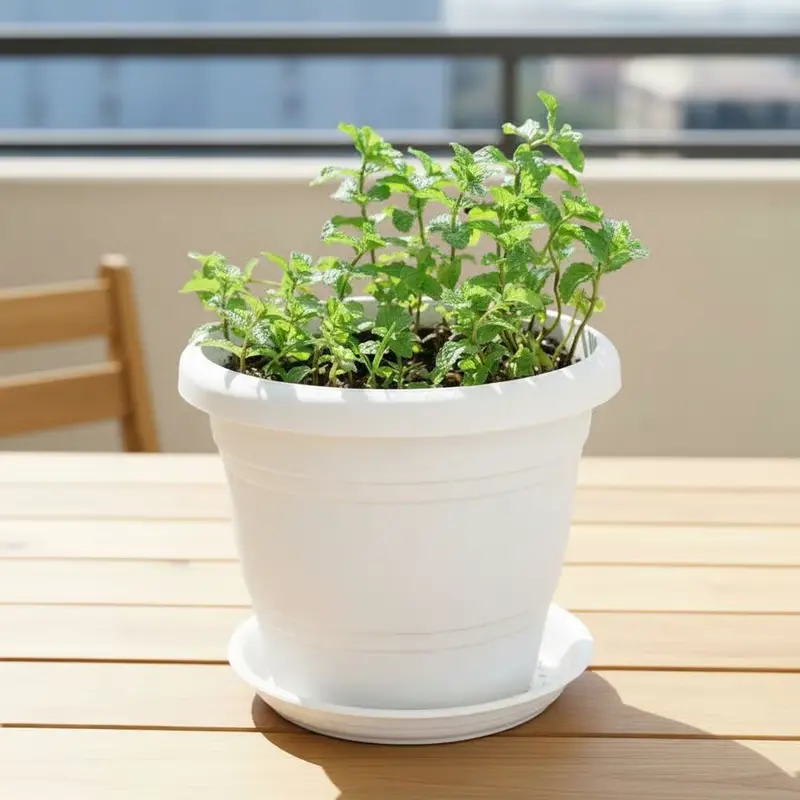
Mint / Pudina in 8 Inch Classy White Plastic Pot with Tray
The largest individual mint pot option, ideal for households that use fresh pudina daily. The 8 inch pot with tray available at Urvann provides enough soil depth and spread room for the mint to grow thick and bushy, supporting frequent leaf picking without stressing the plant.
Best for: Daily kitchen harvesting, large balconies, terrace herb gardens
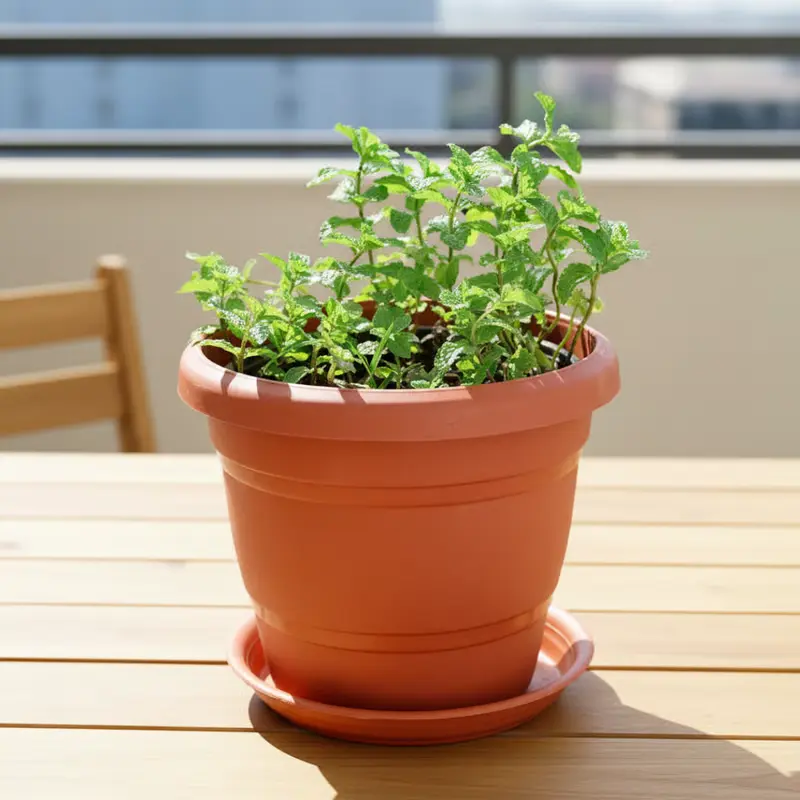
Mint / Pudina in 8 Inch Classy Red Plastic Pot with Tray
Same large pot with a red finish for a lively, colourful herb setup. The included tray catches excess water, keeping your balcony or terrace floor clean while providing the plant with generous growing room.
Best for: Large herb gardens, vibrant patio setups, households that cook with fresh mint daily
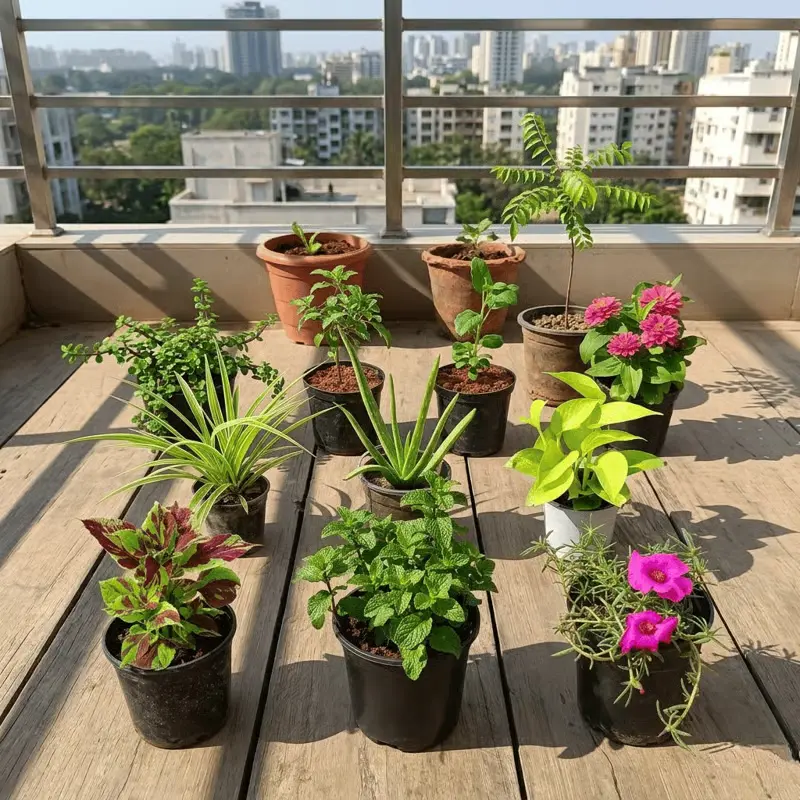
Balcony Bliss Garden (includes Mint)
A curated balcony garden set that includes mint alongside other plants selected for a balanced, attractive, and functional balcony display. Ideal for anyone who wants an instant garden without planning individual plants.
Best for: Instant balcony makeovers, gifting, apartment gardens
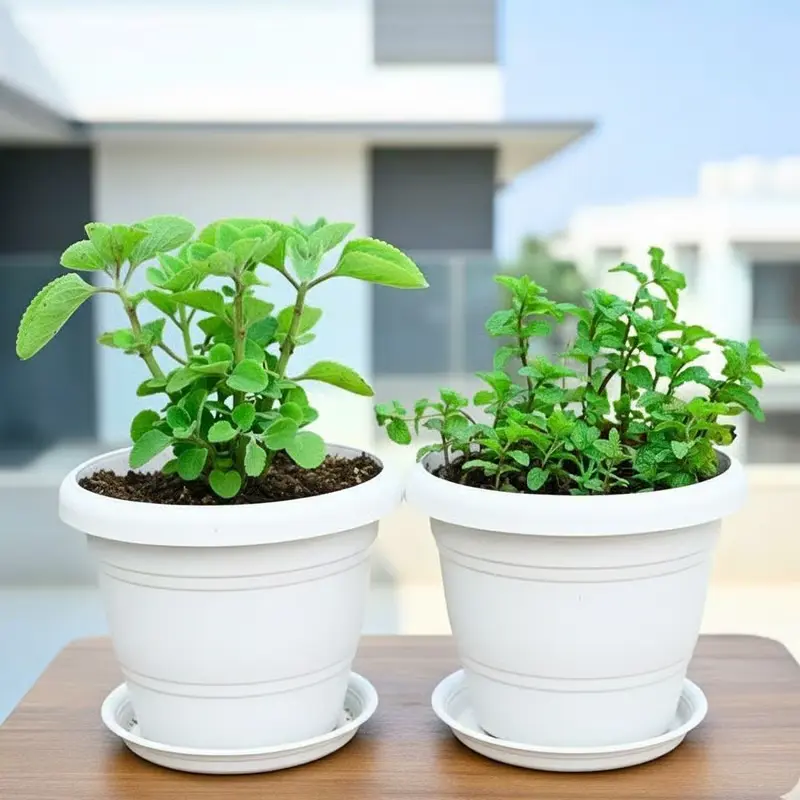
Set of 2 – Ajwain & Pudina
A simple two-herb combo that covers two of the most used plants in Indian cooking. Both ajwain and pudina are hardy, fast-growing, and perfect for beginner gardeners who want immediate kitchen utility from their plants.
Best for: Small kitchen gardens, beginners, everyday cooking herbs
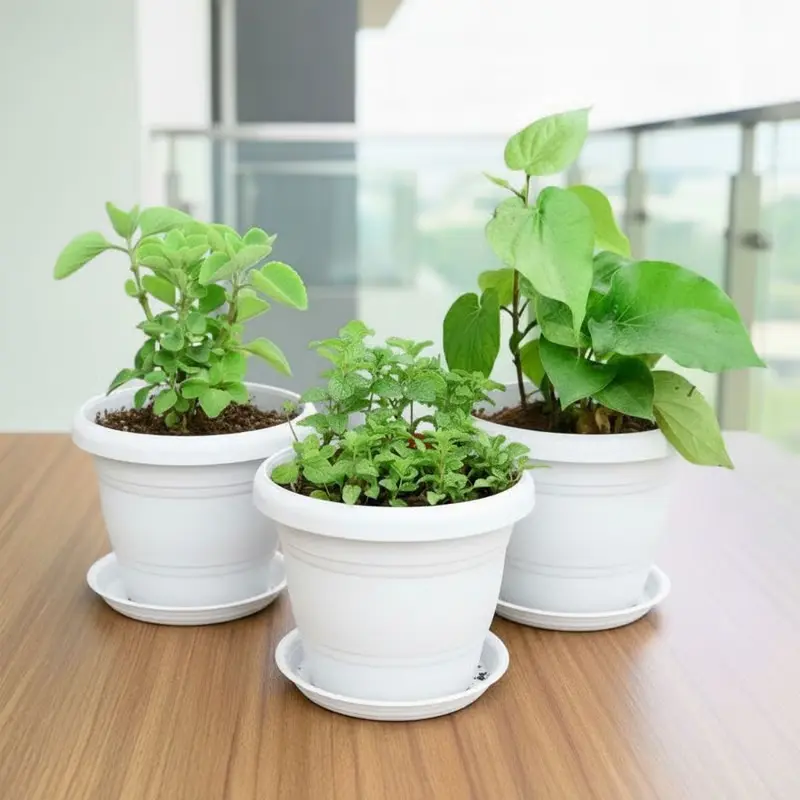
Set of 3 – Mint, Ajwain & Paan
A popular combination at Urvann that brings together three plants deeply rooted in Indian households. Mint for chutneys and beverages, ajwain for digestive and cooking use, and paan for its cultural and traditional significance. All three grow well together on balconies and in outdoor spaces.
Best for: Traditional herb gardens, balcony collections, gifting
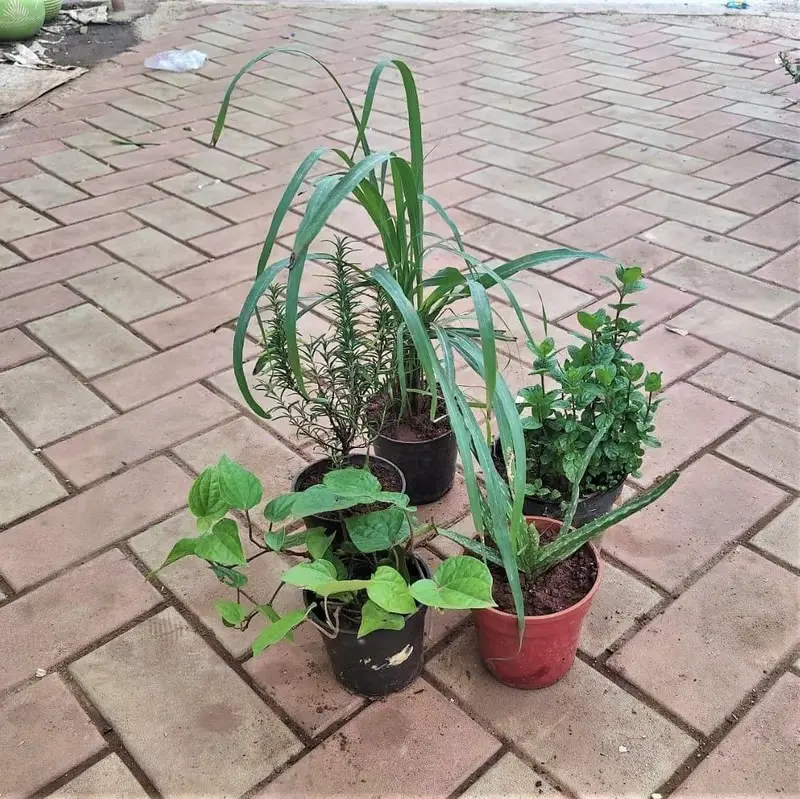
Herb Superstar Combo (Lemongrass, Rosemary, Mint, Paan & Aloe Vera)
The ultimate herb collection available at Urvann for anyone serious about building a home herb garden. This set includes five versatile plants that cover cooking, beverages, skincare, and fragrance. Together, they transform a small balcony or terrace into a functional, aromatic herb station.
Best for: Complete herb gardens, serious gardeners, terrace setups, gifting for plant lovers
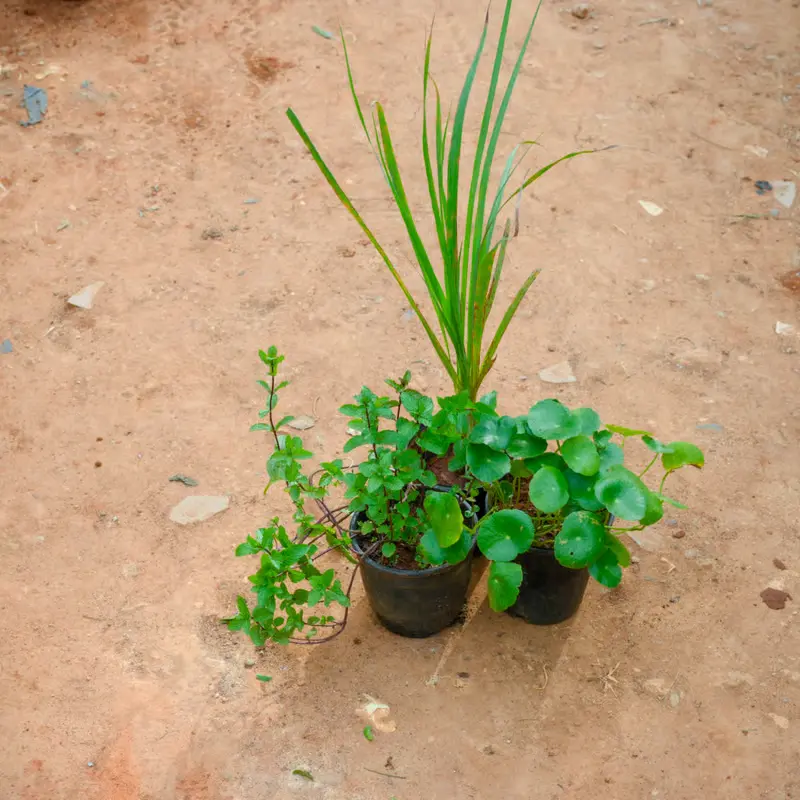
Set of 3 – Mint, Brahmi Dollar & Lemongrass
A wellness-focused combination pairing mint with brahmi (known for memory and cognitive support in Ayurveda) and lemongrass (loved for its citrusy aroma and herbal tea use). This set creates a fragrant, calming herb corner.
Best for: Herbal tea gardens, Ayurvedic plant collections, wellness-focused gardeners
Which types of mint are easily available in India?
- Common & affordable: Spearmint (Pudina), Garden Mint, Indian Mint (Mentha arvensis)
- Moderately available: Peppermint, Chocolate Mint, Apple Mint
- Rare / speciality: Pennyroyal Mint, Corsican Mint, Pineapple Mint, Japanese Mint
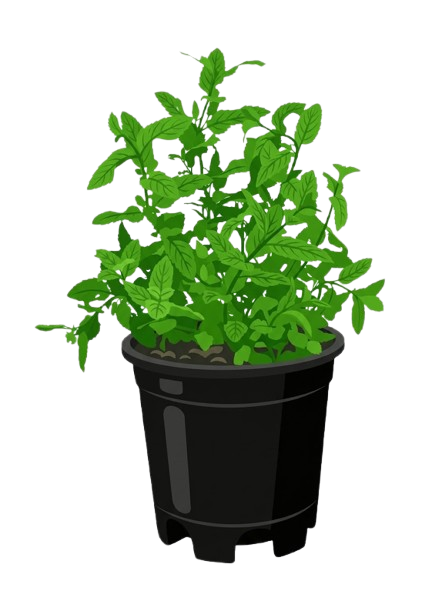 Complete Care Guide for Mint Plant
🌡️Temperature
Mint loves moderate warmth and grows vigorously during the Indian spring and monsoon seasons. It can handle typical Indian summers if kept hydrated and partially shaded during the hottest hours. Growth slows in extreme heat above 35°C and during cold winters, but the plant usually recovers when conditions improve.
✂️Pruning
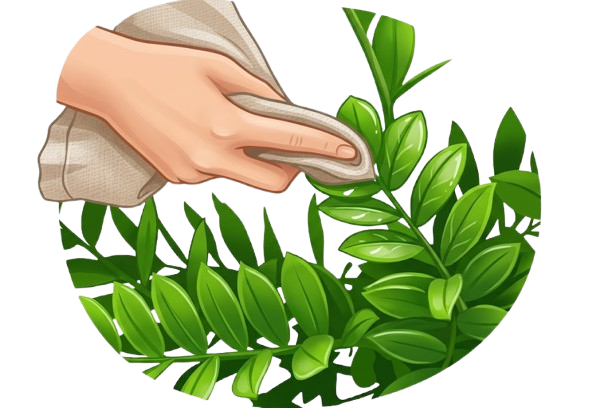 Cleaning Leaves
🌬️Air Circulation
Light
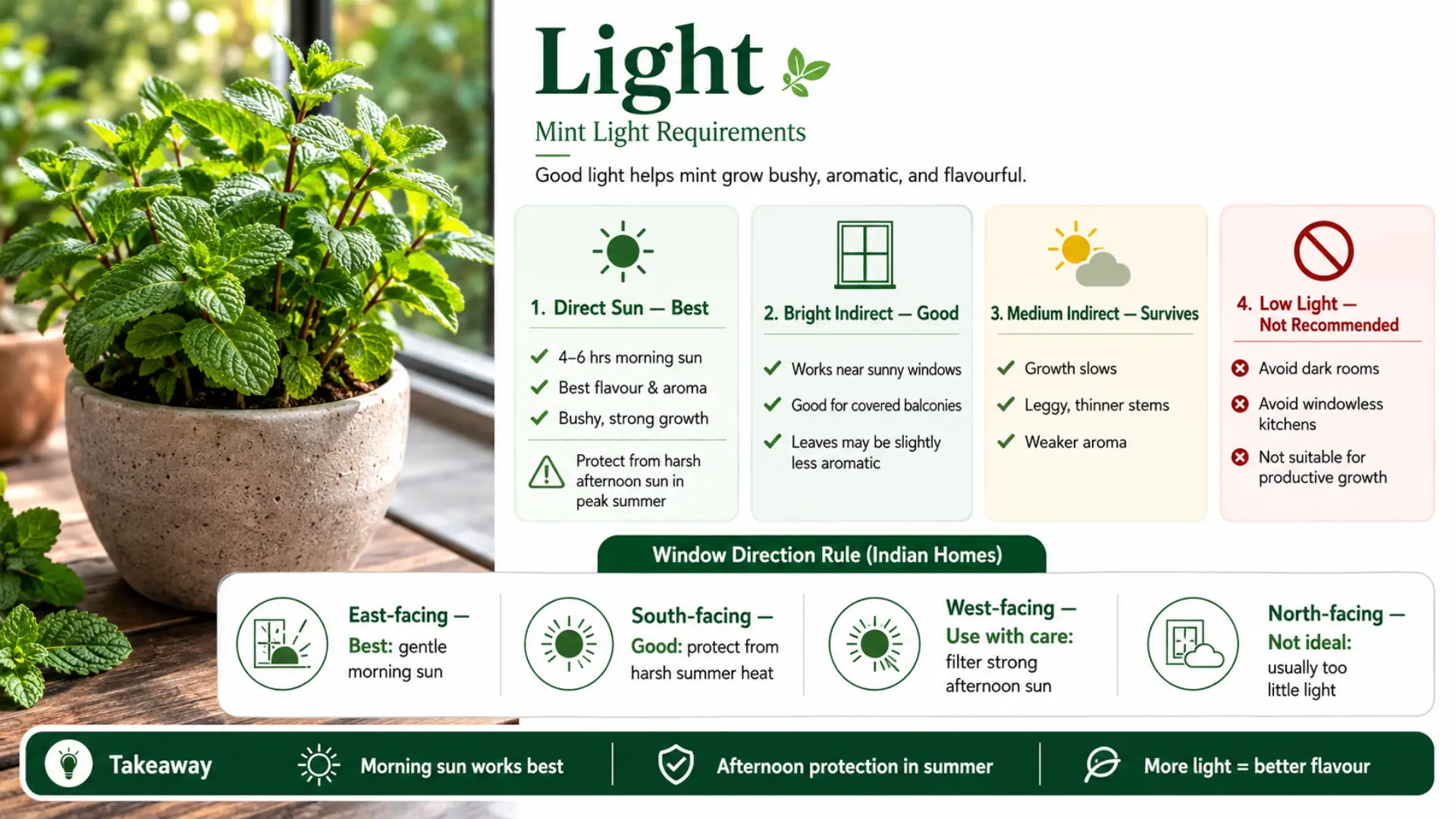
Mint needs a good amount of sunlight to grow healthy, aromatic leaves. Light directly affects leaf size, flavour intensity, and overall plant vigour. If your mint plant is producing small, pale, or flavourless leaves, insufficient sunlight is often the main reason.
Direct Sun-Best
- ✅ Best for strong, aromatic leaf growth
- ✅ Encourages thick, bushy growth
- ✅ Improves essential oil content in the leaves
- ❌ Harsh afternoon sun in peak summer may cause leaf wilting or scorching
Bright Indirect - Good
- ✅ Suitable for kitchen windowsills
- ✅ Works for partially shaded balconies
- ❌ Leaves may be slightly less aromatic compared to direct morning sun
Medium Indirect - Survives
- ✅ Foliage stays green but growth slows
- ❌ Stems stretch and become thin
- ❌ Leaf flavour and aroma weaken
Low Light - Not Recommended
- ✅ Avoid dark rooms
- ❌ Avoid windowless kitchens
- ❌ Not ideal as a deep indoor plant
- East-Facing: Best choice; gives gentle, consistent morning sunlight ideal for mint
- South-Facing: Good, but protect from harsh afternoon heat in summer with a shade net
- West-Facing: Strong afternoon sun; partial shading or filtered protection recommended during peak summer
- North-Facing: Usually too low on light for healthy mint growth; not ideal
💧Watering
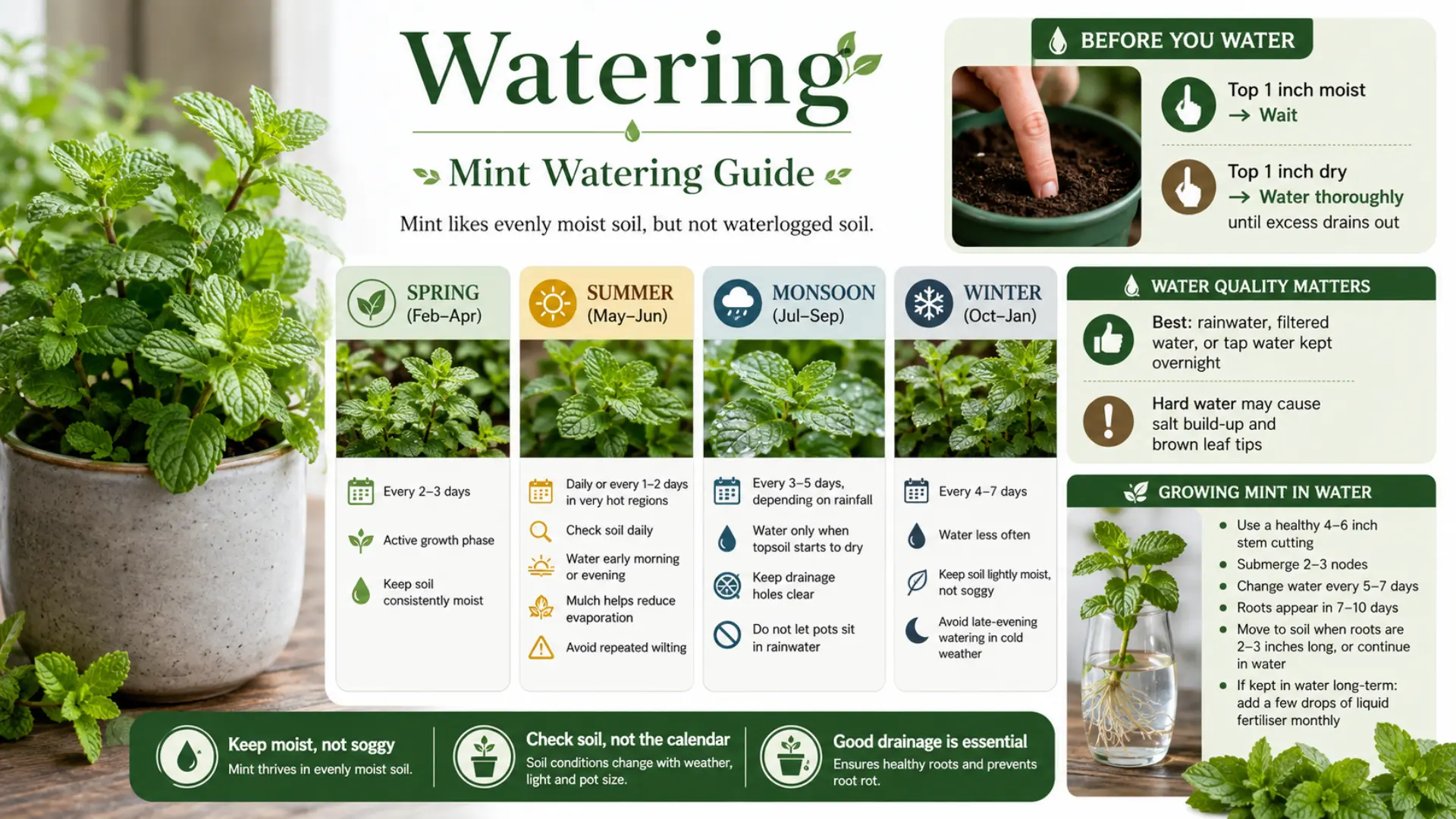
Mint likes consistently moist soil but does not tolerate waterlogging. The key is to keep the soil evenly damp without letting water sit at the bottom. Overwatering leads to root rot, while prolonged dryness causes wilting and crispy leaves.
- If it feels moist → wait
- If it feels dry → water thoroughly until excess drains out
Spring (Feb–Apr) – Every 2 to 3 days
As temperatures rise, mint enters its most active growth phase. Keep the soil consistently moist to support new shoots and spreading runners.
Summer (May–Jun) – Daily or every 1 to 2 days in very hot regions
In peak Indian summer, potted mint dries out fast, especially on terraces and sun-exposed balconies. Check soil daily.
- ✅Water early morning or evening
- ✅Mulch the topsoil with dry leaves or cocopeat to slow evaporation
- ❌Do not let the plant wilt repeatedly; it weakens the roots
Monsoon (Jul–Sep) – Every 3 to 5 days, depending on rainfall
High humidity and rain keep the soil moist for longer. This is the most common season for fungal issues and root rot in mint.
- ✅Water only when the topsoil begins to dry
- ✅Ensure drainage holes are not blocked
- ❌Do not keep pots sitting in collected rainwater
Winter (Oct–Jan) – Every 4 to 7 days
Growth slows in cooler months, and the plant needs less water. In cold regions, mint foliage may die back, but the roots often survive and regrow in spring.
- ✅Water less frequently
- ✅Keep soil lightly moist, not soggy
- ❌Avoid watering late in the evening during cold weather
💧 Water Quality Matters
- Hard tap water can sometimes leave salt deposits in the soil and cause leaf-tip browning over time.
- Best options:
- Rainwater
- Filtered water
- Tap water kept overnight before use (helps reduce chlorine)
🌿 Growing Mint in Water (Cutting Method)
- Mint can be grown in plain water from stem cuttings:
- Place a 4 to 6 inch healthy stem cutting in a glass or bottle of clean water
- Ensure at least 2 to 3 nodes are submerged
- Change water every 5 to 7 days to prevent algae and stale odour
- Roots appear within 7 to 10 days
- Transplant to soil once roots are 2 to 3 inches long, or continue growing in water
- Add 2 to 3 drops of liquid fertiliser monthly if keeping in water permanently
🪴Soil Mix & Pot Selection
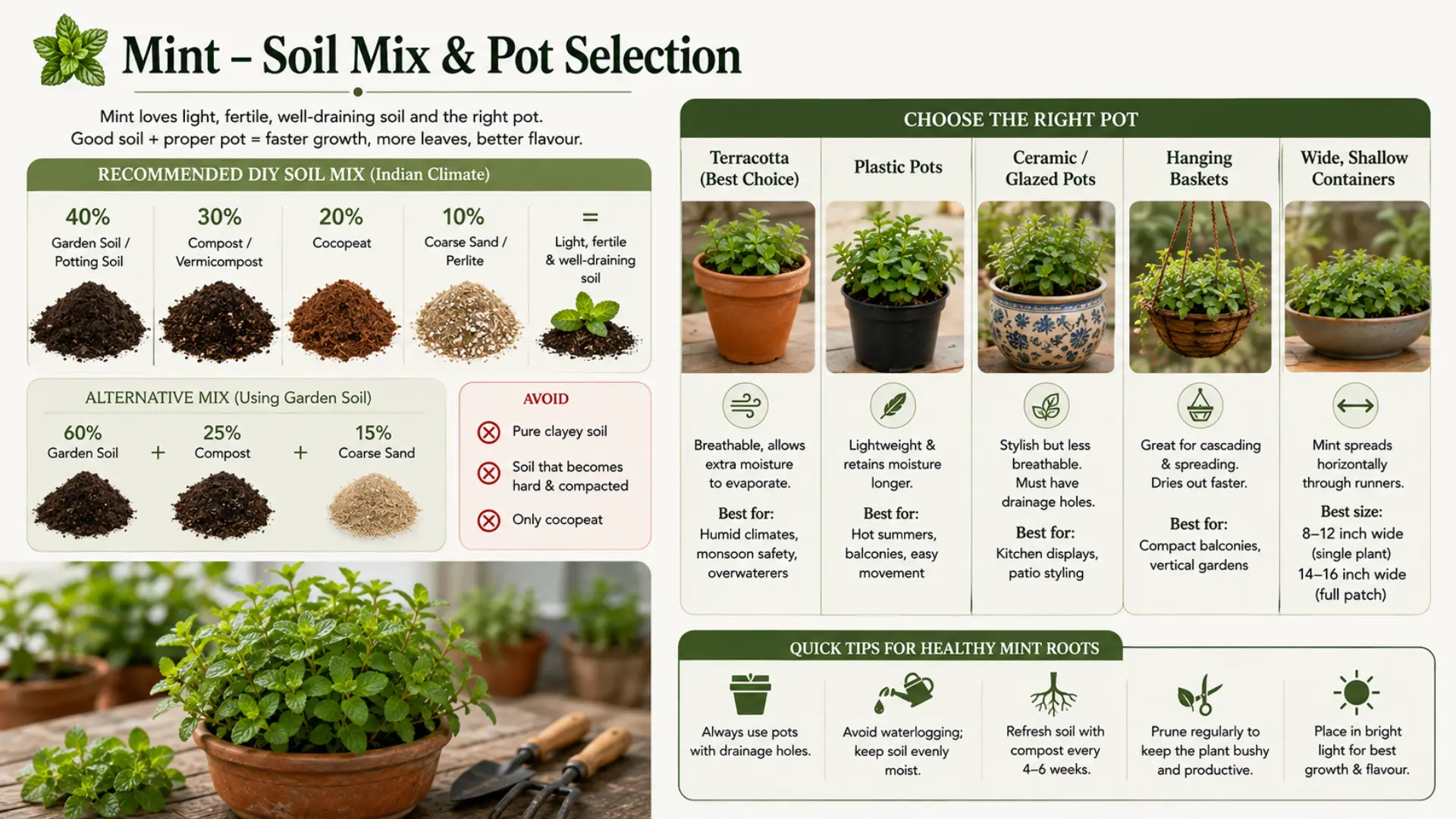
Mint prefers a light, fertile, well-draining soil mix that retains moisture without becoming heavy or waterlogged. Since mint is a fast-growing herb with spreading roots, the soil should support quick nutrient uptake and good aeration. Mint is commonly sold in nursery pots, decorative planters, and hanging pots, which are all available at Urvann, allowing gardeners to choose a container that suits their space.
Recommended DIY Mix (Ideal for Indian Climate)
- 40% Garden Soil or Potting Soil → Provides structure and nutrients
- 30% Compost / Vermicompost → Supports healthy leaf growth and fast spreading
- 20% Cocopeat → Retains moisture in warm weather
- 10% Coarse Sand / Perlite → Improves drainage and root aeration
This mix works well for most Indian balconies, terraces, and kitchen gardens.
Alternative (Using Garden Soil)
- 60% garden soil + 25% compost + 15% coarse sand
- ❌ Never use pure clayey garden soil in pots
- ❌ Avoid soil that becomes hard and compacted after drying
- ❌ Avoid using only cocopeat, as it may hold too much moisture without enough nutrients
Choosing the Right Pot
Different pots affect watering frequency, root health, and how quickly mint spreads.
Terracotta
Breathable and porous, allowing extra moisture to evaporate.
Best for: Humid climates, monsoon safety, gardeners who tend to overwater
Plastic Pots
Lightweight, affordable, and retain moisture longer.
Best for: Hot summers, balconies, easy movement
Ceramic / Glazed Pots
Decorative and stylish, but less breathable. Must have drainage holes.
Best for: Kitchen displays, patio styling, decorative herb setups
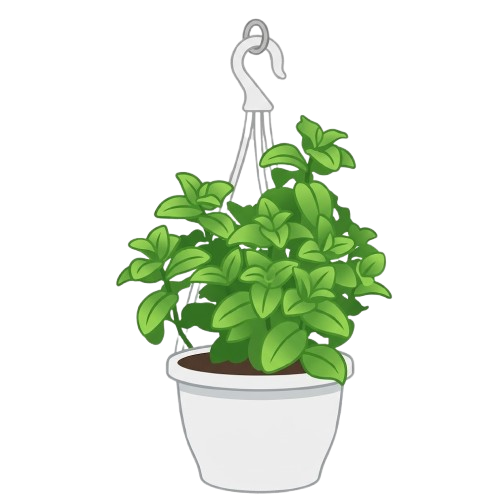
Hanging Baskets
Ideal for letting mint spread and cascade. Dry out faster; need more frequent watering in summer.
Best for: Compact balconies, vertical gardens, space-saving setups
Wide, Shallow Containers
Mint spreads horizontally through runners (stolons), so wide shallow pots suit its growth habit better than narrow deep ones.
Best size: 8 to 12 inch wide pot for a single plant; 14 to 16 inch for a fuller, harvestable patch
 Fertilising — When, What & How Much?
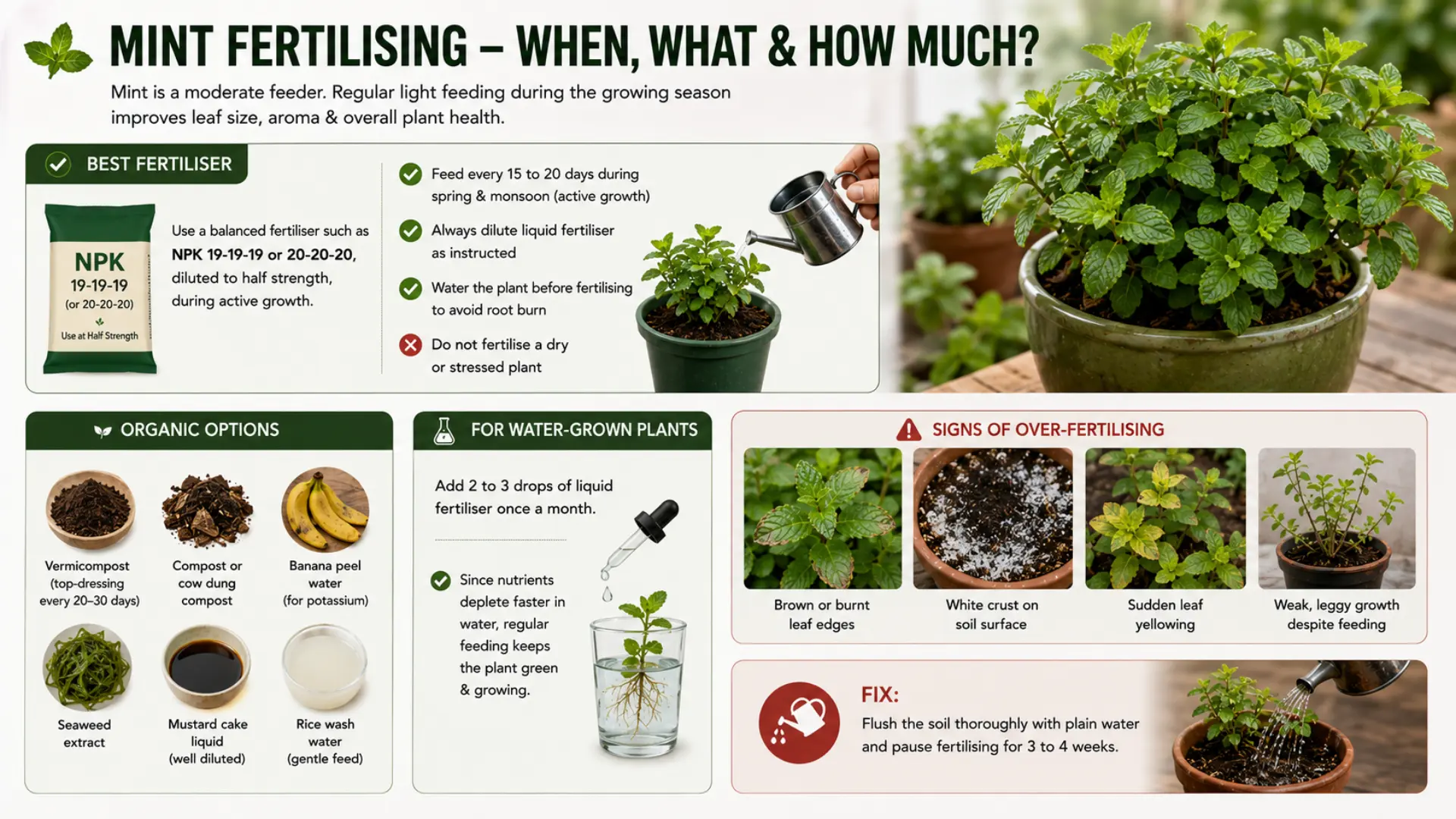
Mint is a moderate feeder. It does not require frequent heavy feeding, but small, regular doses during the growing season can improve leaf growth, fragrance, and overall plant vigour.
✔ Best Fertiliser
Apply a balanced fertiliser such as NPK 19-19-19 or 20-20-20 at half strength during active growth. As mint is an edible herb, organic fertilisers are also a popular choice among home gardeners.
- ✔ Feed every 15 to 20 days during spring and monsoon (active growth)
- ✔ Dilute liquid fertilisers according to the recommended instructions
- ✔ Water the plant before feeding to help prevent root damage
- ❌ Never fertilise a dry, wilted, or stressed plant
🌱 Organic Options
Because mint is commonly grown for culinary use, many gardeners choose natural and organic sources of nutrition:
- ✔ Vermicompost (apply as a top-dressing every 20 to 30 days)
- ✔ Compost or well-rotted cow dung compost
- ✔ Banana peel water (provides potassium)
- ✔ Seaweed extract
- ✔ Mustard cake liquid (properly diluted)
- ✔ Rice wash water (mild, regular nutrition)
⚠️ Signs of Over-Fertilising
- Brown or scorched leaf margins
- White mineral buildup on the soil
- Leaves suddenly turning yellow
- Weak, stretched growth despite feeding
Fix: Flush the pot thoroughly with clean water and stop fertilising for the next 3 to 4 weeks.
 Ways To Grow & Display Mint Plant
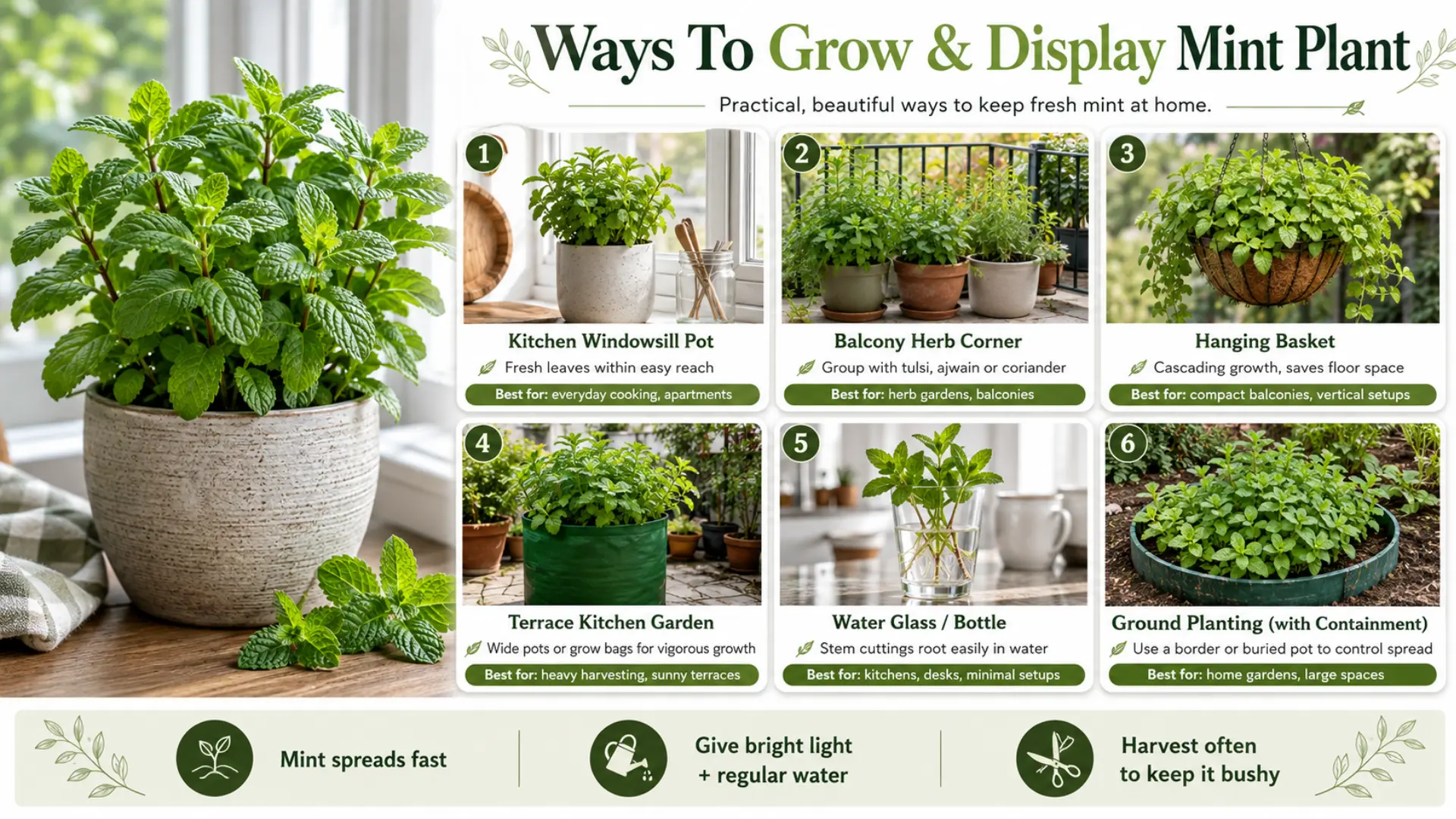
Mint is one of the most versatile herbs to grow at home. Its spreading, bushy habit and practical kitchen value make it easy to fit into almost any space.

Kitchen Windowsill Pot
The most popular way to grow mint in Indian homes. A small pot on a sunny kitchen window gives you fresh leaves within arm's reach while cooking.
Ideal for: Everyday cooking, apartments, small spaces
Balcony Herb Corner
Group mint with other herbs like ajwain, tulsi, curry patta, and coriander to create a functional herb station on your balcony.
Ideal for: Apartment balconies, organised herb gardens
Hanging Basket
Mint's spreading growth looks beautiful cascading from a hanging pot. This format saves floor space and keeps the plant at eye level for easy picking.
Ideal for: Compact balconies, vertical setups, decorative displays
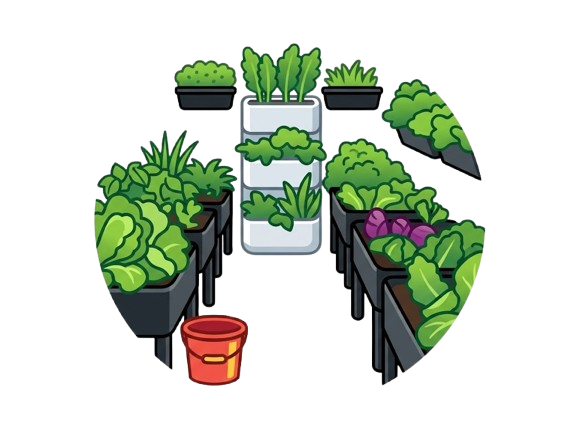
Terrace Kitchen Garden
On a terrace with full sun access, mint grows thick and vigorous. Use wide containers or grow bags to give it room to spread.
Ideal for: Large collections, heavy harvesting, full-sun setups
Water Glass / Bottle
A stem cutting in a glass of water roots quickly and grows without soil. Simple, minimal, and low maintenance.
Ideal for: Kitchens, desks, offices, minimal setups
Ground Planting (with Containment)
Mint spreads aggressively in open ground. If planting in a garden bed, use a buried container or border barrier to prevent it from overtaking other plants.
Ideal for: Home gardens, dedicated herb patches, large outdoor spaces
Benefits of Keeping a Mint Plant at Home
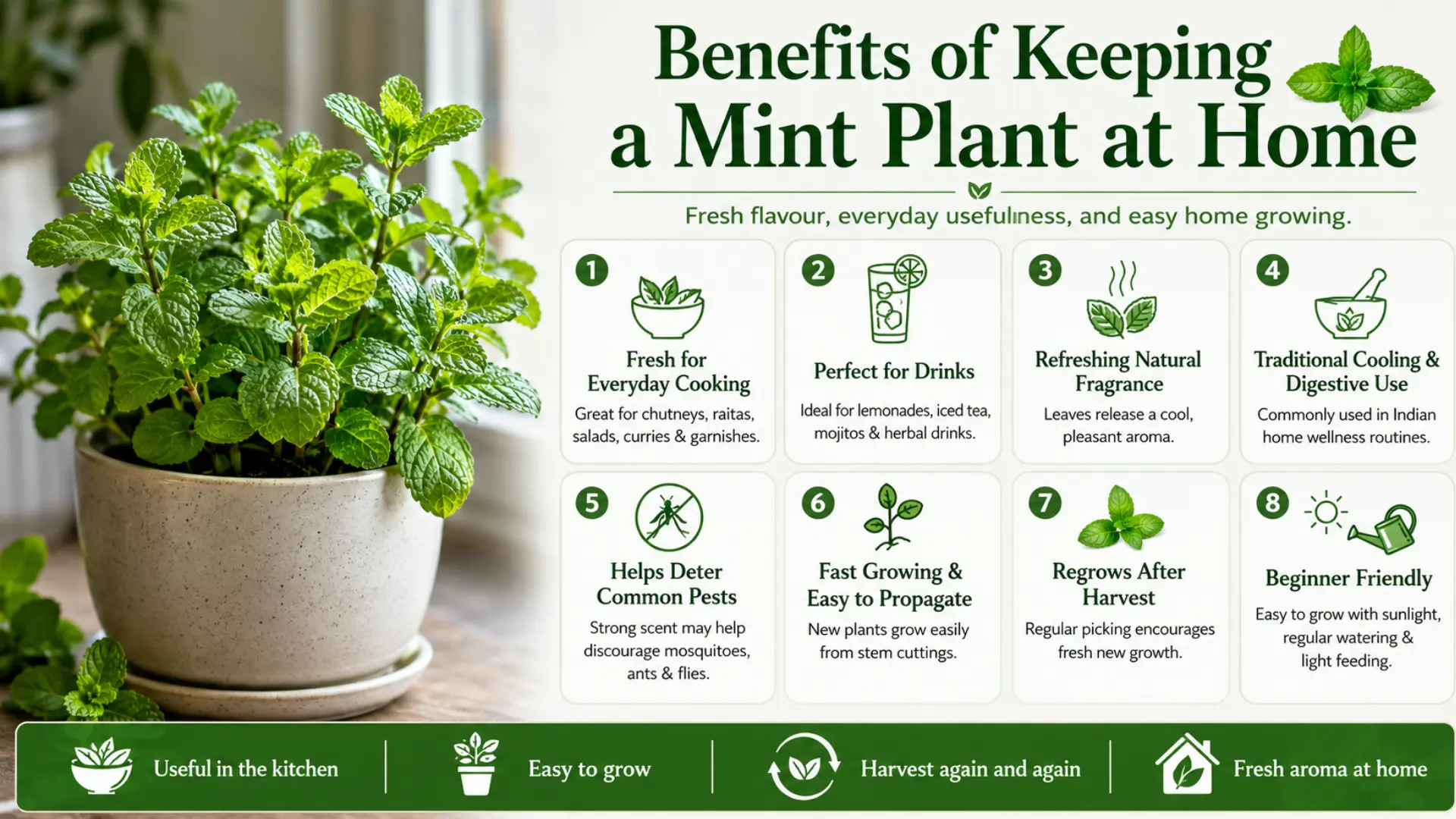
Fresh Ingredient for Everyday Cooking
Having a mint plant at home means fresh pudina leaves are always available for chutneys, raitas, salads, biryanis, curries, and garnishes without needing to buy them from the market.
Perfect for Beverages & Herbal Drinks
Fresh mint leaves make excellent additions to lemonades, mojitos, iced teas, detox water, and herbal chai. A few leaves instantly add a refreshing, cooling twist to any drink.
Refreshing Natural Fragrance
Mint releases a pleasant, cooling aroma, especially when the leaves are touched or brushed. Keeping a pot near a window or on a balcony creates a naturally fresh-smelling space.
Supports Digestion & Cooling (Traditional Use)
In Indian households, pudina has been traditionally used for its cooling properties and digestive support. Fresh mint tea, pudina water, and mint-based home remedies have been part of home wellness routines for generations.
Natural Pest Repellent
The strong scent of mint is known to help deter common household pests like mosquitoes, ants, and flies. Keeping a mint plant near doors, windows, or outdoor seating areas can help reduce pest activity naturally.
Extremely Fast Growing & Easy to Propagate
Mint is one of the fastest-growing herbs. A single plant can quickly fill a pot, and new plants can be started easily from stem cuttings placed in water or soil. It is one of the most rewarding plants for beginner gardeners.
Grows Back After Harvesting
Unlike many vegetables that produce once, mint keeps regrowing after you pick its leaves. Regular harvesting actually encourages the plant to produce more fresh growth, giving you a continuous supply.
Beginner Friendly & Low Maintenance
Mint requires very little expertise to grow successfully. If you can provide sunlight, regular watering, and occasional feeding, the plant rewards you with lush, fragrant growth. It is forgiving of minor neglect and bounces back quickly.
🔍 Common Problems, Causes & Fixes
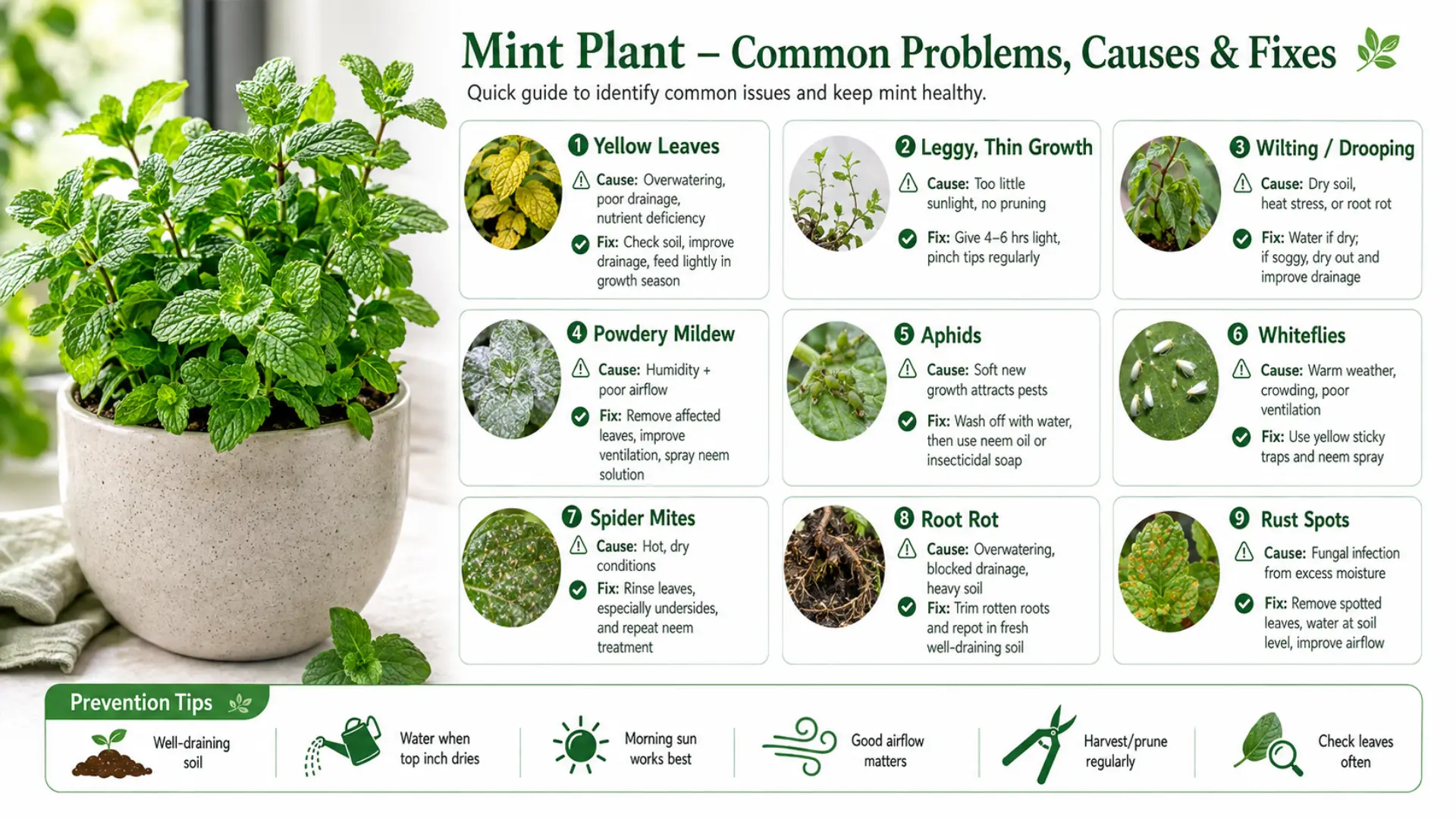
Yellow Leaves
Cause
Overwatering, poor drainage, nutrient deficiency, or sudden temperature change
Fix
Check soil moisture first. If soggy, reduce watering and improve drainage. If dry, water deeply. Add a balanced fertiliser during active growth.
Prevent
Use well-draining soil, water only when the top inch feels dry, and feed regularly during spring and monsoon.
Leggy, Thin Growth
Cause
Insufficient sunlight or lack of pruning/harvesting
Fix
Move the plant to a spot with more morning sunlight. Pinch the growing tips to encourage branching and bushier growth.
Prevent
Provide at least 4 to 6 hours of sunlight and harvest regularly from the top.
Wilting or Drooping
Cause
Underwatering, extreme heat, or root rot from overwatering
Fix
Check the soil. If dry, water thoroughly. If waterlogged, allow it to dry and ensure proper drainage. Move the plant to a shaded spot temporarily if heat-stressed.
Prevent
Water consistently and protect from harsh afternoon sun in peak summer.
Powdery Mildew (White Coating on Leaves)
Cause
High humidity, poor air circulation, or overcrowded growth
Fix
Remove affected leaves, improve airflow around the plant, and spray diluted neem oil or a baking soda solution (1 teaspoon baking soda in 1 litre of water).
Prevent
Thin out overcrowded stems, avoid overhead watering, and ensure good ventilation.
Aphids
Cause
Soft new growth attracts these small sap-sucking pests
Fix
Spray with a strong jet of water to dislodge them, then apply neem oil or insecticidal soap.
Prevent
Inspect new growth regularly and avoid excess nitrogen fertiliser.
Whiteflies
Cause
Warm weather, overcrowded plants, or poor ventilation
Fix
Shake the plant gently; if tiny white insects fly out, use yellow sticky traps and neem oil spray.
Prevent
Maintain good airflow and space between plants.
Spider Mites
Cause
Hot and dry conditions
Fix
Rinse leaves with water, especially the undersides, and apply neem oil. Repeat weekly until controlled.
Prevent
Increase humidity slightly by misting during hot, dry weather, and inspect leaves regularly in summer.
Root Rot
Cause
Overwatering, blocked drainage, or heavy soil
Fix
Remove the plant from the pot, trim rotten roots, and repot in fresh, well-draining soil. Let the soil dry before watering again.
Prevent
Use pots with drainage holes, a well-draining soil mix, and avoid waterlogging.
Rust (Orange or Brown Spots on Leaves)
Cause
Fungal infection caused by excess moisture and poor airflow
Fix
Remove and discard all affected leaves (do not compost them). Improve air circulation and reduce overhead watering.
Prevent
Water at the base of the plant, not over the foliage, and ensure the plant is not crowded.
 Vastu Shastra & Traditional Placement
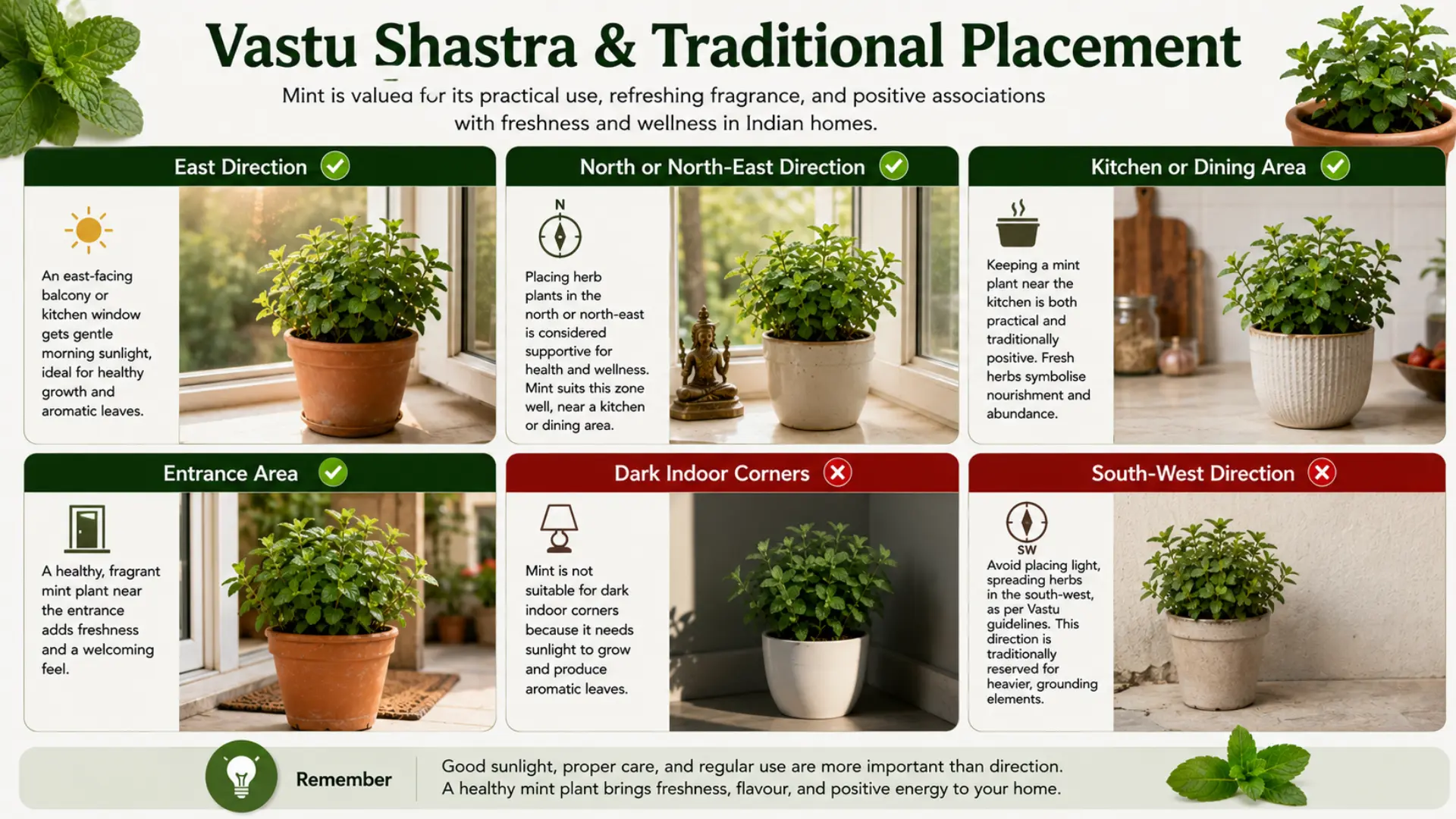
Mint has long been appreciated in Indian households for its everyday culinary value, refreshing scent, and associations with freshness and well-being. Although it is not a core Vastu plant like tulsi or money plant, thoughtful placement can support both the garden's overall feel and practical use.
East Direction
An east-facing balcony or kitchen window works well for mint, as it provides mild morning sunlight that encourages healthy growth and helps develop fragrant, aromatic leaves.
North / North-East Direction
According to Vastu traditions, keeping herbs in the north or north-east can support themes of health and well-being. Mint suits this area particularly well when placed near the kitchen or dining space.
Kitchen or Dining Area
Placing mint near the kitchen, such as on a windowsill or nearby balcony, is convenient and traditionally considered favourable. Fresh herbs close to cooking areas can represent nourishment, freshness, and abundance.
Entrance Area
A healthy mint plant near the entrance can bring a fresh fragrance while creating a pleasant and inviting atmosphere for visitors and family members.
Dark Indoor Corners
Avoid keeping mint in dim indoor corners because the plant requires adequate natural sunlight for healthy growth and strongly aromatic foliage.
South-West Direction
Vastu guidelines generally recommend avoiding light, spreading herbs in the south-west. This zone is traditionally associated with heavier, more stable, and grounding elements.
⚠️ Toxicity & Safety
Mint (Mentha sp.) is safe for humans and is widely consumed in cooking, beverages, and traditional remedies. However, the ASPCA classifies mint as mildly toxic to cats, dogs, and horses due to the essential oils present in the plant. (ASPCA)
🐾 Cats and Dogs
Symptoms: Vomiting and diarrhoea may occur if large amounts are chewed or ingested
Action: Offer water and monitor. Contact a vet if symptoms continue or worsen.
👶 Small Children
Symptoms: No toxicity concern from occasional tasting. However, if the plant has been treated with neem oil, pesticides, or fertilisers, rinse the child's mouth and give water as a precaution.
Action: Consult a doctor if any discomfort occurs after ingesting treated leaves.
🧑 Adults
Symptoms: Mint is fully edible for adults. Mild skin sensitivity is rare but may occur from handling concentrated mint oil or treated plants.
Action: Wash hands after applying pest treatments or fertilisers.
Companion Plants: What Grows Great Together
Mint pairs naturally with other herbs and kitchen garden plants that share similar growing conditions. Grouping them together creates a practical, fragrant, and attractive herb display. These companion herbs are also commonly available together on Urvann, making it easy to create a functional kitchen herb garden at home.
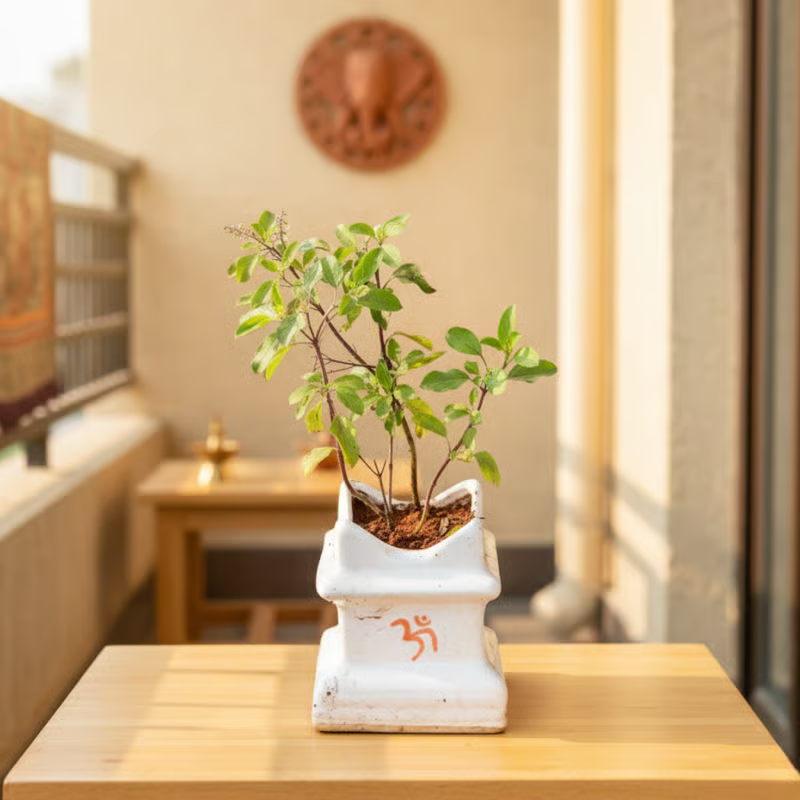
Tulsi (Holy Basil)
Tulsi and mint are the two most commonly grown herbs in Indian homes. Both love sunlight, warm weather, and regular watering. Together, they create a traditional and aromatic herb garden that covers both spiritual and culinary needs.
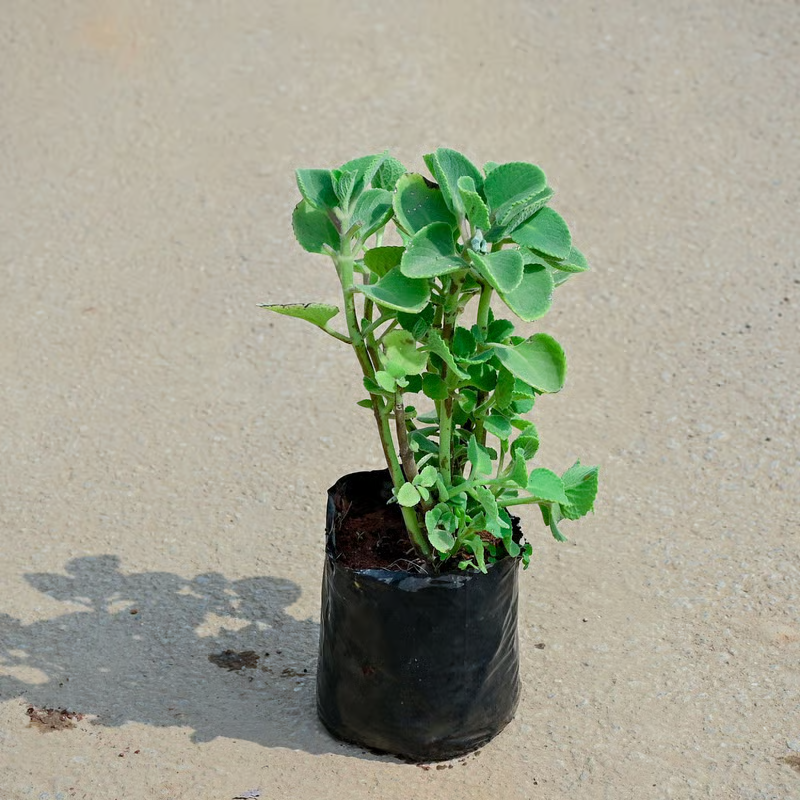
Ajwain (Carom)
Ajwain shares nearly identical growing needs with mint. Both are fast-spreading, low-maintenance herbs that thrive in similar sunlight and watering conditions. They make a natural pair in any kitchen herb corner.
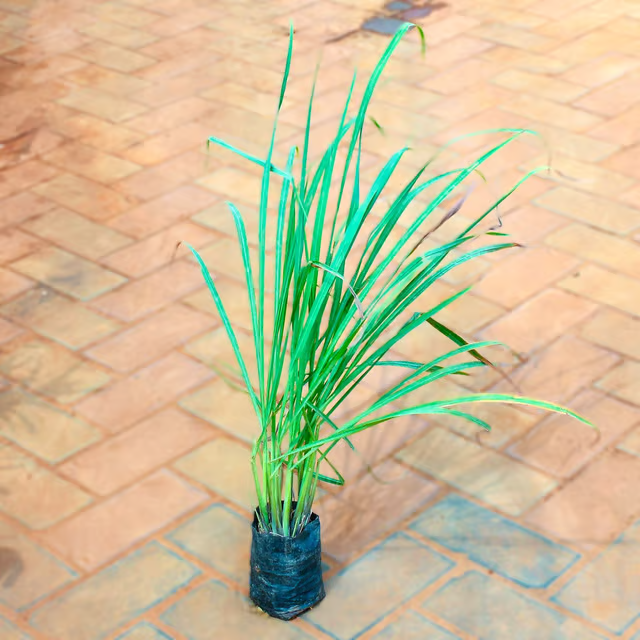
Lemongrass
Lemongrass adds height and a citrusy fragrance beside the low, bushy growth of mint. Together, they create a layered, aromatic herb garden that is useful for teas, cooking, and natural mosquito repelling.
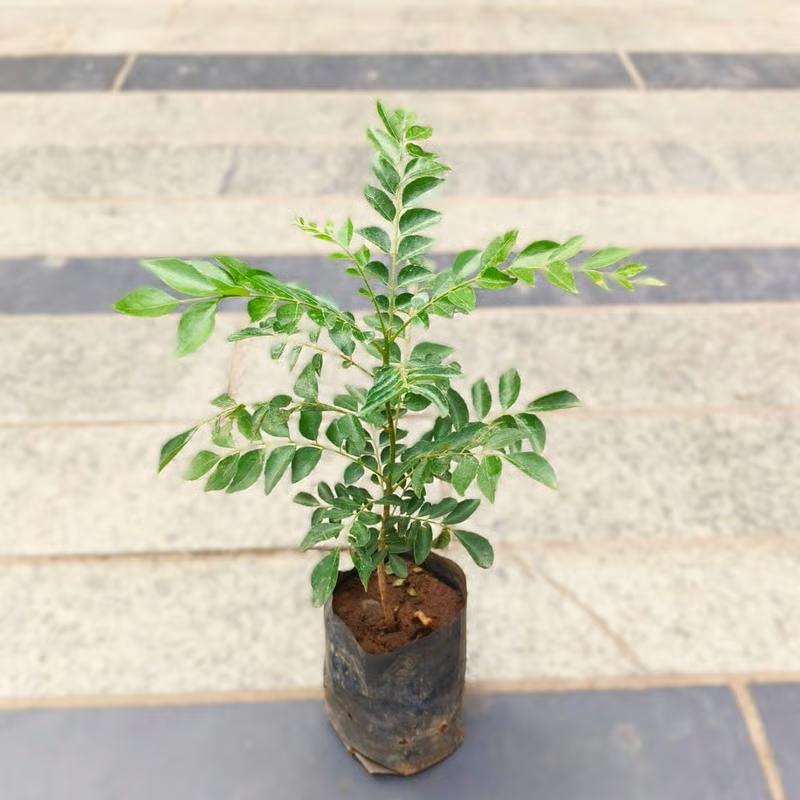
Curry Patta (Curry Leaf)
Curry Patta plant pairs well with mint in a kitchen garden setup. Both are everyday Indian cooking essentials, and having them together means your most-used fresh herbs are always within reach.
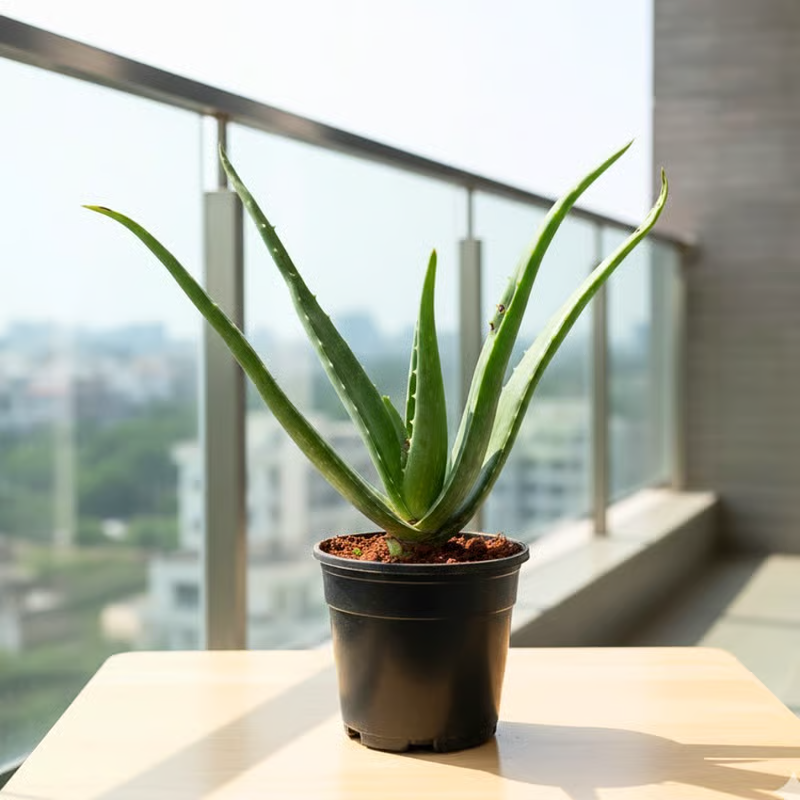
Aloe Vera
Aloe vera's thick, upright rosette shape contrasts beautifully with mint's spreading, leafy habit. Both are low-maintenance plants with practical home uses, making them a smart pairing for functional balcony gardens.