
Shop

Downalod our app

Please provide your delivery pincode to see products available in your area
Jade Plant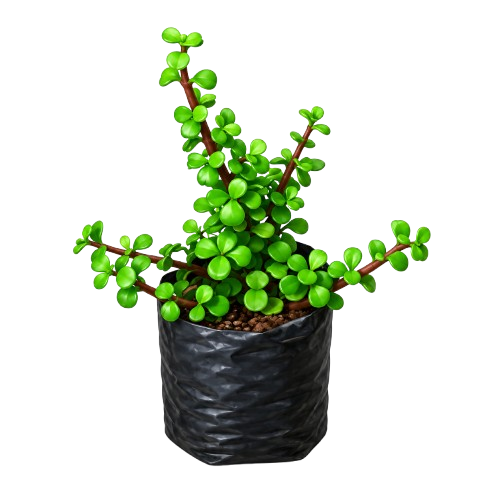
This profile covers both major plants sold under the Jade name in India and clearly separates their care, growth, propagation, and safety differences. The name "Jade Plant" is used for several attractive succulents known for fleshy foliage, sculptural branching, drought tolerance, and exceptional longevity. Depending on the species, it may also be sold as Lucky Plant, Jade Tree, Money Tree, Elephant Bush, Dwarf Jade, Mini Jade, or Pune Jade.
About the Jade Plant
Jade Plants are evergreen succulent shrubs naturally adapted to regions where rainfall is infrequent and water is not always available. Unlike many leafy houseplants, they have thick, fleshy leaves and sturdy stems that store moisture, allowing them to withstand periods of drought. This natural adaptation makes Jade Plants much more forgiving of occasional missed waterings than overwatering, which is one of the most common reasons they decline indoors.
However, their drought tolerance does not mean they can be ignored for long periods or watered with small amounts every few days. Frequent light watering often keeps the surface soil damp while preventing the deeper roots from receiving enough moisture. Instead, water the plant thoroughly until excess water drains from the bottom of the pot, ensuring the entire root ball is evenly hydrated.
After watering, allow the potting mix to dry out almost completely before watering again. The exact frequency depends on factors such as the season, pot size, indoor temperature, humidity, and light levels. During active growth in spring and summer, Jade Plants usually need more frequent watering, while in autumn and winter, they require much less as growth naturally slows. This soak-and-dry approach closely mimics the plant's natural environment and helps maintain healthy roots while reducing the risk of root rot.
Note: A Jade Plant may survive temporarily in a dim corner, but prolonged low light typically causes elongated stems, weak branching, wider spaces between leaves, one-sided leaning, paler growth, and progressive leaf drop.
 Popular Jade Plant Varieties Available on Urvann
Urvann's Jade Plant Collection includes different species, cultivars, nursery sizes, decorative planters, and gifting combinations.
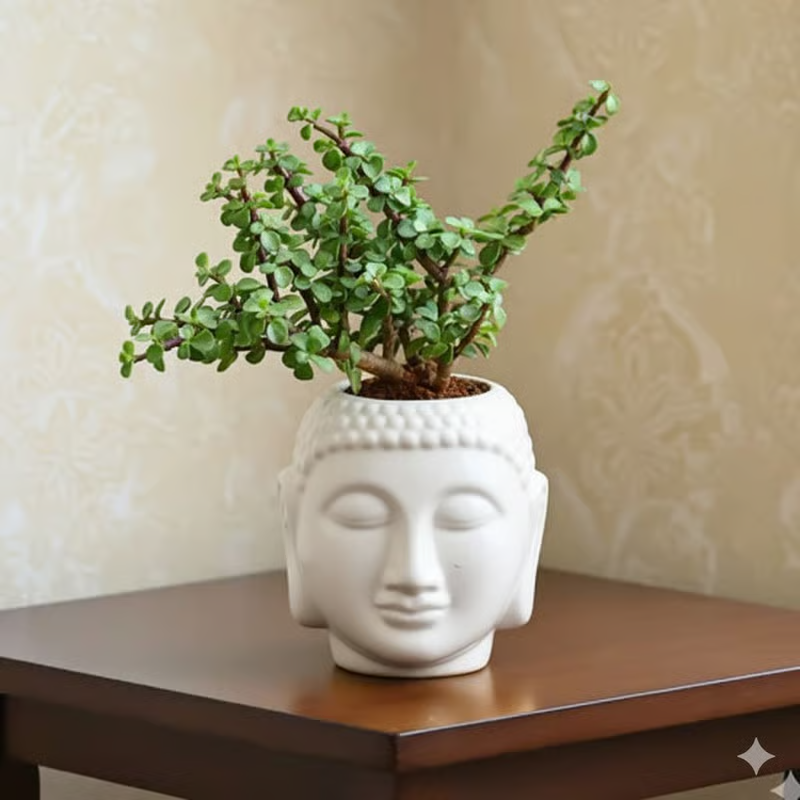
Jade in 5 Inch Buddha White Designer Ceramic Pot
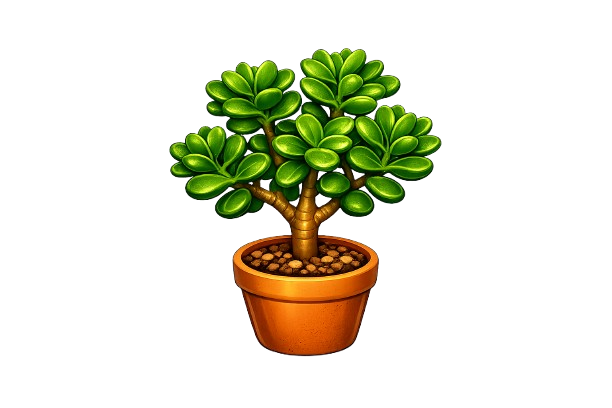
Features thick, glossy, emerald-green leaves and a tree-like form that adds a clean, sculptural look to any space. This drought-tolerant succulent available at Urvann is exceptionally hardy, easy to grow, and requires minimal care.
Best for: Beginners, home offices, and low-maintenance indoor gardens.
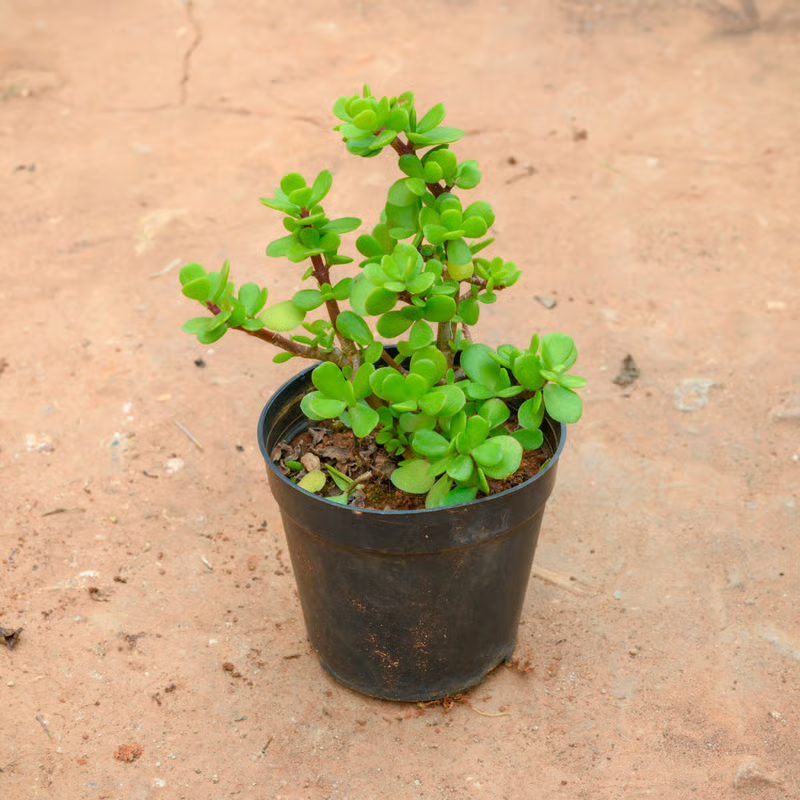
Jade in 4 Inch Nursery Pot
A classic succulent with thick, glossy jade-green leaves and sturdy stems that store water, making it highly drought-tolerant and easy to care for. Its compact, evergreen growth and reputation as a symbol of prosperity make it a popular choice for homes and workspaces.
Best for: Desks, windowsills, and low-maintenance plant collections.
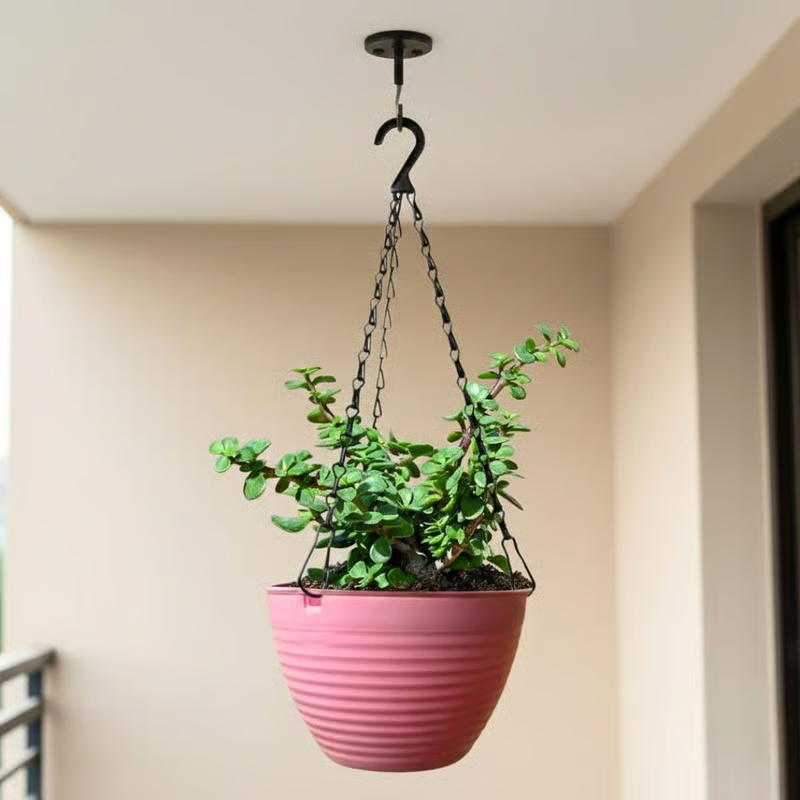
Lucky Jade in 7 Inch Candyblush Pink Premium Zylo Hanging Plastic Basket
A hardy succulent with thick, glossy green leaves that symbolise prosperity and good fortune in Vastu and Feng Shui. Its drought-tolerant nature, compact growth, and cascading habit in a hanging basket make it an attractive, low-maintenance choice for bright indoor spaces, balconies, and patios.
Best for: Hanging baskets, balconies, sunny windows, and beginner plant parents.
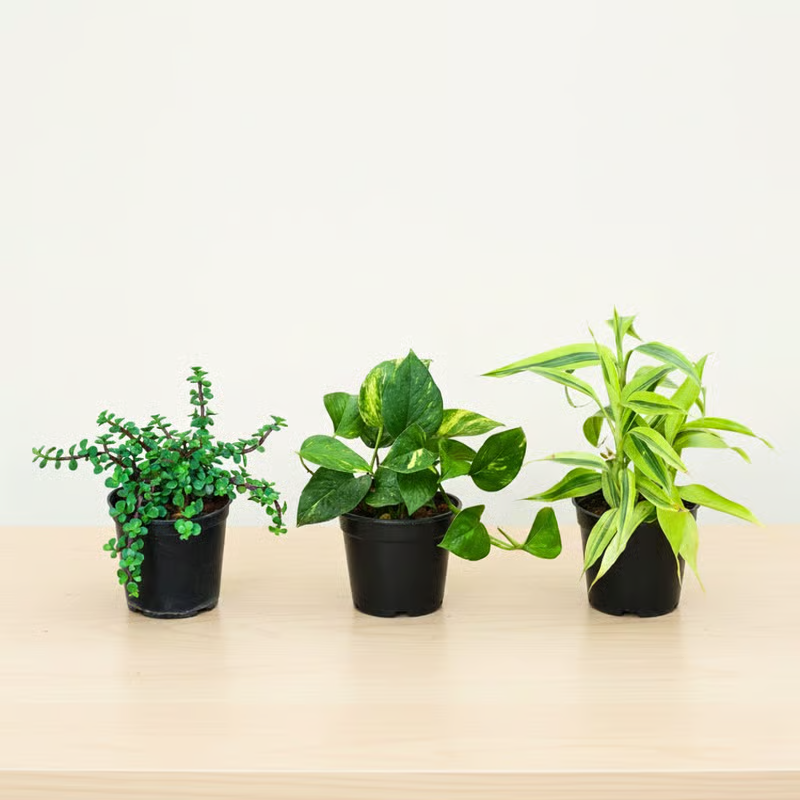
Set of 3 - Jade, Money Plant Green & Lucky Bamboo in 4 Inch Nursery Pot
A thoughtfully curated trio of easy-care plants available at Urvann that combines the drought-tolerant Jade Plant, fast-growing Green Money Plant, and elegant Lucky Bamboo. Together, they add lush greenery to your home while being popularly associated with prosperity, positive energy, and good fortune.
Best for: Home decor, office desks, and gifting
Complete Care Guide for Jade Plant
🌡️ Temperature
15°C–30°C
Ideal: 18°C–27°C
Jade Plant prefers warm, dry conditions and grows well in most Indian homes. It tolerates heat much better than cold but is sensitive to frost and prolonged low temperatures.
- ✅ Keep in a warm, bright location
- ✅ Protect from cold drafts during winter
- ✅ Ensure good airflow around the plant
- ❌ Avoid temperatures below 10°C
- ❌ Never expose the plant to frost
✂️ Pruning
Regular pruning encourages a fuller, bushier Jade Plant and helps maintain its compact, tree-like shape.
- ✅ Prune long or leggy stems to encourage branching
- ✅ Always cut just above a leaf pair or node
- ✅ Use clean, sharp pruning tools
- ✅ Remove dead, damaged, or crossing branches
- ✅ Spring is the best time for major pruning
- ❌ Do not remove more than one-third of the plant at once
- ❌ Avoid heavy pruning on stressed or rotting plants
Cleaning Leaves
The thick, fleshy leaves collect dust over time, reducing the amount of light they receive.
- ✅ Wipe leaves gently with a soft, damp cloth every few weeks
- ✅ Inspect stems and leaf joints for pests while cleaning
- ✅ Allow leaves to dry naturally after wiping
- ❌ Avoid chemical leaf-shine sprays
- ❌ Do not use cooking oil or household products to make leaves shiny
🌬️ Air Circulation
Good airflow helps the soil dry properly and reduces the risk of fungal diseases and root rot.
- ✅ Leave space between the plant and nearby walls
- ✅ Keep windows open whenever possible
- ✅ Improve ventilation during the monsoon
- ❌ Avoid sealed glass terrariums
- ❌ Avoid overcrowding with heavily watered tropical plants
Light
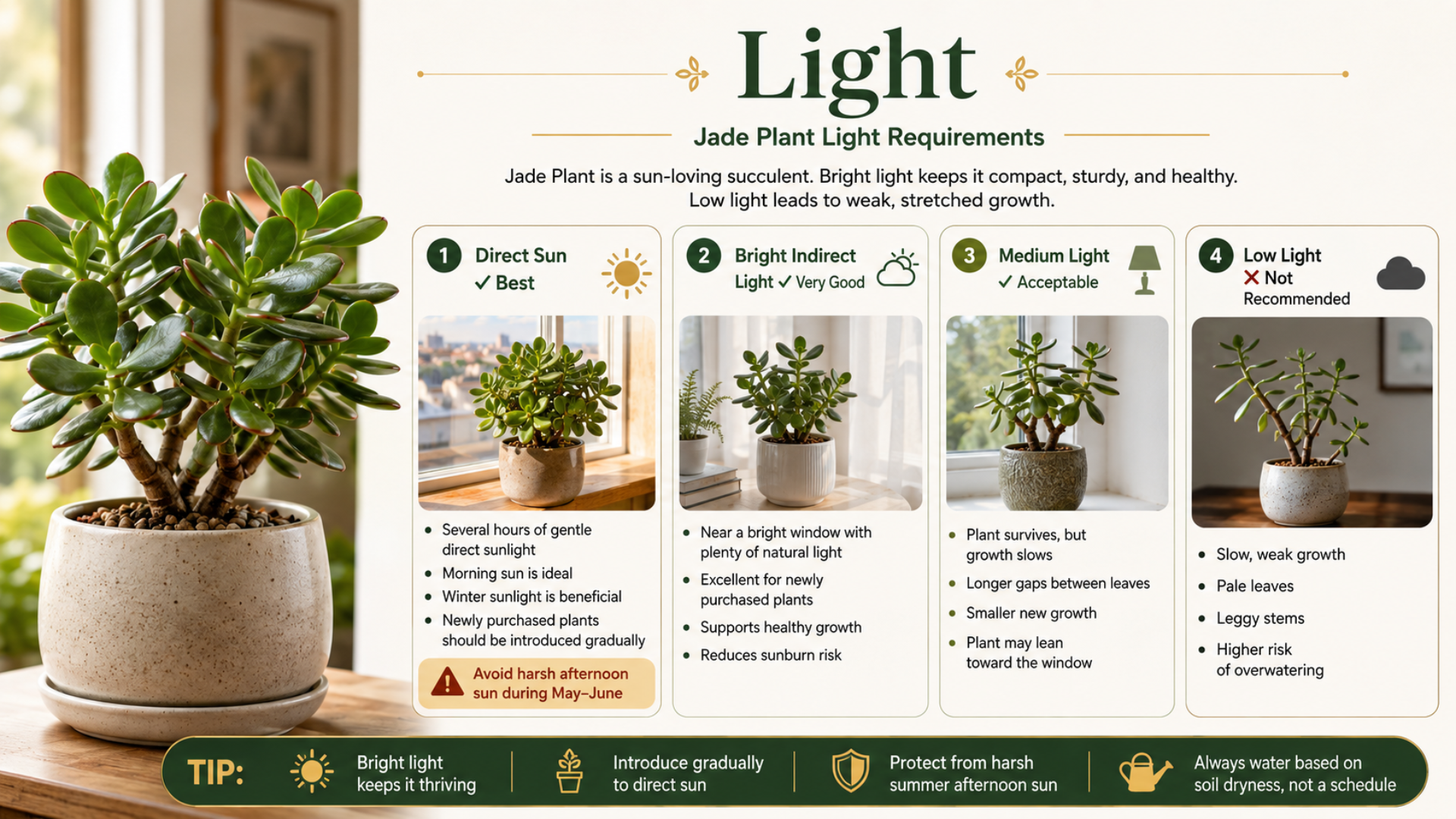
Jade Plant thrives in bright conditions and needs plenty of sunlight to maintain sturdy growth and a healthy, compact shape. When kept in insufficient light, the stems can become elongated and the foliage may lose its vigour.
Direct Sun ✓ Best
A few hours of direct sunlight can promote stronger stems and denser growth once the plant has adjusted to the intensity.
- ✅ Gentle morning sunlight is ideal
- ✅ Winter sun can be especially useful
- ✅ Gradually increase sun exposure for newly bought plants
- ❌ Protect it from intense afternoon sunlight, particularly in May and June
Bright Indirect Light ✓ Very Good
Place the plant close to a bright window where it receives abundant natural light without prolonged harsh rays.
- ✅ Suitable when the plant is still adjusting to its new environment
- ✅ Encourages steady, healthy growth
- ✅ Helps minimise the chances of leaf scorching
Medium Light ✓ Acceptable
Jade Plant can manage moderate indoor light, although its development may become slower and less compact.
- ✅ Wider spaces may develop between leaves
- ✅ Fresh leaves may remain smaller
- ✅ Stems can gradually bend toward the available light
Low Light ❌ Not Recommended
Jade Plant does not perform well in low-light conditions and may gradually lose its compact growth habit and overall vigour.
- ❌ Sluggish development
- ❌ Faded or less vibrant foliage
- ❌ Thin, elongated stems
- ❌ Soil stays wet for longer, increasing overwatering risk
Window Direction Guide (Indian Homes)
💧 Watering
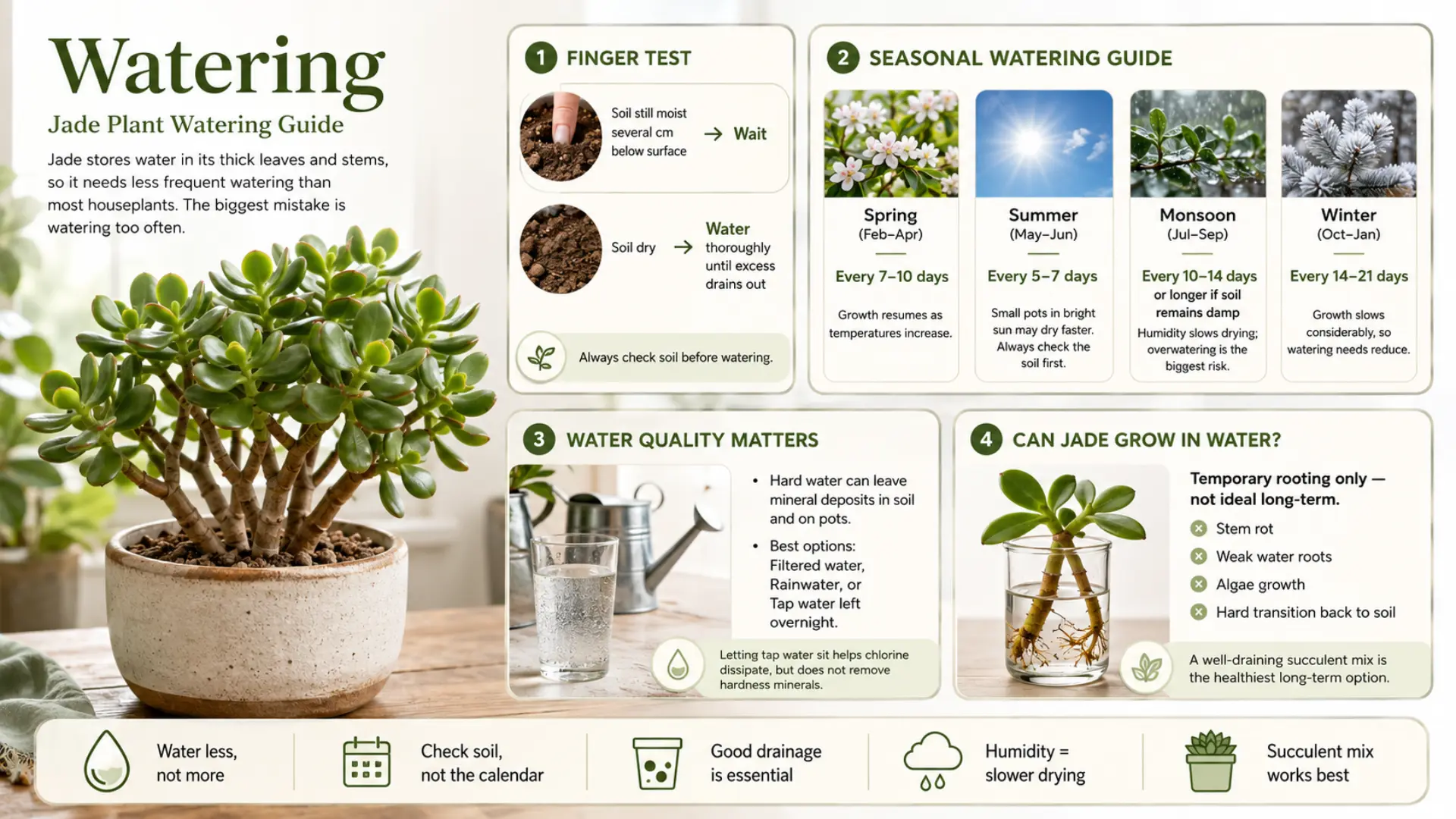
Jade Plant keeps moisture stored in its fleshy leaves and stems, allowing it to handle dry conditions better than many indoor plants. Frequent watering is usually more harmful than occasional dryness, so check the potting mix before adding water.
Finger Test
Soil feels damp a few centimetres down → Hold off on watering
Soil feels completely dry → Soak the soil well and allow excess water to drain away
Spring (Feb–Apr)
Every 7–10 days
Warmer weather encourages the plant to become more active, increasing its need for moisture.
Summer (May–Jun)
Every 5–7 days
Pots kept in bright, warm locations can dry out sooner. Check the soil rather than following the schedule blindly.
Monsoon (Jul–Sep)
Every 10–14 days
Or longer if soil remains damp. Higher humidity means the soil loses moisture more slowly, so excessive watering should be avoided.
Winter (Oct–Jan)
Every 14–21 days
Cooler temperatures and slower growth mean the plant uses considerably less water.
💧 Water Quality Matters
Frequent use of hard water can leave mineral residue in the potting mix and around the container. Consider using:
- Filtered water
- Rainwater
- Tap water left standing overnight, which can reduce chlorine but will not eliminate hardness minerals
🌱 Can Jade Grow in Water?
Jade cuttings can develop roots in water for a short period, but keeping the plant permanently in water is not ideal.
Possible problems include:
- Stem deterioration
- Fragile water-grown roots
- Algae formation
- Difficulty adapting when moved back into soil
For sustained growth, a porous, fast-draining succulent potting mix is a better choice.
🪴 Soil Mix & Pot Selection
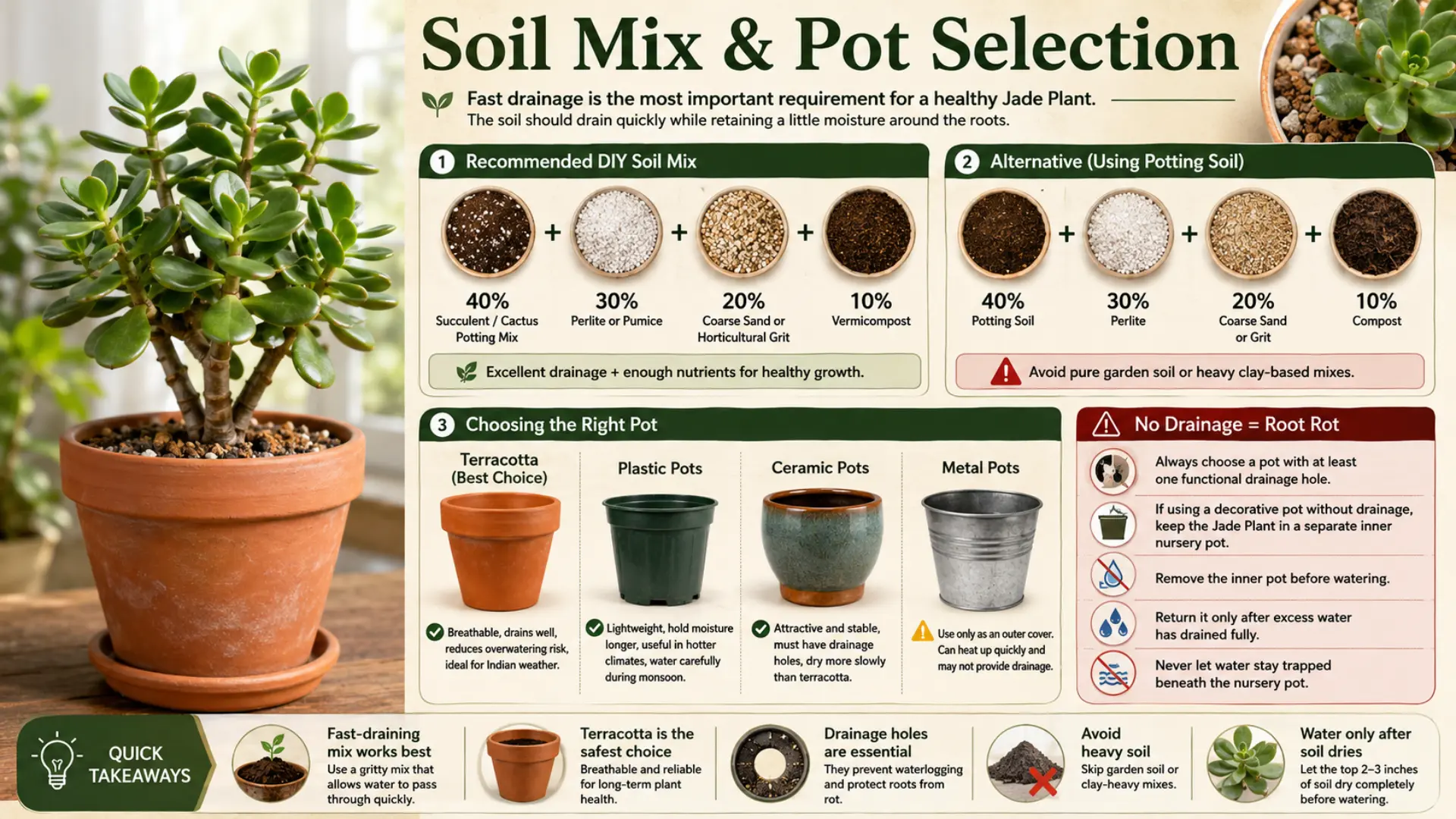
Jade Plant needs a loose, quick-draining growing medium. The roots should receive moisture without remaining surrounded by wet, compact soil.
Recommended DIY Soil Mix
This combination keeps the mix airy and prevents excess water from lingering around the roots while providing moderate nutrition.
Alternative (Using Potting Soil)
- 40% Regular potting soil
- 30% Perlite
- 20% Coarse sand or grit
- 10% Compost
Avoid using garden soil on its own or dense clay-heavy mixtures, as they can hold too much moisture and restrict drainage.
Choosing the Right Pot
Terracotta
- Porous material allows better airflow
- Lets excess moisture escape
- Helps prevent soggy soil
Plastic Pots
- Retain moisture for longer
- Easy to move around
- Useful in hot, dry environments
Ceramic Pots
- Decorative and sturdy
- Always select one with drainage holes
- Generally retain moisture longer than terracotta
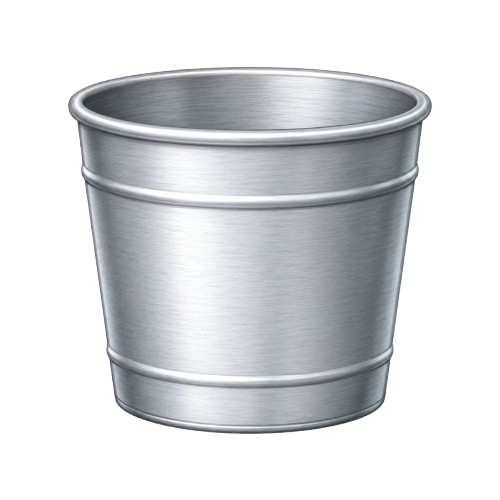
Metal Pots
- Best used as a decorative outer container
- Can become very hot under direct sunlight
- May lack adequate drainage
⚠️ No Drainage = Root Rot Guaranteed
Always grow Jade Plant in a container that has at least one working drainage hole. If you prefer a decorative pot without drainage, use it only as a cover pot. Keep the Jade in a separate nursery pot, take it out for watering, and place it back only after excess water has completely drained. Never let collected water sit underneath the inner pot.
 Fertilizing - When, What & How Much?
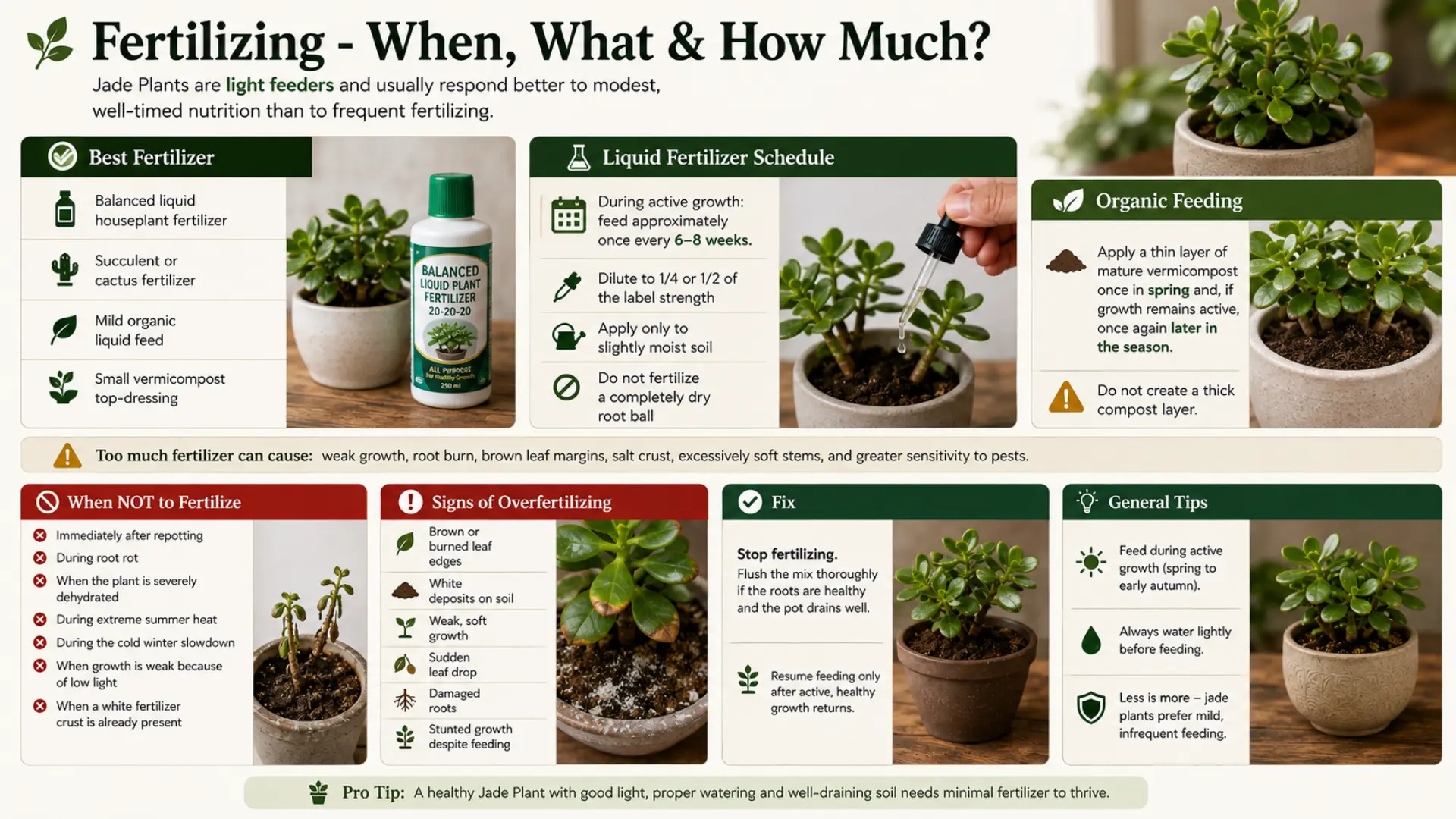
Jade Plants have relatively low nutrient requirements and generally do best with occasional feeding rather than heavy fertilisation. Overfeeding can lead to scorched roots, brown leaf edges, weak or overly soft growth, mineral buildup, and increased pest problems.
✔ Best Fertilizer
- Balanced liquid feed for houseplants
- Fertilizer formulated for succulents or cacti
- Gentle organic liquid fertilizer
- A small amount of vermicompost
🧪 Liquid Fertilizer Schedule
Feed during the active growing period roughly every 6–8 weeks. Dilute the fertiliser to ¼–½ of the recommended strength and apply it to slightly damp soil. Avoid feeding when the potting mix is completely dry.
🌱 Organic Feeding
Spread a light layer of well-matured vermicompost over the soil once during spring. If the plant continues growing actively, another light application can be made later in the season. Avoid thick layers, which can retain moisture, reduce airflow, attract fungus gnats, and keep the stem base unnecessarily wet.
When not to fertilize?
- Right after repotting
- If the plant shows signs of root rot
- While recovering from severe dehydration
- During periods of extreme summer temperatures
- Throughout the winter rest period
- When poor lighting is limiting growth
- If mineral or fertiliser residue has formed on the soil
Signs of overfertilizing
- Scorched or brown leaf margins
- White mineral buildup on the potting mix
- Soft or unusually weak stems
- Unexpected leaf shedding
- Root damage
- Little or stunted growth despite regular feeding
Fix: Pause fertilization immediately. If the roots are healthy and drainage is effective, rinse the potting mix thoroughly with clean water to remove excess salts. Begin feeding again only when the plant shows clear signs of healthy new growth.
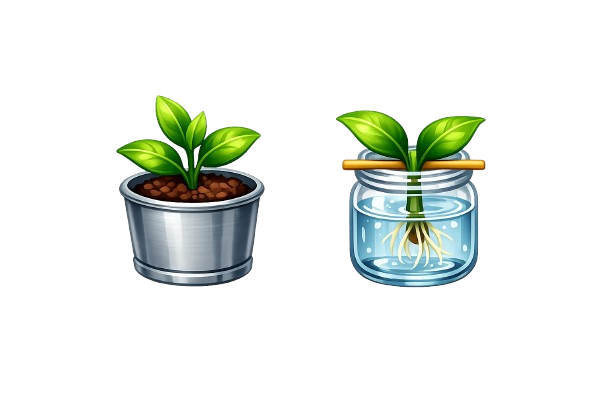 Propagation
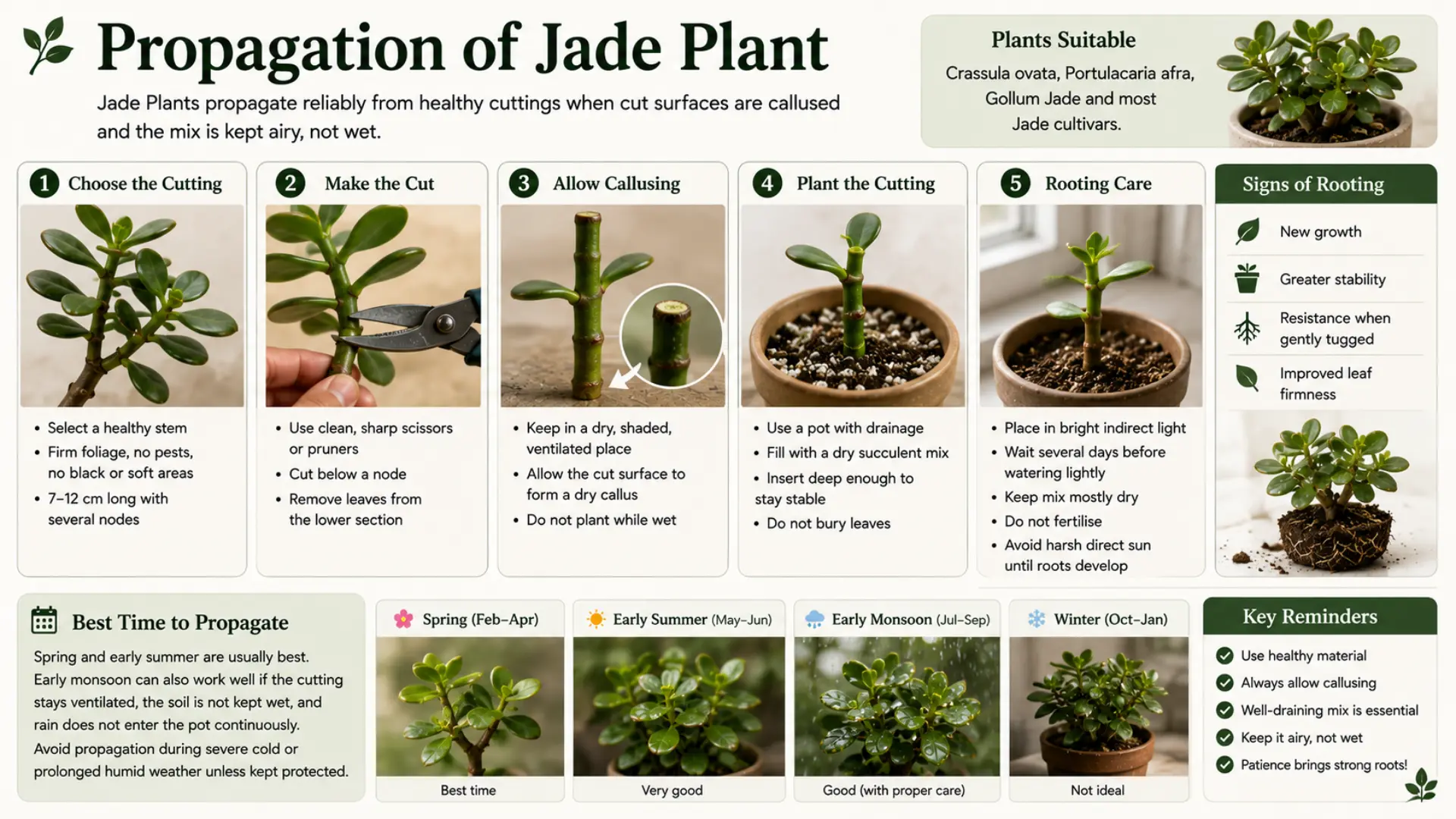
Healthy Jade Plants are easy to propagate when you start with good-quality cuttings, let the wound dry properly, and avoid keeping the rooting medium constantly damp.
Propagation from Stem Cuttings
This method works well for Crassula ovata, Portulacaria afra, Gollum Jade, and many other Jade varieties.
Step 1 — Choose the cutting
Pick a strong, healthy stem with firm leaves and several nodes. Avoid sections showing black patches, pests, softness, or other signs of damage. A cutting around 7–12 cm long is a convenient size to handle.
Step 2 — Make the cut
Take a clean pair of sharp scissors or pruning shears and make the cut just below a node. Strip the leaves from the lower portion of the stem.
Step 3 — Allow callusing
Place the cutting somewhere dry, shaded, and well ventilated. Leave it undisturbed until the cut end develops a dry, sealed surface. Thin Portulacaria stems may take less time to callus than thicker Crassula stems. Avoid placing a freshly cut stem into wet soil, as excess moisture can encourage rot.
Step 4 — Plant the cutting
Choose a small container with proper drainage and fill it with a dry, fast-draining succulent mix. Push the callused end into the medium far enough to keep the cutting upright, while keeping the leaves above the soil.
Step 5 — Rooting care
Keep the cutting in bright, indirect light. Give it a small amount of water after several days and allow the growing medium to remain mostly dry between watering. Skip fertiliser during this stage and protect the cutting from strong direct sunlight until roots establish.
Signs of rooting
Fresh growth, firmer leaves, stronger anchoring in the soil, and slight resistance when the cutting is gently moved.
Best Time to Propagate
Spring and early summer offer the most favourable conditions for rooting. Early monsoon can also work if the cutting stays well ventilated and the potting mix is not kept soggy. Avoid propagating during very cold weather or extended periods of high humidity unless the plant is kept in a sheltered spot.
 Flowering
Can Jade Plants Produce Flowers?
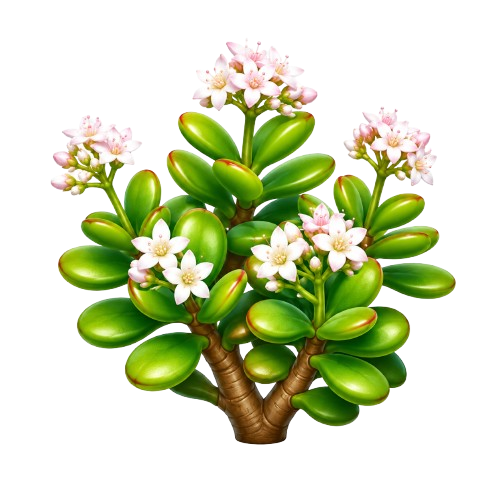
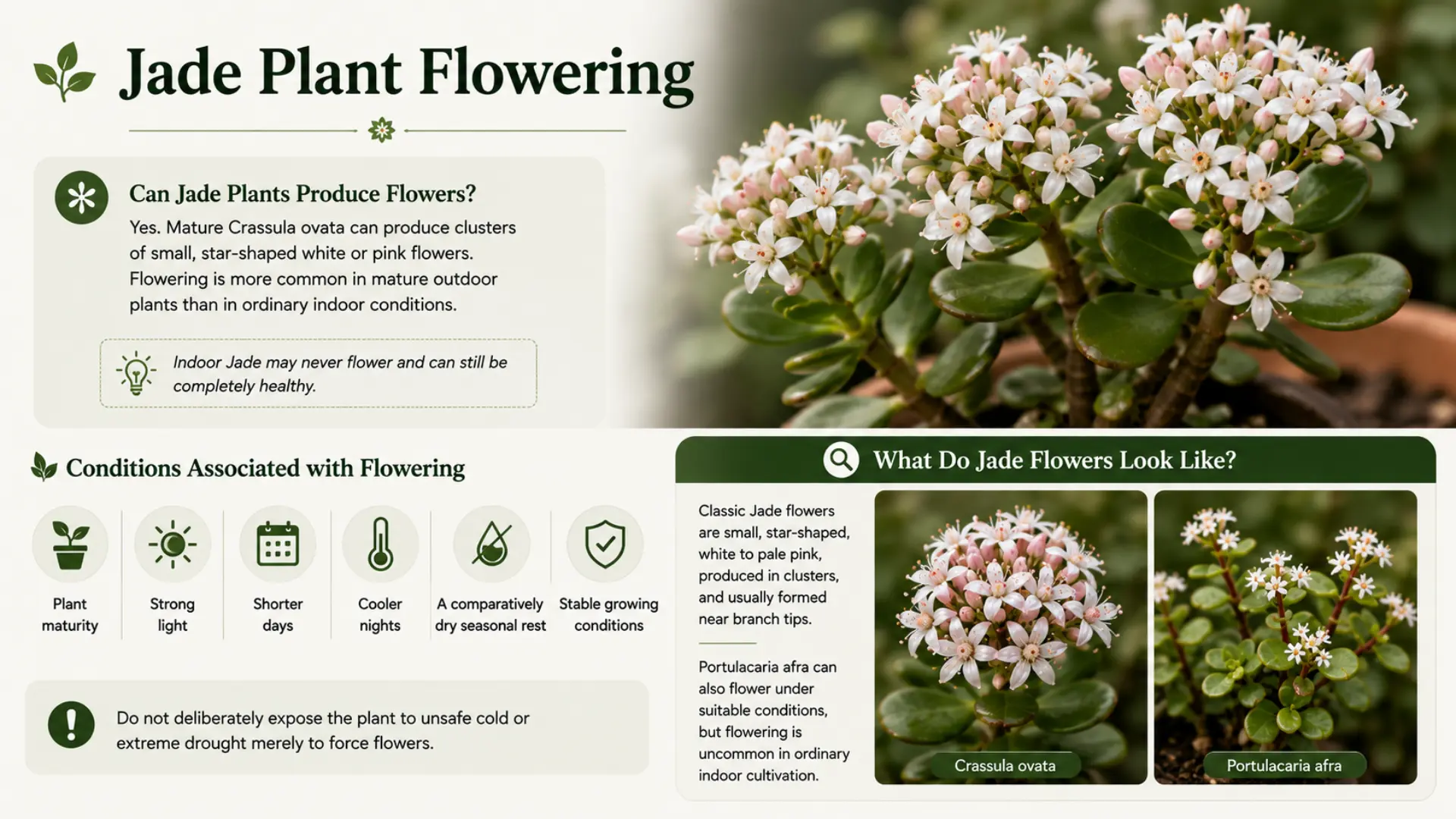
Yes. Mature Crassula ovata can develop clusters of tiny, star-like flowers in shades of white or soft pink. Blooming is more frequently seen in established outdoor plants than typical indoor specimens. NC State notes that flowering is uncommon when grown as a houseplant, while Clemson reports that mature plants can produce white or pink flower clusters.
Conditions Associated with Flowering
- Mature, established plant
- Plenty of bright light
- Shorter daylight hours
- Cooler nighttime temperatures
- A relatively dry resting period
- Consistent growing conditions
An indoor Jade may remain healthy without ever blooming. Avoid using extreme cold or prolonged drought as a method to trigger flowering, as these conditions can damage the plant.
What Do Jade Flowers Look Like?
Jade flowers are generally tiny, star-shaped blooms that range from white to light pink and appear in clusters around the ends of branches. Portulacaria afra may also flower when conditions are favourable, although blooms are rarely seen when grown indoors.
 Ways to Grow & Display Jade Plant
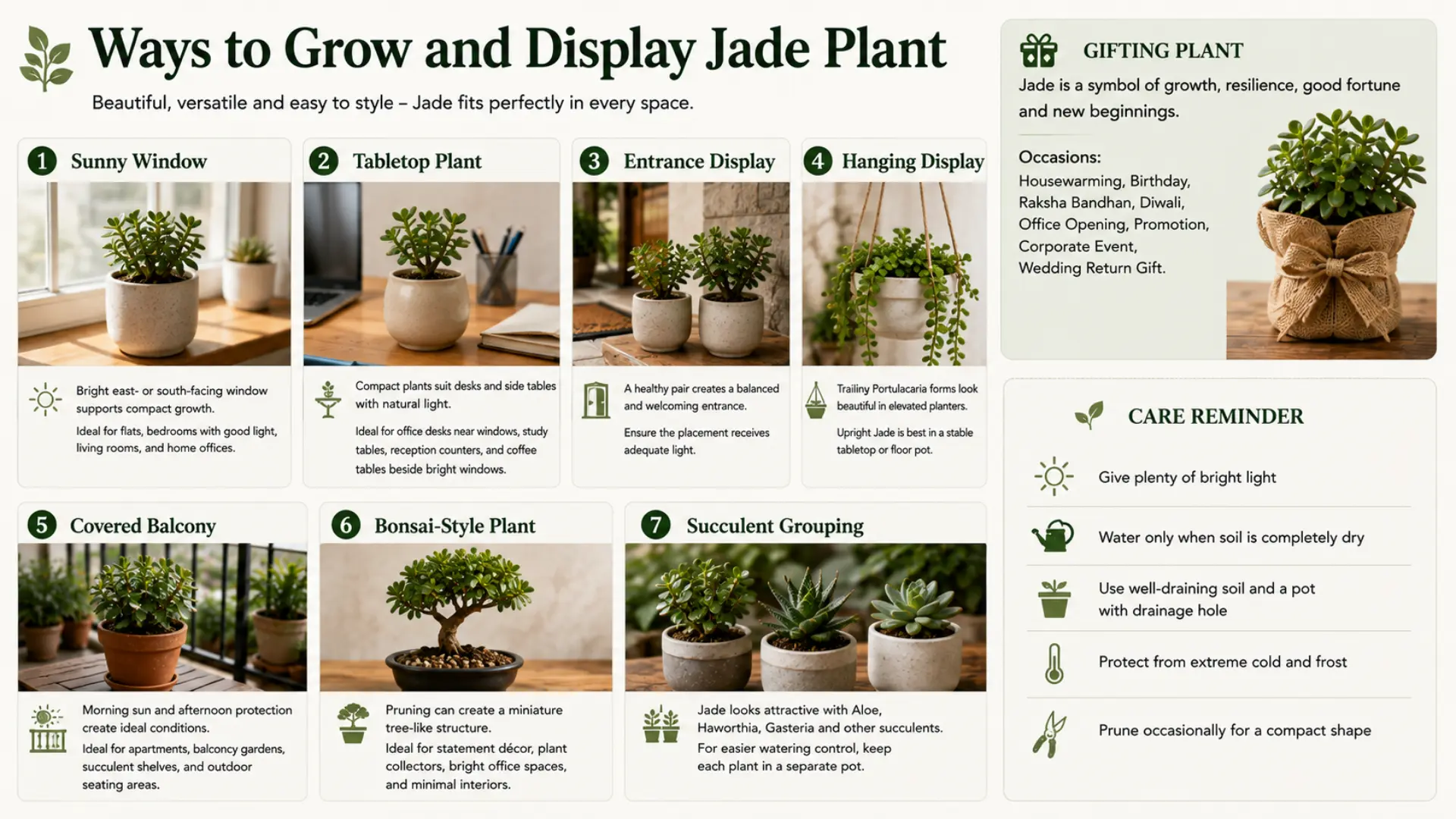
Jade Plant is versatile and can be grown and displayed in several ways depending on your available space, lighting, and preferred décor style.

Sunny Window
East- or south-facing windows provide strong light for compact, healthy growth. Ideal for bright bedrooms, living rooms, and home offices.
.png)
Tabletop Plant
Place compact Jade Plants on desks, study tables, or side tables near natural light.
.png)
Entrance Display
A pair of Jade Plants can frame an entrance beautifully, provided the area receives enough light.
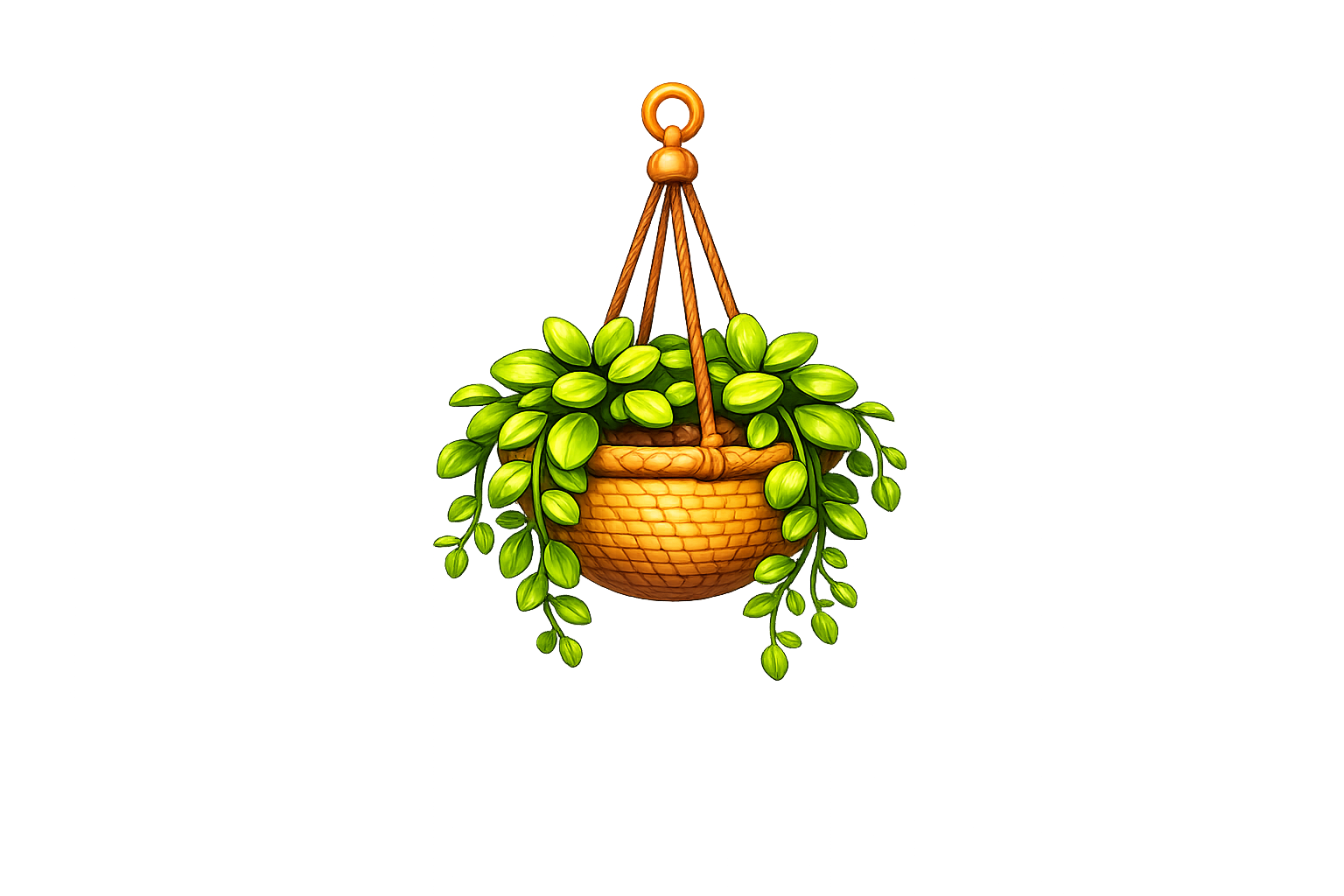
Hanging Display
Trailing Portulacaria varieties suit hanging planters, while upright Crassula ovata is better suited to stable pots.
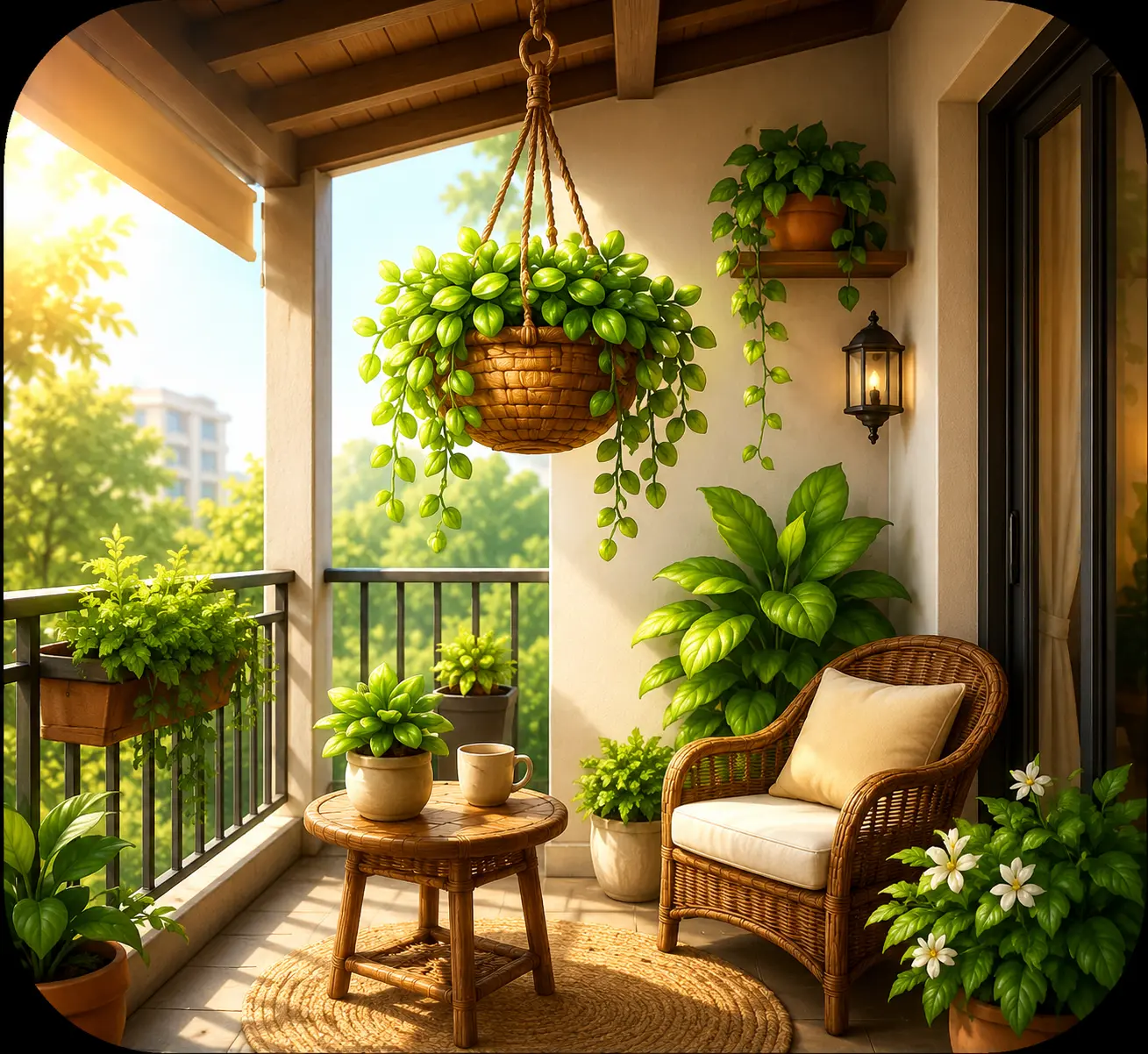
Covered Balcony
Morning sunlight with afternoon shade creates good growing conditions for Jade in balconies and outdoor spaces.
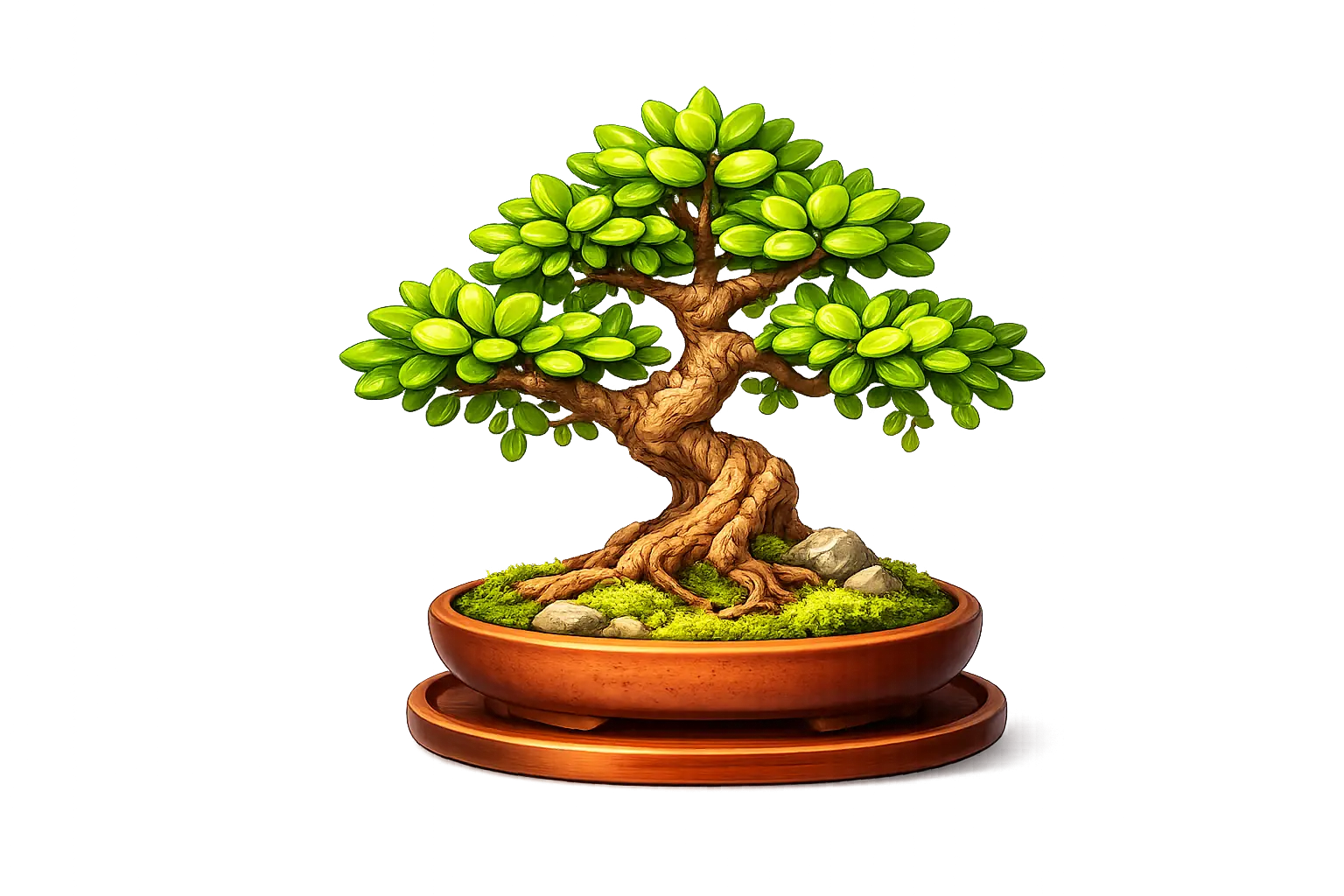
Bonsai-Style Plant
Pruning can shape Jade into a miniature tree, making it suitable for minimalist décor and plant collections.
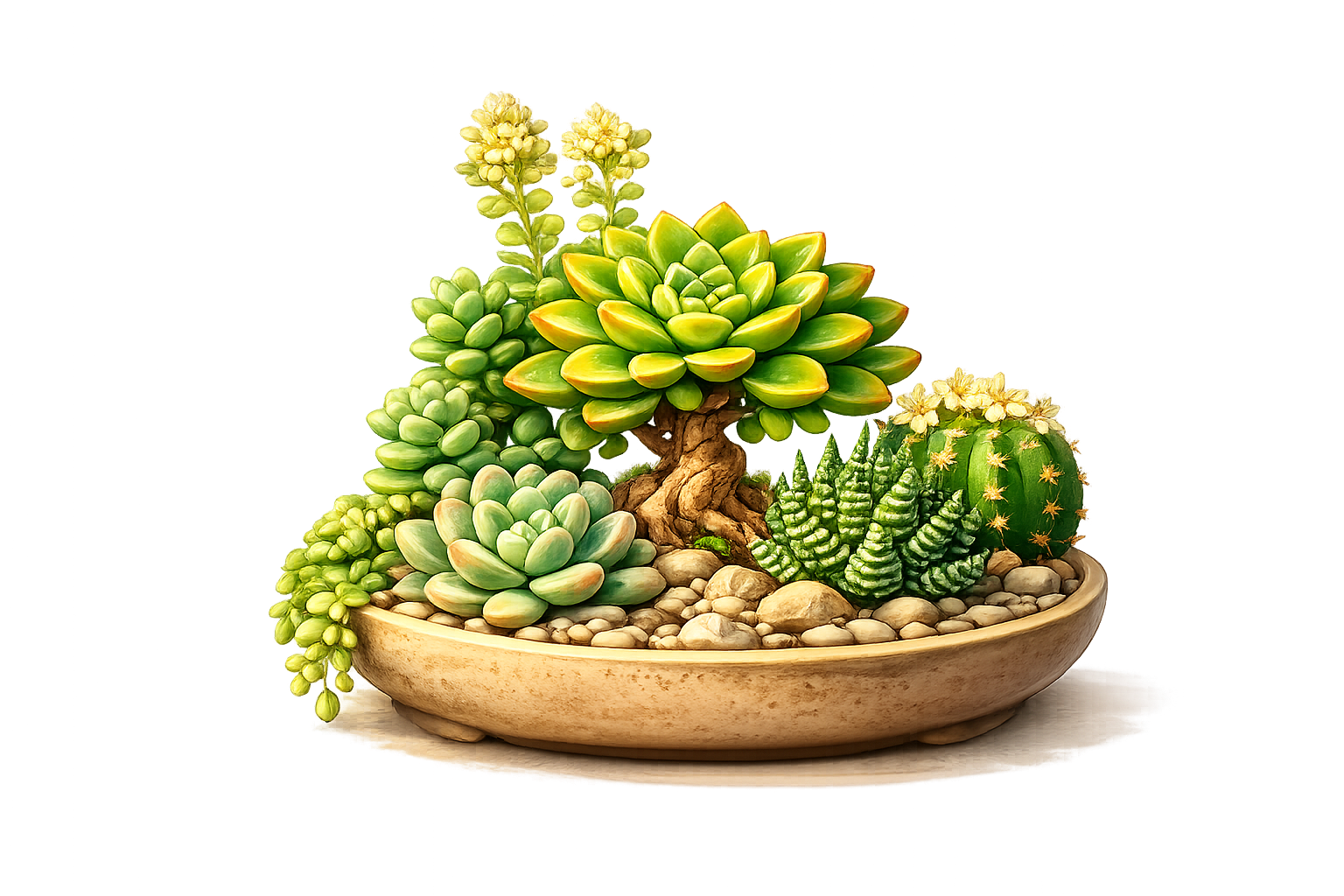
Succulent Grouping
Pair Jade with Aloe, Haworthia, or Gasteria. Keep each plant in a separate pot for easier watering.
Gifting Plant
Jade symbolises prosperity, friendship, growth, and new beginnings. It suits housewarmings, birthdays, Diwali, promotions, office openings, and corporate gifting.
✨ Benefits of Keeping a Jade Plant at Home
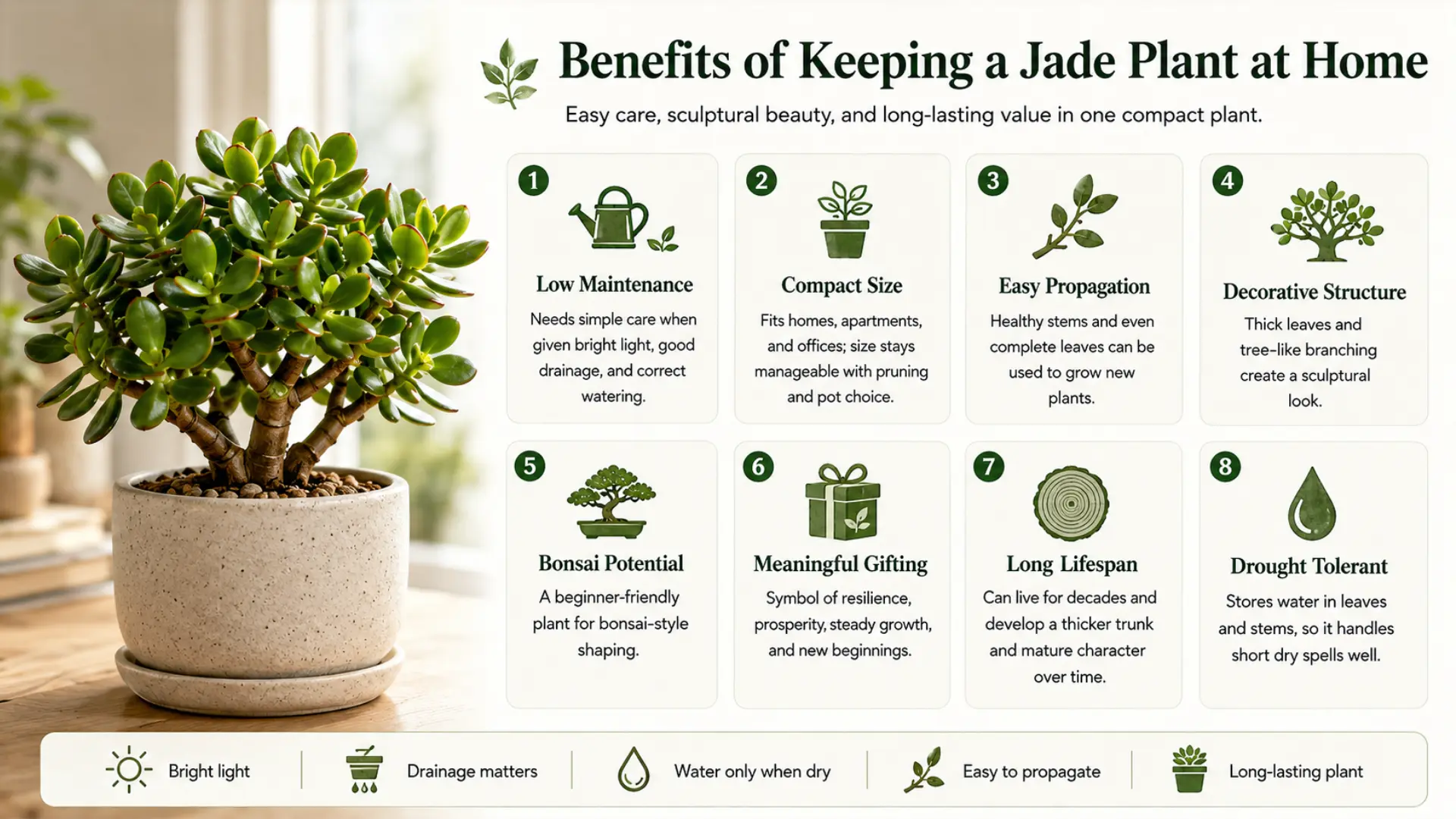
Low Maintenance
Jade does not need daily watering or constant pruning. Its care becomes simple when three requirements are met: bright light, drainage, and correct watering.
Compact Size
Young Jade Plants fit into small homes, apartments, and offices. Their size can be controlled through pot selection, pruning, and light management.
Easy Propagation
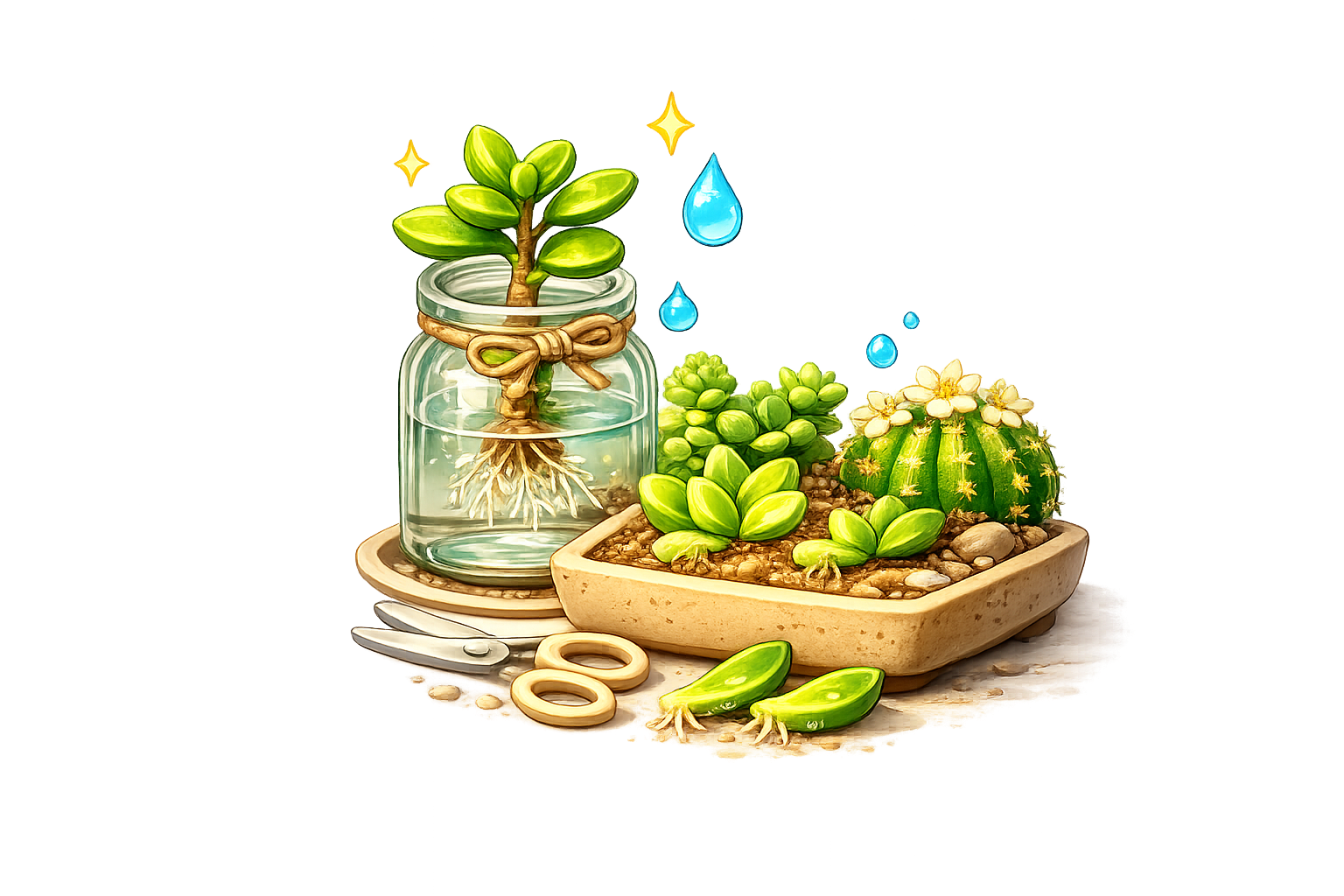
Healthy stems can be turned into new plants. Crassula ovata can also be propagated from complete leaves — making Jade suitable for sharing with friends and family.
Decorative Structure
The thick leaves, tree-like stems, and dense branching create a sculptural appearance even without flowers.
Bonsai Potential
Jade provides a beginner-friendly introduction to bonsai-style shaping without requiring the same moisture demands as many traditional woody bonsai species.
Meaningful Gifting
The plant's longevity and growth habit make it a thoughtful symbol of enduring relationships, steady progress, resilience, prosperity, and fresh beginnings.
Long Lifespan
A healthy Jade Plant purchased from Urvann can remain part of a home for decades. Older plants develop thicker trunks, more character, broader canopies, and a mature bonsai-like appearance.
Drought Tolerance
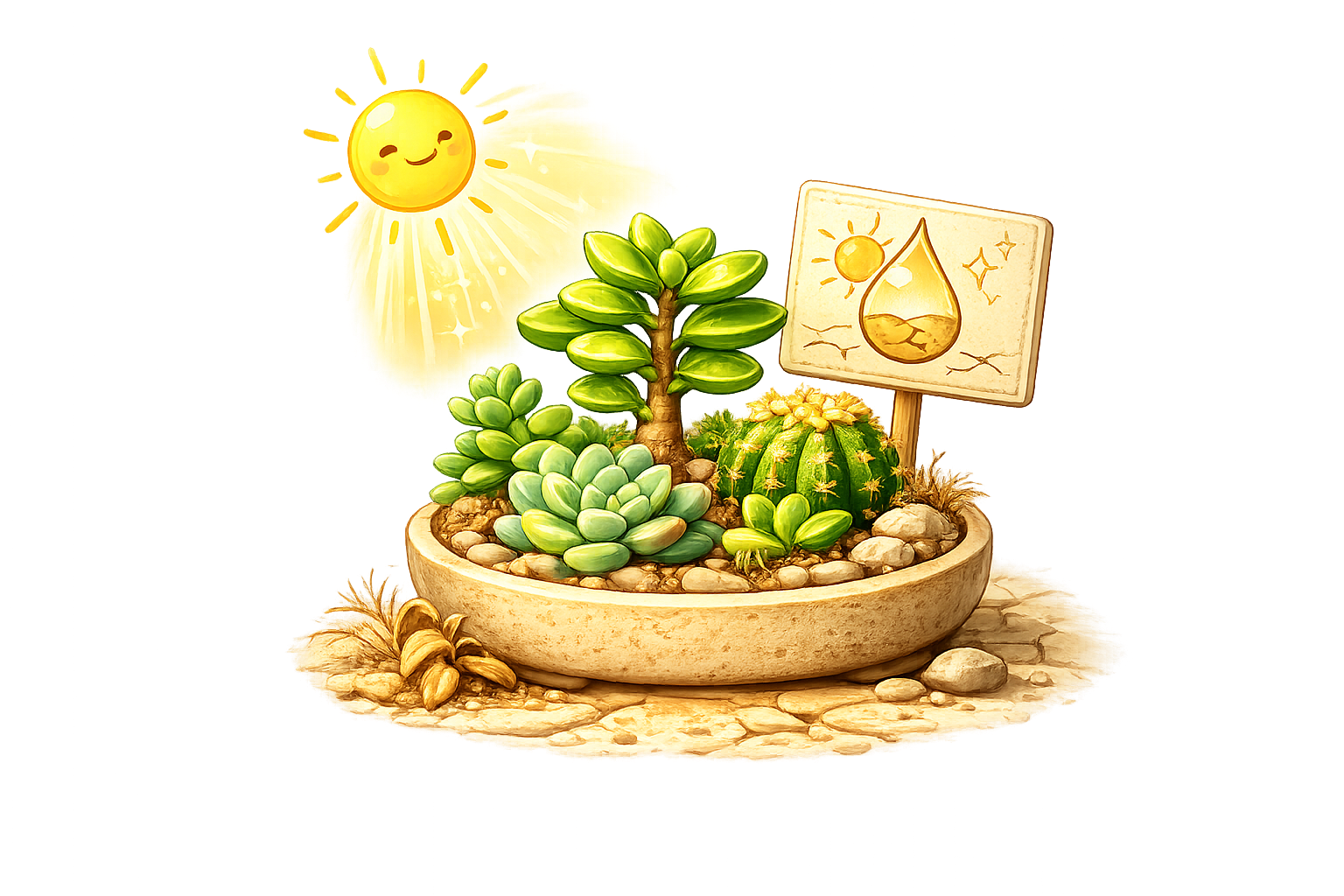
Stored water in the leaves and stems helps it tolerate short periods of dryness — suitable for busy plant owners, frequent travellers, beginners, and people who forget occasional watering.
🔍 Common Problems, Causes, and Fixes
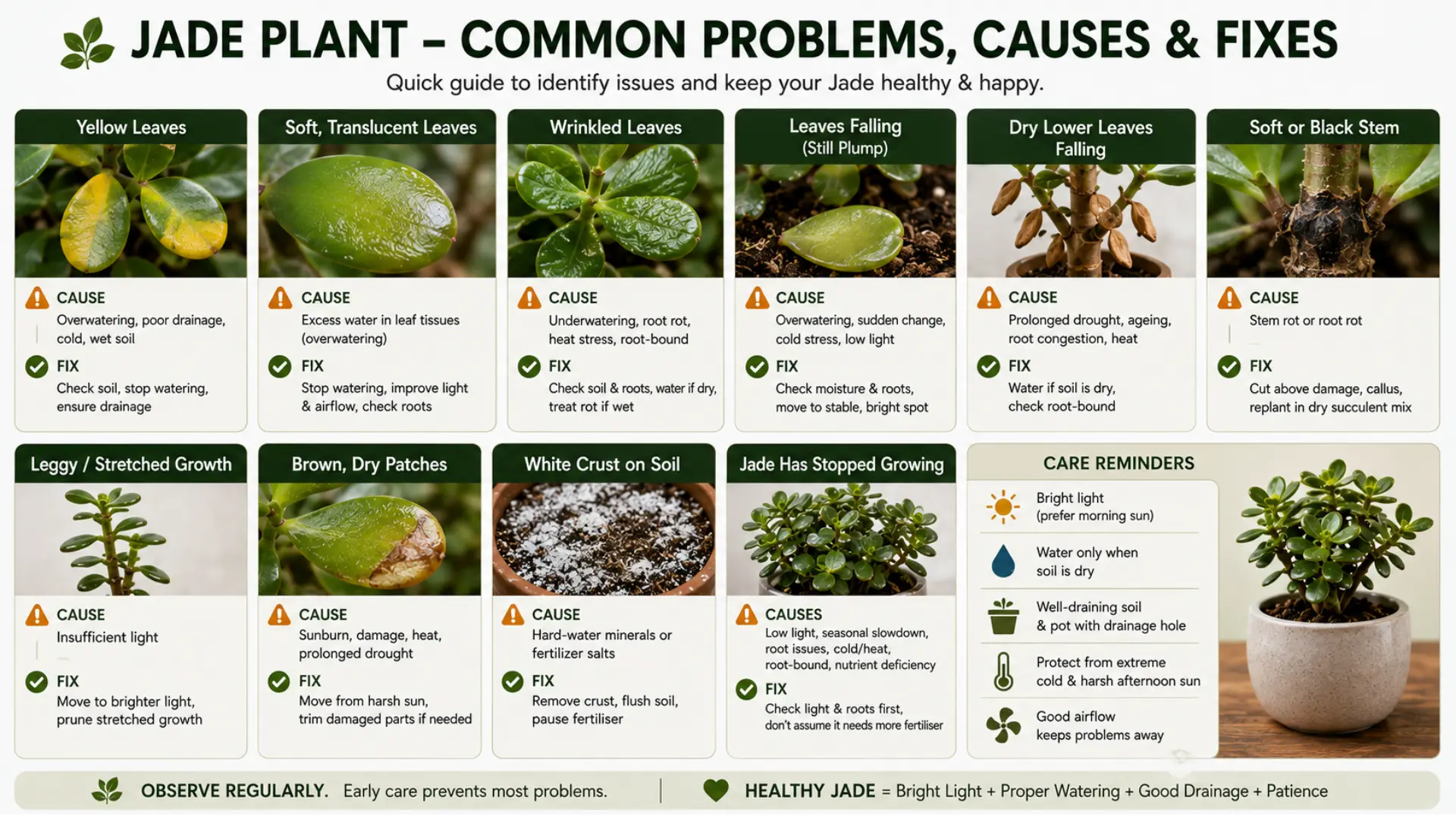
Yellow Leaves
- Overwatering
- Poor drainage
- Cold, wet soil
- Root damage
- Natural ageing of an occasional older leaf
- Check the soil
- If wet, stop watering
- Empty the saucer
- Inspect the roots if yellowing continues
- Trim rotten roots and repot in a gritty mix if necessary
- Allow the mix to dry substantially
- Use a drainage hole
- Reduce watering during monsoon and winter
Soft, Translucent Leaves
Excess water inside leaf tissues, often caused by overwatering.
Stop watering and improve light and airflow. Inspect the roots if the soil remains wet or smells sour.
Avoid watering on a fixed schedule. Use a smaller pot and a faster-draining mix.
Wrinkled Leaves
- Underwatering
- Root rot
- Heat stress
- A severely root-bound pot
- Check the soil — if dry with healthy roots, water thoroughly
- If wet and wrinkled, inspect for root rot
- Use the pot-weight method and avoid both extreme drought and excessive moisture
Leaves Falling While Still Plump
- Overwatering
- Sudden environmental change
- Cold stress
- Low light
- Check the moisture level and roots
- Move the plant to stable, bright conditions
- Do not water again until needed
- Avoid frequent relocation and fixed watering calendars
Dry Lower Leaves Falling
- Prolonged drought
- Natural ageing
- Root congestion
- Extreme heat
- Water thoroughly if the soil is fully dry
- Check whether the plant is severely root-bound
- Do not leave the plant dry for excessive periods
Soft or Black Stem
- Stem rot or root rot
- Remove the plant from the pot
- Cut above the damaged section until only firm, healthy tissue remains
- Allow the healthy cutting to callus
- Propagate it in fresh, dry succulent mix
- Use drainage holes
- Avoid wet soil around the stem base
- Reduce watering during humid weather
Leggy or Stretched Growth
- Insufficient light
- Move the plant gradually to a brighter location
- After acclimatisation, prune stretched growth
- Keep Jade near a bright window and rotate the pot regularly
Brown, Dry Patches
- Sunburn
- Physical damage
- Extreme heat
- Prolonged drought
- Move the plant away from harsh afternoon sun
- Do not remove every damaged leaf immediately if it remains firm
- Acclimatise sunlight gradually
White Crust on Soil
- Hard-water minerals or excess fertiliser salts
- Remove the upper crust
- Flush the soil when the roots are healthy and drainage is good
- Pause fertilising
- Use fertilizer sparingly
- Do not leave water in the saucer
Jade Has Stopped Growing
- Low light
- Seasonal slowdown
- Root damage
- Cold conditions
- Extreme heat
- Root-bound pot
- Nutrient deficiency
- Check the light and roots before adding fertilizer
- Do not assume every growth problem is caused by lack of feeding
 Vastu Shastra and Feng Shui Placement
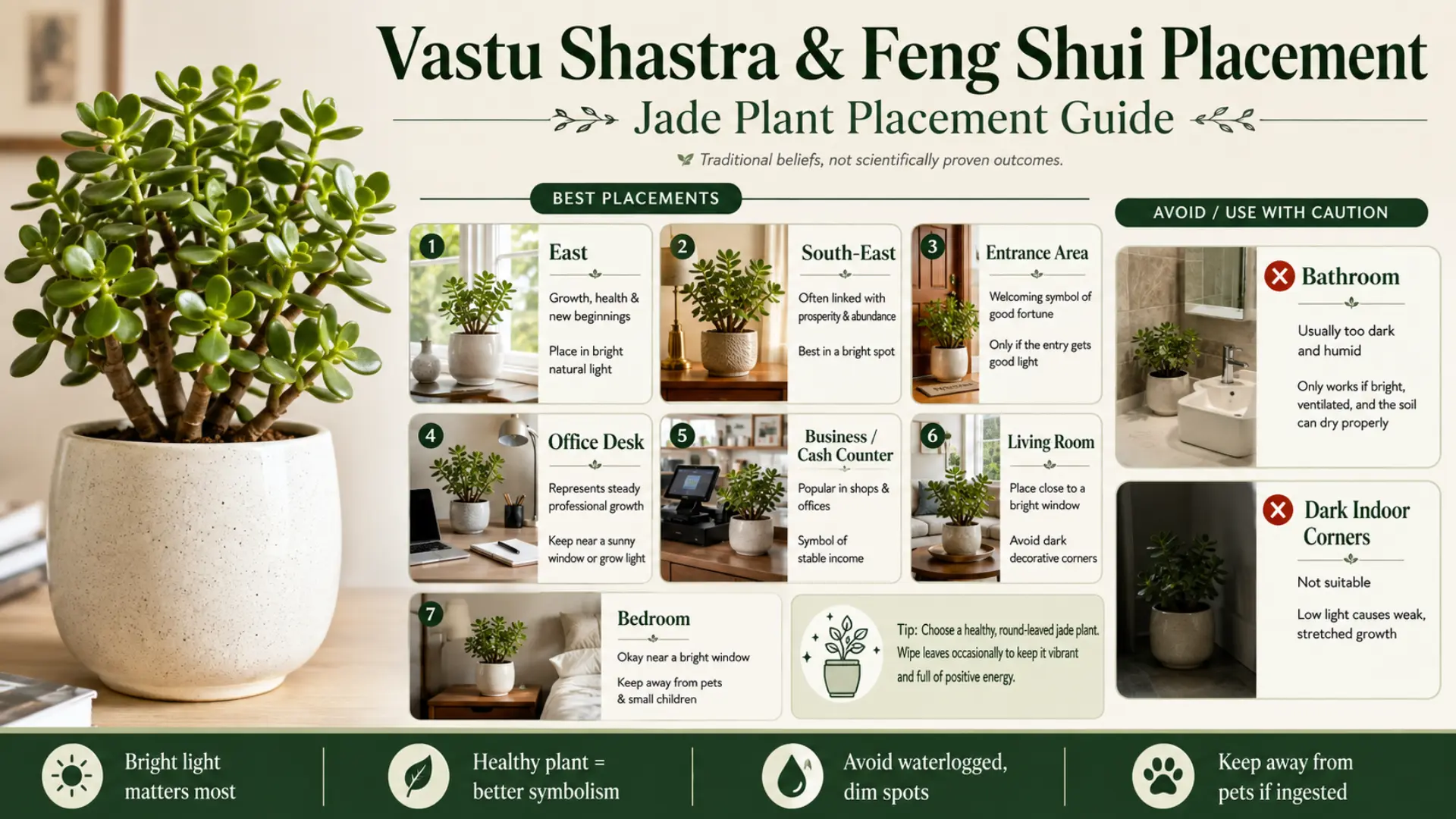
In Vastu Shastra and Feng Shui traditions, Jade is associated with prosperity, success, positive energy, and steady financial growth. These associations are cultural beliefs and should not be presented as scientifically proven outcomes.
East Direction ✔
Traditionally associated with growth, health, and new beginnings. Place the plant where it receives bright natural light.
South-East Direction ✔
Commonly considered the wealth corner in Vastu and Feng Shui. A bright location here is believed to symbolise prosperity and abundance.
Entrance Area ✔
A healthy Jade Plant near a bright, well-lit entrance is often kept as a symbol of welcome and good fortune. Avoid dark entryways with little natural light.
Office Desk ✔
Popularly placed to represent steady professional growth and financial success. Keep it near a sunny window or under a suitable grow light.
Business or Cash Counter ✔
Traditionally used in shops and offices as a symbol of stable income and commercial prosperity.
Living Room ✔
Place it close to a bright window where it receives plenty of natural light instead of a dark decorative corner.
Bedroom ✔
Suitable if placed near a bright window with adequate sunlight. Keep the plant out of reach of pets and small children, as Jade Plants are toxic if ingested.
Bathroom ❌
Most bathrooms are too dark and humid for Jade Plants. Suitable only if the space has a large bright window, good ventilation, and the soil can dry properly.
Dark Indoor Corners ❌
Jade Plants require bright light for healthy, compact growth and should not be kept in dimly lit corners.
⚠️ Toxicity and Safety
Jade Plants (Crassula species) should be treated as potentially toxic to cats, dogs, and horses. Keep the plant away from children and pets and take appropriate precautions when handling the plant.
🐾 Pet Safety (Cats, Dogs & Horses)
Jade Plants (Crassula species) should be treated as potentially toxic to cats, dogs, and horses. If chewed or ingested, they may cause symptoms such as vomiting, lethargy, loss of coordination, or stomach upset. While serious cases are uncommon, veterinary attention is recommended if ingestion is suspected.
👶 Small Children
Keep unidentified Jade Plants away from small children. Risks may include chewing toxic Crassula leaves, stomach discomfort, contact with pesticide residue, choking on small leaves, and broken pots or sharp decorative material.
🧑 Adults
Jade sap may cause mild skin irritation in sensitive individuals. Wear gloves when pruning large plants, handling rotting tissue, using pesticides, or repotting treated nursery plants. Wash hands after handling.
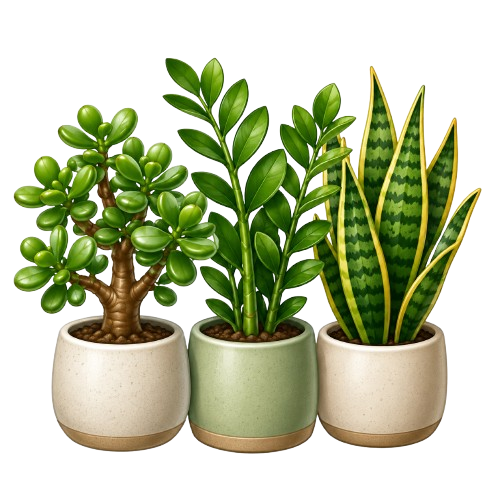 Companion Plants: What Looks Great Together?
Jade pairs visually and horticulturally with plants that prefer bright light, rapid drainage, and restrained watering. Keep different species in separate pots whenever possible because their exact watering needs may differ.
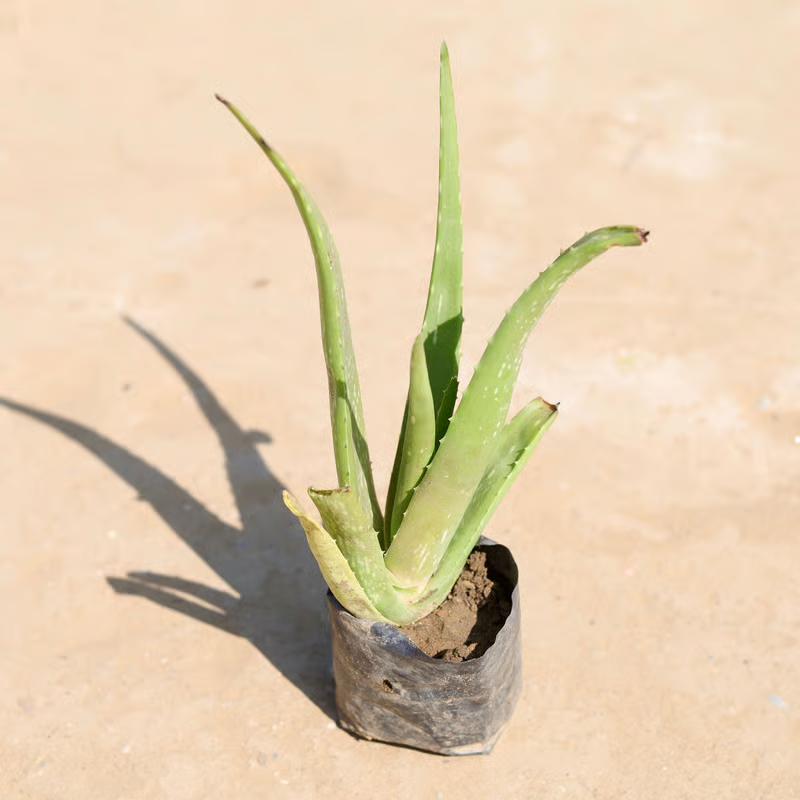
Aloe Vera
The upright, spear-shaped leaves of Aloe Vera create a striking contrast with Jade Plant's rounded, fleshy foliage. Both are drought-tolerant succulents that thrive in bright light, fast-draining soil, and a soak-and-dry watering routine, making them easy companions for sunny windowsills or balconies.
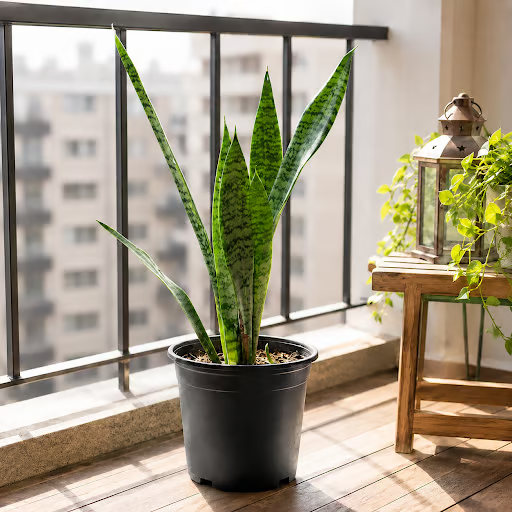
Snake Plant
Snake Plant's tall, upright foliage contrasts beautifully with the rounded canopy of Jade Plant, creating a balanced indoor display. Both are drought-tolerant and beginner-friendly, but Snake Plant adapts better to lower light and usually stays moist for longer.
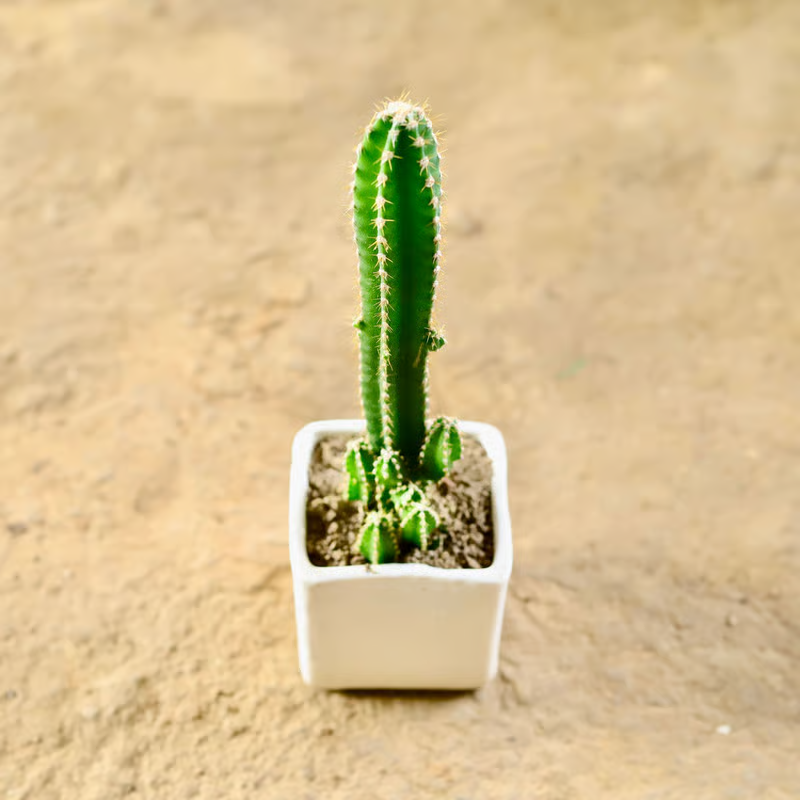
Cactus
Small cactus pairs naturally with Jade Plants to create a desert-inspired arrangement with varied shapes, textures, and heights. While both enjoy bright light and well-draining soil, many cacti prefer even drier conditions than Jade. Display them together, but grow each in its own pot so watering can be adjusted according to the needs of each species.
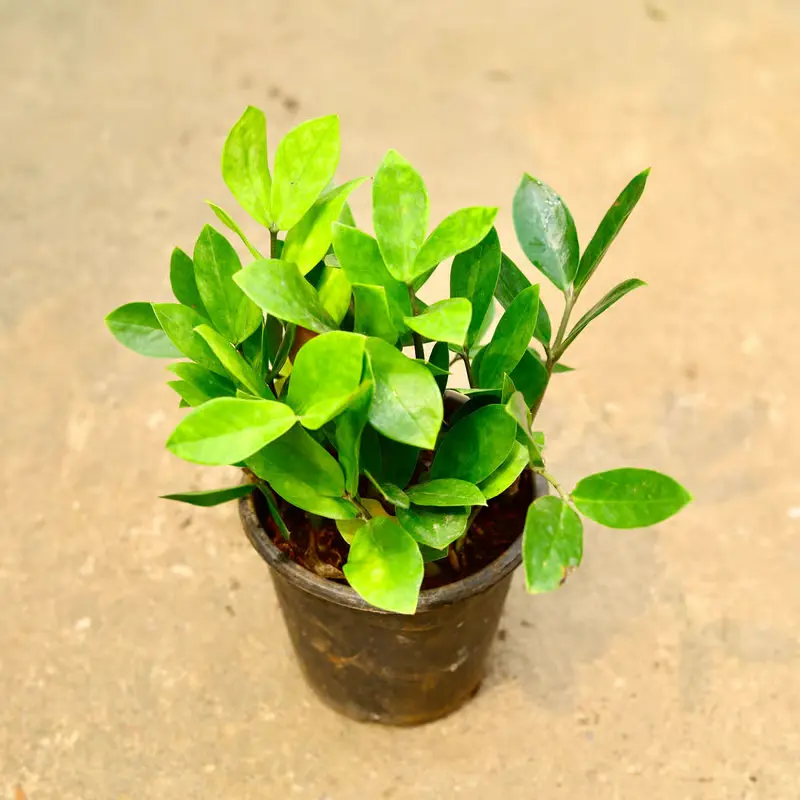
ZZ Plant
The glossy, upright leaves of the ZZ Plant provide a bold contrast to Jade's branching growth. Both plants are drought-tolerant and low-maintenance, although ZZ Plants can tolerate lower light better. Grow them in separate pots to accommodate their different watering needs.