
Shop


Please provide your delivery pincode to see products available in your area
Hibiscus Plant 🌺
Also known as Gudhal, Joba, Jaswand, Mandaram, China Rose, or Shoeblack Plant, the hibiscus is one of India’s most loved flowering shrubs. Famous for its bold, trumpet-shaped blooms and lush green foliage, this tropical beauty instantly adds colour, freshness, and a festive garden feel to balconies, terraces, patios, and home gardens.
About the Hibiscus Plant
Hibiscus plant (Hibiscus rosa-sinensis) is one of the most popular flowering plants grown across India. Known locally as gudhal plant, joba, jaswand, and mandaram plant, it is loved for its large, colourful flowers that bloom beautifully in warm tropical and subtropical climates.
The hibiscus flower is instantly recognisable. It usually has five broad petals, a prominent central staminal column, and a soft, tropical appearance. Depending on the variety, hibiscus flowers may be red, yellow, pink, orange, white, peach, or even multicoloured. Some varieties produce large single flowers, while others have double-layered, ruffled blooms.
What makes the hibiscus plant especially suitable for Indian homes is its love for sunlight and warmth. Whether you are placing it on a sunny balcony, terrace, garden corner, or near an east-facing outdoor space, hibiscus can reward you with frequent blooms when given the right care.
Beyond beauty, hibiscus also holds cultural, religious, and traditional importance in India. The red hibiscus flower is commonly used in worship, especially in offerings to Goddess Kali and Lord Ganesha in many regions. Its flowers are also valued in traditional hair-care practices, herbal teas, and natural colour preparations.
Popular Varieties of Hibiscus Plants on Urvann
The varieties of hibiscus differ in flower colour, size, petal shape, plant height, and growth habit. Some are compact and perfect for pots, while others grow into larger garden shrubs.
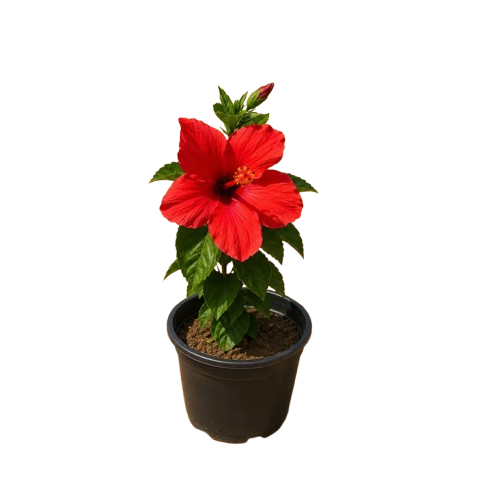
Hibiscus Desi Red in 6 Inch Nursery Pot
(Traditional Favourite)The classic red hibiscus is the most iconic and widely grown hibiscus variety in India. Its bold red flowers are deeply connected with Indian traditions and are commonly used in पूजा rituals, temple offerings, and home gardens across the country. The plant blooms beautifully in warm weather and creates a rich tropical look with its vibrant flowers and glossy green foliage. Red hibiscus is also one of the easiest flowering plants to grow in sunny Indian balconies, terraces, and outdoor spaces.
Best for: Home gardens, balconies, पूजा use, sunny outdoor spaces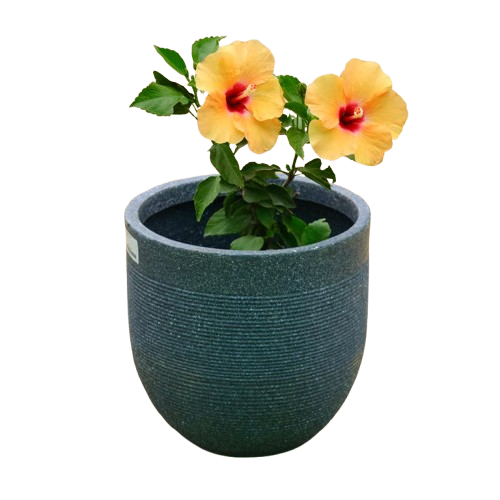
Yellow Hibiscus Dwarf in 12 X 12 Inch Grey Premium Orbis Fiberglass Planter (More Colours Available)
(Sunshine Bloom)Yellow hibiscus plants are loved for their cheerful, bright blooms that instantly make balconies and gardens feel more lively and tropical. Their warm golden flowers stand out beautifully against dark green leaves and add a refreshing pop of colour to outdoor spaces. These varieties grow especially well in sunny balconies and terrace gardens where they receive regular sunlight and watering. Yellow hibiscus pairs beautifully with other colourful flowering plants for a vibrant garden display.
Best for: Balconies, terrace gardens, colourful outdoor corners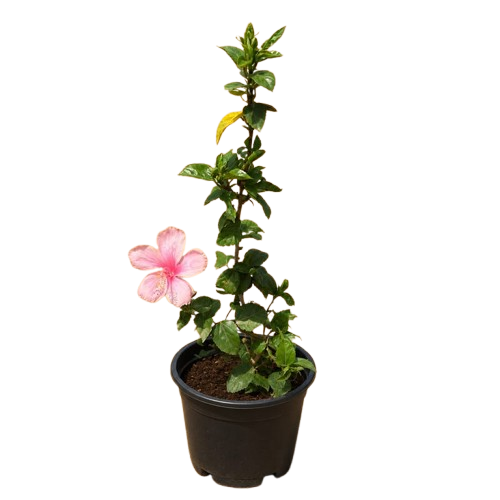
Hibiscus / Gudhal Pink in 6 Inch Nursery Pot
(Elegant Choice)Pink hibiscus flowers have a soft, elegant appearance that brings a decorative and ornamental touch to gardens and balconies. Available in both single and double-petal forms, these blooms create a calm, graceful look that blends beautifully with other flowering plants. Their gentle colours make them especially popular for patio styling, entrance décor, and peaceful outdoor corners where a softer floral aesthetic is preferred.
Best for: Decorative gardens, entrance areas, patio pots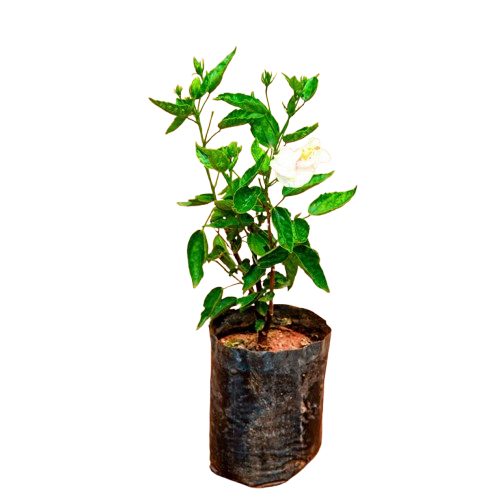
Hibiscus Dwarf White in 6 Inch Nursery Bag
(Peaceful Beauty)White hibiscus varieties are admired for their graceful blooms and clean, calming appearance. Their soft white flowers create a fresh and elegant atmosphere, making them ideal for minimal garden themes and serene balcony spaces. These plants look especially beautiful in bright outdoor corners where their flowers contrast gently against lush green foliage. White hibiscus also pairs well with fragrant and spiritual garden plants.
Best for: Elegant gardens, spiritual spaces, subtle colour themes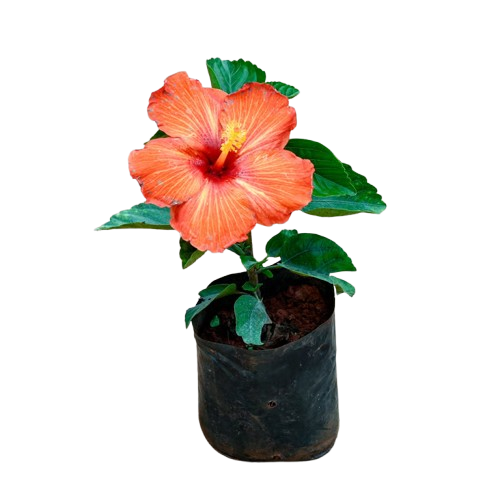
Hibiscus / Gudhal Dwarf Orange in 6 Inch Nursery Bag
(Tropical Glow)Orange hibiscus adds a bold tropical character with its warm, vibrant flowers and lush foliage. The rich orange blooms instantly brighten garden spaces and create a lively, exotic look that stands out beautifully in terraces and patios. This variety is perfect for gardeners who want a stronger tropical garden aesthetic and colourful outdoor displays that remain eye-catching throughout the flowering season.
Best for: Bright garden corners, terrace displays, tropical landscapingAccording to Leaf Types
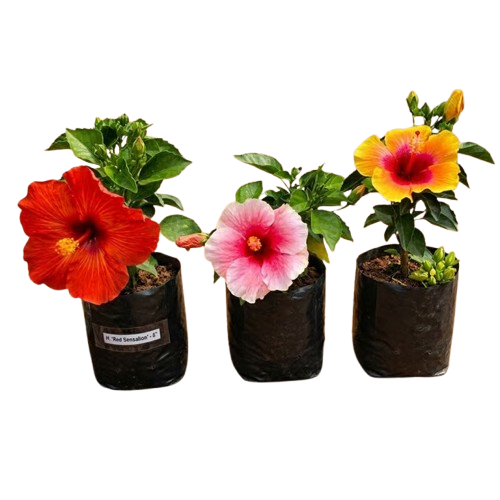
Set of 3 - Hibiscus Dwarf (any colour) in 5 Inch Nursery Bag
(Compact Favourite)Dwarf hibiscus plants stay smaller and more compact than regular hibiscus varieties, making them ideal for balconies, pots, and limited outdoor spaces. If you are looking for a small hibiscus plant, a mini hibiscus plant, or a compact flowering shrub, a dwarf hibiscus is one of the best choices. Despite their compact size, these plants still produce beautiful, colourful blooms and are easier to maintain for apartment gardening and beginner-friendly setups.
Best for: Small balconies, apartment gardens, container growing🌺 Which varieties of hibiscus are easily available in India?
Common & Affordable
Red Hibiscus, Yellow Hibiscus, Pink Hibiscus, White Hibiscus
Moderately Available
Orange Hibiscus, Double Hibiscus, Dwarf Hibiscus
Premium / Less Common
Variegated Hibiscus, multicoloured hibiscus, miniature hibiscus varieties, rare hybrid hibiscus
Complete Care Guide for Hibiscus Plant
Temperature
18°C – 35°C
Ideal: 21°C – 32°C
Hibiscus thrives in warm, tropical climates and grows best in consistently warm temperatures. It tolerates Indian summers well but needs protection from frost and prolonged cold.
- ✅ Keep the plant in a warm, sunny location
- ✅ Water regularly during hot weather to prevent heat stress
- ✅ Protect from cold winds during North Indian winters
- ✅ Move potted plants to a sheltered spot during extreme cold
- ❌ Avoid frost exposure
- ❌ Avoid placing near strong AC airflow
Pruning
Regular pruning keeps your hibiscus healthy, encourages bushier growth, and promotes more flowers. Removing old or damaged growth helps the plant direct its energy toward producing fresh shoots and blooms.
- ✅ Remove dry, weak, or diseased branches
- ✅ Trim leggy stems to encourage side branching
- ✅ Light pruning can be done during the growing season
- ✅ Hard pruning works best in late winter or early spring
- ❌ Avoid heavy pruning during peak flowering season
- ❌ Do not remove all developing buds while shaping the plant
Cleaning Leaves
Clean leaves help the plant absorb more sunlight and allow you to spot pests or diseases early. Regular cleaning also improves the overall appearance and health of your hibiscus.
- ✅ Wipe dusty leaves gently with a damp cloth once or twice a month
- ✅ Spray water lightly to remove dust during dry weather
- ✅ Check the underside of leaves for pests while cleaning
- ✅ Use diluted neem oil occasionally for natural pest prevention
- ❌ Avoid harsh chemical leaf-shine sprays
- ❌ Do not leave leaves constantly wet during humid monsoon weather
Air Circulation
Good air circulation reduces excess moisture around the plant, lowering the risk of fungal diseases and pest infestations. It also supports stronger, healthier growth throughout the year.
- ✅ Keep the plant in a bright, open outdoor area
- ✅Leave space between pots if growing multiple plants together
- ✅ Remove overcrowded inner branches for better airflow
- ✅ Good ventilation helps prevent fungal infections and pests
- ❌ Avoid dark, congested corners with poor airflow
- ❌ Avoid excessive misting during highly humid weather
Light
Hibiscus is a sun-loving flowering plant. Light directly affects the number, size, and quality of blooms. If your hibiscus plant is not flowering, insufficient sunlight is often one of the biggest reasons.
Direct Sun — Best
Hibiscus grows and blooms best with 5 to 6 hours of sunlight daily, especially gentle morning sun, though light afternoon shade helps in very hot regions.
- ✅ Best for strong, consistent flowering
- ✅ Encourages healthy, compact growth
- ✅ Improves bud formation and colour
- ❌ Harsh afternoon sun in peak summer may scorch leaves
Bright Indirect Light — Good
Bright indirect light keeps the foliage healthy, but flowering drops noticeably if the plant doesn't get enough direct sun.
- ✅ Good for newly bought or recently repotted plants
- ✅ Works for balconies with strong reflected light
- ❌ Fewer flowers than with direct morning sun
- ❌ Growth may slow without regular direct light
Medium Light — Survives
The plant may survive in medium light, but flowering becomes poor and growth gradually weakens without enough direct sun.
- ✅ Leaves may remain green for a while
- ❌ Buds may drop before opening
- ❌ Stems may grow long, thin, and leggy
- ❌ Flowering may stop almost completely
Low Light — Not Recommended
Hibiscus is not suited to low light indoors. It may survive briefly near a bright window, but it will not bloom without direct sunlight.
- ❌ Avoid dark rooms with no natural light
- ❌ Avoid windowless offices or interior corners
- ❌ Not suitable as a long-term indoor plant
- ❌ Growth weakens steadily without sunlight
Window & Balcony Direction Rule for Hibiscus Plant
Watering
Hibiscus likes consistent moisture, but it does not like waterlogged soil. The key is to keep the soil slightly moist during active growth while allowing excess water to drain freely. Proper drainage is important because overwatering can lead to root rot. Before watering, check the top 1–2 inches of soil:
- If it feels moist → wait
- If it feels dry → water deeply until excess water drains out
SPRING
Every 2–4 days
As temperatures rise, hibiscus enters active growth and begins producing new leaves and buds, so keep the soil evenly moist.
- ✅Water as soon as the topsoil starts to dry
- ✅Increase frequency slightly as new buds form
- ❌ Do not let the soil dry out completely
SUMMER
Daily or every 1–2 days in very hot regions
In peak Indian summer, potted hibiscus dries out quickly, especially on terraces and balconies, so check the soil daily.
- ✅ Water early morning or evening
- ✅ Increase watering frequency for terracotta pots
- ❌ Do not let the plant wilt repeatedly
MONSOON
Every 4–7 days, depending on rainfall
High humidity and rain keep the soil moist for much longer, making this the most common season for fungal issues and root rot.
- ✅ Water only once the soil begins to dry
- ✅ Ensure drainage holes stay clear and unblocked
- ❌ Do not let pots sit in collected rainwater
WINTER
Every 7–12 days
Growth slows in the cooler months, so the plant needs noticeably less water, and overwatering now can easily damage roots.
- ✅ Water less frequently than in warmer months
- ✅ Keep the soil lightly moist, never soggy
- ❌ Avoid watering late in the evening during cold weather
NOTE: Hard tap water can sometimes leave salt deposits in the soil and cause leaf-tip browning over time.
Best options:
- Rainwater
- Filtered water
- Tap water kept overnight before use
Soil Mix & Pot Selection
Hibiscus needs a fertile, well-draining soil mix. It enjoys moisture, but the roots must also get enough oxygen. Heavy, compacted soil can block drainage and cause root rot.
Recommended DIY Soil Mix - Ideal for the Indian Climate
40% Garden Soil or Potting Soil → Gives structure and nutrients
30% Compost / Vermicompost → Supports flowering and healthy growth
20% Cocopeat → Retains moisture in warm weather
10% Perlite / Coarse Sand → Improves drainage and aeration
Alternative Simple Mix
If you are using regular garden soil:
60% garden soil + 25% compost + 15% coarse sand
- ❌ Never use pure clayey garden soil in pots.
- ❌ Avoid soil that becomes hard like a brick after drying.
- ❌ Avoid using only cocopeat, as it may hold too much moisture without enough nutrients.
Choosing the Right Pot
Different pots affect watering, root health, and plant growth.
🏺 Terracotta Pots
Breathable and porous, terracotta lets extra moisture evaporate quickly, which naturally lowers the risk of overwatering and root rot.
Best for: Humid climates, monsoon safety, gardeners who tend to overwater
🪣 Plastic Pots
Lightweight, affordable, and moisture-retentive, plastic pots help keep the soil from drying out too fast in hot weather.
Best for: Hot summers, balconies, and easy movement
🪴 Ceramic / Glazed Pots
Decorative and stylish, though less breathable, so soil dries slower and drainage holes become essential.
Best for: Patio styling, entrance areas, and decorative displays
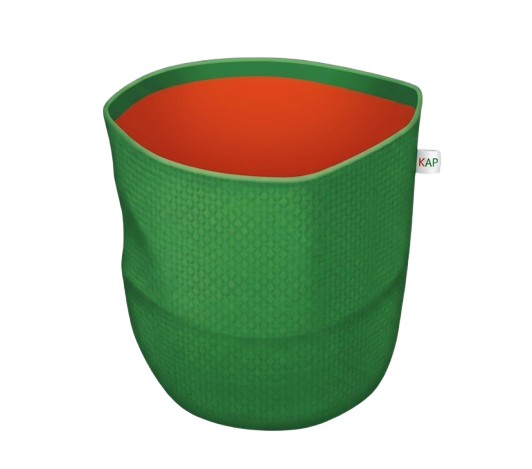 Grow Bags
Affordable and breathable, grow bags work well for terrace gardening and give roots plenty of room to spread.
Best for: Larger hibiscus plants, terrace gardens, and budget-friendly setups
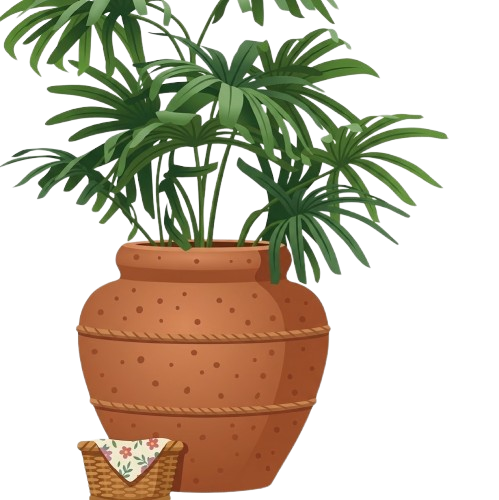 Large Garden Pots
Hibiscus can grow into a medium-sized shrub, so choose a pot that gives roots room to expand as the plant matures.
Best for: 10 to 14 inch pot for young plants; 16 to 18 inch or larger for mature ones
No Drainage = Root Rot Risk
This is very important for hibiscus:
- ✅ Always use pots with drainage holes.
- ✅ Avoid water collection at the bottom.
- ✅ Use pot feet or stands during the monsoon.
- ✅ Decorative pots without holes should only be used as outer covers.
- ❌ Never allow the plant to sit in standing water.
Fertilising — When, What & How Much?
Hibiscus is a heavy feeder compared to many foliage plants. Regular feeding helps support continuous flowering, strong leaves, and healthy bud development.
Best Fertiliser
Use a balanced fertilizer such as NPK 19-19-19 or 20-20-20 during active growth. For better flowering, you can also use a bloom-boosting fertiliser with slightly higher phosphorus and potassium.
- ✅ Feed every 15–20 days during active growth
- ✅ Always dilute liquid fertiliser as instructed
- ✅ Water the plant before fertilising to avoid root burn
- ❌ Do not fertilise a dry or stressed plant
For More Flowering
Hibiscus needs sunlight, nutrition, and pruning together. Fertiliser alone will not make it bloom if the plant is kept in shade.
For better blooms:
- ✅ Give 5–6 hours of sunlight
- ✅ Feed regularly
- ✅ Prune lightly
- ✅ Remove faded flowers
- ✅ Keep pests under control
Avoid Over-Fertilising
Signs of over-fertilising include:
- ❌ Brown leaf edges
- ❌ White crust on soil
- ❌ Bud drop
- ❌ Sudden leaf yellowing
- ❌ Weak or burnt-looking roots
Fix: Flush the soil with plain water and pause fertilising for 3–4 weeks.
Ways To Grow & Display Hibiscus Plant
Hibiscus is versatile and can be grown in many ways depending on your available space.
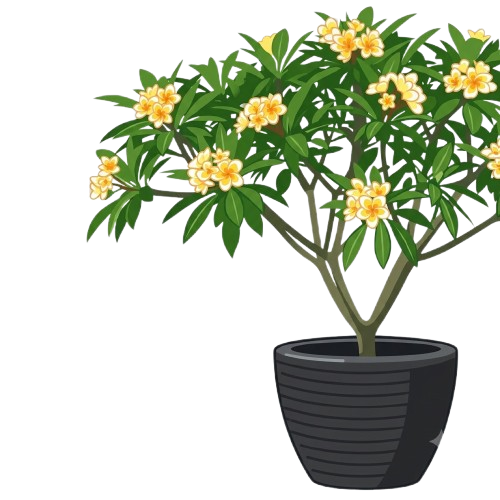 Balcony Pot
The most popular way to grow hibiscus in Indian apartments, placed where it gets plenty of morning sunlight.
Ideal for: Apartments, balconies, sunny corners
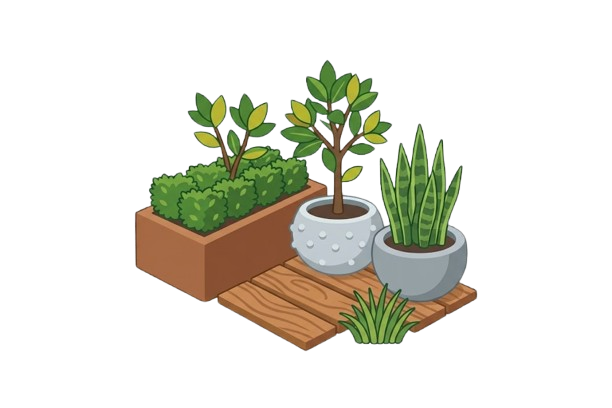 Terrace Garden
Hibiscus grows beautifully on terraces when protected from harsh afternoon heat and strong winds.
Ideal for: Large collections, full-sun gardening, flowering displays
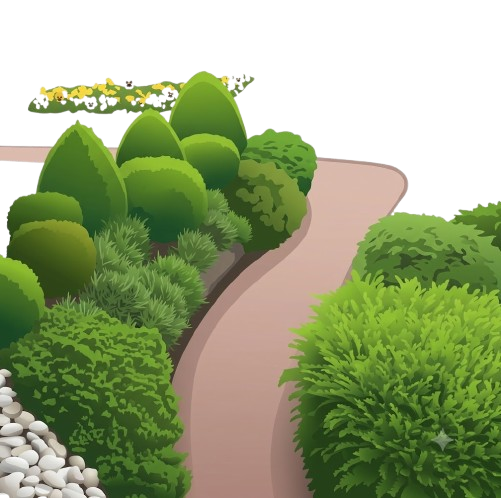 Garden Shrub
In open ground, hibiscus grows into a fuller shrub and produces noticeably more flowers over time.
Ideal for: Home gardens, boundary planting, landscaping
 Entrance Plant
A flowering hibiscus near the entrance instantly creates a bright, colourful, and welcoming look.
Ideal for: Doorways, patios, front-yard corners
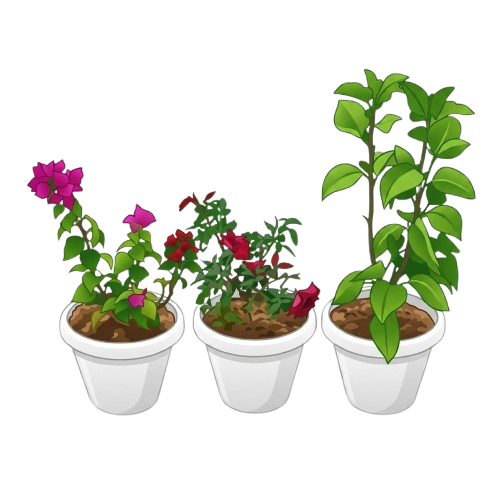 Dwarf Hibiscus in Small Pots
Dwarf hibiscus varieties suit compact balconies and small spaces perfectly, staying tidy without frequent pruning.
Ideal for: Small balconies, tabletops outdoors, railing planters
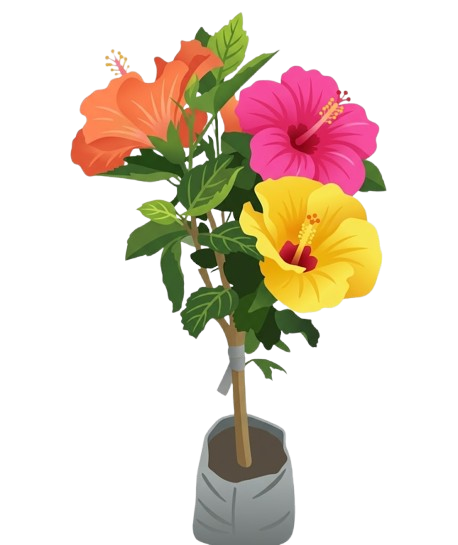 Colour Collection Display
Grow red, yellow, pink, white, and orange hibiscus together for a vibrant, eye-catching tropical garden effect.
Ideal for: Flower lovers, terrace gardens, decorative plant collections
Benefits of Keeping a Hibiscus Plant At Home
Beautiful Year-Round Colour
In warm climates, hibiscus can bloom repeatedly through much of the year, producing fresh flushes of colour whenever it gets enough sunlight, water, and feeding.
Perfect for Indian Weather
Hibiscus loves warmth, sunlight, and humidity, making it well-suited for many Indian cities.
Attracts Pollinators
The bright, trumpet-shaped flowers draw butterflies, bees, and other pollinators into the garden, helping support a healthier outdoor ecosystem.
Great for पूजा & Traditional Use
Red hibiscus flowers are commonly used in Indian religious offerings and rituals, especially in worship of Goddess Kali and Lord Ganesha.
Supports Natural Hair Care Traditions
Hibiscus flowers and leaves have long been used in homemade hair remedies, added to oils and rinses believed to nourish the scalp.
Adds Tropical Beauty
With large, vibrant flowers and lush green foliage, hibiscus instantly brings tropical charm to balconies, terraces, and gardens.
Available in Many Colours
From classic red to yellow, pink, orange, white, and peach, hibiscus comes in a huge range of colours, including double-petaled and dwarf varieties.
Beginner Friendly with Sunlight
Hibiscus responds quickly to basic care, rewarding regular sunlight, watering, and occasional feeding with large, colourful blooms year after year.
Common Problems, Causes & Fixes
Cause: Overwatering, underwatering, sudden weather change, nutrient deficiency, or pest stress
Fix: Check soil moisture first. If soggy, reduce watering. If dry, water deeply. Add balanced fertiliser during active growth.
Prevent: Maintain consistent watering and use well-draining soil.
Cause: Irregular watering, heat stress, pest attack, low sunlight, or sudden movement of the plant
Fix: Keep watering consistently, move to a sunnier location, and check buds for aphids or mealybugs.
Prevent: Avoid shifting the plant frequently once buds form.
Cause: Not enough sunlight, lack of fertiliser, excessive nitrogen, or no pruning
Fix: Move the plant to a spot with 5–6 hours of sunlight and feed with a flowering fertiliser.
Prevent: Prune lightly and fertilise regularly during active growth.
Cause: Aphids, thrips, heat stress, or underwatering
Fix: Check the underside of leaves. Spray neem oil or insecticidal soap if pests are present.
Prevent: Inspect new growth regularly and avoid letting the plant dry out completely.
Cause: Soft new growth attracts sap-sucking pests
Fix: Spray with water to dislodge them, then apply neem oil or insecticidal soap.
Prevent: Avoid excess nitrogen fertiliser and inspect buds often.
Cause: Dry air, weak plant health, or nearby infected plants
Fix: Remove visible pests using a cotton swab dipped in diluted alcohol, then spray neem oil weekly.
Prevent: Isolate new plants and clean stems regularly.
Cause: Warm weather and crowded plants
Fix: Shake the plant gently; if tiny white insects fly out, use yellow sticky traps and neem oil spray.
Prevent: Maintain airflow and avoid overcrowding pots.
Cause: Hot and dry conditions
Fix: Rinse leaves, especially undersides, and apply neem oil or insecticidal soap.
Prevent: Increase humidity slightly and inspect leaves during summer.
Cause: Overwatering, blocked drainage, or heavy soil
Fix: Remove the plant from the pot, trim rotten roots, and repot in fresh, well-draining soil.
Prevent: Use a pot with drainage holes and avoid waterlogging.
Cause: Fungal infection, excess moisture, poor airflow, or water sitting on leaves
Fix: Remove affected leaves, improve airflow, and apply an organic fungicide if needed.
Prevent: Avoid overhead watering during the monsoon and keep the plant airy.
Vastu Shastra & Traditional Placement
Hibiscus is widely valued in Indian homes for its bright flowers, पूजा use, and positive garden presence.
East Direction ✅
An east-facing balcony or garden corner works excellently, since hibiscus receives gentle, direct morning sunlight here.
South or South-East Direction ✅
These directions usually bring strong light that helps hibiscus flower well, though shade helps during harsh summer afternoons.
Entrance Area ✅
A healthy, flowering hibiscus near the entrance adds freshness, vibrant colour, and a welcoming feel.
पूजा ✅
Red hibiscus is commonly grown in home gardens specifically to provide fresh flowers for daily पूजा use.
Dark Indoor Corners ❌
Hibiscus is not suited to dark indoor corners, since it needs strong sunlight to bloom at all.
North-Facing Balcony ❌
North-facing spaces usually don't provide enough sunlight for the plant to flower regularly or well.
Toxicity & Safety
Hibiscus is generally considered non-toxic to dogs, cats, and horses by the ASPCA for commonly listed hibiscus types. (ASPCA)
However, pets or children may still experience mild stomach upset if they chew large quantities of leaves or flowers, especially if the plant has been treated with pesticides, fertilisers, or neem oil.
Cats and Dogs 🐾
Symptoms — Mild vomiting or stomach upset may occur if eaten in large amounts
Action — Offer water and monitor. Contact a vet if symptoms continue.
Small Children 👶
Symptoms — Mild stomach discomfort if plant parts are eaten
Action — Rinse mouth and give water. Consult a doctor if discomfort continues.
Adults 👤
Symptoms — Rare skin sensitivity may occur from sap or sprays used on the plant
Action — Wash hands after pruning, fertilising, or applying pest treatments.
Companion Plants — What Looks Great Together
Hibiscus pairs beautifully with other sun-loving flowering and foliage plants.
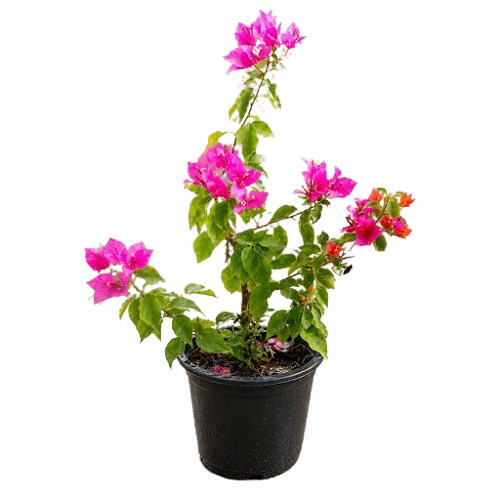
Bougainvillea
Both bougainvillea and hibiscus plants love sunlight and create a bright tropical garden look.
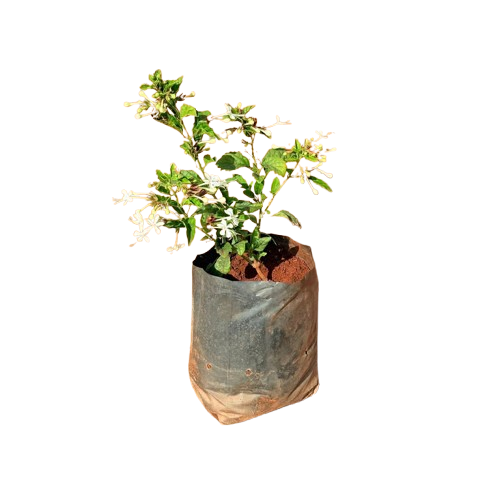
Jasmine
Jasmine adds fragrance, while hibiscus adds bold colour. Together, they make a beautiful Indian balcony or garden combination.
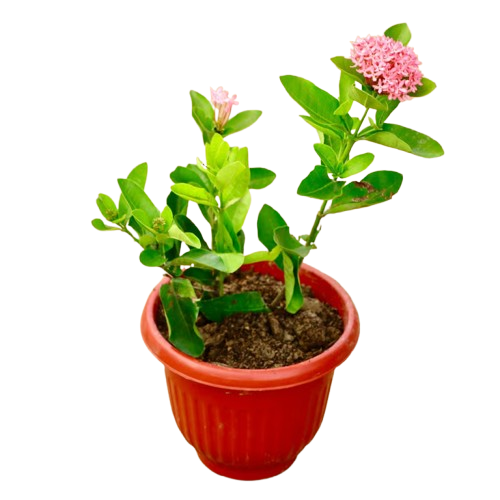
Ixora
Ixora and hibiscus both enjoy warm weather and sunlight, making them great flowering companions.
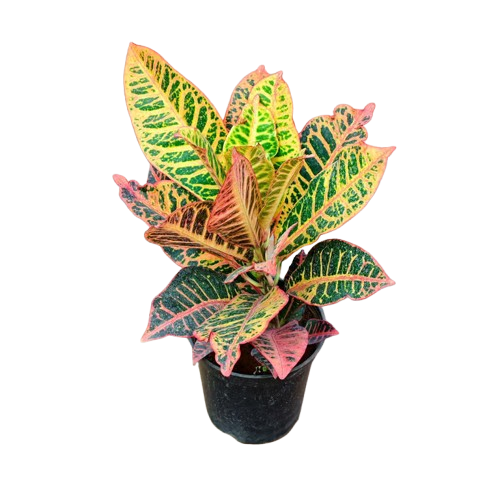
Croton
Croton's colourful foliage pairs well with hibiscus flowers and gives a tropical landscaping effect.